15 Common Things Found in ’70s Living Rooms
The 1970s were a distinctive era for home decor, with bold choices and unique aesthetics that today’s minimalist design trends would hardly recognize. If you stepped into an average American living room during this decade, you’d immediately know what era you were in by the distinctive furnishings and decorative elements that dominated the space.
Here is a list of 15 items that were practically standard issue in living rooms across America during the groovy ’70s.
Shag Carpeting
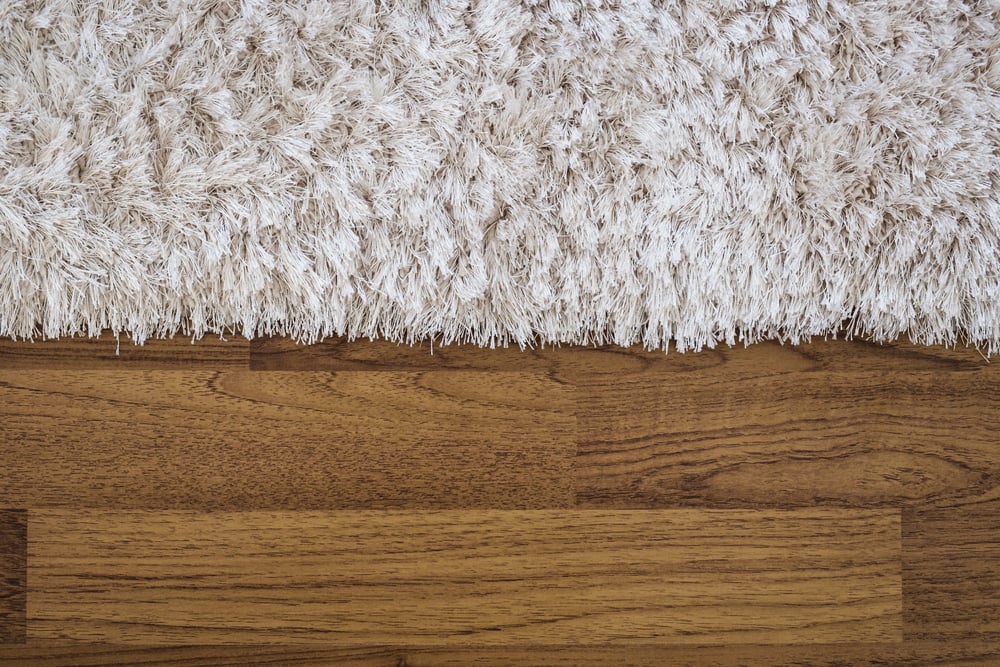
Wall-to-wall shag carpet wasn’t just popular—it was practically mandatory in a ’70s living room. These deep-pile carpets came in stunning (and sometimes shocking) colors like harvest gold, avocado green, and burnt orange.
Your feet would disappear into these plush floor coverings that required special rakes to keep them fluffy and presentable after being trampled by platform shoes and kids’ feet.
Wood Paneling
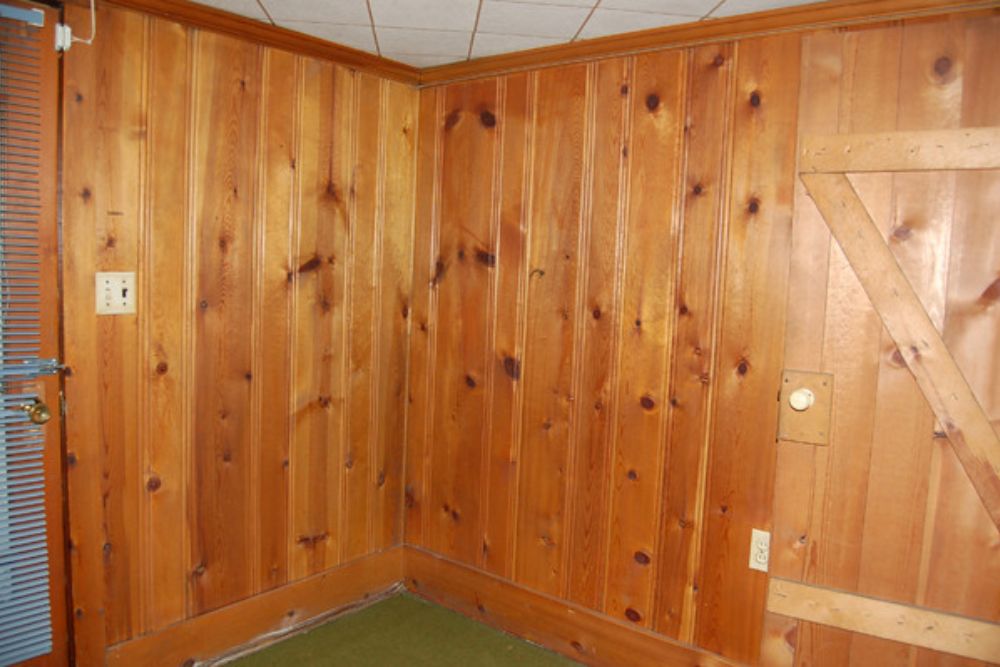
Dark wood paneling covered the walls of countless ’70s living rooms, creating that distinctive cabin-like atmosphere whether you lived in the suburbs or the city. Made from real wood or more commonly wood-patterned sheets, these panels transformed ordinary drywall into what many considered sophisticated wall treatments—though today they’re often the first thing to go during renovations.
Macramé Plant Hangers
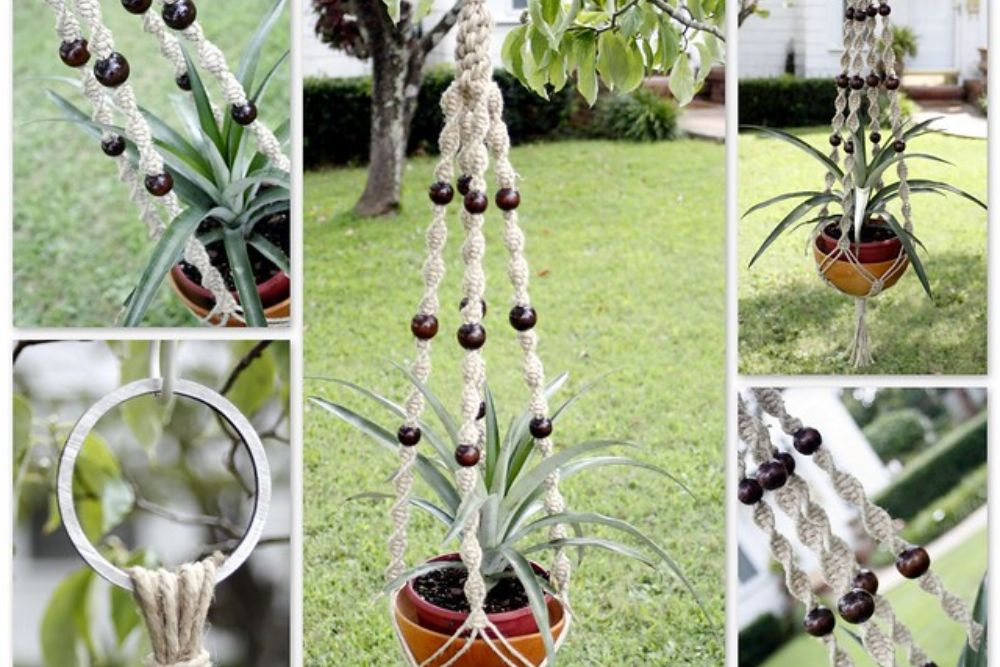
No ’70s living room was complete without at least one elaborate macramé plant hanger suspending a Boston fern or spider plant from the ceiling. These handcrafted items represented the decade’s love affair with handicrafts and bringing nature indoors.
The more intricate the knotwork, the more your guests would admire your ability to embrace the bohemian aesthetic of the times.
Sunken Living Rooms
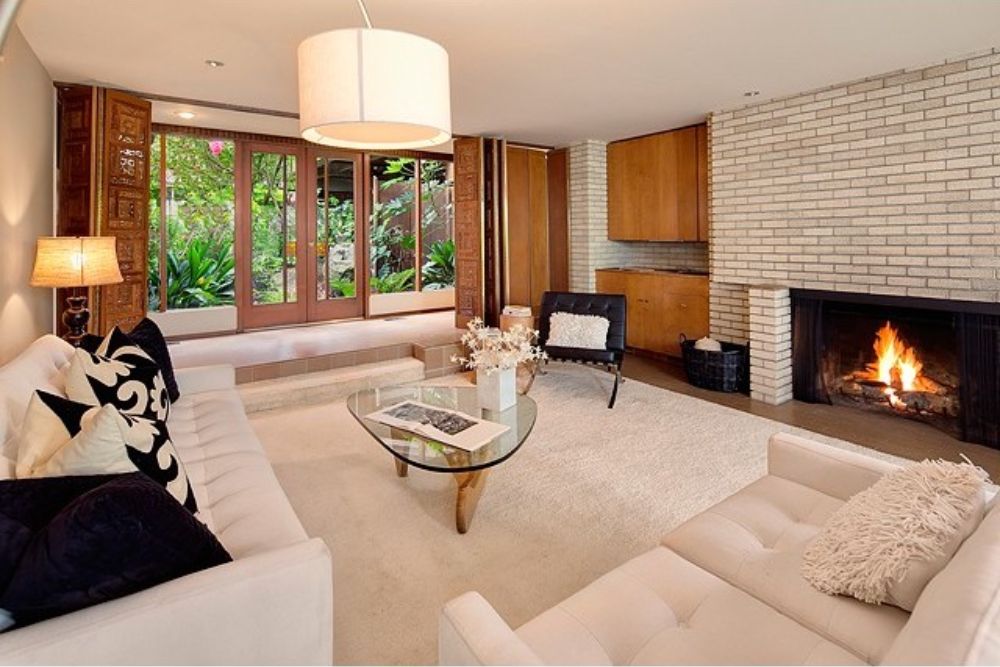
The pinnacle of architectural innovation in the 1970s was the subterranean living room or conversation pit. An intimate gathering area surrounded by built-in sofas was created by these reduced seating spaces, which were frequently only a step or two below the main floor level.
In a time before cellphones and tablets fought for attention during family time, the design promoted in-person communication.
Lava Lamps
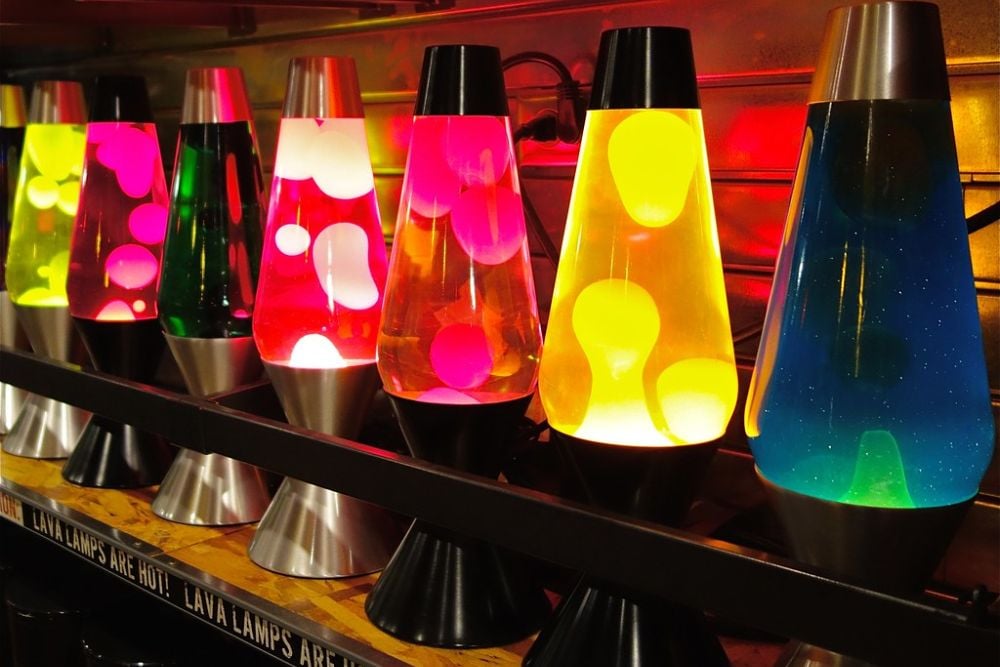
The psychedelic spirit of the time was encapsulated in these captivating liquid-filled lamps with their gently changing blobs of colored wax. Lava lamps, which were placed on end tables or shelves, offered ambient illumination and nonstop amusement as their contents constantly changed into new abstract shapes.
The easygoing atmosphere of the usual ’70s living area was ideally matched by their mesmerizing movement.
Bean Bag Chairs

Comfortable, casual, and completely devoid of structure, bean bag chairs epitomized the laid-back attitude of the decade. These formless seats filled with polystyrene beads conformed to whoever flopped down on them, making them popular with kids and adults alike.
Available in vinyl, corduroy, or velvet, they added a touch of youthful rebellion to even the most traditional homes.
Console TVs
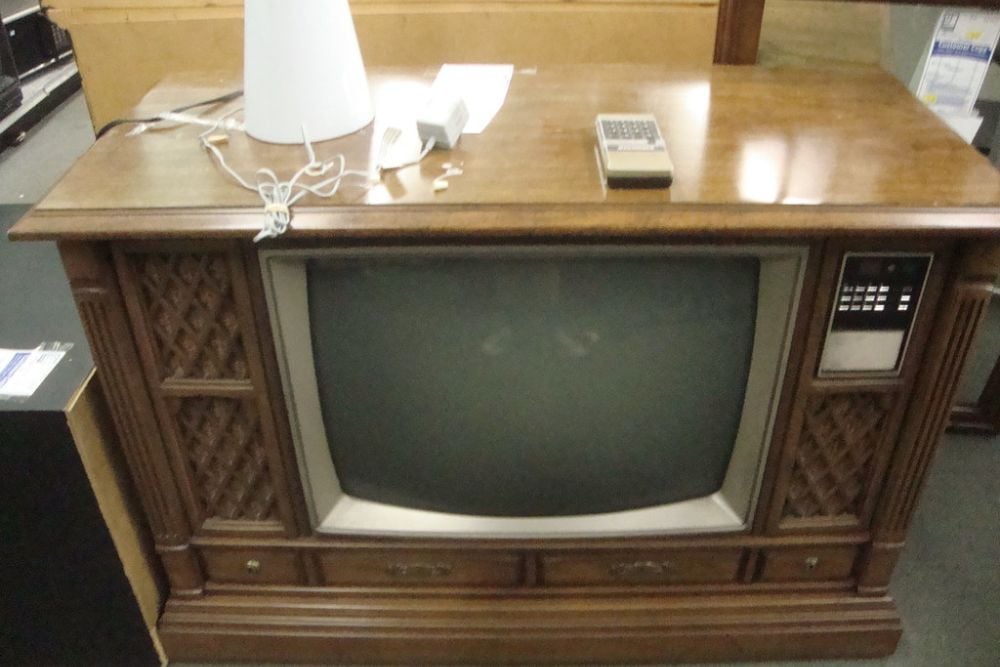
Before flat screens and wall mounting, televisions were furniture. The massive wooden console TV was often the centerpiece of the ’70s living room, housed in a cabinet that could be mistaken for a credenza when turned off.
These substantial appliances featured wood veneer exteriors and small screens by today’s standards, but they represented cutting-edge technology for families gathering to watch shows like ‘The Brady Bunch’ or ‘MAS*H.’
Harvest Gold Appliances
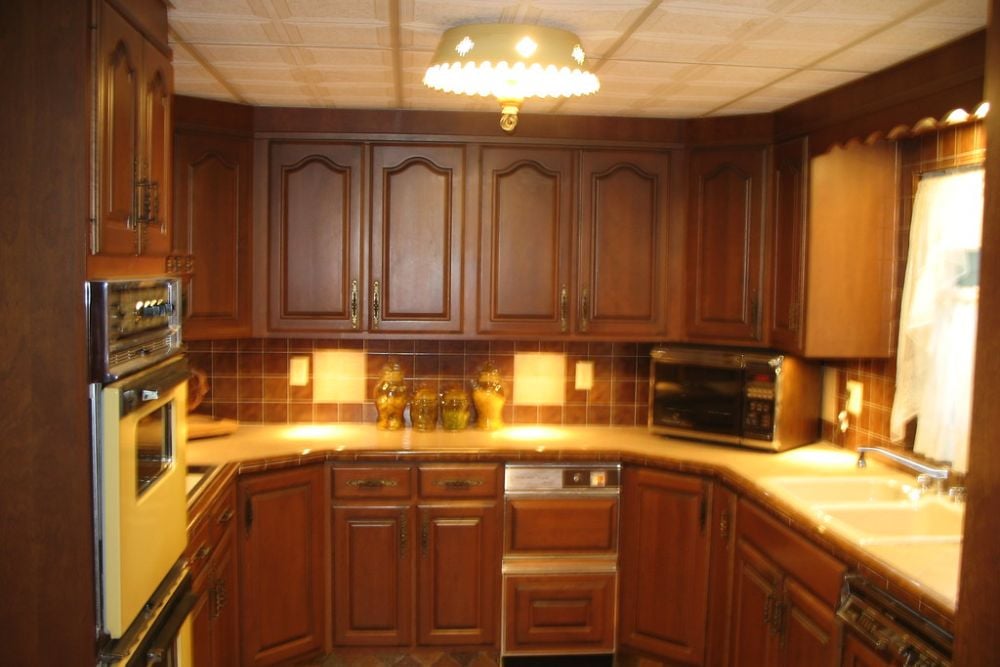
If your living room opened to the kitchen (open concept before it was trendy), you’d likely see appliances in the distinctive harvest gold color that dominated the decade. This yellowish-gold hue found its way onto everything from refrigerators to blenders, creating a cohesive color story throughout the home.
Paired with avocado green or burnt orange accessories, it created the quintessential ’70s color palette.
Record Players and Vinyl Collections
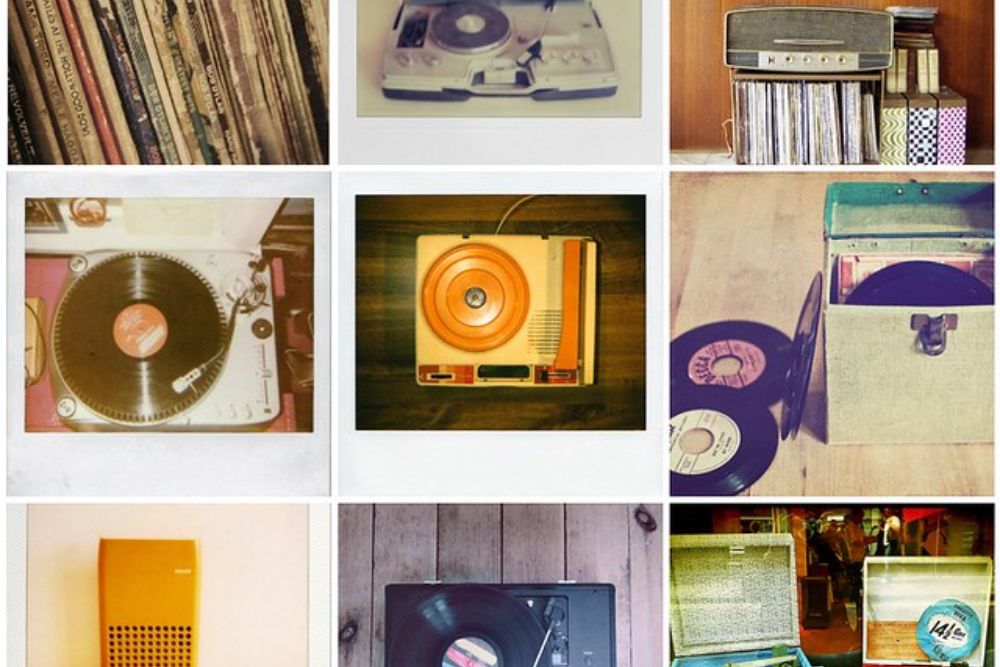
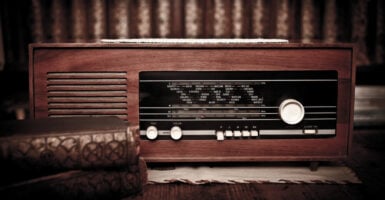
Long before streaming services, the record player or hi-fi system was the entertainment hub in most living rooms. Often housed in wood cabinets with built-in speakers, these systems played the soundtrack of ’70s life while nearby shelves displayed carefully curated vinyl album collections.
The ritual of selecting an album, removing it from its sleeve, and dropping the needle was a defining experience of the era.
Conversation Pits
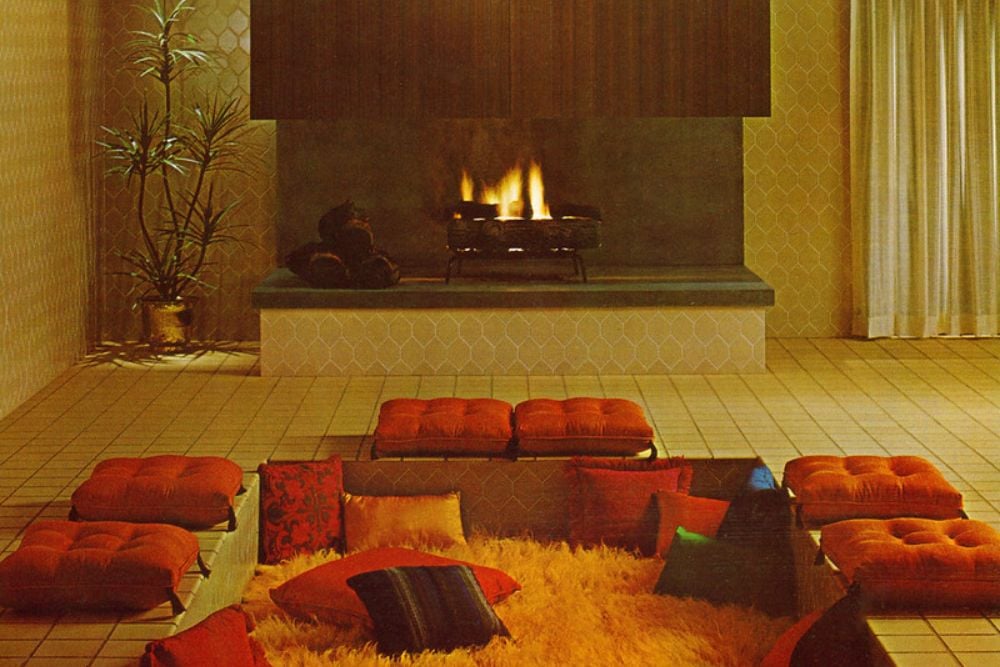
Similar to but distinct from sunken living rooms, conversation pits featured built-in seating arranged in a square or circle, sometimes surrounding a fireplace or coffee table. These architectural features encouraged face-to-face socializing and represented the decade’s emphasis on creating spaces specifically designed for human connection.
Their built-in nature made them permanent fixtures that defined the room’s function.
Brass Accents
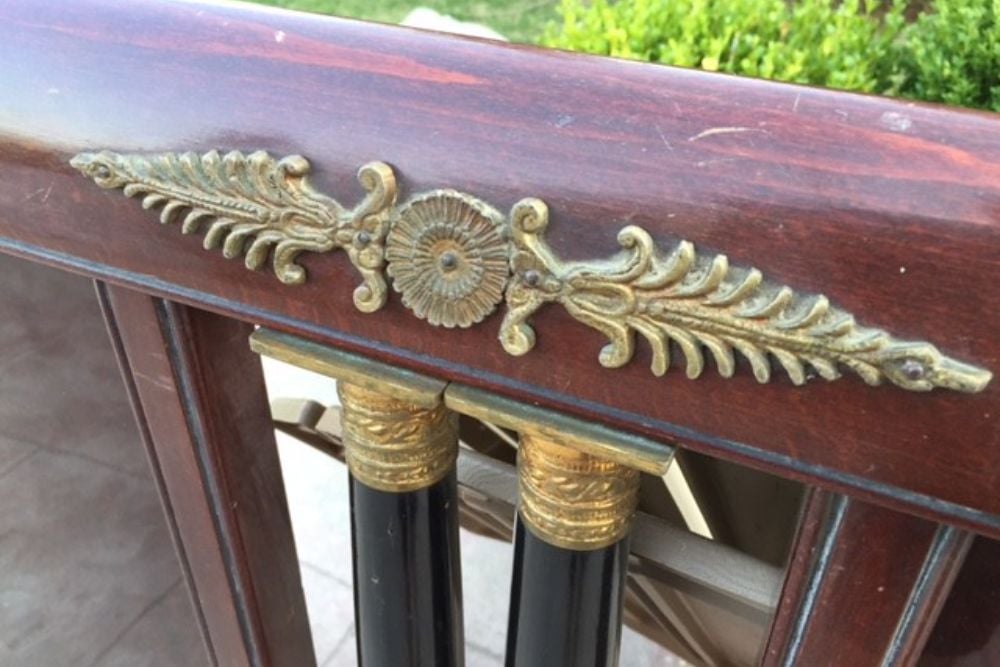
Brass was the metallic finish of choice during the ’70s, appearing on everything from lamp bases to coffee table frames. Its warm golden glow complemented the earthy color palette popular at the time. Large brass planters holding ficus trees, brass-framed mirrors, and decorative brass wall hangings were common sights that added a touch of glamour to homes across America.
Fondue Sets
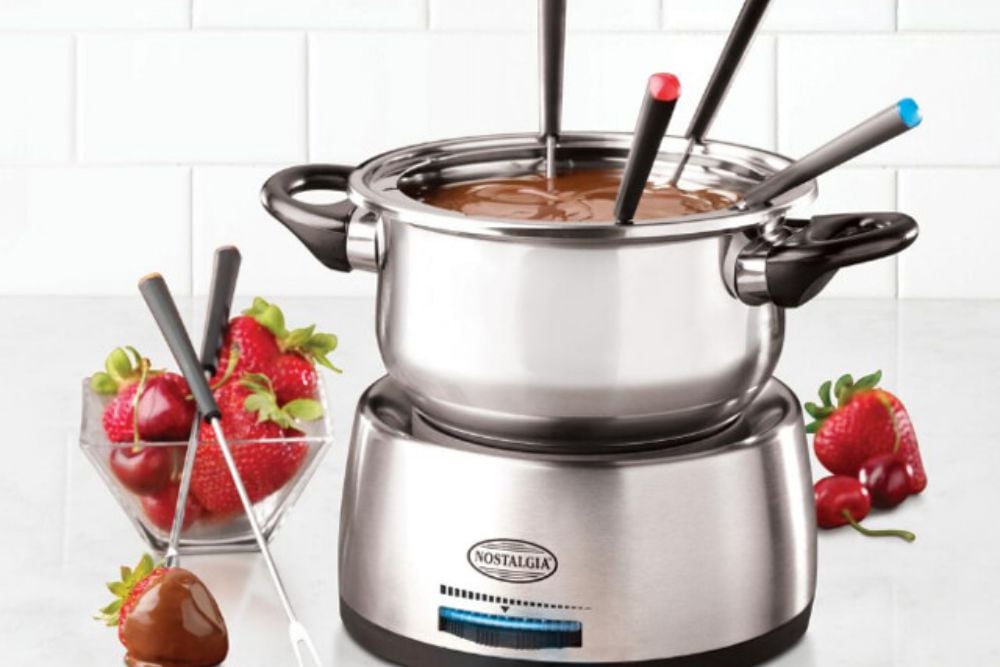
Though technically kitchen items, fondue sets often made their way into ’70s living rooms for social gatherings. These popular entertaining tools facilitated dipping bread into melted cheese or fruit into chocolate while chatting with friends.
The fondue pot typically sat atop a small burner in the center of the coffee table, surrounded by long forks and eager participants ready to partake in this communal dining experience.
Terrazzo Tables
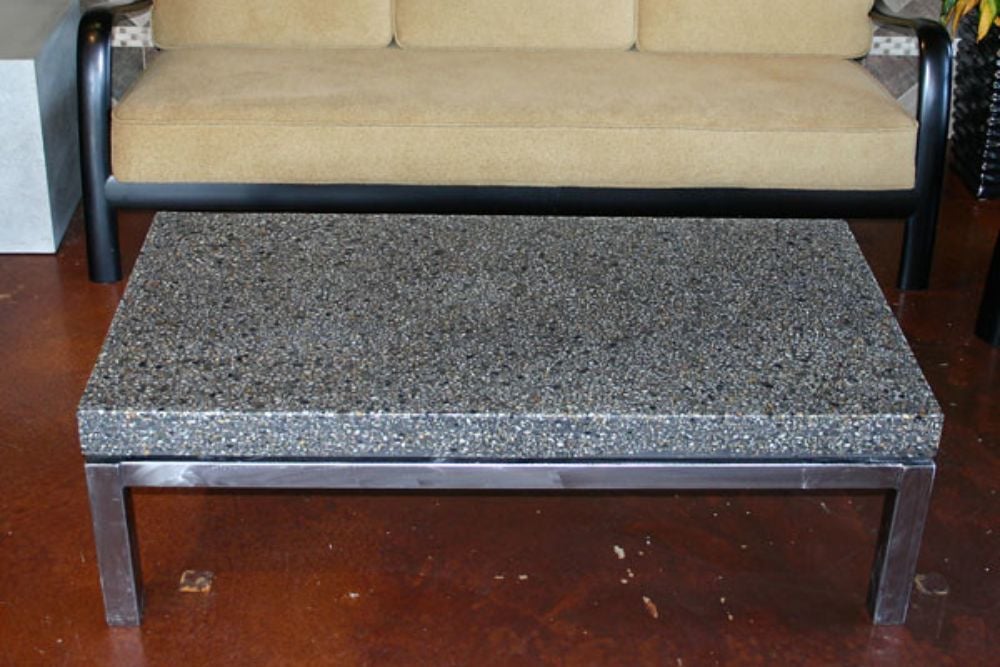
Tables featuring terrazzo—a composite material with chips of marble, quartz, or glass set in concrete—were highly sought-after living room additions. Their speckled surfaces provided visual interest and durability in equal measure.
Whether as coffee tables, end tables, or even table lamps, terrazzo brought a touch of Italian-inspired design into American homes during this distinctive decade.
Massive Houseplants
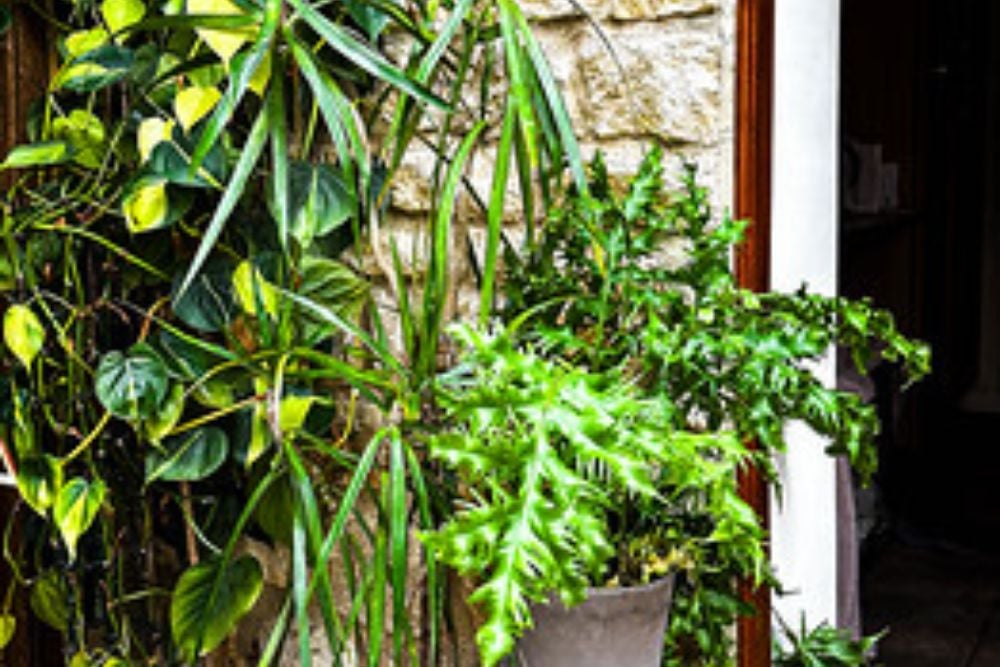
Indoor plants reached new heights—literally—in the ’70s living room. Towering rubber plants, fiddle leaf figs, and palm trees in large ceramic pots served as living sculptures in home decor.
These substantial specimens thrived in the bright, sunlit spaces favored during this period and reflected the decade’s growing environmental awareness and connection to nature.
Rattan Furniture

Rattan chairs, tables, and accessories brought a touch of tropical flair to ’70s interiors. These pieces made from woven palm stems were lightweight, visually interesting, and complemented both the natural and bohemian elements popular at the time.
Peacock chairs, rattan bar carts, and woven coffee tables were particularly coveted items that signaled your design savvy.
The Legacy of ’70s Design

Today’s revival of mid-century modern and retro aesthetics has brought many of these ’70s elements back into contemporary homes, albeit often with updated twists. While some aspects of this distinctive decade’s style might make us cringe, others—like the emphasis on comfortable gathering spaces and natural materials—continue to influence how we design our living spaces today.
The ’70s living room, with all its quirks and bold choices, reminds us that home design is cyclical, and even the most dated trends eventually find new appreciation.
More from Go2Tutors!

- The Romanov Crown Jewels and Their Tragic Fate
- 13 Historical Mysteries That Science Still Can’t Solve
- Famous Hoaxes That Fooled the World for Years
- 15 Child Stars with Tragic Adult Lives
- 16 Famous Jewelry Pieces in History
Like Go2Tutors’s content? Follow us on MSN.