Surprising Rules for ‘Saturday Night Live’ Hosts
If you think hosting Saturday Night Live is just about showing up, reading cue cards, and cracking jokes, you’re in for a surprise. The show that’s been a comedy institution since 1975 comes with a whole set of unwritten (and sometimes written) rules, bizarre traditions, and expectations that hosts learn about the hard way.
Some of these are practical, some are just weird, and a few might make you wonder how anyone agrees to do this gig in the first place. But hey, millions of people watch, it’s live television, and if you survive the week, you get to join a club that includes everyone from Tom Hanks to Betty White.
Here’s what actually goes on behind the scenes at 30 Rock.
You get paid basically nothing

Hosts receive around $5,000 for their week of work (which Justin Timberlake famously called “the best five grand you can make on television”). That’s it.
For a multi-day commitment that includes pitch meetings, read-throughs, rehearsals, costume fittings, and the live show itself, you’re making less than most people earn in a week at a regular job. But here’s the thing—nobody’s doing SNL for the money.
Union rules require that everyone appearing on screen gets paid, so the payment is more of a formality. The real compensation is the exposure and the prestige.
Still, it’s kind of hilarious that A-list celebrities are basically working for pocket change.
Monday starts with fake sketch pitches

The week kicks off with a pitch meeting where writers and cast members pitch sketch ideas to the host, but these aren’t necessarily real sketches they intend to write. It’s more about breaking the ice and figuring out what the host thinks is funny.
Sometimes these fake pitches turn into actual sketches, but mostly it’s just a way to ease everyone into the chaotic week ahead. You’re essentially spending your first day at SNL listening to people throw spaghetti at the wall to see what sticks (and occasionally one of those spaghetti strands becomes television gold).
The read-through is a bloodsport

Read-through happens on Wednesday and takes three to four hours to get through around 40 sketches. After that, the producers and head writers pick only 11 sketches to produce for the episode.
Do the math—that’s less than a third of what was written. If your sketch doesn’t make the cut, tough luck.
The writers work all night Tuesday into Wednesday morning to get these scripts ready, and most of them won’t even see the light of day. It’s brutal.
And the host? They’re just sitting there watching dreams die in real time.
You have to learn cue card geography

There’s actual art to reading cue cards on SNL. Hosts are told where all the sets of cards will be—typically one in the center, one on the left, and one on the right—and they’re instructed on which set to “play”.
The general rule? Play the set closest to the cast member you’re talking to.
But also hit the center cards occasionally since most cameras are out front. Sounds simple until you’re trying to remember blocking lines, where the cameras are, and which side Bob the cue card guy is standing on.
Oh, and you have to make it look natural.
There’s no actual Five-Timers Club
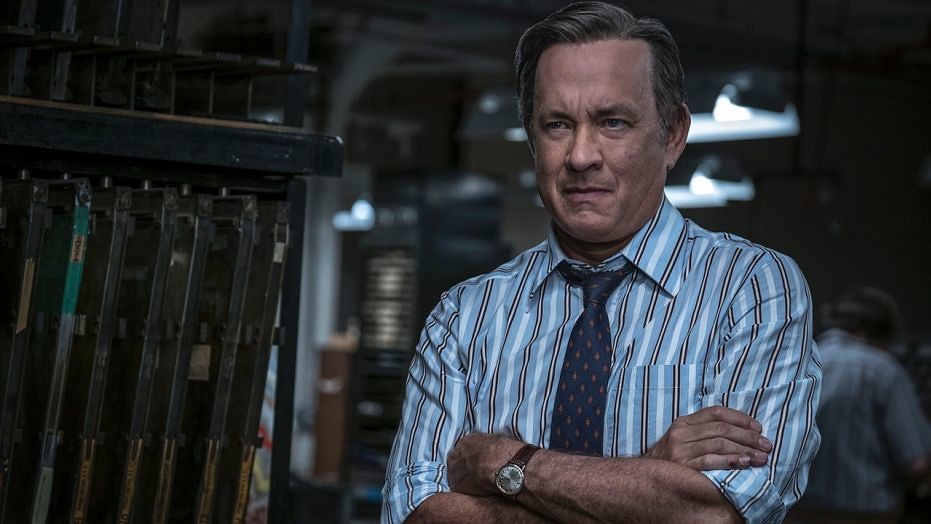
Everyone thinks the Five-Timers Club is this exclusive, real thing. The tradition began in 1990 with Tom Hanks as a joke about how hosting SNL five times was supposedly this monumental achievement.
They created this whole sketch with a luxurious fictional club, complete with staff and perks. Here’s the kicker: the hosts don’t even get to keep their Five-Timers jacket—it’s just a prop they wear for the monologue.
Emma Stone found this out and basically had to steal hers to take it home. She admitted on The Tonight Show that she told them, “No. I’ll be taking it with me, I’ll be wearing it to the after-party, and I’ll be taking it home.”
The whole thing is an elaborate bit that people take way too seriously, which makes it even funnier.
You can get banned for being difficult

Steven Seagal holds a special place in SNL history. When he hosted in 1991, cast members described him as stiff, unfunny, and very critical of the cast and writing staff. Tim Meadows said, “He didn’t realize that you can’t tell somebody they’re stupid on Wednesday and expect them to continue writing for you on Saturday”.
During Nicolas Cage’s hosting gig, Lorne Michaels himself confirmed that Seagal was “the biggest jerk” ever on the show. Guess what? He never got invited back.
Turns out being an action star doesn’t translate to sketch comedy, especially if you’re a jerk about it.
Going off-script can end your SNL career
Adrien Brody wore faux dreadlocks and spoke in a Jamaican accent to introduce musical guest Sean Paul in 2003, completely ignoring the pre-planned script. The bit lasted less than a minute and was widely criticized as racially offensive.
Brody hasn’t been invited back since. Martin Lawrence got banned after going off-script during his 1994 monologue with controversial comments about women.
Louise Lasser struggled with the pressure during her 1976 hosting debut, even locking herself in her dressing room before the broadcast, and she managed just one sketch. The lesson?
Stick to the script, or at least don’t do anything that’ll generate hundreds of complaints.
The week is designed to exhaust you

Thursday involves bumper photos, network promos, and rehearsing four of the easier sketches, making it about a 10-hour day. Friday ramps up with location shoots and more rehearsals.
Saturday is the big day—sketch rehearsals, supper break, a run-through for an audience at 8 p.m., and then the actual live show at 11:30 p.m. Most hosts are shocked by how fast the live show goes and are often itching to be asked back once they understand the process.
The whole experience is designed to be one of the hardest weeks of your life, and yet people keep coming back for more. Go figure.
Musical guests have strict rules (or else)

Musicians get banned from SNL all the time, usually for political stunts or explicit language. Elvis Costello was banned for 12 years after stopping his performance of “Less Than Zero” and playing “Radio Radio” instead in 1977, a song critical of mainstream broadcasting.
Rage Against the Machine hung upside-down American flags from their amplifiers in 1996 when Republican presidential candidate Steve Forbes was hosting, and they were kicked out of the building. Sinéad O’Connor ripped up a photo of Pope John Paul II after performing Bob Marley’s “War” in 1992 and never came back.
The message is clear: you can perform, but don’t make it too political or profane.
Politicians can host (but it’s weird)

SNL has hosted several politicians over the years, and it’s always been controversial. Steve Forbes hosted in 1996 while running for president, which is still considered one of the strangest hosting choices in the show’s history.
Al Gore hosted in 2002, Rudy Giuliani hosted in 1997, and even Ralph Nader got the gig back in 1977. More recently, Kamala Harris made a cameo appearance in 2024, which triggered debates about equal time rules for political candidates.
The whole politician-hosting thing walks a fine line between comedy and campaign promotion, and SNL has taken heat for it more than once.
One 80-year-old grandmother got to host

In 1977, SNL held an “Anyone Can Host” contest where people submitted postcards explaining why they should be chosen. Miskel Spillman, an 80-year-old grandmother from New Orleans, won with her entry: “I’m 80 years old.
I need one more cheap thrill, since my doctor told me I only have another 25 years left.” She actually hosted the December 17, 1977 episode with Elvis Costello as the musical guest. The opening sketch joked about John Belushi giving her something to help with her nerves before the show.
Spillman remains the only non-celebrity to ever host SNL, and she held the record as the oldest host for 32 years until Betty White broke it in 2010 at age 88.
The show will literally cut you off mid-performance

SNL is live, but it also has a strict time limit. When Kanye West delivered an off-the-cuff pro-Trump speech in 2018 while wearing a MAGA hat, NBC cut the transmission because the show’s 90-minute time slot had ended.
He kept going anyway, walking around the stage while the studio audience booed and cast members walked off. The Jennifer Lopez episode in 2001 aired 45 minutes late because of an XFL game, and Lopez wasn’t even told they were on a delay.
Lorne Michaels was so angry about it that he had the episode rerun just three weeks later. If you mess with the show’s timing or push boundaries too far, they’ll pull the plug on you.
Breaking character is both encouraged and discouraged

Here’s a contradiction: SNL loves when cast members break character because it makes for viral moments (hello, Ryan Gosling and Kate McKinnon), but hosts are generally expected to hold it together. There’s this unspoken rule that the hosts should be the straight man while the cast gets to lose it.
But if you’re naturally funny and the moment is right, breaking can actually work in your favor. It’s all about reading the room and understanding that SNL is weird about consistency—they want spontaneity, but also professionalism, but also chaos.
Good luck figuring that out.
Studio 8H has its own ecosystem
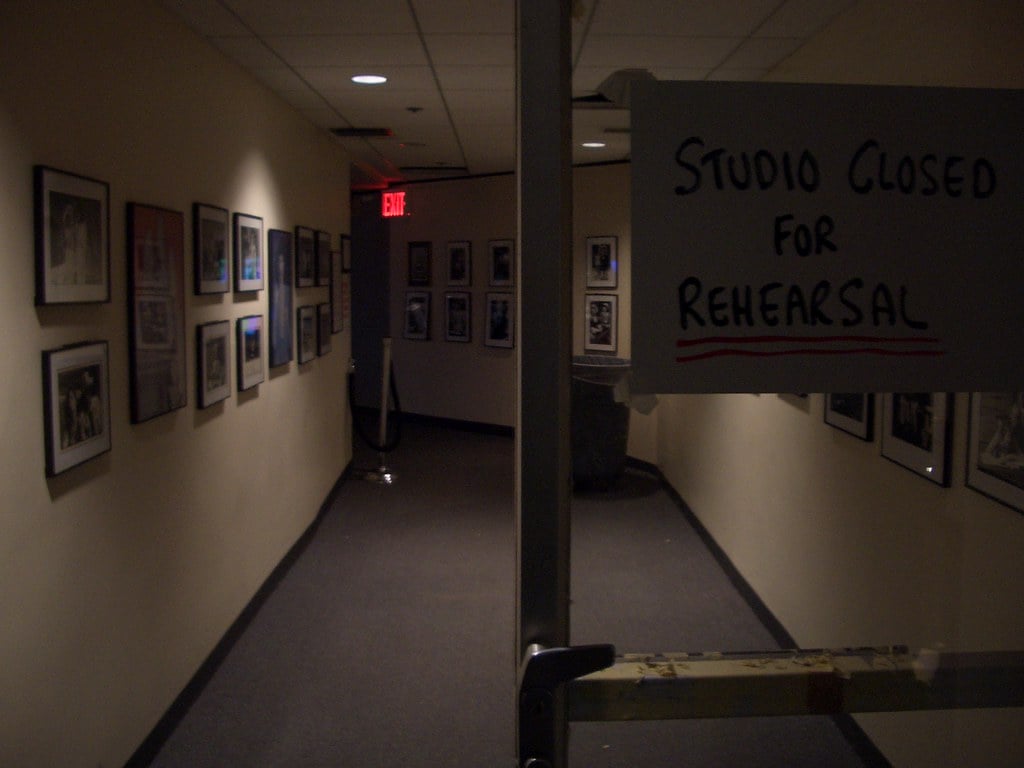
The show films at Studio 8H in Rockefeller Plaza, and that space has been SNL’s home since 1975. It’s got its own weird energy, its own superstitions, its own history of backstage fights (Bill Murray once punched Chevy Chase there in 1978), and its own production quirks.
The set changes happen at lightning speed, there are five cameras worth of visual elements being managed, and everything is stored digitally now, but back in the day it was pure analog chaos. Hosts walk into this legacy and have to just go with it, even though they’re basically stepping into a pressure cooker that’s been simmering for almost 50 years.
Surviving the week makes you part of history

At the end of the day, hosting SNL is less about the rules and more about surviving the experience. Most hosts describe it as one of the hardest but best weeks of their lives.
You’re working with comedy legends, performing live for millions of people, and joining a lineage that includes everyone from John Belushi to Eddie Murphy to Tina Fey. The after-party on Saturday night is supposedly a celebration of just making it through in one piece.
And if you’re lucky enough to host five times? Well, you get a jacket you’re not allowed to keep. But hey, at least you’ll always have the stories.
More from Go2Tutors!

- The Romanov Crown Jewels and Their Tragic Fate
- 13 Historical Mysteries That Science Still Can’t Solve
- Famous Hoaxes That Fooled the World for Years
- 15 Child Stars with Tragic Adult Lives
- 16 Famous Jewelry Pieces in History
Like Go2Tutors’s content? Follow us on MSN.