15 Constitutional Amendments That Almost Happened
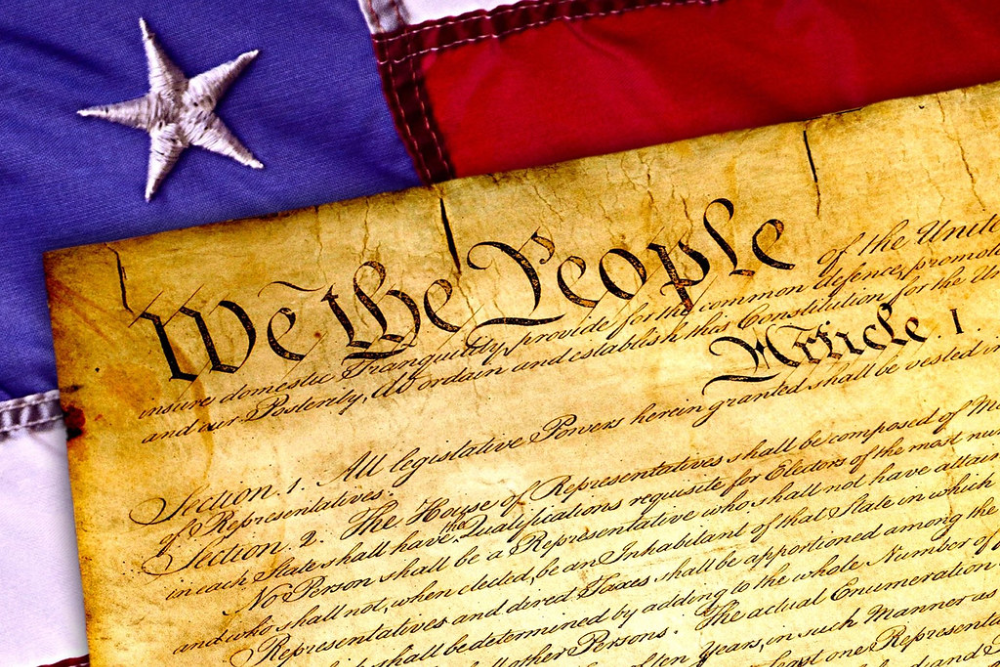
The U.S. Constitution has been amended only 27 times since 1787, yet thousands of proposed amendments have been introduced in Congress over the centuries. Most died in committee or failed to gain enough support, though some came surprisingly close to becoming the law of the land.
Here’s a list of 15 constitutional amendments that almost made it into our founding document, each representing a fascinating glimpse into America’s political priorities and social tensions throughout history.
The Titles of Nobility Amendment

Back in 1810, Congress passed an amendment that would’ve stripped citizenship from any American who accepted a title of nobility from a foreign government. The proposal gained steam after Jerome Bonaparte — Napoleon’s brother — married an American woman, which got some folks worried about European influence creeping into American politics.
Twelve of the thirteen states needed had ratified it by 1812, though the addition of new states changed the math and it never crossed the finish line.
The Corwin Amendment
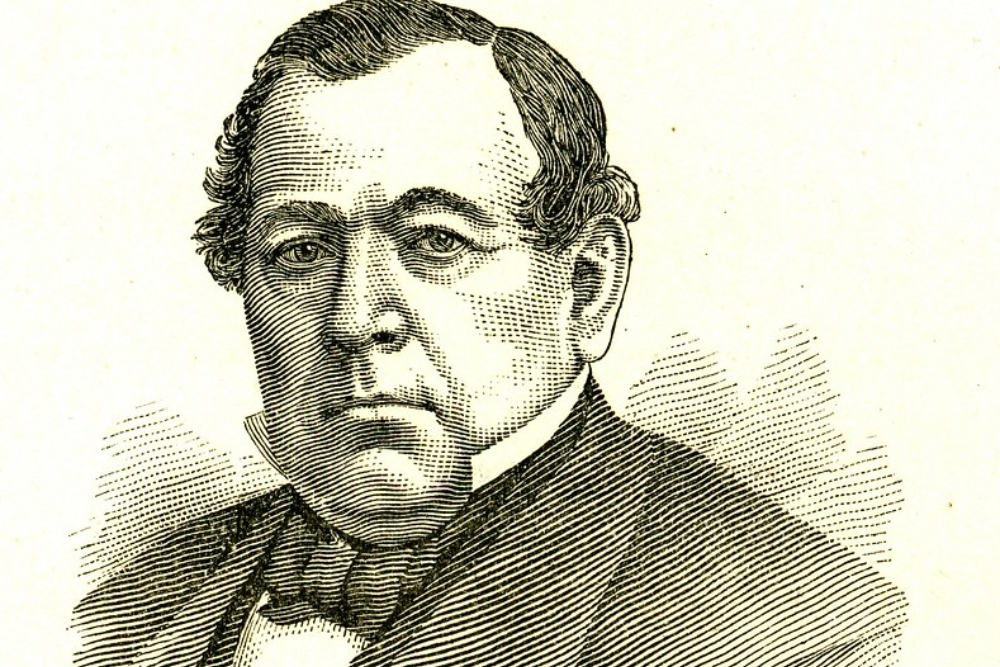
Perhaps the most tragic near-miss in constitutional history, the Corwin Amendment of 1861 would have permanently protected slavery in states where it already existed. Desperate to prevent the Civil War, Congress passed this amendment just as Abraham Lincoln took office — hoping to convince Southern states to stay in the Union.
Three states actually ratified it, but the attack on Fort Sumter made the whole effort pointless.
Like Go2Tutors’s content? Follow us on MSN.
The Child Labor Amendment

After the Supreme Court struck down federal child labor laws in the 1920s, Congress proposed an amendment giving the federal government explicit power to regulate child labor. The amendment passed both houses of Congress in 1924, yet only 28 states ratified it out of the 36 needed at the time.
Opposition came from farming states that relied on children for agricultural work — and from those who saw it as federal overreach into family matters.
The Equal Rights Amendment
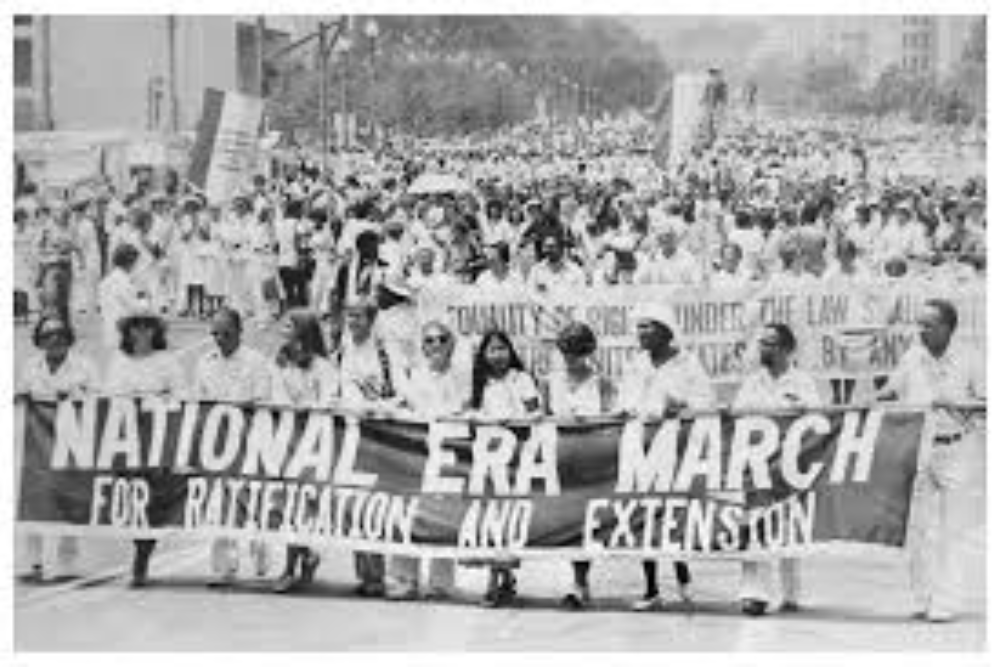
The ERA, which would have guaranteed equal legal rights regardless of gender, came tantalizingly close to ratification in the 1970s. Congress passed it in 1972. Thirty-five states ratified it fairly quickly, just three short of the required 38.
However, a conservative backlash led by Phyllis Schlafly painted the amendment as a threat to traditional family values — and the ratification deadline passed in 1982 without those final three states.
The Bricker Amendment

Named after Ohio Senator John Bricker, this 1950s proposal would have limited the president’s power to make international agreements and treaties. The amendment was a response to fears that the United Nations and other international organizations were undermining American sovereignty.
It came within one vote of passing the Senate in 1954 — falling just short of the two-thirds majority needed.
Like Go2Tutors’s content? Follow us on MSN.
The Ludlow Amendment

Following the outbreak of World War II in Europe, Indiana Representative Louis Ludlow proposed an amendment requiring a national referendum before Congress could declare war, except in cases of invasion. The idea gained surprising support from Americans who remembered the carnage of World War I. They wanted to avoid another overseas conflict.
The House voted 209-188 against bringing it to the floor in 1938 — meaning it never got a full vote.
The Liberty Amendment

This Cold War-era proposal would have repealed the 16th Amendment, effectively eliminating the federal income tax and drastically reducing the size of the federal government. Introduced in 1952, it gained support from seven states over the following decades, though the complexity of funding the federal government without income taxes made it impractical.
The amendment reflected deep concerns about government overreach during the McCarthy era.
The Blaine Amendment

Named after politician James Blaine, this 1870s amendment would have prohibited public funding of religious schools. The proposal passed the House by a wide margin — but fell just short in the Senate, where it received 27 votes out of the 28 needed.
The amendment was largely aimed at preventing Catholic schools from receiving public funds, reflecting the anti-Catholic sentiment that was common in 19th-century America.
Like Go2Tutors’s content? Follow us on MSN.
The Anti-Polygamy Amendment
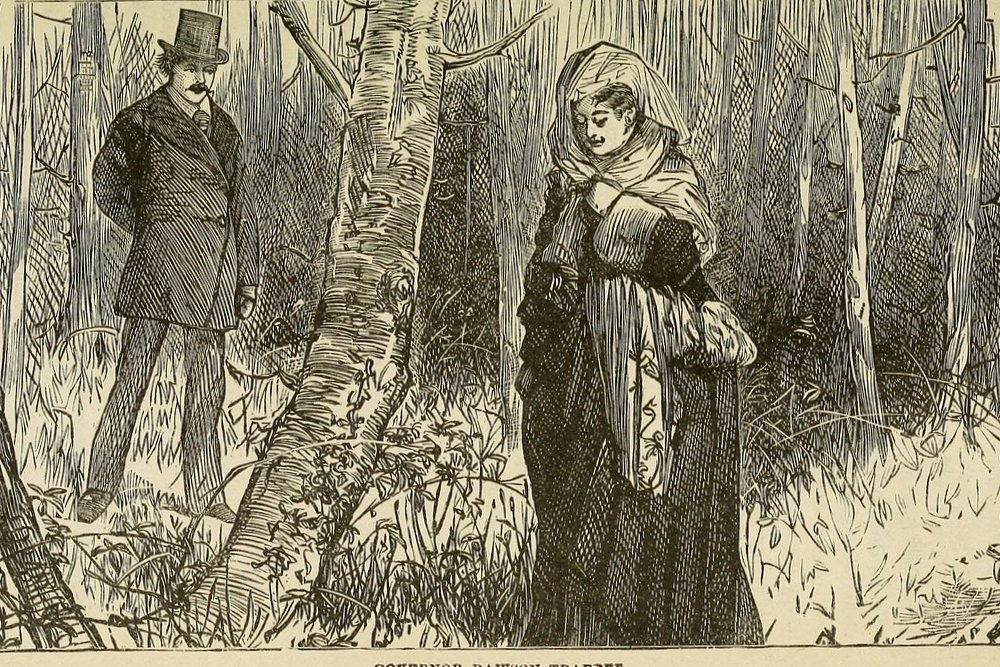
During the height of tensions with the Mormon church in Utah Territory, Congress considered an amendment that would have explicitly banned polygamy throughout the United States. The proposal gained momentum in the 1880s when the federal government was actively prosecuting polygamists — and seizing Mormon church property.
However, the church’s decision to abandon polygamy in 1890 removed the political pressure for such an amendment.
The Flag Desecration Amendment

After the Supreme Court ruled in 1989 that flag burning was protected speech, Congress repeatedly tried to pass an amendment allowing laws against flag desecration. The amendment passed the House six times between 1995 and 2006 — but it never quite gained enough support in the Senate.
The closest it came was in 2006, when it fell just one vote short of the two-thirds majority needed.
The Automatic Reapportionment Amendment
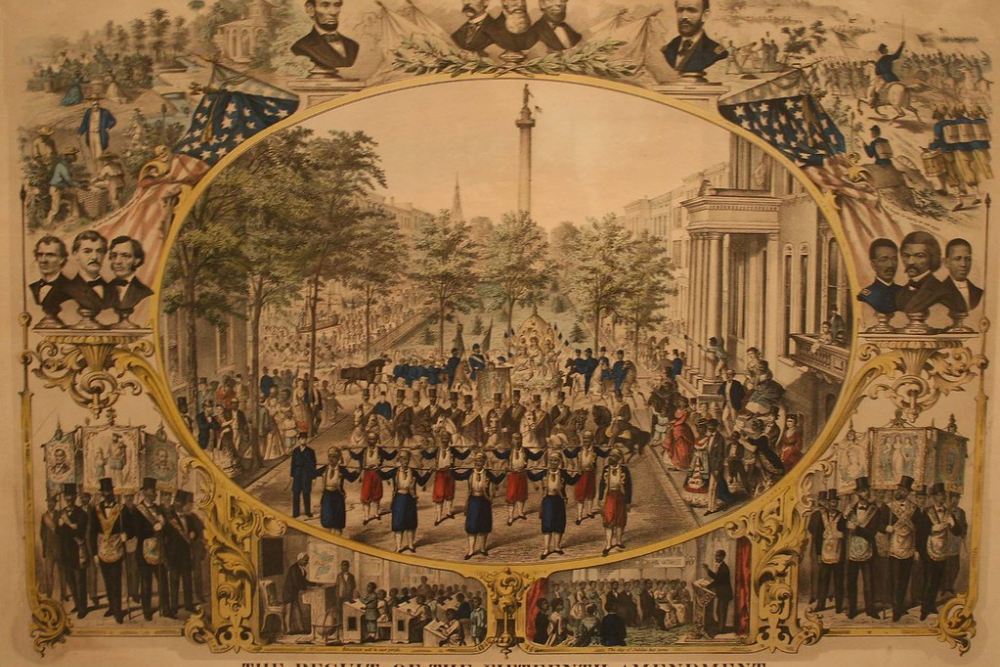
This 1929 proposal would have required congressional districts to be redrawn automatically after each census, taking the politics out of redistricting. The amendment was a response to the growing problem of gerrymandering, where politicians drew district lines to favor their own parties.
While it never gained serious traction, the idea has resurfaced in recent decades as gerrymandering has become more sophisticated and controversial.
Like Go2Tutors’s content? Follow us on MSN.
The Single Six-Year Term Amendment
Multiple versions of this amendment have been proposed over the years, most recently in the 1980s, that would give presidents a single six-year term instead of the current system allowing two four-year terms. Supporters argued it would free presidents from the political pressures of re-election campaigns, allowing them to focus on governing.
Critics worried it would either make presidents too powerful or turn them into lame ducks from day one.
The Balanced Budget Amendment

This perennial favorite among fiscal conservatives would require the federal government to balance its budget each year, similar to requirements most state governments face. The amendment has been proposed countless times since the 1930s, coming closest to passage in 1995 when it fell just one vote short in the Senate.
Economic downturns and wars have repeatedly demonstrated the practical difficulties of requiring balanced budgets during emergencies.
The Campaign Finance Amendment

Various versions of this amendment have been proposed to overturn Supreme Court decisions like Citizens United that expanded corporate political spending. The most recent version would have given Congress and states broad power to regulate campaign contributions and expenditures.
While it gained support from many Democrats, it never achieved the bipartisan consensus needed for constitutional amendments.
Like Go2Tutors’s content? Follow us on MSN.
The Electoral College Abolition Amendment
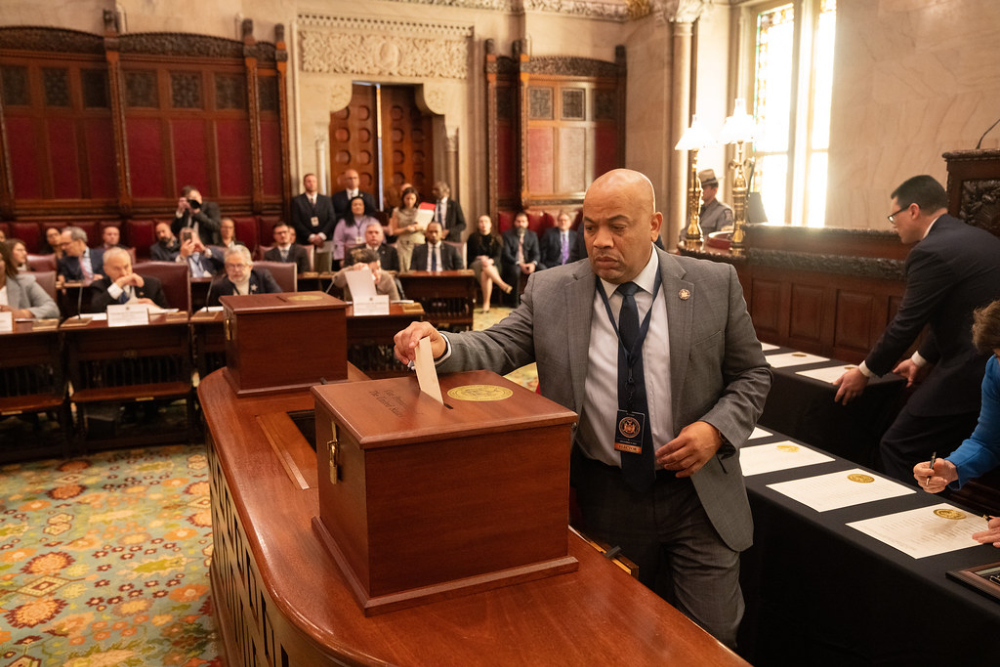
Several attempts have been made to eliminate the Electoral College and elect presidents by direct popular vote, most notably after the 2000 and 2016 elections when the popular vote winner lost. The National Popular Vote Interstate Compact represents a workaround attempt, though a constitutional amendment would be more definitive.
The amendment faces the practical challenge that smaller states benefit from the current system and are unlikely to support changing it.
The Road Not Taken

These failed amendments reveal as much about American history as the ones that succeeded. They show us moments when the country stood at crossroads, weighing different visions of what America should become.
Some, like the Equal Rights Amendment, might still find new life in future generations, while others remain curiosities from bygone eras when different issues dominated the national conversation.
More from Go2Tutors!

- 16 Historical Figures Who Were Nothing Like You Think
- 12 Things Sold in the 80s That Are Now Illegal
- 15 VHS Tapes That Could Be Worth Thousands
- 17 Historical “What Ifs” That Would Have Changed Everything
- 18 TV Shows That Vanished Without a Finale
Like Go2Tutors’s content? Follow us on MSN.