Heaviest Objects Ever Moved by Engineers
Moving massive objects isn’t just engineering — it’s defying nature’s insistence that enormous things should stay exactly where they are. Throughout history, humans have looked at impossibly heavy structures and decided they belonged somewhere else.
The stories behind these moves reveal as much about human stubbornness as they do about mechanical ingenuity.
The Cape Hatteras Lighthouse

The Cape Hatteras Lighthouse weighs 4,830 tons. Engineers moved it 2,900 feet inland in 1999 because the Atlantic Ocean had other plans for America’s tallest lighthouse.
They jacked the entire 208-foot structure onto steel beams and rolled it on tracks. The lighthouse moved at a blistering 5 feet per day. No drama, no fanfare — just the slow, methodical process of telling the ocean it would have to wait a little longer.
The Space Shuttle External Tank
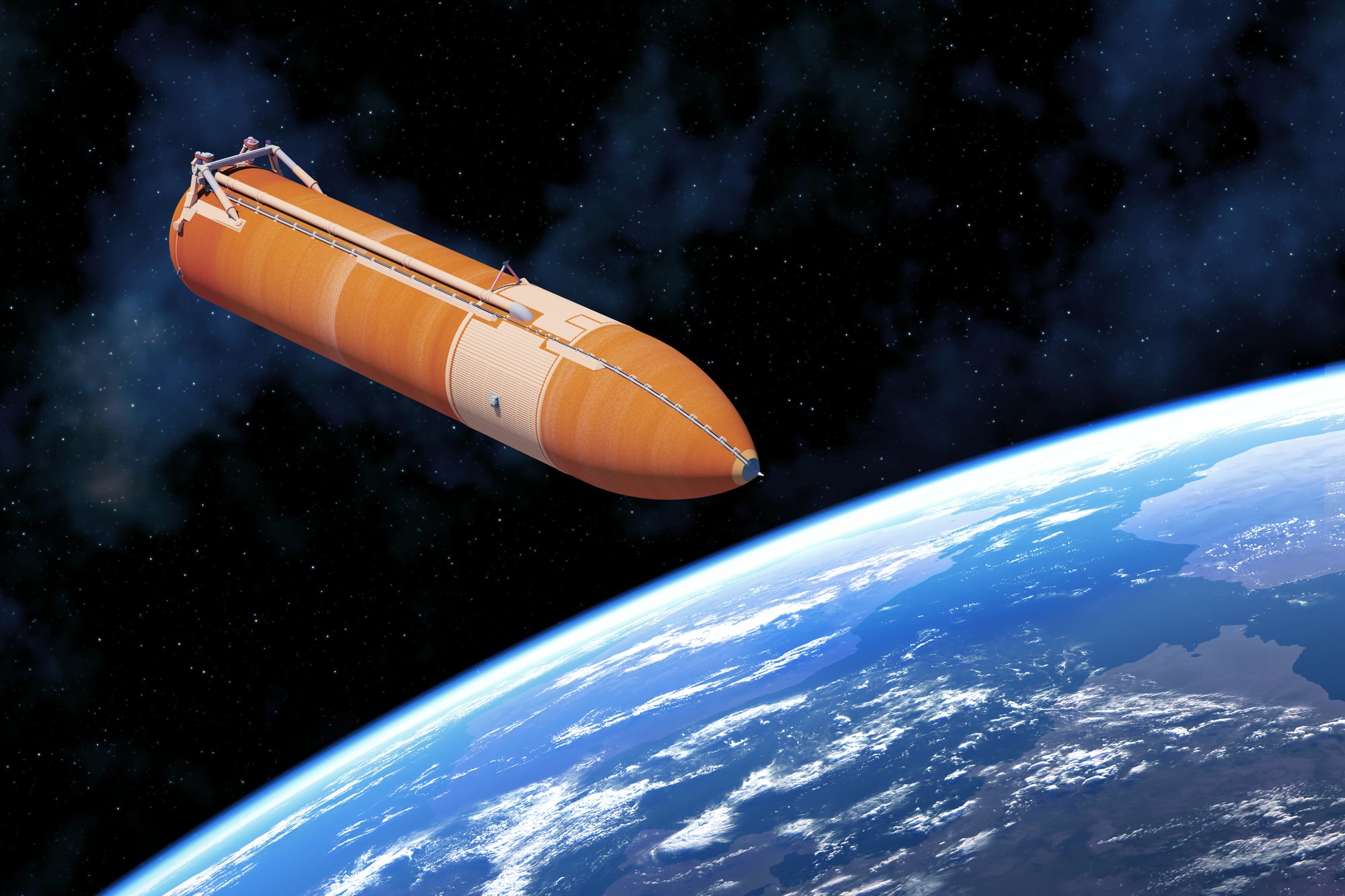
NASA’s External Tank weighed 58,500 pounds empty (which sounds almost modest until you remember it held 1.6 million pounds of propellant). Moving it wasn’t the hard part — moving it without breaking anything was, because the tank’s aluminum skin was thinner than a dime and twice as temperamental as a concert pianist’s ego.
The tank traveled from Louisiana to Florida on a specialized barge that (and this is where engineering gets oddly specific) could only make the journey during certain weather windows, tidal conditions, and presumably when the stars aligned properly. So it moved on water, which technically counts as cheating, but when you’re dealing with something that needs to not explode when it gets to space, you take whatever shortcuts physics allows.
And yet the most nerve-wracking part wasn’t the 900-mile journey — it was the final few hundred yards from the dock to the Vehicle Assembly Building, where the tank had to thread through a doorway with exactly 6 inches of clearance on each side. Which is saying something when your margin for error is roughly the width of a paperback book.
The Fu Gang Temple
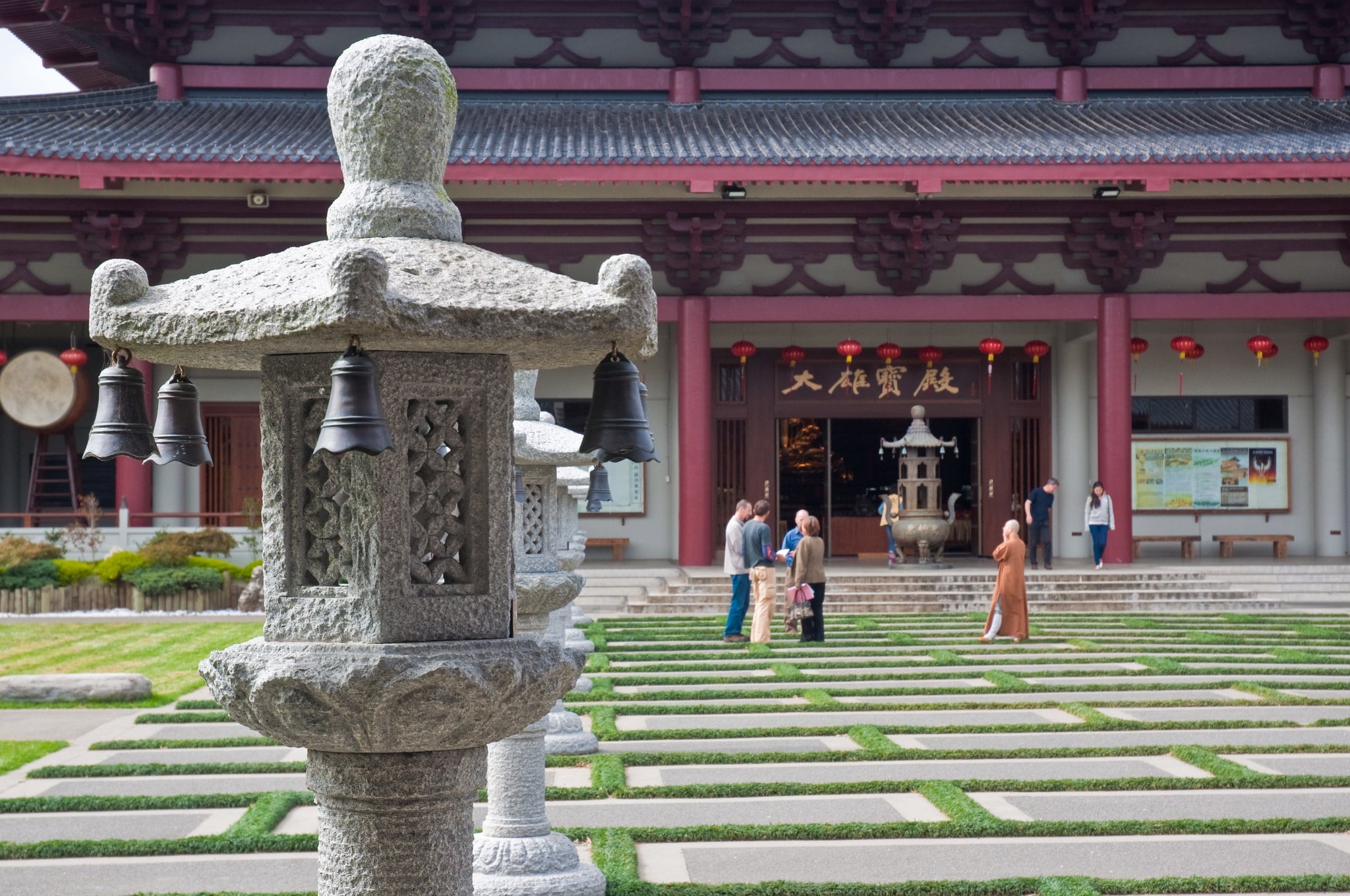
Picture a temple that has watched over the same patch of earth for centuries, its wooden beams holding stories and incense smoke in equal measure. Now picture telling that temple it needs to relocate because progress has arrived in the form of a reservoir. The Fu Gang Temple in China faced exactly this predicament, all 7,400 tons of it needing to find a new home before the waters rose.
Moving a building is one thing. Moving a building that’s also a cultural artifact — where every beam carries weight beyond its physical mass, where the ground itself has been consecrated by generations of footsteps and prayers — requires a different kind of precision. The engineers didn’t just move timber and stone; they moved the quiet spaces where people had been finding peace for longer than anyone could remember.
The temple traveled its new path slowly, as if reluctant to leave. And perhaps that’s exactly what it was.
The Statue of Liberty’s Pedestal

The Statue of Liberty’s pedestal weighs 54,000 tons. Nobody moved it because nobody was foolish enough to try, but the statue itself — all 225 tons of copper and iron — made the journey from France in pieces.
This was smart. French engineers knew that asking 19th-century ships to carry a fully assembled 305-foot statue across the Atlantic was the kind of ambition that ends with expensive pieces of liberty scattered across the ocean floor. Instead, they crated it like the world’s most meaningful IKEA furniture.
The real engineering challenge wasn’t the ocean crossing — it was convincing Americans to fund the pedestal while the statue sat in pieces on Bedloe’s Island, waiting for its foundation like a very large, very patient houseguest.
The Gemini Observatory Mirror
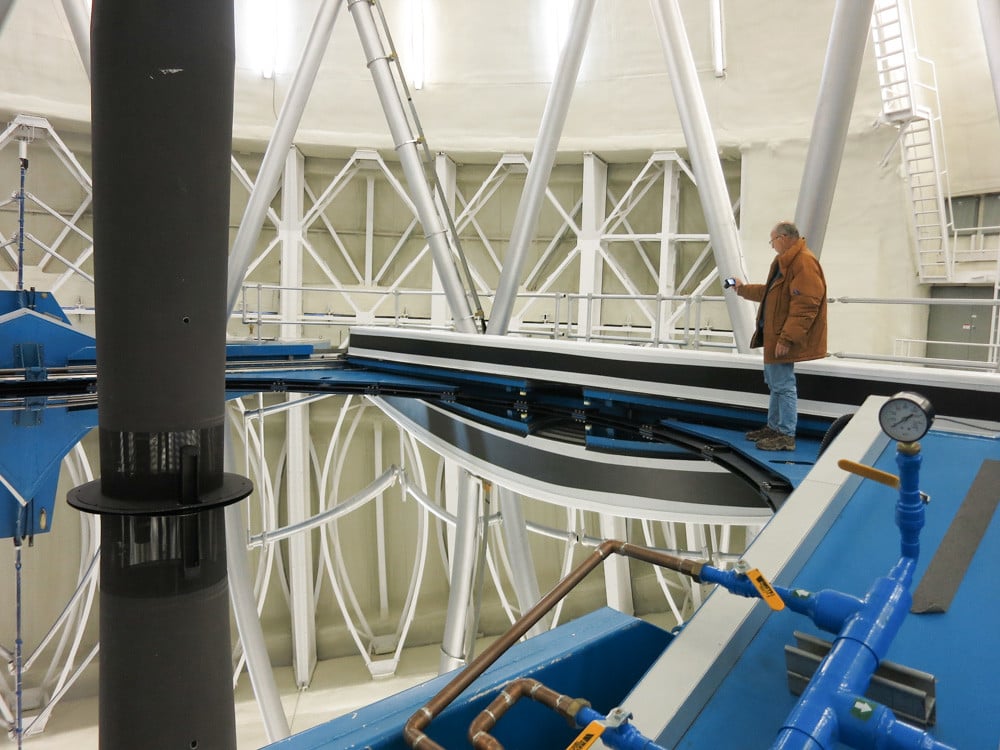
There’s something almost absurd about the care required to move the Gemini Observatory’s mirror — 22 tons of glass so perfectly shaped that a single fingerprint would compromise its ability to peer into distant galaxies. The mirror didn’t just need to arrive intact; it needed to arrive perfect, because when you’re trying to capture light that’s been traveling for millions of years, “close enough” isn’t close enough.
The mirror rode in a custom transport that monitored every vibration, every temperature change, every shift in humidity (because apparently even cosmic-grade mirrors are sensitive about the weather). The entire journey felt like transporting a soap bubble made of glass, if soap bubbles cost $50 million and took a decade to create. Technicians hovered over it like nervous parents, which makes sense when you consider that dropping it would set back humanity’s understanding of the universe by several years and several million dollars.
So the mirror traveled slowly, carefully, surrounded by more padding than a medieval knight, from the workshop where it was born to the mountaintop where it would spend its days staring at stars. Which, when you think about it, is a pretty good life for 22 tons of glass.
The Troll A Platform
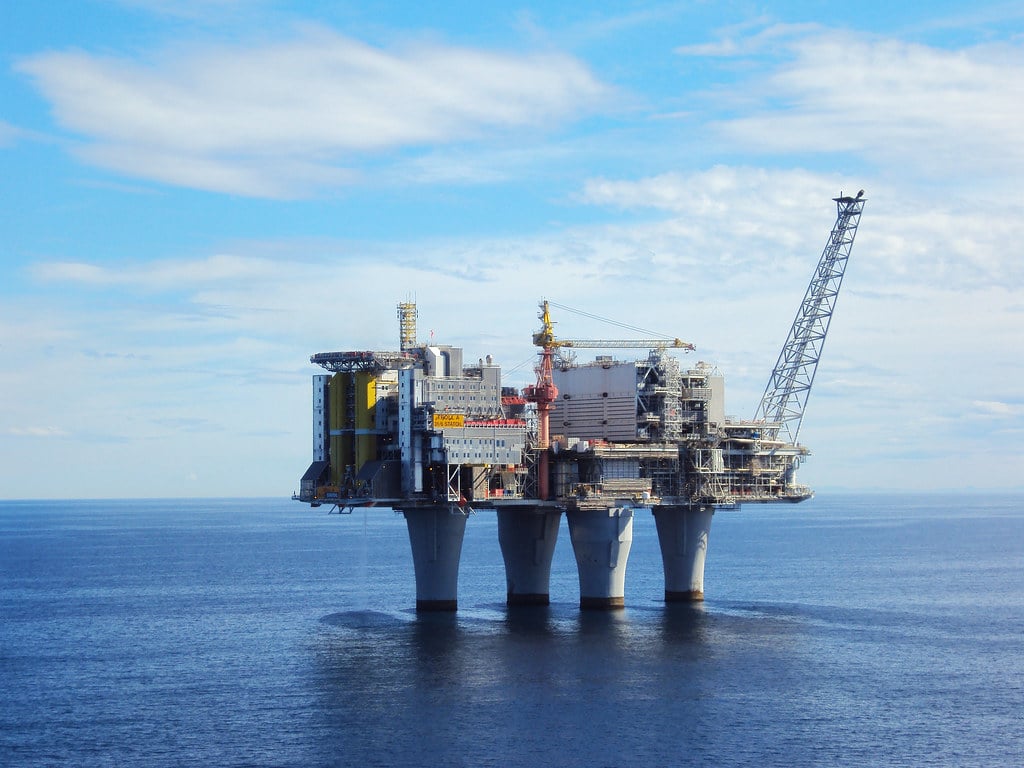
The Troll A Platform is among the heaviest objects ever moved by humans, second only to the Gullfaks C platform, another Condeep structure with a slightly larger displacement of approximately 1.5 million tons compared to Troll A’s 1.2 million tons. At 683,600 tons, it makes every other engineering project look like weekend furniture rearrangement.
Norway built this natural gas platform on land, then towed it 65 miles through the North Sea to its final position. The platform stands 1,210 feet tall — taller than the Empire State Building — with most of its bulk hidden underwater like some industrial iceberg.
Moving Troll A required controlled flooding of ballast tanks to achieve the exact buoyancy needed for transport. Too little water and it wouldn’t float properly. Too much and it would sink, taking a decade of engineering and billions of dollars to the bottom of the North Sea.
The Bell Labs Building
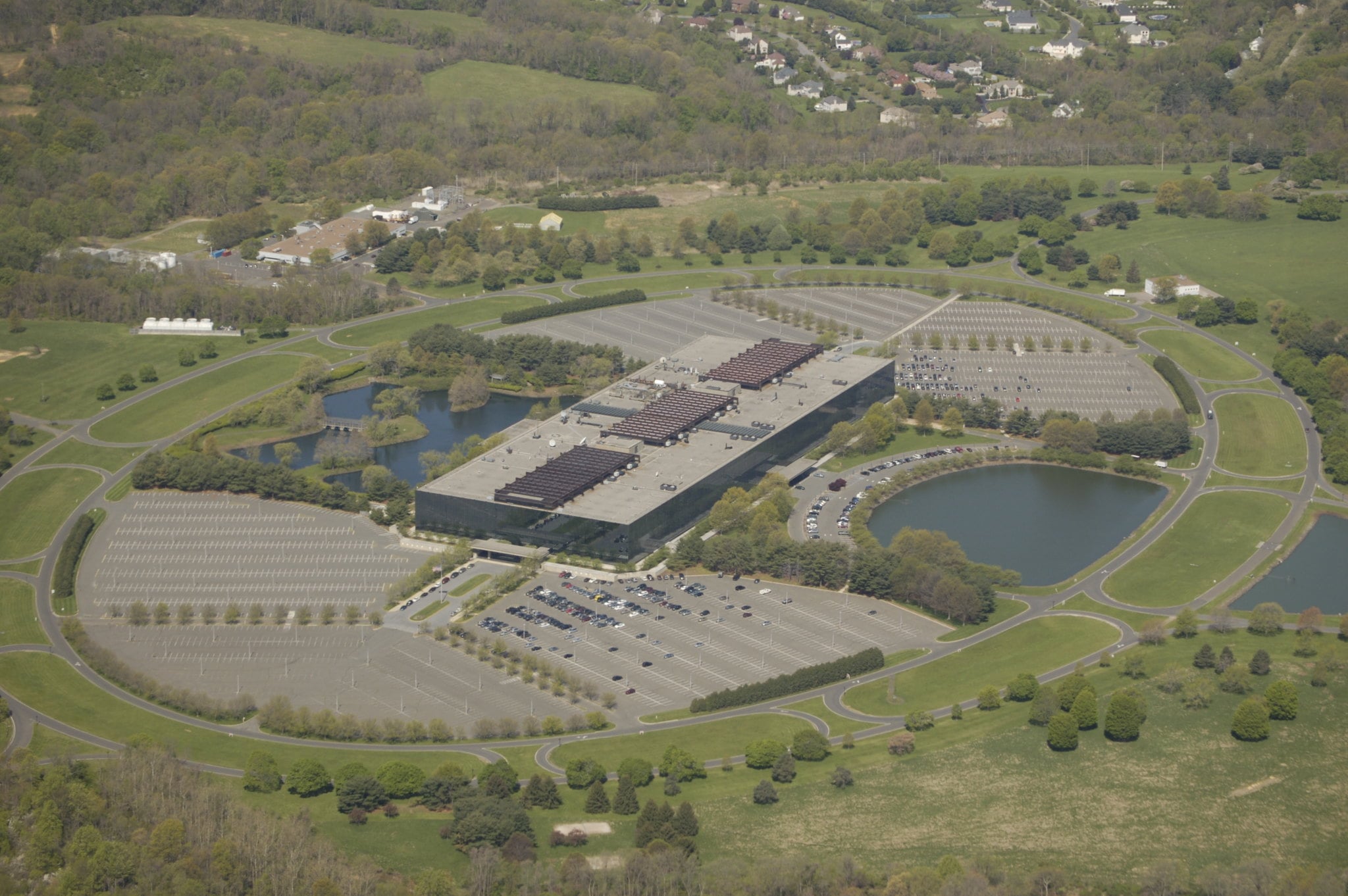
When AT&T decided to move Bell Labs from Manhattan to New Jersey in 1962, they faced an unusual problem: how do you relocate 6,000 tons of building along with the scientists inside who were actively inventing the future? The solution involved methodical planning, specialized equipment, and what amounted to the world’s most expensive game of Jenga.
The building came apart in sections (much like the scientists’ research projects, which had to be carefully documented and packed alongside the furniture and equipment). Some experiments couldn’t be interrupted — they simply continued in temporary labs while their permanent homes traveled piece by piece to New Jersey, where they would reassemble into the birthplace of technologies we now take for granted.
But the building itself was just steel and concrete. The real challenge was moving the accumulated knowledge, the half-finished prototypes, the delicate instruments that measured things most people couldn’t pronounce, and the peculiar ecosystem of brilliant minds who somehow managed to invent lasers and transistors between coffee breaks.
The Lighthouse of Alexandria Blocks

The ancient Lighthouse of Alexandria collapsed centuries ago, but its massive stone blocks — some weighing over 75 tons each — were discovered underwater in Alexandria’s harbor. Moving these pieces wasn’t about transportation; it was about resurrection.
Each block had to be carefully lifted from the seafloor without damaging the carved surfaces that had guided ships for over a thousand years. The blocks were waterlogged, salt-encrusted, and historically priceless — exactly the combination that makes marine archaeologists break out in cold sweats.
Modern cranes lifted pieces of ancient engineering from their watery grave. The lighthouse couldn’t be rebuilt, but its bones could be preserved, studied, and displayed as proof that humans have been moving impossibly heavy objects for longer than most civilizations have existed.
The Emma Maersk Propeller

The Emma Maersk’s propeller weighs 130 tons and measures 31 feet across. Moving it from the foundry to the shipyard required a transport truck with 288 wheels — not because 287 wheels couldn’t handle the weight, but because distributing 130 tons across fewer contact points would have turned every road surface into expensive gravel.
The propeller traveled at walking speed through European highways, escorted by police and engineers who monitored every bridge, every turn, every slight incline that might stress the axles beyond their design limits. Highway overpasses were measured and re-measured because clearance calculations done wrong don’t just mean delays — they mean a 130-ton bronze sculpture wedged under a bridge like the world’s most expensive traffic jam.
Traffic stopped. Not just slowed — stopped completely — as the propeller crept past like some industrial parade float celebrating humanity’s determination to make ships bigger than physics suggests is reasonable.
The Antonov AN-225’s Cargo

The Antonov AN-225 was designed to carry the Soviet space shuttle, but it ended up moving much stranger cargo: entire power plant generators, locomotives, and occasionally other aircraft. The plane itself weighs 640 tons when loaded, making it a flying example of moving extremely heavy objects through the sky, which seems to violate several natural laws.
Loading the AN-225 required cargo to be positioned with surgical precision because the plane’s center of gravity couldn’t shift during flight without turning a transport mission into an expensive physics experiment. Engineers calculated weight distribution down to individual bolts, then double-checked their math because mistakes at 40,000 feet don’t offer second chances.
The AN-225 moved objects that had no business flying. But it did so anyway, carrying them across continents with the casual efficiency of a delivery truck that happens to weigh more than most buildings.
The Large Hadron Collider Magnets
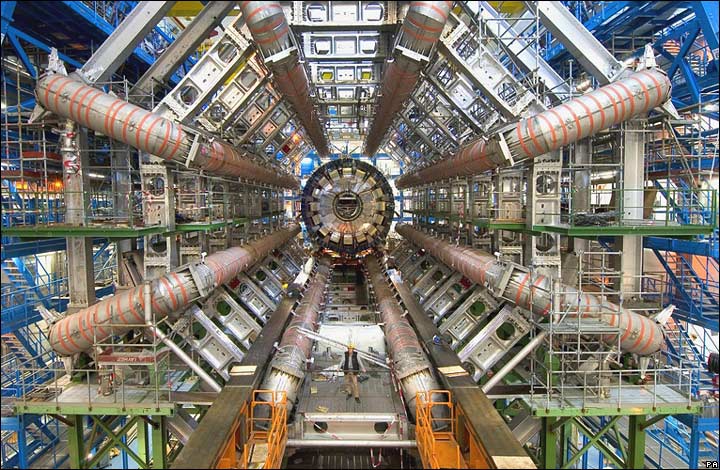
Each of the Large Hadron Collider’s superconducting magnets weighs 35 tons and must be positioned with sub-millimeter accuracy. Moving them wasn’t just about transportation — it was about maintaining tolerances so tight that a misalignment smaller than a human hair would compromise humanity’s most ambitious physics experiment.
The magnets traveled in climate-controlled transports that maintained specific temperatures and humidity levels (because it turns out that devices designed to manipulate subatomic particles are particular about their working conditions). Each magnet was essentially a 35-ton precision instrument disguised as a piece of industrial equipment, which explains why moving them felt more like performing surgery than construction work.
And yet the real engineering challenge wasn’t moving the magnets — it was installing them in an underground tunnel that circles for 17 miles beneath the Swiss-French border, where each magnet had to slide into position like a key fitting into a lock, except the lock was designed to unlock the secrets of the universe.
The International Space Station Modules
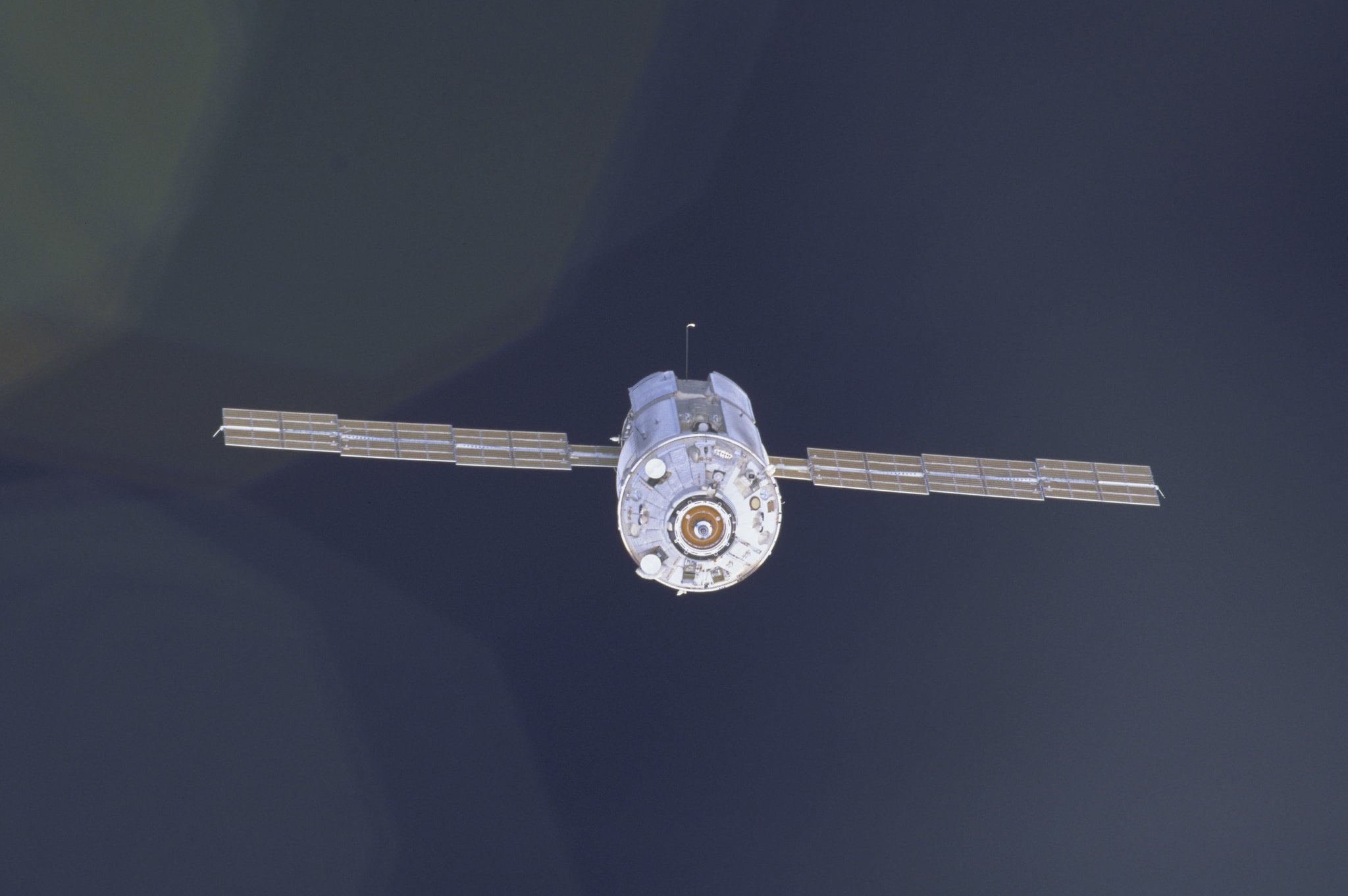
ISS modules weigh up to 15 tons each, but weight becomes meaningless once you’re in orbit. The real challenge was getting them there intact, which required rockets, precise timing, and the kind of orbital mechanics that make regular physics look like elementary arithmetic.
Each module traveled 250 miles straight up, then sideways at 17,500 miles per hour to match the station’s orbit. The modules didn’t just need to arrive; they needed to arrive with millimeter precision while hurtling through space at speeds that turn small mistakes into catastrophic ones.
Moving ISS modules meant moving pieces of humanity’s permanent foothold in space. No pressure.
The Christ the Redeemer Statue Pieces

Rio de Janeiro’s Christ the Redeemer statue was built in pieces and carried up Corcovado Mountain by cog railway — each section weighing several tons and requiring transport up a slope so steep that regular trains would simply slide backward in defeat.
The statue’s arms alone weighed 30 tons each and had to travel the winding mountain railway while maintaining their structural integrity and, presumably, their symbolic dignity. Engineers essentially moved a religious icon one piece at a time up a mountain that didn’t particularly want a 98-foot statue standing on top of it.
The final assembly happened 2,300 feet above sea level, where wind conditions and working space made precision assembly about as challenging as engineering gets. But the statue went up piece by piece, arm by arm, until Christ stood overlooking Rio with arms outstretched, blessing a city that had somehow managed to move 635 tons of concrete and soapstone up a mountain just to make a point about faith and persistence.
When Physics Meets Human Stubbornness
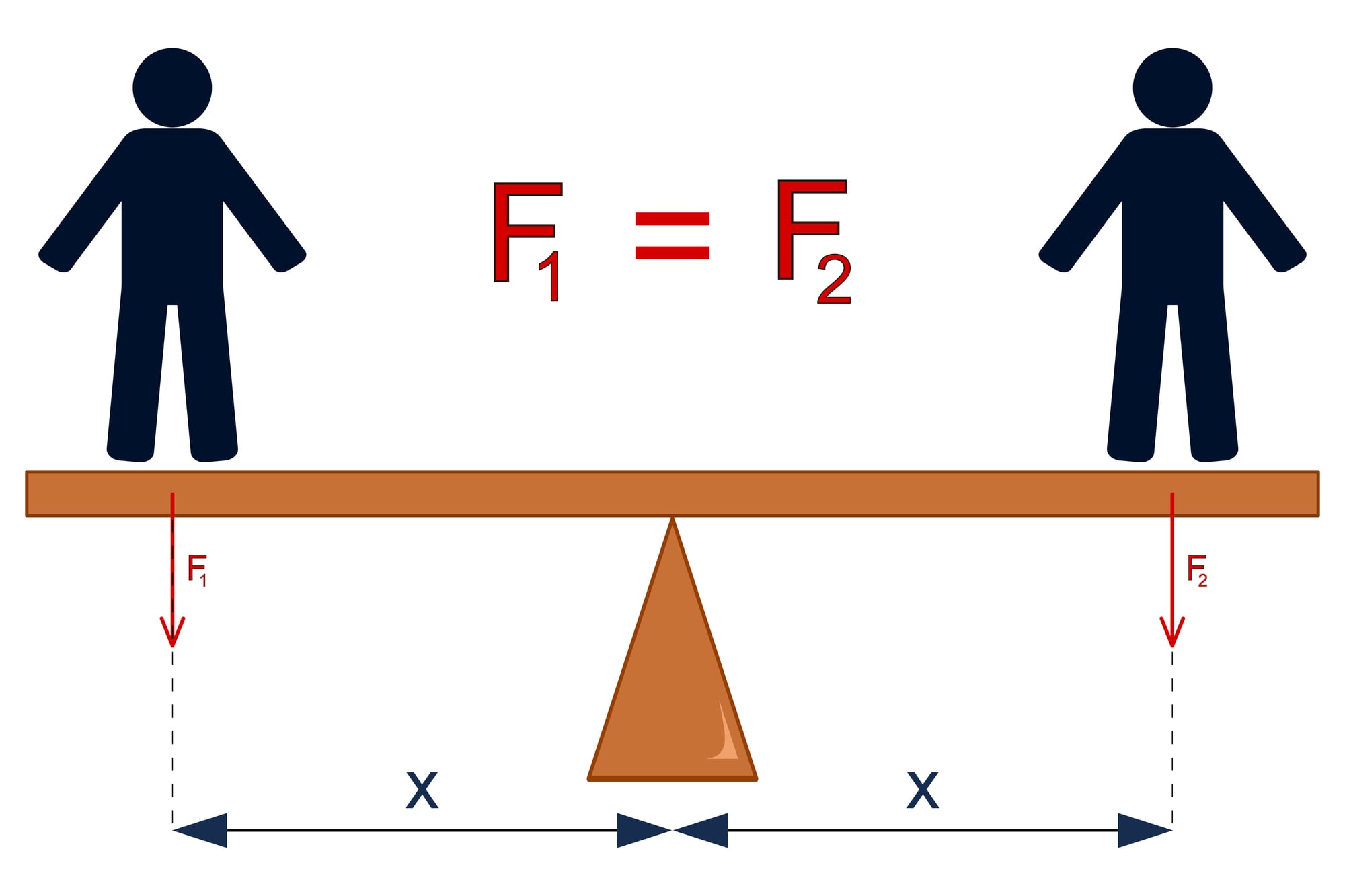
These projects share something beyond their massive scale: they represent moments when engineers looked at the impossible and decided it was merely improbable. Moving objects that weigh thousands of tons isn’t just about having big enough cranes or strong enough trucks — it’s about refusing to accept that heavy things must stay put.
Each success proves that the right combination of planning, precision, and stubborn determination can relocate anything. Even when physics suggests otherwise.
More from Go2Tutors!

- The Romanov Crown Jewels and Their Tragic Fate
- 13 Historical Mysteries That Science Still Can’t Solve
- Famous Hoaxes That Fooled the World for Years
- 15 Child Stars with Tragic Adult Lives
- 16 Famous Jewelry Pieces in History
Like Go2Tutors’s content? Follow us on MSN.



