15 Facts About Earth’s Oldest Species
Life on Earth has been around for an almost unimaginable amount of time, with some species managing to survive practically unchanged for hundreds of millions of years. These ancient survivors give us incredible glimpses into what our planet looked like long before humans even existed.
While dinosaurs get all the fame, the real champions of longevity are often much smaller and less flashy creatures that have quietly weathered every mass extinction event our planet has thrown at them.Here are 15 fascinating facts about Earth’s most ancient species that are still with us today.
Cyanobacteria Started It All
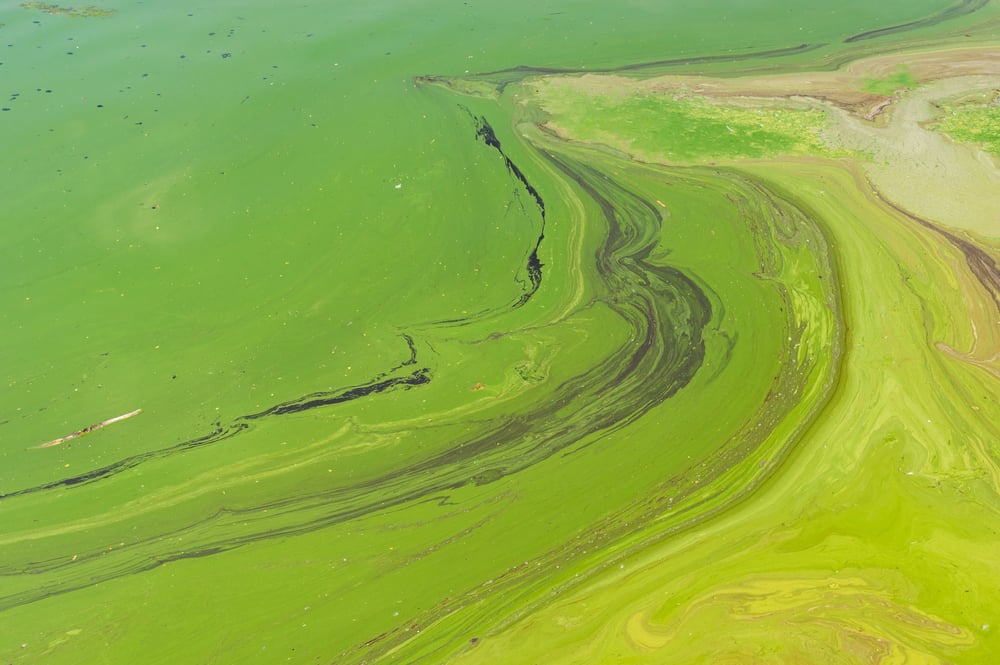
Cyanobacteria have been around for roughly 3.5 billion years, making them some of the oldest life forms on Earth and the original architects of our oxygen-rich atmosphere. These tiny blue-green organisms were the first to figure out photosynthesis, essentially inventing the process that would make complex life possible.
Without these microscopic pioneers pumping oxygen into ancient oceans and skies, nothing else on this list would exist.
Stromatolites Are Living Time Capsules
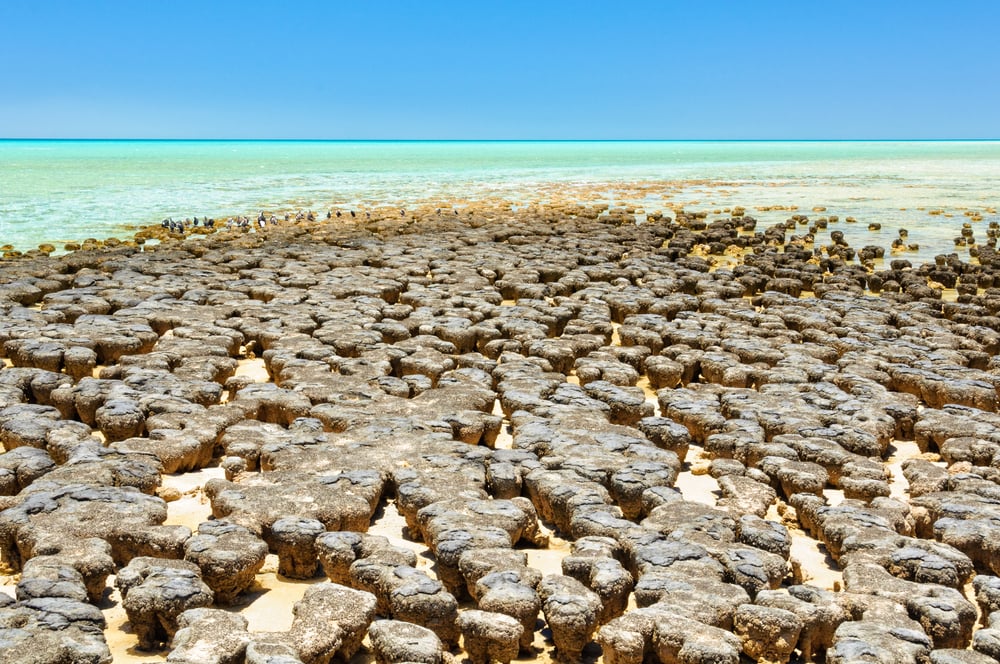
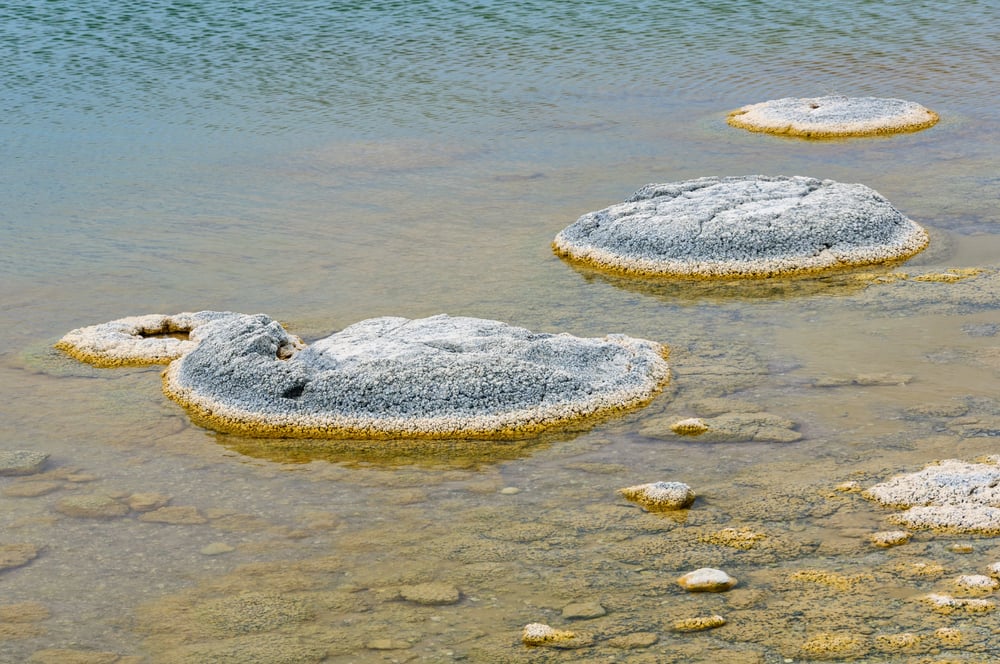
Stromatolites are layered rock structures created by ancient cyanobacteria communities, with some specimens dating back 3.5 billion years. These bizarre formations look like underwater cauliflower and represent some of the earliest evidence of life on our planet.
You can still find living stromatolites today in places like Shark Bay, Australia, where they continue growing just like their ancient ancestors did.
Horseshoe Crabs Aren’t Actually Crabs
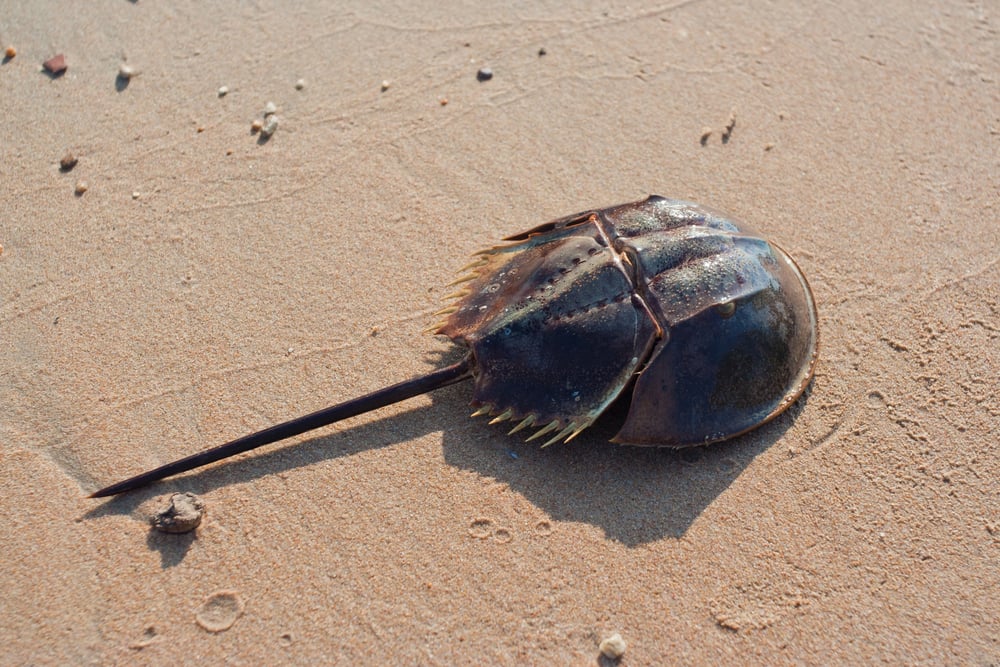
Despite their name, horseshoe crabs are more closely related to spiders and scorpions, and they’ve been scuttling around ocean floors for about 450 million years. Their blue blood contains a substance called limulus amebocyte lysate that’s incredibly valuable for testing medical equipment and vaccines for bacterial contamination.
These living fossils have survived five major mass extinction events by sticking to a simple but effective body plan.
Nautiluses Navigate with Ancient Technology
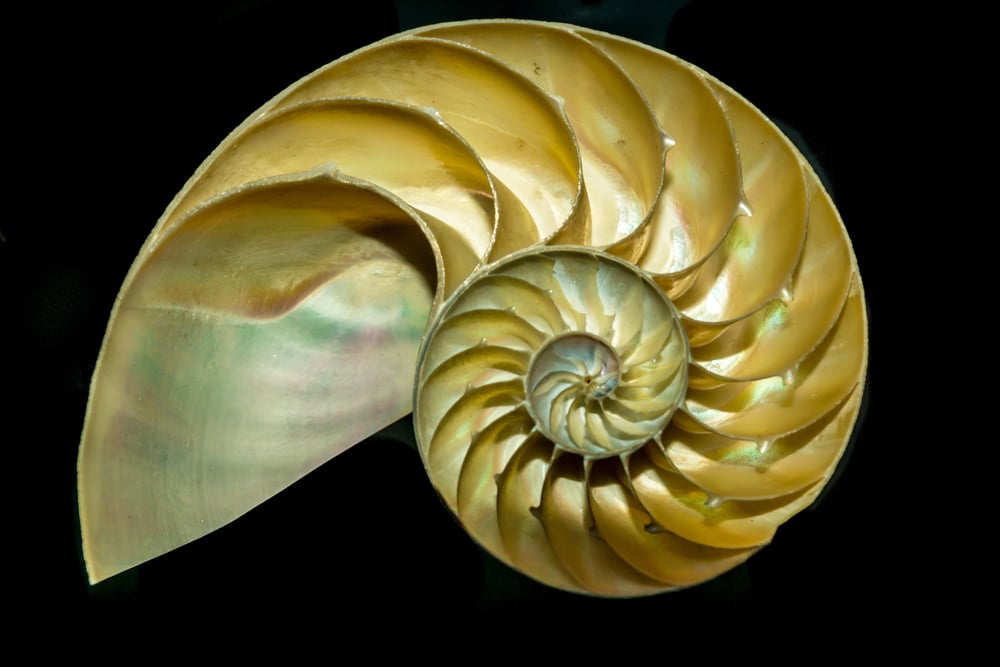
While modern nautilus species are relatively young, their lineage has been floating through ocean waters for over 500 million years using a jet propulsion system that would make any engineer jealous. These cephalopods pump water through their bodies to move around and use gas-filled chambers in their shells to control buoyancy like a natural submarine.
While their squid and octopus relatives developed more advanced features, the nautilus lineage stuck with their original design and outlasted countless other species.
Sharks Are Older Than Trees

Sharks have been ruling ocean waters for approximately 400 million years, which means they were already ancient when the first trees started growing on land. Their cartilaginous skeletons and efficient predator design have barely changed over hundreds of millions of years because, frankly, they got it right the first time.
Modern great whites and tiger sharks would be perfectly recognizable to their prehistoric ancestors.
Coelacanths Were Supposed to Be Extinct

Scientists thought coelacanths had been extinct for 66 million years until a live one was caught off South Africa in 1938, making it one of the most famous ‘living fossil’ discoveries ever. These large, lobed-fin fish have remained virtually unchanged for about 400 million years and provide crucial insights into how fish first developed limbs.
Their discovery was like finding a living dinosaur swimming around in modern oceans.
Dragonflies Were Giants
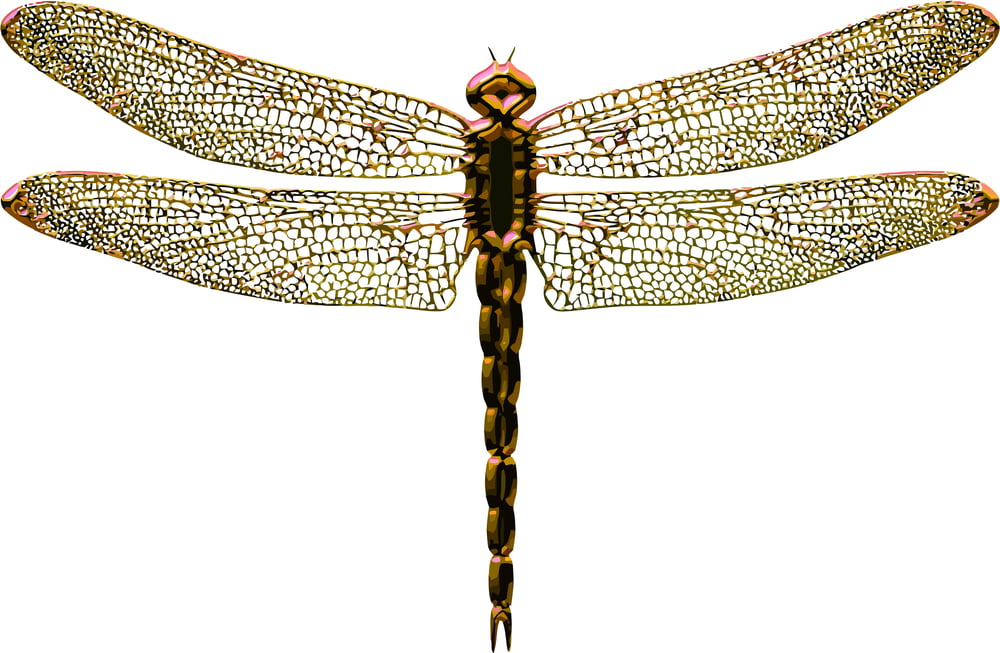
Ancient dragonflies ruled prehistoric skies with wingspans reaching over two feet across about 300 million years ago, though these giant ancestors are now extinct. Modern dragonflies are much smaller but have retained the same basic body design and hunting techniques that made their lineage successful long before birds existed.
Today’s dragonflies can still catch 95% of their prey, making them more efficient hunters than most modern predators.
Crocodilians Are Dinosaur Survivors

Crocodiles and alligators are the closest living relatives to dinosaurs and have maintained essentially the same body plan for about 200 million years. These armored predators survived the asteroid impact that killed the dinosaurs by being incredibly adaptable to different environments and food sources.
Their semi-aquatic lifestyle and ability to slow their metabolism during tough times helped them weather multiple extinction events.
Ginkgo Trees Stand Alone

The ginkgo tree is the sole survivor of an entire group of plants that flourished 270 million years ago, making every ginkgo a living representative of an ancient botanical family. These distinctive fan-leaved trees are so hardy that some survived the atomic bombing of Hiroshima and are still growing today.
Ginkgos are often called living fossils because they’ve remained virtually unchanged while entire plant kingdoms have evolved and disappeared around them.
Jellyfish Predate Almost Everything
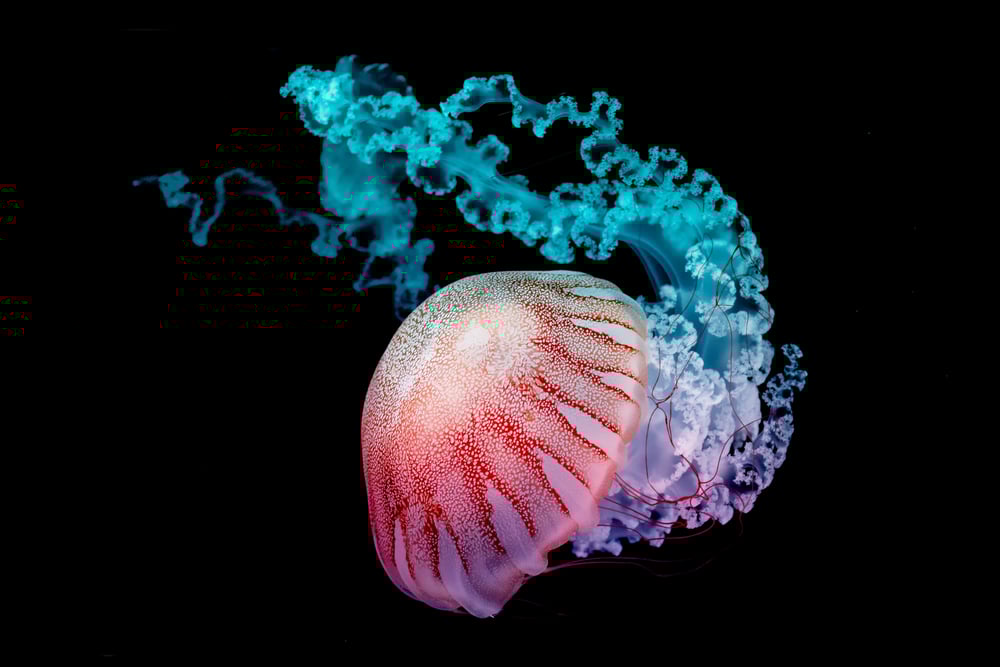
Jellyfish have been drifting through Earth’s oceans for over 500 million years, making them older than fish, dinosaurs, and pretty much everything else with a backbone. These simple creatures have no brain, heart, or blood, yet they’ve outlasted countless more complex animals by sticking to a basic but effective design.
Their ability to survive in almost any marine environment has made them one of nature’s most successful survivors.
Tardigrades Survive Everything
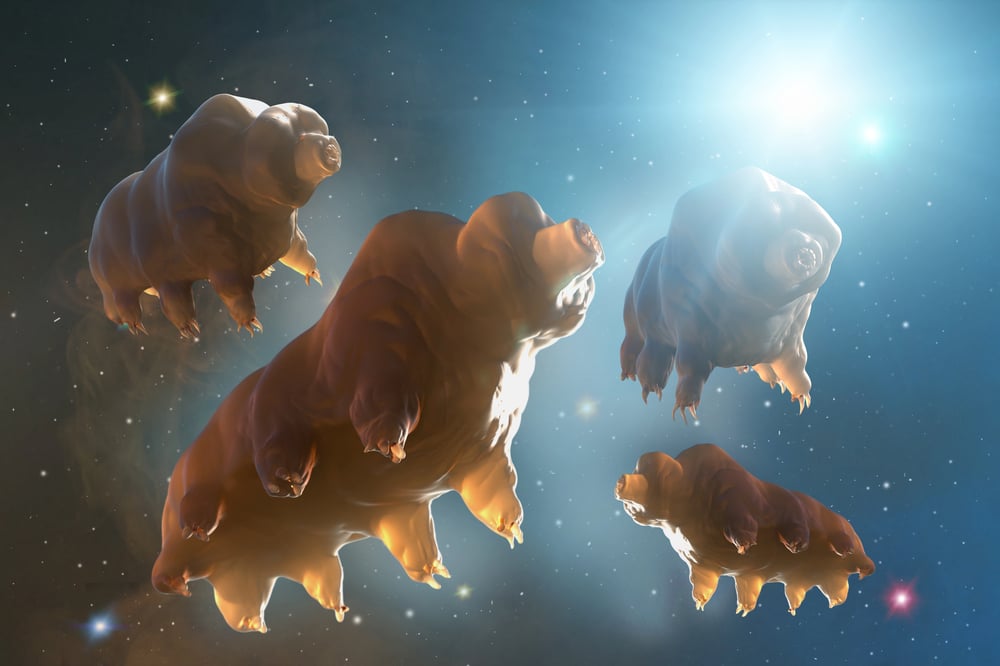
Tardigrades, also known as water bears, are microscopic creatures that have been around for about 530 million years and can survive extreme conditions that would kill almost anything else. These tiny animals can endure extreme temperatures, radiation, dehydration, and even the vacuum of space by entering a state called cryptobiosis, though this survival state has limits and they cannot remain dormant indefinitely.
They’ve been found everywhere from mountaintops to deep ocean trenches, proving that sometimes being small and tough beats being big and fierce.
Brachiopods Lost the Arms Race

Brachiopods look similar to clams and mussels but are actually much older, having lived in Earth’s oceans for about 550 million years. These filter-feeding animals dominated ancient seas until bivalves like clams and oysters showed up and gradually outcompeted them for food and living space.
Today, only about 400 species of brachiopods remain compared to over 9,000 bivalve species, showing how evolutionary competition plays out over geological time.
Cycads Are Dinosaur Plants

Cycads are palm-like plants that have been growing on Earth for about 280 million years and were a major food source for herbivorous dinosaurs. These slow-growing plants can live for over 1,000 years and have separate male and female plants, just like their ancient ancestors did.
Many cycad species are now critically endangered, making them both some of Earth’s oldest and rarest plants.
Lampreys Are Jawless Wonders

Lampreys are eel-like fish that have been swimming in Earth’s waters for about 360 million years without ever developing proper jaws like other fish. Some species use circular, suction-cup mouths filled with rows of teeth to attach to other fish and feed on their body fluids, though many lamprey species are non-parasitic as adults and don’t feed at all.
This ancient feeding strategy has been incredibly successful for hundreds of millions of years across various lamprey species.
Tuatara Aren’t Really Lizards

New Zealand’s tuatara looks like a lizard but is actually the last survivor of an ancient reptile group that split from lizards and snakes about 250 million years ago. These unique reptiles have a primitive third eye on top of their heads that can detect changes in light and shadow.
Tuataras grow incredibly slowly and can live over 100 years, maintaining the same patient approach to life that helped their ancestors survive multiple mass extinctions.
Ancient Wisdom in Modern Times
These remarkable survivors remind us that sometimes the best strategy for long-term success isn’t constant change but finding a design that works and sticking with it. While flashier species have come and gone, these ancient life forms prove that simplicity, adaptability, and patience often triumph over complexity and specialization.
Their continued presence on Earth offers hope that life finds a way to persist even through the most challenging circumstances our planet can deliver.
More from Go2Tutors!

- The Romanov Crown Jewels and Their Tragic Fate
- 13 Historical Mysteries That Science Still Can’t Solve
- Famous Hoaxes That Fooled the World for Years
- 15 Child Stars with Tragic Adult Lives
- 16 Famous Jewelry Pieces in History
Like Go2Tutors’s content? Follow us on MSN.