15 Toys From The ’70s That Didn’t Come With A Single Safety Warning
Growing up in the 1970s meant playing with toys that would give modern parents nightmares. There were no warning labels plastered across packaging, no child-safety committees testing every component, and certainly no recalls for minor hazards.
Instead, children learned about cause and effect through direct experience — often involving bruises, burns, or the occasional trip to the emergency room. These toys didn’t coddle anyone.
They demanded respect, taught harsh lessons, and somehow produced a generation that survived to tell the tale. Looking back, it’s remarkable how many of these playthings would be banned faster than you could say “lawsuit” in today’s safety-conscious world.
Lawn Darts
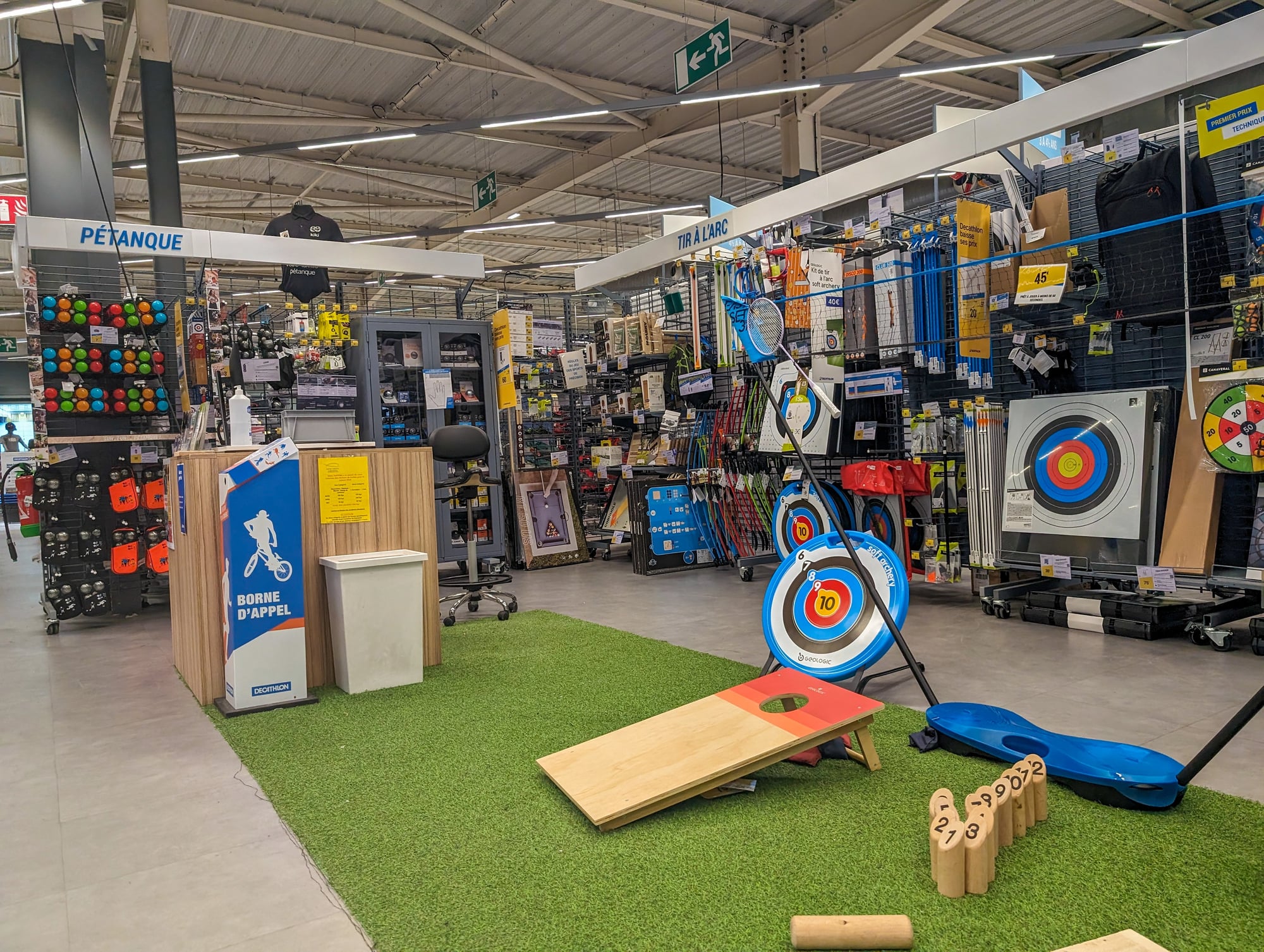
Heavy metal spikes designed to be hurled across the yard at targets. The physics were simple enough: throw sharp object, watch it arc through the air, hope nobody walks into the landing zone.
Kids learned trajectory through trial and error, usually with a few close calls that taught everyone to pay attention when the darts were flying. No protective gear, no safety perimeter, just common sense and quick reflexes.
Clackers
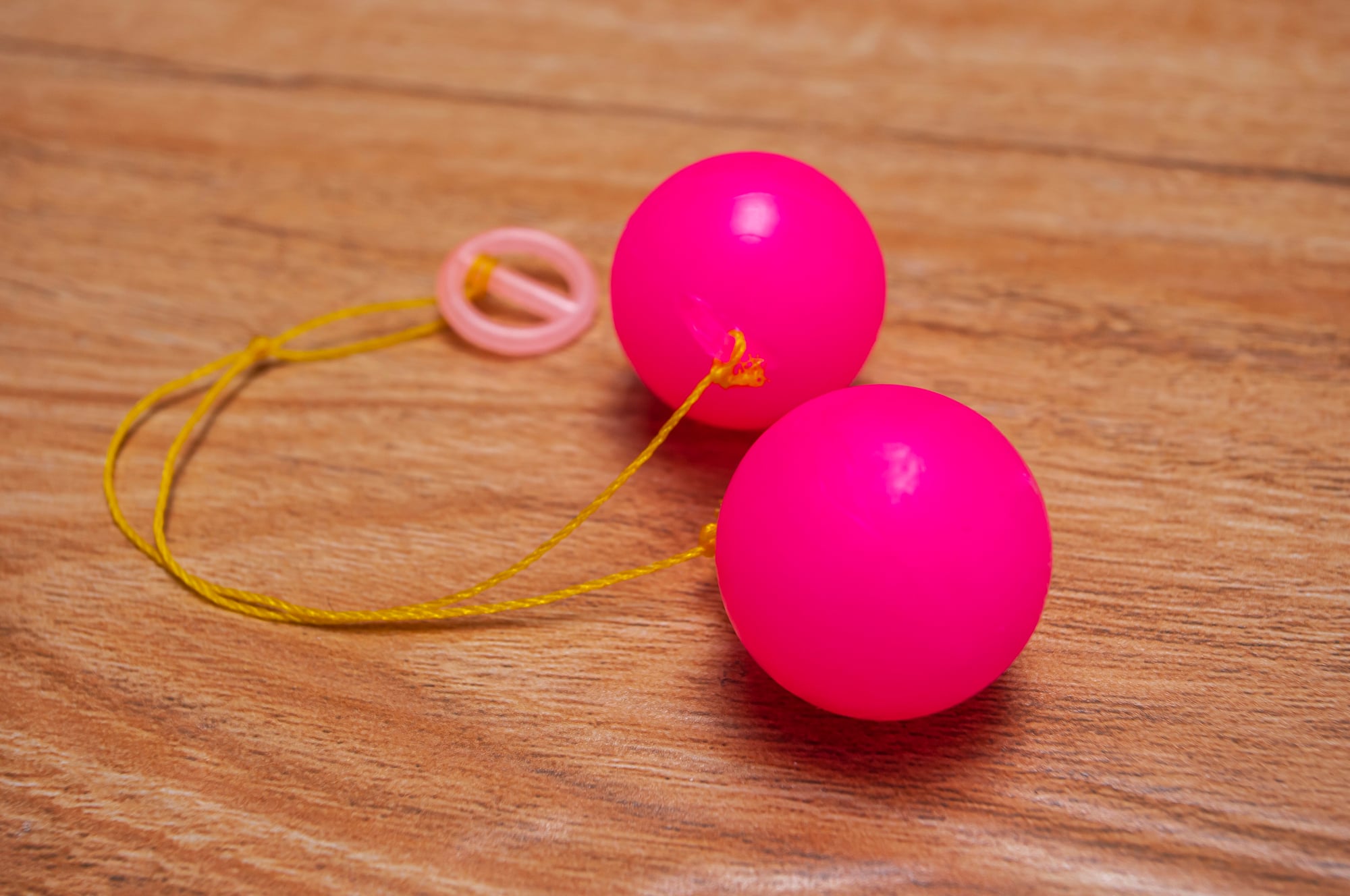
These consisted of two heavy acrylic spheres connected by string, and the goal was simple (though the execution proved otherwise, which is precisely what made them compelling): swing them hard enough to make them clack together above and below your hand in rapid succession. The rhythm, once mastered, was hypnotic — a mechanical meditation that drew kids into trying for longer streaks, faster speeds, more complex patterns.
But mastery demanded patience. The spheres shattered without warning, sending sharp fragments in unpredictable directions, and your knuckles took a beating from mistimed swings (the purple bruises were almost a badge of honor among kids who’d put in serious practice time).
And yet, when you finally found that sweet spot where the clackers moved in perfect rhythm and your hand stayed safely between them, the satisfaction was absolute.
Chemistry Sets
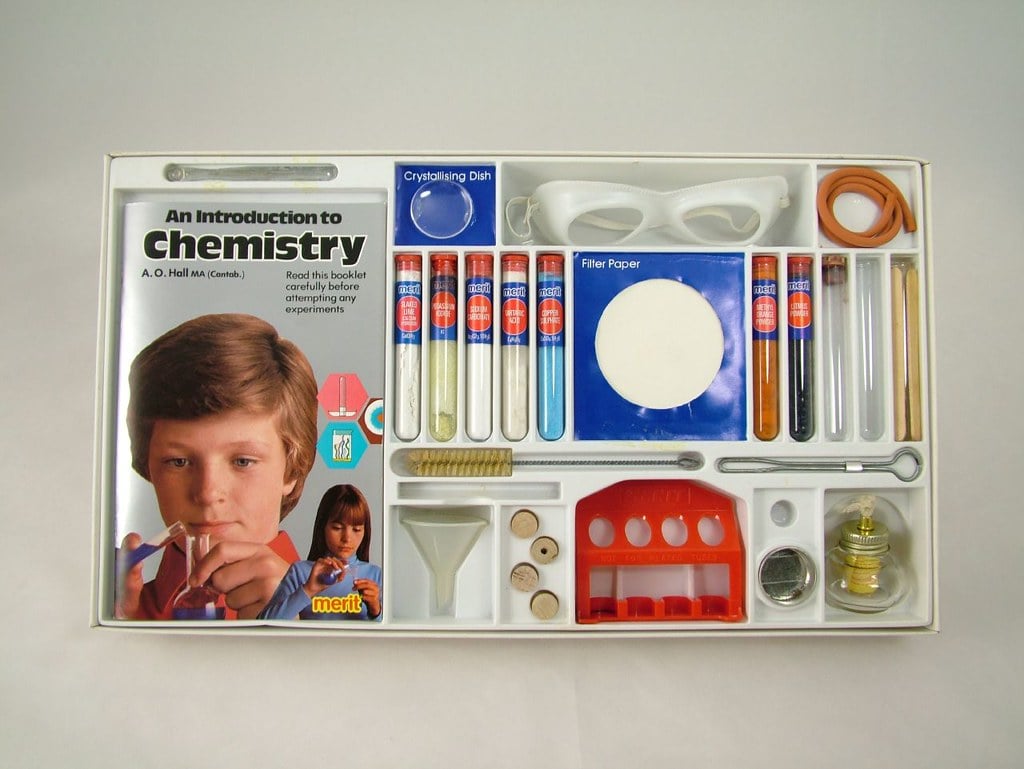
Real chemistry sets came with substances that could actually create reactions. The kind that bubbled, smoked, changed colors, and occasionally produced small explosions.
Children mixed compounds based on instructions that assumed basic competence and common sense. Spills happened, stains were permanent, and the occasional singed eyebrow served as a reminder to pay closer attention during the next experiment.
Slip ‘N Slide
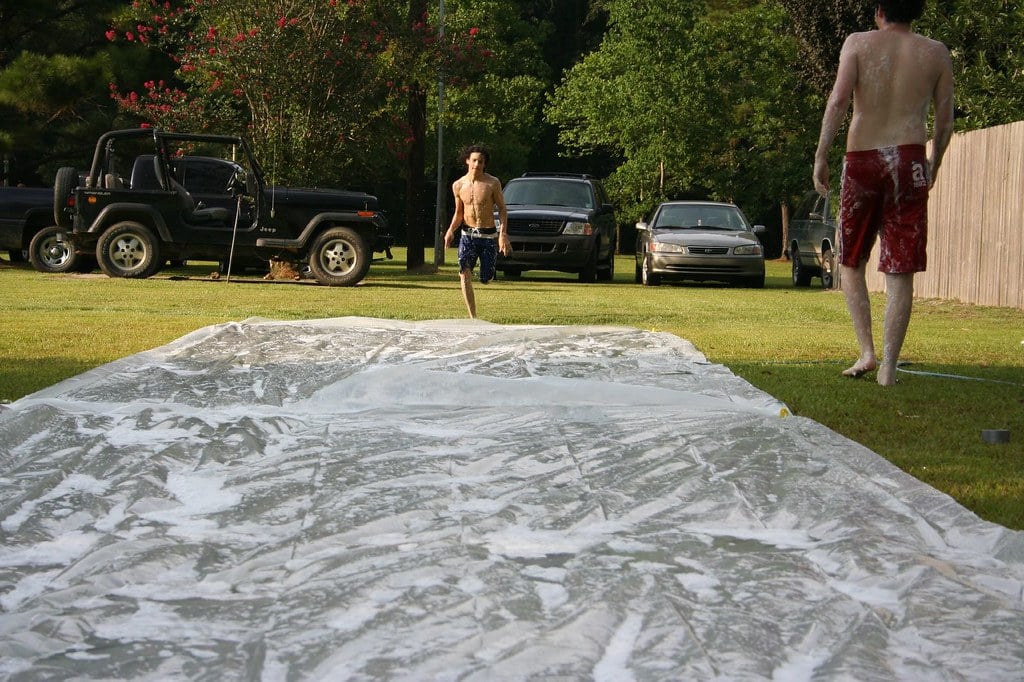
A sheet of yellow plastic, a garden hose, and the promise of backyard excitement. The concept seemed foolproof until you factored in rocks hiding beneath the surface, insufficient water coverage, or the physics of larger kids colliding with smaller ones at the bottom.
Speed was everything, and speed was dangerous. Most kids learned to check the landing zone after their first encounter with a sprinkler head or garden stake.
Creepy Crawlers
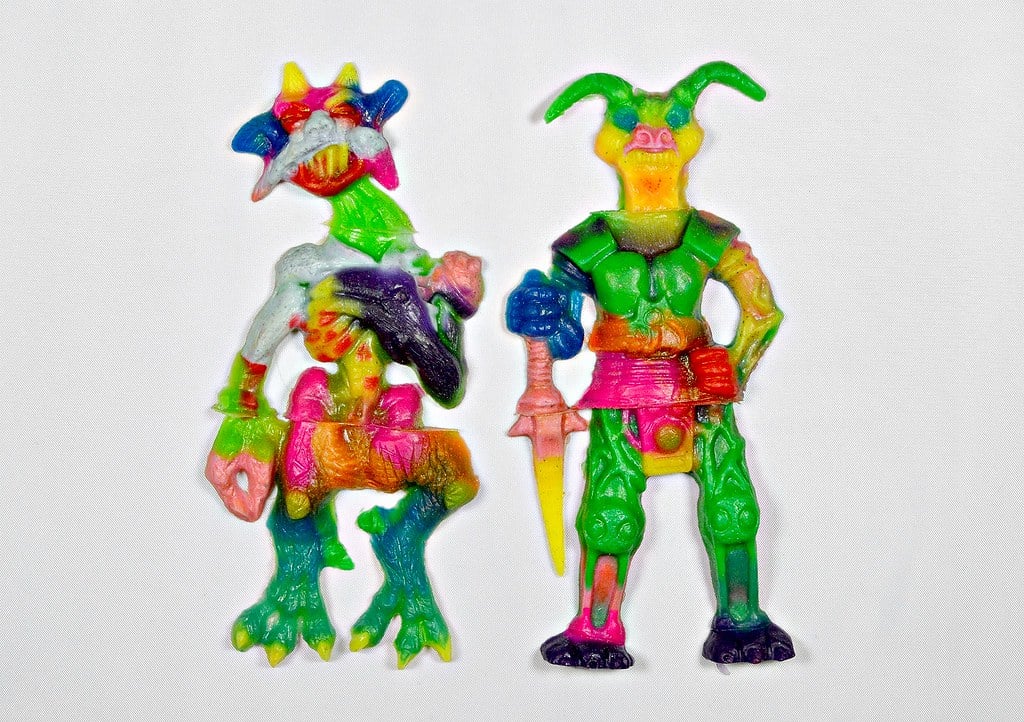
The Thingmaker heated metal molds to temperatures that could brand flesh permanently, and kids as young as eight were expected to handle this responsibility without supervision. The appeal was immediate: pour colorful goop into intricate molds, wait for the heat to work its magic, then peel out rubber spiders, snakes, and various monsters that felt satisfyingly real in your palm.
But the machine itself was unforgiving — those molds stayed scorching hot long after you’d finished, and there was no safety mechanism to prevent curious fingers from testing just how hot (the answer was always: hot enough to leave marks that lasted weeks). The instruction manual mentioned keeping burns under cold water, which suggested the manufacturers knew exactly what they were selling.
So did the kids, and they used it anyway.
Jarts (Indoor/Outdoor Version)
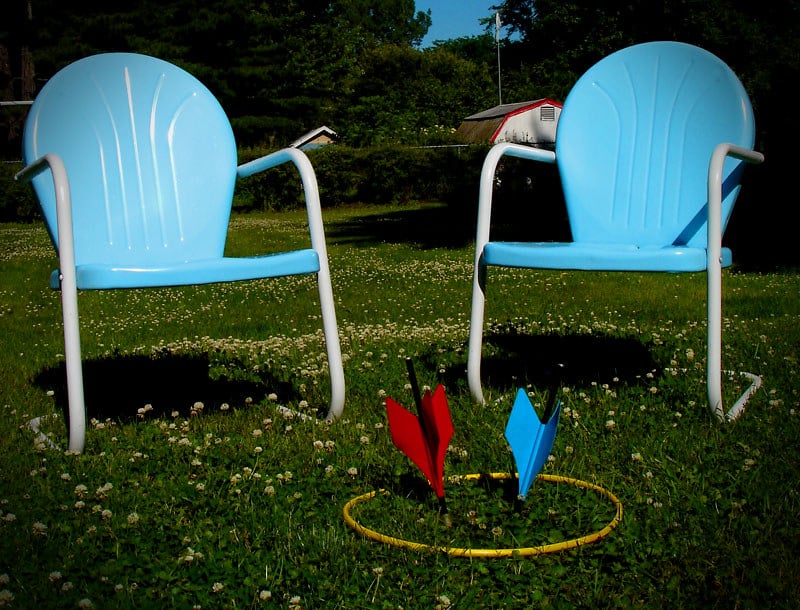
Different from lawn darts but equally unforgiving. These came in sets for both indoor and outdoor play, with weighted tips designed to stick into targets or soft ground.
The indoor version featured rubber tips that could still leave impressive welts, while the outdoor model kept the traditional metal points that could puncture just about anything. Accuracy improved quickly when missing the target meant explaining damage to parents.
Shrinky Dinks
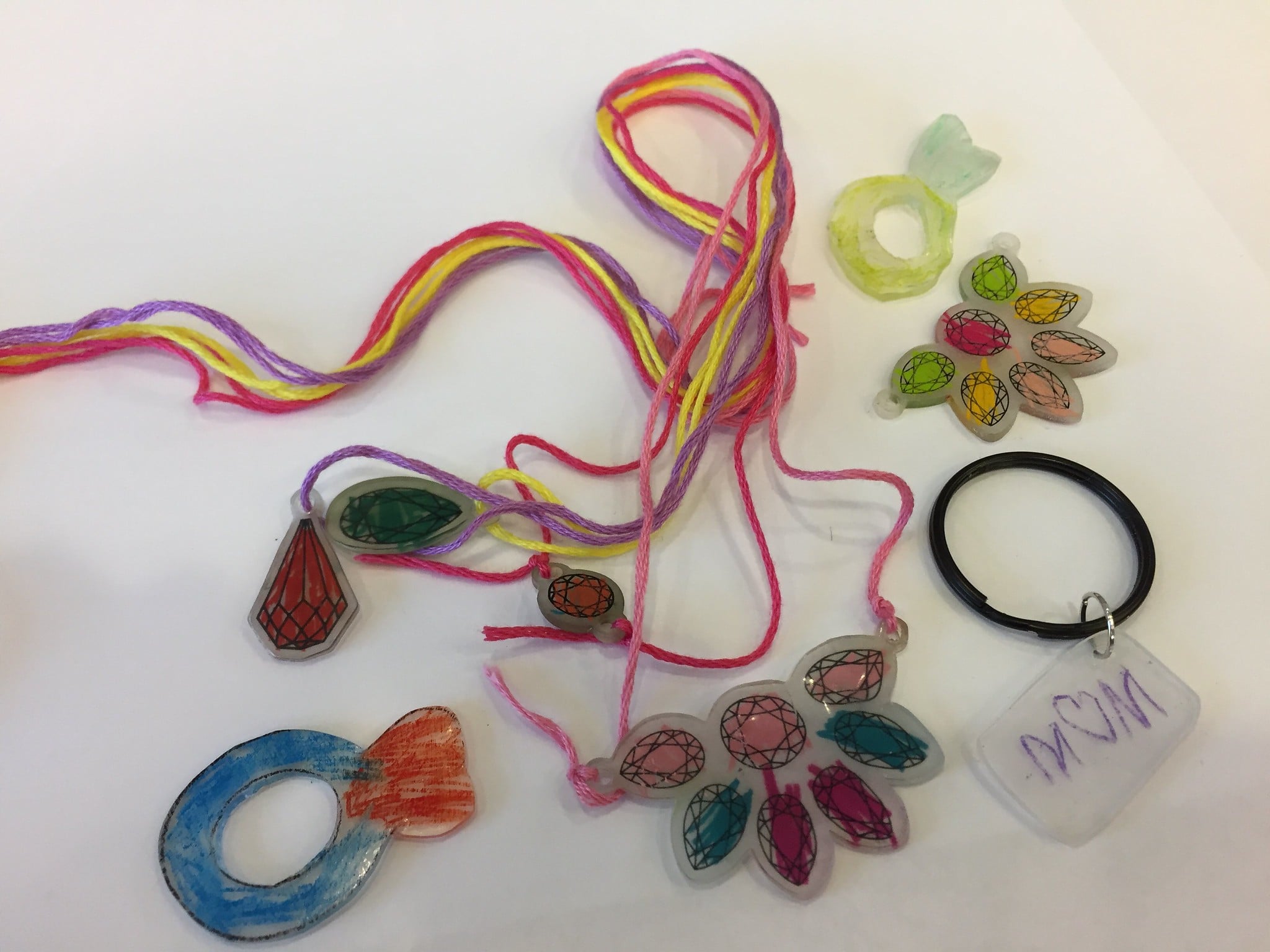
Plastic sheets that required oven temperatures to shrink into small, hard tokens. Kids learned to operate ovens, handle hot surfaces, and work with materials that released fumes during the heating process.
The plastic curled and twisted unpredictably as it shrank, and retrieving finished pieces from a 350-degree oven taught respect for heat and timing. Burns were common enough that most families developed their own safety protocols through experience.
Wood Burning Sets

These tools reached temperatures sufficient to burn designs into wood, leather, or skin with equal efficiency — the tip glowed cherry-red when properly heated, and the difference between purposeful artistry and accidental scarring came down to a moment’s inattention or a startled flinch. Kids learned to work with focused deliberation because distraction carried immediate consequences (the smell of burning skin has a way of sharpening concentration permanently).
But there was something deeply satisfying about watching a design emerge from controlled destruction, line by careful line, the wood darkening exactly where you intended. Most kids who owned these sets still carry small circular scars on their fingers, tiny reminders of lessons learned through direct contact rather than warning labels.
Super Soakers (Early Models)
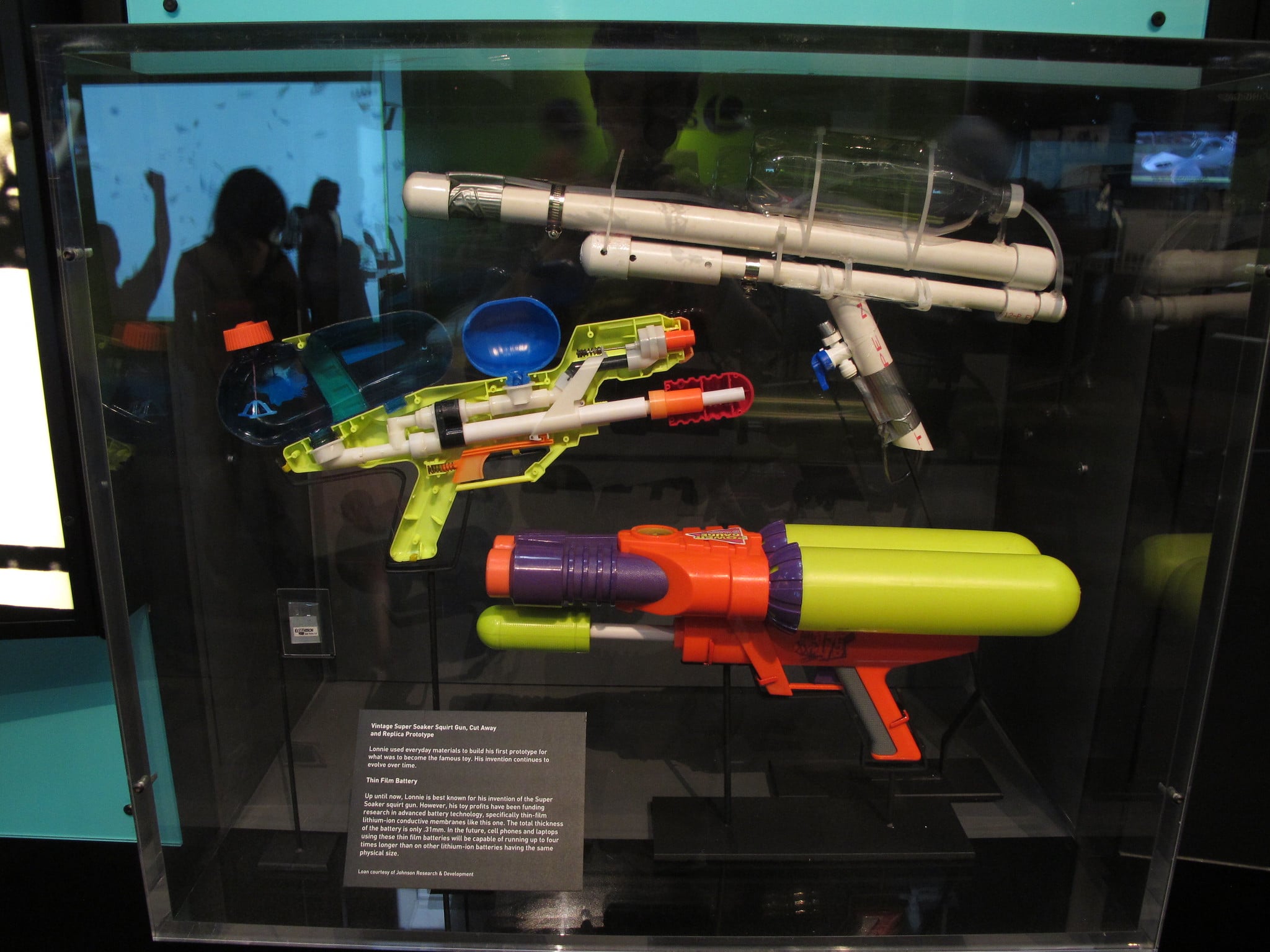
The first generation packed serious pressure without the safety modifications that came later. These weren’t gentle garden sprinklers but high-powered water weapons that could knock smaller kids off their feet or leave welts on bare skin from close range.
The pump mechanism had no pressure release valve, so overzealous pumping sometimes resulted in spectacular malfunctions. Kids learned to respect the power and adjust their aim accordingly.
Easy-Bake Oven
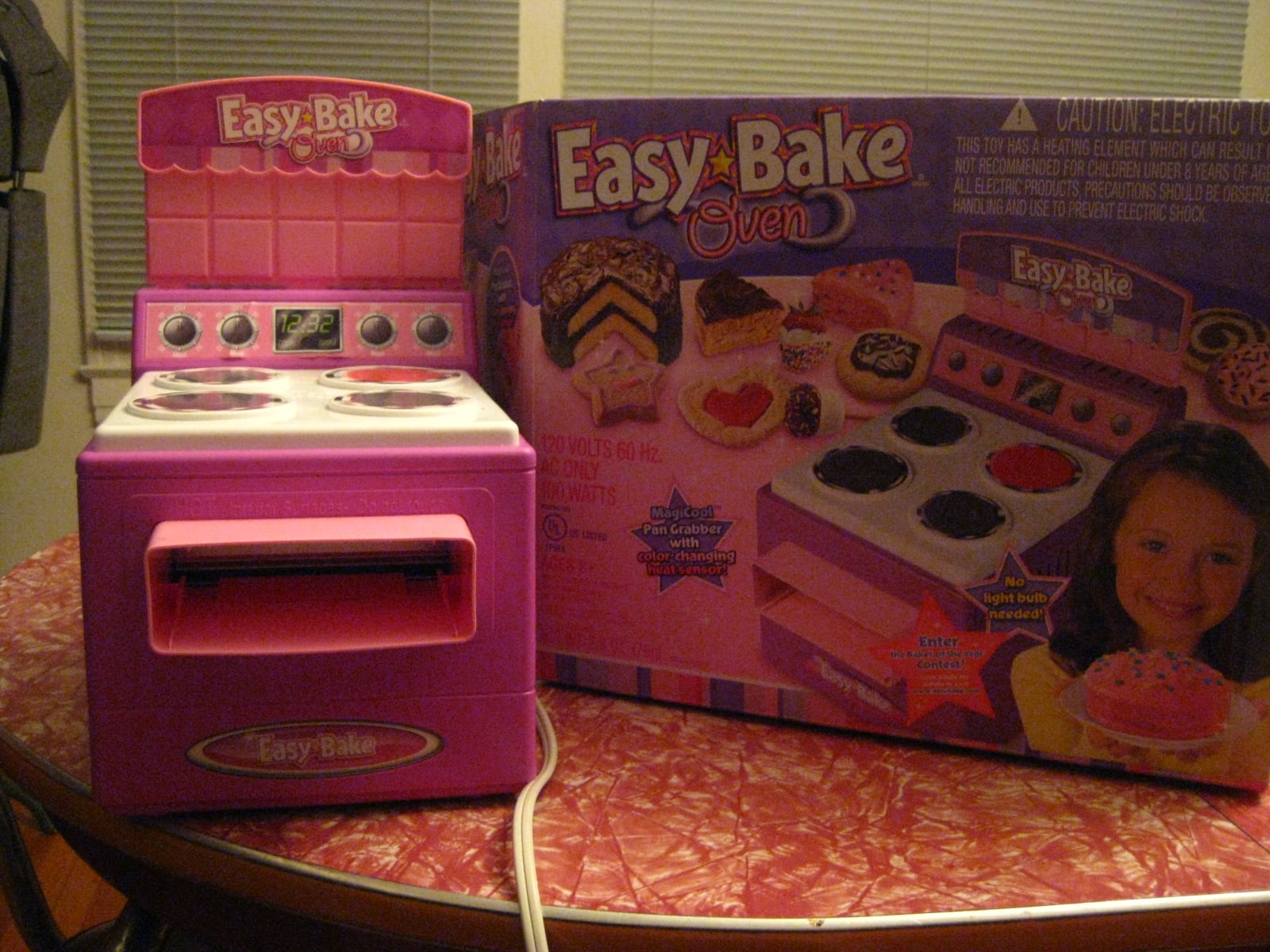
A working oven powered by standard light bulbs that reached temperatures sufficient for actual baking and actual burns. The heating element was exposed, the interior space cramped for small hands, and the metal surfaces retained heat long after the light went off.
Children learned to use pot holders, respect hot surfaces, and understand that real cooking involved real risks. The tiny cakes were worth the occasional singed fingertip.
Pogo Sticks
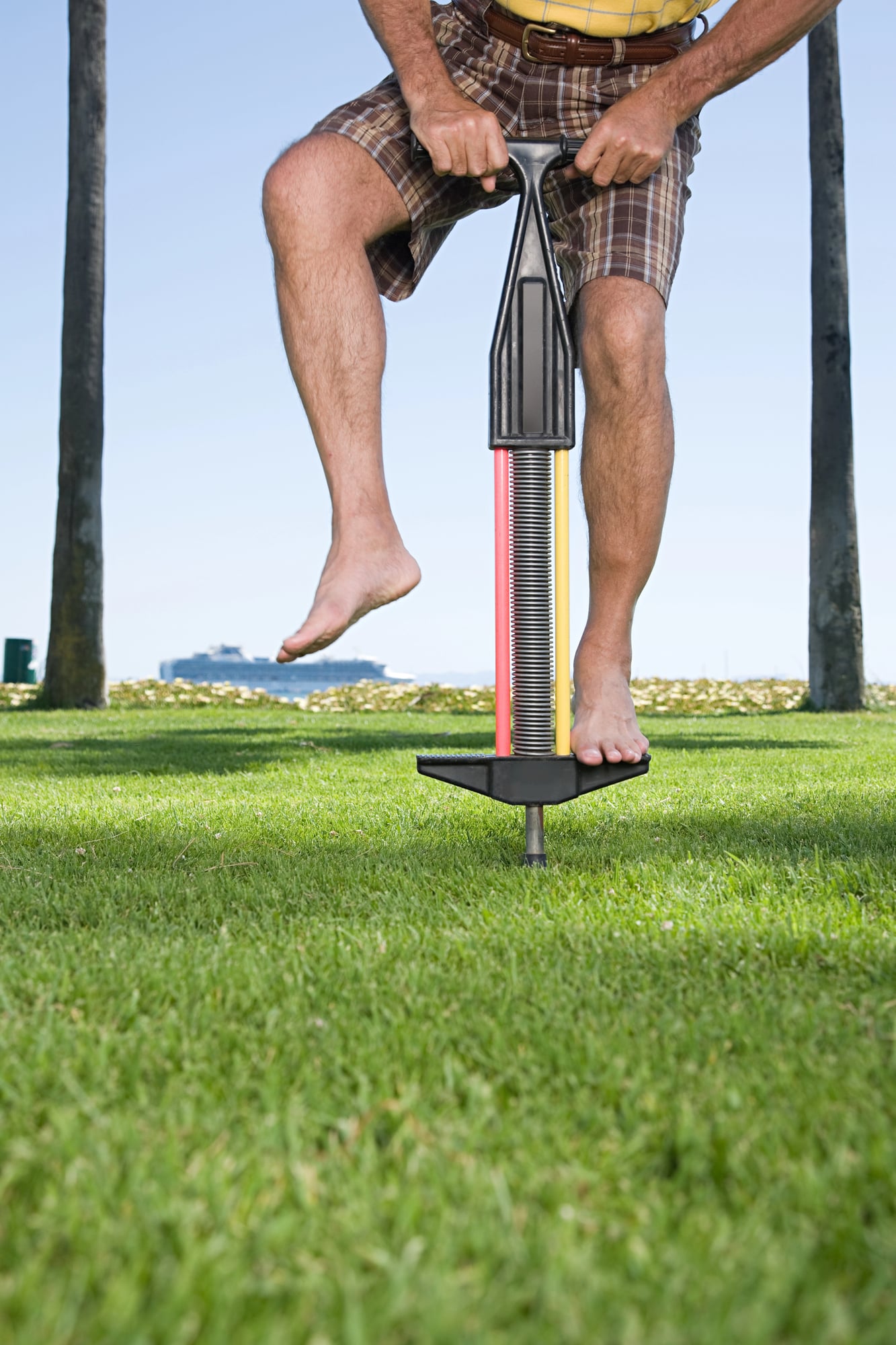
Metal springs and hard handles that demanded balance, timing, and a willingness to accept gravity’s harsh lessons when things went wrong — because they frequently went wrong, particularly when kids got ambitious about height, speed, or the surfaces they chose for bouncing. The rhythm required to maintain momentum was finicky: too slow and you’d stop dead, pitching forward into whatever lay ahead; too fast and the stick would kick out sideways, leaving you airborne with no good options for landing.
And yet, once you found that perfect cadence where each bounce fed naturally into the next, the sensation was pure flight. The springs absorbed and released energy with mechanical precision, but your body had to learn to work with them rather than against them.
Chemistry Lab Sets
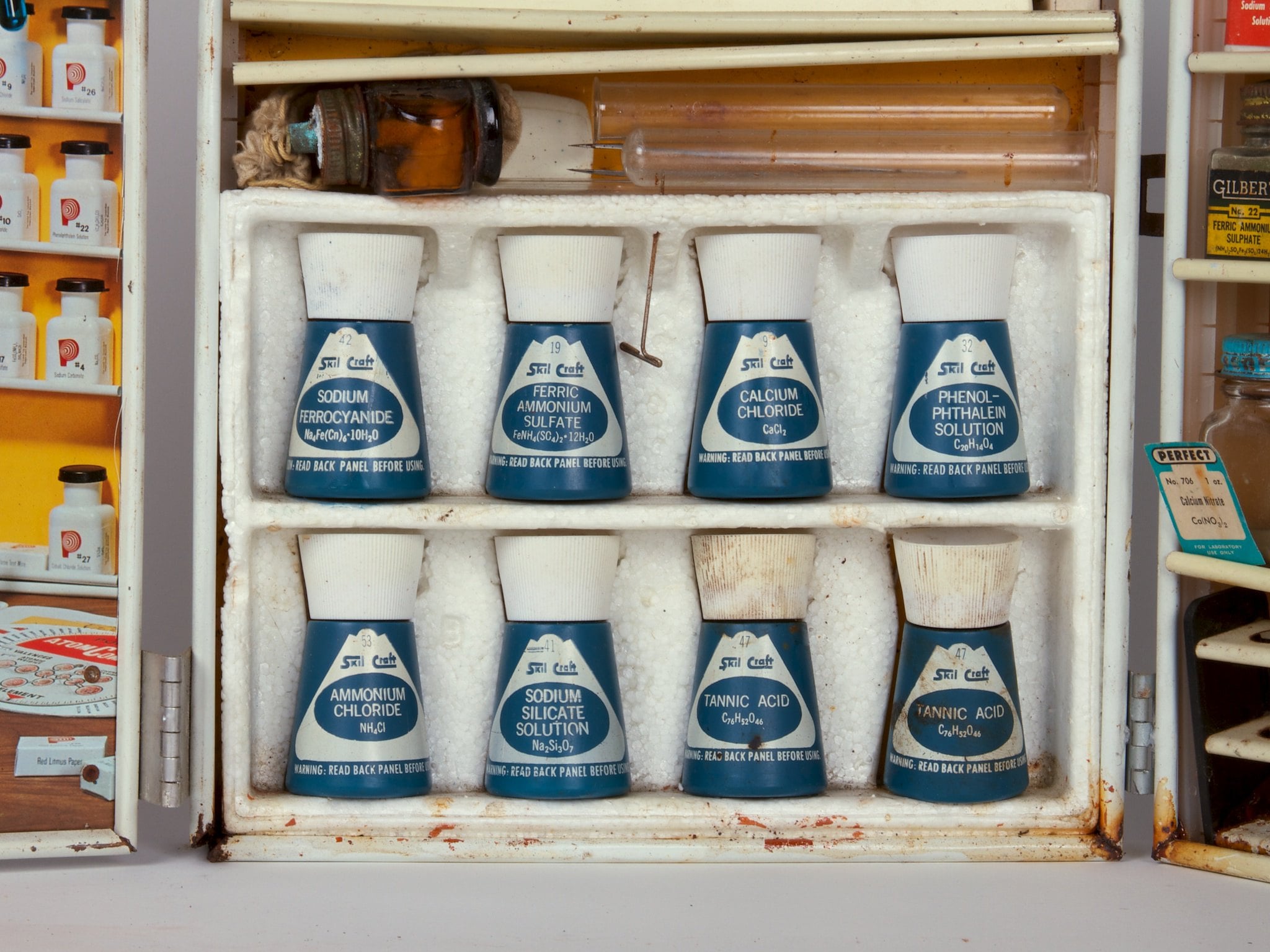
These went beyond basic chemistry sets to include equipment that resembled actual laboratory gear. Glass beakers, metal stands, open flame burners, and chemicals that produced genuine reactions rather than safe color changes.
The instructions assumed kids could handle dangerous substances responsibly, and most did — after learning through a few close calls what “handle with care” actually meant in practice.
Sixfinger
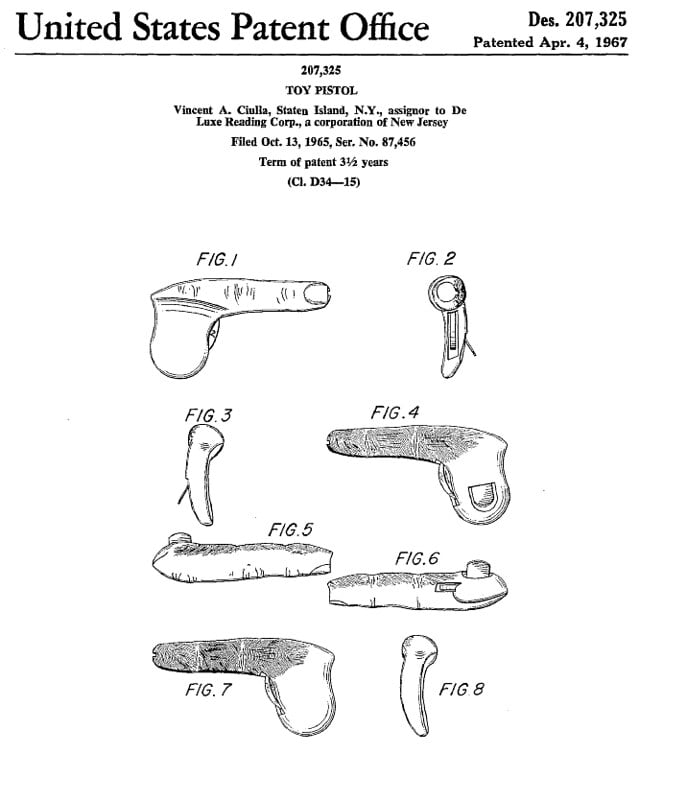
A plastic toy gun that shot hard plastic bullets with enough velocity to break windows, dent walls, and leave impressive bruises on anyone caught in the line of fire. The spring-loaded mechanism packed legitimate power, and the ammunition was designed for reuse rather than safety.
Kids learned to aim carefully because explaining property damage was more painful than any physical consequence the toy could deliver.
Hot Wheels Track Sets
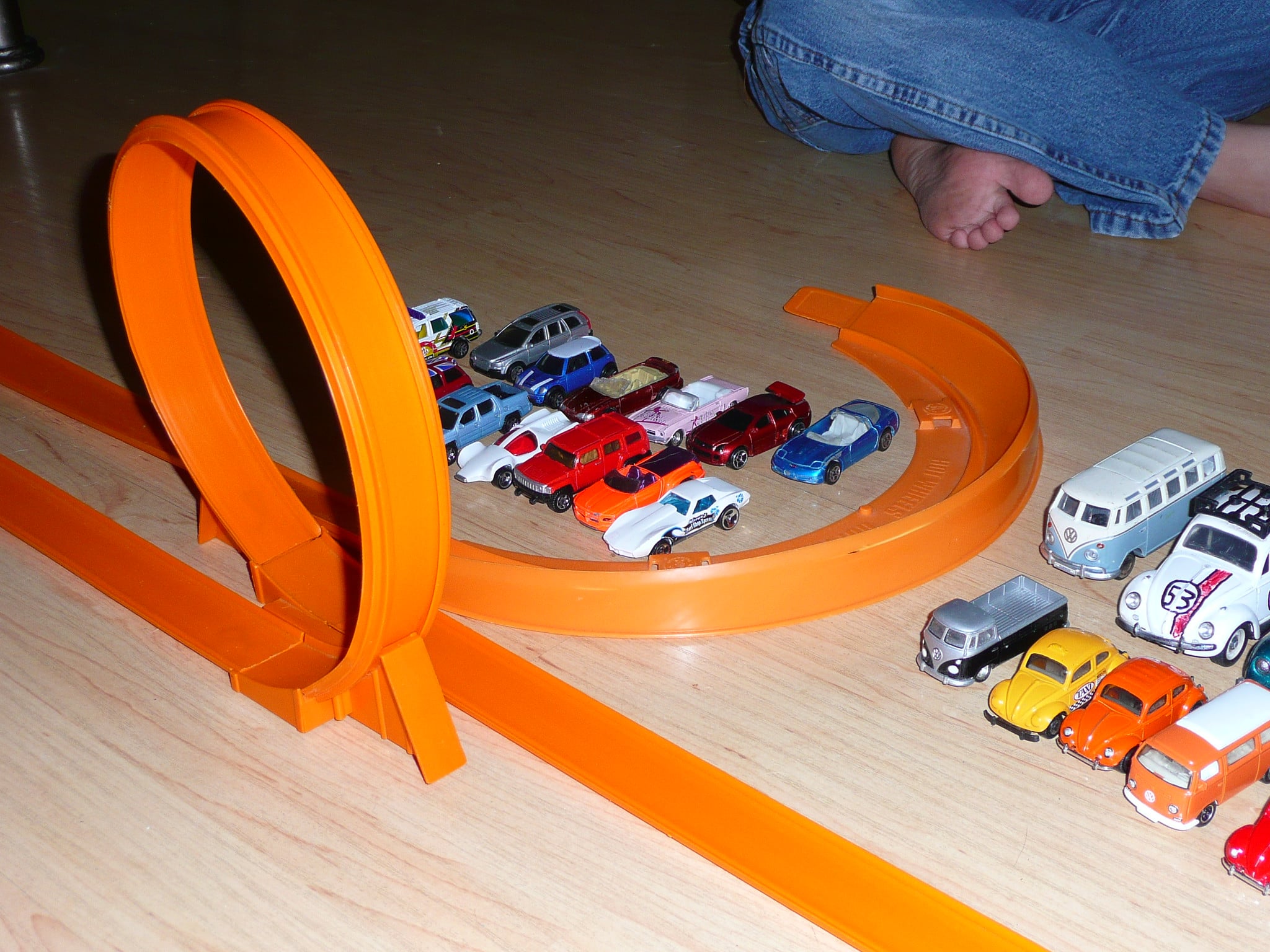
The cars were metal, the track was metal, and the connecting pieces had sharp edges that could slice fingers during enthusiastic track building. The track sections never stayed together perfectly, creating gaps that would catch fast-moving cars and send them flying in unpredictable directions.
High-speed crashes were the point, and both cars and kids absorbed plenty of impacts during extended play sessions.
Johnny Lightning Race Sets
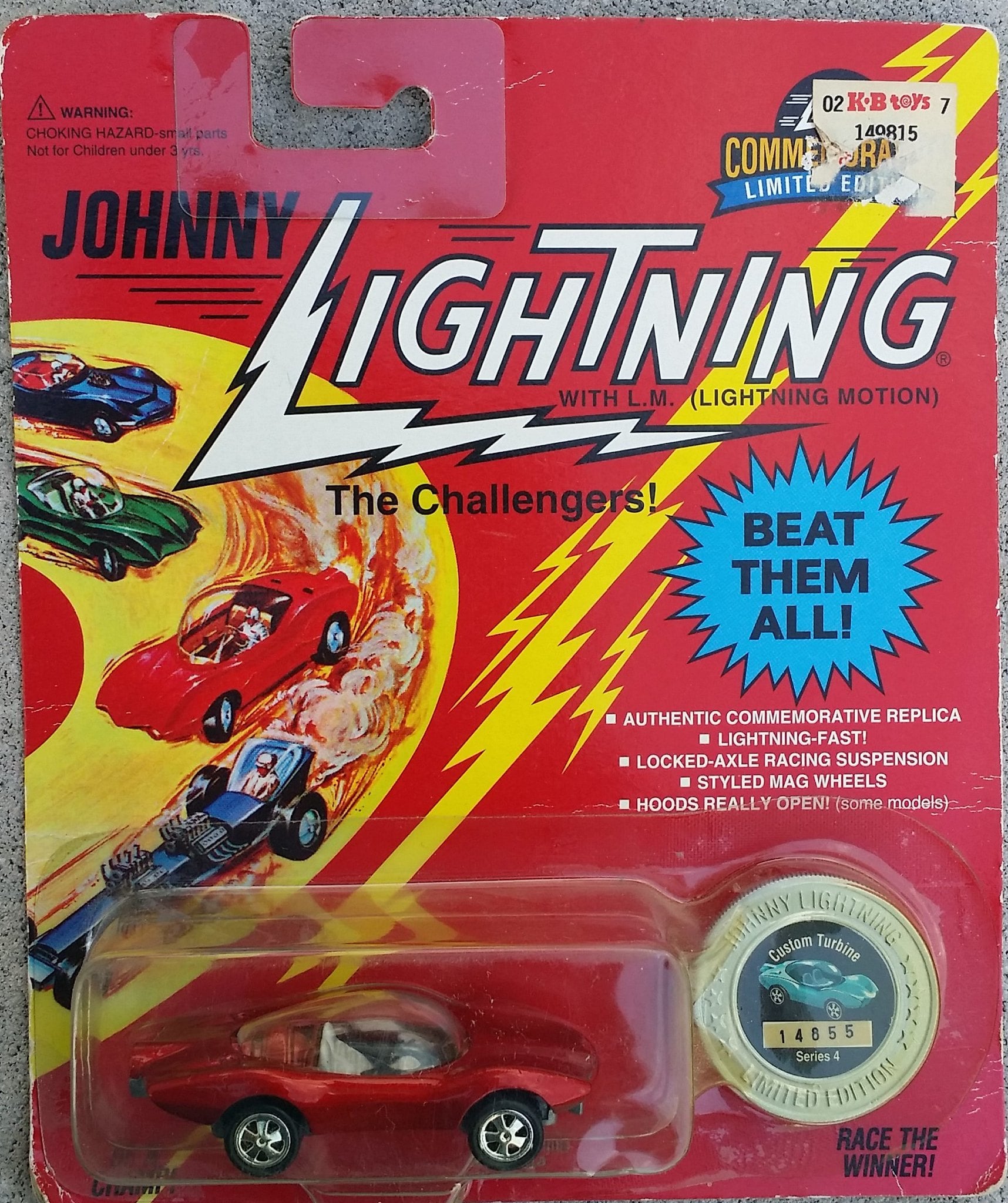
Similar concept to Hot Wheels but with more powerful motors and less forgiving track designs. The cars moved fast enough to hurt when they flew off the track, and the electrical components were exposed in ways that would horrify modern safety inspectors.
Kids learned to keep their fingers clear of the moving parts and respect the power that made those tiny cars achieve genuinely impressive speeds.
What We Learned From Sharp Edges And Hot Surfaces
Those toys taught lessons that warning labels never could. They demanded attention, rewarded competence, and delivered immediate feedback when you made mistakes.
The bruises faded, the burns healed, and somehow everyone learned to navigate a world where consequences were real and immediate. Maybe that wasn’t such a terrible way to grow up after all.
More from Go2Tutors!

- The Romanov Crown Jewels and Their Tragic Fate
- 13 Historical Mysteries That Science Still Can’t Solve
- Famous Hoaxes That Fooled the World for Years
- 15 Child Stars with Tragic Adult Lives
- 16 Famous Jewelry Pieces in History
Like Go2Tutors’s content? Follow us on MSN.



