15 Famous Landmarks That Almost Were Never Built
Some of the world’s most beloved landmarks exist purely by accident. A last-minute donation here, a stubborn architect there, a politician changing their mind at the final hour.
These monuments and buildings that millions visit each year came dangerously close to never existing at all. Behind each iconic structure lies a story of near-cancellation, funding crises, public opposition, or simple bureaucratic chaos that almost erased them from history entirely.
Eiffel Tower
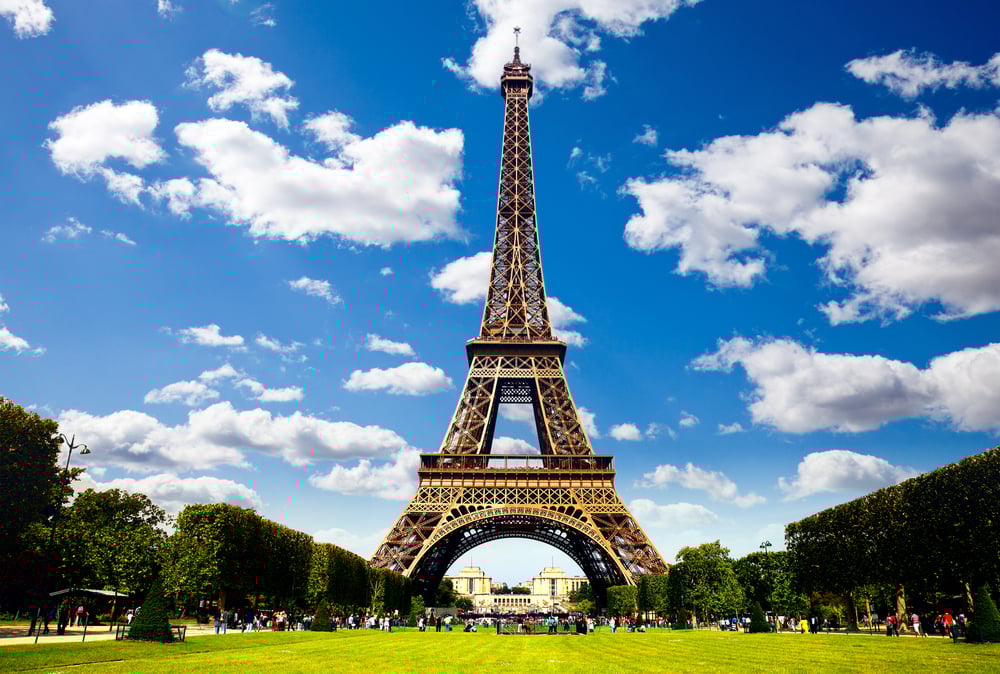
The Eiffel Tower was supposed to be temporary. Built for the 1889 World’s Fair, it was meant to be dismantled after 20 years.
Parisians hated it from the start. Artists and intellectuals signed petitions calling it an eyesore that would ruin the city’s skyline.
Guy de Maupassant reportedly ate lunch at the tower’s restaurant daily — not because he loved it, but because it was the only place in Paris where he couldn’t see the thing. The iron lattice structure looked industrial and harsh next to Paris’s classical architecture.
By 1909, demolition was scheduled. What saved it wasn’t artistic appreciation — it was radio.
The tower’s height made it perfect for wireless telegraphy, which had become essential for military communications. Function rescued what beauty couldn’t.
Sydney Opera House

The Sydney Opera House nearly collapsed under its own ambition (and the weight of political interference that followed, creating a project so contentious it drove its architect into exile before completion). Danish architect Jørn Utzon won the design competition in 1957, but his revolutionary shell design pushed engineering to its limits — and costs far beyond what anyone had imagined.
The project was supposed to cost $7 million and take four years. Reality proved stubborn.
By 1965, costs had ballooned to $50 million with no end in sight. The New South Wales government, facing public outrage and political pressure, essentially forced Utzon to resign by making his working conditions impossible and refusing to pay his fees.
He left Australia in 1966 and never saw the completed building, which finally opened in 1973 at a cost of $102 million. The opera house that defines Sydney’s skyline was finished by other architects working from Utzon’s plans — a masterpiece completed by committee after its creator was effectively exiled.
Statue of Liberty
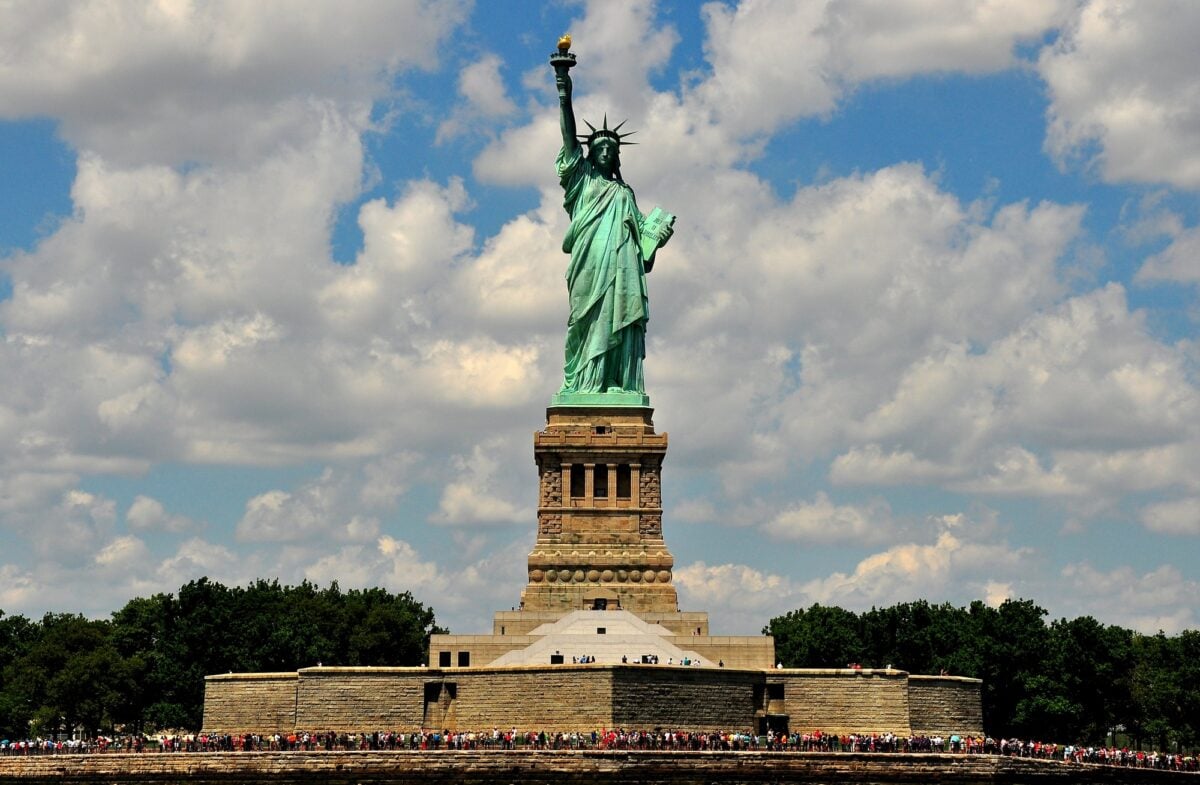
France ran out of money halfway through building the Statue of Liberty. The French government had agreed to fund the statue itself, but Americans were supposed to pay for the pedestal.
Americans weren’t interested. Fundraising stalled at $3,000 — nowhere near the $250,000 needed.
The statue sat in pieces in France while New York failed to raise pedestal money for years.
Joseph Pulitzer saved it. His newspaper campaign shamed wealthy New Yorkers and appealed directly to working-class immigrants. Small donations poured in — 50 cents here, a dollar there. Schoolchildren contributed pennies.
The pedestal was finally funded by ordinary people, not millionaires.
Golden Gate Bridge
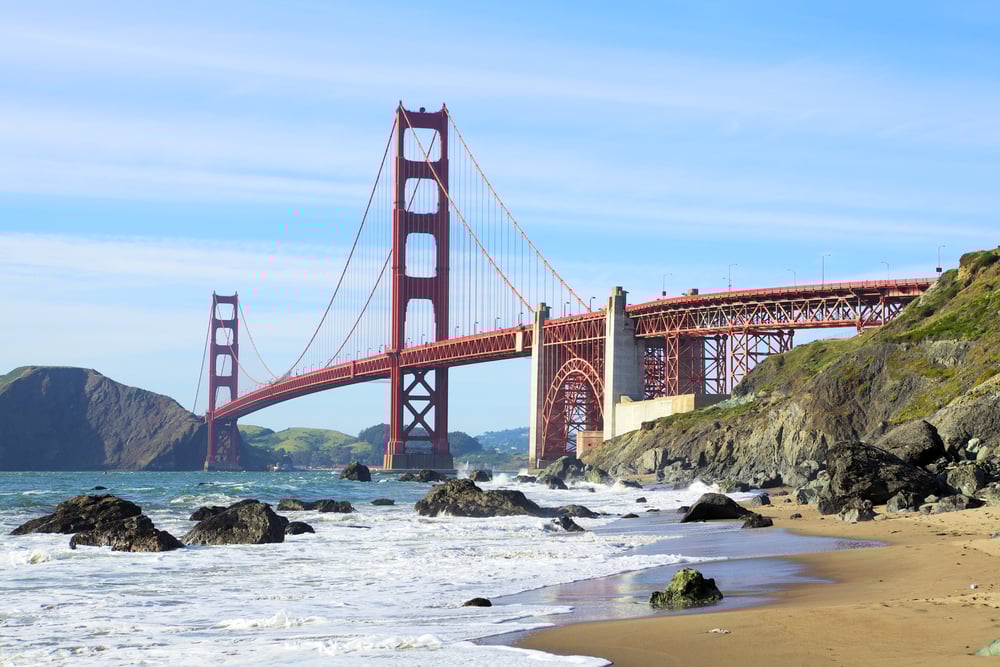
Building a bridge across the Golden Gate seemed impossible until one engineer refused to accept that assessment. The 1.7-mile span faced violent currents, fierce winds, and fog so thick it could hide ships until they were already crashing into the construction — which is exactly what happened more than once during the six-year building process, though the safety net system Joseph Strauss insisted on installing saved 19 workers who became known as the “Halfway-to-Hell Club.”
The engineering challenges were staggering enough, but the real threat came from ferry companies who saw their profitable monopoly disappearing into the bay.
Ferry operators fought the bridge through lawsuits and political pressure for over a decade before construction even began in 1933. They argued (correctly) that the bridge would eliminate their business, but also claimed (less convincingly) that the structure would be a navigation hazard and an eyesore.
The War Department nearly killed the project by demanding the bridge be designed so it could be quickly demolished in case of enemy attack. Only Strauss’s willingness to modify his design repeatedly — and the Great Depression’s need for jobs — finally pushed the project through.
The bridge that seems inevitable now almost died in committee rooms years before the first cable was strung.
Mount Rushmore
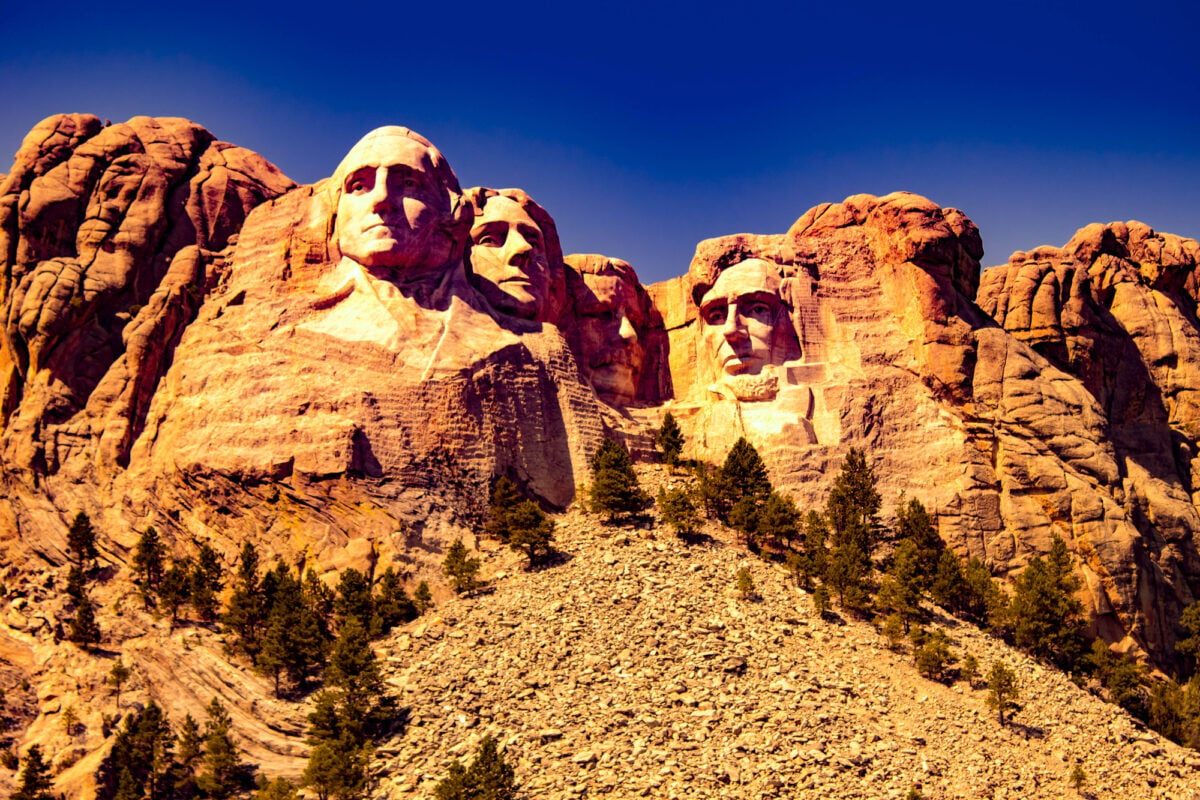
Mount Rushmore started as a tourism scheme. South Dakota historian Doane Robinson wanted to carve famous Western figures into the Black Hills to attract visitors.
Sculptor Gutzon Borglum had different ideas. He convinced Robinson to feature presidents instead of regional heroes, arguing that national figures would draw more tourists.
The switch from Western personalities to Washington, Jefferson, Roosevelt, and Lincoln changed everything about the project’s scope and meaning.
Funding nearly killed it repeatedly. Construction took 14 years partly because work stopped whenever money ran out.
Borglum died before completion, leaving his son Lincoln to finish the project. The monument that draws three million visitors annually almost never happened because South Dakota couldn’t consistently pay for it.
Big Ben

Big Ben’s famous tower almost toppled during construction — a near-disaster that would have changed London’s skyline forever and possibly ended the career of the architect responsible for Parliament’s reconstruction after the devastating 1834 fire. The foundation work in the marshy ground beside the Thames proved more treacherous than anyone anticipated (Victorian engineering confidence often exceeded Victorian engineering knowledge), and by 1856, serious structural problems had developed that threatened not just the clock tower but portions of the new Parliament building itself.
Charles Barry, the architect, and Augustus Pugin, who designed the interior details, had already faced years of criticism for cost overruns and delays. The tower’s foundation issues nearly provided their critics with the ammunition needed to halt the entire project and start over with different designers.
Emergency reinforcement work took months and added enormous expense to an already controversial project. But the foundation held, the tower stayed vertical, and Big Ben began keeping time for London in 1859.
The near-collapse was kept relatively quiet — Victorian pride demanded that such an embarrassing engineering mishap be handled with discretion.
Christ the Redeemer
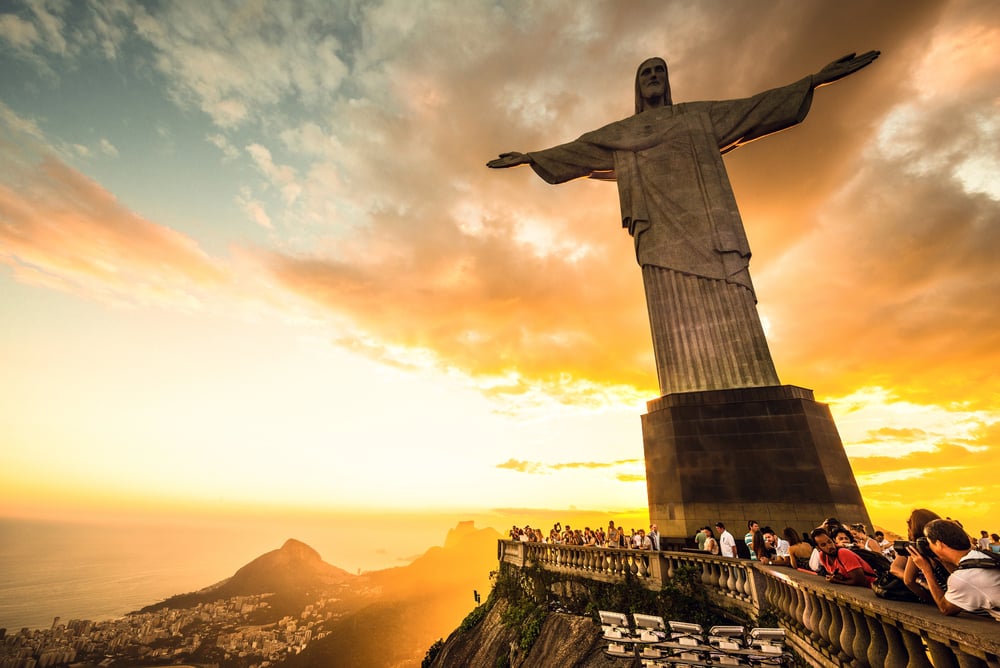
Money problems nearly left Rio without its most famous landmark. The Catholic Church proposed the statue in 1920, but Brazil’s government refused to fund it.
Private donations saved the project. French sculptor Paul Landowski agreed to work for whatever money could be raised.
Brazilian engineer Heitor da Silva Costa found ways to cut costs without compromising the design. Construction took nine years partly because funding came in unpredictable chunks.
The statue almost looked completely different. Early designs showed Christ holding a cross or a globe.
The final design — arms outstretched over the city — was chosen because it was simpler to engineer and less expensive to build.
London Bridge (Tower Bridge)

Tower Bridge exists because Victorian London couldn’t agree on anything else, which meant eight years of committees arguing over 50 different bridge designs while the eastern part of the city remained effectively cut off from the south bank of the Thames. The bridge had to be tall enough for large ships to pass underneath (London was still a major port), but it also had to carry heavy street traffic without creating an impossibly steep approach for horse-drawn vehicles — requirements that seemed to contradict each other until engineer John Wolfe Barry proposed a bascule design that could lift its central spans.
Even then, the project nearly died from aesthetic objections. Barry’s original design was purely functional, which horrified city officials who wanted something appropriately grand for such a prominent location.
So they hired architect Horace Jones to wrap Barry’s steel structure in Gothic stonework that would complement the Tower of London nearby. The compromise satisfied no one completely — engineers thought the decorative elements were wasteful, artists thought the result looked like a factory wearing a costume, and taxpayers objected to the mounting costs.
Construction began in 1886 but stopped twice when funding ran short. The bridge finally opened in 1894, eight years late and massively over budget, but it worked exactly as designed and became the symbol of London that Barry and Jones never intended it to be.
Space Needle
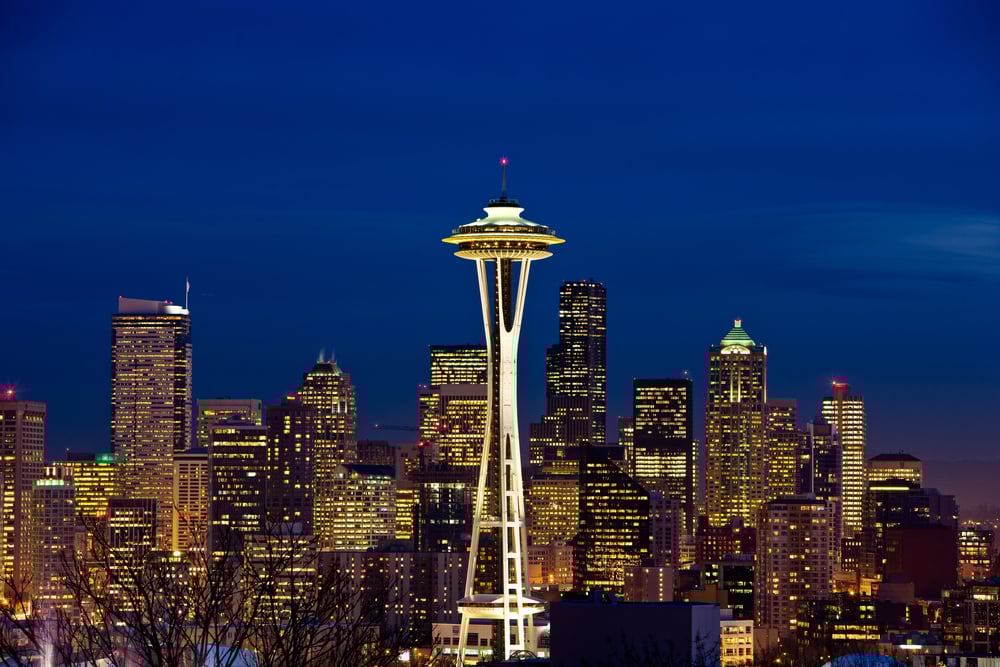
The Space Needle was designed and built in less time than most people spend planning a kitchen renovation. Seattle’s 1962 World’s Fair needed a signature structure, but planning started absurdly late.
Construction began in 1961 for a fair opening in April 1962. The foundation alone took longer than expected — workers poured the largest continuous concrete pour in the West Coast’s history, working around the clock for 12 hours straight.
Weather delays and engineering challenges made the timeline even tighter.
The restaurant was still being installed as visitors arrived for the fair’s opening day. Elevators were tested with sandbags because there wasn’t time for proper safety inspections with human passengers.
The Space Needle opened on schedule, but barely.
Taj Mahal
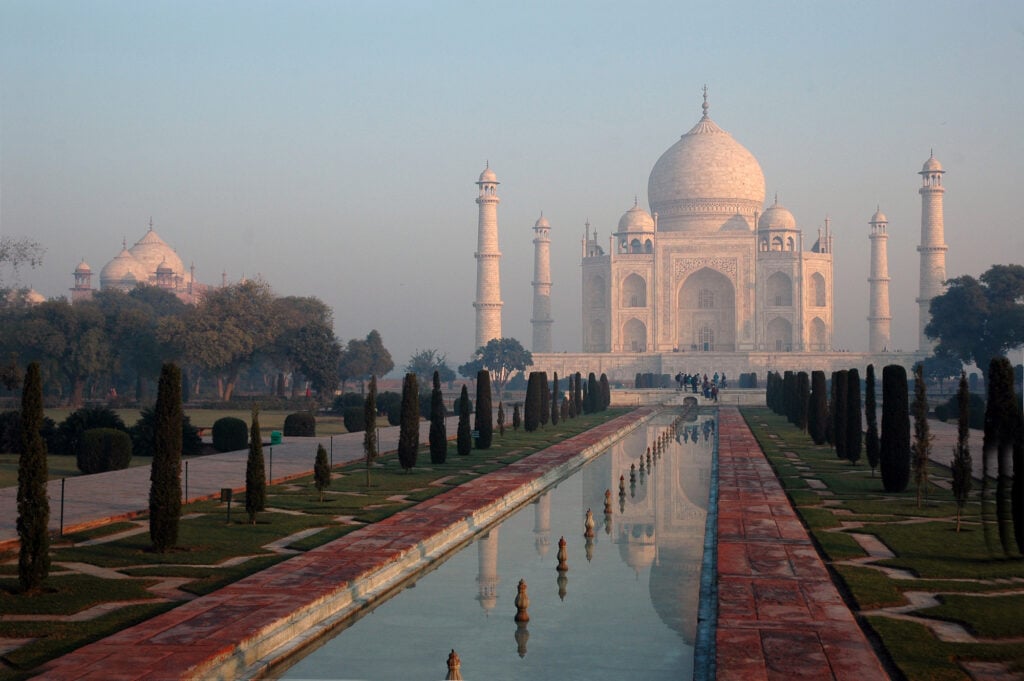
The Taj Mahal’s construction nearly bankrupted the Mughal Empire, creating a financial crisis so severe that it contributed to the dynasty’s eventual decline and made Shah Jahan’s son Aurangzeb so furious about the expense that he essentially imprisoned his father for the last eight years of his life. The white marble mausoleum required 20 years to complete and employed over 20,000 workers at its peak, but the real cost came from Shah Jahan’s perfectionism — he repeatedly ordered sections torn down and rebuilt when they didn’t meet his standards, and he imported materials from across Asia regardless of expense.
The project consumed roughly 32 million rupees, an amount so staggering that it destabilized the empire’s finances at a time when military campaigns and administrative costs were already straining the treasury. Contemporary accounts suggest that taxes were raised across the empire to fund the tomb’s construction, creating widespread resentment among the population.
When Aurangzeb finally seized power in 1658, one of his first acts was to halt all construction projects and restrict his father’s spending.
But the Taj Mahal survived not because of its beauty, but because it was essentially finished by the time Aurangzeb took control. A few more years of Shah Jahan’s rule might have produced an even more elaborate structure — or it might have collapsed the empire entirely before completion.
Neuschwanstein Castle
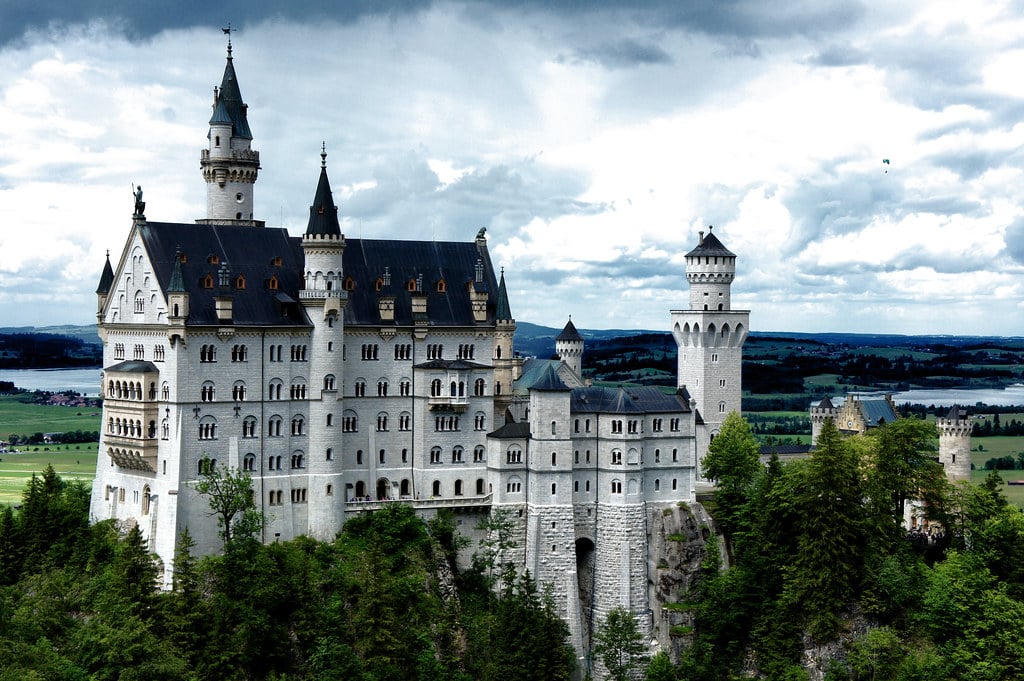
King Ludwig II of Bavaria built Neuschwanstein as a personal retreat, but his government considered it evidence of mental instability. The castle’s fairy-tale design and enormous cost alarmed Bavarian officials who were already suspicious of their king’s behavior.
Construction began in 1869 with no realistic budget or timeline. Ludwig kept changing the design, adding towers and rooms on whim.
The project consumed his personal fortune and required constant loans that his government reluctantly approved.
Ludwig died under mysterious circumstances in 1886 with the castle still unfinished. His death probably saved Neuschwanstein — his ministers were planning to declare him mentally incompetent and halt construction.
The castle that inspired Disney’s Sleeping Beauty Castle almost never got built because its creator was considered crazy for wanting it.
Gateway Arch
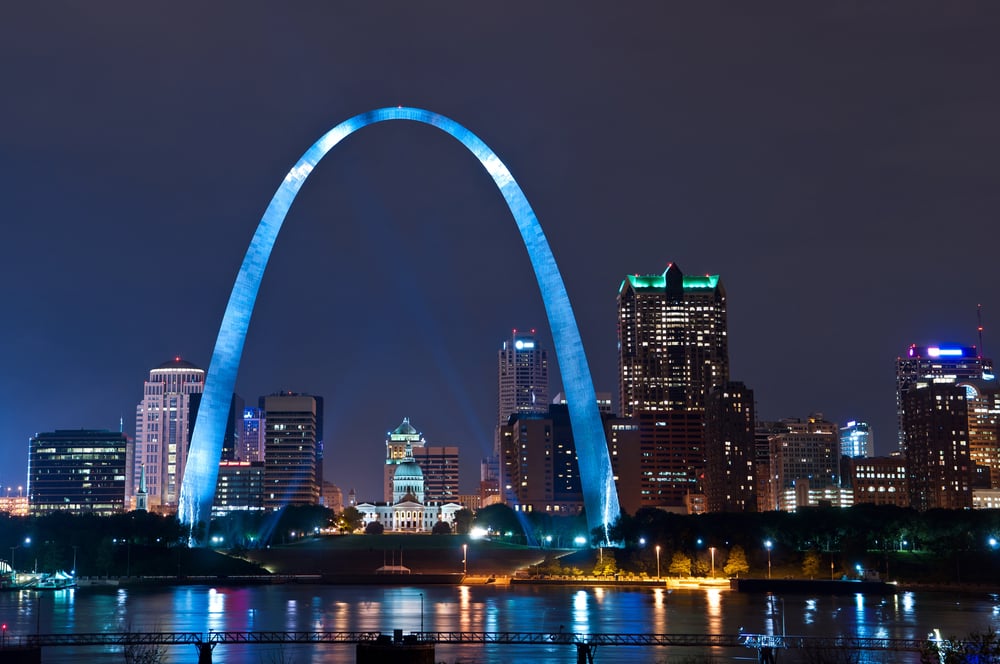
St. Louis almost built a completely different monument. The Jefferson National Expansion Memorial competition in 1947 received 172 entries, and Eero Saarinen’s arch design wasn’t the favorite.
His proposal won by accident. Saarinen thought he’d lost and was designing other projects when the notification came.
The selection committee had debated for months between his arch and more conventional designs featuring buildings and traditional monuments.
Construction nearly stopped multiple times due to funding shortages. The federal government approved the design but provided money in small increments over many years.
Work began in 1963 but proceeded slowly because Congress kept reducing appropriations. The arch wasn’t completed until 1965, and the museum underneath didn’t open until 1976.
Brooklyn Bridge
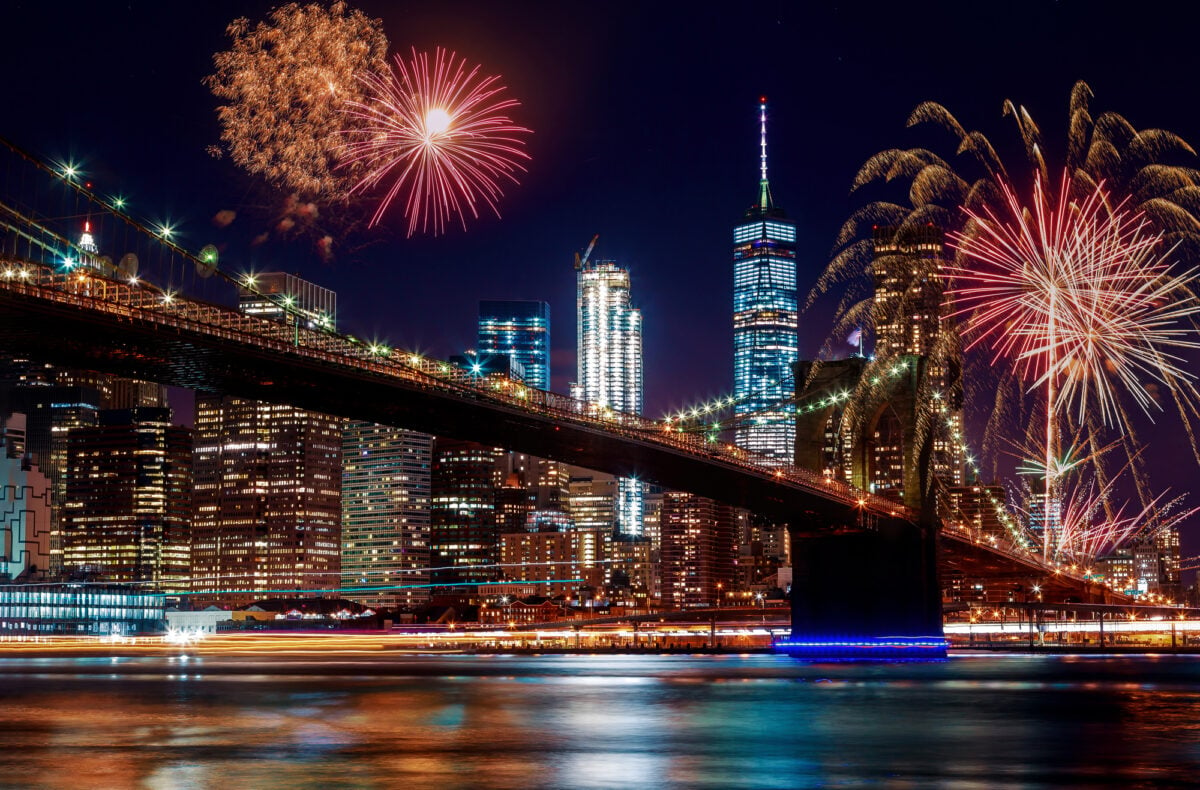
The Brooklyn Bridge killed its designer and nearly killed his son, creating a construction crisis that almost ended the project when the Roebling family — the only people who fully understood the innovative design — seemed incapable of completing it. John Augustus Roebling died of tetanus in 1869 after his foot was crushed while surveying the bridge site, leaving his son Washington to oversee construction of a design that pushed 19th-century engineering beyond anything previously attempted.
Washington Roebling developed decompression sickness (the bends) from spending too much time in the underwater caissons where workers dug the bridge’s foundations. By 1872, he was partially paralyzed and unable to visit the construction site.
The project fell to his wife Emily, who became the first woman to oversee a major engineering project — though she received no official title or recognition. For over a decade, Emily Roebling served as the bridge’s de facto chief engineer while her husband recovered.
Politicians and the press called for new leadership, arguing that the bridge would never be finished under such unusual circumstances. But Emily understood the design better than any potential replacement, and she guided the project through its most difficult years.
The bridge opened in 1883, 14 years after John Roebling’s death and only because his daughter-in-law refused to let it die with him.
Sagrada Familia
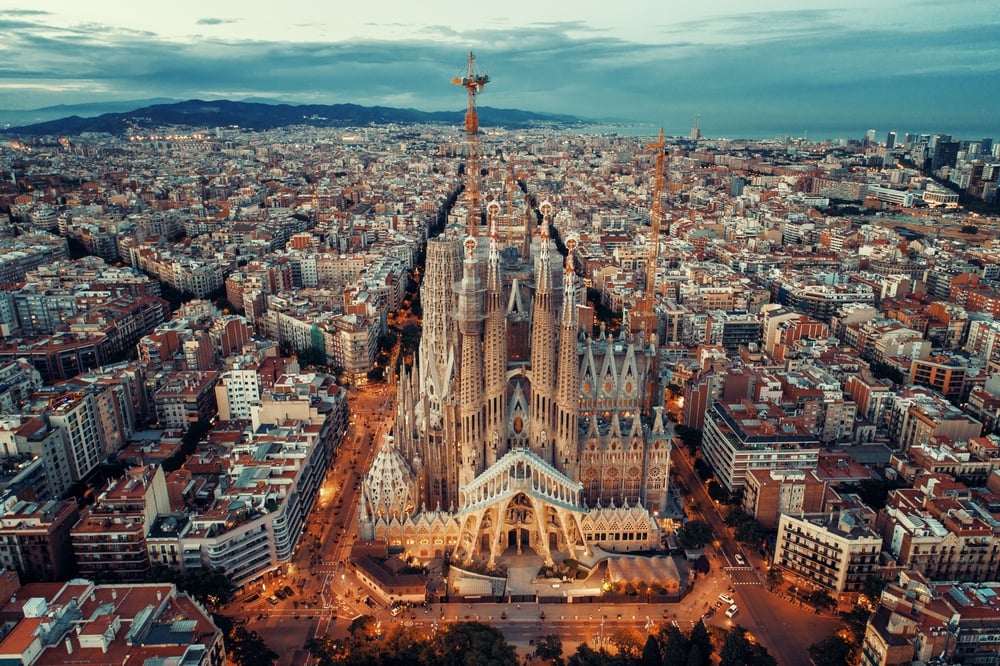
Antoni Gaudí didn’t design the Sagrada Família from the beginning — he inherited someone else’s project and transformed it into something completely different. Construction began in 1882 under architect Francisco de Paula del Villar, who planned a conventional Gothic Revival church that would have looked like dozens of others across Europe.
Gaudí took over in 1883 after del Villar resigned following disputes with the church committee. What Gaudí envisioned bore no resemblance to the original plans. He redesigned everything — the facades, the interior, the towers — creating a structure so complex that it’s still under construction 140 years later.
The project has survived the Spanish Civil War, funding crises, and Gaudí’s death in 1926. Work continued because Gaudí trained apprentices to carry on his vision, though much of his original plans were destroyed during the Civil War.
The basilica that defines Barcelona’s skyline almost remained a simple Gothic church if Gaudí hadn’t been stubborn enough to completely reimagine it.
Hollywood Sign
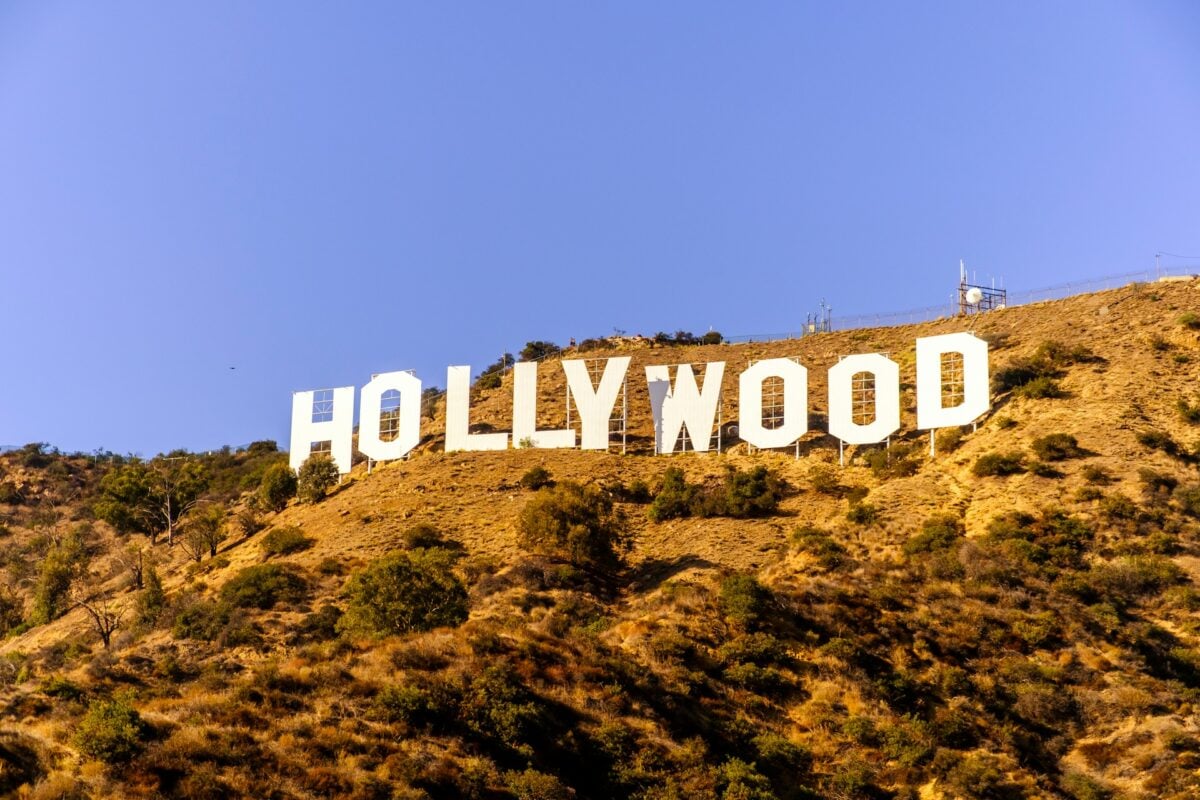
The Hollywood Sign was supposed to be temporary advertising that would last 18 months. Built in 1923 to promote a real estate development called “Hollywoodland,” the sign originally included those last four letters.
The sign began deteriorating almost immediately. By the 1940s, letters were falling apart and the electrical system had failed.
The “H” collapsed in 1944. The city of Los Angeles took ownership but had no budget for maintenance.
By 1978, the sign was falling down completely. A campaign led by Playboy founder Hugh Hefner raised $250,000 to rebuild it.
Each letter was sponsored by celebrities who paid about $28,000 apiece. The rebuilt sign dropped “land” from the original text, creating the nine-letter version that became a global symbol.
Looking Back From Almost Never

These landmarks share something beyond their fame — they survived their own near-death experiences to become irreplaceable. Each one faced the particular kind of crisis that kills ambitious projects: money running out, public opposition, engineering failures, political interference, or simple bad timing.
Yet they exist now as if their construction was inevitable, as if the world always intended them to be exactly where they are.
Perhaps that’s what makes them truly remarkable. Not their beauty or their engineering achievements, but their stubborn refusal to disappear when circumstances suggested they should.
They remind us that the most iconic human creations often succeed not because conditions were perfect, but because someone — an architect, an engineer, a politician, or just a person with a compelling vision — refused to let them fail.
More from Go2Tutors!

- The Romanov Crown Jewels and Their Tragic Fate
- 13 Historical Mysteries That Science Still Can’t Solve
- Famous Hoaxes That Fooled the World for Years
- 15 Child Stars with Tragic Adult Lives
- 16 Famous Jewelry Pieces in History
Like Go2Tutors’s content? Follow us on MSN.