TV Reboots Better Than the Original
Reboots usually disappoint. Networks take something you loved and turn it into something vaguely familiar but ultimately hollow.
The magic doesn’t transfer. The timing feels wrong.
You wish they’d just left it alone. But sometimes, rarely, a reboot improves on the original.
The new version finds what the original was reaching for but couldn’t quite grasp. It updates without losing the core.
It takes risks the original couldn’t afford. These reboots didn’t just retread old ground.
They built something new on the foundation of the original, something that stood on its own merits. Some modernized outdated concepts.
Others deepened shallow premises. A few took forgotten shows and made them culturally significant.
They prove that rebooting isn’t inherently lazy—it depends on what you do with the opportunity.
Battlestar Galactica’s Darker Vision

The 1978 Battlestar Galactica was a campy space opera with shiny robots and clear good guys. The 2004 reboot stripped away the campiness and asked hard questions about survival, morality, and what makes us human.
It transformed B-grade sci-fi into prestige television. The new version made the Cylons terrifying because they looked human.
You couldn’t tell friend from enemy. The fleet’s leaders made impossible decisions with no good options.
Characters you loved did terrible things under pressure. The show explored torture, religious extremism, and military authority in ways that felt uncomfortably relevant to post-9/11 America.
The original had charm and nostalgia value, but the reboot had depth. It took the premise—humanity fleeing extinction—and made you feel the weight of that.
Every decision mattered because resources were finite and enemies were everywhere. The political tensions between civilian and military leadership created constant friction.
The show ended controversially, but the journey there demonstrated what reboots can achieve when they respect the original while building something entirely new.
Doctor Who’s Modern Resurrection
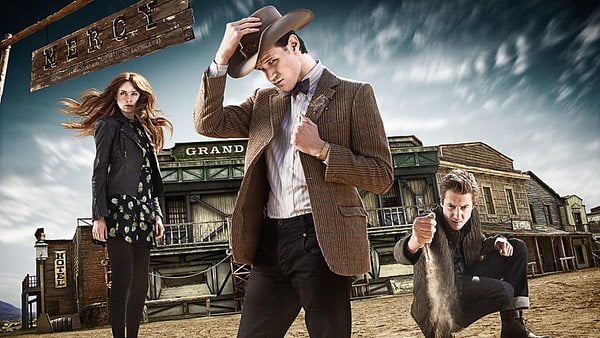
Classic Doctor Who ran from 1963 to 1989 with varying quality and budgets that often showed. The 2005 reboot kept the spirit but modernized everything else.
Better effects, tighter writing, and emotional depth transformed the show from cult favorite to mainstream phenomenon. Russell T Davies understood what made the original special—the sense of wonder, the creativity, the Doctor’s alien perspective—but he made it accessible to new viewers.
You didn’t need to know decades of continuity. Each season worked as an entry point.
The companions got real character development instead of just screaming at monsters. The reboot balanced episodic adventures with season-long arcs.
It could be silly one week and heartbreaking the next. The production values let the ambitious ideas actually work visually.
Most importantly, it made the Doctor emotionally complex—not just a quirky alien but someone carrying the weight of being the last of his kind. The original created the template, but the reboot perfected the execution.
The Office’s American Translation
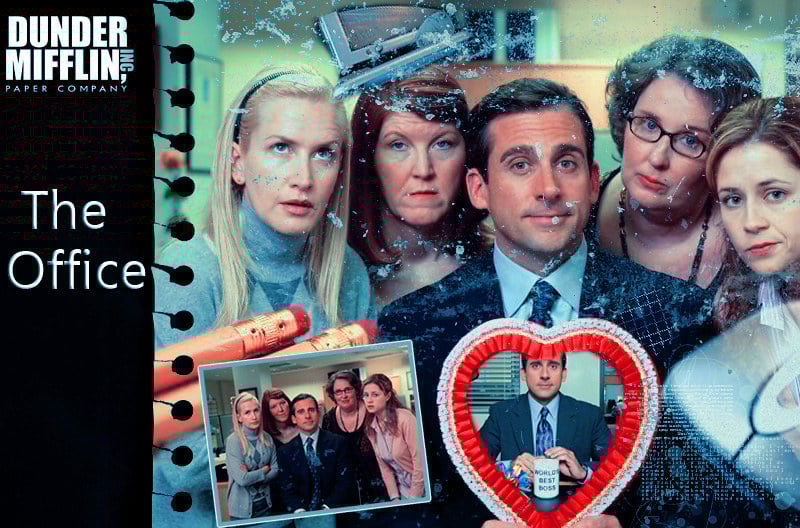
The UK Office was brilliant but bleak. Ricky Gervais created something painfully realistic about dead-end office jobs and casual cruelty. The US version started as a direct copy but evolved into something warmer and ultimately more rewatchable.
The American Office kept the cringe comedy but added heart. The characters became people you cared about instead of just pitied.
The will-they-won’t-they-they relationship between Jim and Pam gave viewers something to root for. The mockumentary format stayed, but the tone shifted from cynical British humor to something more optimistic.
The UK version was perfect for its two seasons. But the US version’s nine seasons worked because it found emotional stakes beyond professional failure.
It showed people growing, changing, and finding meaning in mundane circumstances. Both shows are excellent, but the American version created something that could sustain itself longer without wearing out its premise.
The characters evolved in ways that kept the show fresh.
DuckTales’ Adventurous Upgrade
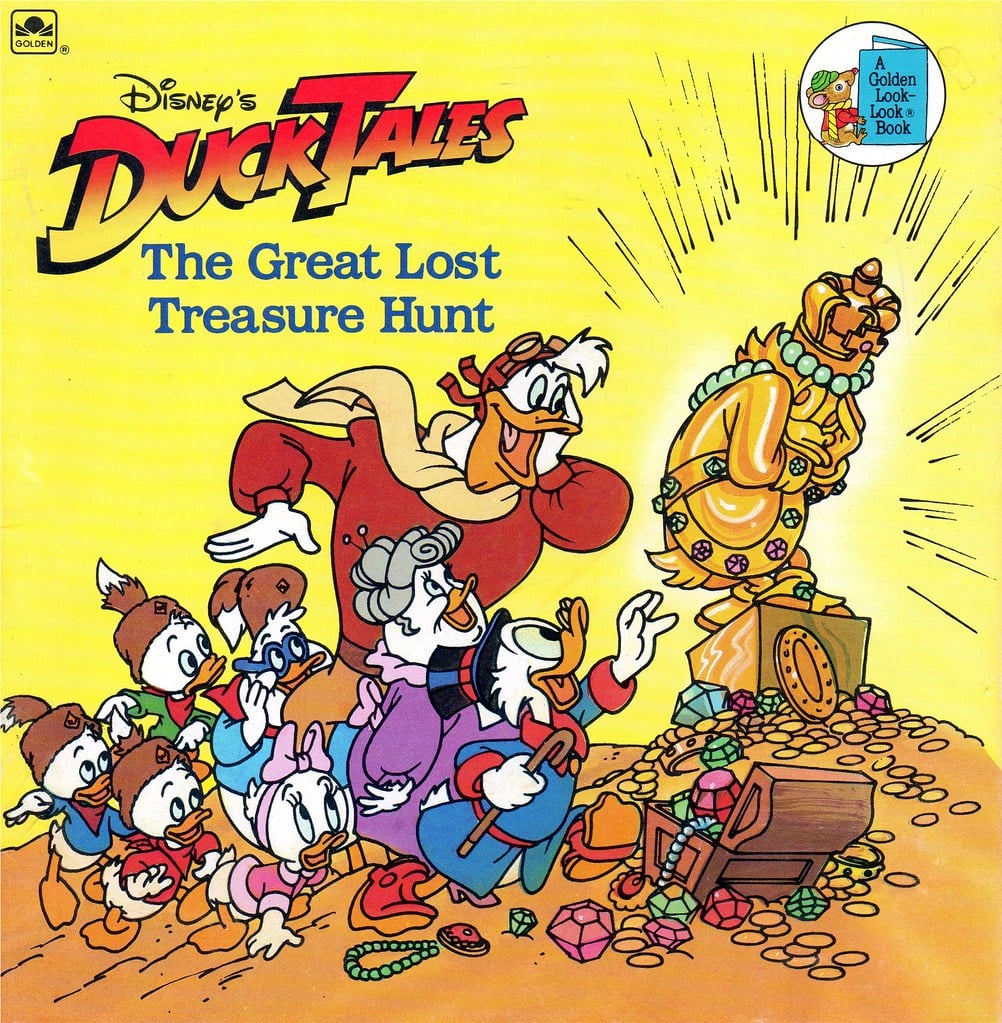
The 1987 DuckTales was fun Saturday morning cartoon fare with catchy theme music. The 2017 reboot took the same premise and added serialized storytelling, complex family dynamics, and genuine character growth.
It became one of the best animated shows of the decade. The reboot gave Huey, Dewey, and Louie distinct personalities instead of making them interchangeable.
Webby transformed from an annoying tagalong to a competent adventurer with her own arc. Donald Duck got actual character development.
The show balanced adventure-of-the-week episodes with ongoing mysteries about the family’s history. The animation style was updated to something more dynamic.
The voice acting elevated every scene. Guest stars voiced characters that mattered to the plot rather than appearing for stunt casting.
The show trusted kids to follow complicated storylines while still delivering the adventure and humor the original provided. It proved that animated reboots could honor their source while dramatically improving quality.
Hawaii Five-0’s Procedural Refresh
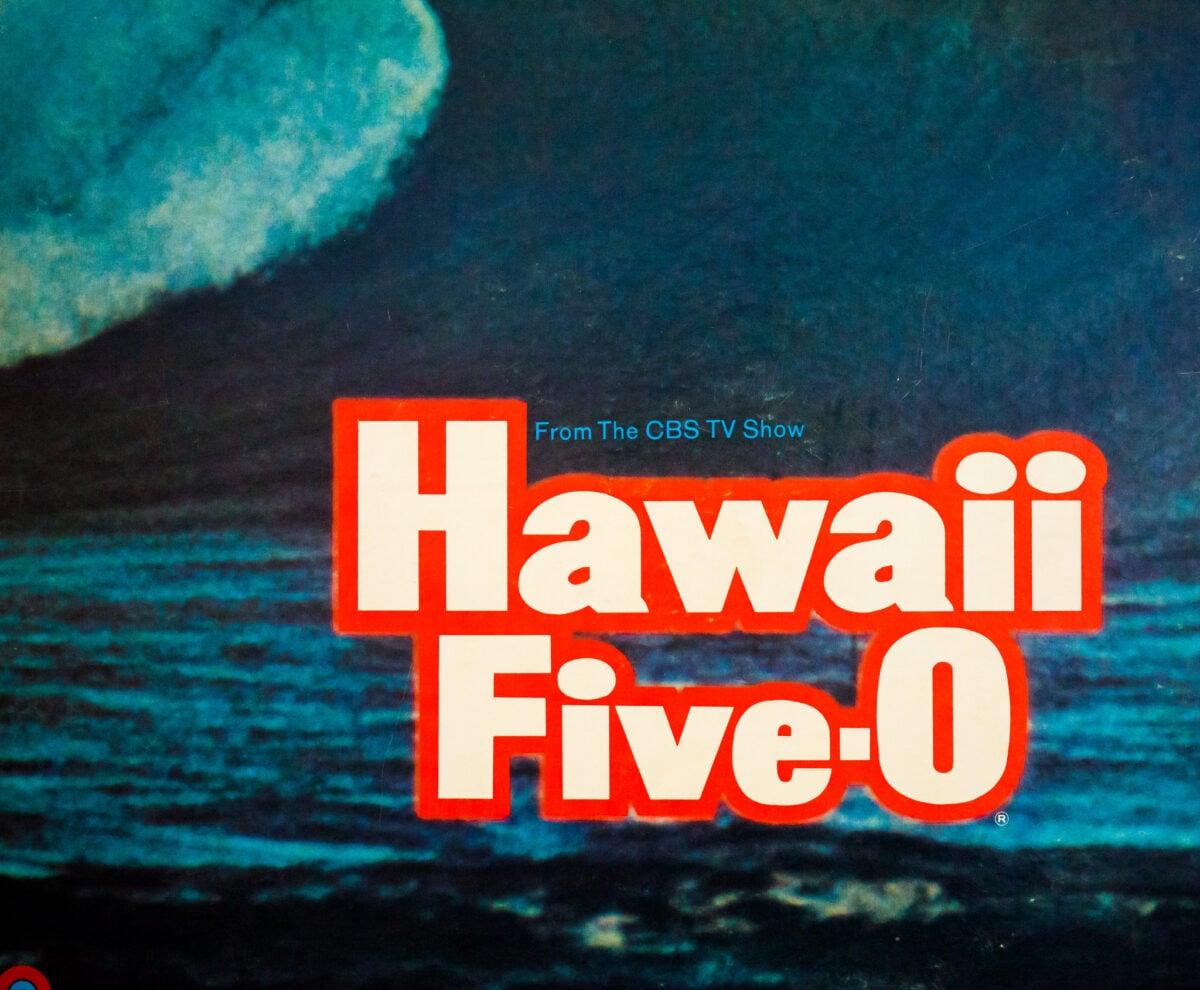
The original Hawaii Five-0 ran from 1968 to 1980 and defined the procedural genre. The 2010 reboot kept the formula but updated it for modern audiences who expected more sophisticated plotting and character work.
It balanced case-of-the-week structure with ongoing character development. The reboot modernized the team dynamic.
The characters had chemistry and backstories that unfolded gradually. The action sequences looked cinematic rather than television-budget constrained.
The show used Hawaiian locations effectively, making the setting integral to the storytelling rather than just a backdrop. The original was groundbreaking for its time, but television evolved.
The reboot understood that modern audiences wanted procedurals with serialized elements—character arcs that developed across seasons, relationships that deepened, consequences that carried forward. It kept what worked about the original while adapting to how audiences consume television now.
Queer Eye’s Emotional Evolution

The original Queer Eye for the Straight Guy from 2003 was groundbreaking representation and fun makeover television. The 2018 Netflix reboot kept the makeover format but added emotional depth and cultural relevance.
It became about self-acceptance and healing rather than just fashion advice. The new Fab Five don’t just fix appearances—they help people address underlying issues.
Episodes tackle grief, coming out, financial struggles, and family trauma. The show expanded beyond straight men to include women, trans people, and gay men who need help.
It moved beyond coastal cities to parts of America where LGBTQ+ visibility matters more. The original broke barriers just by existing.
The reboot built on that foundation and deepened the concept. You cry during episodes not because someone got new clothes but because you watched someone learn to value themselves.
The makeovers matter, but the emotional transformation matters more. The show respects the original while acknowledging how both television and LGBTQ+ representation have evolved.
One Day at a Time’s Multi-Camera Revival
The 1975 original One Day at a Time was a groundbreaking sitcom about a divorced mother raising two daughters. The 2017 reboot reimagined it as a Cuban-American family and addressed contemporary issues with warmth and humor.
It proved the multi-camera sitcom format still works when the writing is sharp. The reboot tackled immigration, LGBTQ+ identity, mental health, and generational trauma while remaining genuinely funny.
The family dynamics felt authentic. The grandmother character became a scene-stealer.
The show balanced very special episodes addressing serious topics with traditional sitcom goofiness. Both versions dealt with issues relevant to their times, but the reboot had more tools available.
It could be explicitly political in ways the original couldn’t. It could address queerness directly.
The family’s immigrant experience added layers that the original didn’t have. The reboot honored the original’s legacy while creating something that spoke to contemporary audiences about their specific struggles.
She-Ra’s Princess Transformation
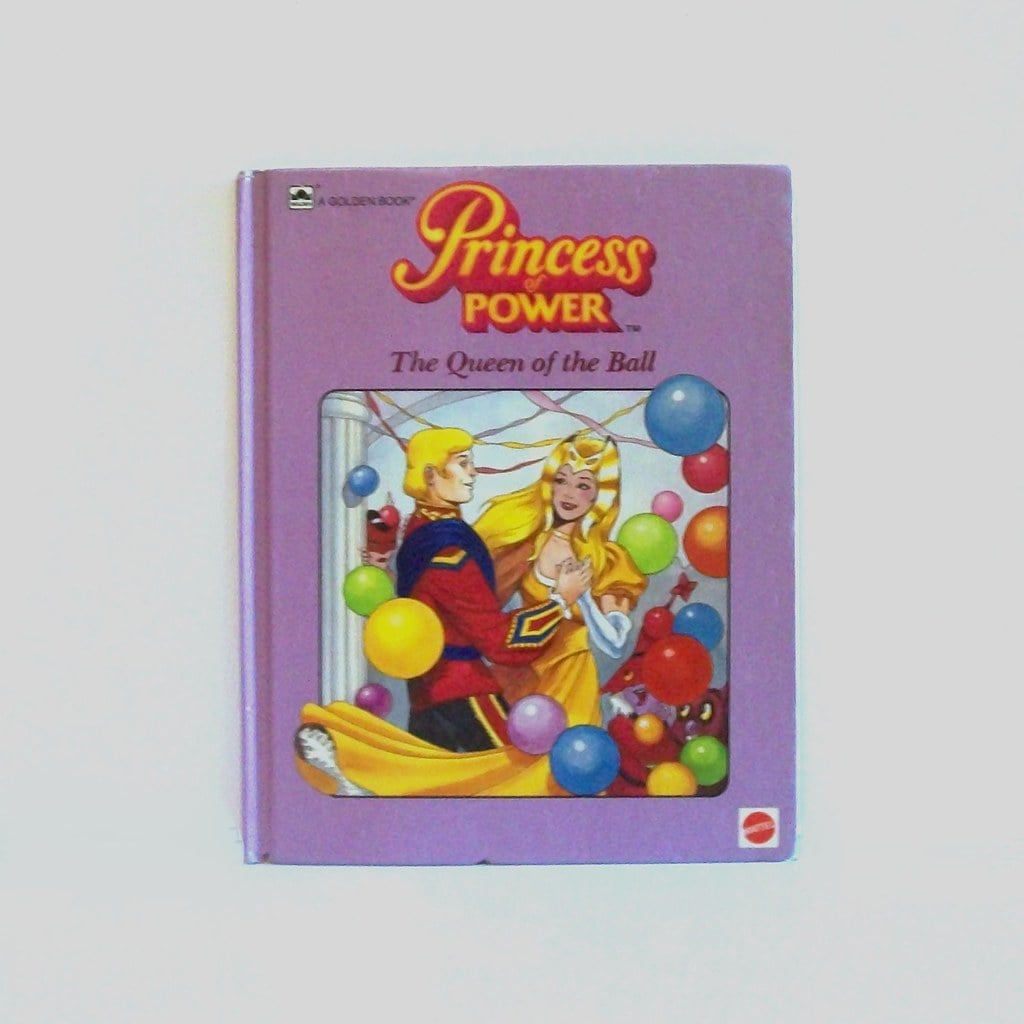
The 1985 She-Ra: Princess of Power was He-Man’s sister show, an animated toyetic adventure with paper-thin plots. The 2018 reboot reimagined it as a complex fantasy with LGBTQ+ representation, emotional character work, and actual stakes.
It became one of the best animated shows for any age group. The reboot gave every character depth and motivation.
The villain had understandable reasons for her actions. Friendships formed, fractured, and rebuilt.
The show addressed trauma, abuse, and identity in ways that worked for kids but resonated with adults. The animation style was distinctive and expressive.
The original existed to sell toys and provide 22 minutes of content. The reboot existed to tell a story about finding yourself and choosing who you want to be.
It tackled themes of cycles of abuse and how hurt people hurt others. The finale delivered emotionally in ways the original never attempted.
It respected the characters and world while completely transforming what the show could be.
Cobra Kai’s Decades-Later Continuation

Cobra Kai isn’t technically a reboot, but it revisits The Karate Kid decades later and improves on the original films by complicating the narrative. The movies had clear heroes and villains.
The show reveals that everyone had valid perspectives and everyone made mistakes. It transforms one-dimensional characters into complex people.
The show gives Johnny Lawrence a redemption arc while showing that Daniel LaRusso isn’t always right. Both men are flawed fathers and teachers.
Their rivalry still matters, but now you understand both sides. The show adds new characters who get their own arcs rather than just supporting the original cast.
The Karate Kid movies were entertaining but simple. Cobra Kai adds moral ambiguity and acknowledges how time changes people and perspectives.
It respects the original films while deepening everything about them. The action sequences improve in the movies.
The character work makes you care about people who were afterthoughts in the original. It proves you can revisit old properties and find new depth.
Star Trek: The Next Generation’s Fresh Start
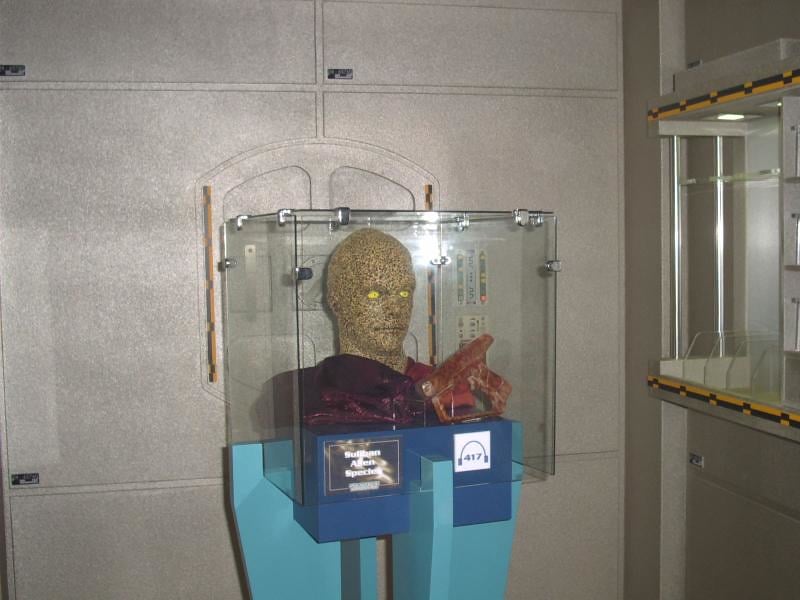
The original Star Trek defined science fiction television but had limitations. The Next Generation took the concepts and refined everything.
Better effects, stronger writing, more consistent quality, and characters that developed across seven seasons. It became the definitive Star Trek series.
The Next Generation moved away from Kirk’s cowboy diplomacy to Picard’s thoughtful leadership. The crew worked as an ensemble rather than centering on one character.
The show tackled philosophical questions with more sophistication. Episodes like “The Inner Light” and “Measure of a Man” explored what makes us human in ways the original series touched on but couldn’t fully develop.
The original series had higher highs in some ways, but the Next Generation had sustained excellence. It built a world that felt lived-in and complex.
The crew’s relationships deepened naturally. The show balanced episodic adventures with character growth.
It honored the original while proving the concepts could evolve and improve with better resources and more mature storytelling.
Shameless Crosses the Atlantic

The UK Shameless ran eleven series with darkly comic portrayals of poverty and dysfunction. The US version took the premise and characters but ran eleven seasons that matched and arguably exceeded the original.
It found its own voice while respecting the source material. The US Shameless expanded storylines that the UK version touched on briefly.
It gave more characters substantial arcs. The show addressed American poverty specifically—how healthcare, education, and economic systems trap people differently than in the UK.
The cast developed chemistry that made the dysfunctional family dynamics feel authentic rather than just shocking. Both versions are excellent, but the US show had room to develop ideas over more episodes.
It showed characters trying to break cycles of poverty and sometimes succeeding. The emotional beats landed harder because you spent more time with these people.
The show balanced dark humor with genuine pathos in ways that improved on the original’s approach.
Batman: The Animated Series Defines the Character

Batman appeared in live-action and animated form before the 1992 series, but Batman: The Animated Series became the definitive version for a generation. It took the character seriously, created a film noir atmosphere, and gave villains actual depth.
It influenced every Batman adaptation that followed. The art deco design created a timeless look.
The voice acting—especially Mark Hamill as the Joker—set standards that still hold. The show respected children’s intelligence while appealing to adults.
Episodes like “Heart of Ice” transformed Mr. Freeze from a joke villain to a tragic figure. The writing was sophisticated without being pretentious.
Previous Batman shows existed mainly as a product to sell toys or introduce the character to new audiences. Batman: The Animated Series existed to tell great stories. It proved superhero animation could be art.
The show’s influence extends beyond Batman—it showed what animated reboots could achieve with talented creators and respect for the source material.
MacGyver’s Modern Problem-Solving
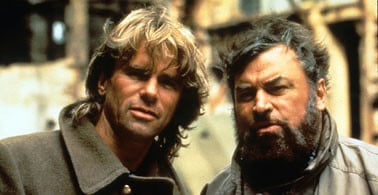
The 1985 MacGyver was beloved for its hero who solved problems with ingenuity rather than violence. The 2016 reboot updated the premise with modern technology while keeping the core concept.
It added more diverse casting and faster pacing for contemporary audiences. The new MacGyver works with a team instead of going solo.
The missions connect to current geopolitics rather than Cold War dynamics. The show updated what counts as clever problem-solving for an era where everyone carries a smartphone.
The action sequences benefited from modern production capabilities. The original remains iconic, but the reboot proved the concept still works.
Watching someone outsmart problems instead of shooting them appeals regardless of the decade. The reboot respected what made the original special while acknowledging that television action shows evolved.
It found the balance between honoring the source and creating something that works for modern viewers.
The Twilight Zone’s Anthology Evolution
A quiet show from long ago shaped how we tell spooky future tales today. When Jordan Peele brought it back in 2019, he slipped current worries – screens, silence, skin color – into each story.
Instead of copying, it reached further, using now instead of then. Old bones stayed, yet everything felt sharper, closer.
A fresh spin on the series took shape because Peele stepped in – not just as a voice, but shaping its direction behind the scenes. Through stories about being watched online or stopped by officers, it reached into the present, far beyond what came before.
Strong visuals carried bold ideas without drowning them in effects. Not every attempt landed right, yet when it hit, that quiet discomfort returned – the kind that lingers after turning off the screen.
Starting over doesn’t mean wiping the past clean. This version stands apart without stepping on old ground.
Fear wears a different face today, yet the framework fits just as well. Instead of copying lines, it slips into Serling’s shoes with quiet confidence.
Society shifts, stories adapt. What mattered then is finding new skin now.
Respect shows up not in imitation, but in understanding.
When New Becomes Definitive

Something rises when a reboot slips into your memory like it was always there. First thought upon hearing the name? That one.
Honors where it came from but doesn’t drag chains from the past. Sees the core truth of the old thing, then grows around it instead of copying skin deep marks.
Feels familiar because it listens before speaking. Success came from knowing exactly what to do.
The idea stays the same. Execution shifts with time.
Viewers get respect, not tricks. Nostalgia isn’t ignored, nor is it milked dry.
Familiarity meets fresh thinking. This tightrope walk trips up many attempts.
Most come undone here. Yet when balance happens, the result outshines – no slight against what started it, just proof that building on solid ground lifts whatever comes next.
More from Go2Tutors!

- 16 Historical Figures Who Were Nothing Like You Think
- 12 Things Sold in the 80s That Are Now Illegal
- 15 VHS Tapes That Could Be Worth Thousands
- 17 Historical “What Ifs” That Would Have Changed Everything
- 18 TV Shows That Vanished Without a Finale
Like Go2Tutors’s content? Follow us on MSN.