15 Famous Ships Lost Without a Confirmed Wreck
Ships rarely vanish quietly. A storm, a rogue wave, a hidden iceberg or an engineering flaw can end a voyage in minutes, and when no one survives to describe what happened, the ocean keeps its secrets.
These 15 vessels carried hundreds of people and never reached their destinations. Some left behind scattered debris or other clues, but no confirmed wreck has provided a definitive explanation for their losses.
SS President
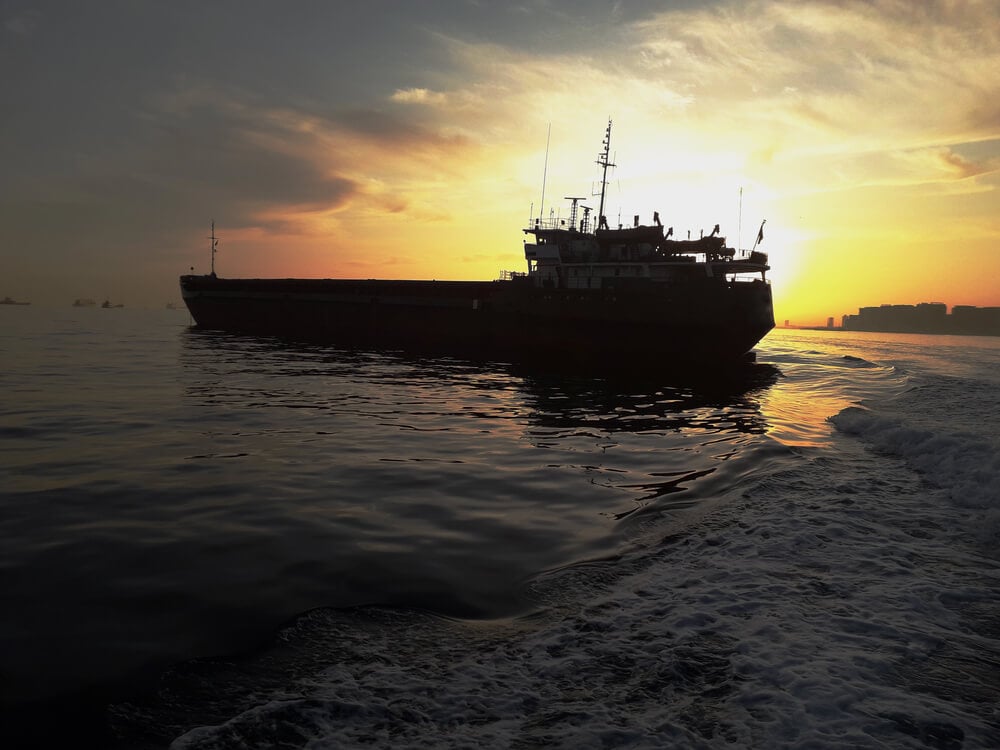
The paddle steamer President left New York for Liverpool in March 1841, carrying 136 people. Among them was Tyrone Power, a popular Irish stage actor.
The ship was last seen in heavy weather near Georges Bank, off North America’s northeastern coast. It was never seen again, and its disappearance shook public confidence in transatlantic steam travel, which was still in its early years.
SS City of Glasgow
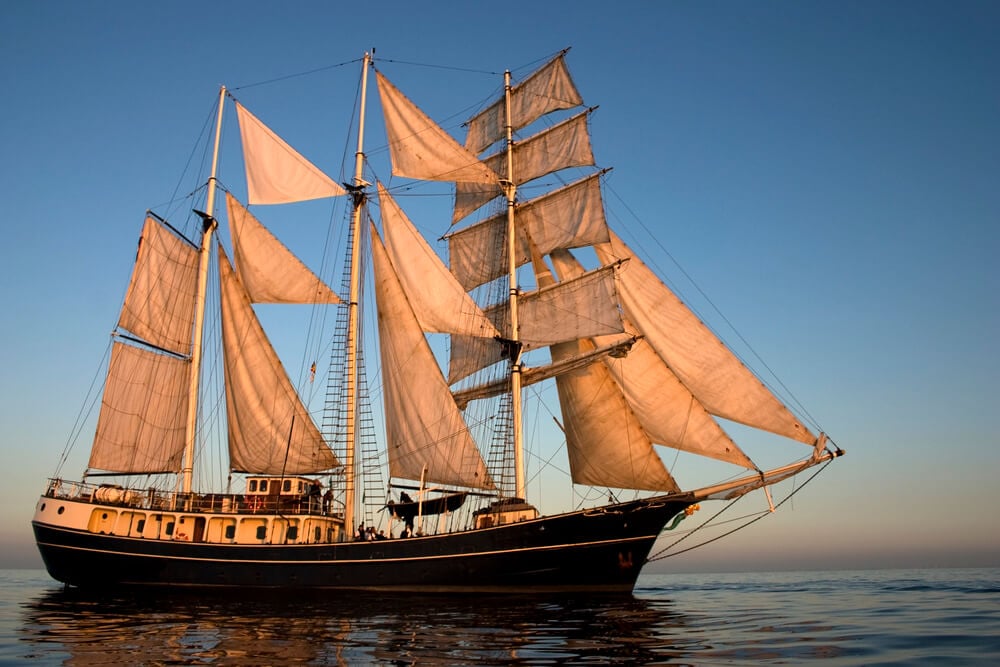
The City of Glasgow left Liverpool for Philadelphia on March 1, 1854, carrying more than 400 people. It was an iron-hulled screw steamer operated by the Inman Line.
The ship never arrived, and no confirmed wreck or survivors were found. Other vessels reported encountering unusually heavy ice in the North Atlantic around the same period, but whether ice contributed to the ship’s disappearance remains unknown.
The Madagascar
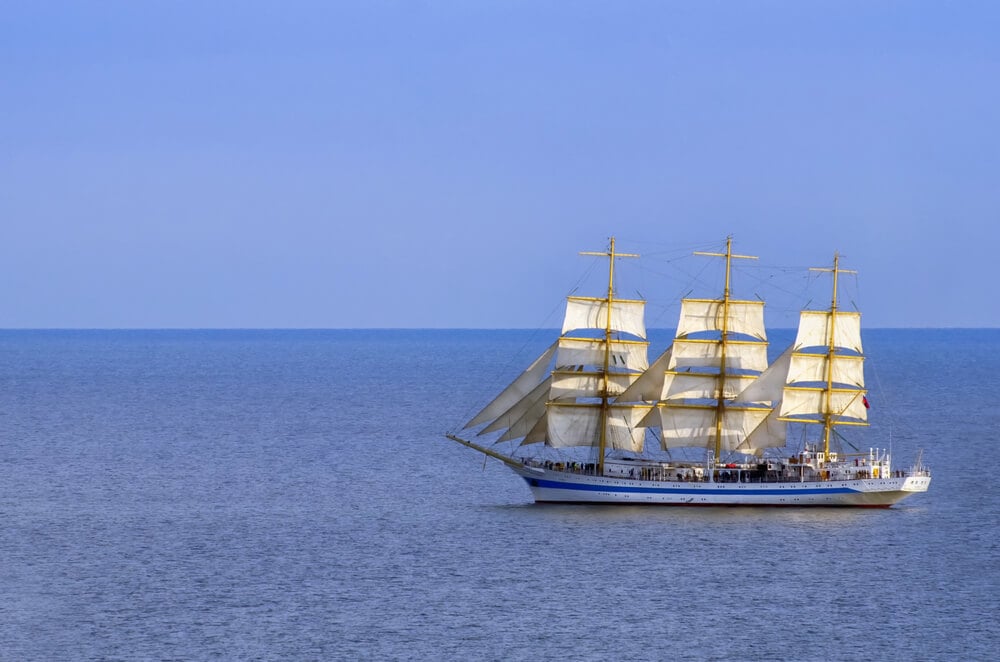
The Madagascar, a Blackwall frigate, sailed from Melbourne for London in 1853 carrying passengers and a cargo that included gold from the Australian goldfields. It never reached England, and no confirmed wreck was found.
Theories about its fate have included a storm, a navigational disaster and even piracy, but none has been established. The disappearance remains one of the enduring mysteries of the Australian gold-rush era.
SS City of Boston
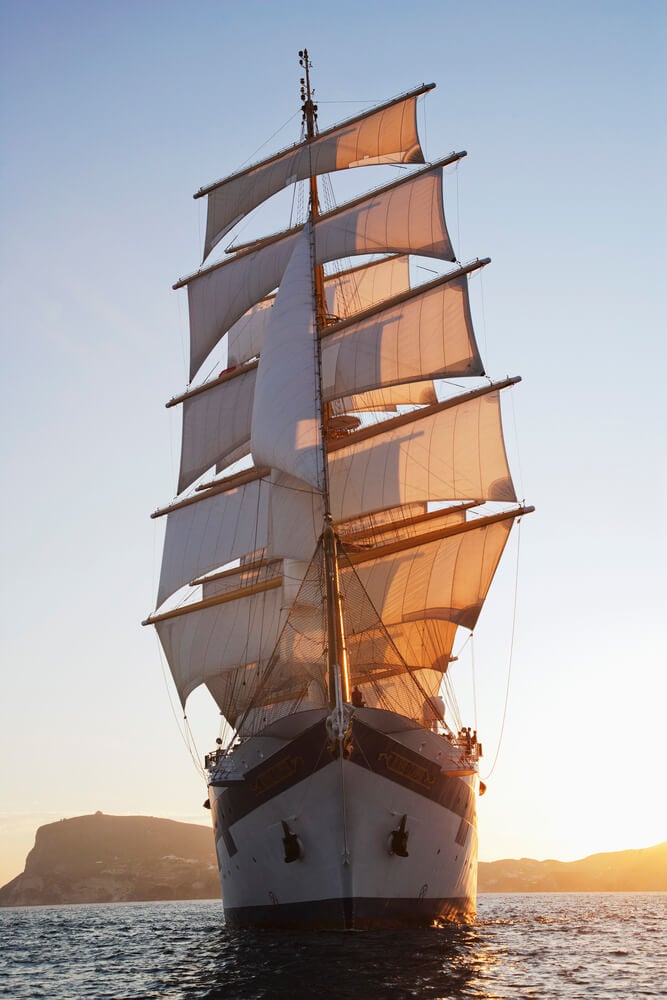
The Inman Line steamer City of Boston left Halifax for Liverpool in January 1870 with approximately 190 people aboard. It disappeared during its winter crossing, and no confirmed wreck was identified.
Its loss came at a time when steamships were making transatlantic travel more predictable, but the disaster showed how little could be known when a ship vanished far from land without survivors or a distress message.
HMS Atalanta
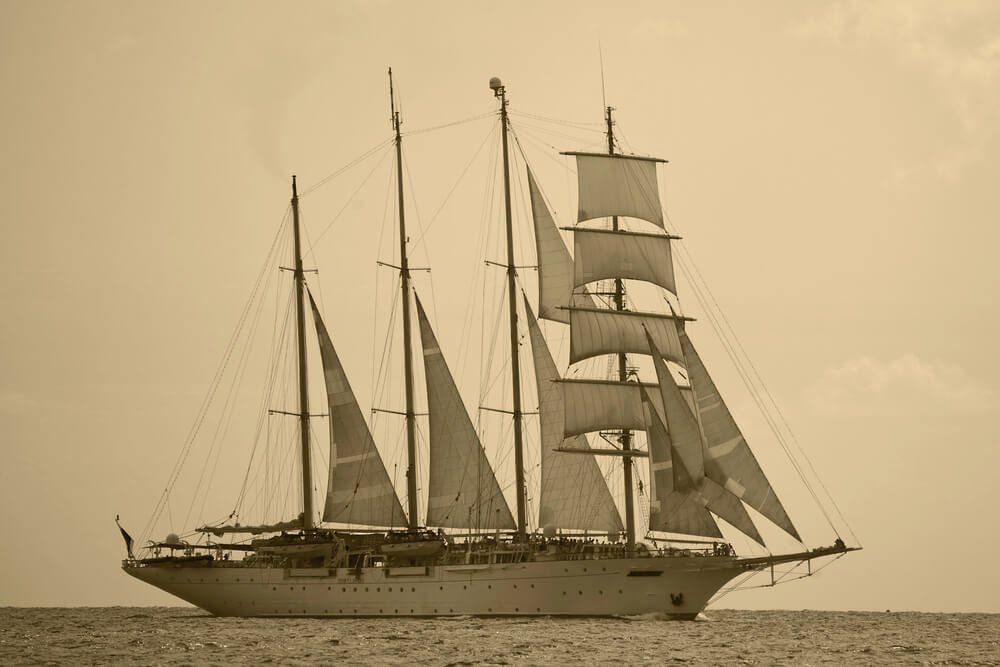
HMS Atalanta, a Royal Navy training ship, sailed from Bermuda for Falmouth, England, on Jan. 31, 1880, with about 280 people aboard, many of them young trainees. It was never heard from again. Despite extensive searches and reports of wreckage in the Atlantic, no confirmed remains of the ship were identified.
Questions were raised about the vessel’s seaworthiness and the experience of its crew, but the precise cause of the loss remains unknown. Many families waited in vain for news of those aboard.
USS Insurgente
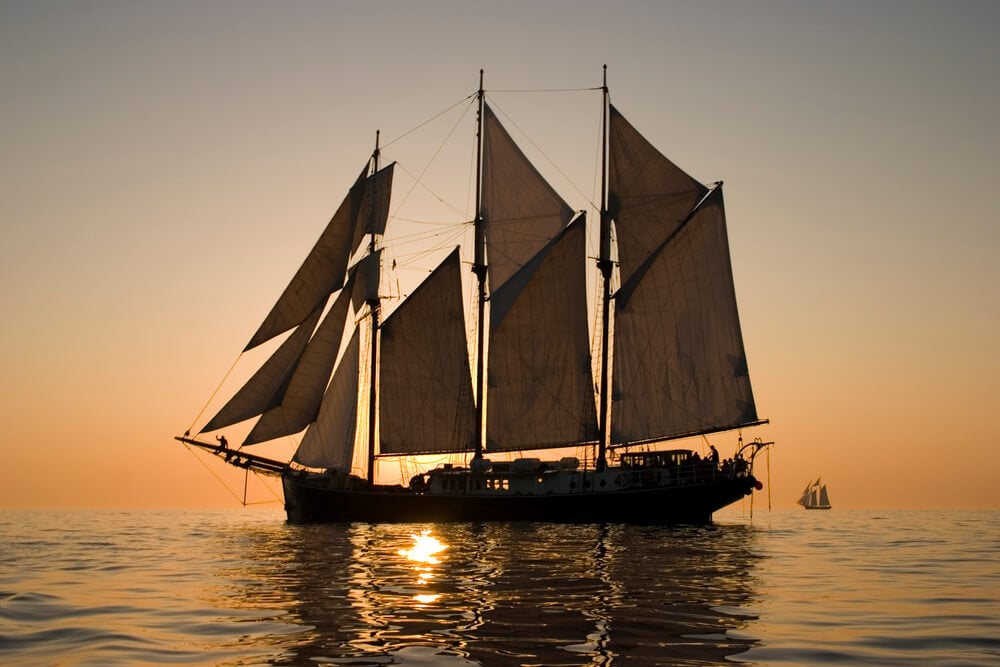
The frigate Insurgente, originally a French warship captured by the United States in 1799, disappeared during a voyage in 1800. It was reportedly carrying roughly 340 people when it was lost, probably in a storm. No confirmed wreck has been identified.
The disappearance became one of the early naval mysteries of the young United States, though surviving historical accounts provide limited evidence about the ship’s final hours.
SS Waratah
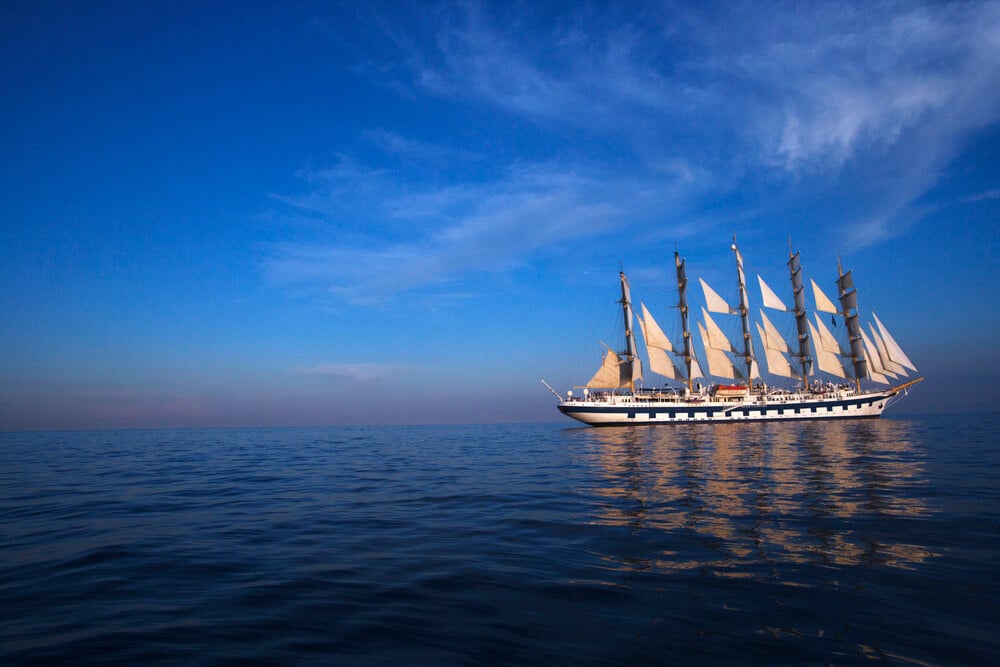
The Blue Anchor Line steamer Waratah left Durban for Cape Town in July 1909 with 211 passengers and crew aboard. One passenger, Claude Sawyer, had become concerned about the ship and left it at Durban, choosing to travel on another vessel.
he Waratah never arrived at Cape Town, and extensive searches failed to establish its fate. Reports of possible wreck discoveries have surfaced over the years, but none has been conclusively confirmed as the Waratah. The ship’s disappearance remains one of Australia’s best-known maritime mysteries.
SS Koombana
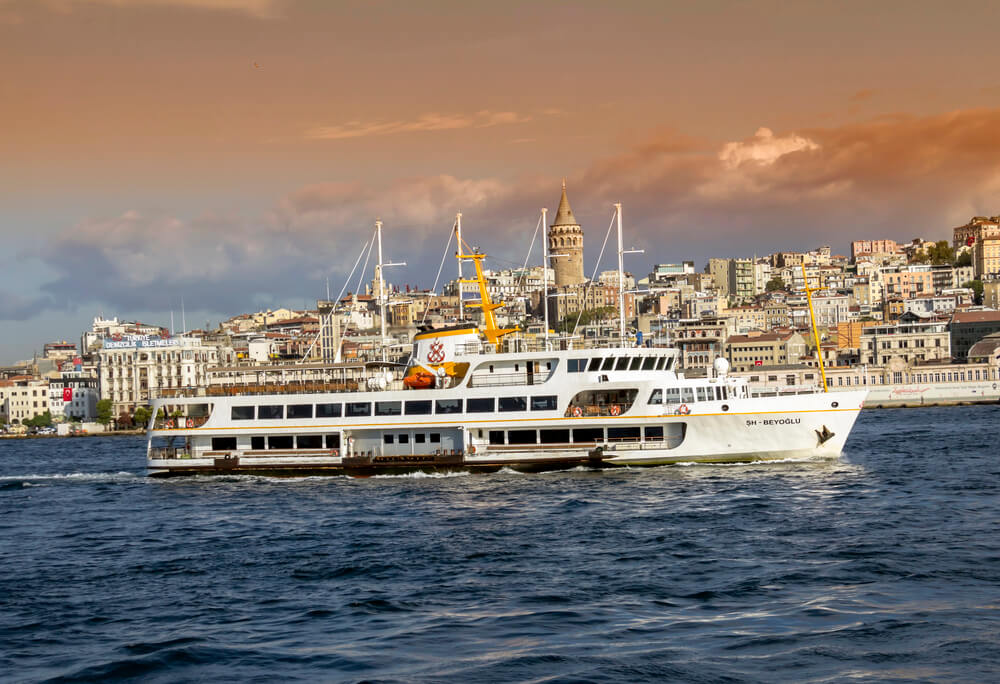
The luxury steamer Koombana left Port Hedland in Western Australia for Broome in March 1912, carrying about 150 people, including passengers, crew members and families. A powerful cyclone struck the coast during the voyage.
Some wreckage and personal items washed ashore, but the ship’s main wreck has never been conclusively identified. The disaster killed everyone aboard and remains one of the most devastating maritime losses in Western Australia’s history.
USS Cyclops
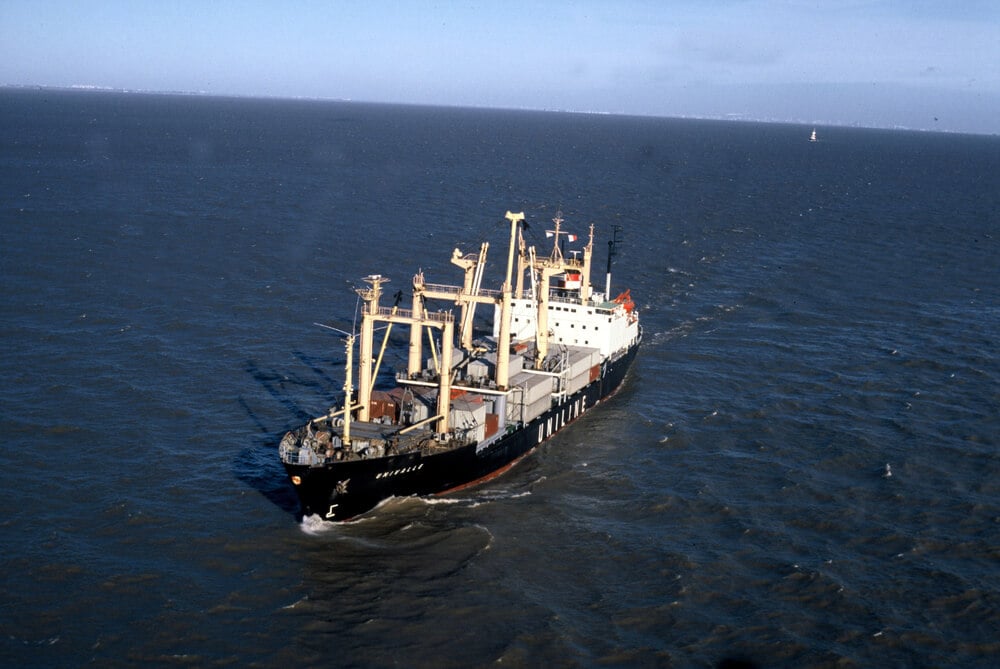
The U.S. Navy collier Cyclops left Barbados in March 1918 and was never seen again. It had 306 people aboard and was carrying a heavy load of manganese ore. Its disappearance remains the largest noncombat loss of life in U.S.
Navy history. The ship is often linked to the Bermuda Triangle legend, but there is no evidence that anything supernatural caused its loss. Mechanical problems, structural failure, overloading and severe weather have all been considered, but no explanation has been confirmed.
København
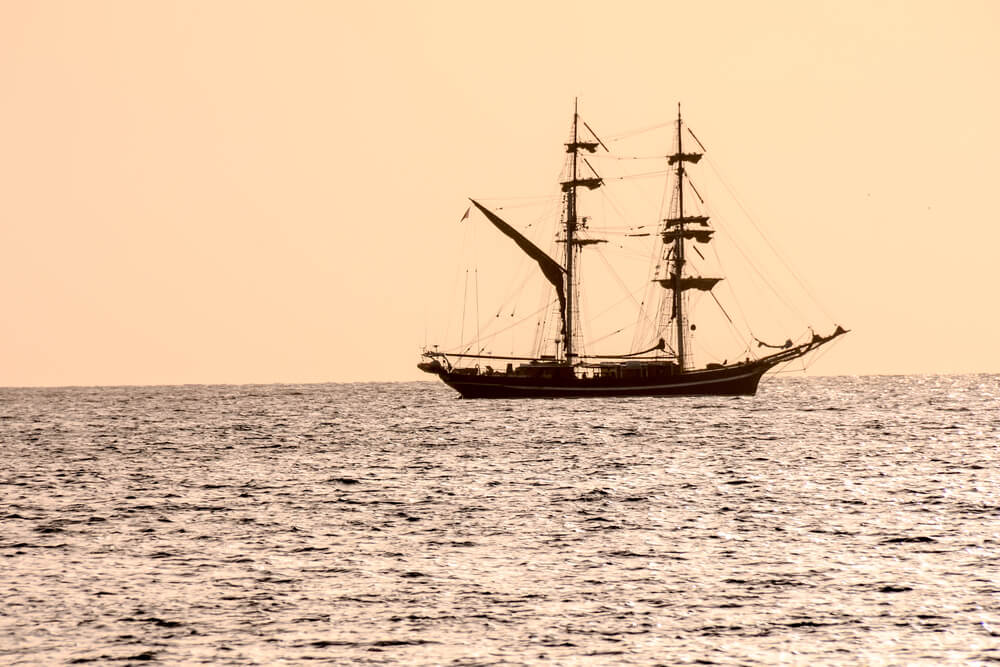
The København was a Danish five-masted training ship and, for a time, one of the largest sailing vessels in the world. It left Buenos Aires for Adelaide, Australia, in December 1928 with 60 people aboard, including 45 cadets. After a routine radio report on Dec. 22, the ship vanished. Icebergs and severe weather have both been proposed as possible causes.
An extensive search found no confirmed wreckage or survivors, leaving the fate of the vessel and its young crew unresolved.
SS Anglo-Australian
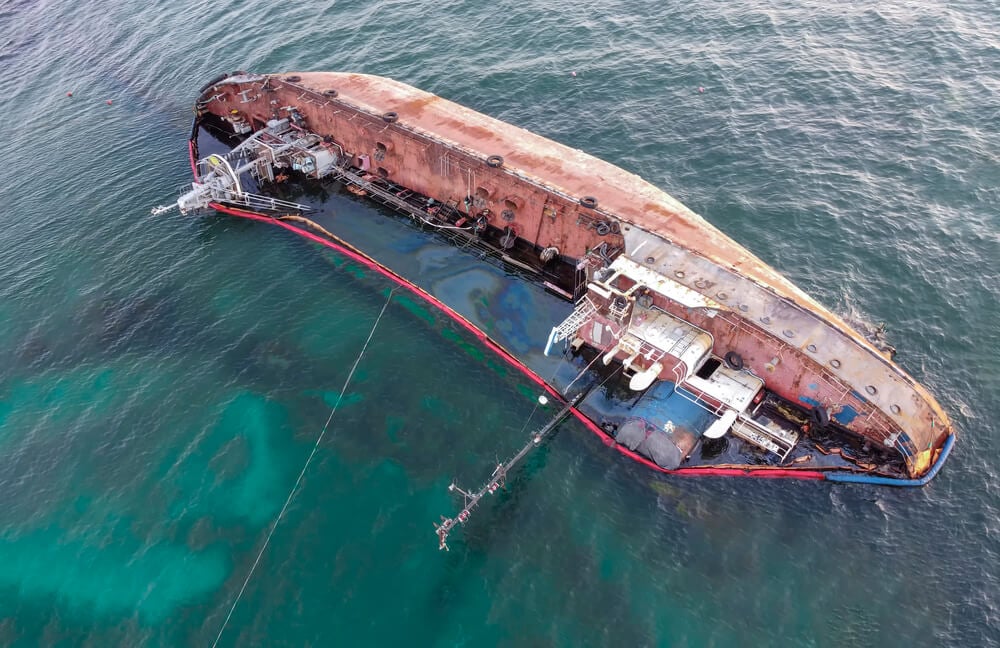
In March 1938, the cargo ship Anglo-Australian sent a radio message reporting that it was passing Fayal in the Azores and that all was well. The vessel, carrying 38 men, was never heard from again.
A British inquiry investigated the disappearance but could not establish what happened. With no confirmed wreck or survivors, the ship’s final hours remain a mystery.
The Admiral Karpfanger
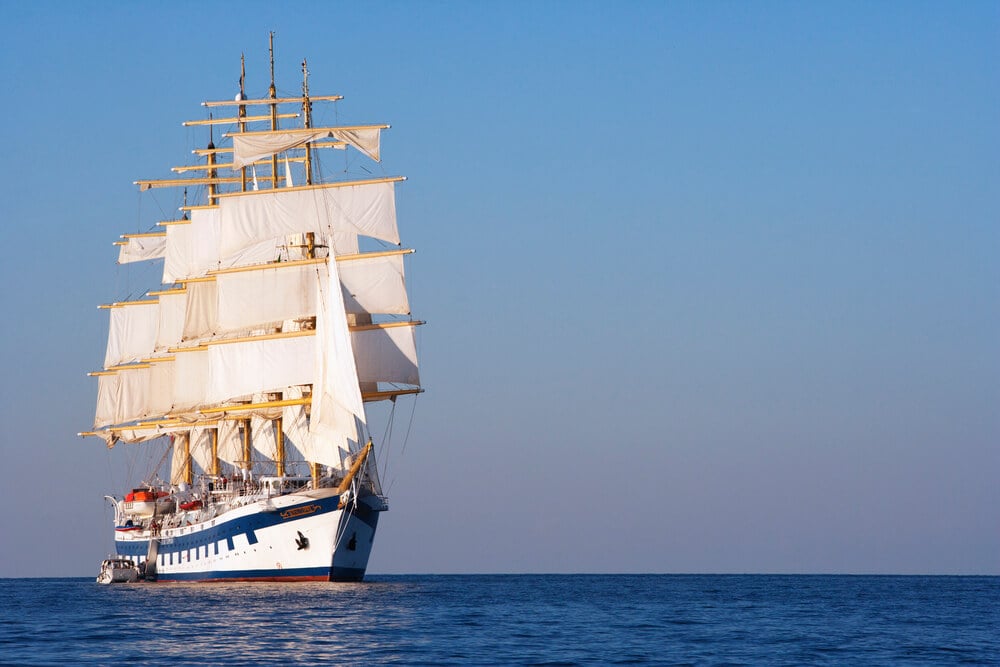
The German training ship Admiral Karpfanger, a four-masted barque, disappeared in 1938 while sailing from Australia toward Europe with about 60 people aboard, many of them young cadets. It was expected to round Cape Horn, where severe weather can make sailing especially dangerous.
The ship was never confirmed to have reached its destination, and its fate remains unknown. No verified wreck has provided a definitive answer about what happened to the vessel and its crew.
The Hans Hedtoft
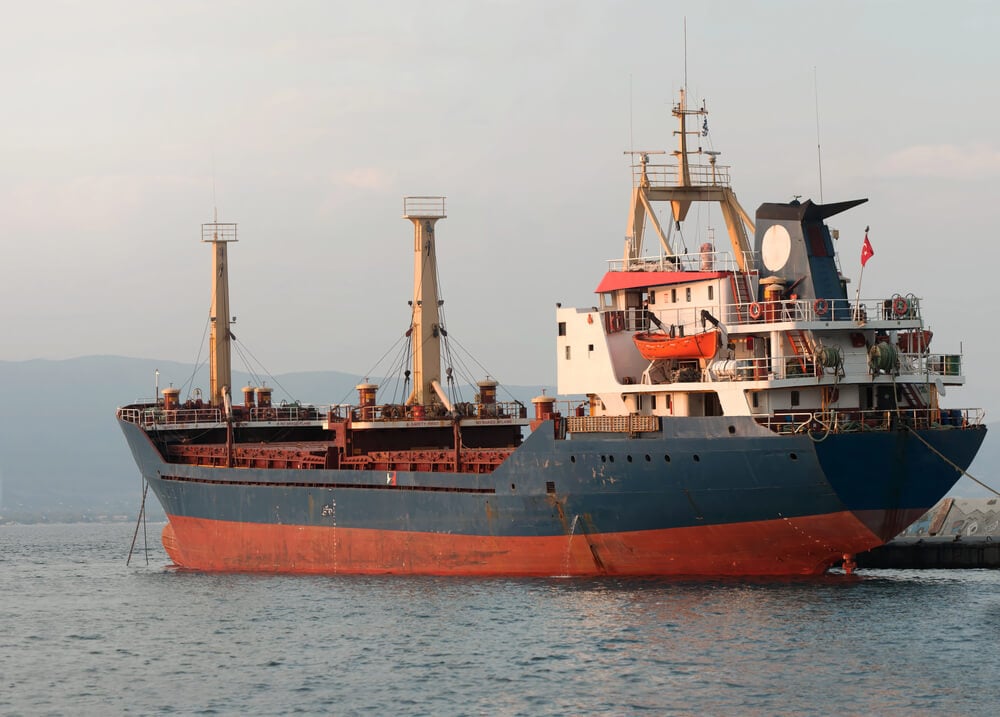
The Danish passenger ship Hans Hedtoft was promoted as exceptionally sturdy and was on its maiden voyage from Copenhagen to Greenland in January 1959 when it struck an iceberg off Greenland’s southern tip. It sank with 95 people aboard.
A lifebuoy from the ship was later found in Iceland, but no confirmed wreck was located. The disaster demonstrated that even a modern, ice-strengthened vessel could be overwhelmed by the harsh conditions of the North Atlantic.
The Marine Sulphur Queen
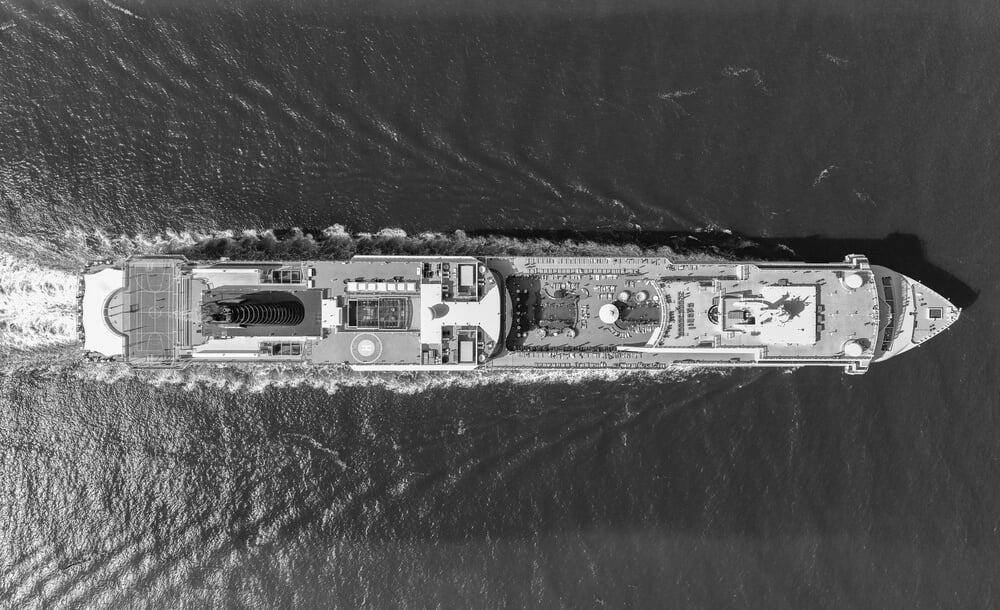
The tanker Marine Sulphur Queen, carrying molten sulfur, left Beaumont, Texas, for Norfolk, Virginia, in February 1963 with 39 crew members aboard. Its last radio report placed it in the Gulf of Mexico.
The ship disappeared, and searchers later found scattered debris, including pieces of a raft and a life vest. Investigators concluded that structural failure was a likely explanation, citing serious concerns about the vessel’s condition and design.
The case later became associated with Bermuda Triangle stories, but no evidence established anything beyond a maritime disaster.
The Poet
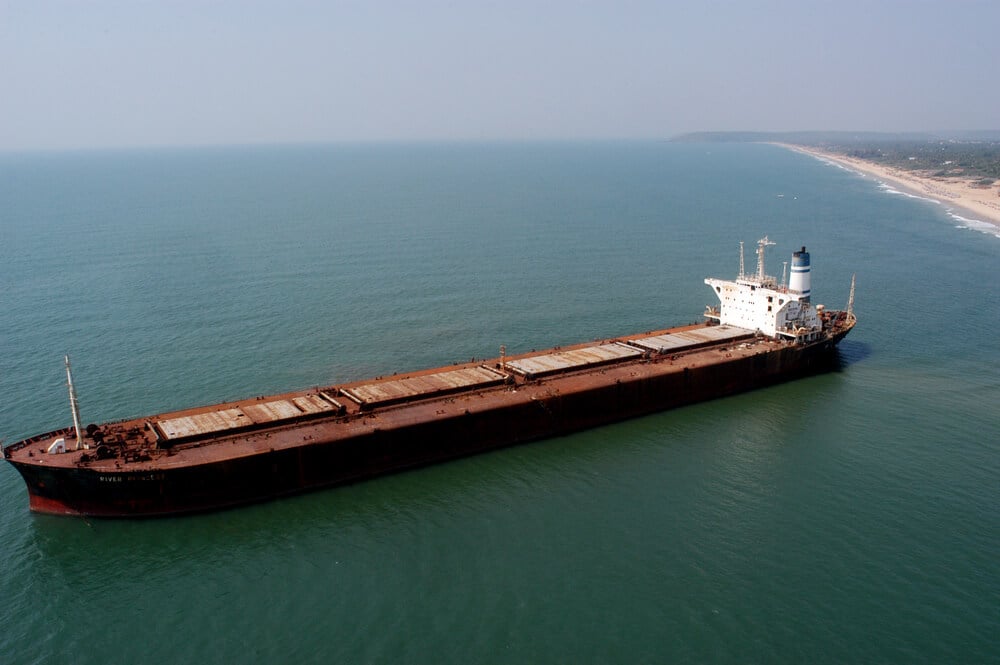
The cargo ship Poet left Philadelphia on Oct. 24, 1980, carrying a load of grain bound for Port Said, Egypt, with 34 people aboard. Its last known communication came shortly after departure.
When the ship failed to report in, the U.S. Coast Guard conducted extensive searches across the Atlantic, covering hundreds of thousands of square miles.
No trace of the ship, its crew or debris was found. A formal marine casualty investigation could not determine the cause of the disappearance.
What the Sea Leaves Out
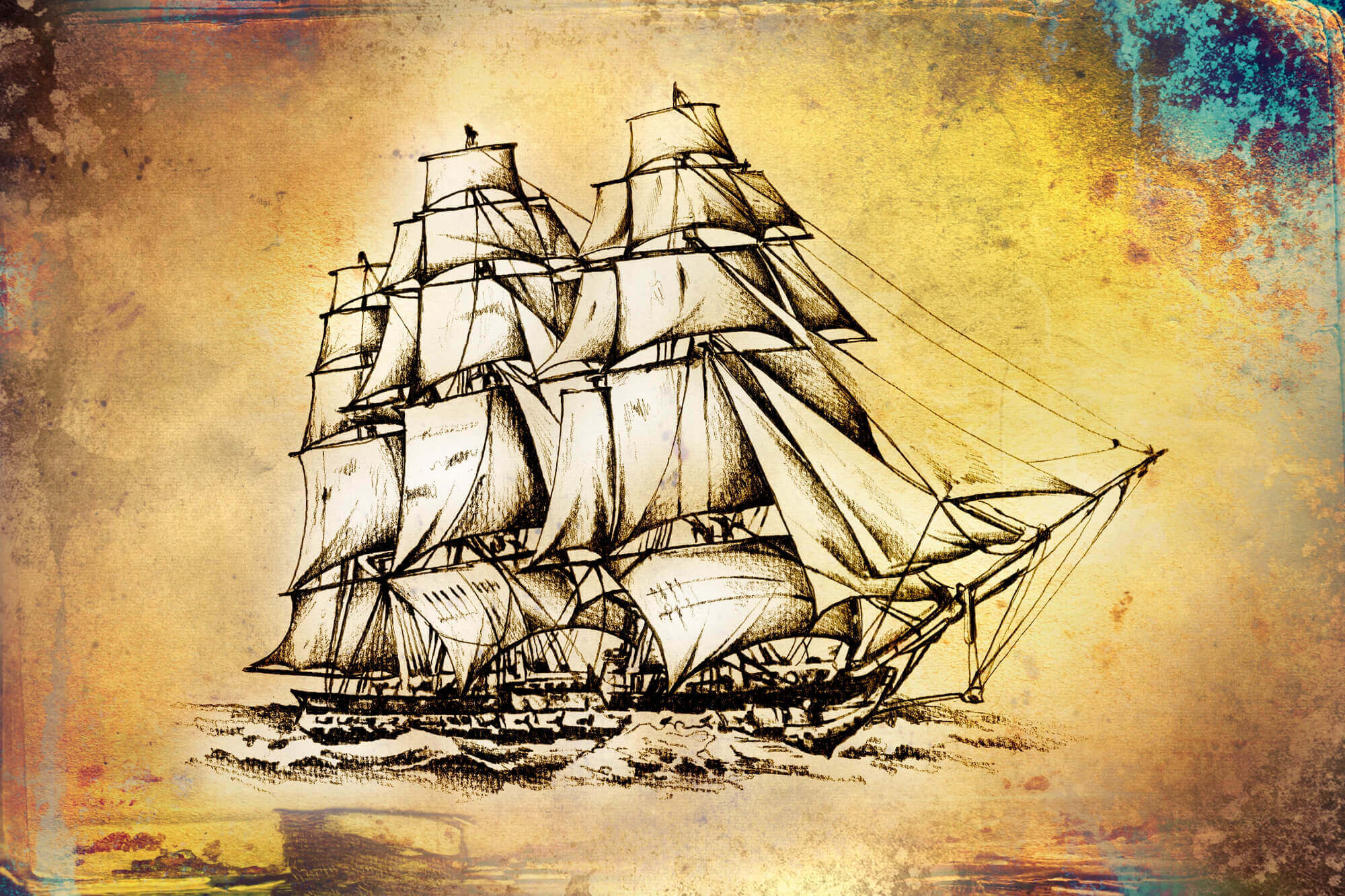
Every ship on this list shares an unsettling pattern: a departure, a period of silence and a search that fails to provide a complete answer. In the age of sail, there was no reliable way to call for help. Even in the radio era, a sudden disaster could leave a ship unable to send a distress message.
Technology narrowed the gaps, but the sea still keeps some secrets. The mystery tends to attract legends, from sea monsters to Bermuda Triangle curses. More often, the explanation is likely to involve ordinary maritime hazards, such as severe weather, shifting cargo, mechanical failure or structural problems.
But without a confirmed wreck or survivors, even the most plausible theory can remain unproven. The families who waited at the docks rarely cared about the legends. They wanted only to know what happened.
More from Go2Tutors!

- 27 Silver Dollars and Half Dollars Worth Keeping
- 28 Restaurant Menu Items Nobody Orders Anymore
- 17 Places Built in Seemingly Impossible Spots
- 27 Vintage Rings Worth More Than They Look
- 25 Restricted Sites Tourists Can’t Enter
Like Go2Tutors’s content? Follow us on MSN.