Origins of MLB Team Names and How Well They Fit Their City
Baseball team names tell stories. Some capture the spirit of their city perfectly, reflecting local history, geography, or culture in ways that feel inevitable.
Others seem like they were picked from a hat by someone who’d never visited the place. The best names feel so natural you can’t imagine the team being called anything else.
The worst makes you wonder what the owners were thinking.
Boston Red Sox
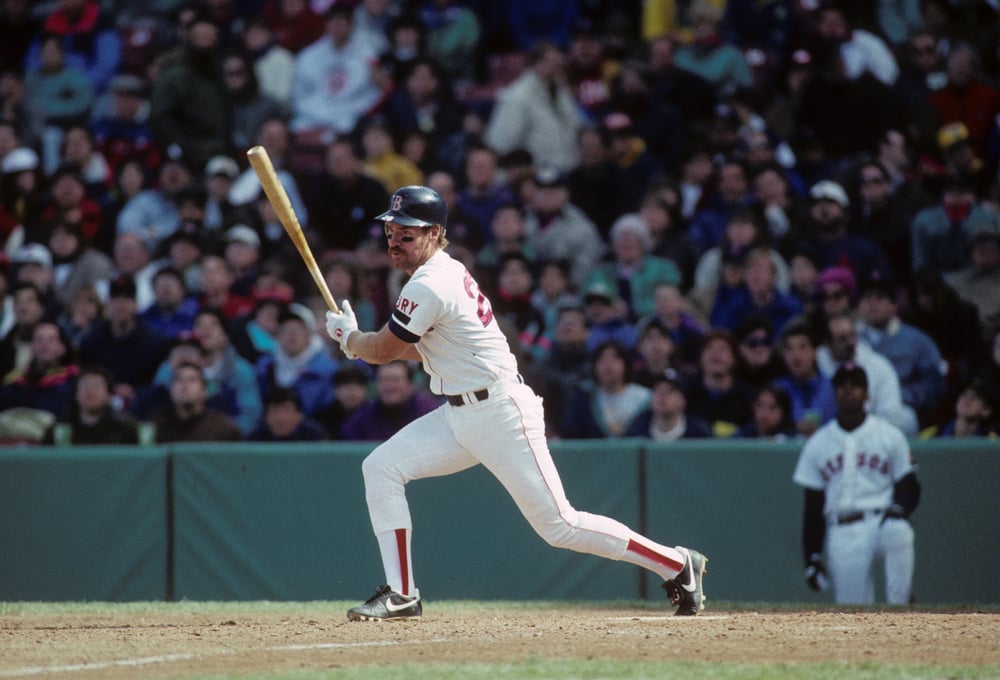
The Red Sox name came from their signature crimson stockings, replacing the longer “Boston Red Stockings” in 1908. Boston works.
It’s a city that values tradition over flash, substance over style. Red socks aren’t glamorous, but they get the job done.
The name captures something essential about Boston sports culture — unpretentious, workmanlike, stubborn in the best way. No flashy mascots or manufactured excitement needed.
Just baseball played the right way in a ballpark that’s older than your grandfather.
New York Yankees
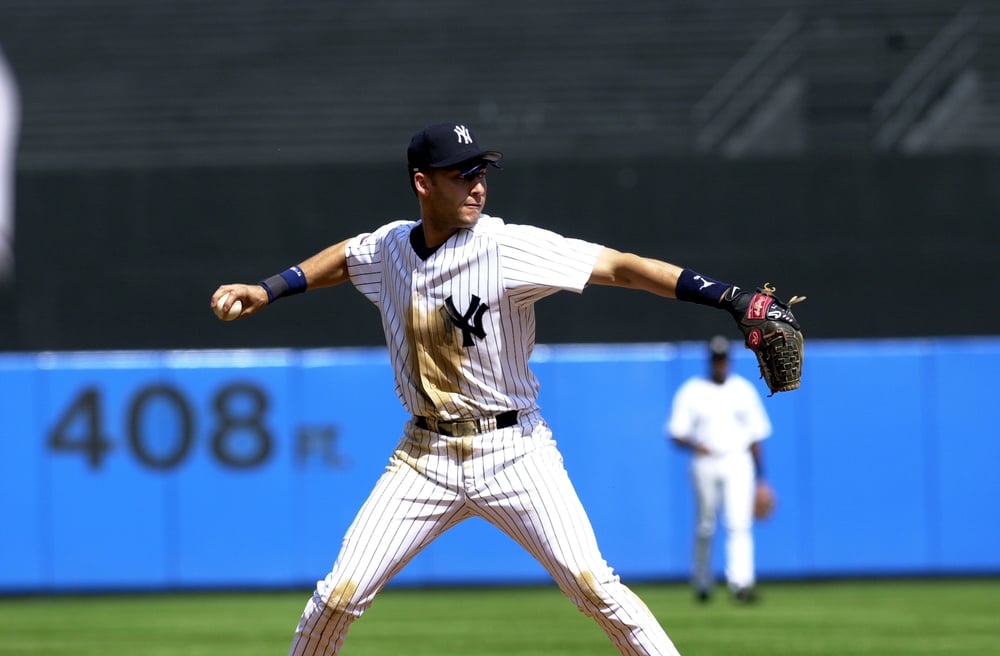
Yankees originally referred to New Englanders, then expanded to mean all Americans. For a New York team, it’s geographically confused but culturally perfect.
New York has always seen itself as the center of everything that matters in America (and they’re not entirely wrong about that). So why wouldn’t they claim the name that represents the whole country? The Yankees don’t just play in New York — they embody the American empire at its most confident and insufferable, which is very much the city’s brand.
And yet there’s something endearing about a team that’s so New York it accidentally named itself after New England, but somehow made it work anyway because — well, because it’s New York, and New York makes everything work eventually.
Chicago Cubs
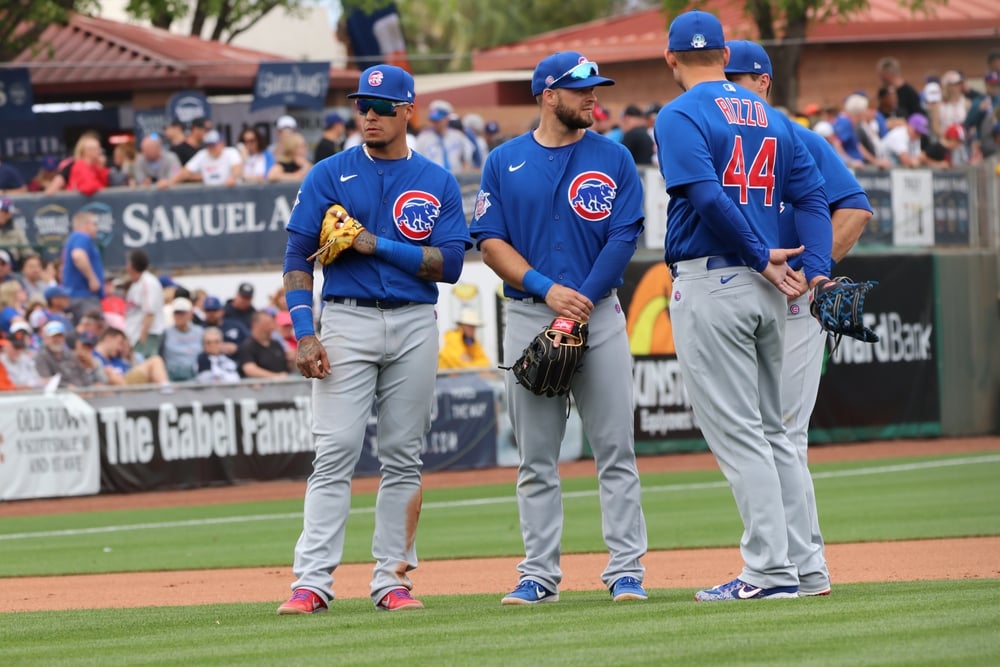
Cubs suggests something young and playful, which would be charming if this organization hadn’t spent over a century teaching its fans that hope leads only to suffering. Chicago deserves better than a name that promises cute when it delivers existential dread.
The city is tough, industrial, unforgiving. The Cubs sound like a Little League team.
Bears were already taken by the football team, but literally anything would capture Chicago’s character better than baby animals.
Atlanta Braves

The Braves moved from Milwaukee to Atlanta in 1966, carrying a name that had nothing to do with Georgia and everything to do with a cartoon mascot doing tomahawk chops. Atlanta is a modern city built on commerce and ambition, not frontier mythology.
The name feels like someone’s idea of what the South should be rather than what Atlanta actually is. It’s particularly awkward given that the Southeast has actual Native American history that gets reduced to sports pageantry. The city outgrew this name decades ago, but changing it would require admitting that moving a team and keeping an irrelevant name was a mistake.
Los Angeles Dodgers

They dodged trolleys in Brooklyn, not traffic on the 405. The name made perfect sense in a borough where pedestrians had to dodge streetcars to cross the street — it captured the scrappy, urban character of Brooklyn baseball.
In Los Angeles, it means nothing. LA is a car city where dodging involves merging lanes, not streetcars.
The name is pure nostalgia for a place most Dodgers fans have never been. But nostalgia sells, and LA specializes in selling beautiful things that aren’t quite real.
So maybe it fits after all, just not in the way anyone intended. The Dodgers became the perfect LA team by accident: gorgeous, successful, and completely disconnected from their own name’s meaning.
Houston Astros

Astros captures Houston perfectly — a city built on space exploration, oil engineering, and the confidence that comes from putting humans on the moon. The name reflects Houston’s identity as a place where ambitious technical projects actually happen.
NASA’s Mission Control sits right there. The Astrodome was a marvel of engineering when it opened.
Even the team’s cheating scandal felt very Houston: technically brilliant, morally questionable, and executed with the precision of an aerospace project.
San Francisco Giants

Giants work for a city of steep hills and big ideas, though the name came from New York’s polo grounds, not California geography. San Francisco thinks big despite being physically small.
The Golden Gate Bridge, the tech boom, sourdough bread that people argue about with religious intensity — everything here gets treated like it’s larger than life. Giants fit the city’s personality, even if the connection is coincidental.
Sometimes the right name finds the right place by accident.
Miami Marlins

Marlins are fish that live in the waters around South Florida, making this one of the few team names that’s both geographically accurate and completely boring. Miami is neon and nightlife, Art Deco and Cuban coffee, beaches and beautiful people who stay up too late.
Marlins sounds like something a marine biology textbook would suggest. The city deserves a name with more personality — something that captures the energy of a place where three languages mix on every street corner and the party doesn’t stop until sunrise.
Fish are fine, but Miami isn’t fine. Miami is extra.
Seattle Mariners

Seattle is surrounded by water — Puget Sound, Lake Washington, the Pacific Ocean — so Mariners makes geographic sense. The city’s identity runs deeper than its location, though.
Seattle is coffee culture and music history, tech innovation and stubborn independence. Mariners capture the maritime heritage but miss the cultural personality.
It’s accurate without being interesting, which might actually be the most Seattle thing about it. A perfectly functional name that doesn’t try too hard to impress anyone.
Texas Rangers

Rangers evokes the Old West lawmen who patrolled the frontier, which works for a state that still sees itself as essentially cowboy country. Texas never stopped believing in its own mythology, and Rangers play into that beautifully.
It doesn’t matter that Arlington is suburban sprawl, not open range — Texas identity transcends geography. The name suggests independence, toughness, and the kind of justice that doesn’t wait for paperwork.
Whether that’s accurate or romantic nonsense doesn’t matter in Texas, where the myth matters more than the reality anyway.
Colorado Rockies

The Rocky Mountains define Colorado’s landscape and identity, making this the most obvious name in baseball. Sometimes obvious works.
Colorado without the mountains is just Kansas with better weed laws. The name captures what everyone thinks of when they hear “Colorado” — elevation, outdoor adventure, air so thin it makes baseballs fly farther.
It’s geographically accurate, culturally appropriate, and completely unimaginative. Which is fine. Not every name needs to be clever.
Arizona Diamondbacks

Diamondback rattlesnakes are native to Arizona, and the name captures the desert state’s dangerous beauty. Arizona is a place where the landscape actively tries to hurt you, and diamondbacks reflect that honestly.
The desert is gorgeous and deadly, just like the snakes. The name works because it doesn’t try to make Arizona sound friendly or welcoming — it leans into the fact that this is a place where you need to watch where you step.
Baltimore Orioles

The Baltimore Oriole is Maryland’s state bird, making this connection both obvious and perfect. Baltimore has always been more of a working-class town than a nature preserve, but orioles works because it’s local without being forced.
The bird actually lives here, the colors (orange and black) are distinctive, and it sounds better than the Baltimore Steelworkers. Sometimes the simple choice is the right choice, and Baltimore doesn’t need to overthink things.
The Enduring Power of Place

The best team names feel inevitable, like they grew naturally from the soil of their cities rather than being chosen by committee. They capture something essential about a place — not just geography, but personality, history, the way a city sees itself.
The worst names feel like afterthoughts, dragged from one city to another or picked because they sounded good in a boardroom. What’s interesting is how names can grow into their cities over time, or how cities can outgrow their names.
The relationship between team and place is constantly shifting, shaped by success and failure, by changes in the city itself, by the simple passage of time. A name that fits perfectly in one era might feel completely wrong in another.
And sometimes a name that makes no sense at all becomes the only name that could possibly work, simply because it’s been there long enough to feel like home.
More from Go2Tutors!

- The Romanov Crown Jewels and Their Tragic Fate
- 13 Historical Mysteries That Science Still Can’t Solve
- Famous Hoaxes That Fooled the World for Years
- 15 Child Stars with Tragic Adult Lives
- 16 Famous Jewelry Pieces in History
Like Go2Tutors’s content? Follow us on MSN.



