15 Inventions That Could Have Succeeded With a Better Name
Names matter more than we often realize in the world of innovation. Some brilliant inventions have struggled to find their audience simply because their creators gave them confusing, unappealing, or downright misleading names.
A catchy, descriptive name can be the difference between a product that changes the world and one that gathers dust on stockroom shelves. Here is a list of 15 inventions that might have enjoyed greater success if their creators had spent a little more time in the marketing department.
The Segway

Originally hyped as “Ginger” during development, the Segway was supposed to revolutionize transportation when it launched in 2001. The two-wheeled, self-balancing personal transporter was genuinely innovative, but the name “Segway” didn’t convey its purpose or benefits.
Many consumers couldn’t even pronounce it correctly, and the name failed to communicate the excitement of this transportation breakthrough.
Google Glass
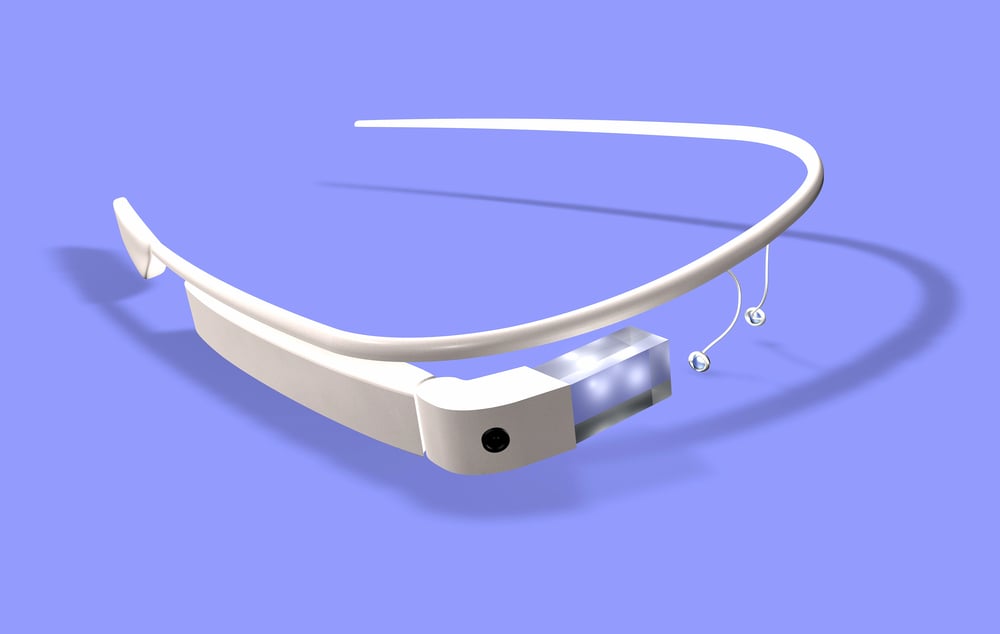
Google’s augmented reality eyewear suffered from several issues, but its confusing name certainly didn’t help. The term “Glass” suggested fragility rather than cutting-edge technology.
The name also failed to communicate the product’s functions or benefits, leaving potential users wondering what exactly this expensive piece of tech was supposed to do for them.
Like Go2Tutors’s content? Follow us on MSN.
The Dvorak Keyboard

Despite being scientifically proven more efficient than the standard QWERTY layout, the Dvorak keyboard never caught on with the general public. Named after its creator August Dvorak, the average consumer had no idea how to pronounce it or what made it special.
A name highlighting its ergonomic benefits or typing speed improvements might have given this superior keyboard layout a fighting chance.
Sega Dreamcast
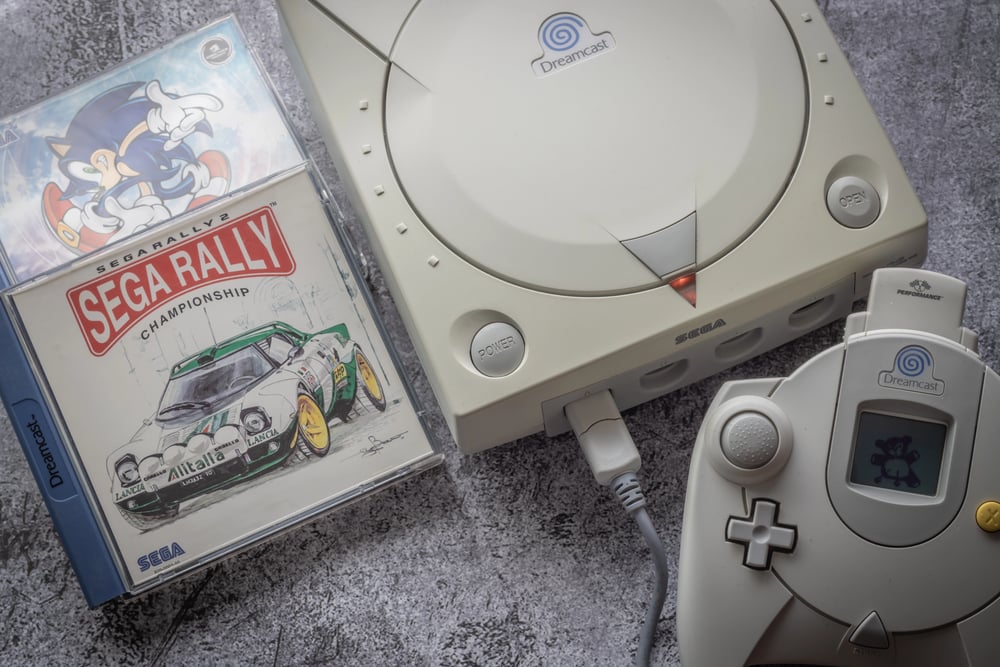
Sega’s final gaming console was ahead of its time with online capabilities and innovative gameplay, but the name “Dreamcast” conveyed nothing about its powerful features. The abstract name lacked the directness of competitors like “PlayStation” or “Xbox,” which clearly communicated their purpose.
The dreamy, somewhat childish branding may have turned away serious gamers looking for cutting-edge hardware.
Microsoft Zune

Apple had the iPod, and Microsoft had… the Zune. While the device itself was decent, the name “Zune” meant nothing to consumers and sounded oddly similar to “prune.”
The random, made-up word failed to create any emotional connection or convey the excitement of portable music. A name that better communicated its media capabilities might have helped it compete more effectively against Apple’s clear, simple branding.
Like Go2Tutors’s content? Follow us on MSN.
Apple Newton
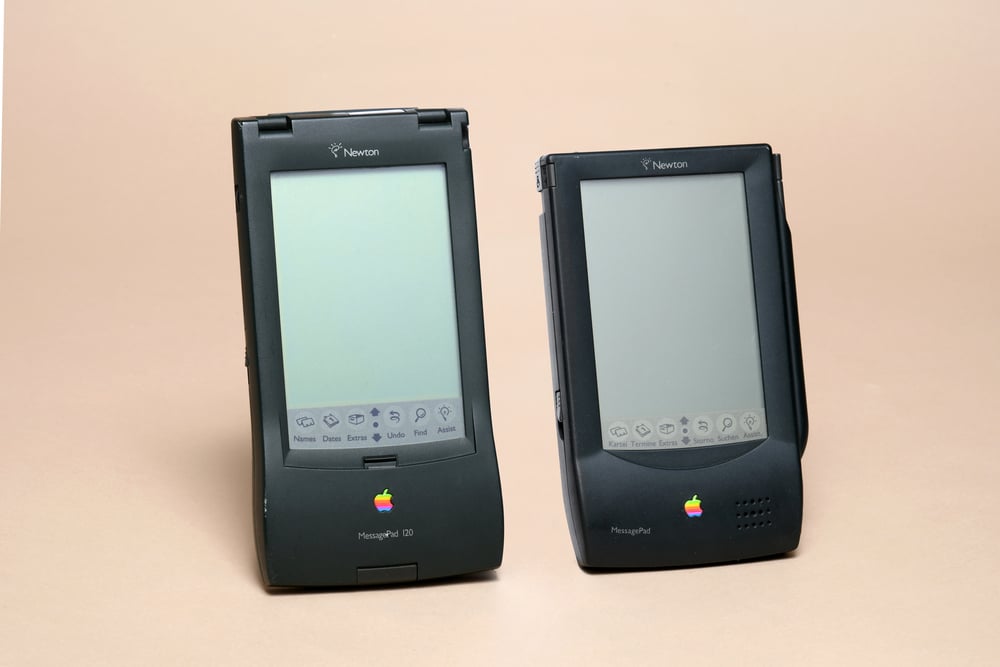
Before the iPhone revolutionized mobile computing, Apple’s first attempt was the Newton MessagePad. While technically innovative for 1993, the name “Newton” had no connection to its function as a personal digital assistant.
The scientific reference was too obscure for most consumers, who couldn’t understand what the product was supposed to do based on its name alone.
Sony Betamax

Despite offering superior video quality to VHS, Sony’s Betamax format lost the home video war partly due to its confusing technical name. “Beta” sounded like an unfinished product in testing, while “max” suggested something bulky.
The average consumer couldn’t decipher what made it special, whereas “VHS” at least sounded more approachable and consistent.
The Internet of Things

This powerful concept describing interconnected smart devices suffers from an abstract, technical name that confuses average consumers. “Internet of Things” sounds vague and doesn’t communicate the practical benefits of connected devices.
A more accessible term highlighting convenience or smart living might have accelerated the adoption of this technology concept among everyday users.
Like Go2Tutors’s content? Follow us on MSN.
WebTV

This 1990s attempt to bring internet to television screens was innovative but poorly named. “WebTV” sounded like a television channel about the internet rather than a device that allowed web browsing on your TV.
The literal name failed to capture the revolutionary aspect of merging two major technologies and left consumers confused about its purpose.
The Theremin

This fascinating electronic musical instrument produces sounds without physical contact, but its inventor Leon Theremin didn’t do it any favors by naming it after himself. The unusual name gave no indication of its musical capabilities or how it worked.
A more descriptive name highlighting its unique “air playing” technique might have helped it achieve mainstream musical status rather than remaining a novelty instrument.
LaserDisc
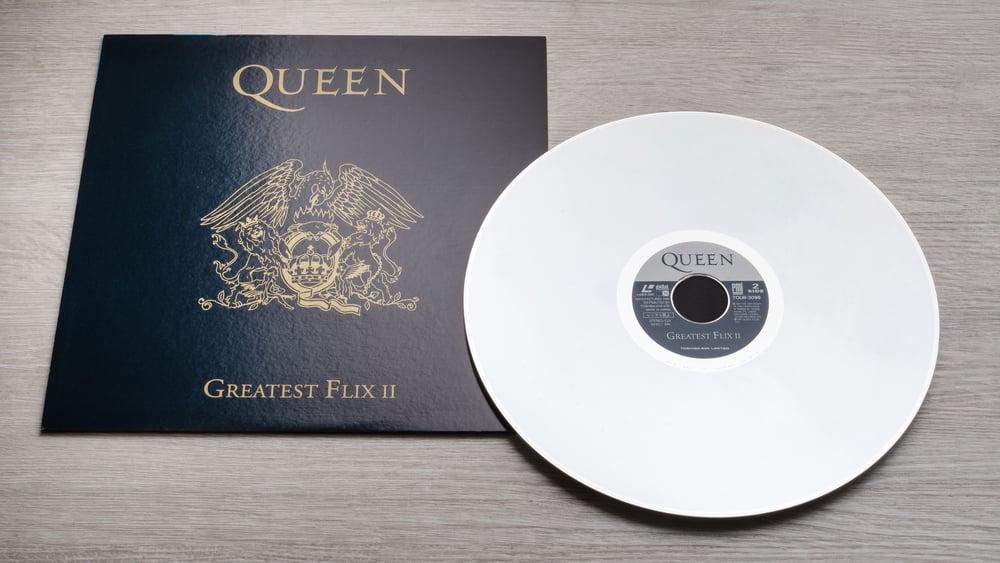
This technology offered superior video and audio quality compared to VHS tapes, but the name “LaserDisc” sounded more like science fiction than home entertainment. While technically accurate, the emphasis on the laser technology rather than the viewing experience alienated average consumers who couldn’t understand its benefits over familiar formats.
A name emphasizing picture quality might have changed its fate.
Like Go2Tutors’s content? Follow us on MSN.
PalmPilot

This groundbreaking personal digital assistant from the 1990s suffered from a name that sounded more like an aviation tool than a revolutionary pocket computer. While “Palm” referenced its handheld nature, “Pilot” created confusion about its purpose.
The device itself was innovative, but its name failed to communicate the organizational benefits that made it useful.
Microsoft Kin

Microsoft’s social media-focused phones lasted barely two months on the market in 2010. The name “Kin” attempted to suggest a connection but didn’t communicate anything about the device’s function or target audience.
The single-syllable name lacked memorability and failed to stand out in the crowded smartphone market, contributing to one of the fastest product failures in tech history.
Swiffer WetJet
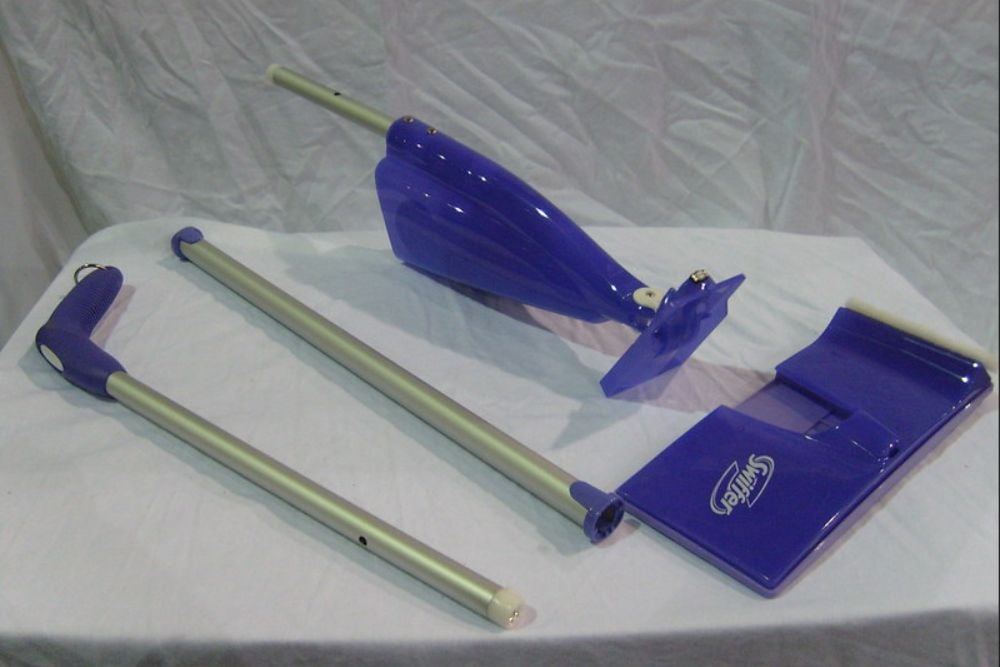
While eventually successful, this cleaning product initially struggled with its odd, made-up name. “Swiffer” isn’t a real word, and “WetJet” sounds more like an airplane than a mop.
The inventors focused on creating technical-sounding terms rather than communicating the product’s cleaning benefits. It eventually succeeded through massive marketing efforts that could have been more efficient with a clearer, benefit-focused name.
Like Go2Tutors’s content? Follow us on MSN.
The Wii U
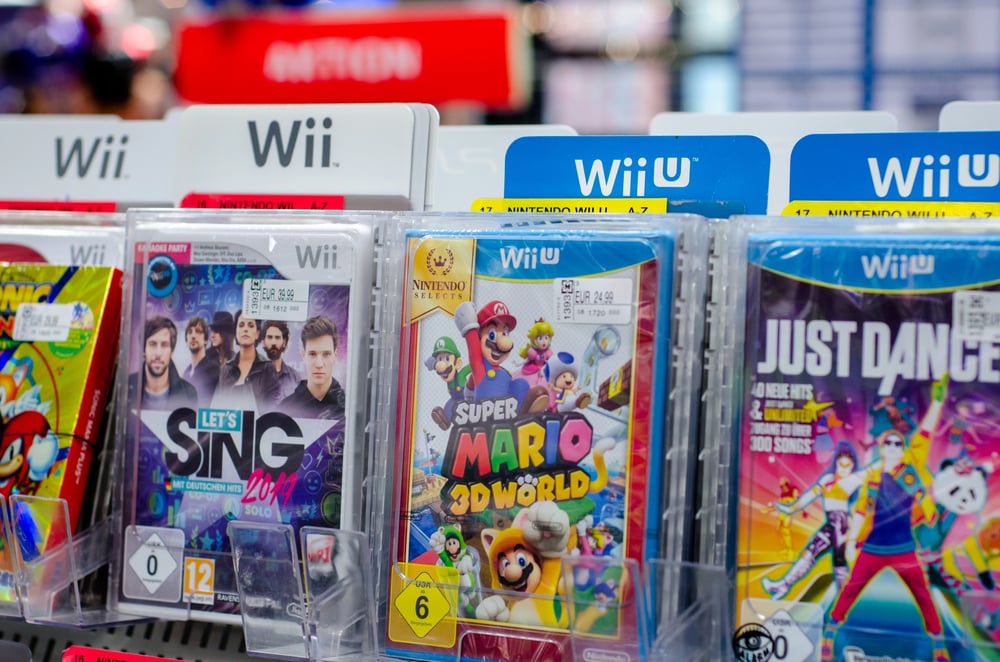
Nintendo’s follow-up to the wildly successful Wii console suffered from a confusing name that failed to communicate it was an entirely new system. Many consumers thought the “Wii U” was just an accessory for the original Wii.
The addition of a single letter didn’t adequately signal the significant technological leap, leading to poor sales and marketplace confusion.
The Legacy of Names

Product names serve as shortcuts to understanding, and when they fail at this fundamental task, even revolutionary inventions can struggle to find their audience. The most successful products typically have names that immediately communicate their purpose, benefits, or the problem they solve.
While these fifteen inventions brought innovative ideas to the marketplace, their creators learned the hard way that brilliance alone isn’t enough—you also need to call it something people understand.
More from Go2Tutors!

- 18 Unexpectedly Valuable Collectibles You Might Have Lying Around
- 20 Little-Known Historical Battles That Had Huge Consequences
- 20 Historical Artifacts That Scientists Can’t Explain
- 15 Inventions That Were Immediately Banned After Being Created
- 20 Actors Who Were Almost Cast in Iconic Roles
Like Go2Tutors’s content? Follow us on MSN.