Peanut Butter Facts That Stick With You
Peanut butter is more than a simple sandwich spread. It has shaped diets, fuelled athletes, and even found its way into laboratories. Below are peanut butter facts that linger long after the jar is empty.
Ancient Roots

Peanuts may seem like a modern staple, yet their story stretches far back. The Incas were grinding roasted peanuts into paste centuries ago — a rougher, earthier version of today’s smooth spread.
A Doctor’s Idea
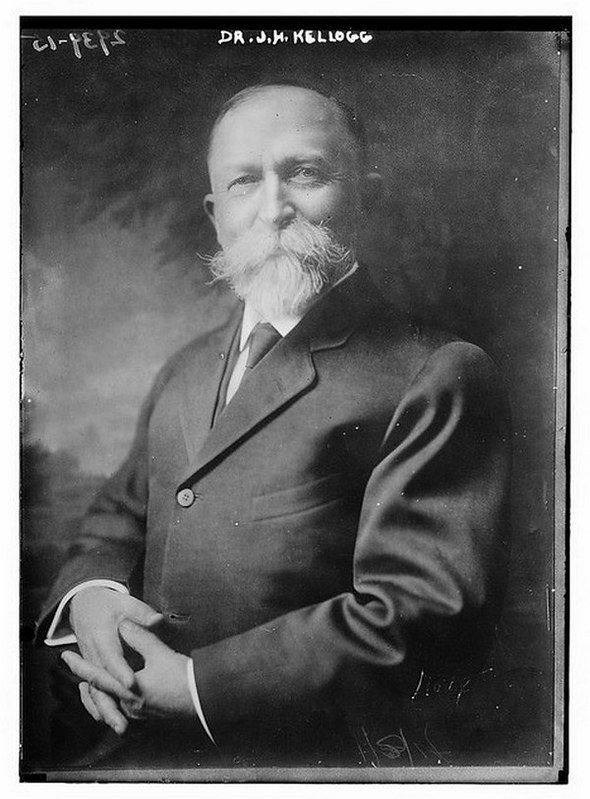
In the late 19th century, Dr. John Harvey Kellogg patented an early form of peanut butter. He promoted it as a protein-rich option for patients who couldn’t chew meat. While it lacked the sweetness people now expect, the idea stuck.
War Rations
— Photo by inyrdreams
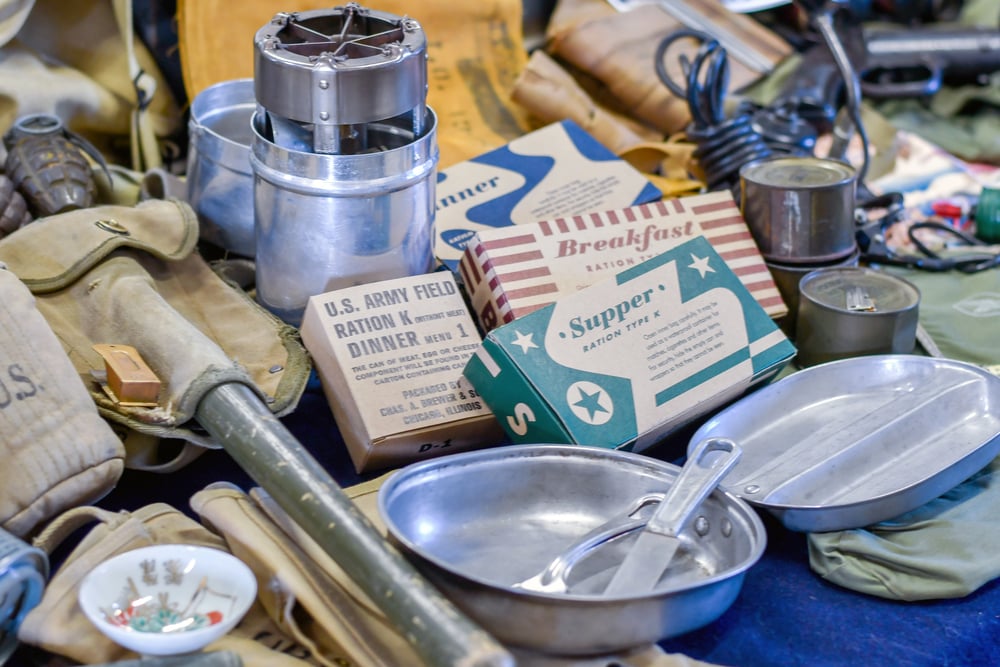
During World War II, peanut butter became part of American military rations. High in protein, lightweight, and long-lasting — it was perfectly suited for soldiers on the move. When they returned home, the habit followed them into everyday life.
Sticky Records

The world’s largest peanut butter and jelly sandwich weighed more than 1,300 pounds. Difficult to picture anyone taking that first bite. Still, the attempt reflects how this spread often inspires playful excess.
Allergies

Peanut allergies are among the most serious food sensitivities worldwide. Even small traces can trigger strong reactions. Not great. Yet for those unaffected, peanut butter remains a reliable comfort food.
Astronaut Food

Peanut butter has even travelled into space. Its long shelf life and calorie density made it ideal for astronauts, though the thought of peanut butter floating in zero gravity sounds both amusing and slightly messy.
Global Twist

Americans may love peanut butter with jelly, yet elsewhere it’s used in different ways. In parts of Asia, it enriches spicy sauces. In South Africa, it’s spread on bread with syrup — sticky, indulgent, and unforgettable.
Crunchy vs Smooth

The debate feels endless. Crunchy brings texture and bite, whereas smooth delivers spreadability and consistency. Even so, both sides remain firmly convinced that theirs is the superior option.
Peanut Butter Powder

A more recent invention is peanut butter powder — peanuts pressed to remove much of the fat. It rehydrates into a lighter spread, useful for calorie-conscious diets. Still, the richness of a classic jar is hard to beat.
Shelf Stability
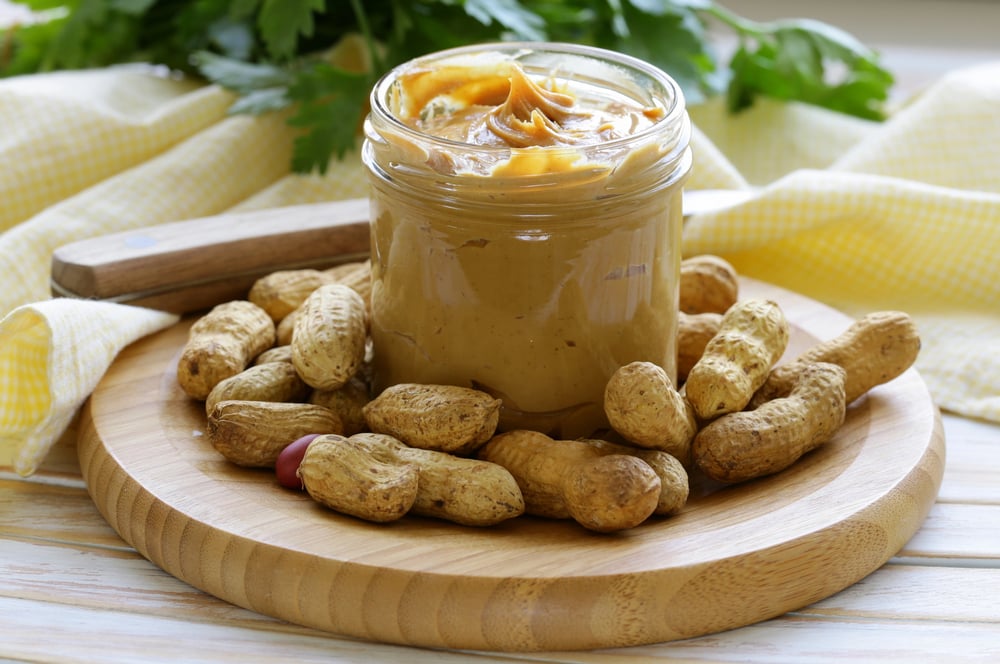
Peanut butter keeps remarkably well thanks to its low moisture and high fat content. Unopened jars last months without refrigeration, and even once opened they can safely stay in the cupboard. A dependable backup during power cuts.
Not Just for Eating
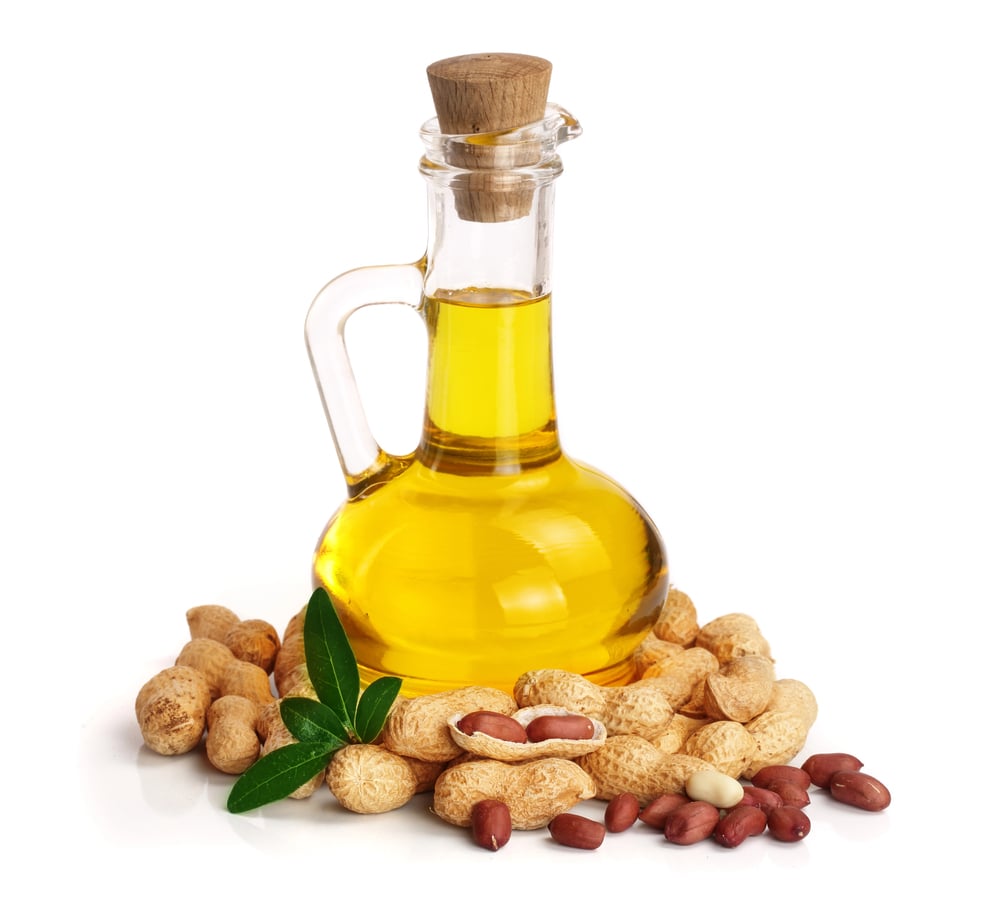
Peanut butter has occasionally been used beyond the kitchen. One unusual example: removing gum from hair. The oils help release the sticky mess, though the process is undeniably messy itself.
Protein Punch
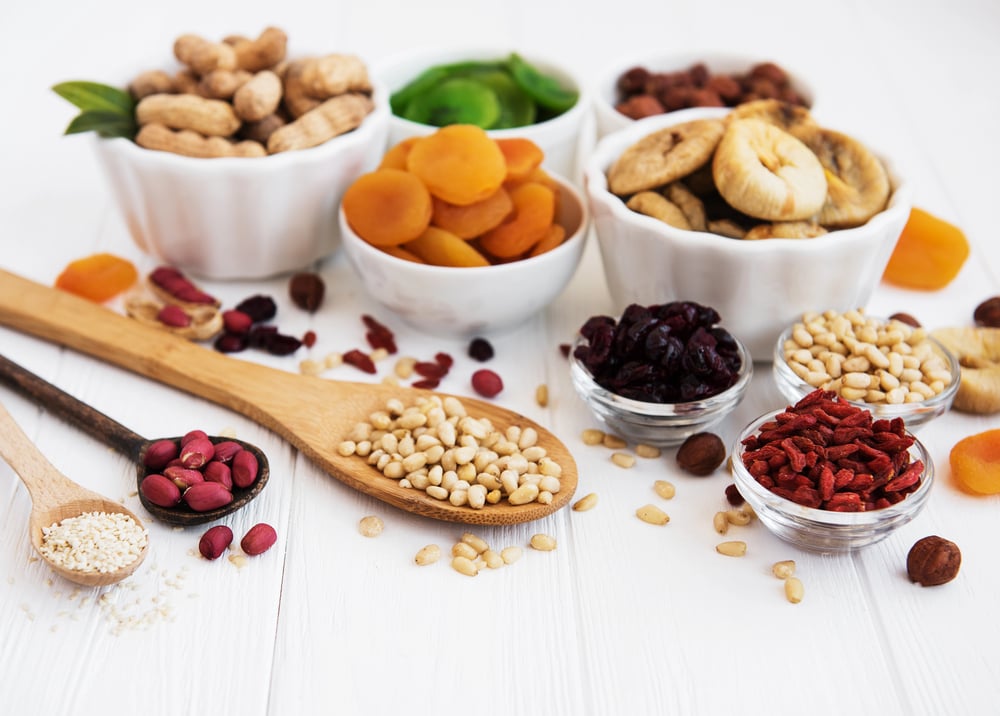
A modest two-tablespoon serving provides around 8 grams of protein. That’s why it remains a favourite for athletes, hikers, and fitness enthusiasts. Paired with bananas, it offers a quick source of fuel that lasts for hours.
The Sticky Truth

Peanut butter isn’t just food. It’s part of history, science, comfort, and even debate — all wrapped up in one jar that never seems to lose its place on the shelf.
More from Go2Tutors!

- The Romanov Crown Jewels and Their Tragic Fate
- 13 Historical Mysteries That Science Still Can’t Solve
- Famous Hoaxes That Fooled the World for Years
- 15 Child Stars with Tragic Adult Lives
- 16 Famous Jewelry Pieces in History
Like Go2Tutors’s content? Follow us on MSN.