15 Magic Tricks Kids Learned From Cereal Cards
There was something magical about finding a prize inside your cereal box back in the day. Kids would shake boxes at the grocery store, trying to guess what treasures waited inside. Among the most coveted prizes were magic trick cards—colorful, illustrated guides that turned an ordinary breakfast into an opportunity to become a junior magician.
These cereal box magic cards were like having a personal magic teacher right there at the kitchen table. Here’s a list of 15 classic magic tricks that countless kids mastered thanks to their morning bowl of cornflakes.
The Disappearing Coin

The most fundamental trick every cereal card taught was making a coin vanish from your palm. Kids learned to secretly palm the coin while appearing to place it in their other hand.
The simple misdirection technique became the foundation for countless other illusions, and many kids spent hours practicing the smooth hand movements until they could fool their siblings.
The Magic Knot
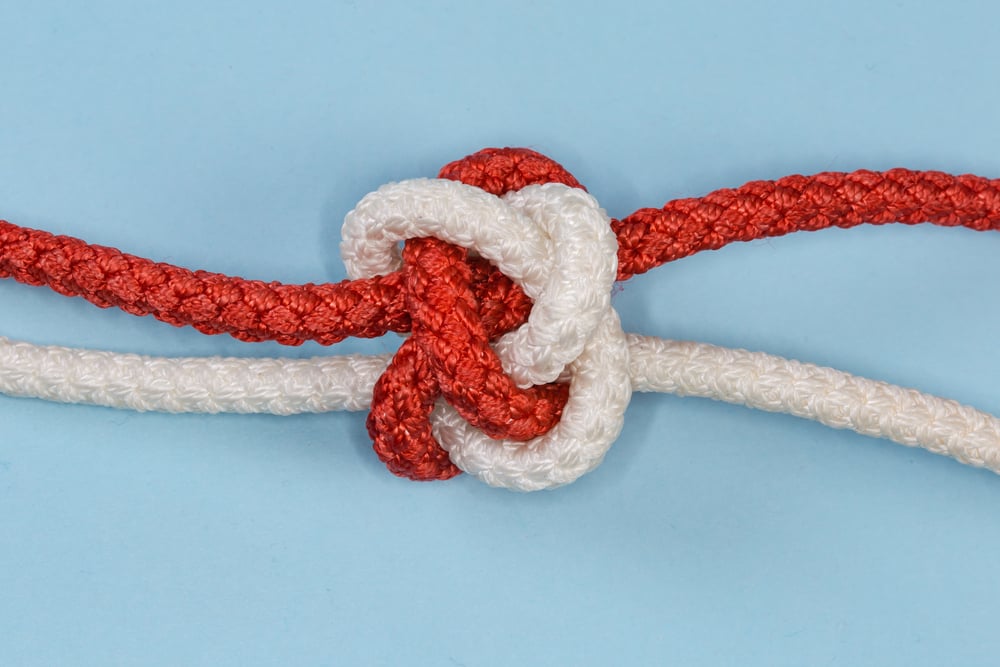
This rope trick appeared on cereal cards from multiple brands, teaching kids how to tie a knot that would mysteriously untie itself. The secret involved creating a false knot that looked real but would slide apart with a gentle tug.
Kids would practice with shoelaces, yarn, or any string they could find around the house.
The Floating Pencil

Cereal cards revealed how to make a pencil appear to float between your hands using an invisible thread. The trick required careful positioning and subtle hand movements to create the illusion.
Many kids discovered that the hardest part wasn’t the technique itself, but finding thread thin enough to be truly invisible under kitchen lighting.
The Mind Reading Number Trick

This mathematical magic trick used a simple formula that always produced the same result, no matter what number someone started with. The cereal card would walk kids through having someone pick a number, perform various calculations, and then dramatically ‘read their mind’ to reveal the final answer.
It was pure mathematical certainty disguised as a supernatural ability.
The Rubber Band Jump
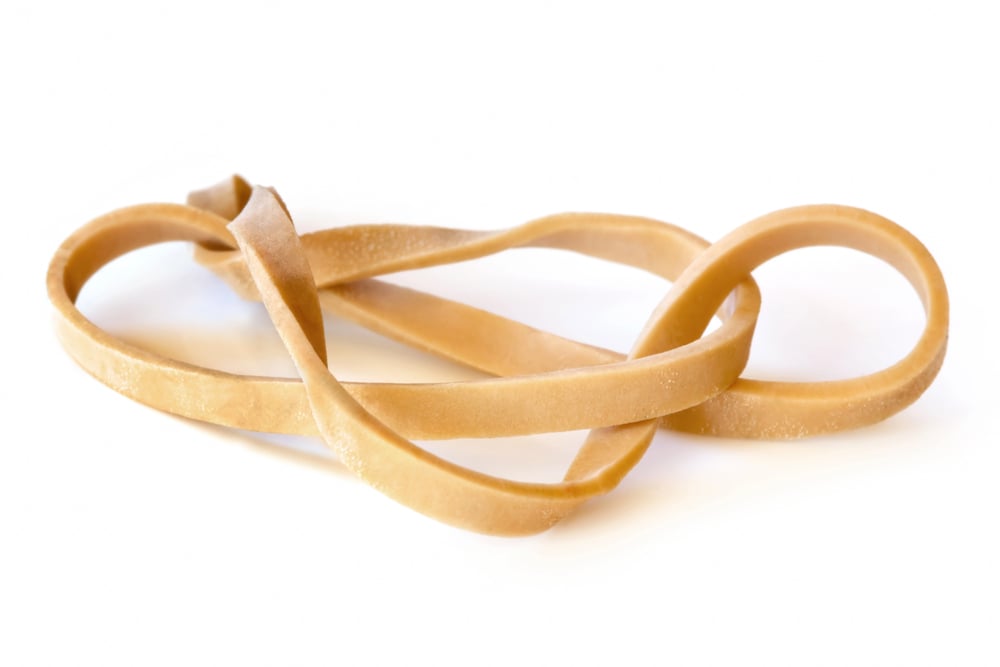
Two rubber bands seemed to magically switch positions on your fingers in this classic close-up trick. The secret involved secretly hooking the bands in a specific way before starting the illusion.
Kids loved this trick because rubber bands were easy to find, and the effect was immediate and surprising.
The Vanishing Handkerchief

Cereal cards taught multiple methods for making a handkerchief disappear, from simple palming techniques to using a hollow thumb tip. The classic version involved stuffing the handkerchief into your closed fist and making it seemingly evaporate.
Many kids started with tissues or napkins when they didn’t have access to proper handkerchiefs.
The Color Changing Card

This trick required a specially prepared playing card that appeared to change color when handled correctly. Some cereal boxes actually included the gimmicked cards needed for the illusion.
Kids learned to control the viewing angle and use misdirection to create the color-changing effect.
The Magnetic Pencils

Two ordinary pencils appeared to stick together like magnets when rubbed in a specific way. The trick relied on friction and careful positioning rather than any actual magnetic force.
Kids would practice the subtle movements needed to make the pencils appear to attract and repel each other.
The Prediction Envelope

This mentalism trick taught kids how to predict which card someone would choose from a deck. The method involved forcing a specific card through careful presentation and psychology.
Many cereal cards included simplified versions that worked with smaller sets of cards or even everyday objects.
The Spinning Coin
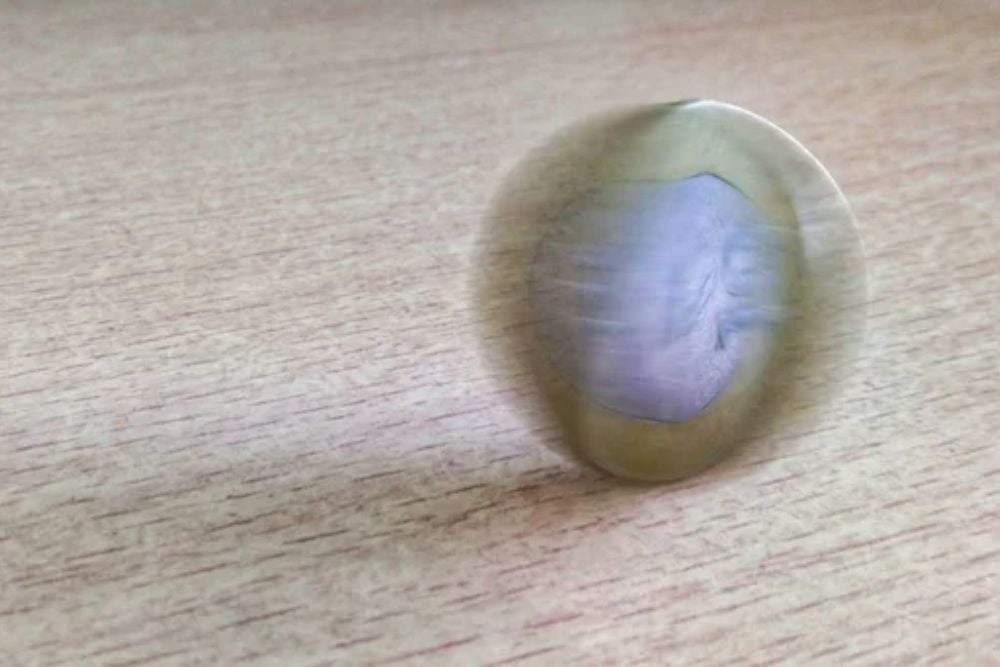
A coin balanced on your fingertip would mysteriously start spinning without any visible force applied. The secret involved tiny, imperceptible movements of the finger that created the spinning motion.
Kids spent countless hours perfecting the subtle technique needed to make the coin appear to spin on its own.
The Impossible Knot

This variation of the rope trick challenged kids to tie a knot in a piece of string without letting go of either end. The solution involved crossing your arms before picking up the string ends.
When you uncrossed your arms, a knot would magically appear in the middle of the rope.
The Multiplying Coins

Starting with one coin, kids learned to make it appear as though they had several coins through clever palming and timing. The illusion required smooth hand movements and a confident presentation.
Many kids modified the trick to work with other small objects like marbles or candies.
The Stretching Thumb

One of the weirdest illusions on cereal cards didn’t need any tools—just your own fingers. With careful positioning and a bit of misdirection, you could make it look like your thumb was stretching like rubber or pulling apart completely.
It was gross, hilarious, and strangely satisfying.
The Bending Spoon

Long before Uri Geller became famous, cereal cards taught kids how to make a spoon appear to bend using optical illusion and misdirection. The trick involved careful hand positioning and timing to create the bending effect.
Kids learned that the real magic was in selling the illusion through confident presentation.
The Teleporting Coin

The final trick many cereal cards featured involved making a coin disappear from one hand and reappear in an impossible location. Some versions had the coin appearing in a sealed envelope or under an overturned cup.
The method combined several basic techniques kids had learned from earlier tricks on the card series.
Magic at the Breakfast Table

These cereal box magic cards did more than just teach tricks—they created a generation of kids who understood that wonder could be manufactured through practice and presentation. The cards taught patience, manual dexterity, and the confidence to perform in front of others.
Many professional magicians today trace their first interest in magic back to those colorful cards they found nestled between cornflakes and milk, proving that sometimes the best education comes disguised as a free prize.
More from Go2Tutors!

- The Romanov Crown Jewels and Their Tragic Fate
- 13 Historical Mysteries That Science Still Can’t Solve
- Famous Hoaxes That Fooled the World for Years
- 15 Child Stars with Tragic Adult Lives
- 16 Famous Jewelry Pieces in History
Like Go2Tutors’s content? Follow us on MSN.