Everyday Items With Amazing Histories
People use countless objects every day without thinking twice about where they came from or how they came to be. That coffee mug, the fork at breakfast, even the zipper on a jacket all have stories behind them.
Some items started as solutions to specific problems, while others came about by complete accident. The history behind these common things reveals human creativity, determination, and sometimes just plain luck.
Here are some everyday items with surprisingly interesting backstories.
Post-it Notes

A scientist at 3M tried to create a super strong adhesive in 1968 but ended up with a weak glue that barely stuck to anything. Spencer Silver thought his experiment was a failure and put it aside.
Years later, his colleague Art Fry got frustrated with bookmarks falling out of his church hymnal and remembered the weak adhesive. He stuck the glue on paper scraps, creating bookmarks that stayed put but didn’t damage pages.
The company took years to see the potential, but Post-it Notes eventually became one of 3M’s best-selling products.
Bubble Wrap
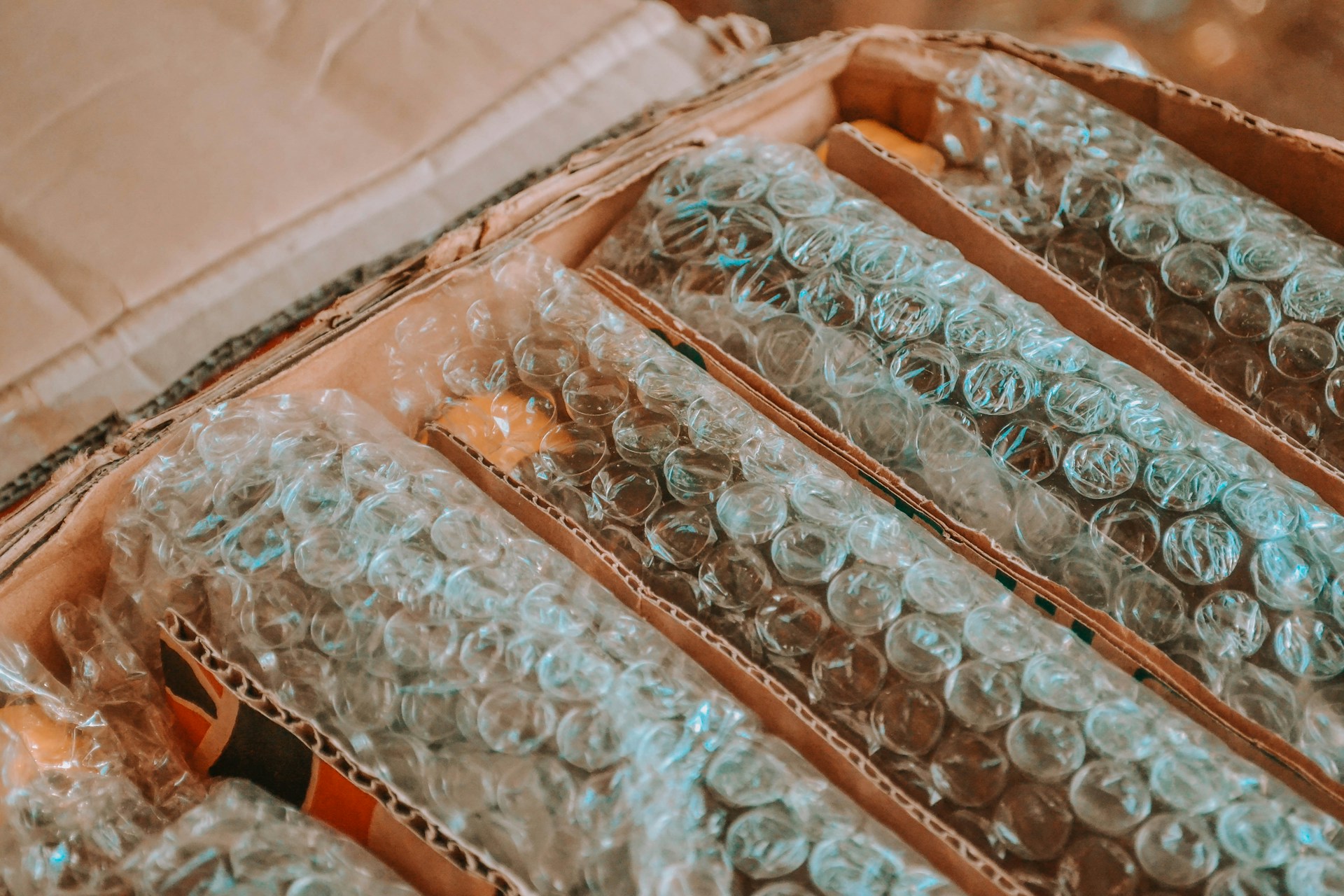
Two engineers in 1957 wanted to create textured wallpaper by sealing two shower curtains together with air bubbles trapped inside. Nobody wanted to hang bubbly plastic on their walls, so the product sat unused.
They tried marketing it as greenhouse insulation, which also flopped. IBM finally found a use for it in 1960 when they needed something to protect their new computers during shipping.
The satisfying pop of each bubble became a side benefit that people love to this day, though the original wallpaper idea went nowhere.
Cornflakes
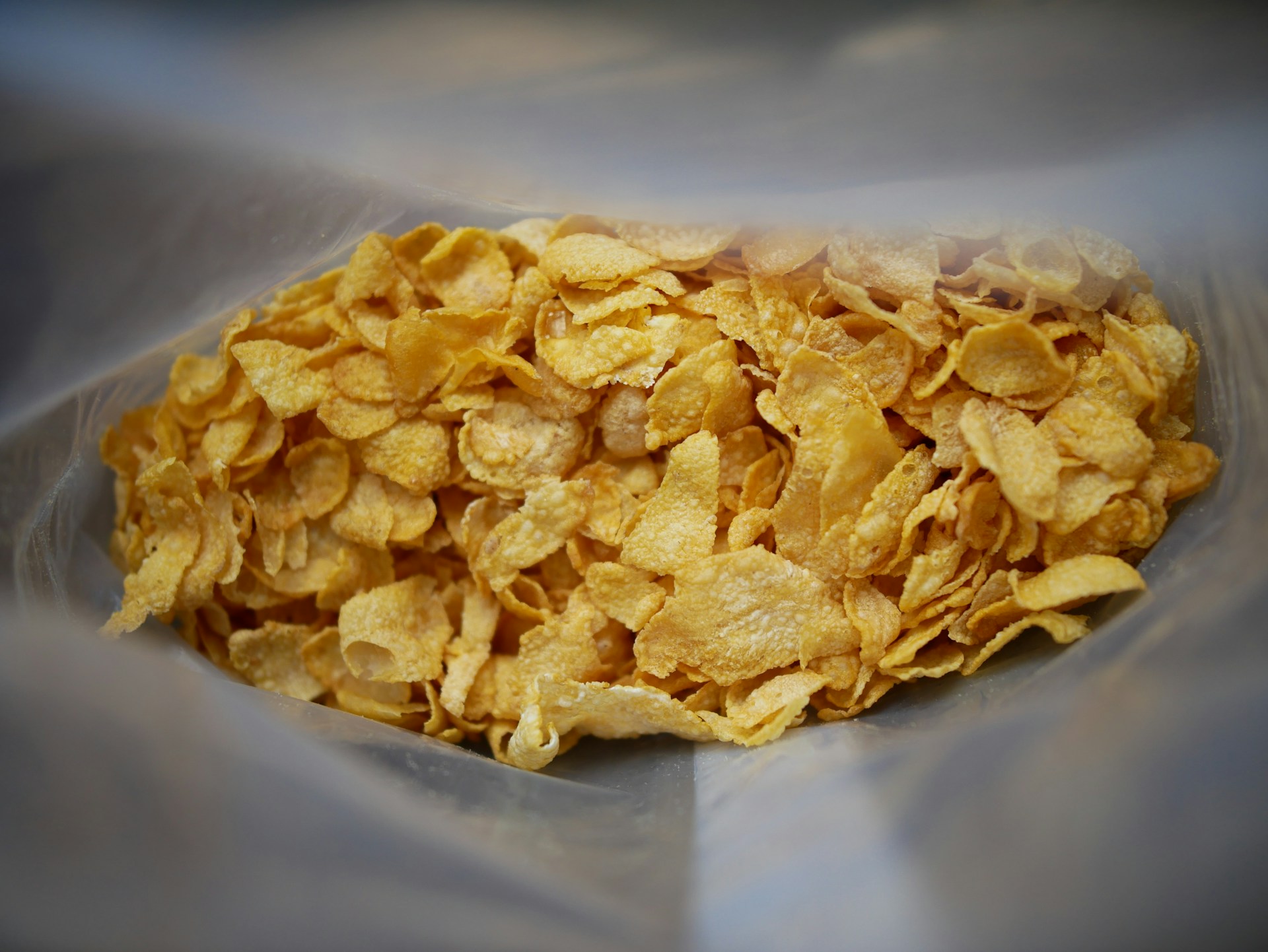
Dr. John Harvey Kellogg ran a health sanitarium in Michigan where he served bland food to patients, believing spices and flavor led to poor health. He and his brother Will accidentally left cooked wheat out too long one day, and it went stale.
They rolled it out anyway and discovered it broke into flakes that tasted decent when toasted. They later tried the same process with corn and created cornflakes, which became popular with sanitarium patients.
Will eventually added sugar despite his brother’s protests and turned the accidental discovery into a cereal empire.
Velcro
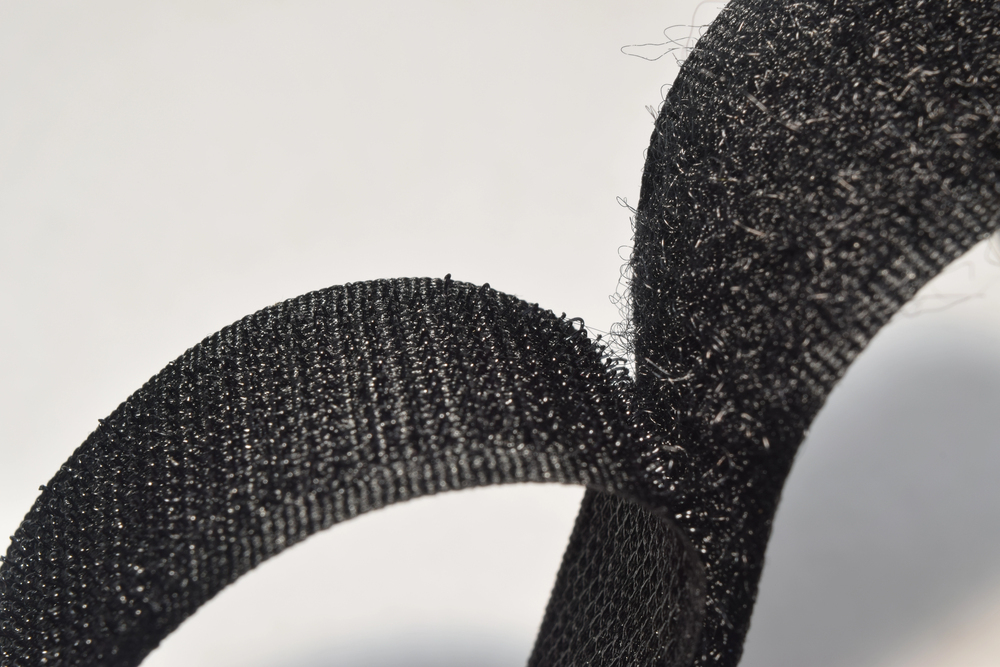
Swiss engineer George de Mestral took his dog for a walk in 1941 and came back covered in burrs that stuck to his clothes and his dog’s fur. Instead of just pulling them off and moving on, he examined them under a microscope out of curiosity.
He noticed the burrs had tiny hooks that caught on loops in fabric and fur. It took him eight years to figure out how to recreate the design with synthetic materials.
The name Velcro combines the French words for velvet and hook, and the fastener now appears on everything from shoes to space suits.
Tea Bags
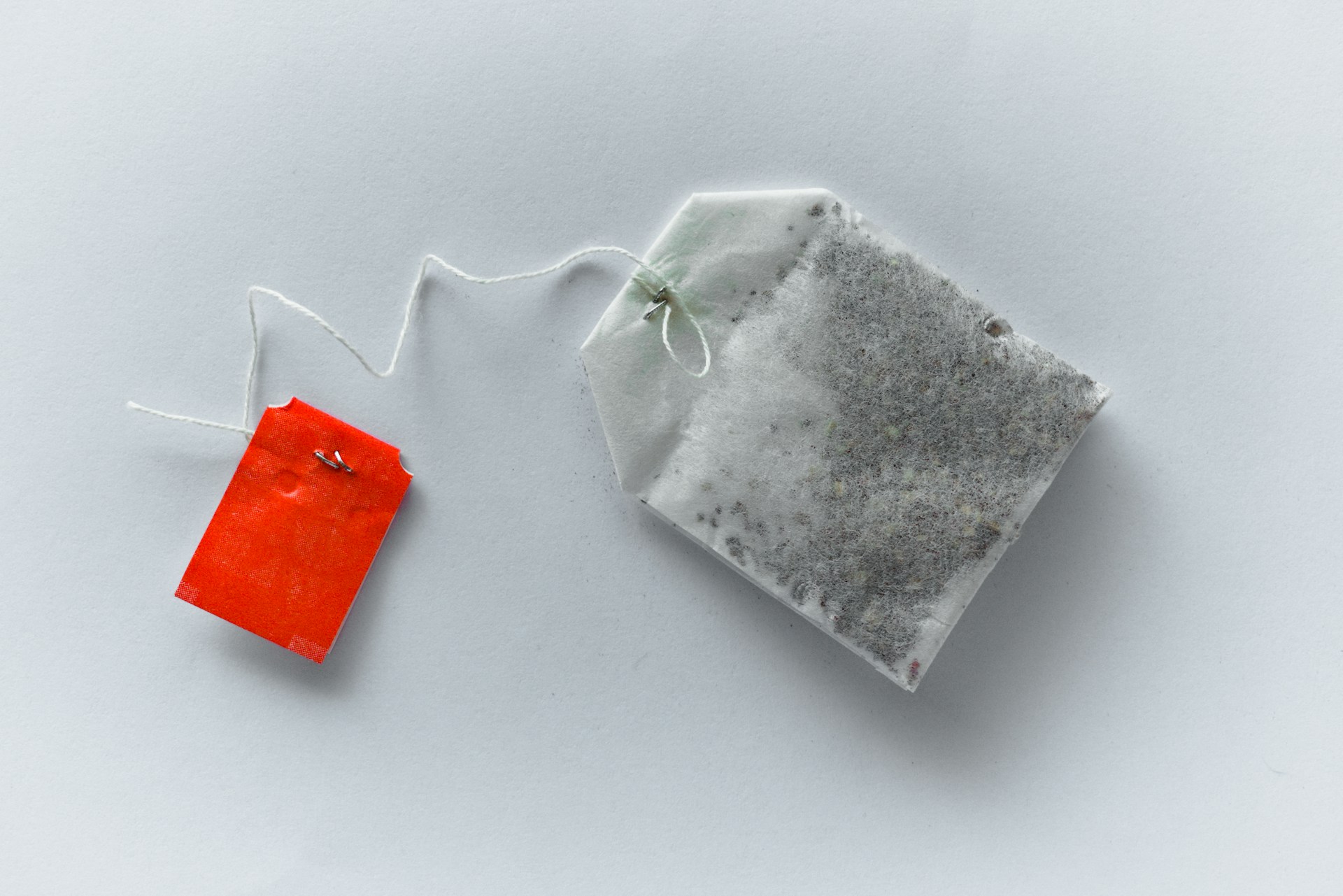
Tea merchants in the early 1900s sent samples to customers in small silk pouches to cut down on costs. Thomas Sullivan shipped his samples this way in 1908, expecting customers to remove the tea and brew it loose like normal.
Customers dunked the entire pouch into hot water instead because it was easier than dealing with loose leaves. Sullivan realized he had stumbled onto something convenient and started making pouches specifically designed for steeping.
Paper replaced silk to make the bags cheaper, and the method spread worldwide despite tea purists insisting loose leaf tastes better.
Bubble Gum
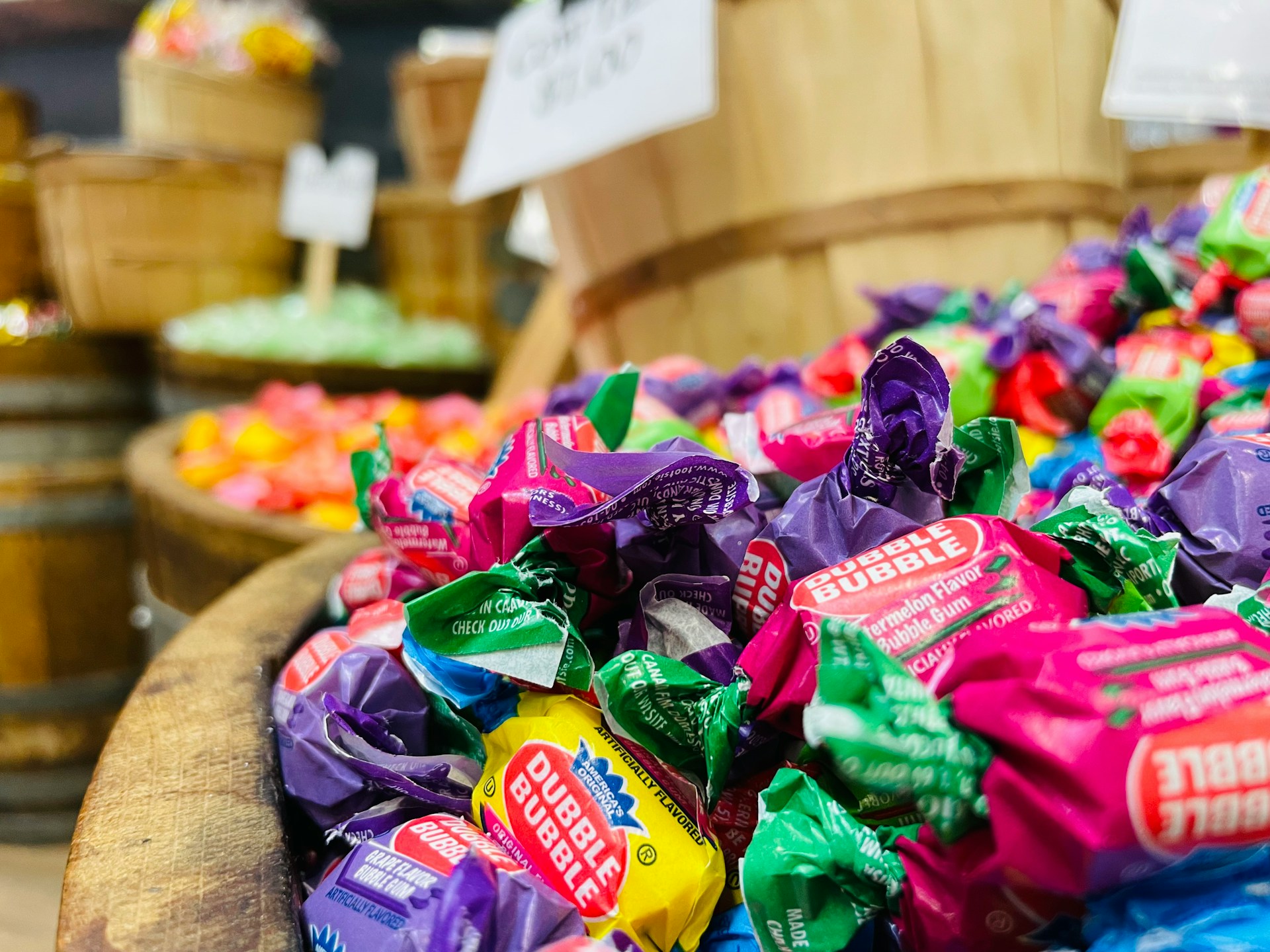
Regular chewing gum existed for decades before someone figured out how to make it blow bubbles. Walter Diemer worked as an accountant for a gum company in 1928 and experimented with recipes in his spare time.
He created a less sticky formula that was more elastic than previous versions, and he added pink coloring simply because that was the only food dye available. The first batch was a success, and he taught salespeople how to blow bubbles so they could demonstrate the product.
Bubble gum became a hit with kids, though it still gets stuck in hair just as easily as the old stuff.
Frisbees
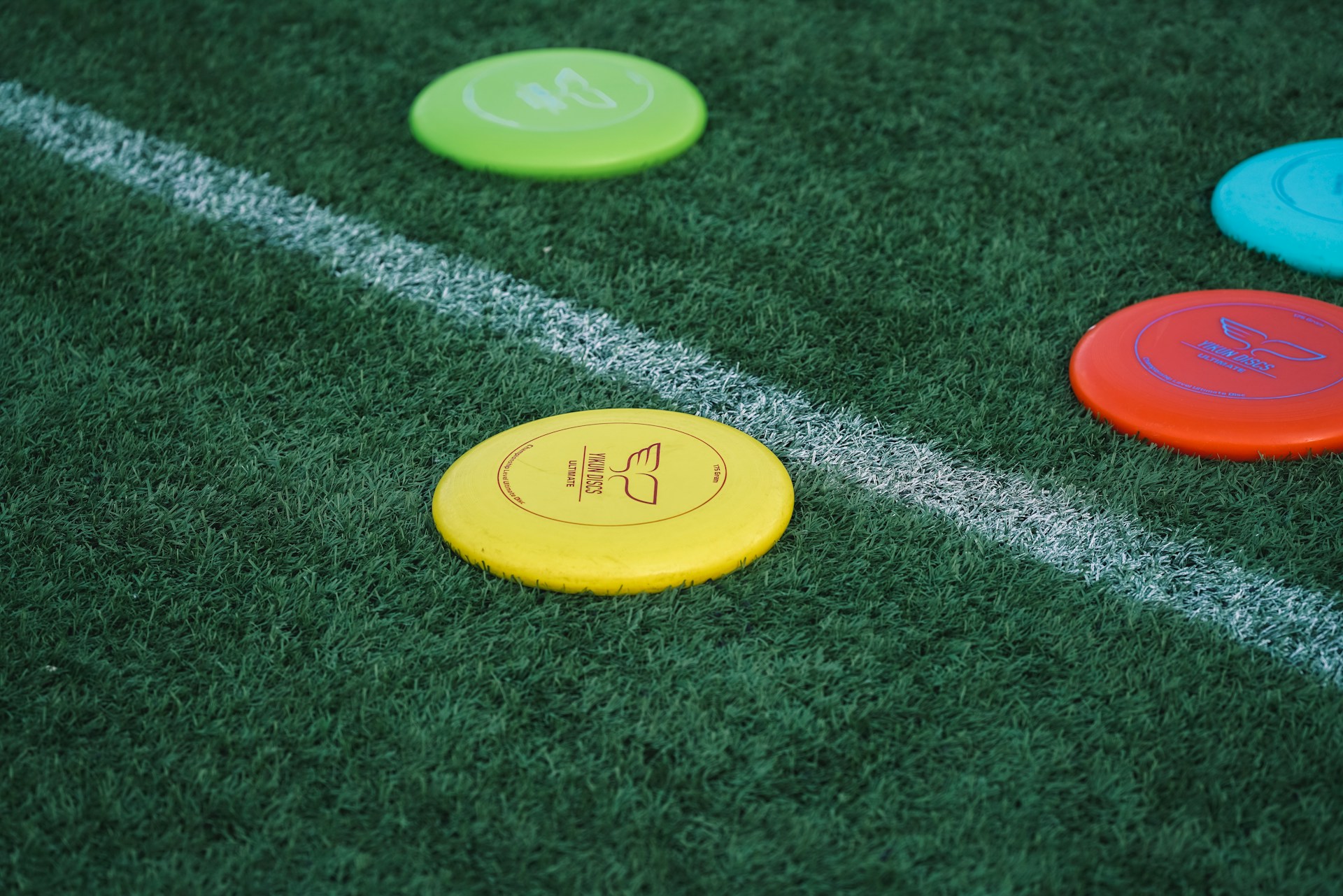
Yale students in the 1870s threw around empty pie tins from the Frisbie Pie Company, yelling ‘Frisbie’ to warn people before launching them. The dangerous metal discs gave way to plastic flying discs in the 1950s when Walter Morrison designed a better aerodynamic version.
Wham-O bought his design and changed the name to Frisbee, misspelling the original bakery name. The toy took off on college campuses and beaches, becoming a staple of outdoor fun.
The Frisbie Pie Company closed in 1958, but their tins inspired a toy that outlasted their bakery by decades.
Matches
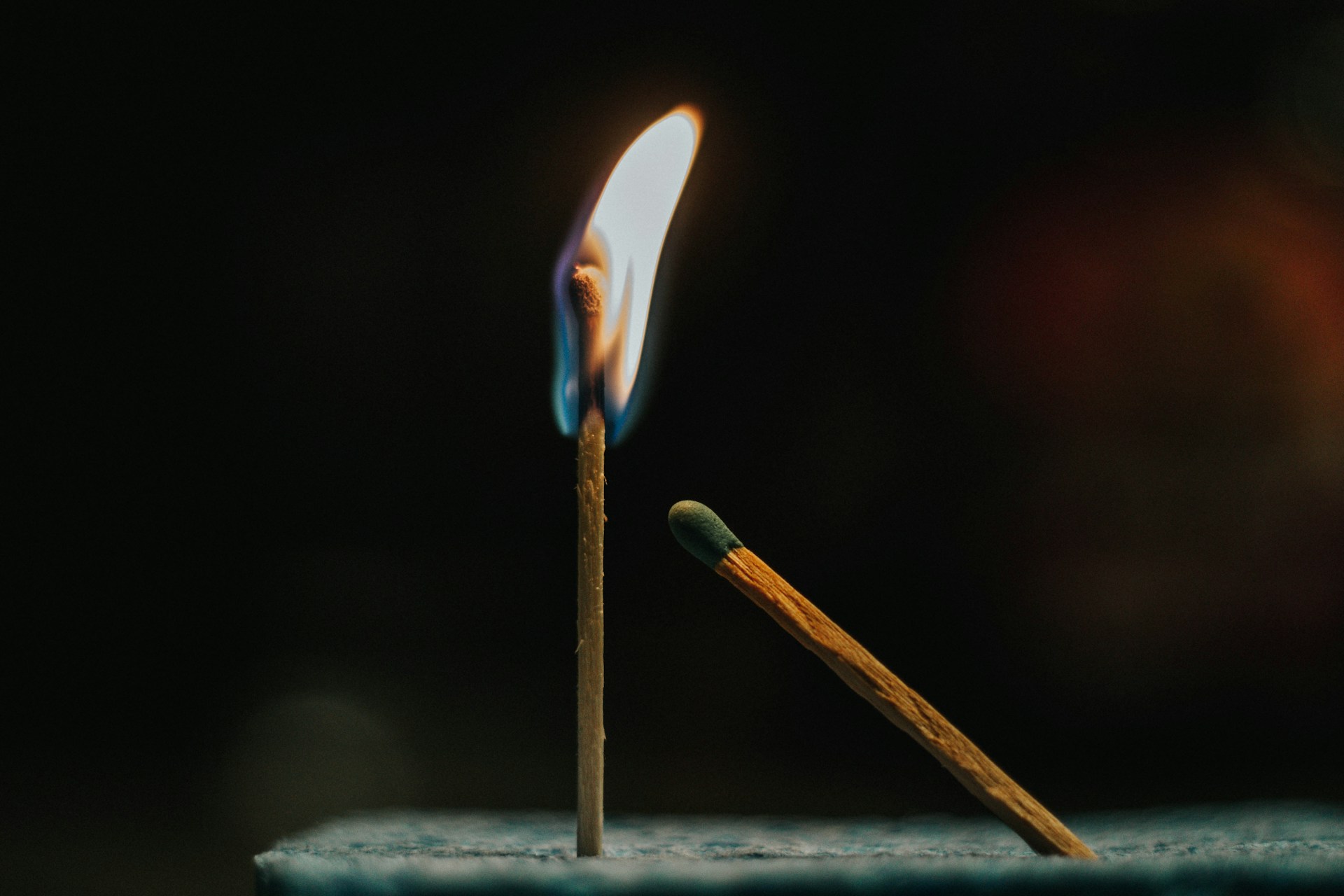
Fire existed for thousands of years before someone figured out how to start one with a simple stick. English chemist John Walker created the first friction matches in 1826 when a chemical mixture on the end of a stirring stick accidentally ignited after scraping against his floor.
He sold his matches in a pharmacy but never patented the invention, so others copied and improved his design. Early matches were dangerous and sometimes exploded unexpectedly.
Modern safety matches only light when struck against a special surface, making them much less likely to catch fire in someone’s pocket.
Potato Chips
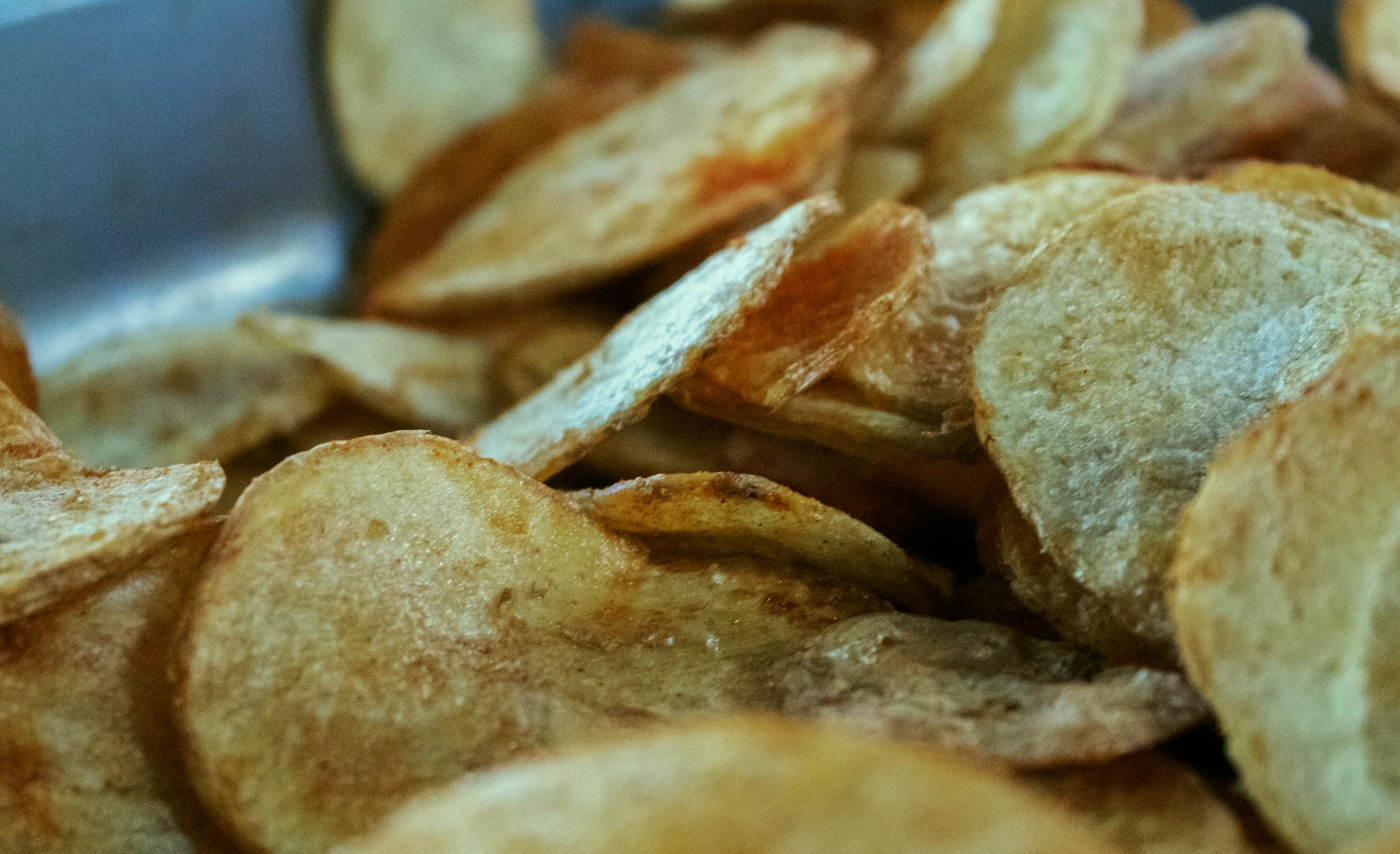
A customer at a restaurant in Saratoga Springs, New York kept sending his fried potatoes back to the kitchen in 1853, complaining they were too thick and soggy. Chef George Crum got annoyed and decided to spite the picky diner by slicing potatoes paper-thin and frying them until they were too crispy to eat with a fork.
The customer loved them. Other diners started requesting the crispy potatoes, and Crum’s accidental creation became a restaurant specialty.
Potato chips eventually moved from fancy restaurants to grocery store shelves, becoming one of America’s favorite snacks.
Scotchgard
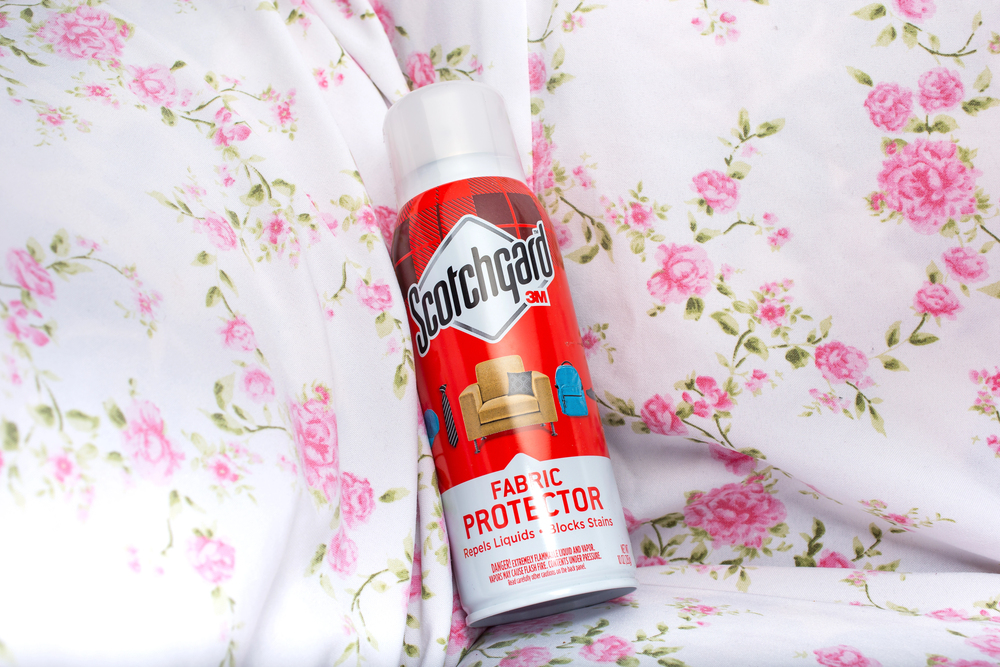
A lab assistant at 3M dropped a bottle of synthetic rubber in 1952, and it splattered all over her new tennis shoes. The substance wouldn’t come off no matter how hard she scrubbed, but it also kept her shoes remarkably clean.
Chemist Patsy Sherman realized they had accidentally created a powerful repellent that could protect fabrics from stains. 3M developed Scotchgard as a spray-on protector for furniture, carpets, and clothing.
The accidental spill turned into a product that saved countless couches from spills and stains over the decades.
Silly Putty
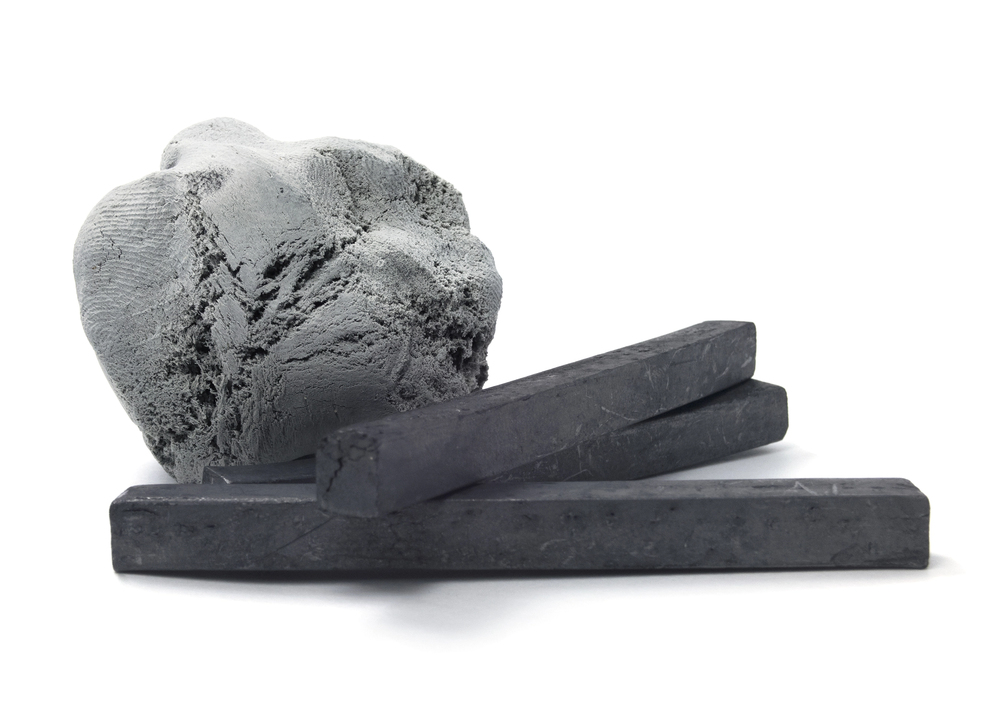
Engineers during World War II tried to create synthetic rubber to replace the natural rubber that was in short supply. James Wright at General Electric mixed boric acid and silicone oil, creating a substance that bounced, stretched, and copied newsprint when pressed against it.
The military had no use for it since it fell apart under stress. A toy store owner saw potential in the weird substance and packaged it in plastic eggs for Easter in 1950.
Kids loved playing with the stretchy, bouncy putty, and it became a classic toy despite being a failed rubber experiment.
Microwave Ovens
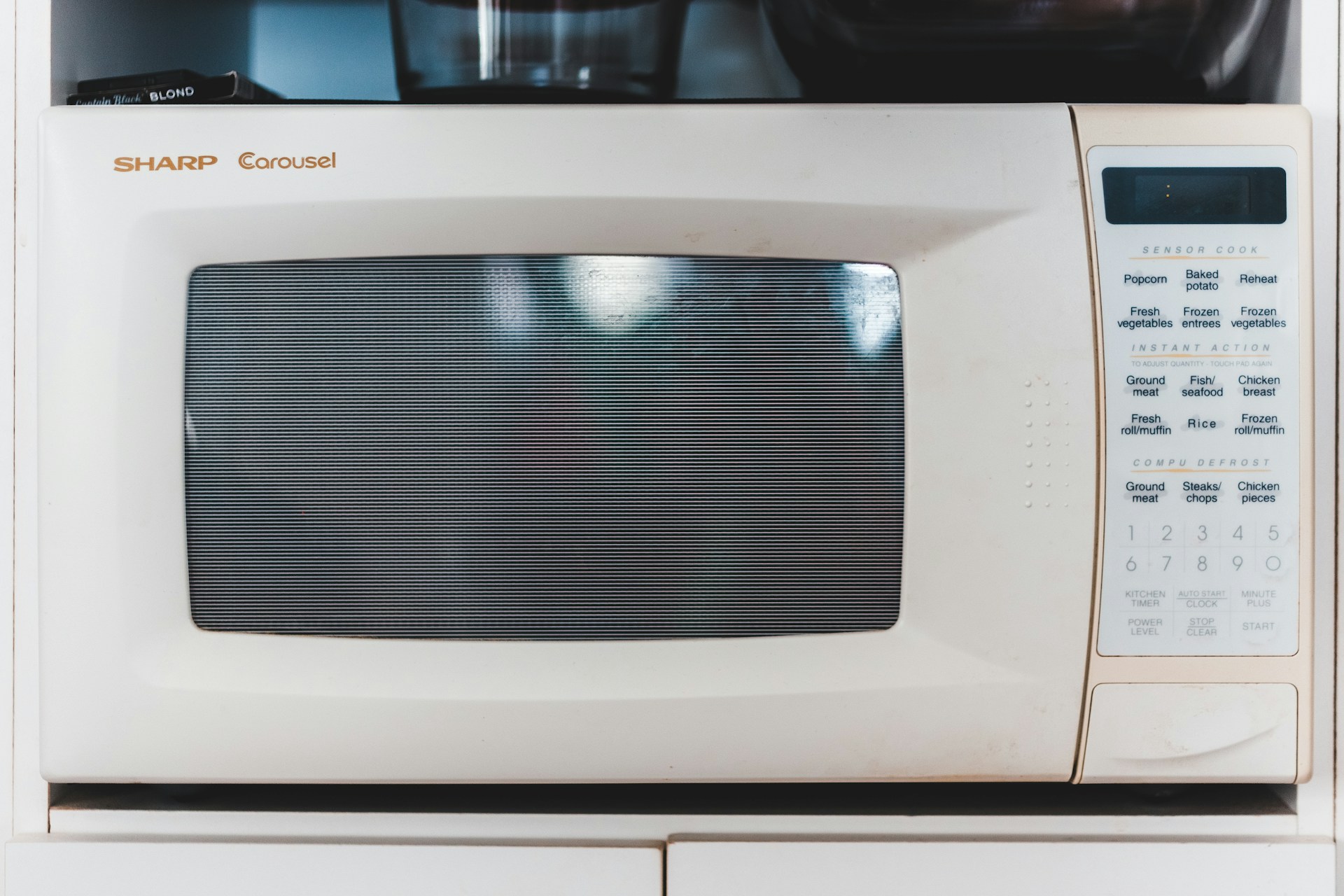
Percy Spencer worked on radar technology for Raytheon in 1945 when he noticed a chocolate bar in his pocket had melted while standing near a magnetron. He tested the magnetron on popcorn kernels, which popped.
Then he tried an egg, which exploded. Spencer realized the magnetron’s electromagnetic waves could heat food quickly and built a metal box to contain the energy.
The first commercial microwave ovens stood nearly six feet tall and cost thousands of dollars. Decades of improvements shrunk them down and dropped the price, making them standard in most kitchens today.
Slinkies
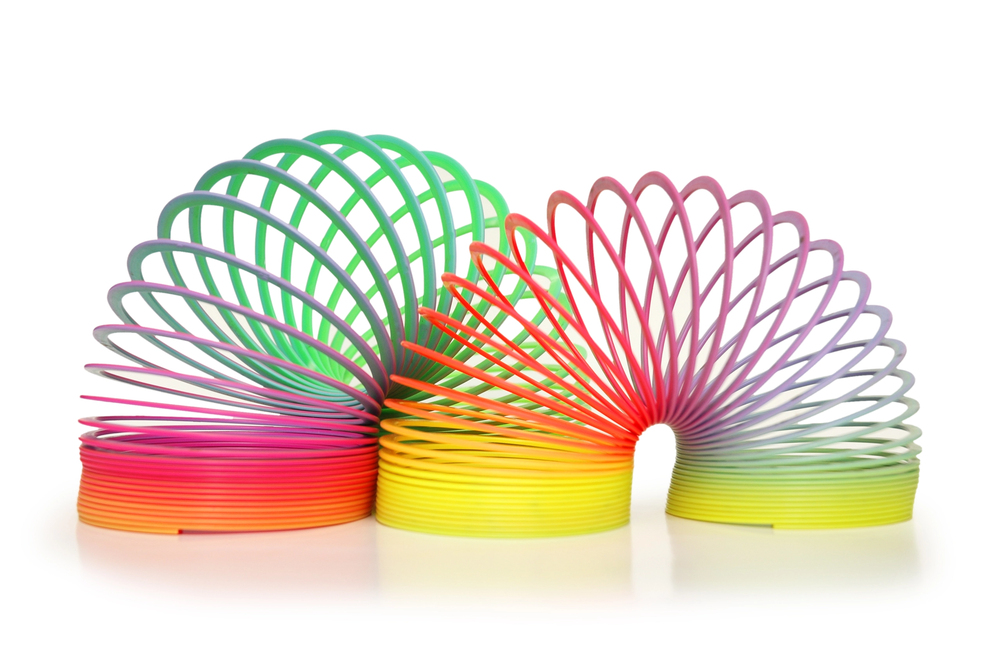
Naval engineer Richard James worked on springs that could stabilize sensitive ship equipment in rough seas. He knocked one of his tension springs off a shelf in 1943 and watched it ‘walk’ down a stack of books and across the floor.
He took the spring home and showed his wife Betty, who came up with the name Slinky. They demonstrated it at a department store in Philadelphia where 400 sold in 90 minutes.
The simple toy has barely changed since then, still walking down stairs and flipping end over end with that satisfying metallic sound.
Safety Pins
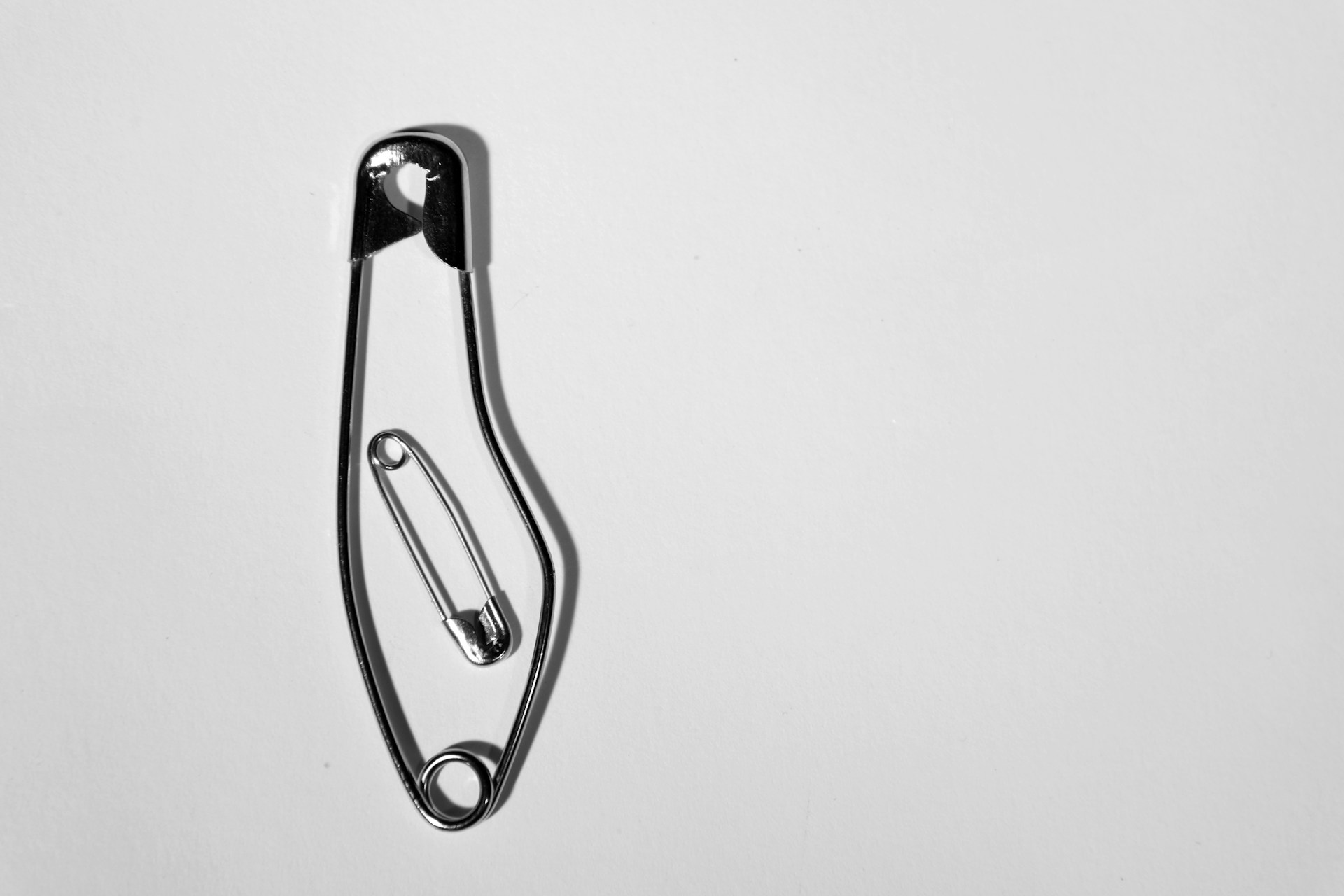
Walter Hunt owed someone money in 1849 and needed to come up with cash quickly. He twisted a piece of wire for hours while thinking about the problem and eventually created a clasp that would hold fabric together without stabbing whoever wore it.
The design included a spring mechanism and a protective sheath that caught the sharp point. He sold the patent for a few hundred dollars to pay off his debt, not realizing the safety pin would become indispensable for generations.
The simple design hasn’t changed much in nearly 200 years because it works perfectly as is.
Champagne
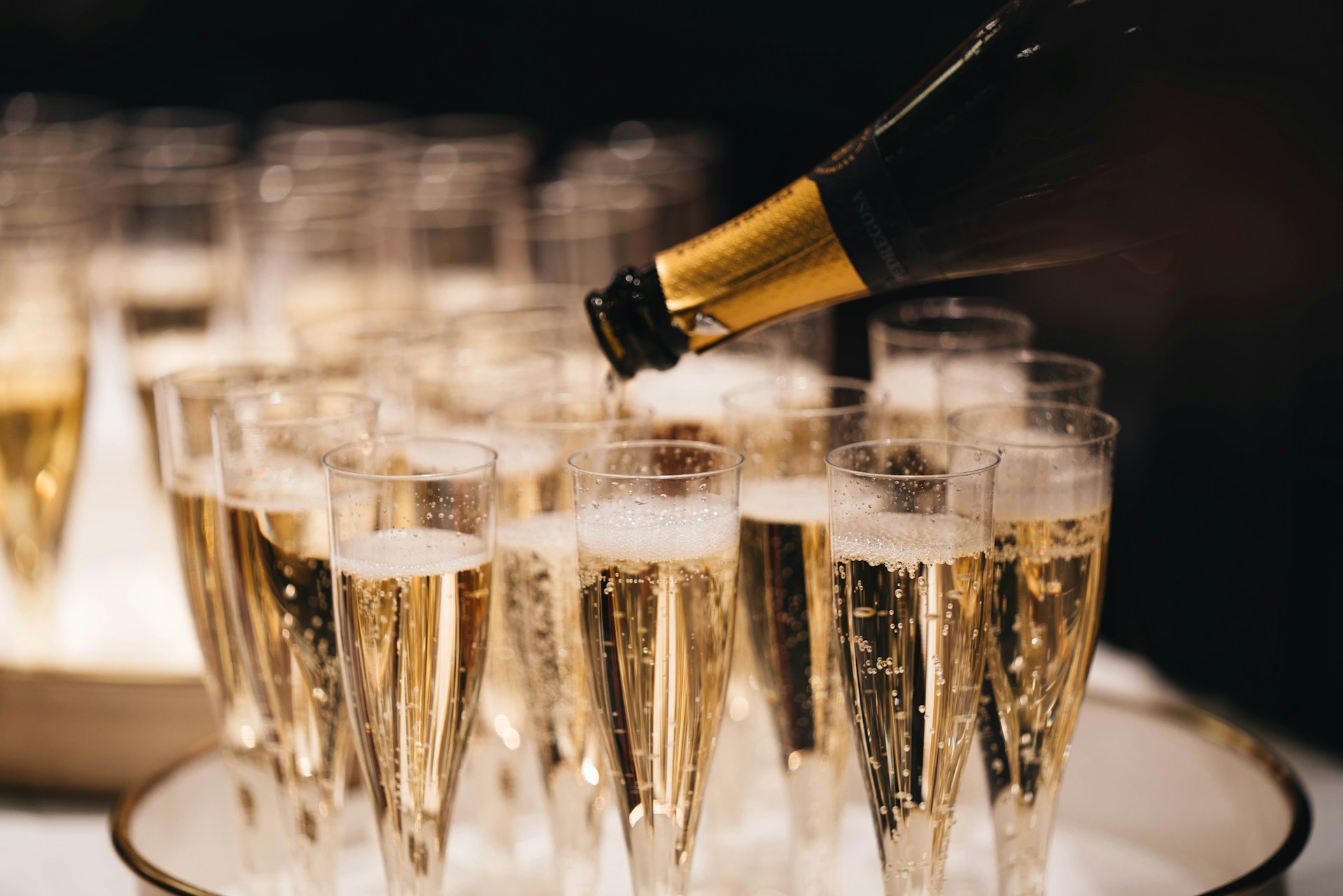
Wine makers in France’s Champagne region considered bubbles in wine a serious flaw caused by fermentation restarting in the bottle. Monk Dom Pérignon supposedly spent years trying to prevent wine from getting fizzy in the late 1600s.
Eventually, producers figured out how to control the carbonation process and create consistent bubbles. What started as a defect to fix became a luxury beverage for celebrations.
The accidental fizz turned into an entire industry based around popping corks and toasting special occasions.
Popsicles
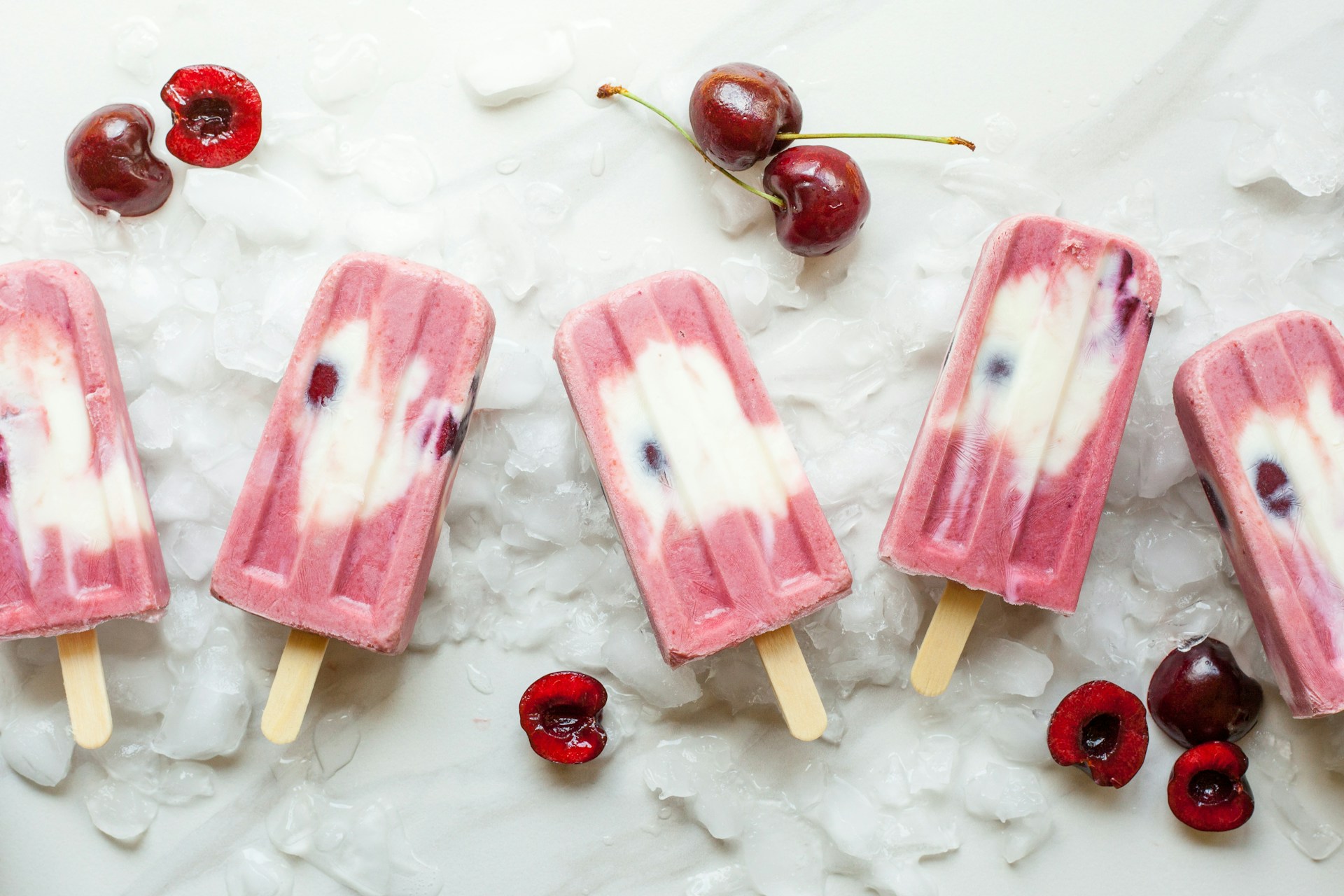
Frank Epperson mixed soda powder with water on his porch in San Francisco in 1905 when he was just 11 years old. He left the mixture outside overnight with the stirring stick still in it, and temperatures dropped below freezing.
He woke up to find his drink frozen solid around the stick. Epperson initially called his creation the Epsicle, but his kids called it Pop’s sicle since their dad made it.
He started selling them at an amusement park, and the frozen treat became a summer staple. One forgetful kid accidentally invented a snack that cooled down generations of people on hot days.
Band-Aids
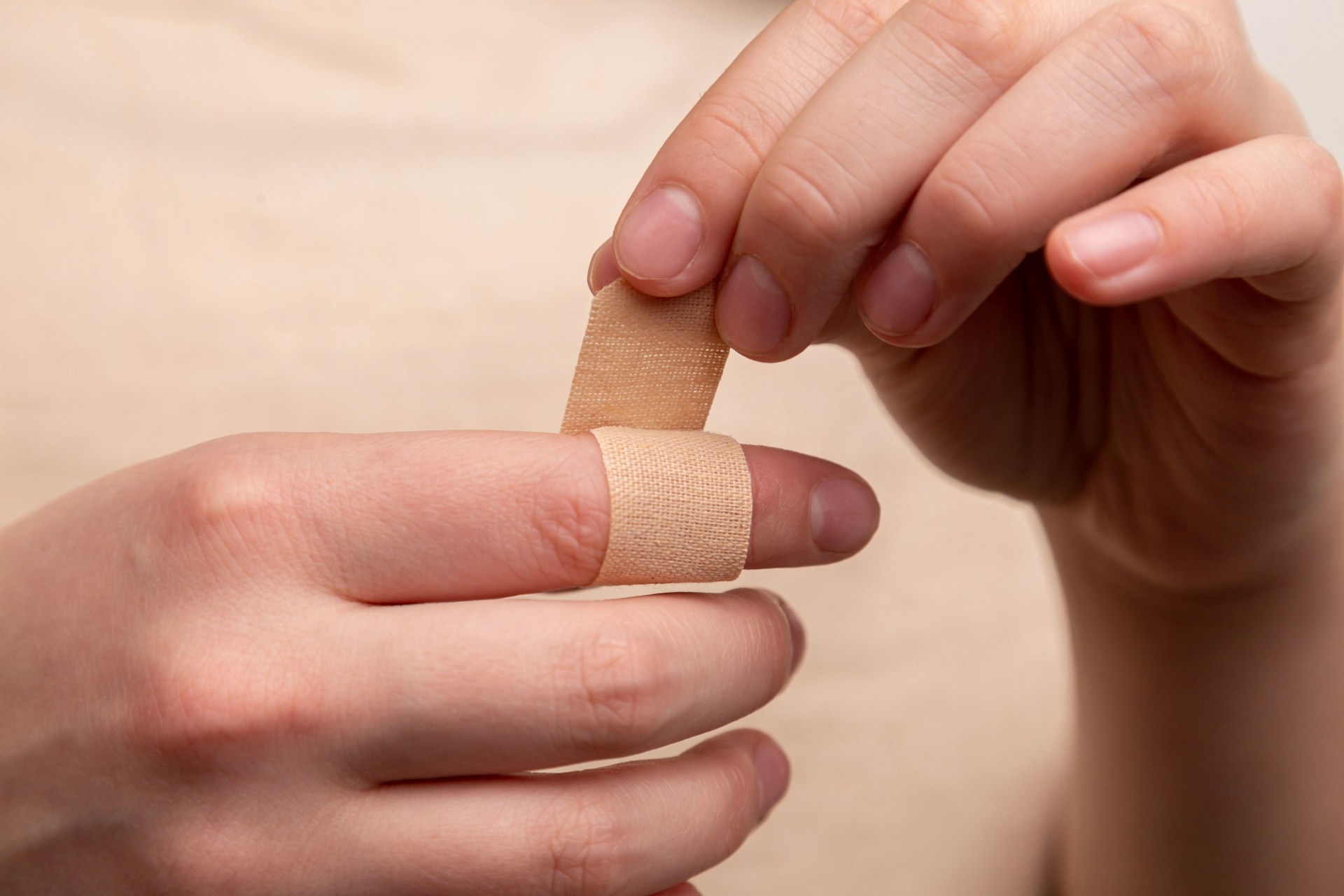
Earle Dickson worked for Johnson & Johnson in the 1920s, and his wife Josephine frequently cut herself while cooking. Regular bandages were large, awkward, and hard to apply to small cuts.
Dickson stuck small pieces of gauze in the center of adhesive tape strips and covered them with fabric so his wife could easily treat her own minor injuries. He showed his invention to his boss, who recognized the potential for mass production.
Band-Aids became essential in medicine cabinets everywhere, saving people from wrapping entire hands when they just needed to cover a small scrape.
Where accidents meet genius

These everyday items prove that innovation doesn’t always come from careful planning and research. Sometimes it happens when experiments fail, when engineers get bored, or when someone simply pays attention to accidents instead of cleaning them up.
The objects that fill homes and pockets today often started as mistakes, side projects, or solutions to completely different problems than they eventually solved. Each item represents someone who looked at a failure or accident and saw possibility instead of just a mess.
Those moments of curiosity and creativity turned ordinary materials into products that millions of people now use without thinking twice about the strange, funny, or completely random ways they came to exist.
More from Go2Tutors!

- The Romanov Crown Jewels and Their Tragic Fate
- 13 Historical Mysteries That Science Still Can’t Solve
- Famous Hoaxes That Fooled the World for Years
- 15 Child Stars with Tragic Adult Lives
- 16 Famous Jewelry Pieces in History
Like Go2Tutors’s content? Follow us on MSN.