15 Modern Traditions That Began as Marketing Stunts
We often think of traditions as something that’s been around forever—deeply rooted in history or culture. But a surprising number of modern customs started much more recently, born out of clever marketing ideas rather than ancient practices. These traditions didn’t just appear by chance; companies and marketers created them to boost sales, get attention, or encourage certain behaviors. Over time, many of these marketing stunts stuck and became part of how we celebrate and live.
Here is a list of 15 modern traditions that surprisingly started as marketing stunts, showing how much influence advertising and promotion have on the customs we now take for granted.
Valentine’s Day and Greeting Cards
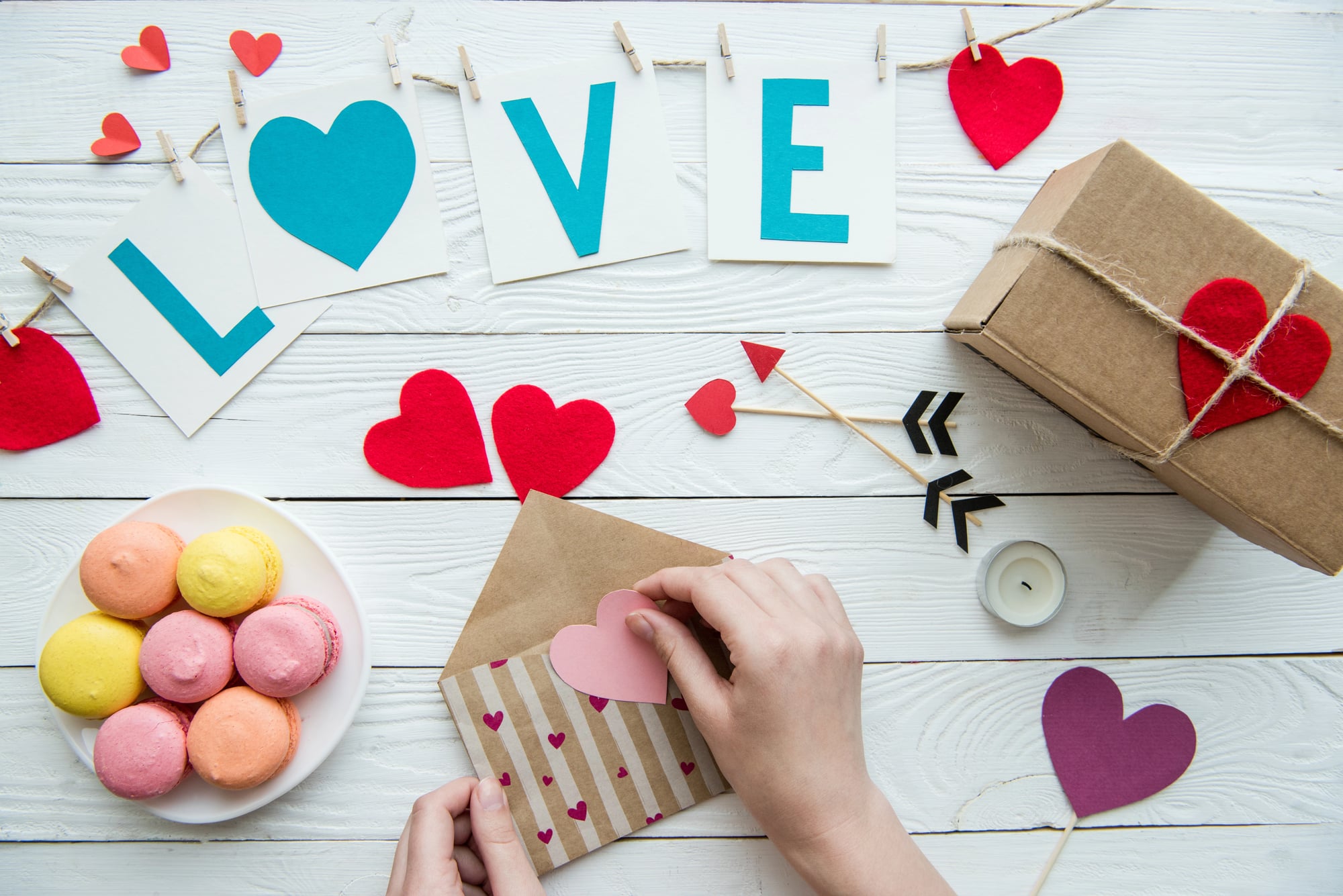
Valentine’s Day has ancient origins, but the modern way we celebrate it—with mass-produced greeting cards—was shaped by savvy marketers. In the mid-1800s, printing technology made it cheaper to produce cards, and companies pushed the idea that sending a Valentine was the perfect way to express love.
This commercial angle turned a once modest tradition into a booming industry. Today, Americans buy hundreds of millions of cards annually, making Valentine’s Day one of the biggest card-selling holidays, all thanks to marketing efforts that made card-sending a must-do ritual.
Black Friday Shopping Frenzy
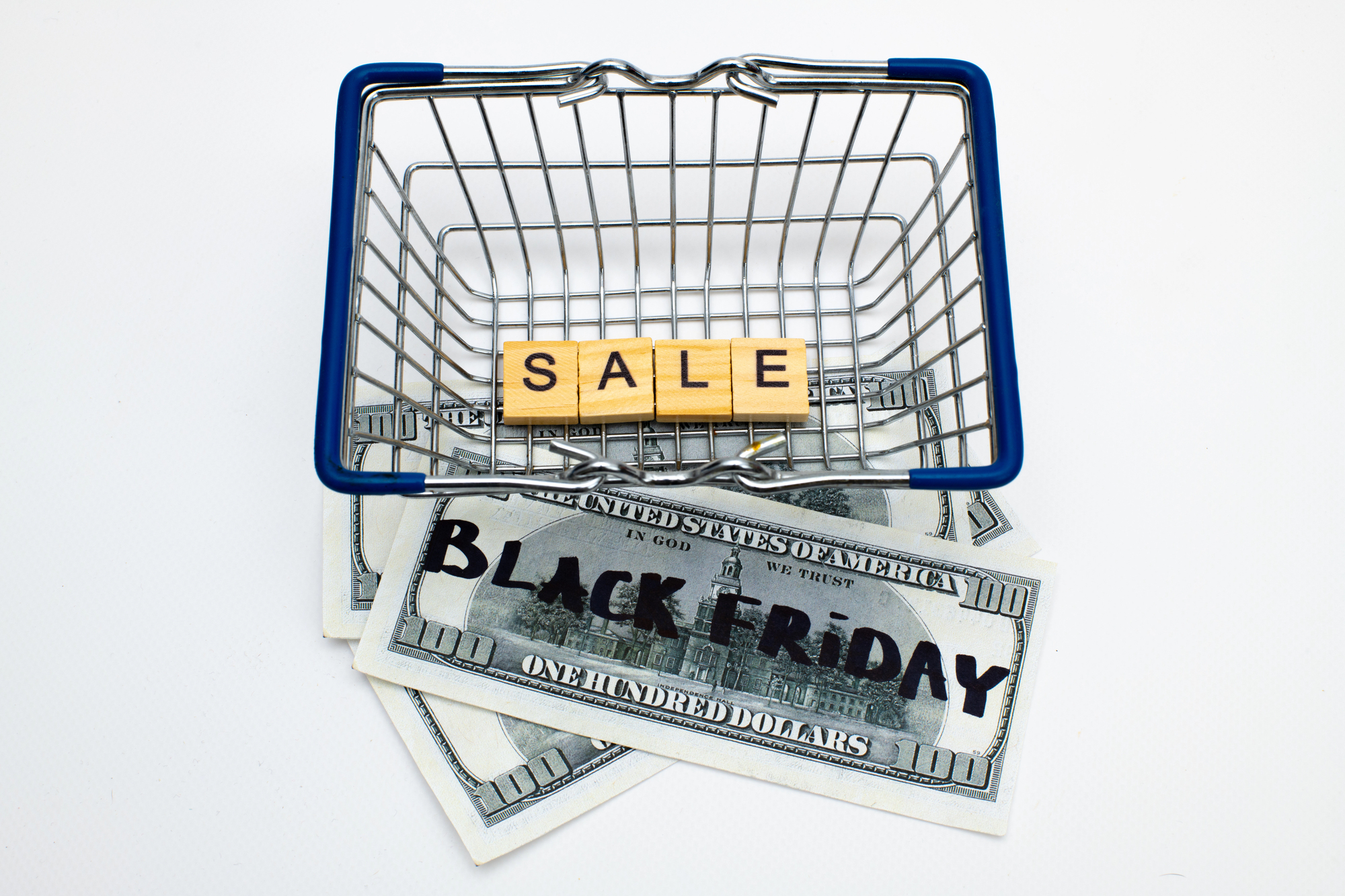
Black Friday as we know it is a retailer’s dream come true. The term was originally coined by police in Philadelphia in the 1960s to describe the chaos of shoppers after Thanksgiving.
Retailers soon reclaimed the phrase and turned it into a positive marketing tool to mark the official start of the holiday shopping season. What followed was a tradition of door-crashing deals, early store openings, and intense sales promotions.
Halloween Candy Buying
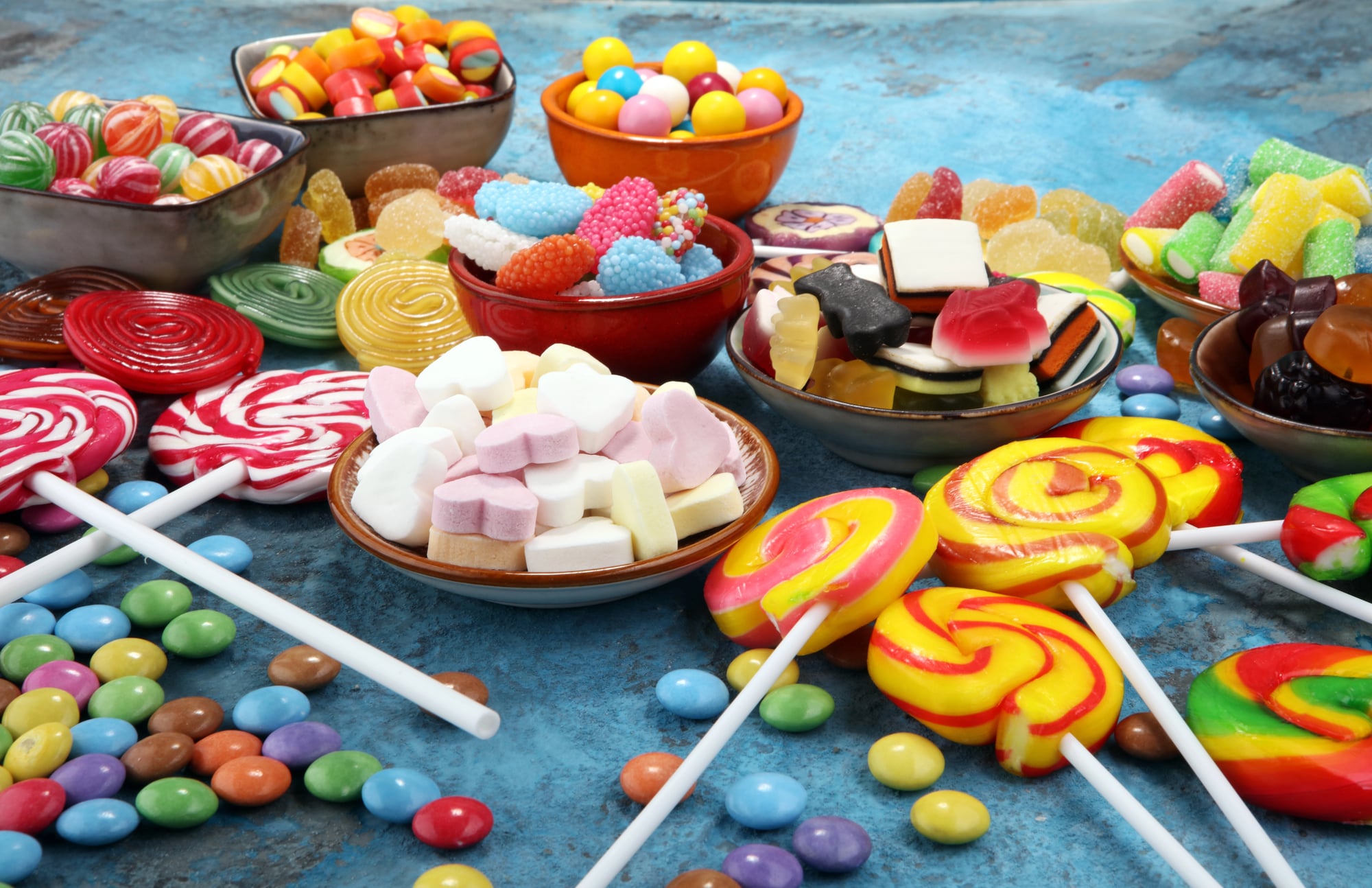
Trick-or-treating wasn’t always about candy. In the early days, children often asked for fruit, nuts, or pennies.
The massive candy-buying tradition really took off in the 1950s when candy companies pushed sweets as the ideal treat for kids. As television ads and product placements increased, candy became synonymous with Halloween.
April Fools’ Day Pranks
April Fools’ Day was traditionally a low-key day for pranks, but the media turned it into a major event by staging elaborate hoaxes. Newspapers, TV shows, and later websites used April 1 to release fake news stories or outrageous claims, grabbing headlines and audience attention.
This media involvement made April Fools’ Day a widely anticipated occasion for jokes and hoaxes. Advertisers soon caught on, using pranks and fake product launches as a way to promote their brands with humor and surprise.
Mother’s Day Gift Giving

Mother’s Day started as a simple way to honor moms, but it quickly became a holiday tied to spending, thanks in large part to florists and card makers. Anna Jarvis, who helped found Mother’s Day in the early 1900s, originally wanted it to be a quiet day of reflection.
However, businesses saw an opportunity and promoted flowers, cards, and gifts as the go-to ways to show love. This marketing push created a spending tradition that’s now worth billions every year, with consumers eager to buy tokens of appreciation.
Christmas Trees in Stores

Putting up Christmas trees was once just a home tradition, but retailers turned it into a marketing tactic to boost holiday spirit and spending. In the late 1800s and early 1900s, stores began decorating with trees and lights to attract shoppers.
The festive look encouraged people to linger longer and spend more, making the Christmas tree a symbol not just of the holiday but also of seasonal shopping. This tradition created a cozy, welcoming atmosphere that’s now standard in malls and shops every December.
New Year’s Resolutions and Fitness

The idea of starting fresh with New Year’s resolutions is ancient, but the focus on fitness and dieting got a big boost from marketing. Gyms, diet companies, and wellness brands saw January as the perfect time to pitch their services.
They turned resolutions into a huge business opportunity by offering memberships, programs, and products that promise a healthier lifestyle. This push helped cement the tradition of signing up for gym memberships or buying workout gear right after the calendar flips to a new year.
Easter Bunny and Candy Sales
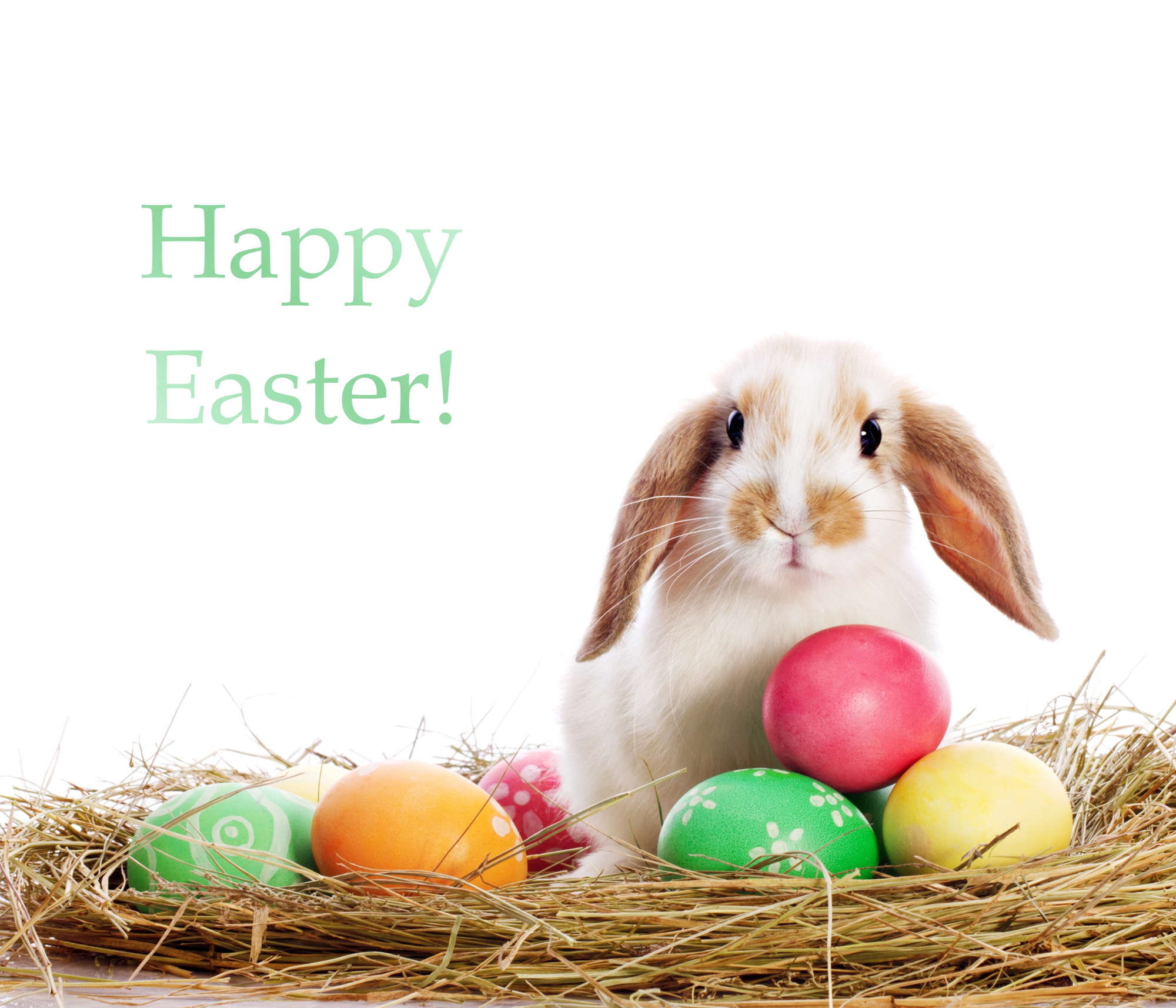
The Easter Bunny is a charming symbol today, but its rise in popularity closely tracks with candy marketing. Chocolate companies and candy makers promoted the bunny as the perfect mascot to sell chocolate eggs, marshmallow treats, and other sweets.
Starting in the early 1900s, they created advertising campaigns that linked the bunny with the joy of Easter celebrations, turning the holiday into a candy-driven event. Today, Easter is a major candy-selling season, with colorful baskets and sweet treats as a central part of the celebration.
Father’s Day Tool Gifts
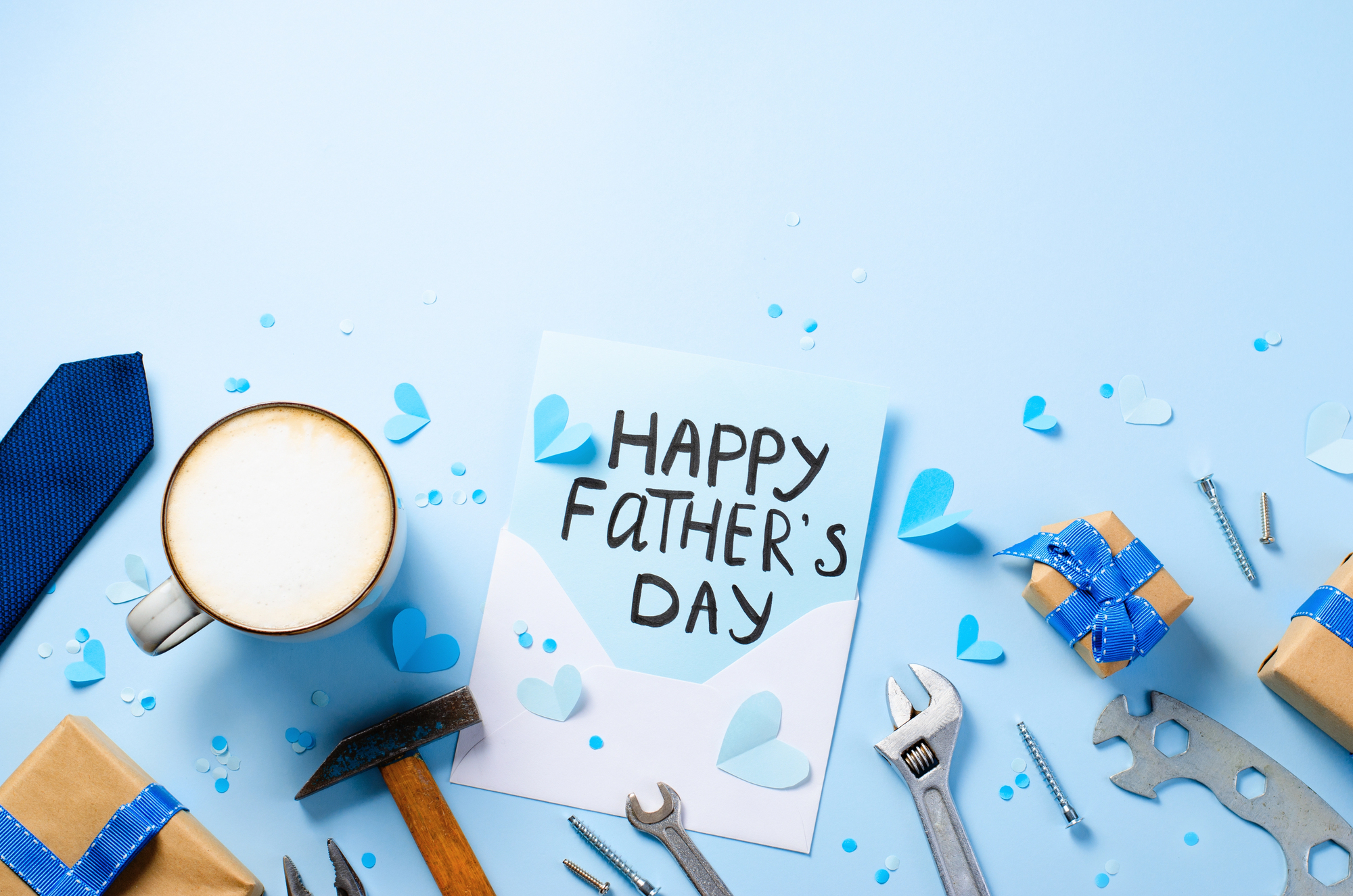
Father’s Day gift-giving took a sharp turn thanks to tool manufacturers and retailers who marketed tools and gadgets as ideal gifts for dads. In the mid-20th century, these companies pushed the idea that the way to show appreciation was through practical gifts like power tools or grilling gear.
This marketing angle helped shape the holiday’s identity and boosted sales of these products, making them the go-to presents every June.
Groundhog Day Media Buzz
Groundhog Day was a relatively obscure local tradition until media companies saw its potential. Starting in the mid-20th century, TV stations began broadcasting the event live, turning it into an annual spectacle.
This media attention made Groundhog Day a quirky but beloved tradition watched by millions. Clever marketing and coverage turned a simple weather prediction into a nationally recognized and commercially beneficial celebration.
Black Friday Doorbusters

Doorbuster deals became a must-see event created to generate excitement and crowds. Retailers promote limited quantities of heavily discounted products that encourage shoppers to arrive early and compete for bargains.
These deals create a sense of urgency and excitement around Black Friday shopping, turning it into a high-stakes tradition where consumers expect to score big savings, all driven by marketing that thrives on scarcity and hype.
Giving Thanks with Pumpkin Pie

Pumpkin pie has been a Thanksgiving staple for a long time, but the tradition of eating canned pumpkin pie was pushed heavily by food companies. In the early 20th century, brands like Libby’s promoted canned pumpkin as an easy, tasty ingredient.
Their advertising helped standardize pumpkin pie as the iconic Thanksgiving dessert, making it an essential part of holiday meals across the U.S. This marketing success story turned a seasonal treat into a nationwide symbol.
St. Patrick’s Day Green Beer

The idea of drinking green beer on St. Patrick’s Day didn’t come from Irish tradition but from American bars and breweries looking to boost sales on March 17th. By dyeing beer green, bars made the holiday feel more festive and fun, attracting crowds eager to join the celebration.
This marketing gimmick quickly caught on and became a widely recognized part of St. Patrick’s Day festivities, especially in the U.S.
Super Bowl Commercials
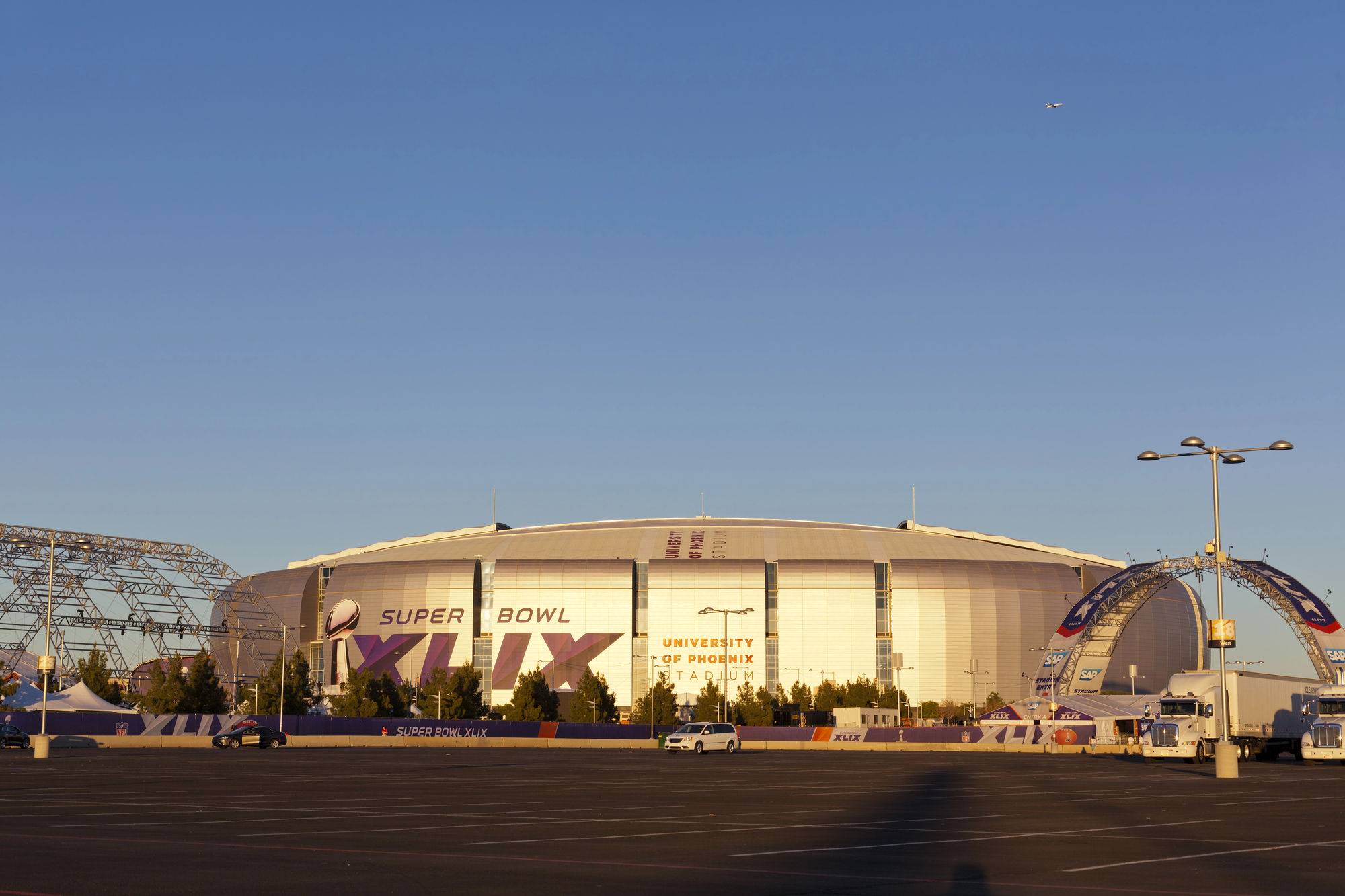
The Super Bowl became as famous for its commercials as for the football game itself. Advertisers saw the massive audience as a prime opportunity to debut high-budget, creative ads.
Over time, these commercials became a tradition, with viewers eagerly awaiting the next big campaign. This marketing evolution turned watching ads into entertainment, making the Super Bowl a unique event where commercials are part of the celebration.
Mother’s Day Brunch Boom
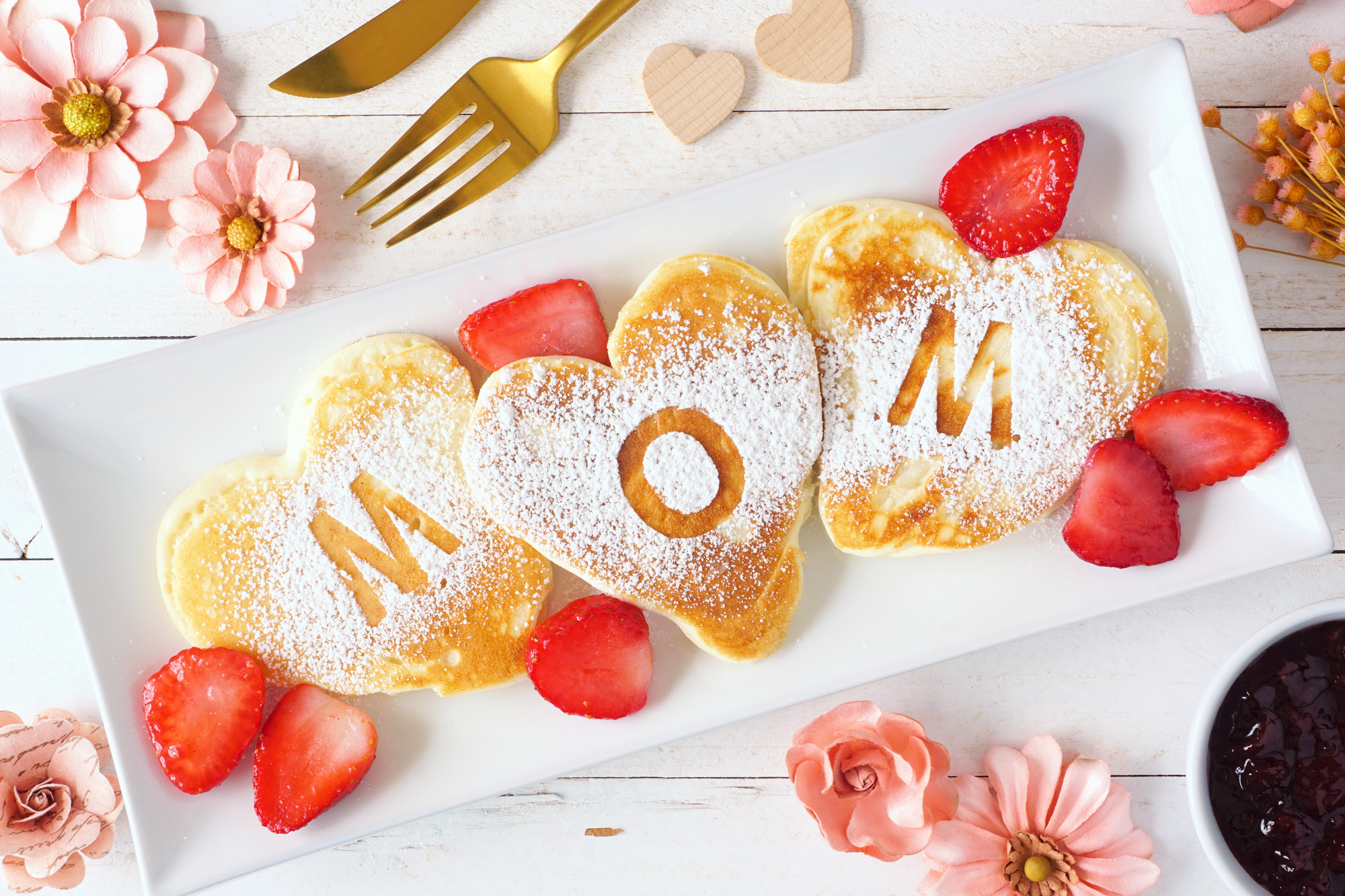
Mother’s Day brunches became popular because restaurants recognized the chance to attract families celebrating moms. Special menus and promotions made brunch an appealing way to honor the day.
This marketing push helped make brunch outings a key part of the holiday, turning what was once a simple meal into a widely enjoyed tradition that combines celebration with delicious food.
When Marketing Becomes Tradition
What’s clear is that many of the customs we enjoy today were born from the world of marketing rather than ancient culture or long-standing rituals. These clever campaigns didn’t just sell products—they shaped how we celebrate, what we eat, and even how we connect with loved ones.
In a way, marketing has woven itself into the fabric of modern life, turning clever sales tactics into meaningful traditions. That blend of creativity and commerce keeps these traditions alive, fun, and part of everyday life.
More from Go2Tutors!

- The Romanov Crown Jewels and Their Tragic Fate
- 13 Historical Mysteries That Science Still Can’t Solve
- Famous Hoaxes That Fooled the World for Years
- 15 Child Stars with Tragic Adult Lives
- 16 Famous Jewelry Pieces in History
Like Go2Tutors’s content? Follow us on MSN.