Why Apollo 12 Might Be NASA’s Most Underrated Mission
Most people think of Apollo 11 and its enormous leap for humanity when they think of the Apollo lunar landings. However, Apollo 12, the following mission, accomplished something even more subtly amazing.
It nearly crashed during launch, made a flawless landing, brought back a significant amount of scientific data, and paved the way for the most ambitious lunar research to date. Even so, Apollo 11’s notoriety frequently overshadows it.
In actuality, NASA transformed risk into dependability, chaos into calm, and exploration into science during Apollo 12. It demonstrated that man was capable of landing on the moon and that it wasn’t a one-off miracle.
Here are thirteen reasons why Apollo 12 is far more deserving of recognition than it typically receives.
A Stormy Launch That Nearly Ended the Mission

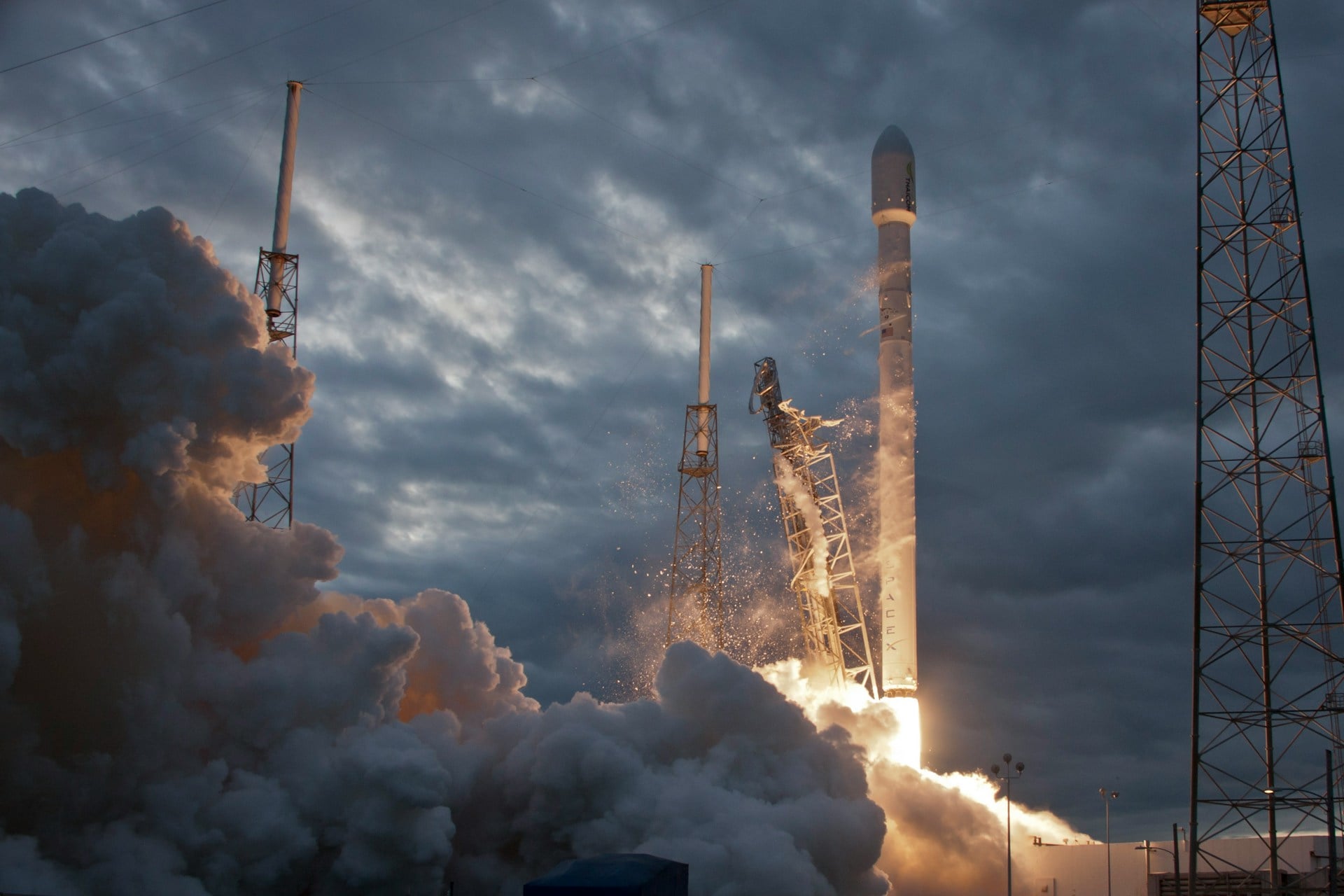
Launched on a rainy morning in November, Apollo 12’s Saturn V rocket pierced a storm cloud—and lightning struck. Twice.
Within seconds, the strikes knocked out fuel cell telemetry and shut down guidance systems. The cabin lights flickered off, alarms blared, and for a tense moment, everyone thought the mission was over before it even cleared the pad.
Then came a line that would become legend. Flight controller John Aaron’s command—‘Try SCE to AUX’—restored the spacecraft’s systems.
The mission carried on, saved by one of the coolest displays of problem-solving in NASA history. It was the moment that proved Apollo wasn’t just about bravery; it was about brains under pressure.
Landing with Pinpoint Accuracy

Unlike Apollo 11, which landed several miles off target, Apollo 12’s lunar module touched down just six hundred feet from the unmanned Surveyor III probe. This kind of precision had never been done before and changed the way NASA thought about exploration.
It proved astronauts could land exactly where scientists wanted them to go, opening the door for later missions to target craters, rilles, and highland regions packed with geological value. This wasn’t just a technological triumph—it was a turning point.
It showed the Moon could be approached with intent, not luck.
Visiting Surveyor III – A First of Its Kind

Once on the surface, astronauts Pete Conrad and Alan Bean made history again by walking over to the old Surveyor III probe. It had been sitting in the Moon’s Ocean of Storms since the late sixties, collecting dust and cosmic punishment.
The crew detached its camera and other parts, carefully bringing them back to Earth. Scientists later examined how years of lunar exposure affected the materials—radiation, temperature extremes, and micrometeorite strikes had all left their mark.
It was the first experiment of its kind and gave engineers a rare look at long-term wear in space, shaping how future probes and rovers were built.
Deploying the Full ALSEP Package

Apollo 12 carried the first fully operational Apollo Lunar Surface Experiments Package, or ALSEP. This wasn’t a symbolic flag-and-footprints setup—it was a full research station.
Instruments measured moonquakes, heat flow, solar wind, and magnetism, transmitting data to Earth for years after the mission ended. It turned the Moon into a living laboratory, providing a scientific return unmatched by any previous mission.
The data would help shape theories about how the Moon cooled, how it formed, and how its surface reacted to solar radiation. Apollo 12 quietly laid the groundwork for decades of planetary science.
The Moon That ‘Rang Like a Bell’
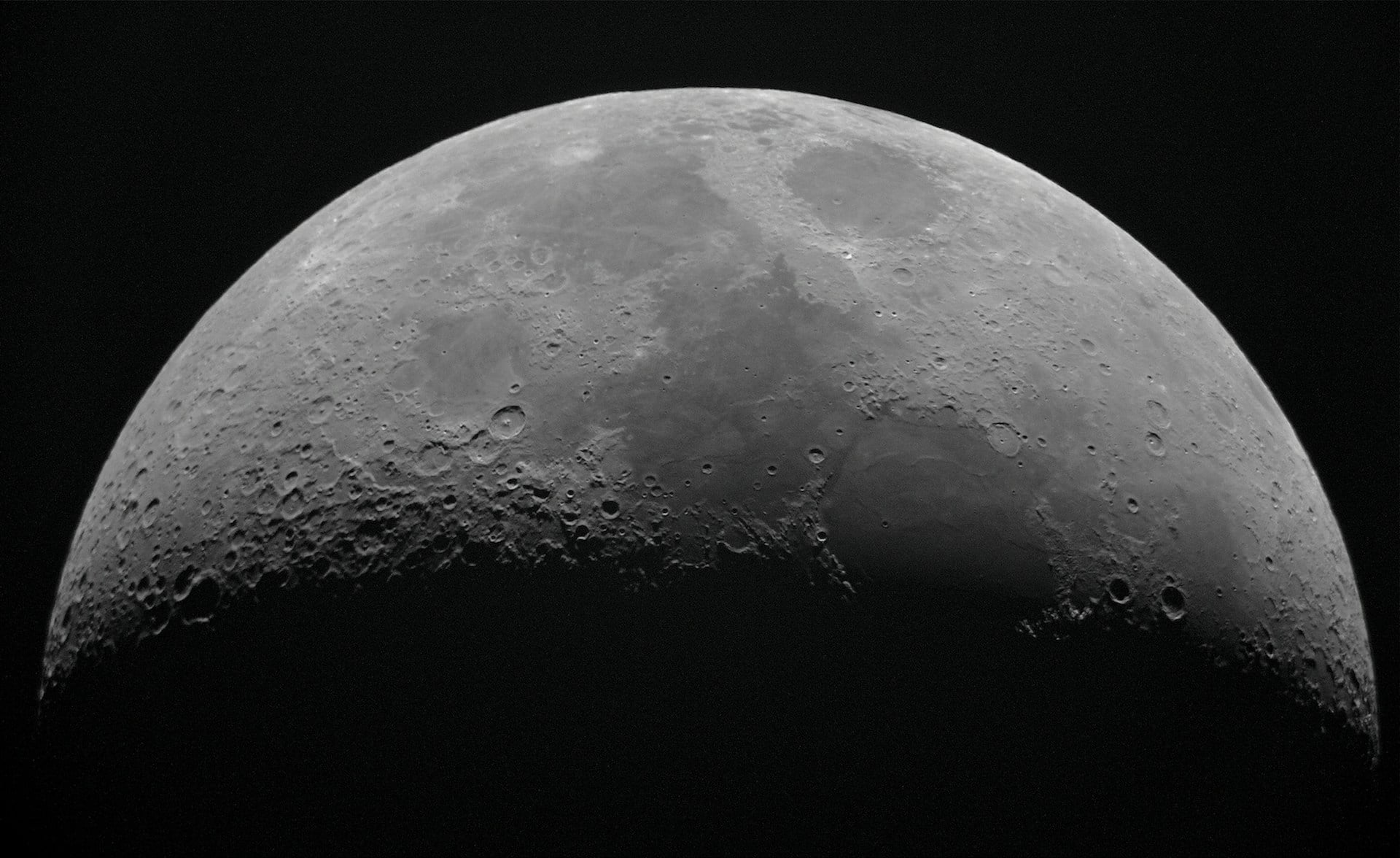
After the astronauts left lunar orbit, NASA intentionally crashed the ascent stage of their lunar module into the surface. The resulting impact sent seismic waves rippling through the Moon’s crust.
Instruments recorded vibrations that lasted nearly an hour, prompting scientists to describe it as ‘ringing like a bell.’ The phrase became iconic—and the data was even more valuable.
It revealed that the Moon’s interior was dry, fractured, and far less dense than Earth’s. That one experiment changed the way scientists viewed not just the Moon, but rocky worlds in general.
Real Evidence of Moonquakes
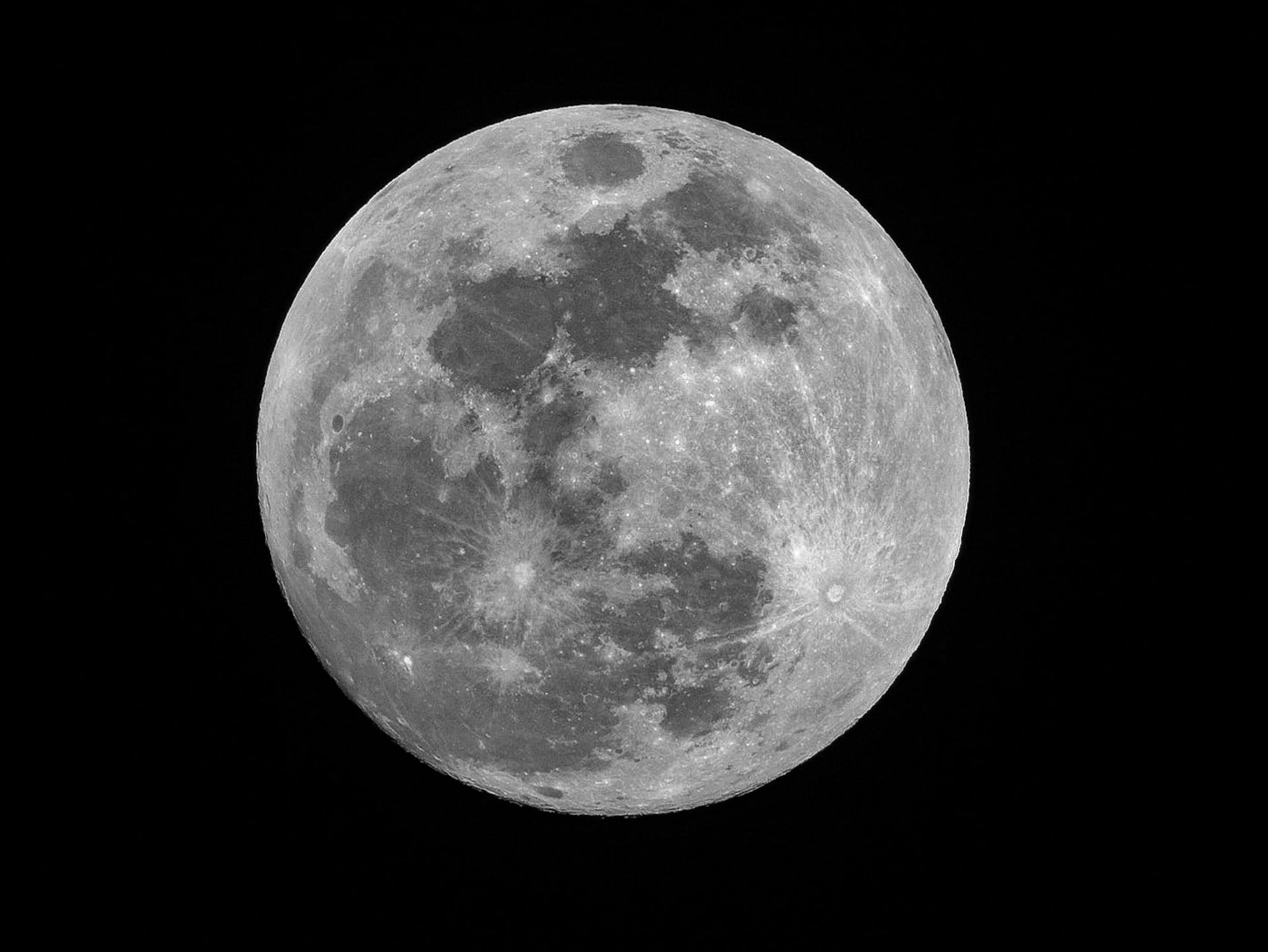
The seismometer Apollo 12 left behind continued to record natural lunar tremors for years. These so-called moonquakes proved the Moon wasn’t completely inert—it still experienced internal stress, possibly from tidal forces or the impact of temperature changes.
The data provided the first clear signs that the Moon was geologically active in subtle ways. It helped scientists refine models of the Moon’s interior, creating a clearer picture of its mantle and core.
Mapping Magnetic Anomalies

The magnetometer readings from Apollo 12 offered one of the most surprising discoveries: the Moon had no global magnetic field like Earth’s, but it did have small patches of magnetized rock.
These anomalies told scientists that the Moon might once have had a molten core generating a magnetic field—one that eventually cooled and vanished. This realization reshaped theories of planetary evolution and even influenced how scientists study Mars and Mercury today.
Heat Flow Measurements That Still Matter
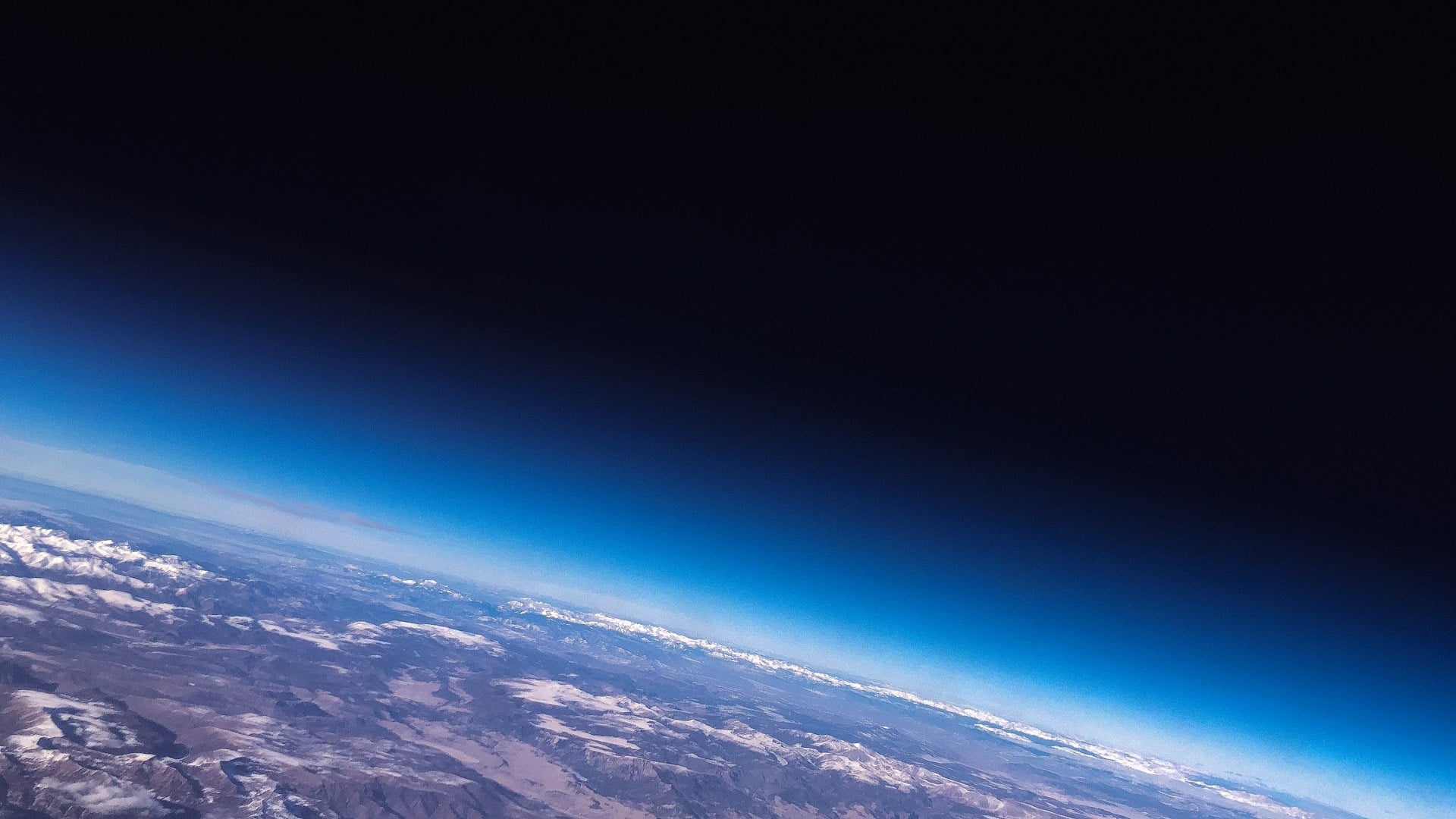
Apollo 12’s crew drilled pits into the lunar surface to measure heat escaping from below. The results were lower than expected, confirming that the Moon’s internal energy had dissipated long ago.
These findings proved that small celestial bodies lose heat quickly, influencing how scientists estimate the lifespans of planetary dynamos and volcanic activity elsewhere in the solar system.
Capturing the Solar Wind

In an elegantly simple experiment, Apollo 12 exposed sheets of aluminum foil to the Sun’s solar wind. When retrieved and returned to Earth, the foil contained noble gases like helium and neon—tiny fingerprints of the Sun’s composition.
It was the first direct collection of solar particles, pioneering a method still used today. It also gave researchers vital data about radiation exposure, helping design safer future missions.
Rock Sampling Levelled Up

Apollo 11 collected rocks. Apollo 12 collected history. The crew gathered more than seventy-five pounds of lunar material from a wider variety of locations, including volcanic basalts and breccias.
These samples revealed that parts of the Moon were shaped by ancient lava flows billions of years ago. They gave scientists a timeline of lunar volcanism and insight into the solar system’s early days.
The rocks from Apollo 12 are still studied today—half a century later.
Lunar Dust Lessons

The powdery lunar dust of Apollo 12 was far more than a nuisance. It clung to everything, scratched visors, and irritated noses.
But it also became one of the mission’s most important discoveries. Analysis showed that lunar dust was made of sharp-edged, glassy particles created by micrometeorite impacts.
It taught engineers that future explorers would need better filters, airlocks, and suit designs to survive long-term missions. The dusty chaos of Apollo 12 became the foundation for modern lunar habitat planning.
The Human Factor as Field Science

Apollo 12 marked the point when astronauts became scientists, not just pilots. Conrad and Bean had trained extensively in geology, and that training showed.
They made on-the-spot judgments about rock formations, documented their surroundings with precision, and adapted their plans as they learned more. Their fieldwork set the tone for future missions, proving that human intuition could outperform robotic precision in the right environment.
Building a Blueprint for Future Exploration

In the grand story of space exploration, Apollo 12 is the mission that made future success possible. It proved NASA could handle emergencies, land with accuracy, gather meaningful data, and bring it all home safely.
It showed that science and engineering could exist in harmony on the lunar surface. That template carried through Apollo 15’s mountain landings, the Mars rover programs, and even today’s Artemis missions.
Every success story since has a little bit of Apollo 12 in it.
Quiet Impact, Big Legacy
Apollo 12 frequently gets lost in the background because Apollo 11 had the spectacle and Apollo 13 had the drama. But if you look closely, you can see that the mission subtly changed lunar science and exploration tactics.
It raised the standard rather than merely repeating the first landing. The success of Apollo 12 served as a lesson for almost all subsequent major lunar or planetary missions.
Its impact was subtle, methodical, and brilliantly enduring, which is why we remember it less. Fame wasn’t necessary for Apollo 12 to have an impact because it changed the definition of “mission accomplished.”
More from Go2Tutors!

- The Romanov Crown Jewels and Their Tragic Fate
- 13 Historical Mysteries That Science Still Can’t Solve
- Famous Hoaxes That Fooled the World for Years
- 15 Child Stars with Tragic Adult Lives
- 16 Famous Jewelry Pieces in History
Like Go2Tutors’s content? Follow us on MSN.



