15 Most Loved Movie Franchises Ever
It lingers, that one film. Others sink deeper – they shift as you do, reappear when you least expect, carrying fresh meaning each time, opening doors to places you revisit without hesitation.
These series hold something rare. People gather around them, debating small moments, wearing costumes, waiting hours under darkened marquees.
The strongest? They greet you like someone you’ve known forever.
Something special happens when fans stick around. Sure, ticket sales pile up, movies keep coming, yet none of that explains why people care so much.
Feelings tie us to certain sagas – the way a scene lingers, how characters feel like old friends. These aren’t just series.
They became part of lives. Fifteen stand out – not because they lasted long, but because hearts followed.
Moments built meaning. Loyalty grew quiet, steady, real.
Star Wars
A galaxy far away still feels close because of how deeply one story took root. Back in nineteen seventy seven, a movie showed up that quietly rewrote the rules without asking permission.
Suddenly, space felt like a myth, not just science. Kids started humming Ben Burtt’s sound design before they knew who he was.
That hum became part of bedtime routines, schoolyard duels, weekend afternoons stuck on Tatooine skies. Some believed midi-chlorians explained life; others trusted instinct more than biology.
Blasters sparked arguments louder than explosions on screen. For decades, people kept returning – not just to theaters – but to childhood versions of themselves.
Out in distant galaxies, the story grew bigger than anyone first expected. Not everyone agreed on the prequels; some loved them, others did not.
Reactions poured in when new sequels arrived, loud and split down the middle. Then came shows – notably one about a lone warrior with a young charge – that reminded folks why they cared.
Still now, what holds it together is clear: sweeping tales among stars, warmed by feeling, wit, underlined by something bright that just won’t quit.
The Marvel Cinematic Universe
Building a connected universe across dozens of films seemed impossible until Marvel did it. Starting with Iron Man in 2008, the MCU slowly assembled a roster of heroes that culminated in Avengers: Endgame—a film that felt like the payoff to a decade of storytelling.
The franchise works because it balances spectacle with character. You care about Tony Stark’s journey.
You root for Steve Rogers. The Guardians of the Galaxy made audiences fall for a talking raccoon and a tree who only says three words.
That’s the trick: making you feel something while the buildings explode.
Harry Potter
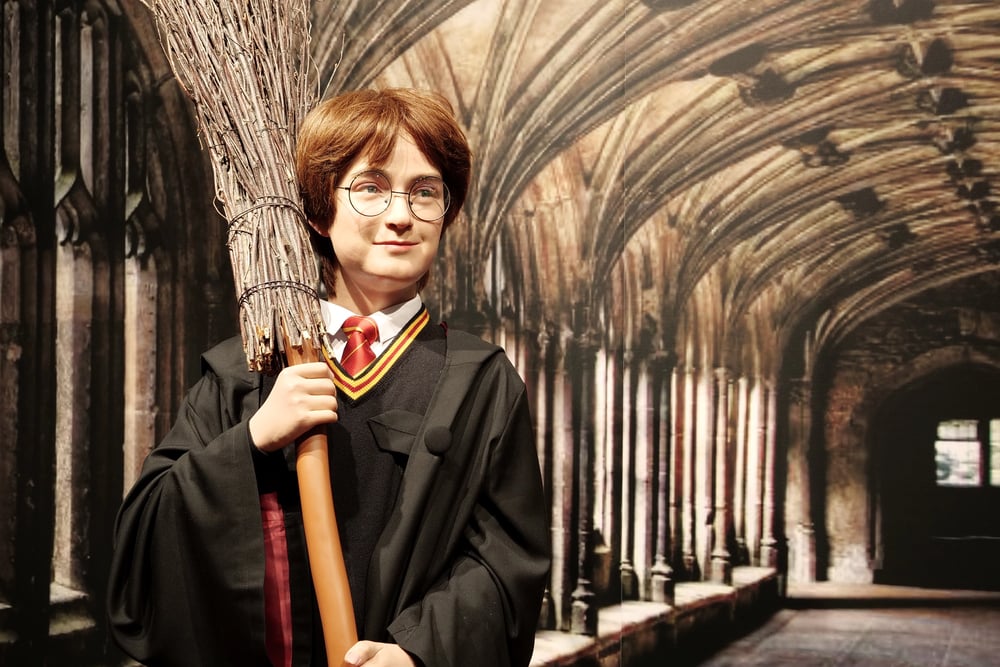
A generation learned to read with Harry Potter. The books came first, but the films turned Hogwarts into a place you could actually see—stone corridors, moving staircases, the Great Hall at Christmas.
Watching Daniel Radcliffe, Emma Watson, and Rupert Grint grow up on screen created something rare: a series where the characters aged alongside their audience.
The magic system, the houses, the creatures—all of it invited fans to imagine themselves inside that world. The Fantastic Beasts spinoffs haven’t captured the same magic, but the original eight films remain a comfort viewing for millions who still wait for their Hogwarts letters.
The Lord of the Rings
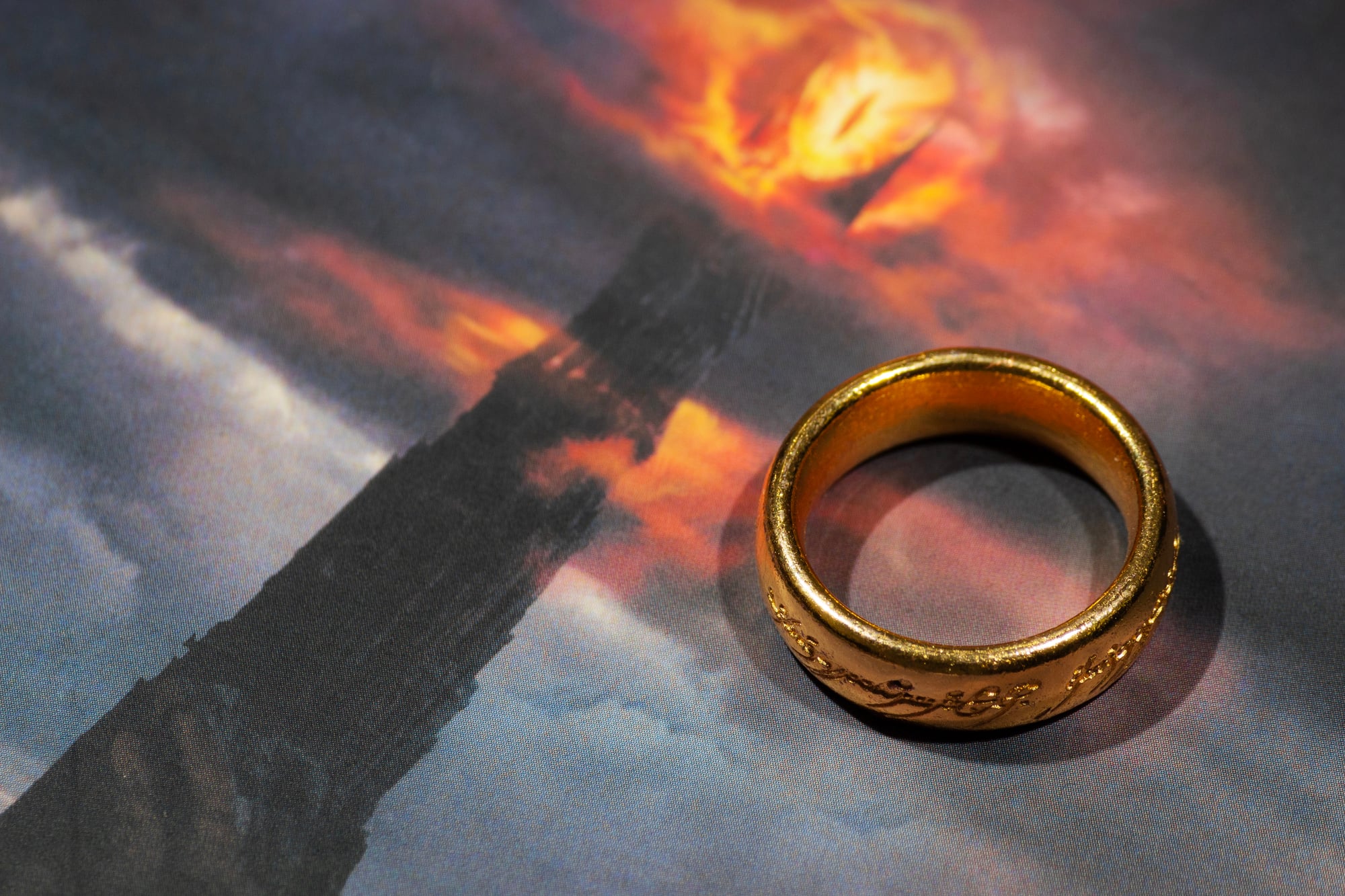
Peter Jackson’s trilogy proved that fantasy could be taken seriously as cinema. The scope was staggering: three films shot back-to-back in New Zealand, practical effects mixed with groundbreaking digital work, a commitment to Tolkien’s vision that bordered on obsessiveness.
The Fellowship of the Ring, The Two Towers, and The Return of the King swept through award seasons and captured audiences who had never read Tolkien. The Hobbit films that followed couldn’t quite recapture that lightning, but the original trilogy stands as one of the great achievements in filmmaking.
The extended editions alone run nearly twelve hours, and fans watch them gladly.
James Bond
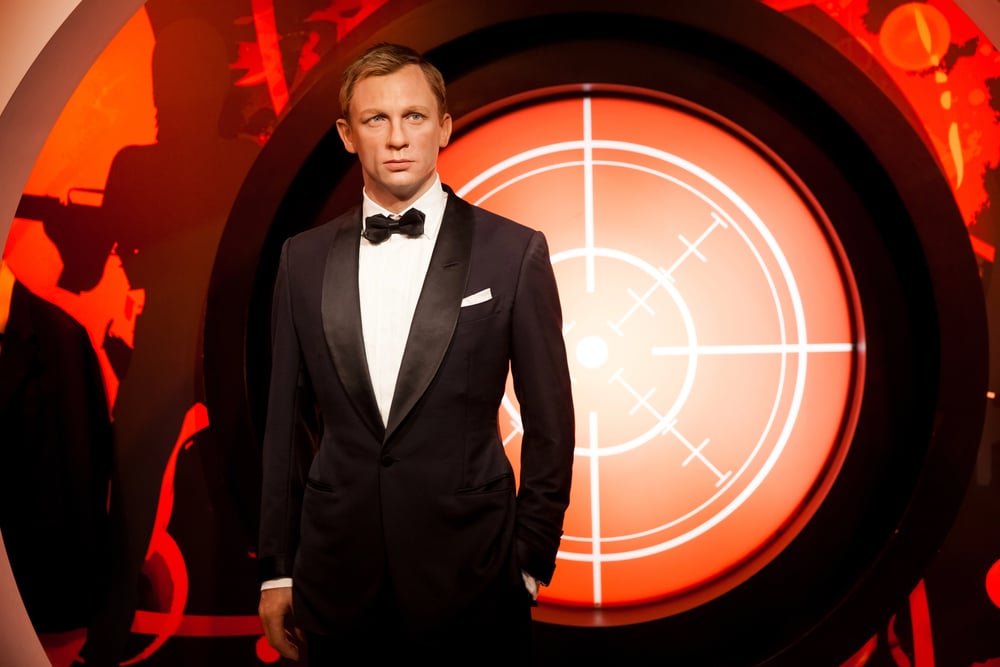
Bond has been around longer than most franchises have any right to exist. Starting with Sean Connery in 1962, the series has survived six actors in the lead role, shifting cultural attitudes, and countless imitations.
Each new Bond brings debates about who played him best, but the formula endures: fast cars, exotic locations, elaborate villains, and a hero who orders his martinis shaken.
The Daniel Craig era brought a grittier take. Casino Royale reinvented Bond for modern audiences while keeping the essential elements intact.
Whatever direction the franchise takes next, it has earned its place as cinema’s most enduring spy.
Jurassic Park

Steven Spielberg made dinosaurs real. The original Jurassic Park in 1993 still holds up—those first glimpses of the brachiosaurus, the T-Rex attack in the rain, the raptors in the kitchen.
The blend of practical animatronics and CGI created creatures that felt alive and terrifying. The sequels have had mixed results.
The Lost World had moments. Jurassic World brought the park back and the crowds returned.
But nothing matches that first film’s sense of awe mixed with genuine fear. The franchise keeps going because who doesn’t want to see dinosaurs on the big screen?
Pirates of the Caribbean

Nobody expected a ride at Disneyland to become a billion-dollar franchise. Then Johnny Depp showed up as Captain Jack Sparrow, stumbling and slurring through what might be the most entertaining performance in any blockbuster.
The character shouldn’t work—he’s a coward, a drunk, barely competent—but Depp turned him into an icon. The first film, The Curse of the Black Pearl in 2003, balanced genuine swashbuckling adventure with supernatural horror and unexpected wit.
Later entries got bloated and confusing, but that original magic—ships at sea, undead pirates, buried treasure—tapped into something primal about adventure stories.
The Fast and the Furious
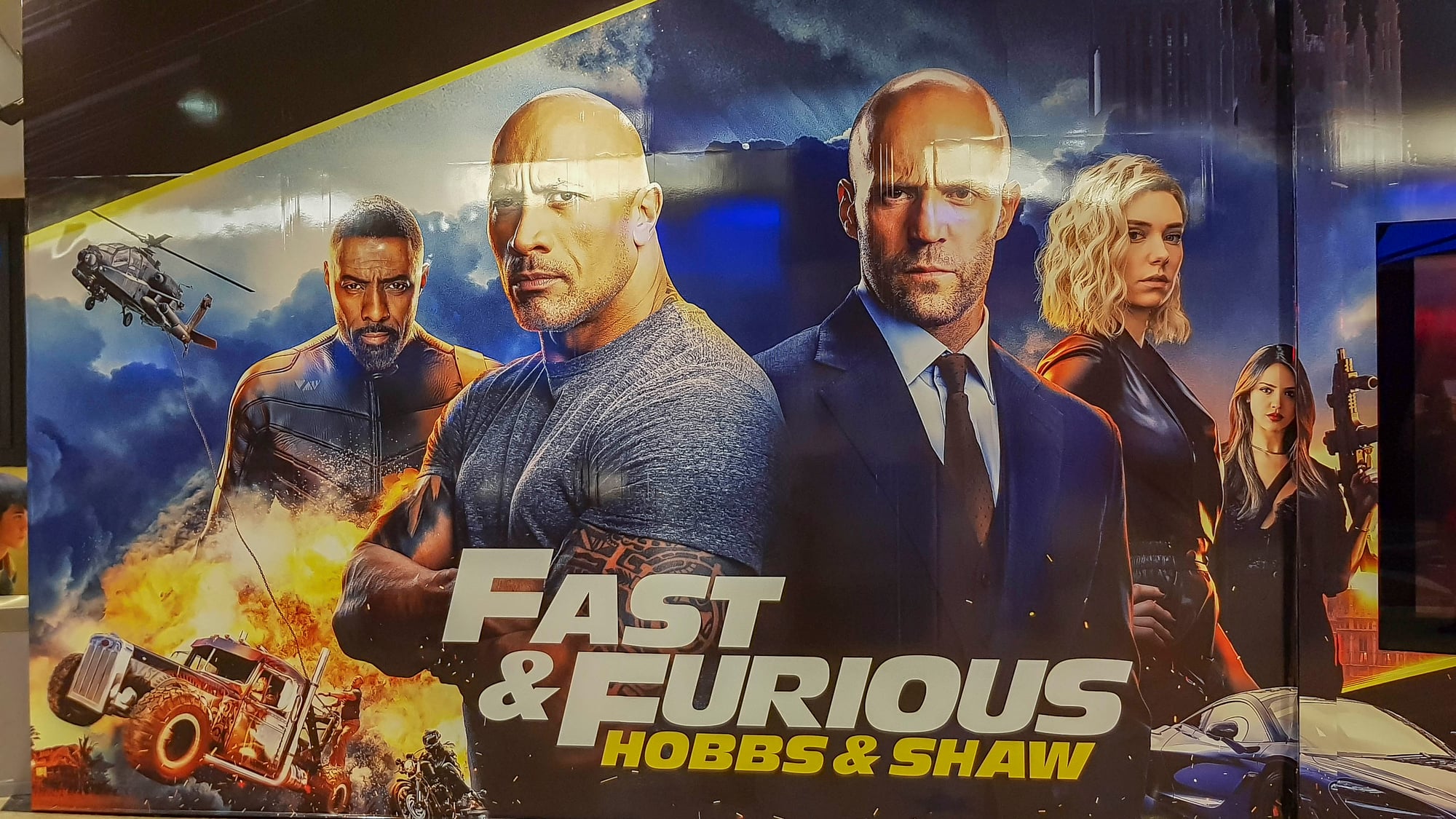
What started as a Point Break knockoff about illegal street racing became one of cinema’s most ridiculous and beloved franchises. The evolution is wild: from stealing DVD players to fighting submarines, from street races to saving the world.
The series gave up any pretense of realism around the fifth film and became better for it. Family.
That word gets repeated constantly, and it became a meme, but it also explains why the franchise works. The cast has genuine chemistry.
Vin Diesel, Dwayne Johnson, Michelle Rodriguez—they make you believe these characters would do anything for each other. The stunts keep escalating.
Cars have gone to space. And audiences keep showing up.
Indiana Jones

Raiders of the Lost Ark introduced the world to Harrison Ford with a whip and a fedora, running from giant boulders and punching bad guys. The character combines old-fashioned adventure serials with genuine archaeological intrigue and Ford’s roguish charm.
The original trilogy—Raiders, Temple of Doom, The Last Crusade—represents peak adventure filmmaking. Kingdom of the Crystal Skull disappointed many.
Dial of Destiny arrived decades later. But those first three films remain untouchable: the truck chase, the mine cart sequence, the leap of faith.
Spielberg and Lucas created something timeless.
Batman
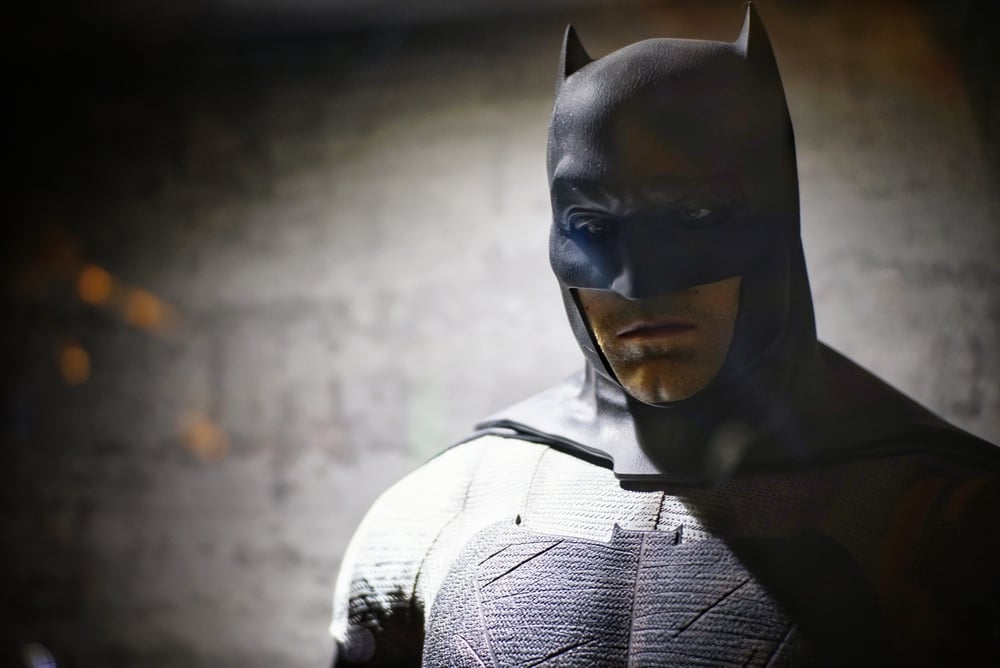
Batman has appeared in more interpretations than almost any character in film. Tim Burton’s gothic take.
Joel Schumacher’s neon excess. Christopher Nolan’s grounded realism.
Matt Reeves’s noir detective story. Each version finds something different in a character who has captivated audiences since 1939.
The Dark Knight stands as perhaps the greatest superhero film ever made, largely because of Heath Ledger’s Joker. But even lesser Batman films have their defenders.
The character just works on screen—the cape, the gadgets, the tortured psychology of a man who dresses like a bat to fight crime.
Spider-Man
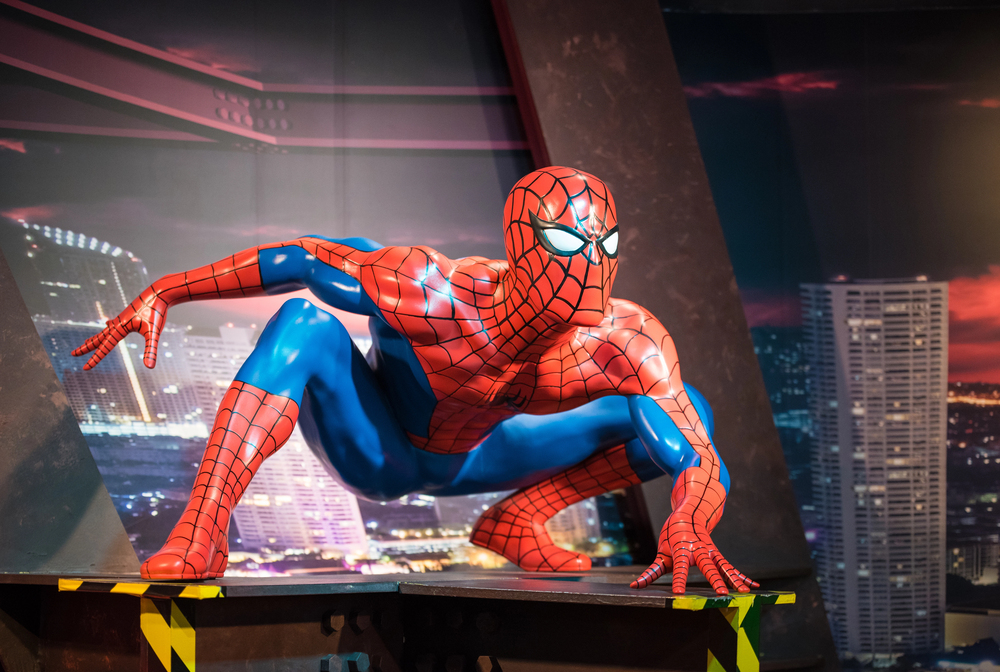
Three different actors have played Spider-Man in major film franchises within twenty years, and all three versions found massive audiences. That speaks to the character’s appeal: an ordinary kid given extraordinary powers who still struggles with homework, rent, and relationships.
Tobey Maguire’s Sam Raimi trilogy defined superhero films for a generation. Andrew Garfield brought a different energy.
Tom Holland integrated Spider-Man into the MCU and made him a global sensation again. Into the Spider-Verse proved the character works beautifully in animation.
People just love Spider-Man.
Toy Story
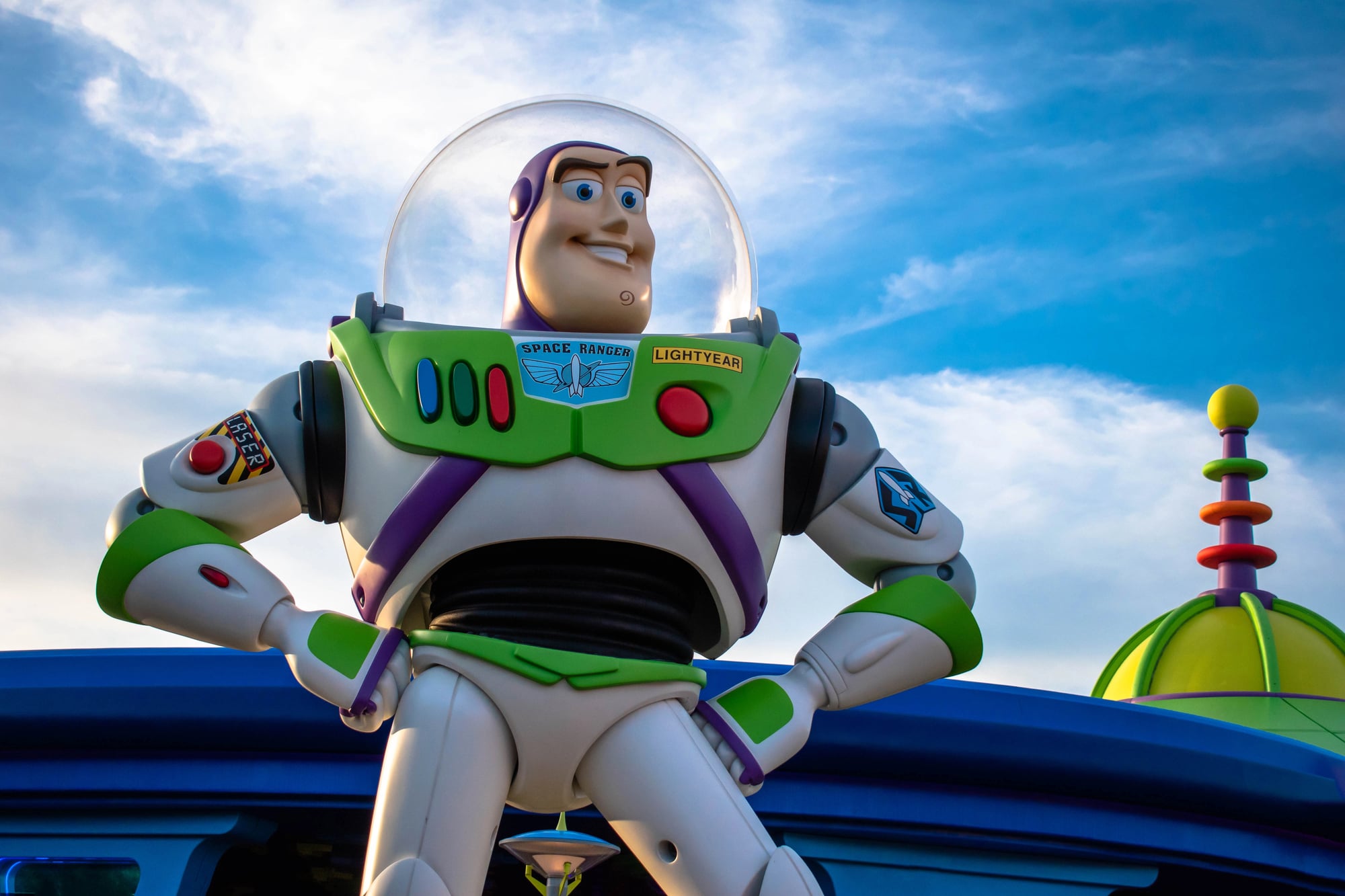
Pixar built its empire on toys that come to life when you leave the room. The original Toy Story in 1995 was groundbreaking as the first fully computer-animated feature film, but the technology would be meaningless without heart.
Woody and Buzz’s friendship carries the series. Each sequel somehow avoided feeling like a cash grab.
Toy Story 3’s ending devastated audiences. Toy Story 4 found more story to tell.
The franchise explores themes of growing up, letting go, and finding purpose—heady stuff for movies about plastic cowboys and spacemen.
The Matrix

The original Matrix arrived in 1999 and rewired action cinema. Bullet time, leather trench coats, philosophical questions about reality wrapped in kung fu—nothing looked or felt like it before.
The Wachowskis created a film that worked as both blockbuster entertainment and genuine science fiction. The sequels divided audiences.
Reloaded and Revolutions went deeper into mythology that some found fascinating and others found pretentious. Resurrections arrived years later with a meta take that polarized fans further.
But that first film remains essential viewing, a cultural touchstone that still influences movies today.
Alien
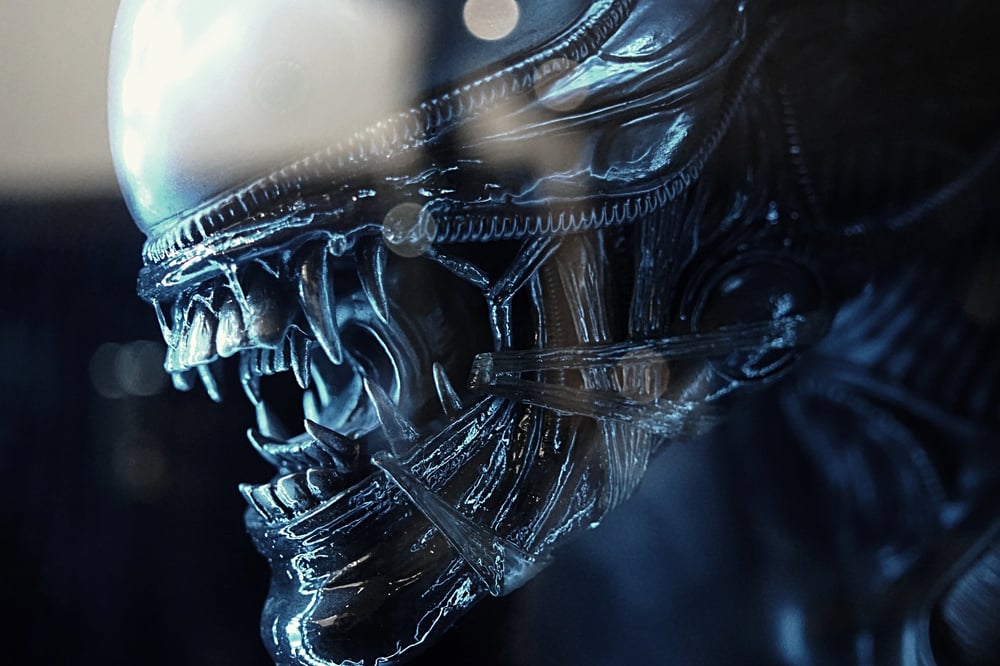
Two very different films launched this franchise. Ridley Scott’s Alien is pure horror: a haunted house movie set in space, where a perfect killing machine stalks a crew one by one.
James Cameron’s Aliens is military action: marines versus monsters, quotable lines, pulse rifles and power loaders. Both films are masterpieces in their genres.
Everything that followed has been chasing those highs. Alien 3 frustrated fans.
Resurrection got weird. Prometheus and Covenant tried to expand the mythology with mixed results.
But the xenomorph remains cinema’s most terrifying creature, and Sigourney Weaver’s Ripley stands as one of the great action heroes.
Back to the Future
The trilogy holds together remarkably well. The original is close to a perfect film: Michael J. Fox’s charisma, the DeLorean, the Enchantment Under the Sea dance, Christopher Lloyd’s wild-eyed Doc Brown.
Time travel movies often collapse under the weight of paradoxes, but Back to the Future makes it look easy and fun. Part II went to the future and created expectations for 2015 that didn’t quite pan out.
Still waiting on those hoverboards. Part III headed to the Old West.
The films work as both comedy and adventure, with genuine stakes beneath the jokes. The franchise ended cleanly—no reboots, no endless sequels.
It knew when to stop.
Why These Stories Stay With You
Spending years on a film series means giving more than just cash. It takes hours of attention, feelings poured into stories that stretch far beyond one sitting.
What makes some stick around in our minds? Not flashy effects or loud explosions.
A place you feel like visiting again, people who seem real enough to miss when the screen goes dark. That is what turns viewers into believers.
Fifteen stories, each a world of its own. From galaxies far away to islands where dinosaurs still roam.
Heroes in capes, clocks that bend seconds. Common thread?
A spark – hard to name – that pulls people in deep. Not merely seen once then forgotten.
They become part of your voice, your memories, debates at dinner tables. Handed down like old letters folded in drawers, waiting for fresh eyes.
More from Go2Tutors!

- The Romanov Crown Jewels and Their Tragic Fate
- 13 Historical Mysteries That Science Still Can’t Solve
- Famous Hoaxes That Fooled the World for Years
- 15 Child Stars with Tragic Adult Lives
- 16 Famous Jewelry Pieces in History
Like Go2Tutors’s content? Follow us on MSN.



