Things Hidden On US Dollar Bills People Never Notice
Hidden within everyday cash are mysteries far beyond what anyone might guess. Paper notes do more than trade hands in transactions – they whisper stories through small marks few take time to study.
Noticing them reveals patterns meant to stop fakes, yes, yet also traces of history slipped quietly into view. Even artwork placed long ago stays silent but present, seen only when someone finally pays attention.
Hidden bits of America’s money hold surprises most eyes never catch. Curious shapes live inside the borders of bills we pass every day.
Look closer at what dances near corners and edges. Tiny marks form patterns only noticed when you slow down.
These pieces whisper stories without words. Each note carries secrets stitched into its design.
The Owl Hiding In The Corner
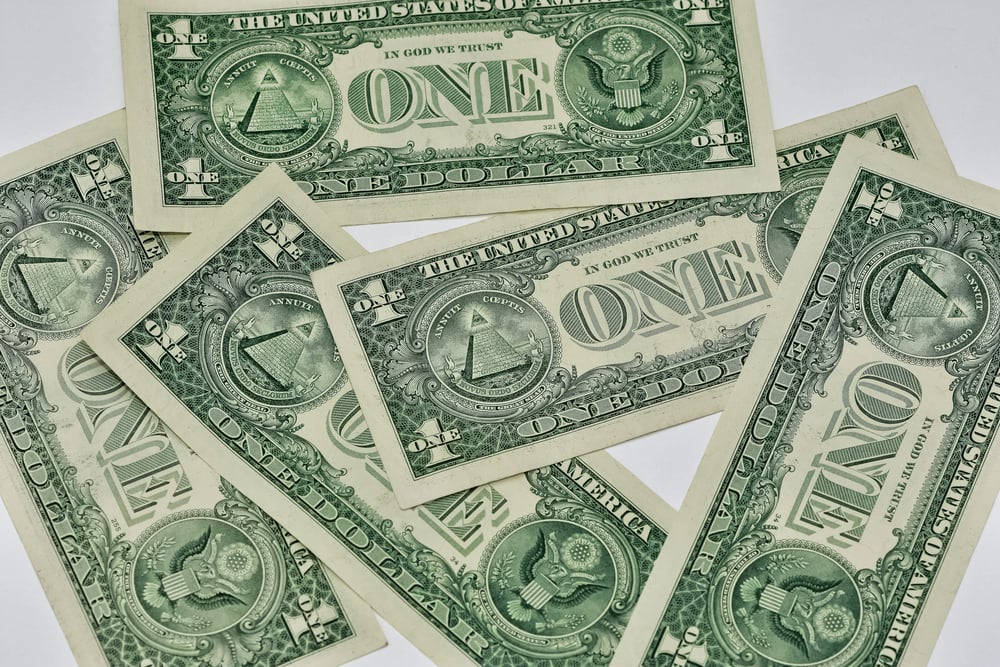
A speck-sized owl crouches in the top-left edge of the dollar note tucked into swirling patterns. Close to the numeral ‘1’ it hides needing close inspection with a lens to spot.
Why the designer placed it there remains unclear though guesses point to insight or an invisible tag by the craftsperson behind the detailed flourishes.
Spider Webs In The Design
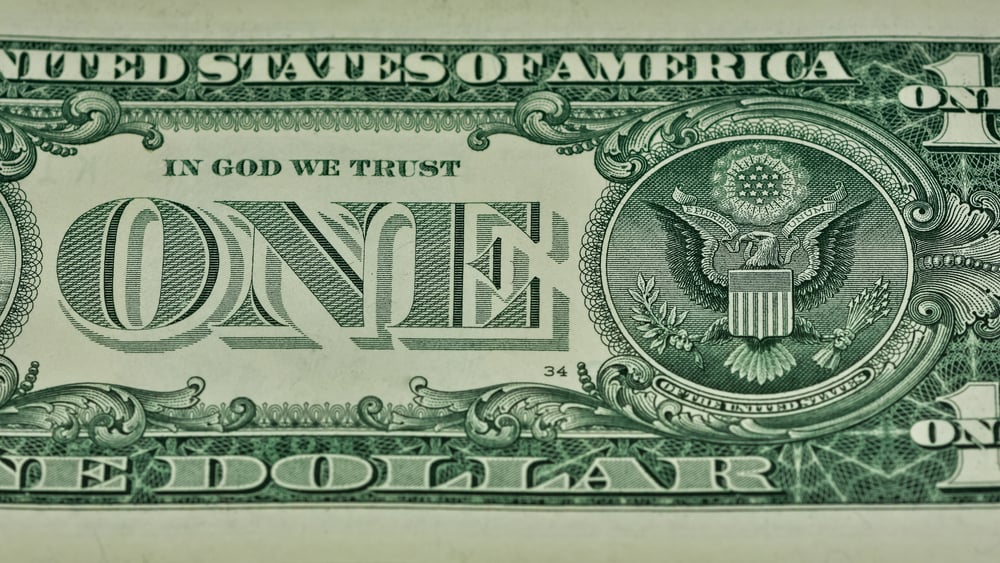
Delicate spider web patterns appear throughout the border decorations on various bills. These intricate designs look like regular scrollwork at first glance, but closer inspection reveals web-like structures woven into the edges.
The Bureau of Engraving and Printing included these complex patterns partly for beauty and partly because they’re incredibly hard to reproduce, making counterfeiting more difficult.
Tiny Text Along The Collars
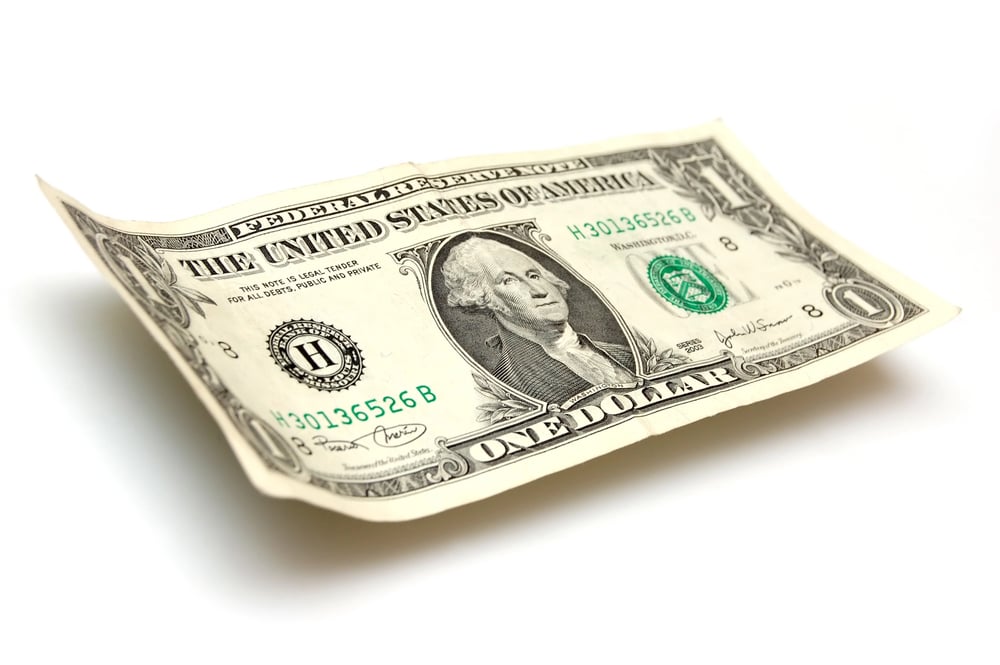
Benjamin Franklin’s collar on the hundred dollar bill contains microscopic writing that’s almost impossible to see without help. The words ‘The United States of America’ repeat in letters so small they look like a solid line to the unaided eye.
This security feature helps authorities spot fake bills since counterfeiters struggle to replicate text this tiny with accuracy.
The Unfinished Pyramid Mystery
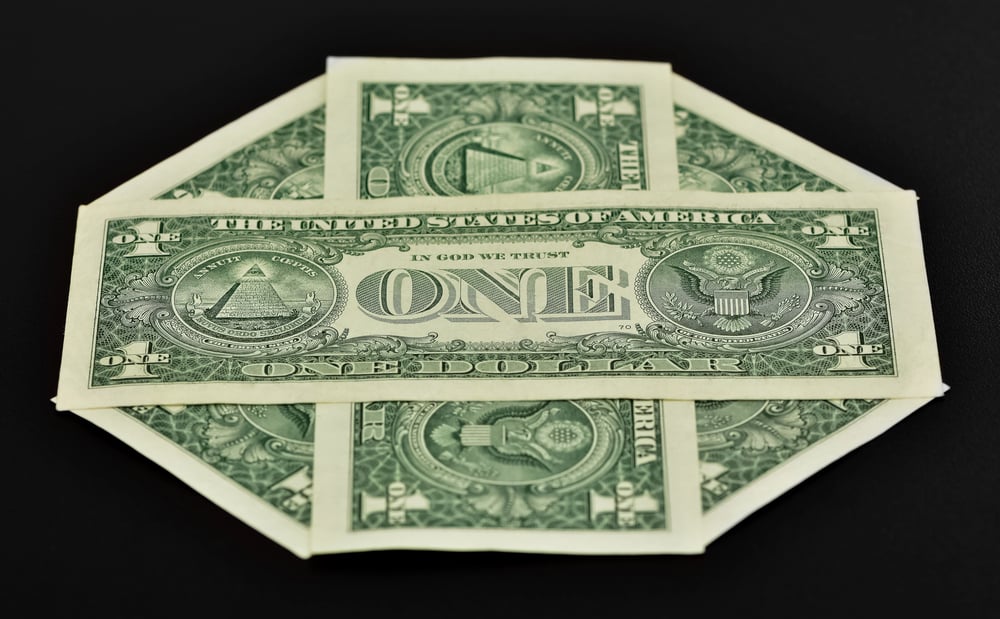
The pyramid on the back of the one dollar bill deliberately shows an unfinished top. Thirteen steps lead up to a separated peak containing an eye, which represents the idea that America remains a work in progress.
The founding fathers chose this symbol to show that the nation would continue growing and improving over time, never reaching a final finished state.
Secret Numbers In The Foliage
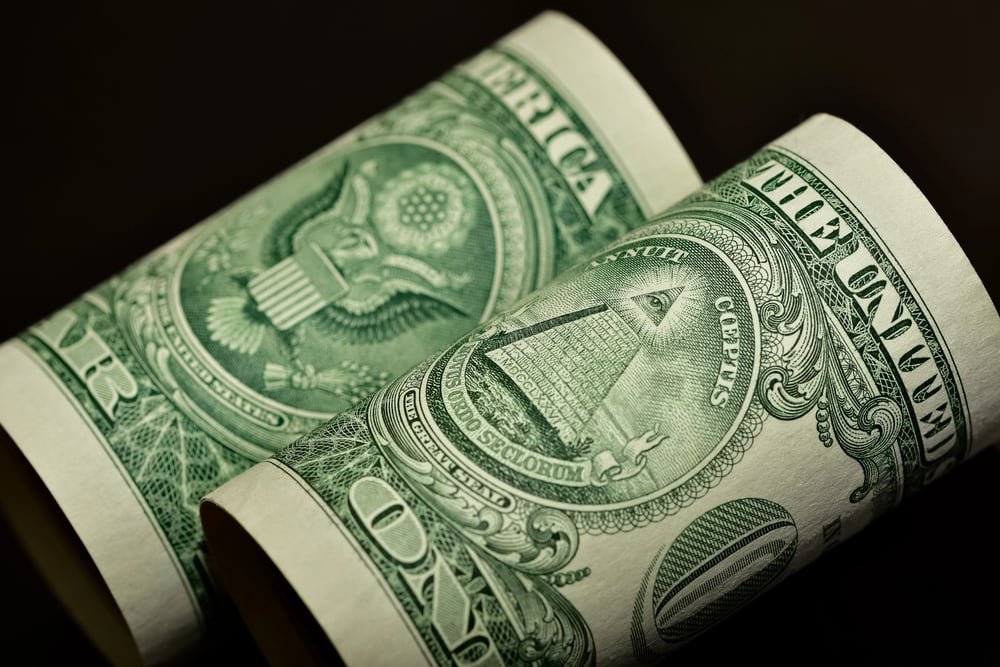
Hidden within the decorative leaves and scrollwork are tiny numbers that blend seamlessly with the organic patterns. These numbers help identify when and where each bill was printed, but they’re so well camouflaged that even people who handle money professionally rarely spot them.
The engravers worked these digits into the natural curves and lines of the botanical designs.
The All-Seeing Eye Origin
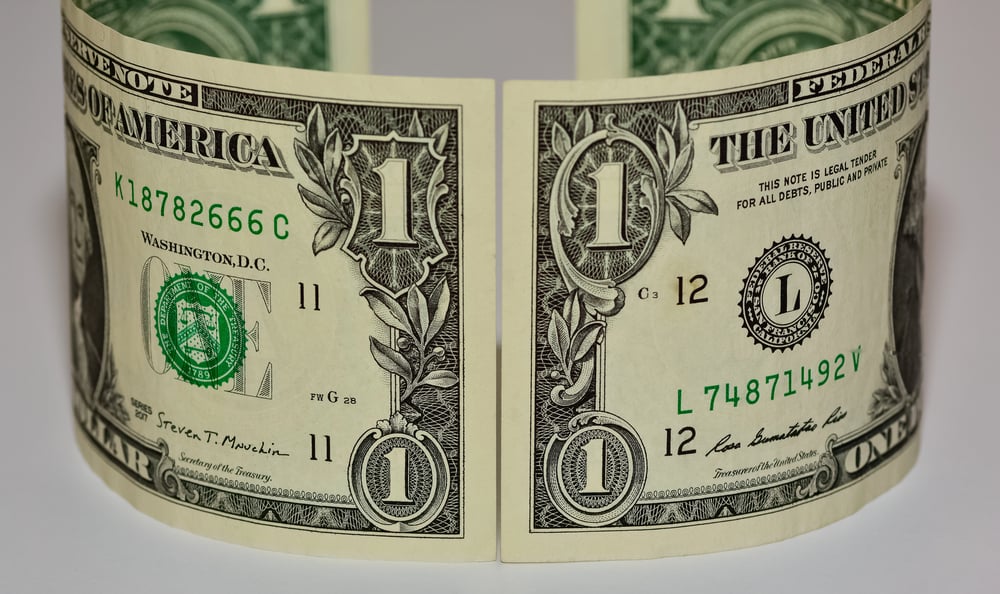
High up on the pyramid, that well-known eye isn’t just a random design choice – it slipped onto the dollar back in 1935. Some believe it’s about higher wisdom keeping tabs on America, while others spin far-out tales around it.
Truth is, it first showed up long before cash bore its image, part of the nation’s official seal since the 1700s. Far from secrecy, it was meant to show hope, like fate smiling at a fledgling republic.
Latin Phrases Everywhere
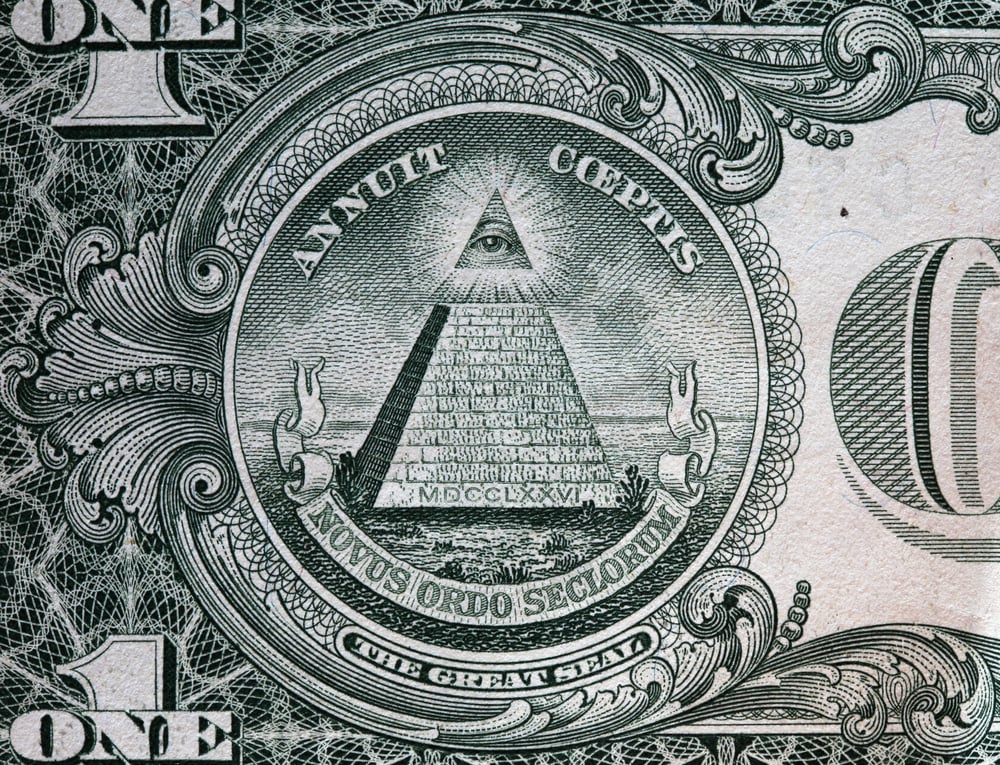
Three different Latin phrases appear on the one dollar bill, and most Americans never learn what they mean. ‘Annuit Coeptis’ translates to ‘He approves our undertaking,’ while ‘Novus Ordo Seclorum’ means ‘New order of the ages.’
The third phrase, ‘E Pluribus Unum,’ means ‘Out of many, one’ and refers to the thirteen colonies forming a single nation.
Microprinting Around The Portraits
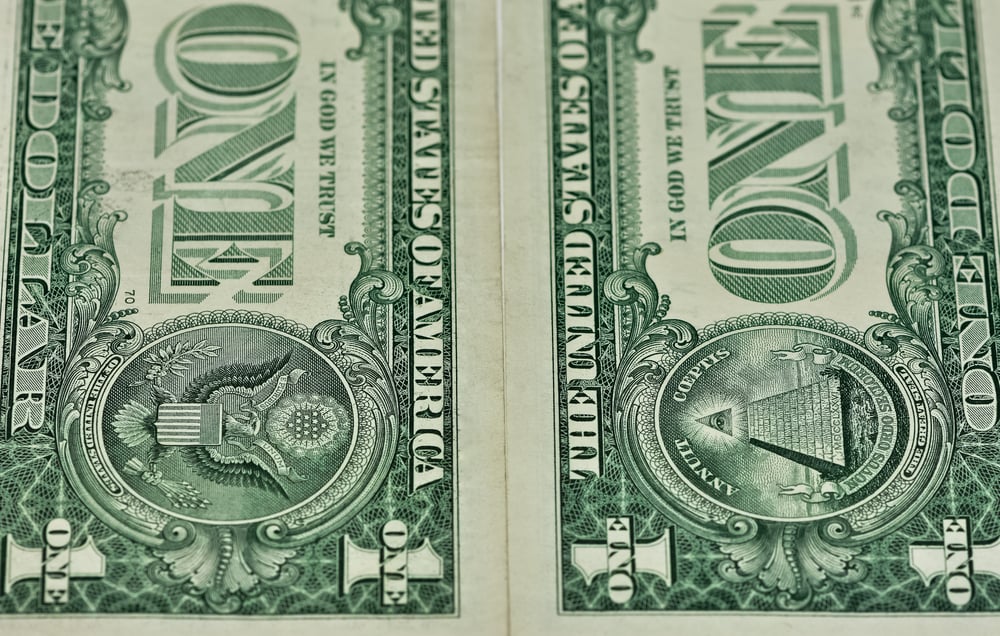
Along the rim of current cash, tiny words circle close to portraits, too fine for common tools to copy. Near a twenty’s portrait, ‘USA TWENTY’ repeats in lines thinner than one hair.
Blurry or cracked text appears on counterfeits since standard equipment can’t match such detail. Sharpness holds only if printed through high-end state techniques, setting genuine bills apart without obvious signs.
A quiet mark, clear under scrutiny, tells what machines miss.
The Number Thirteen Appears Constantly
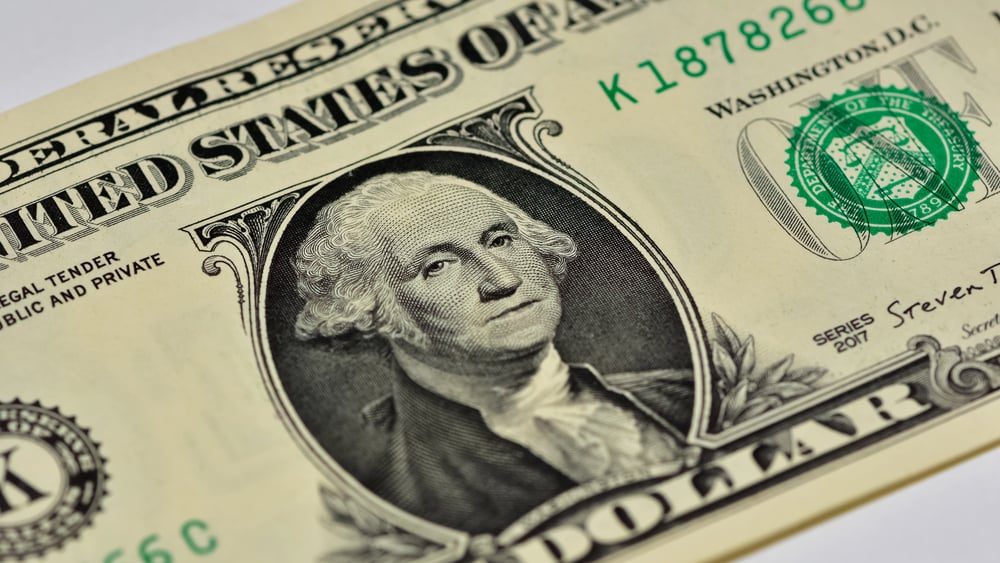
Thirteen stars, thirteen arrows, thirteen olive branches, thirteen stripes, and thirteen steps appear throughout dollar bill designs. This number represents the original thirteen colonies that formed the United States.
Even the eagle’s shield contains thirteen bars, and attentive observers can spot this number woven into designs at least a dozen different ways on a single bill.
Color-Shifting Ink Tricks
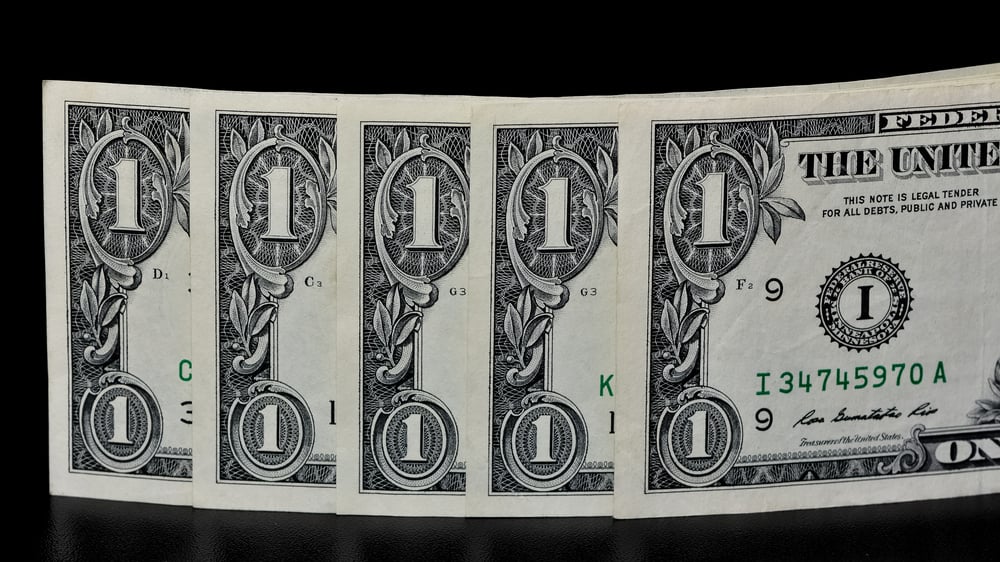
When you tip new banknotes just right, a shimmer appears across them. Near the bottom right corner of a $100 note, light bends oddly, changing from copper to green.
This tactic functions as a silent signal because it is too costly for counterfeiters to imitate. By simply turning the paper in hand, anyone can see it without the need for any tools.
Security Threads With Text
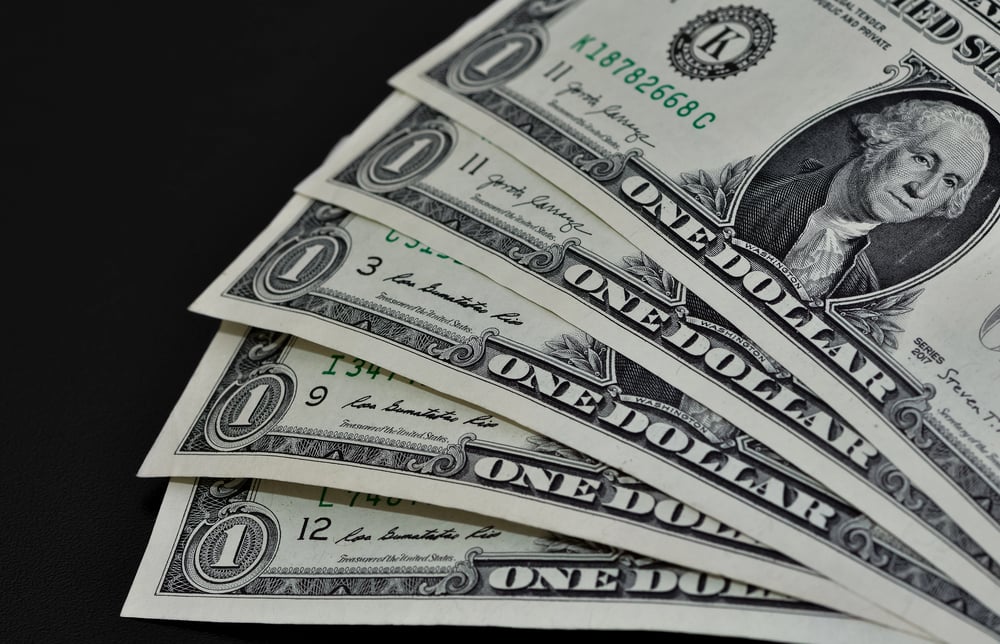
A sliver of clear plastic weaves up the note, lighting up when hit by UV rays. Hidden unless you look closely, it carries letters that show the value.
When held to brightness, a five reveals markings – ‘USA FIVE’ repeating down the line.
Watermarks In The Paper
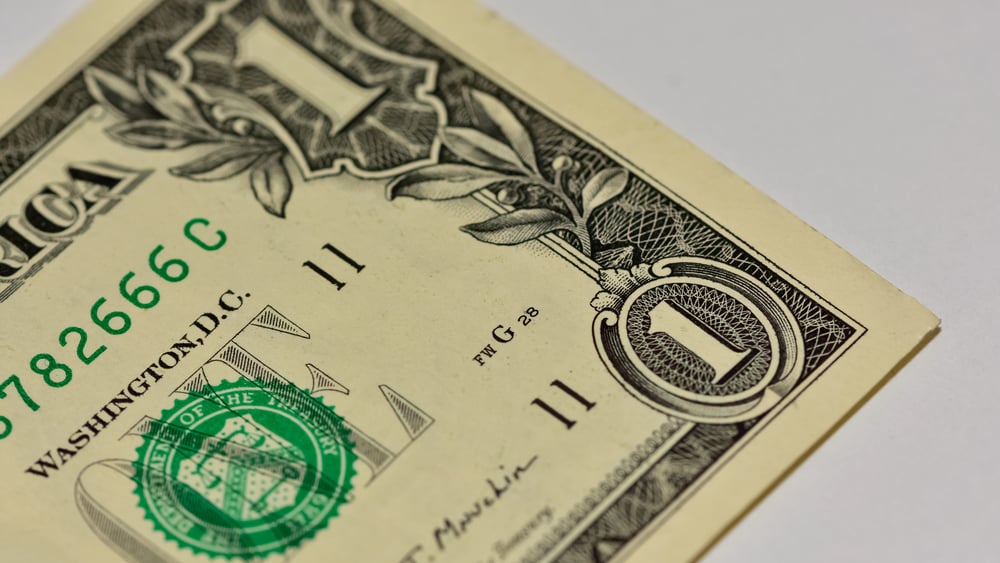
A face hides inside every note, showing clear only if you lift it toward light. Inside the sheet, not layered above, lives this hidden mark – tough to copy by design.
To the right edge it sits, mirroring the leader seen in front view. Seen through paper, not ink, the likeness stays fixed where few think to check.
Hidden Face In The Bushes
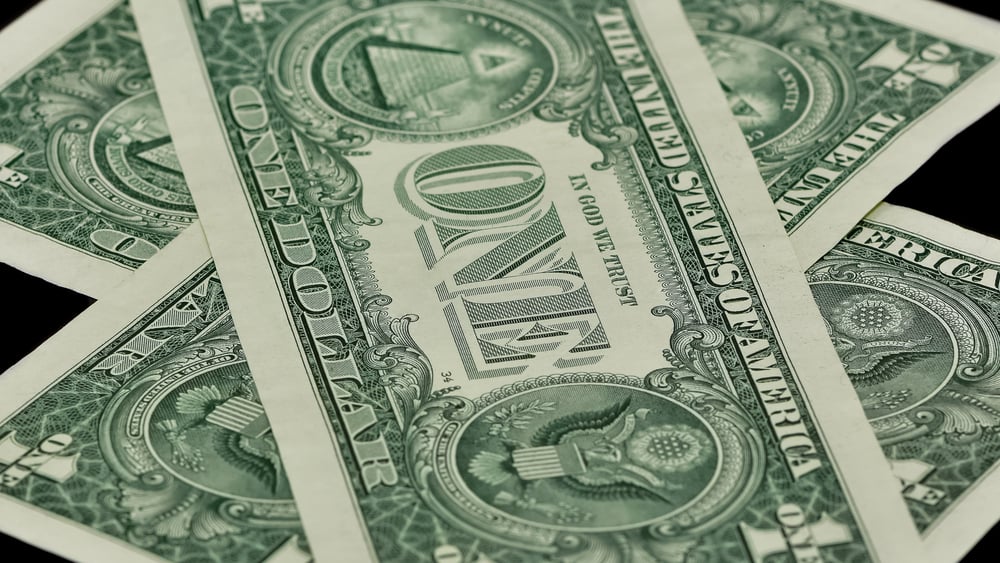
Some people claim to see a tiny face hidden in the shrubbery on the right side of the one dollar bill. This supposed image appears in the leafy decoration near the right edge and has sparked debate about whether it’s intentional or just pareidolia.
The Bureau of Engraving and Printing has never confirmed or denied adding this face deliberately.
Serial Numbers Tell Stories
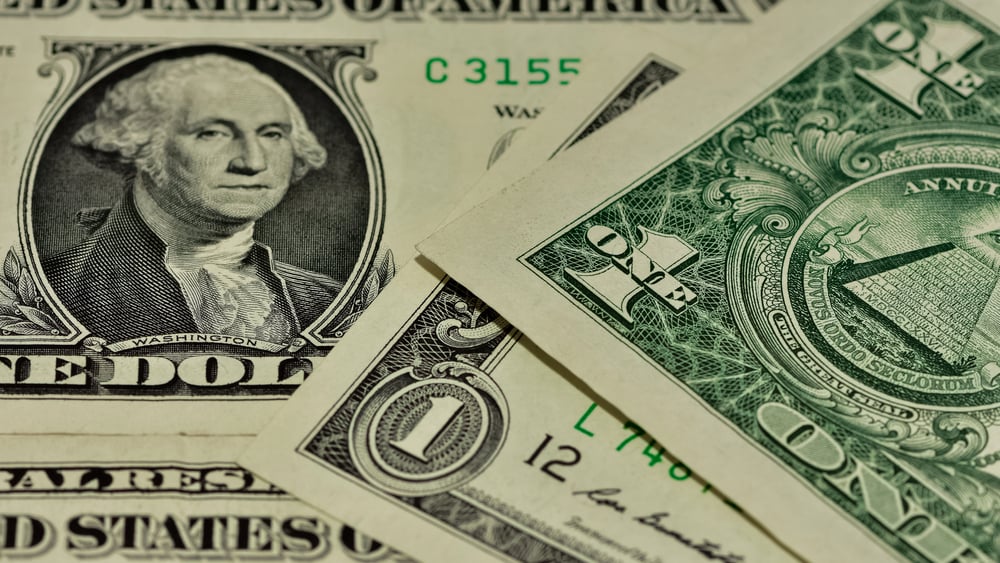
Each note carries a unique mark, not just chance etched into metal. Starting letters? They point to one of twelve city banks behind the print run.
Digits after show sequence – first off the press, middle batch, near the end. Some folks hunt notes where numbers climb neatly or repeat the same digit again.
Patterns stand out – a row of eights, maybe a clean 12345678 catches attention fast. These marks tell timing, location, who released them – all hidden in plain sight.
The Treasury Seal Meaning
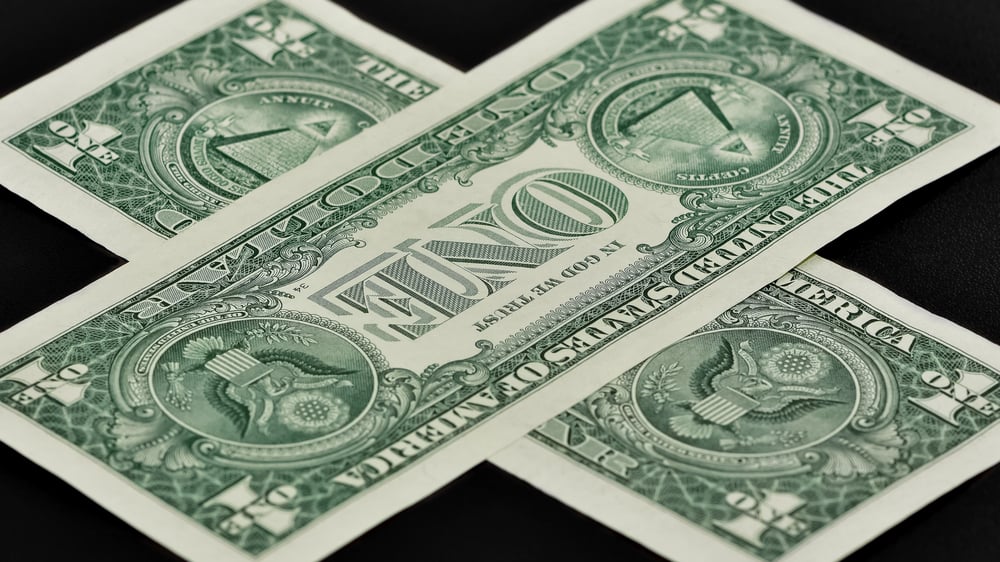
Inside the green seal on the bill, tiny details hide in plain sight. Justice shows up as a balanced scale, quiet but clear.
Authority arrives through a single key, placed just so. Thirteen stars form a zigzag line across the top.
Together, these pieces whisper a message: trust comes from structure. Most eyes glide past the fine lines and curves packed into that little round emblem.
Few stop to see how much is built into such a small space.
Where Wealth Meets History
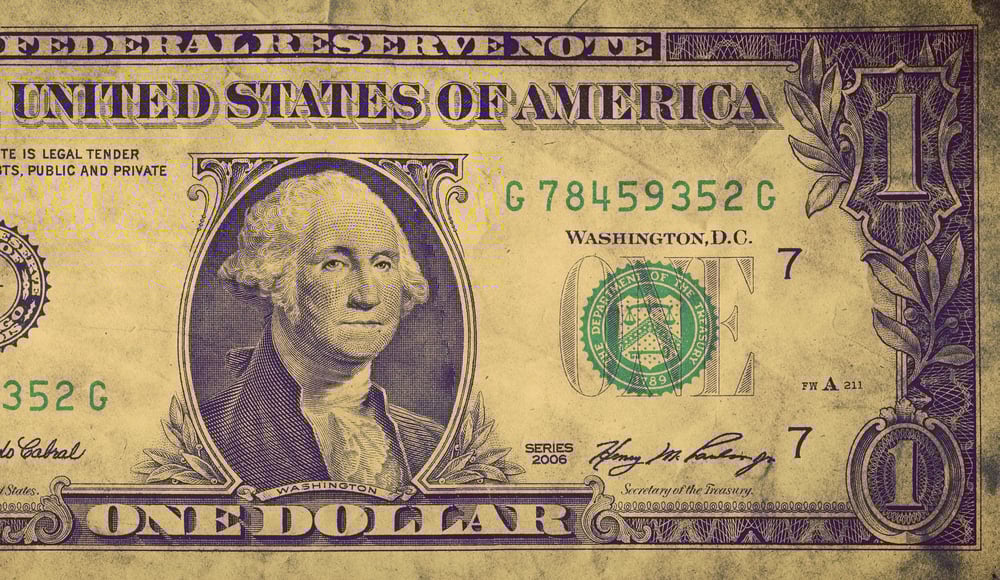
People handle dollar bills on a daily basis, but few pause to observe the details that are hidden from view. Each note contains layers of meaning, tactile textures, and meticulous design work.
Something deeper—stories transcribed onto paper—travels with money as it moves between palms. When you make your next purchase, pay close attention.
Long-gone faces silently observe from the corners. Continually stitched into borders are words like “liberty.”
To stop counterfeiters, tiny lines create labyrinths. Simple things have much more weight than they seem. History is preserved in ink and folds.
More from Go2Tutors!

- The Romanov Crown Jewels and Their Tragic Fate
- 13 Historical Mysteries That Science Still Can’t Solve
- Famous Hoaxes That Fooled the World for Years
- 15 Child Stars with Tragic Adult Lives
- 16 Famous Jewelry Pieces in History
Like Go2Tutors’s content? Follow us on MSN.



