15 Most Successful Kickstarter Projects in History
Kickstarter launched in 2009 with a simple enough idea: creators pitch projects, strangers back them with money, and things get made that otherwise wouldn’t. What nobody predicted was just how far that idea would stretch.
Within a few years, the platform had funded video games, films, gadgets, and board games to the tune of tens of millions of dollars per campaign. Some projects delivered exactly what they promised.
Others became cautionary tales. But all fifteen on this list did something remarkable — they convinced enough people to hand over real money for something that didn’t exist yet.
Pebble Time — $20.3 Million
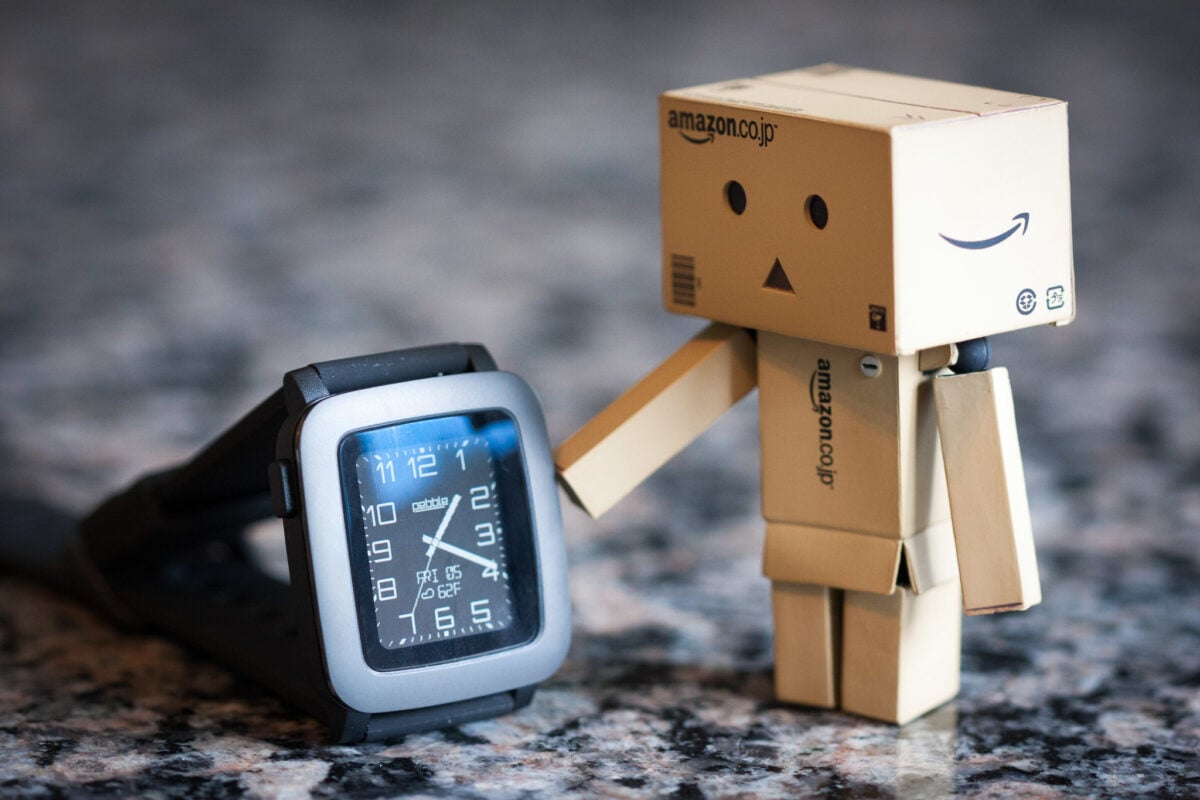
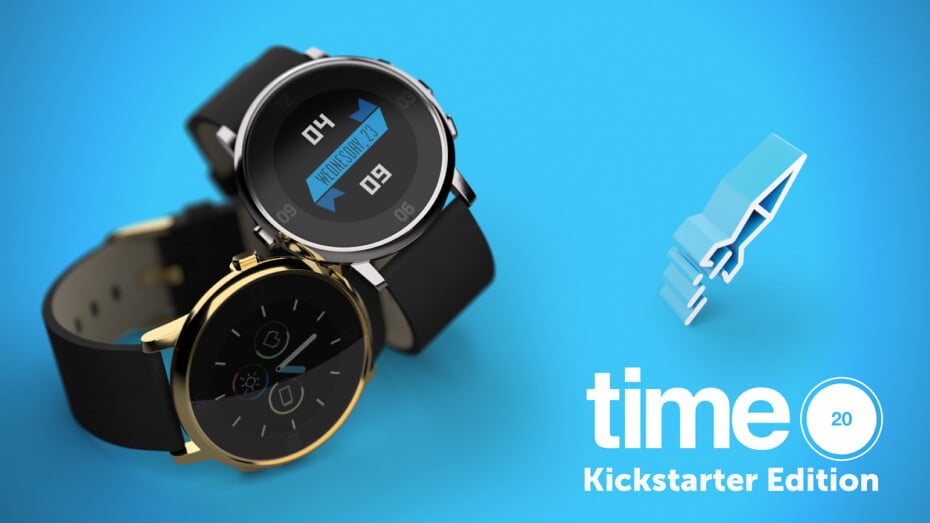
No Kickstarter campaign has raised more money than Pebble Time. The smartwatch campaign launched in 2015 and hit its $500,000 goal in under 17 minutes.
By the time it closed, over 78,000 backers had pledged more than $20 million. Pebble had already run a successful campaign for its original smartwatch in 2012, but this one was on another scale entirely.
The watch featured a colour e-paper display, a week-long battery life, and compatibility with both Android and iOS. It was the right product at the right moment — just as the Apple Watch was arriving and making people curious about what a smartwatch could be.
Pebble was eventually acquired by Fitbit in 2016, and the servers were shut down, which left many backers understandably frustrated. But the campaign itself remains the single largest in Kickstarter’s history.
Pebble 2 + Pebble Time 2 — $12.8 Million
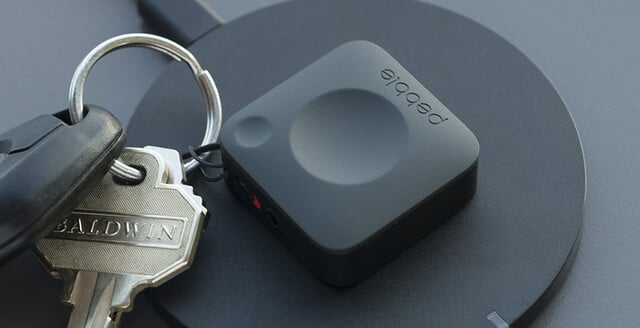
Pebble’s follow-up campaign ran the same year the company was acquired. The Pebble 2 added a heart rate monitor and improved fitness tracking, while the Pebble Time 2 brought a larger screen to the flagship model.
Together they raised $12.8 million from nearly 66,000 backers — which would have been a triumph if the acquisition hadn’t effectively cancelled the project. Backers who had pre-ordered received refunds through Kickstarter’s dispute process, making this one of the more complicated entries on this list.
Still, the fact that a second Pebble campaign raised this kind of money speaks to the loyalty the brand had built with its community.
Coolest Cooler — $13.3 Million
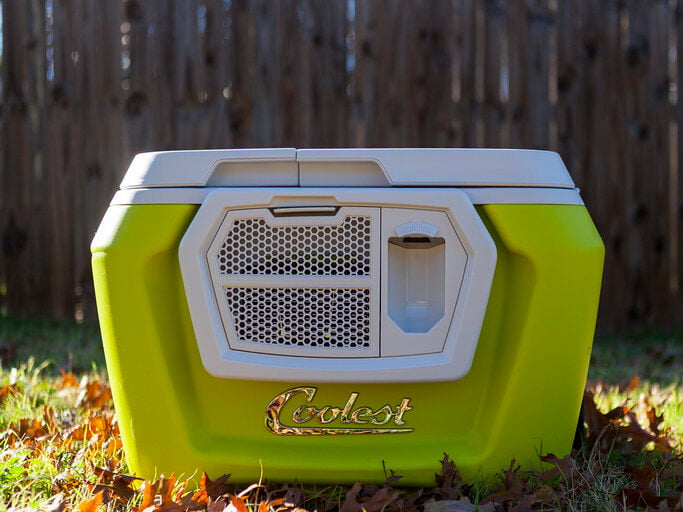
The Coolest Cooler was a blender, a Bluetooth speaker, a USB charger, a bottle opener, and a cooler — all in one unit on wheels. It raised $13.3 million in 2014 from over 62,000 backers, becoming the most funded campaign at the time.
Then the problems began. Manufacturing delays pushed the delivery date back by years.
Backers who hadn’t received their coolers discovered the product was being sold on Amazon to new customers before fulfillment was complete. The founder offered existing backers a discounted deal to pay extra to receive their cooler sooner, which went over about as well as you’d expect.
The Coolest Cooler became one of the most infamous examples of a campaign that raised too much too fast. Some backers never received their orders.
Kingdom Death: Monster 1.5 — $12.4 Million
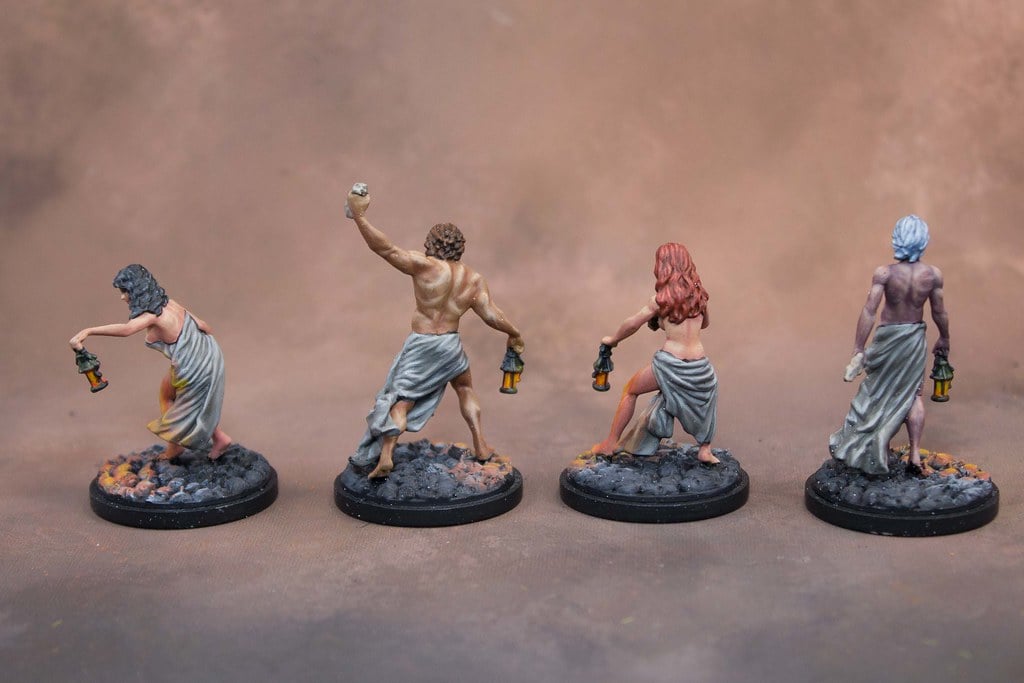
Kingdom Death: Monster is a board game. A very expensive, very elaborate, very niche board game.
The 1.5 campaign in 2017 raised $12.4 million from around 19,000 backers, which means the average pledge was well over $600. The game is a survival horror experience with miniatures that take serious time to paint and rules that take serious time to learn. It’s the kind of product that appeals to a small but intensely committed audience, and that audience showed up.
The campaign demonstrated that you don’t need mass appeal to raise extraordinary amounts of money — you just need the right people paying the right price.
Critical Role: The Legend of Vox Machina — $11.4 Million
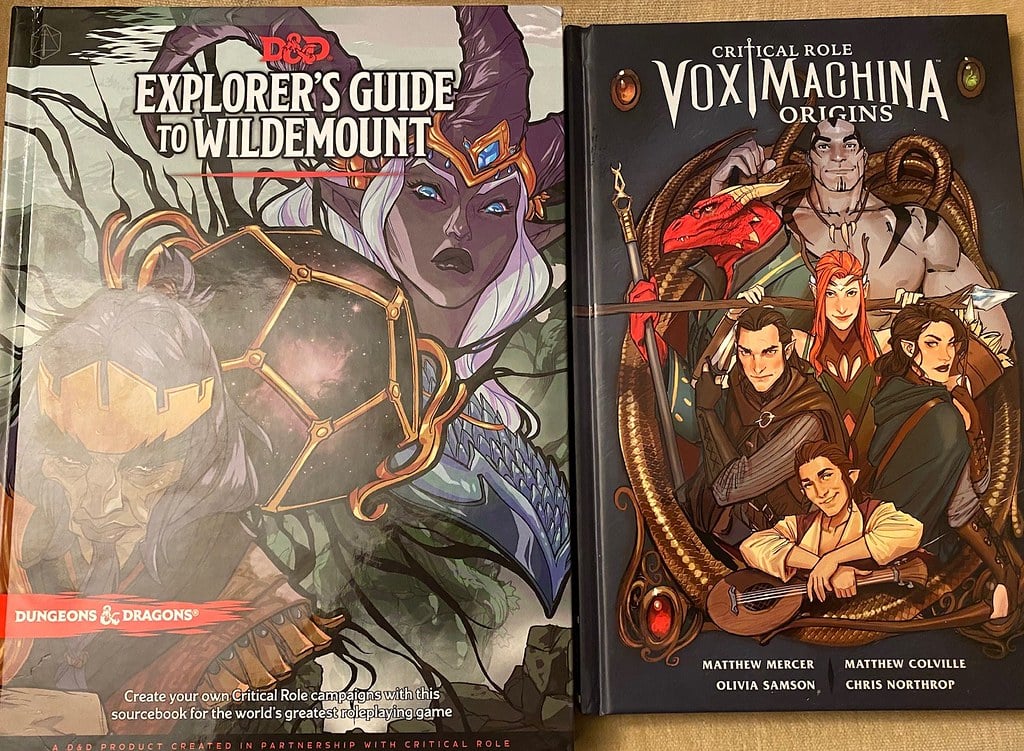
Critical Role is a web series where professional voice actors play Dungeons & Dragons. Their animated Kickstarter campaign launched in 2019 with a goal of $750,000 to fund a single 22-minute special.
It hit that goal in under an hour. The campaign closed at $11.4 million, funded by nearly 88,000 backers.
Amazon Prime Video noticed, picked up the show, and the animated series The Legend of Vox Machina ran for multiple seasons. It’s one of the cleaner success stories on this list — the money was raised, the product was made, the backers got what they were promised, and the project grew into something larger than anyone anticipated.
Pebble — $10.3 Million
Before Pebble Time, there was just Pebble. The original campaign launched in 2012 with a goal of $100,000 and closed at $10.3 million — the largest Kickstarter campaign up to that point.
The watch connected to your phone via Bluetooth, displayed notifications, and ran third-party apps. It was genuinely ahead of the market. The campaign proved that hardware could work on Kickstarter in a serious way, and it opened the door for the wave of tech campaigns that followed.
The original Pebble had a black-and-white e-ink display, a multi-day battery, and a price point that made it accessible compared to what came after it.
Exploding Kittens — $8.8 Million
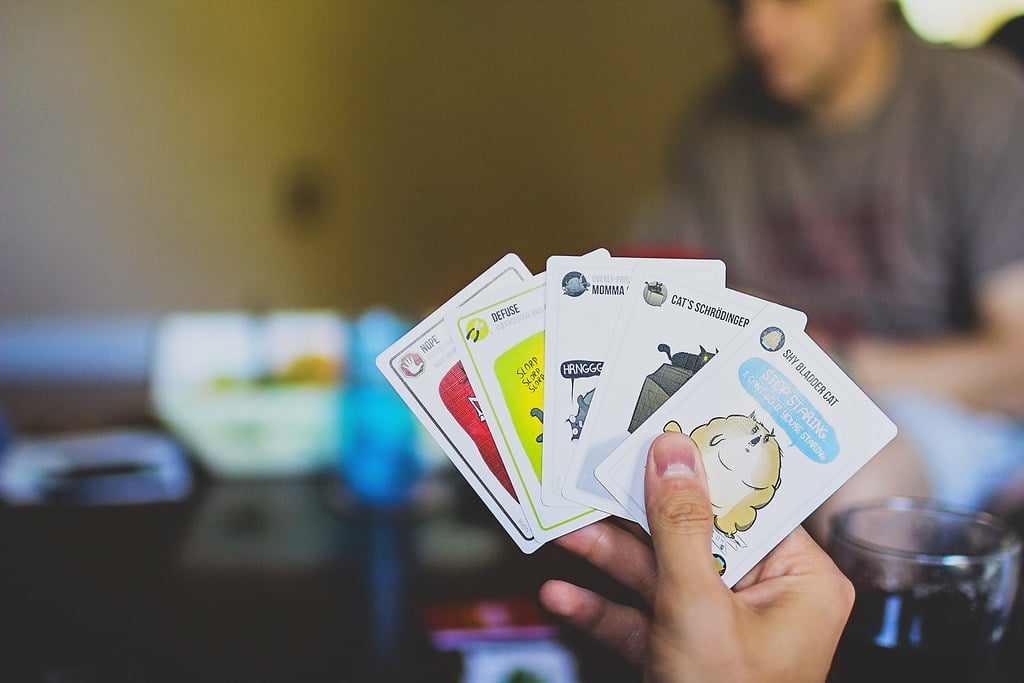
Exploding Kittens is a card game where players try to avoid drawing an exploding kitten. It was designed in part by The Oatmeal’s Matthew Inman, which meant it arrived with a built-in audience of millions of existing fans.
The campaign launched in January 2015 with a goal of $10,000. It raised $8.8 million from nearly 220,000 backers, making it the most backed campaign in Kickstarter history at the time.
The game shipped, sold well in retail stores, spawned expansions and spin-offs, and eventually got a Netflix animated series. It’s one of the few campaigns where essentially everything went right.
Ouya — $8.6 Million
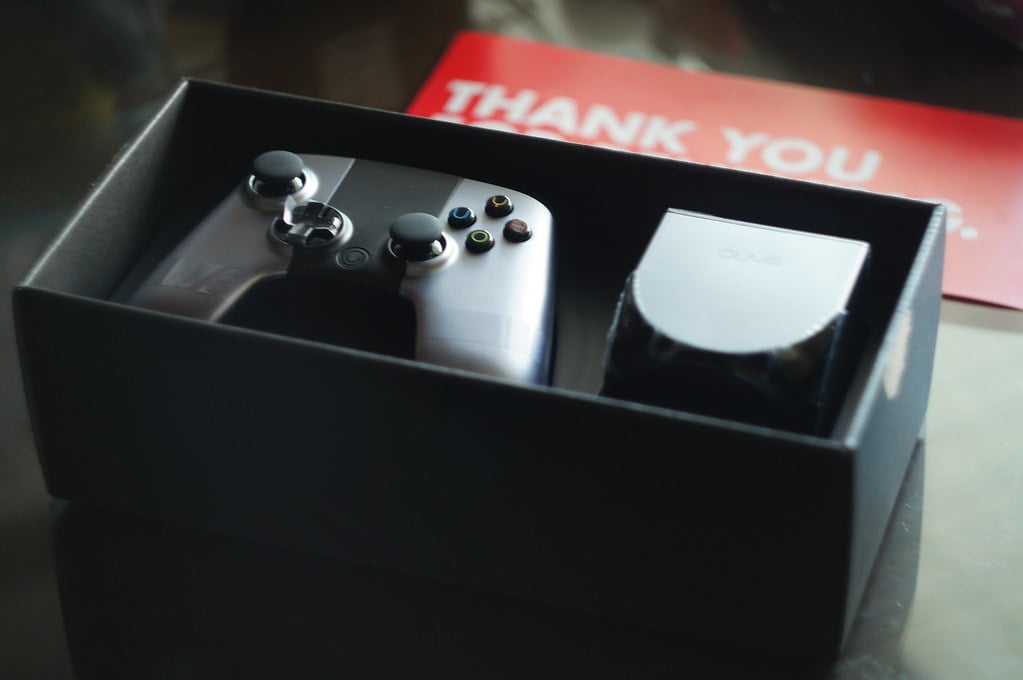
The Ouya was an Android-based gaming console that ran on open-source software and cost $99. The pitch was simple: a living room console without the gatekeeping of Sony, Microsoft, or Nintendo, where any developer could publish a game.
It raised $8.6 million in 2012 from over 63,000 backers and generated enormous press coverage. The actual product landed with a thud.
The hardware felt underpowered, the game library was thin, and the business model never quite worked. Ouya was acquired by Razer in 2015, and the servers shut down in 2019.
The campaign remains a useful case study in how a compelling pitch and a sympathetic audience don’t automatically translate into a viable product.
Shenmue III — $6.3 Million
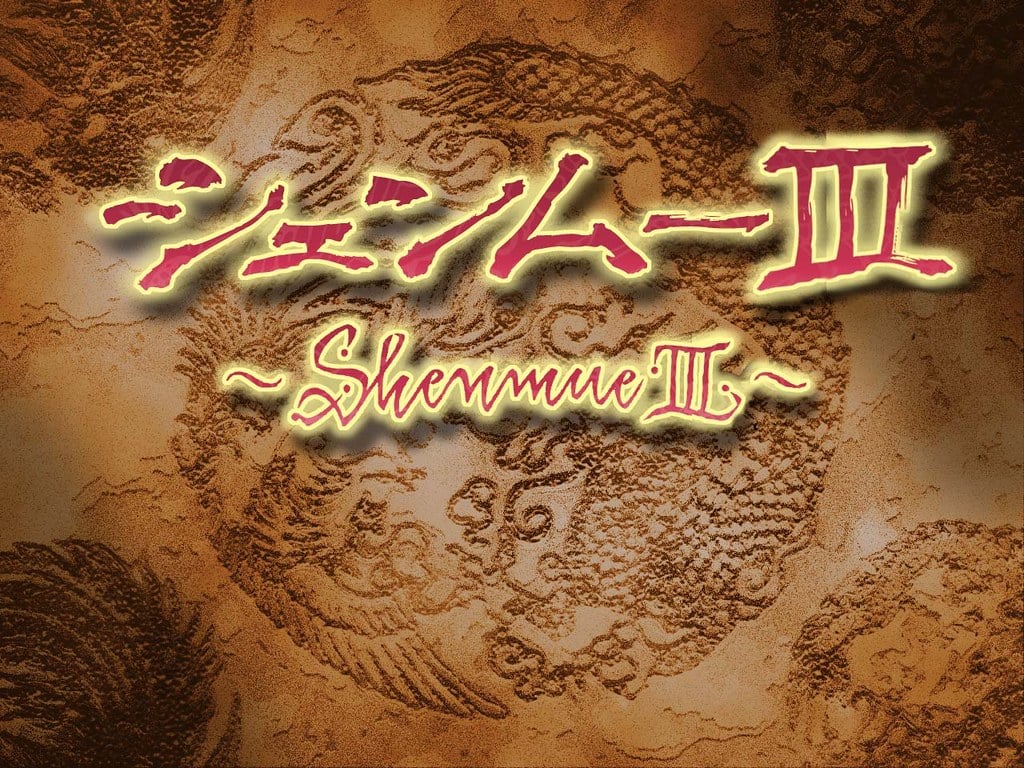
The announcement of Shenmue III at E3 2015 brought the audience to their feet. The original Shenmue games, released on the Sega Dreamcast in 1999 and 2001, had a devoted following that spent years waiting for a conclusion to the story.
When creator Yu Suzuki announced the third game would be funded through Kickstarter, fans responded immediately. The campaign raised $6.3 million — at the time the largest for a video game on the platform.
Sony later came in as a publisher, which expanded the budget considerably. The game was released in 2019 to a mixed but affectionate reception.
It was exactly as old-fashioned as you’d expect from a game series that hadn’t released an entry in 18 years. Fans who backed it mostly didn’t seem to mind.
Fidget Cube — $6.4 Million
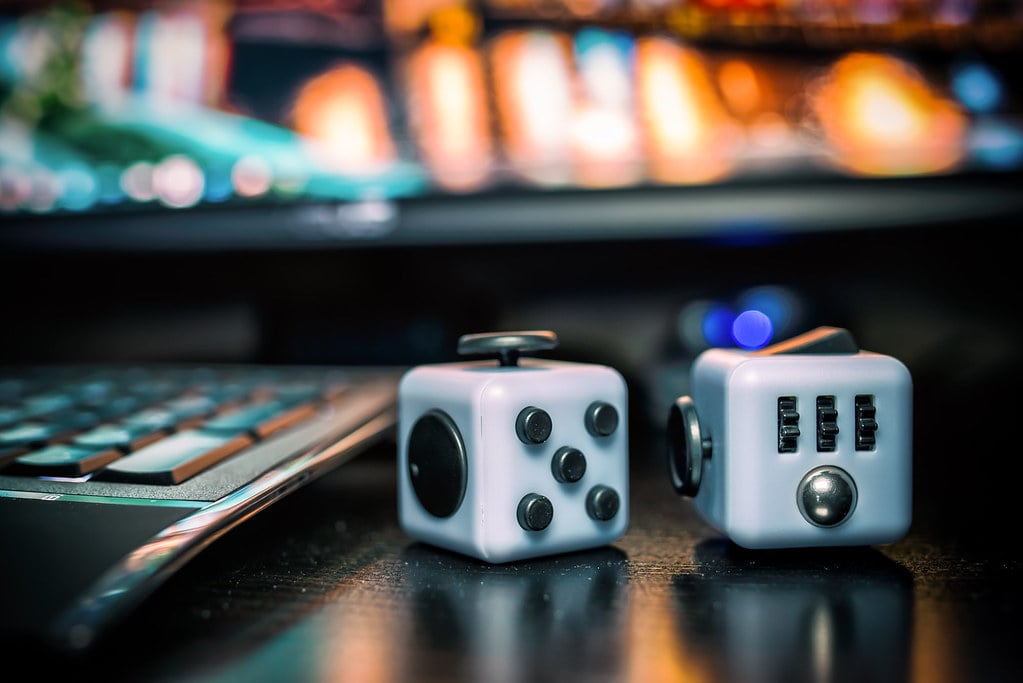
The Fidget Cube is a small desk toy with buttons, switches, and dials on each face — something to keep your hands busy during meetings, phone calls, or long stretches of focus. It launched in 2016 with a goal of $15,000. It raised $6.4 million from over 154,000 backers.
The timing was fortunate — fidget spinners were about to become a cultural phenomenon, and the Fidget Cube rode the same wave of interest in fidget toys before the trend peaked. The product eventually shipped, though the delivery delays were longer than expected and knockoffs flooded the market during the wait.
Still, it’s a genuine example of a simple idea that connected with an enormous number of people.
Veronica Mars — $5.7 Million
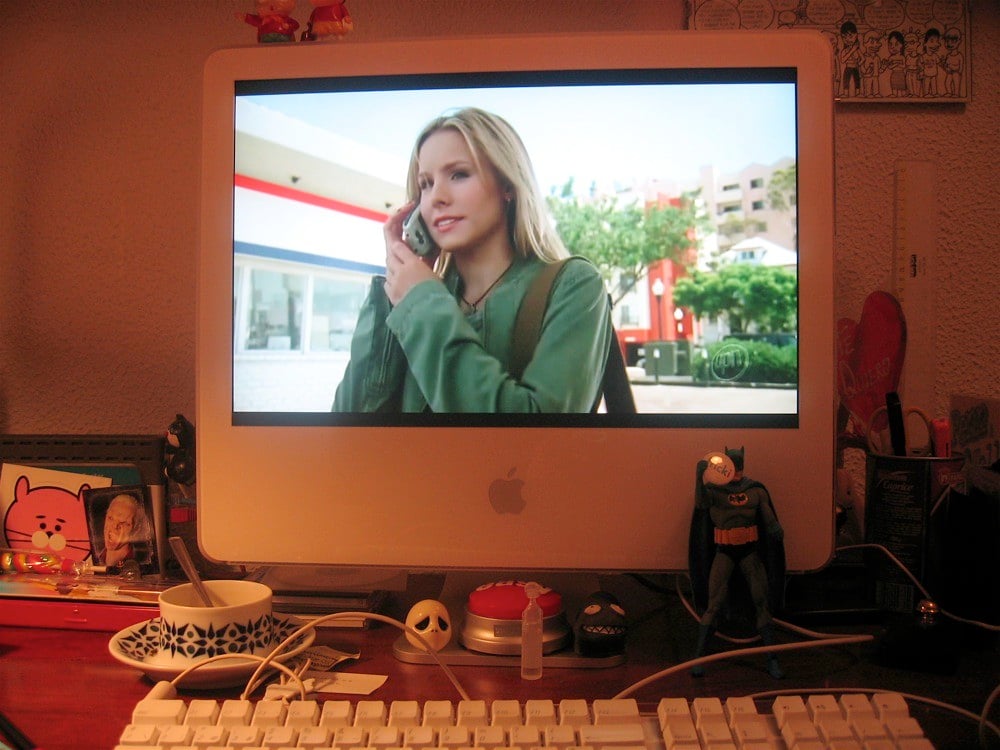
Veronica Mars ran as a TV series on UPN and The CW from 2004 to 2007. It was cancelled before its story felt finished, and the fanbase never quite got over it.
In 2013, creator Rob Thomas and star Kristen Bell launched a Kickstarter campaign to fund a movie continuation. The goal was $2 million.
It hit that in under 11 hours and closed at $5.7 million from nearly 92,000 backers. The film was made and released in 2014 through a deal with Warner Bros., and backers received digital copies directly.
It proved that IP owners and studios were paying attention to what audiences would actually pay for, and it opened up conversations about fan-funded entertainment that are still ongoing.
Reading Rainbow — $5.4 Million
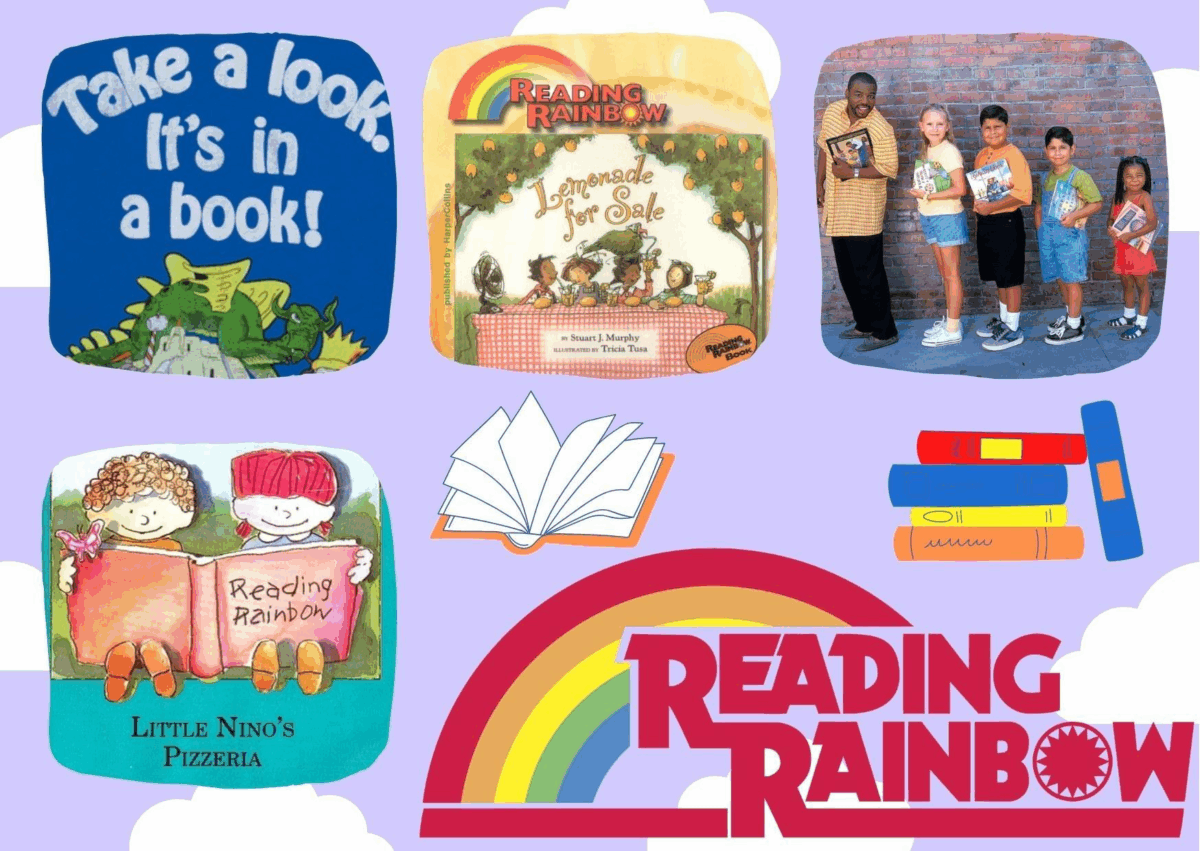
Something about childhood memories lit a spark when LeVar Burton brought back Reading Rainbow through Kickstarter in 2014. Instead of just reviving old episodes, he aimed to turn the app into something schools could use without cost.
Backers poured in nearly five and a half million dollars, showing how deeply the show once mattered. Over one hundred thousand people opened their wallets, pushing it past every previous crowd-funded project in supporter count.
What made this stand out wasn’t flashy promises or new hardware – it was faces lighting up remembering Friday mornings spent watching TV with wide eyes. Feeling tied to something bigger turned pledges into momentum, quietly proving sentiment can fuel progress.
Old feelings found fresh legs under a mission that didn’t feel like selling.
Bloodstained: Ritual of the Night — $5.5 Million
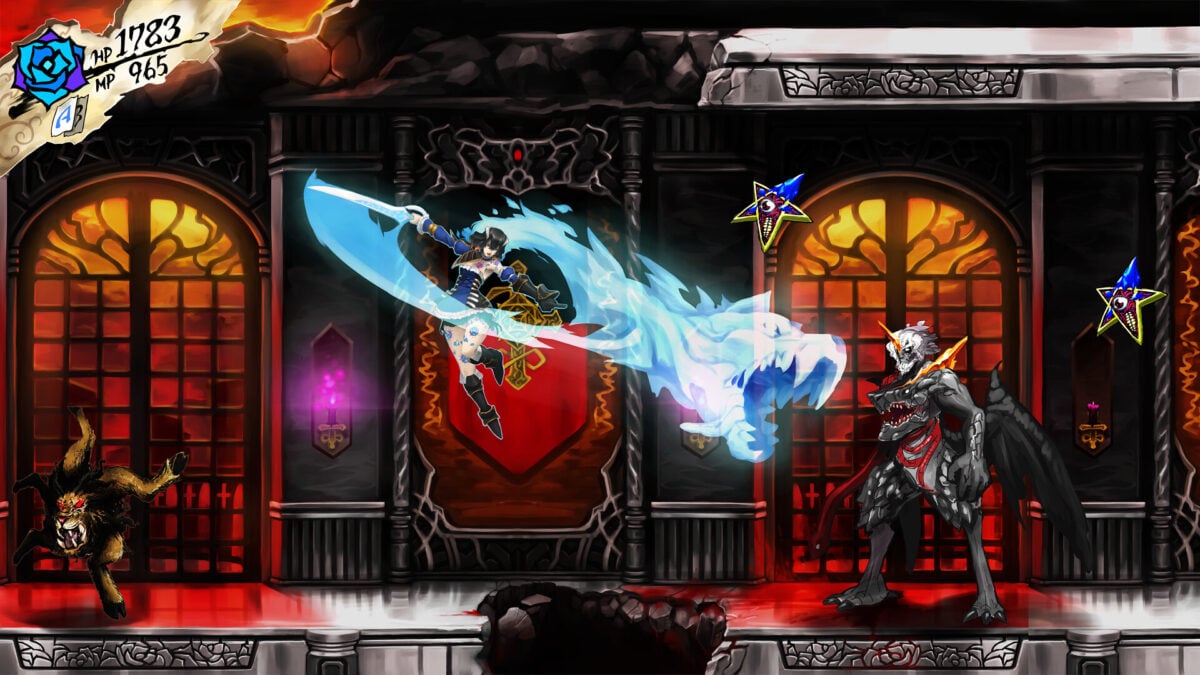
After Koji Igarashi walked away from Konami in 2014, years of crafting Castlevania titles came along for the ride – so did fans who refused to let go. Instead of staying inside the old framework, he shaped something new: Bloodstained: Ritual of the Night rose as its own kind of heir.
Backers stepped forward when crowdfunding began in 2015; originally seeking half a million dollars, yet finishing far beyond at five point five million. By 2019, the title arrived, matching much of what had been described long before launch.
What backers received was a sleek, side-moving action title that truly carried forward the spirit of Castlevania. This stands among the more convincing cases where a developer proved interest through crowdfunding prior to seeking established publishing routes.
Torment: Tides of Numenera — $4.2 Million
From the start, few doubted this would become something special. Not quite a sequel, more like an echo – Torment: Tides of Numenera stepped into the shadow of Planescape: Torment, a 1999 RPG that flopped at launch yet grew legendary among players.
Back in 2013, its crowdfunding campaign aimed for $900,000. Within half a day, that target vanished. In the end, enthusiasm piled up – $4.2 million pledged by some 74,000 people who believed.
That game came out in 2017, welcomed by genre loyalists, yet didn’t sell widely. Backers stepping up made it real – publishers would’ve passed, though players who got it saw value clearly.
Oculus Rift — $2.4 Million
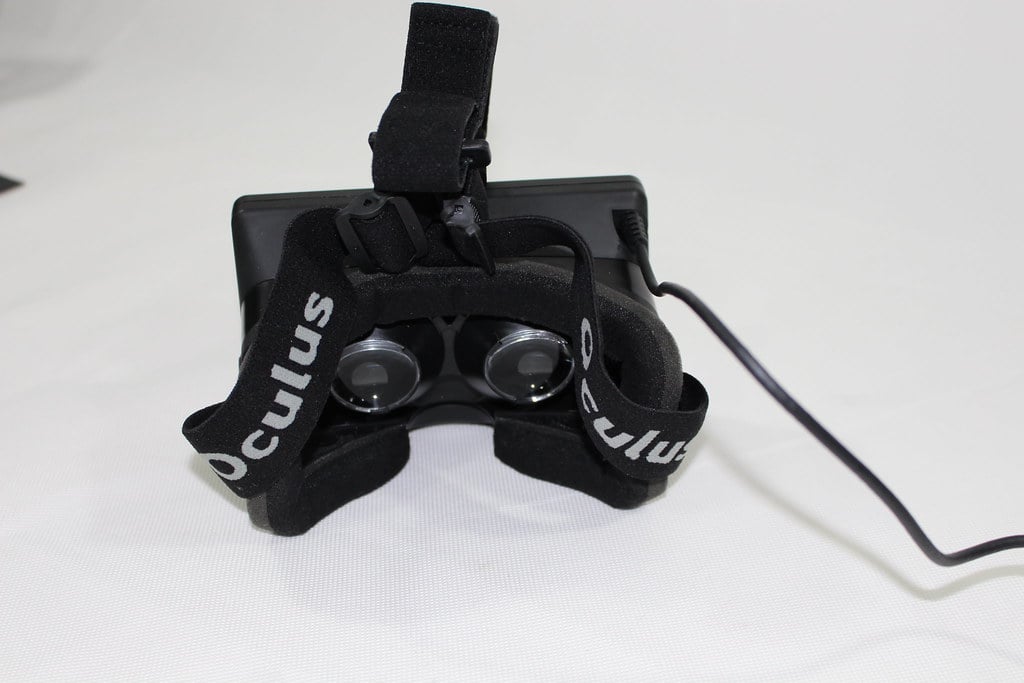
Money wise, the Oculus Rift wasn’t top here. Still, its impact outpaced every other project.
Back in 2012, Palmer Luckey started a crowdfunding push – goal set at $250,000 – for an early version of a VR headset. That target? Smashed.
Over two points four million dollars came through. Then came the twist few saw coming: Facebook bought Oculus VR in 2014, paid around two billion, and did so before any backer received their gear.
Surprise turned sour for many who’d pledged – they thought they were helping build something free standing, now it belonged to one of the planet’s tech giants. Yet Oculus lit a fire under virtual reality as a whole.
Headsets coming later – made by Sony, Valve, even Meta again – owe something to that early crowdfunding moment and the spotlight it turned on.
What a Stranger’s $10 Can Actually Build
What stands out across these fifteen cases isn’t profit, but truth. When things worked – Critical Role, Exploding Kittens, Bloodstained, Veronica Mars – there was always a core of realness holding it up.
Either someone who’d earned trust before, or an idea so sharp you could see its edges, or fans already waiting, just needing a button to click. Where efforts faltered? Overreach.
Big promises made fast, yet little is ready behind them. A dream with legs sometimes finds its home on Kickstarter.
Worth noting, perhaps. Once in a while, one of those ideas slips through and grows wilder than expected – think TV series outliving their pilot, games rewriting the rules, gadgets altering how things work across fields.
Hard to guess which ten-dollar promise might spark what comes next.
More from Go2Tutors!

- The Romanov Crown Jewels and Their Tragic Fate
- 13 Historical Mysteries That Science Still Can’t Solve
- Famous Hoaxes That Fooled the World for Years
- 15 Child Stars with Tragic Adult Lives
- 16 Famous Jewelry Pieces in History
Like Go2Tutors’s content? Follow us on MSN.