Mistakes in Architecture That Became Iconic Features
Architecture is usually all about careful planning, precise measurements, and following the rules. But sometimes the best stories come from when things don’t go as planned. A beam gets installed wrong, a budget runs out halfway through, or someone reads the blueprints upside down.
What happens next can be pretty surprising. These accidents and errors didn’t ruin the buildings.
They made them famous. Let’s look at some of the most interesting architectural blunders that turned into beloved landmarks.
The Leaning Tower of Pisa’s unstable foundation

Everyone knows this tower leans, but not everyone knows it was never supposed to. Construction started in 1173, and workers quickly realized the ground beneath was way too soft.
The tower began tilting when they were only on the third floor. They tried to fix it by making one side taller than the other, which only made things weirder.
The project stopped and started over nearly 200 years because nobody knew what to do. Today, millions of tourists visit Pisa just to take silly photos pretending to hold up this wonky tower that refuses to stand straight.
The Eiffel Tower was meant to be temporary

Gustave Eiffel built his iron tower for the 1889 World’s Fair in Paris, and the plan was to tear it down after 20 years. Parisians hated it at first.
They called it an eyesore, a metal monstrosity, and way worse things. The tower was supposed to come down in 1909, but by then it had become useful for radio transmission.
That accident of timing saved it. Now it’s the most recognizable symbol of Paris and one of the most visited paid monuments in the world.
Sometimes the best landmarks are the ones that stick around by accident.
Sagrada Familia’s never-ending construction

Antoni Gaudí took over this Barcelona church project in 1883 and completely changed the original plans. He knew he wouldn’t finish it in his lifetime, but he probably didn’t expect it to still be under construction more than 140 years later.
Gaudí died in 1926 after being hit by a tram, and many of his plans were destroyed during the Spanish Civil War. Workers have been piecing together his vision from fragments and best guesses ever since.
The ongoing construction has become part of the building’s identity. People visit specifically to see a famous church that’s still being built.
The Sydney Opera House went wildly over budget

Jørn Utzon designed those famous shell-shaped roofs, but he had no idea how to actually build them. The original budget was seven million Australian dollars and a four-year timeline.
It ended up costing 102 million dollars and took 14 years to complete. Utzon quit in frustration before it was finished and never saw the completed building.
The drama and delay only added to the mystique. Those roof shells that caused so much trouble are now recognized instantly around the globe.
Gaudi’s Casa Milà broke all the building codes
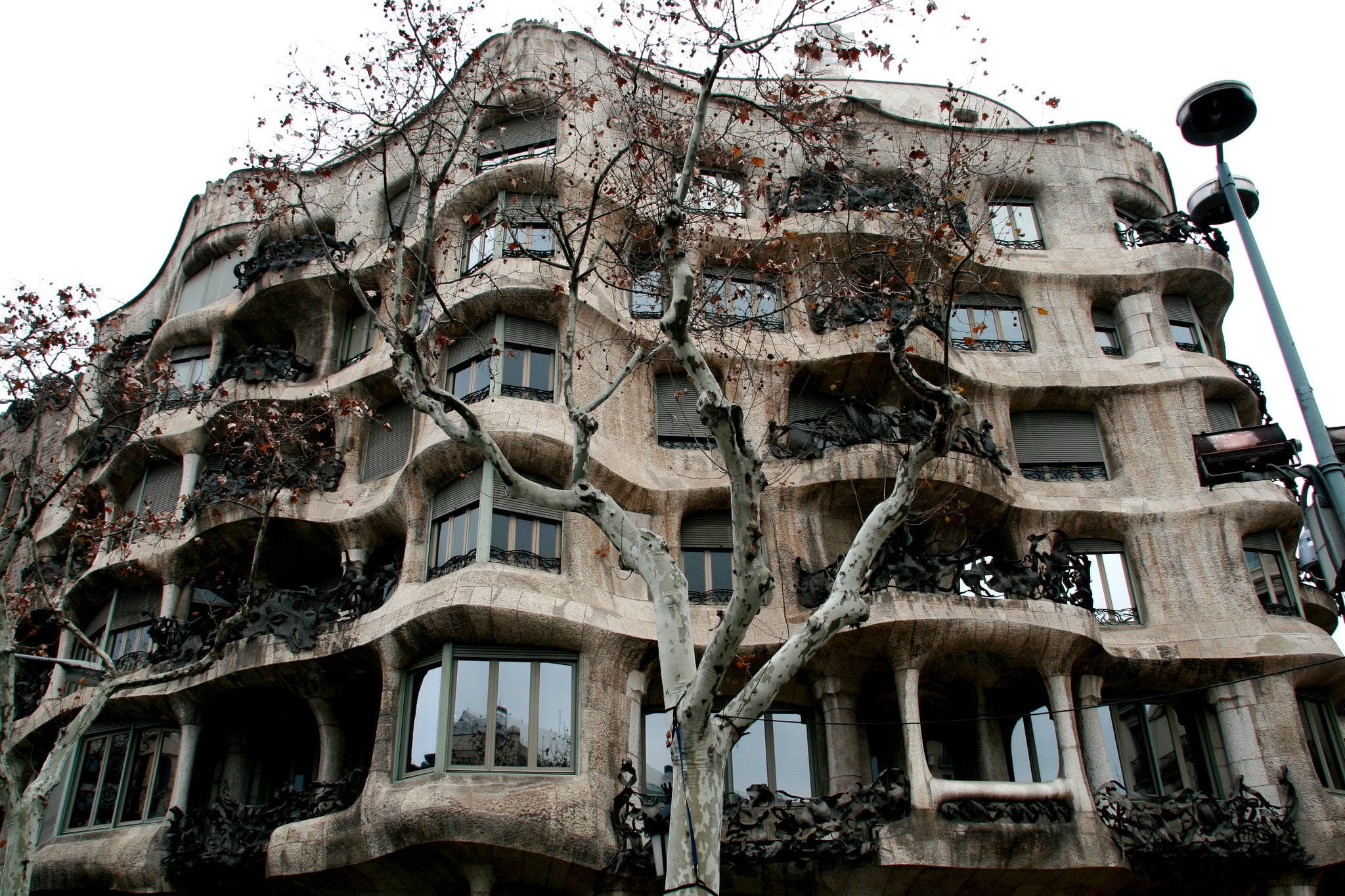
This wavy apartment building in Barcelona looked so strange that locals called it “La Pedrera,” which means “the quarry.” City officials were not impressed.
Gaudí had to pay fines because the building stuck out too far into the street and violated about a dozen regulations. The owner was so upset with how weird it looked that she refused to pay Gaudí his full fee.
They ended up in court. Now UNESCO calls it a World Heritage site and tourists line up every day to see the building that was too strange for its own time.
The Flatiron Building’s awkward triangular shape

New York City’s grid system created a weird triangular plot of land where Broadway cuts across Fifth Avenue. Developer George Fuller decided to build there anyway in 1902.
People said the narrow building would fall over in strong winds. Others complained it looked like a giant ship cutting through the street.
Some called it an abomination. The shape was purely a result of bad urban planning, not artistic vision.
But that strange triangle became one of the most photographed buildings in New York and gave the surrounding neighborhood its name.
St. Basil’s Cathedral has no architectural unity

Ivan the Terrible commissioned this Moscow landmark in the 1550s, and legend says he blinded the architects afterward so they couldn’t build anything more beautiful. Whether that’s true or not, the building is definitely a mess by traditional standards.
Each of the nine chapels has a completely different design and color scheme. There’s no symmetry, no consistent style, and no clear plan holding it together.
It looks like someone glued several different buildings into one spot. That chaotic, colorful confusion is exactly why people love it.
The Atomium was only supposed to last six months

Brussels built this giant steel atom structure for the 1958 World’s Fair. The plan was to scrap it when the fair ended.
But taking it down would have cost more than leaving it up, so it stayed. Rust and decay nearly destroyed it over the years.
The city finally renovated it in 2006 because by then it had become a beloved symbol of Brussels. A temporary exhibit that stuck around because of budget concerns now attracts over 600,000 visitors every year.
Habitat 67 looked like stacked shipping containers

Moshe Safdie designed this Montreal housing complex for Expo 67 as a thesis project. His idea was to create affordable modular housing by stacking prefabricated concrete boxes.
The construction process was a nightmare. The boxes didn’t fit together properly, costs exploded, and the whole thing nearly got cancelled.
Critics called it ugly and compared it to a pile of random blocks. But the weird stacked design became hugely influential in architecture schools and the building is now a protected heritage site.
The Stata Center at MIT has walls that don’t meet
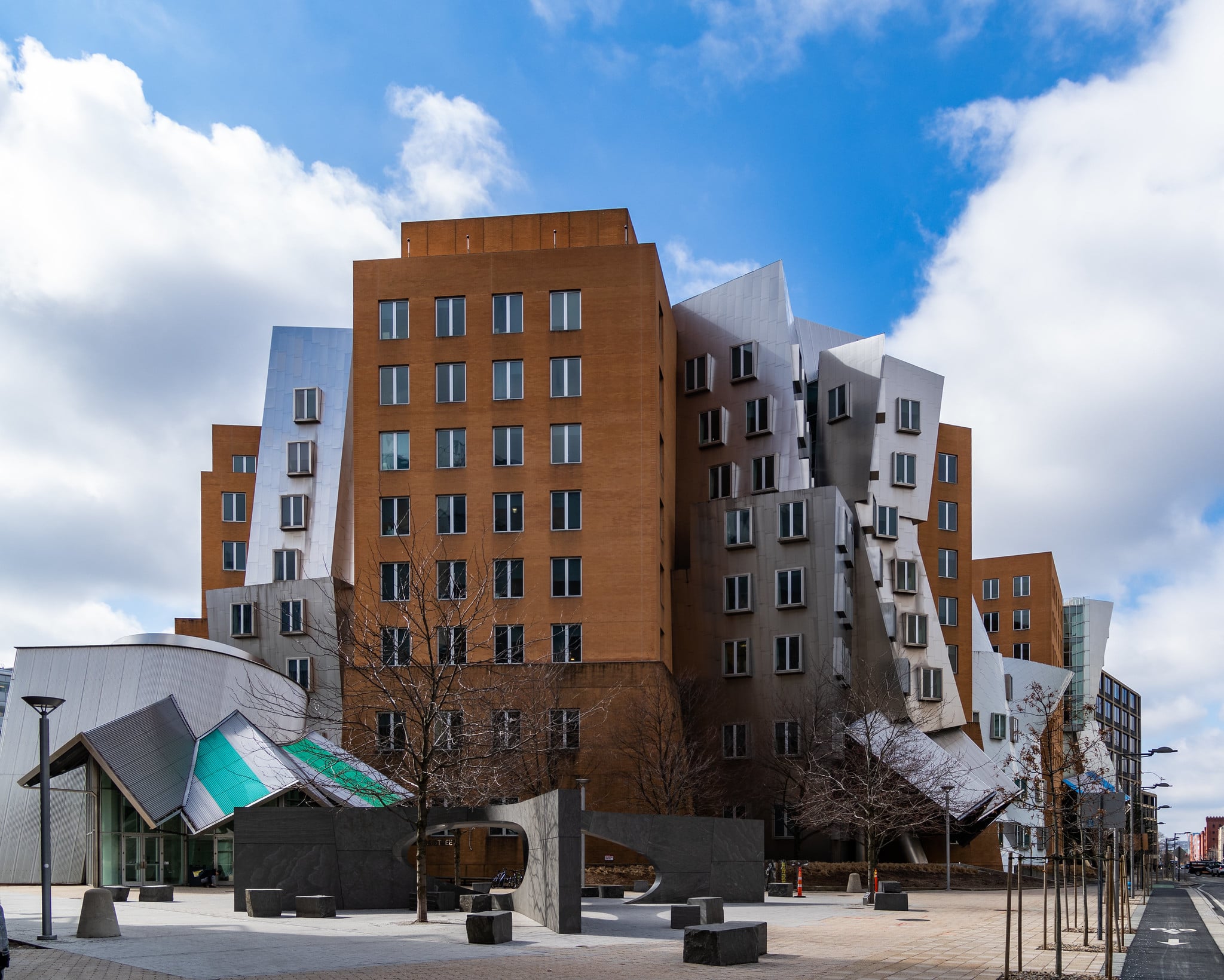
Frank Gehry designed this academic complex with his signature style of walls that lean at crazy angles and collide in unexpected ways. The building won awards for its bold design.
It also leaked, developed cracks, and had drainage problems so bad that MIT sued Gehry’s firm for negligence. The lawsuit was settled, the problems were fixed, and the building still looks like it might collapse at any moment.
Students love it anyway because it’s become a symbol of creative thinking and breaking the rules.
The Vessel at Hudson Yards climbed nowhere

Thomas Heatherwick designed this 150-foot-tall climbable sculpture for New York’s Hudson Yards development. It cost 200 million dollars to build and opened in 2019.
The problem? It didn’t actually go anywhere or serve any purpose beyond letting people climb stairs. Critics called it a waste of money and space.
Then several people died by jumping from it, and it had to close permanently to the public. An architectural feature designed to be interactive became infamous for all the wrong reasons.
The mistake wasn’t in construction but in concept.
Falling water had serious structural problems

Frank Lloyd Wright built this famous house over a waterfall in Pennsylvania in 1935. It won awards immediately and appeared in magazines everywhere.
It also started falling apart almost right away. The cantilevers were sagging, water leaked everywhere, and the whole structure needed constant repairs.
Wright had miscalculated the engineering, and the house was slowly collapsing under its own weight. Engineers have been propping it up with hidden supports for decades.
People still call it Wright’s masterpiece, even though it barely stands without serious help.
The Dancing House ignored Prague’s historic character

Vlado Milunić and Frank Gehry designed this deconstructivist building in Prague in the 1990s. It has curved walls and looks like two dancers leaning against each other.
Czech president Václav Havel supported it, but almost everyone else hated it. The building completely clashed with Prague’s baroque and gothic architecture.
Critics said it was disrespectful to the city’s history and character. Over time, people stopped complaining and started appreciating how the strange modern building created an interesting contrast with its surroundings.
The Gherkin took London by surprise

Norman Foster designed 30 St Mary Axe, better known as the Gherkin, to replace a building damaged by an IRA bomb. The pickle-shaped glass tower was finished in 2003 and looked nothing like anything else in London’s financial district.
Heritage groups complained it would ruin views of historic landmarks. Others said it looked ridiculous.
But the energy-efficient design won environmental awards, and Londoners eventually embraced the weird vegetable shape. Now it’s one of the most recognizable parts of London’s skyline, even though it still looks like a giant pickle.
The Centre Pompidou put its guts on the outside

Renzo Piano and Richard Rogers won a competition to design a cultural center in Paris with a radical idea. They would put all the building’s mechanical systems on the exterior, with color-coded pipes and escalators on the outside walls.
Construction finished in 1977, and Parisians were horrified. They called it an oil refinery, an insult to the city, and a bunch of other colorful names.
The building broke every rule of traditional architecture by displaying what’s usually hidden. That controversial decision made it one of the most visited cultural buildings in the world.
The Guggenheim Bilbao saved a dying city
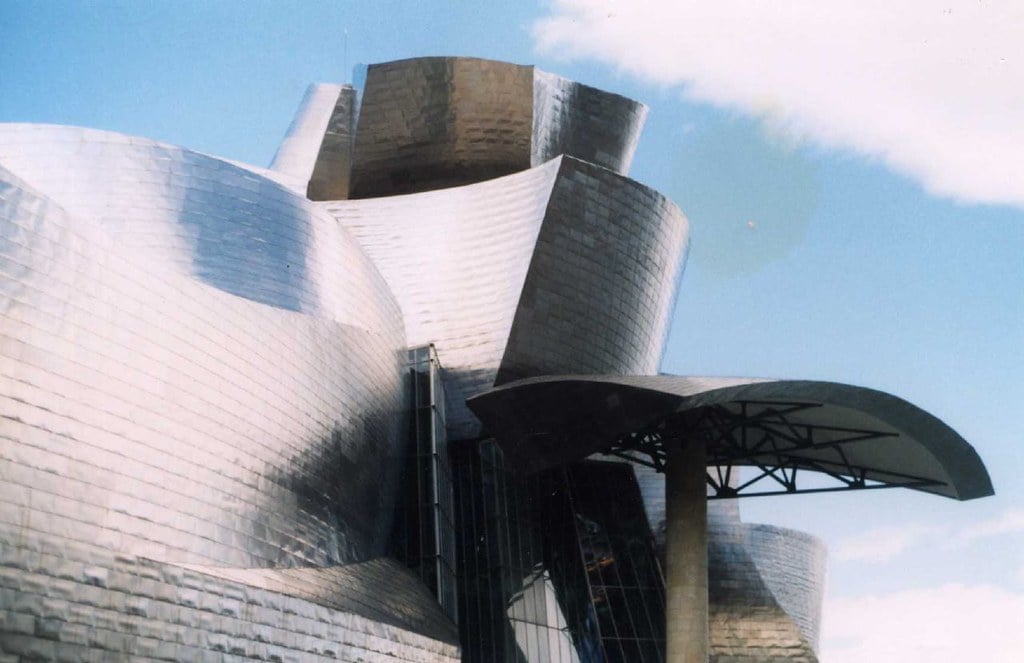
Frank Gehry’s titanium-covered museum opened in 1997 in Bilbao, Spain, a city with a collapsing industrial economy and serious urban decay. The curving metallic building looked like it had crash-landed from outer space.
Critics called it excessive, self-indulgent, and a waste of public money. But something unexpected happened.
Tourists started flooding into Bilbao just to see this weird building. The museum transformed the entire city’s economy and sparked urban renewal across the region.
An architectural gamble that many thought was a terrible mistake became the gold standard for how a single building can revive a city.
Christo’s wrapped buildings questioned what architecture could be
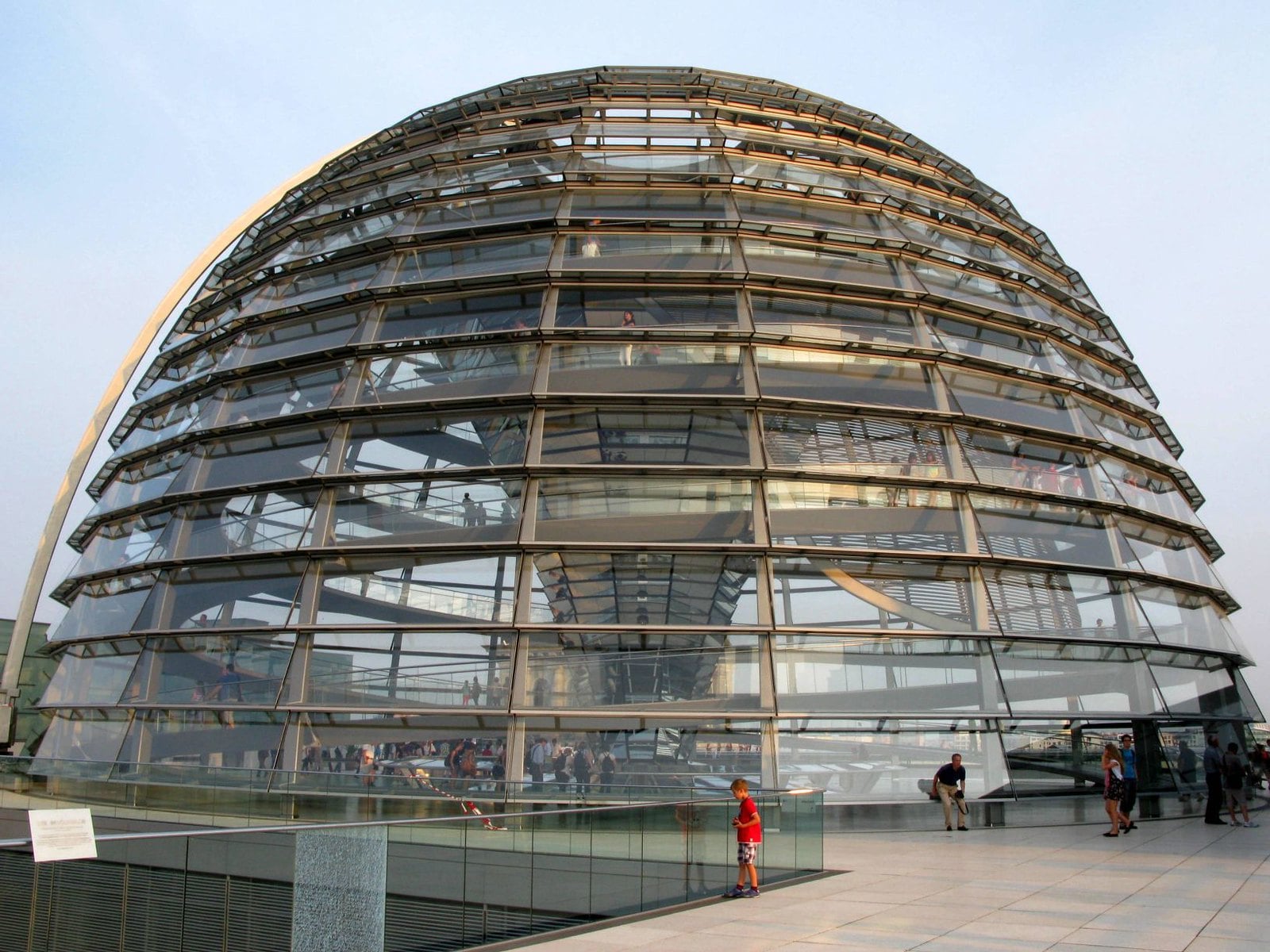
Christo and Jeanne-Claude didn’t make mistakes in the traditional sense, but their wrapped buildings started as misunderstood temporary installations. When they wrapped the Reichstag in Berlin with fabric in 1995, critics called it disrespectful vandalism of an important government building.
The project required decades of negotiation and faced constant opposition. Once completed, five million people came to see it in just two weeks.
The wrapping highlighted the building’s form in ways normal architecture couldn’t. What seemed like covering up a mistake became a way to see familiar buildings with completely fresh eyes.
When accidents become heritage

These buildings prove that perfect execution isn’t always what makes architecture memorable. The leaning tower still leans, the Eiffel Tower still stands where it was never meant to stay, and Sagrada Familia keeps rising toward completion.
What started as budget problems, engineering failures, and public outrage turned into the landmarks people travel across the world to see. Sometimes the real genius in architecture isn’t avoiding mistakes but knowing when to embrace them and let them become something nobody expected.
More from Go2Tutors!

- The Romanov Crown Jewels and Their Tragic Fate
- 17 Halloween Costumes Once Considered Taboo
- Famous Hoaxes That Fooled the World for Years
- 15 Child Stars with Tragic Adult Lives
- 16 Famous Jewelry Pieces in History
Like Go2Tutors’s content? Follow us on MSN.