15 Natural Materials That Are Stronger Than Steel
When most people think of strength, steel usually comes to mind first. It’s been the backbone of construction, manufacturing, and engineering for over a century. Nature, however, has been perfecting materials for millions of years—some of her creations put our strongest metals to shame.
These natural materials don’t just match steel’s strength; they often exceed it by incredible margins. Here’s a list of 15 natural materials that are stronger than steel.
Spider Silk
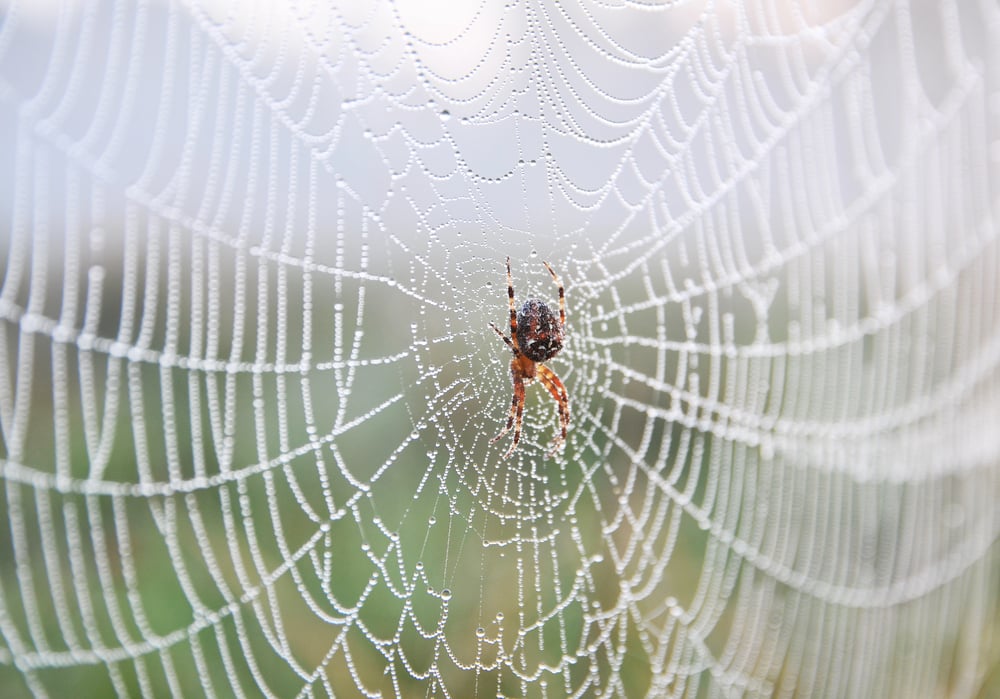
Spider silk might look delicate, yet it’s one of the toughest materials on Earth. The dragline silk that spiders use for the frame of their webs is about five times stronger than steel of the same thickness. What makes it even more impressive? It’s incredibly lightweight and flexible—something steel definitely can’t claim. Scientists have been trying to replicate this material for decades, though some companies are now using genetically modified bacteria to produce synthetic spider silk for everything from bulletproof vests to medical sutures.
Limpet Teeth

These tiny sea creatures have teeth that are stronger than any material previously known to science. Limpet teeth contain incredibly thin fibers of a mineral called goethite, arranged in a way that makes them about five times stronger than spider silk. The structure is so efficient that engineers are studying it to create stronger composite materials. Think of it like nature’s version of carbon fiber—but even better.
Mussel Threads
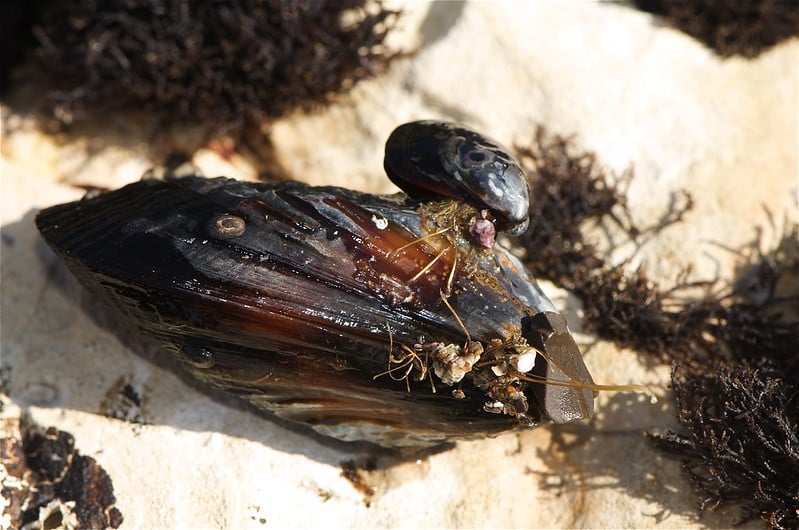
Mussels attach themselves to rocks using threads that are tougher than human tendons and stronger than steel. These byssal threads can stretch up to 160% of their original length without breaking, making them both strong and flexible. The secret lies in their unique protein structure, which shifts from stiff to stretchy under stress. Scientists are now developing new materials based on this principle for everything from medical implants to construction materials.
Bamboo Fiber

Bamboo has been used in construction for thousands of years—and for good reason. Its tensile strength rivals that of steel, yet it’s much lighter and more flexible. The hollow structure of bamboo culms distributes stress incredibly efficiently, which is why bamboo scaffolding is still used in many parts of Asia today. Modern engineers are incorporating bamboo fibers into composite materials to create stronger, more sustainable alternatives to traditional steel reinforcement.
Bone

Human bone is about four times stronger than concrete. It has roughly the same compressive strength as steel, though that’s not the whole story. The secret is its composite structure—collagen fibers provide flexibility while calcium phosphate minerals add hardness. This combination allows bones to absorb impact without shattering, something that makes them far superior to steel in many applications. Bone also has the remarkable ability to heal and strengthen itself over time.
Antler

Deer antlers are designed to withstand tremendous impact forces during fights—they’re incredibly tough as a result. The material is about three times stronger than bone and has an amazing ability to absorb energy without breaking. Antlers grow fresh each year, which means they’re optimized for maximum strength with minimum weight. This natural engineering has inspired new designs for impact-resistant materials in everything from helmets to car bumpers.
Diatom Shells
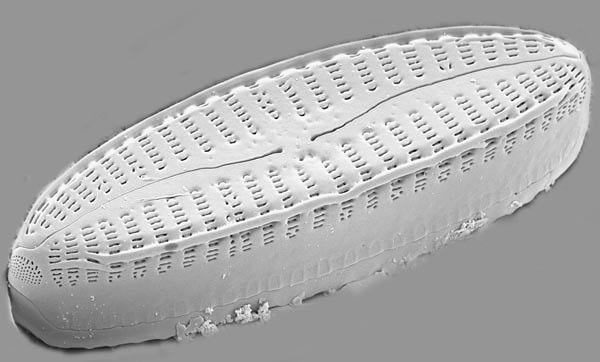
These microscopic algae create intricate glass shells that are stronger than engineered materials. The shells are made of silica, but their complex geometric patterns make them incredibly resistant to compression. Some diatom shells can withstand pressures that would crush steel of the same thickness. The patterns are so efficient that engineers are now using them as templates for designing stronger ceramic materials—plus lightweight structural components.
Nacre
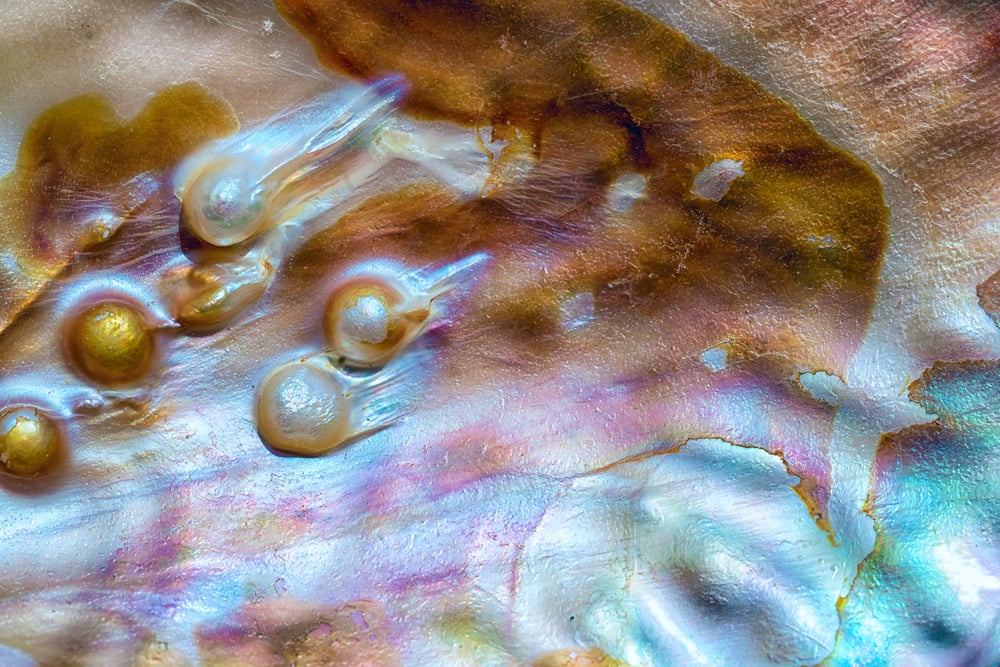
Also known as mother-of-pearl, nacre is the shiny inner layer of mollusk shells. It’s made of calcium carbonate (the same stuff as chalk), but its layered structure makes it about 3,000 times stronger than its individual components. Nacre achieves this strength through a brick-and-mortar arrangement of microscopic plates held together by protein glue. This structure inspired the development of new composite materials that are both strong—and lightweight.
Chitin

The material that makes up insect exoskeletons and crab shells is surprisingly strong. Chitin is the second most abundant natural polymer on Earth, though when arranged properly, it can be stronger than steel. The key is its hierarchical structure—from the molecular level up to the macro scale, everything is optimized for strength and flexibility. Scientists are now using chitin to create biodegradable plastics—medical materials that are both strong and environmentally friendly.
Cellulose Nanofibers

Wood might not seem particularly strong, but the cellulose fibers within it are incredibly tough. When extracted and processed into nanofibers, cellulose can be eight times stronger than steel. These nanofibers are being used to create new composite materials that are both strong yet sustainable. The automotive industry is particularly interested in cellulose nanofibers as a replacement for heavier materials in car construction.
Keratin

The protein that makes up hair, feathers, and horns is surprisingly strong when properly arranged. Keratin fibers in hair can be stronger than steel wire of the same diameter. The secret is in the protein’s helical structure, which allows it to stretch significantly before breaking. This combination of strength and flexibility makes keratin an interesting material for developing new synthetic fibers and composite materials.
Sea Sponge Spicules

Some deep-sea sponges create glass fibers that are more flexible and stronger than commercial optical fibers. These spicules are made of silica, but their layered structure gives them properties that exceed those of engineered materials. The fibers can be twisted and bent without breaking, something that’s almost impossible with manufactured glass. Scientists are studying these structures to develop better fiber optic cables and stronger glass materials.
Calcite in Mollusk Shells
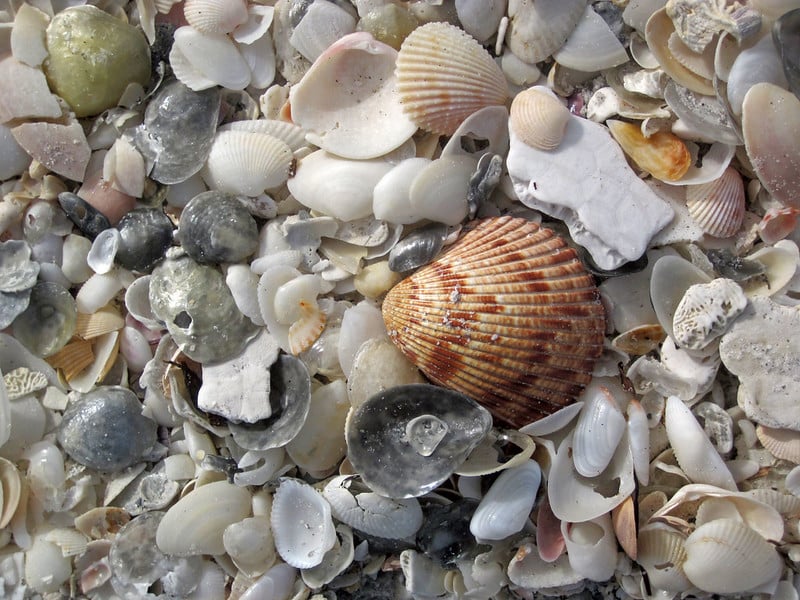
The outer shells of mollusks contain calcite crystals arranged in incredibly strong patterns. These crystals are oriented to maximize strength while minimizing weight, creating a material that’s stronger than many metals. The arrangement is so efficient that it inspired the development of new ceramic materials and protective coatings. Some mollusk shells can withstand pressures that would deform steel plates.
Collagen Fibers

Collagen is the most abundant protein in mammals, and it’s incredibly strong when arranged properly. The triple helix structure of collagen molecules creates fibers that are stronger than steel wire. These fibers provide the structural framework for everything from skin to blood vessels. Scientists are now using collagen as a basis for developing new biomedical materials and synthetic fibers.
Silk Proteins in General
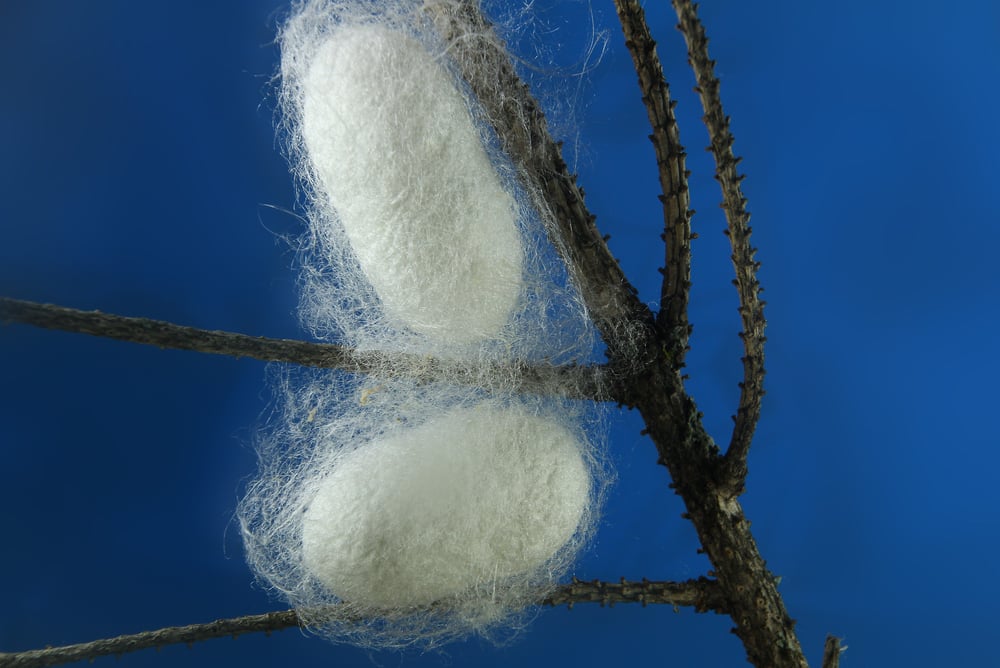
While spider silk gets most of the attention, other creatures produce silk proteins that are equally impressive. Silkworms, for example, create fibers that have been used for thousands of years. The protein structure of these silks gives them strength that rivals steel while maintaining incredible flexibility. Modern biotechnology is now producing various silk proteins for use in everything from surgical sutures to parachute cords.
Nature’s Engineering Excellence

These natural materials remind us that strength isn’t just about raw power. It’s about smart engineering. While we’ve mastered the art of making steel, nature has spent millions of years perfecting materials that are not only stronger but also lighter, more flexible, and often self-healing. As we face challenges like climate change and resource scarcity, these natural materials offer blueprints for creating stronger, more sustainable alternatives to traditional materials. The future of materials science isn’t just about making things stronger—it’s about making them smarter, just like nature has always done.
More from Go2Tutors!

- 16 Historical Figures Who Were Nothing Like You Think
- 12 Things Sold in the 80s That Are Now Illegal
- 15 VHS Tapes That Could Be Worth Thousands
- 17 Historical “What Ifs” That Would Have Changed Everything
- 18 TV Shows That Vanished Without a Finale
Like Go2Tutors’s content? Follow us on MSN.



