15 Rare Ingredients in Top-Tier Cuisine
The world of fine dining isn’t just about technique and presentation—it’s about ingredients so rare and precious that they can cost more per ounce than gold. These culinary treasures define luxury cooking, with some dishes commanding thousands simply because of what goes into them.
From underground fungi that take trained dogs to find to bird saliva that’s been prized for centuries, these ingredients push the boundaries of what we consider food. What makes these ingredients so special isn’t just their price tags, but the incredible stories behind how they’re sourced, prepared, and transformed into unforgettable dining experiences.
Here is a list of 15 rare ingredients that make top-tier cuisine truly extraordinary.
White Alba Truffles
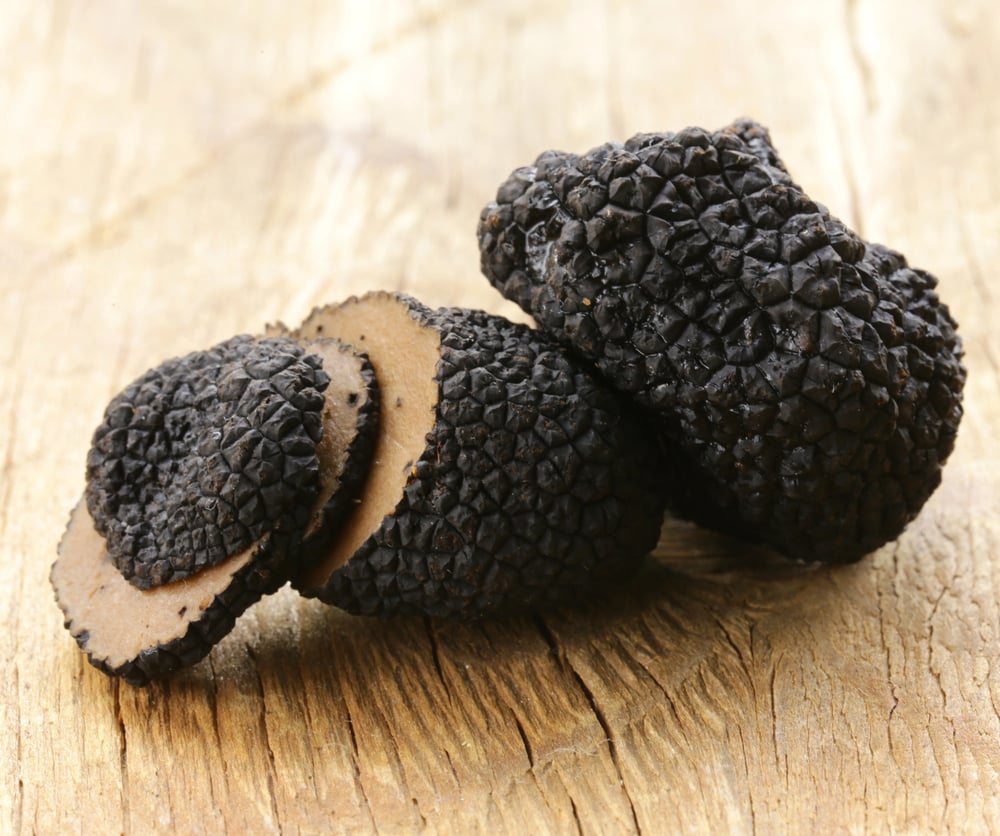
White Alba truffles are the holy grail of the truffle world, found only in specific regions of Italy and commanding up to $400 per ounce. These underground fungi grow in symbiosis with oak tree roots and can’t be cultivated, making them entirely dependent on nature’s whims.
Trained dogs are used to hunt them down in the forests of Piedmont, and their season lasts only from October to December, creating a feeding frenzy among the world’s top chefs.
Saffron
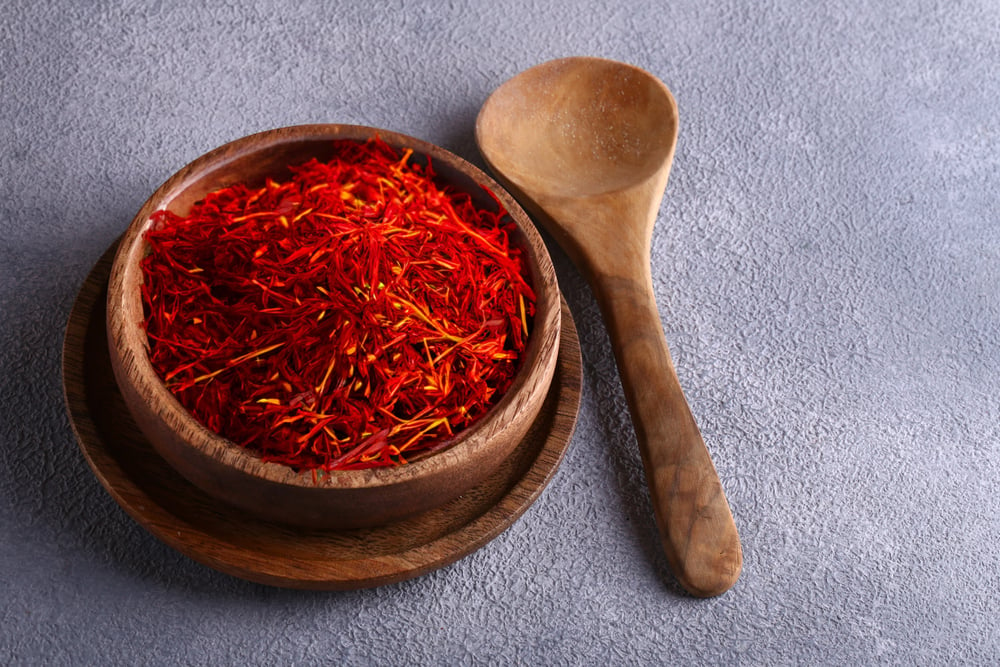
Known as ‘red gold,’ saffron is the world’s most expensive spice, with high-quality varieties costing over $3,600 per gram. It takes 75,000 saffron flowers to produce just one pound of the spice, with each delicate stigma hand-picked during a brief autumn flowering period.
The labor-intensive harvest in countries like Iran and Spain can take up to 400 hours to produce a single kilogram, explaining why even a pinch of real saffron costs more than most people’s dinner.
Beluga Caviar
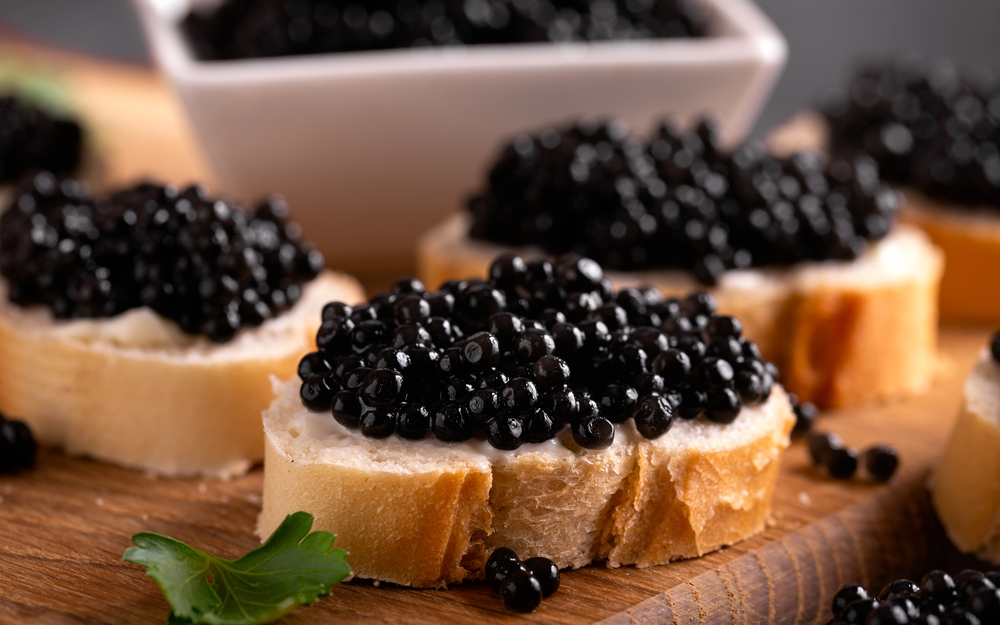
The eggs of the beluga sturgeon represent the pinnacle of luxury dining, with top-grade specimens selling for thousands per pound. These massive fish can live over 100 years and don’t reach maturity until they’re 20, making their roe incredibly rare and valuable.
The overfishing of beluga sturgeon has made them endangered, driving prices even higher and making authentic beluga caviar one of the most exclusive foods on earth.
Wagyu Beef
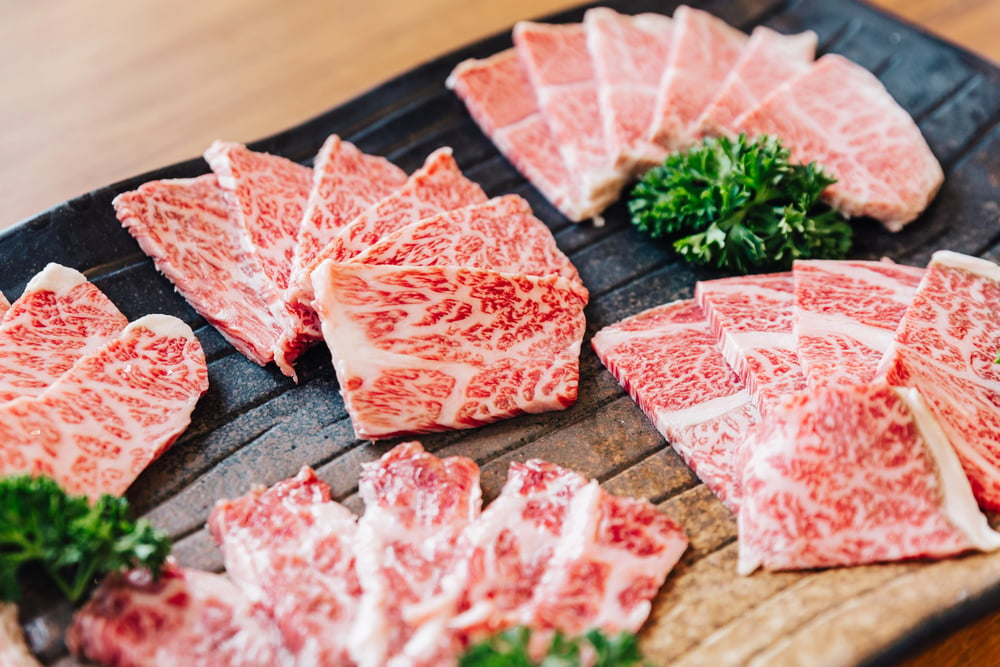
Real Japanese wagyu beef, particularly A5-grade varieties, can cost $300 per pound or more, with some individual cows selling for $30,000. These cattle are raised with meticulous care, often fed beer and massaged to ensure perfect marbling throughout the meat.
The most exclusive variety, Olive Wagyu, comes from cows fed olive pulp and is so rare that only 2,200 cows were raised in 2018, making it the world’s rarest steak.
Bird’s Nest Soup
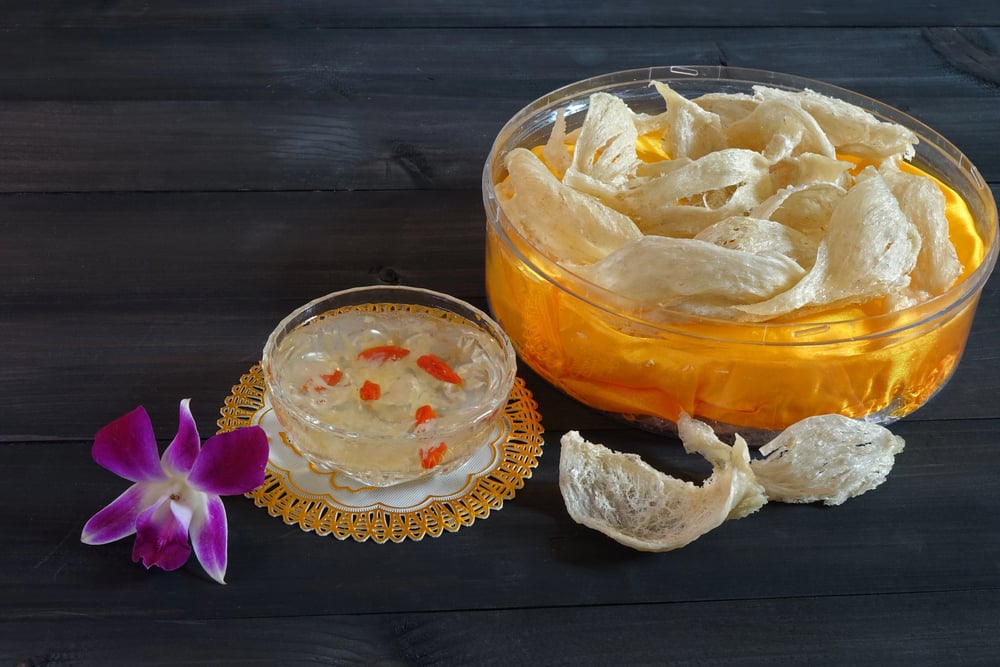
Made from the hardened saliva of swiftlet birds, edible bird’s nests can cost up to $10,000 per kilogram, earning them the nickname ‘caviar of the East.’ Harvesting these nests is incredibly dangerous work, with collectors risking their lives climbing to dizzying heights in limestone caves.
The nests must be meticulously cleaned by hand, removing each feather individually, before they can be turned into the gelatinous soup prized in Chinese cuisine for its supposed anti-aging properties.
Matsutake Mushrooms
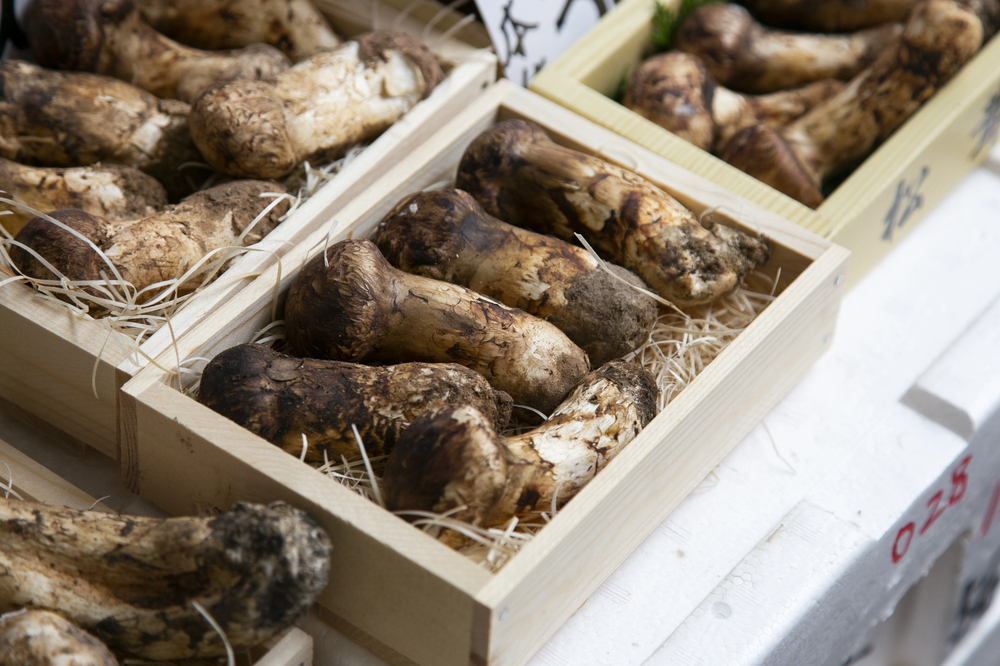
These highly aromatic mushrooms grow only in specific conditions among the roots of red pine trees and cannot be cultivated commercially. In Japan, they can sell for up to $1,000 per pound during peak season, though American varieties are considerably cheaper at around $40 per pound.
The annual harvest has been declining for decades due to environmental changes, making these ‘pine mushrooms’ increasingly precious to Japanese cuisine where they’re considered the ultimate autumn delicacy.
Foie Gras
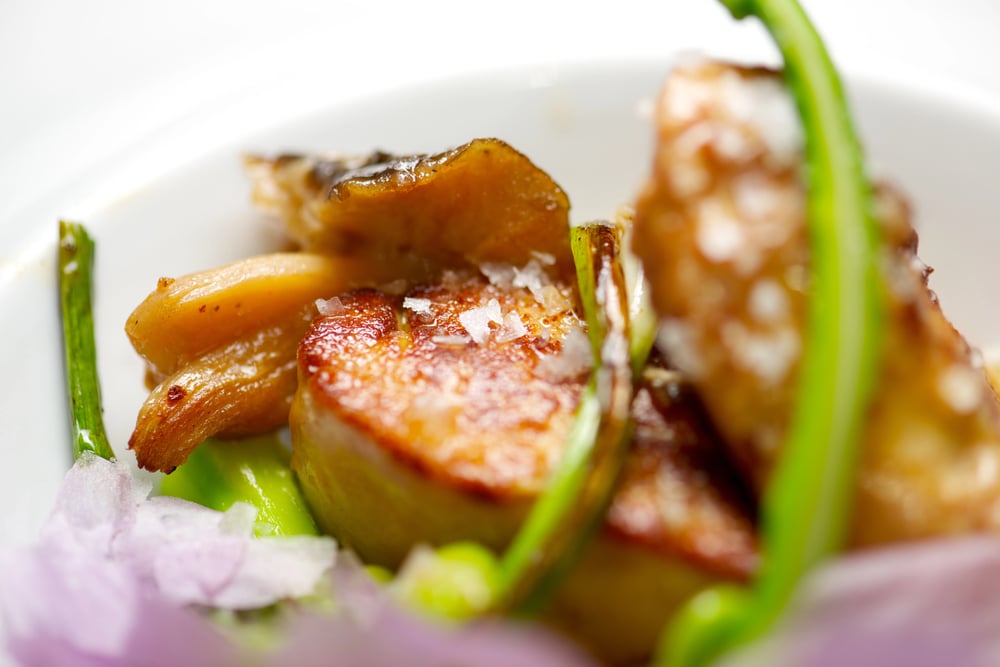
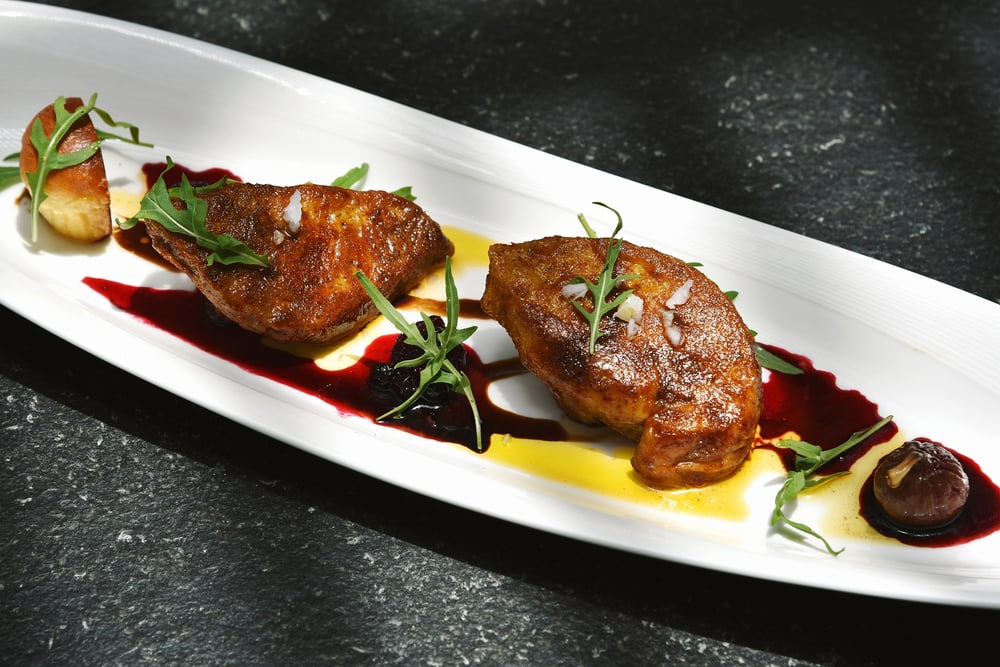
This controversial delicacy, made from the fattened liver of ducks or geese, commands around $140 per kilogram for premium varieties. The traditional force-feeding process has made it illegal in several places, but the finest foie gras from regions like Périgord, France, remains one of the most sought-after ingredients in haute cuisine.
Its rich, buttery texture and complex flavor make it a favorite for special occasion menus despite the ethical debates surrounding its production.
Vanilla
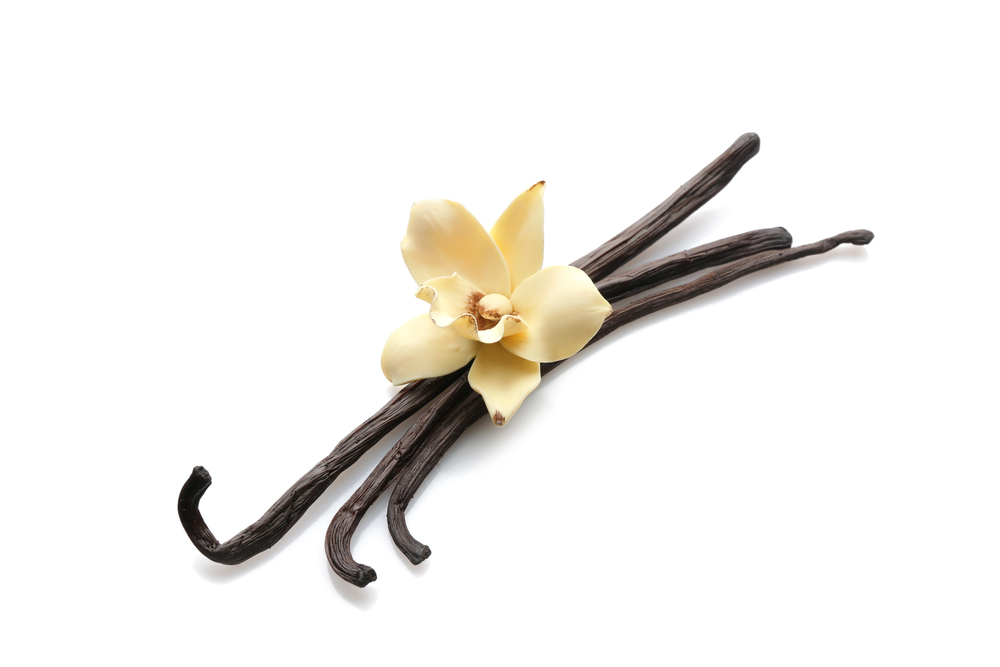
Real vanilla beans are the second most expensive spice in the world, with premium Madagascar vanilla costing hundreds of dollars per pound. The vanilla orchid flowers for just one day per year and must be hand-pollinated within that narrow window, followed by a months-long curing process.
Most of what people think is vanilla flavor actually comes from synthetic vanillin, making real vanilla beans incredibly precious to pastry chefs and fine dining establishments.
Densuke Watermelons
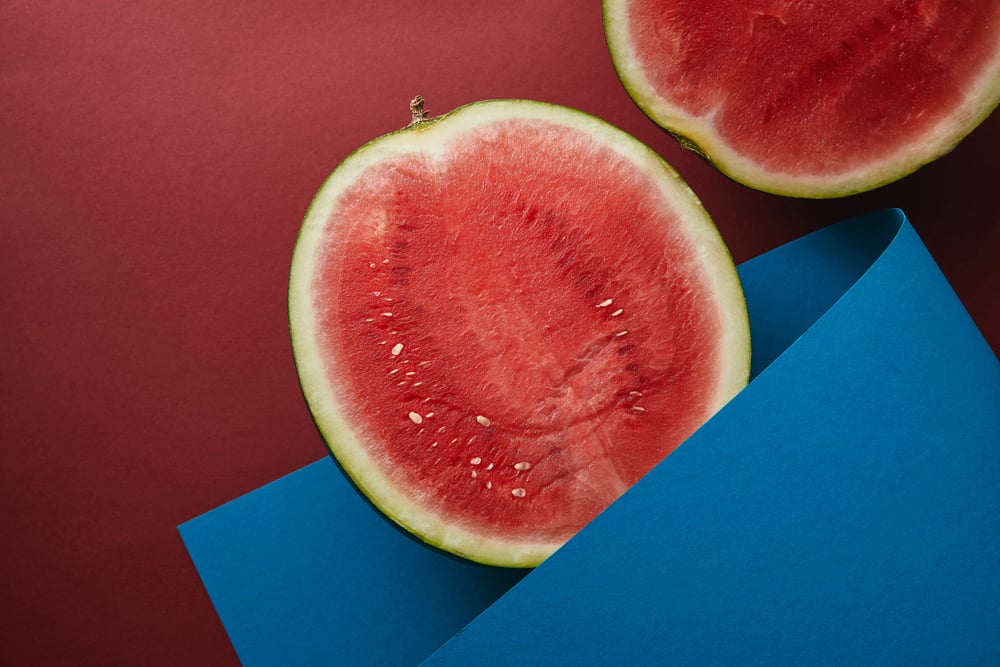
These jet-black watermelons are grown exclusively on the island of Hokkaido in Japan, with only 10,000 produced annually. The volcanic soil and cool climate create watermelons with exceptionally crisp flesh and intense sweetness that some describe as having hints of strawberry.
Premium specimens can sell for over $6,000 each at auction, though regular Densuke melons still cost several hundred dollars, making them among the world’s most expensive fruit.
White Gold Caviar
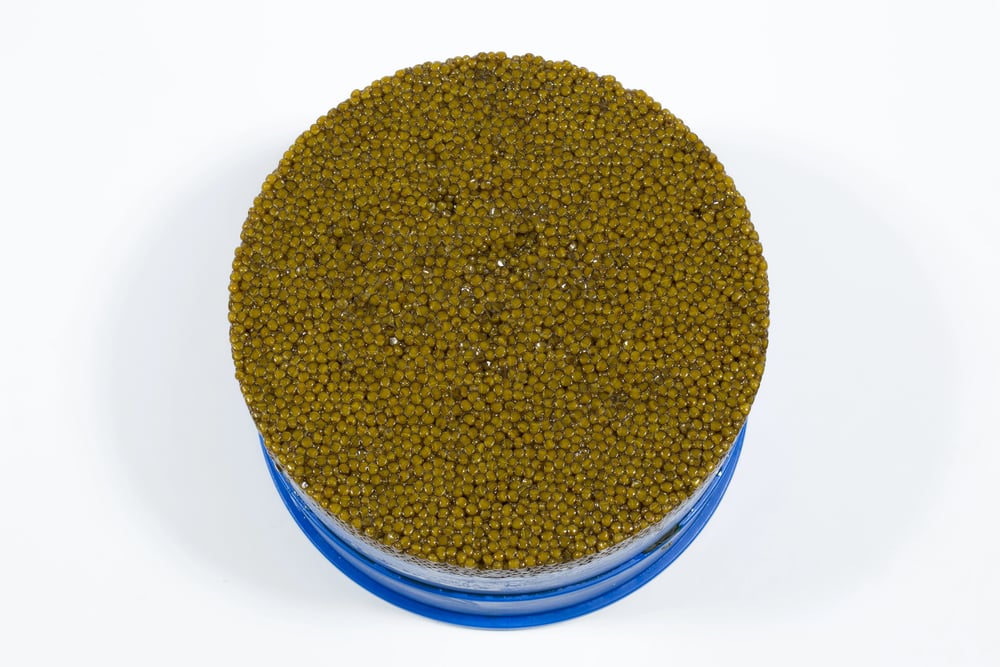
This ultra-exclusive caviar combines the rarity of albino sturgeon roe with actual 22-carat gold, creating the world’s most expensive food at $40,000 per teaspoon. Created by Austrian fish farmers Walter and Patrick Gruell, only a tiny amount is produced each year for the ultra-wealthy.
The gold is said to have health benefits, though most diners are probably more interested in the bragging rights of eating the world’s priciest ingredient.
Ruby Roman Grapes
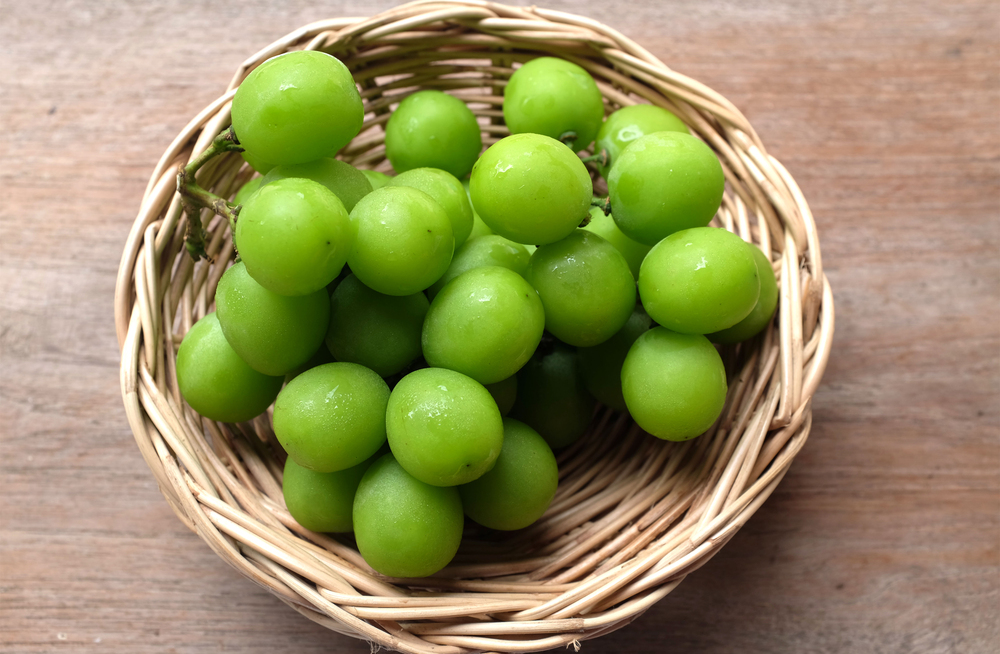
These purple grapes from Japan’s Ishikawa Prefecture are so exclusive that the premium grade can sell for $1,000 per bunch. Each grape must meet strict criteria for size, weight, and sugar content, with the finest specimens being nearly ping-pong-sized.
Only a few thousand bunches are produced each year, and they’re often given as prestigious gifts in Japanese business culture, making them more valuable than most jewelry.
Edible Gold Leaf
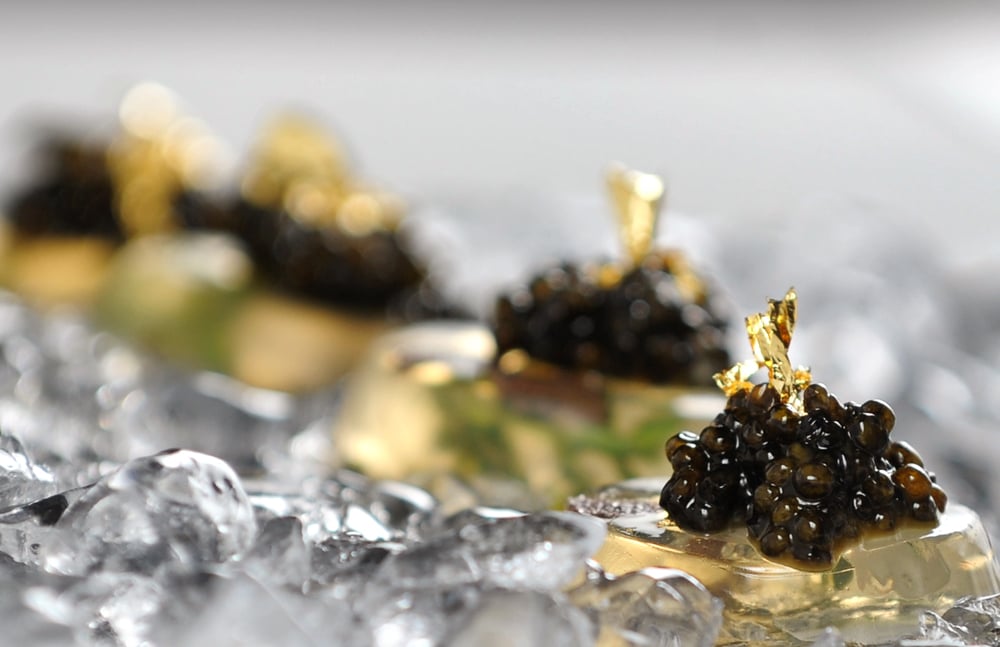
While flavorless and providing no nutritional value, edible gold leaf commands $2.50 per sheet and has become a symbol of culinary excess. The 22-carat gold is hammered into sheets so thin they’re almost weightless, then applied to desserts, sushi, and cocktails for pure visual impact.
Despite being completely inert and passing through the digestive system unchanged, gold leaf remains popular in luxury restaurants as the ultimate finishing touch for special occasion dishes.
Ceylon Cinnamon
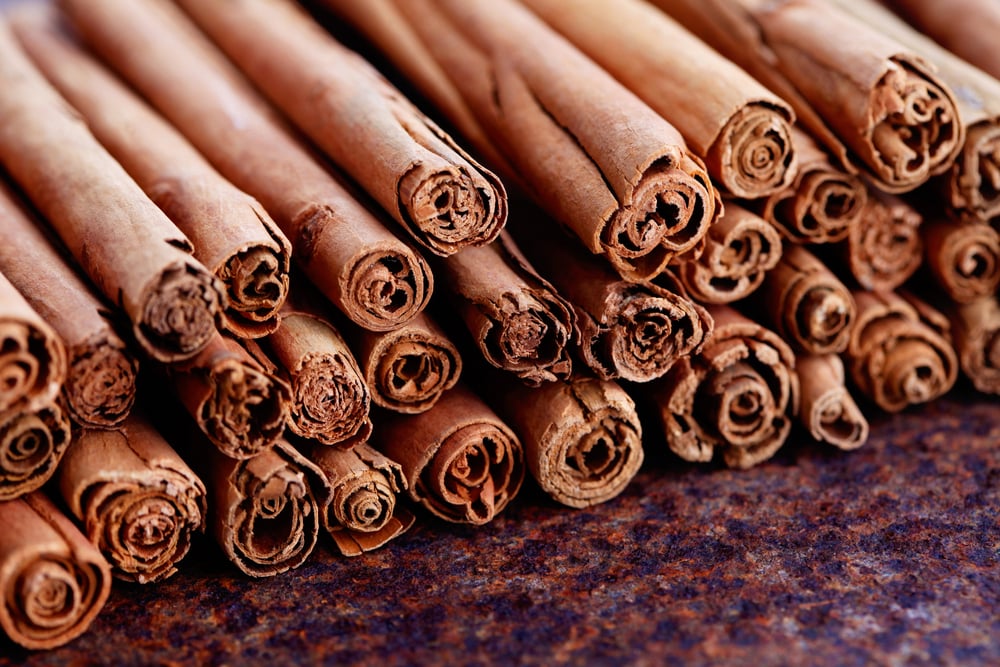
True Ceylon cinnamon from Sri Lanka costs significantly more than regular cassia cinnamon, with premium varieties reaching $30 per pound. The delicate inner bark must be carefully peeled from young cinnamon tree shoots and dried into the characteristic curled quills.
Its sweet, complex flavor profile is prized by pastry chefs and spice enthusiasts who consider regular cinnamon a poor substitute for this ‘true’ variety.
Cardamom
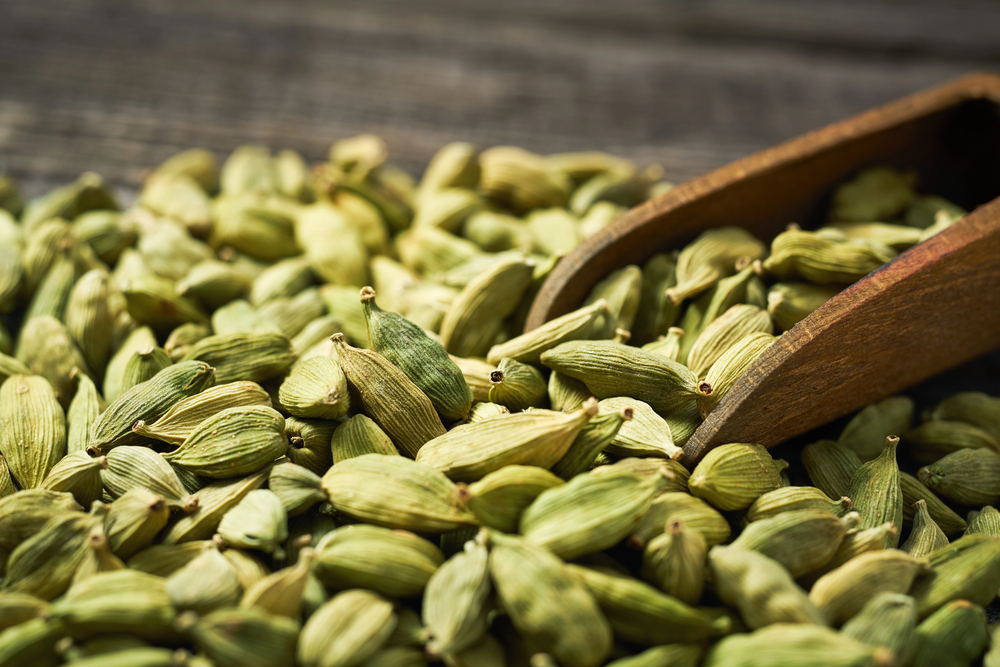
Green cardamom pods, particularly the premium varieties from Guatemala and India, can cost over $30 per pound, making it one of the world’s most expensive spices by weight. Each pod must be hand-picked at exactly the right moment before the seeds inside are fully mature, then carefully dried to preserve the volatile oils that give cardamom its distinctive floral aroma.
The labor-intensive harvest and specific growing conditions keep supplies limited and prices high.
Abalone
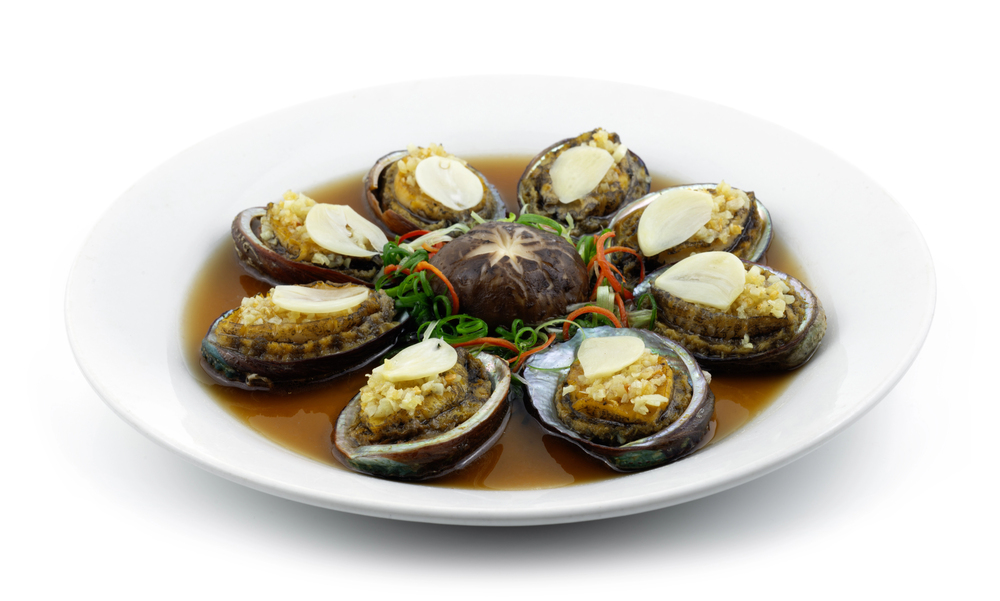
This sea snail delicacy commands premium prices, with large specimens selling for hundreds of dollars each in high-end restaurants. Wild abalone must be harvested by divers who risk encounters with sharks and dangerous currents, while farmed varieties take years to reach market size.
The meat has a unique chewy texture and subtle ocean flavor that’s prized in Chinese and Japanese cuisine, where it’s often served at wedding banquets and other important celebrations.
The Price of Perfection
These rare ingredients represent more than just expensive food—they’re the result of centuries of culinary tradition, extreme dedication to quality, and sometimes life-threatening harvesting methods. While a $100 bowl of bird’s nest soup or $400 worth of white truffles might seem excessive, they represent the pinnacle of what’s possible when money is no object and flavor is everything.
For the world’s top chefs and their wealthy clientele, these ingredients aren’t just about taste—they’re about creating experiences that simply can’t be replicated with anything else, no matter how skilled the cook or how advanced the technique.
More from Go2Tutors!

- 16 Historical Figures Who Were Nothing Like You Think
- 12 Things Sold in the 80s That Are Now Illegal
- 15 VHS Tapes That Could Be Worth Thousands
- 17 Historical “What Ifs” That Would Have Changed Everything
- 18 TV Shows That Vanished Without a Finale
Like Go2Tutors’s content? Follow us on MSN.



