Bizarre Rituals Performed by Famous Rock Stars
Rock stars have always existed in their own universe, where normal rules don’t apply and eccentric behavior becomes part of the mythology. Behind the glitz and glamour, many of these musical legends developed peculiar habits and rituals that would seem completely absurd to anyone else.
Some of these practices were born from superstition, others from pure neurosis, and a few from what can only be described as creative madness. These aren’t just quirky personality traits — they’re deeply ingrained compulsions that these artists genuinely believed were essential to their success.
Freddie Mercury
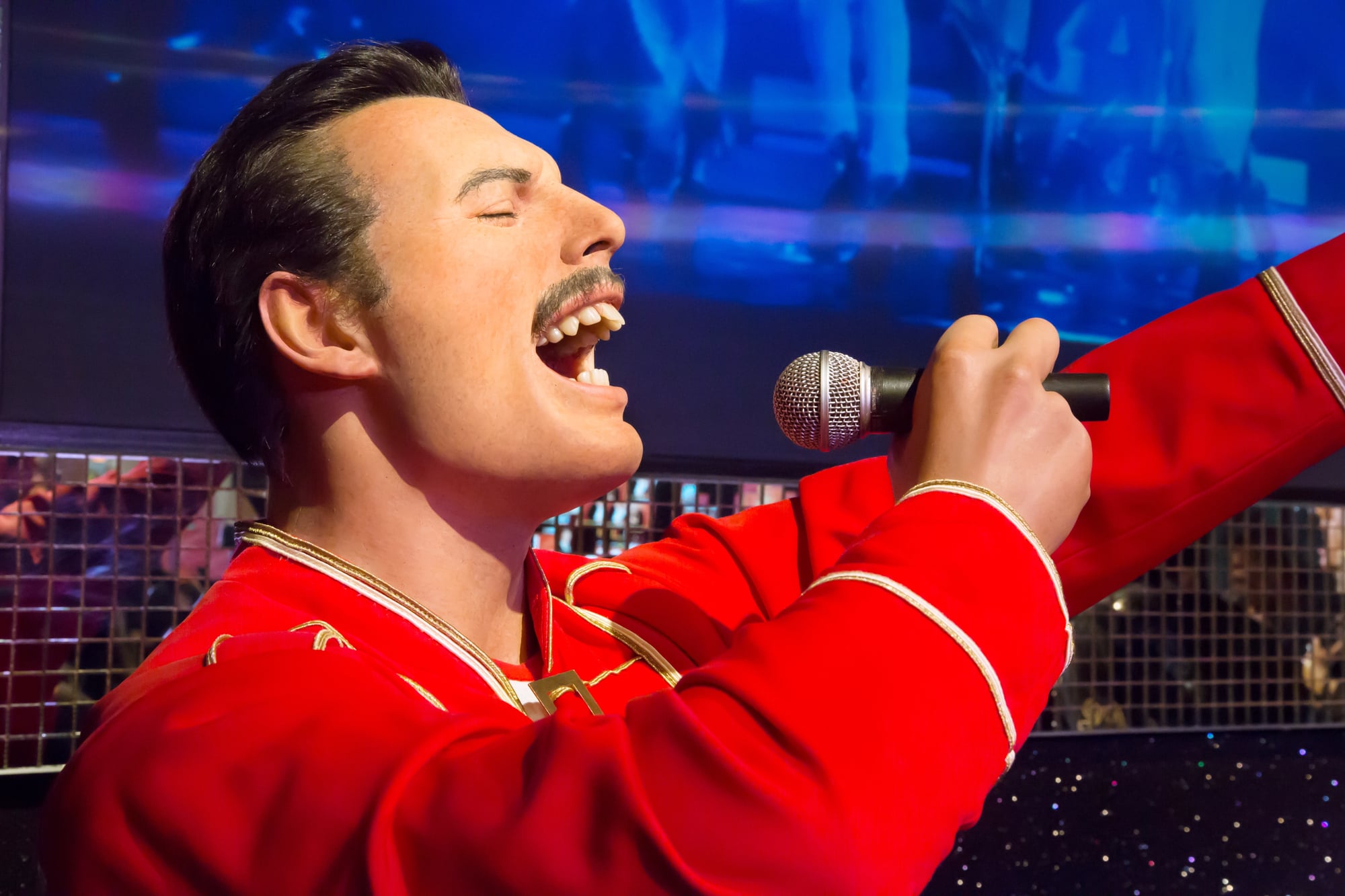
Mercury’s pre-show ritual involved an elaborate costume ceremony that bordered on theatrical obsession. He’d spend exactly forty-seven minutes getting dressed, always in the same order: underwear, socks, pants, shirt, accessories, then finally the iconic yellow jacket or leather ensemble depending on the venue size (which he somehow calculated using a formula involving audience capacity and ceiling height, though no one ever figured out the exact math).
But the clothing was just the beginning of something far more intricate — Mercury would then perform what his bandmates called “The Royal Address,” speaking to his reflection in the mirror for precisely twelve minutes, delivering what sounded like a combination of a pep talk, a Shakespearean soliloquy, and occasionally what appeared to be an argument with his own image.
And then, just before walking on stage, he’d eat exactly three grapes while humming the melody to “God Save the Queen” backwards.
The strangest part wasn’t the ritual itself but how seriously everyone around him treated it: roadies would stand guard outside his dressing room during The Royal Address, and venues were contractually required to provide mirrors of specific dimensions (no smaller than 24×36 inches, no larger than 30×42, and the glass had to be “European-made” though Mercury never explained why American mirrors were insufficient).
Queen’s tour manager once said the rider for mirrors was longer than most bands’ entire hospitality requirements, which is saying something when you’re talking about rock stars in the 1980s.
David Bowie
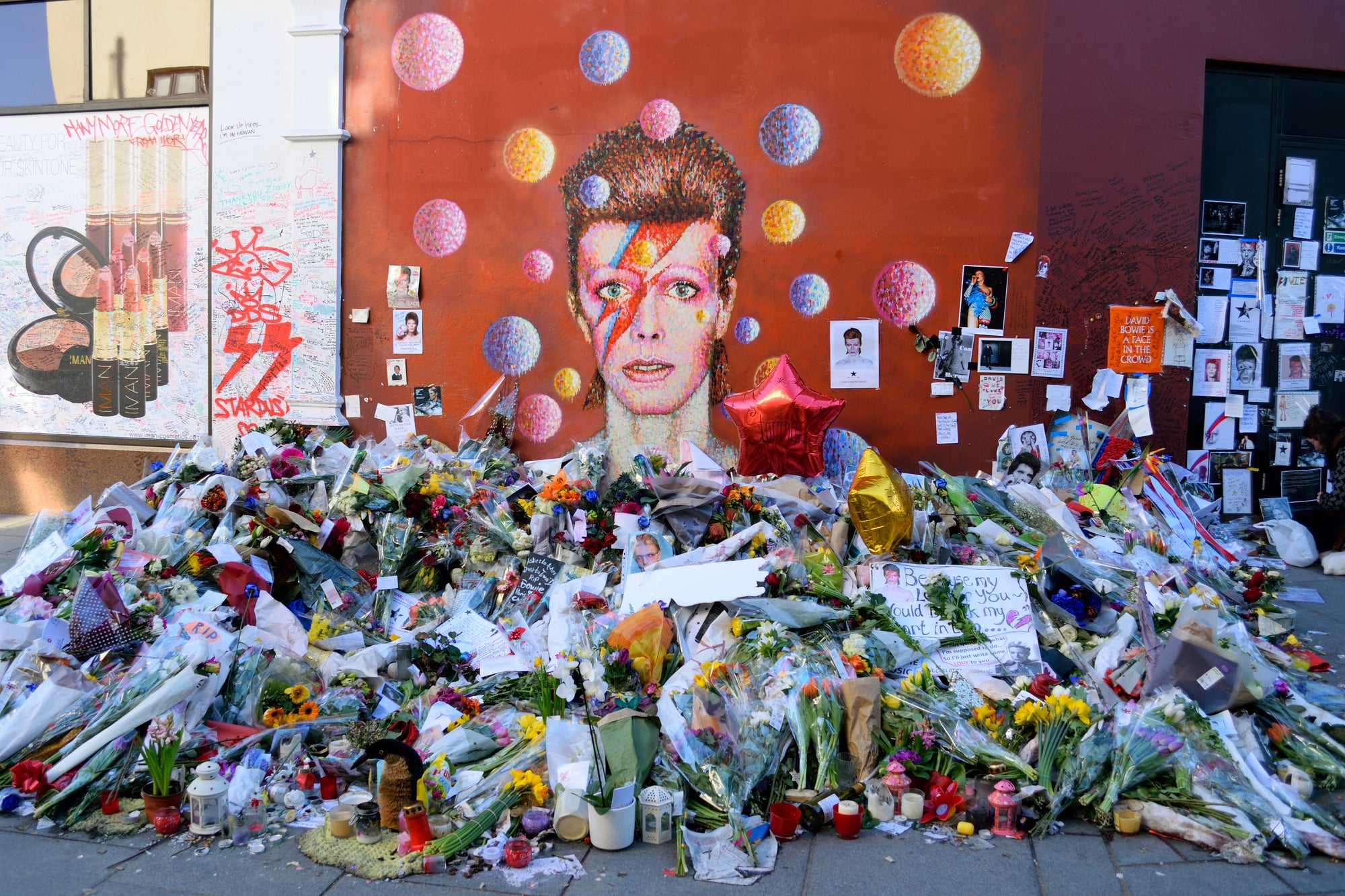
Bowie’s obsession with numbers reached levels that would make a mathematician uncomfortable. Every creative decision — from the number of takes in a recording session to the exact positioning of stage lights — had to align with what he called his “cosmic calculations,” a bewildering system that involved numerology, astrology, and apparently the day of the week his grandmother was born (Tuesday, which made the number 3 “spiritually potent” in his personal mythology).
During his Ziggy Stardust era, Bowie would only enter recording studios through the back door, and only if the address contained an even number. He once delayed an entire album recording by six weeks because the studio they’d booked was at 127 Main Street, and odd numbers during a waxing moon phase would “contaminate the artistic frequencies.”
The band had to find a different studio, and Bowie paid the cancellation fees without blinking — apparently creativity couldn’t be compromised by numerological incompatibility.
Mick Jagger
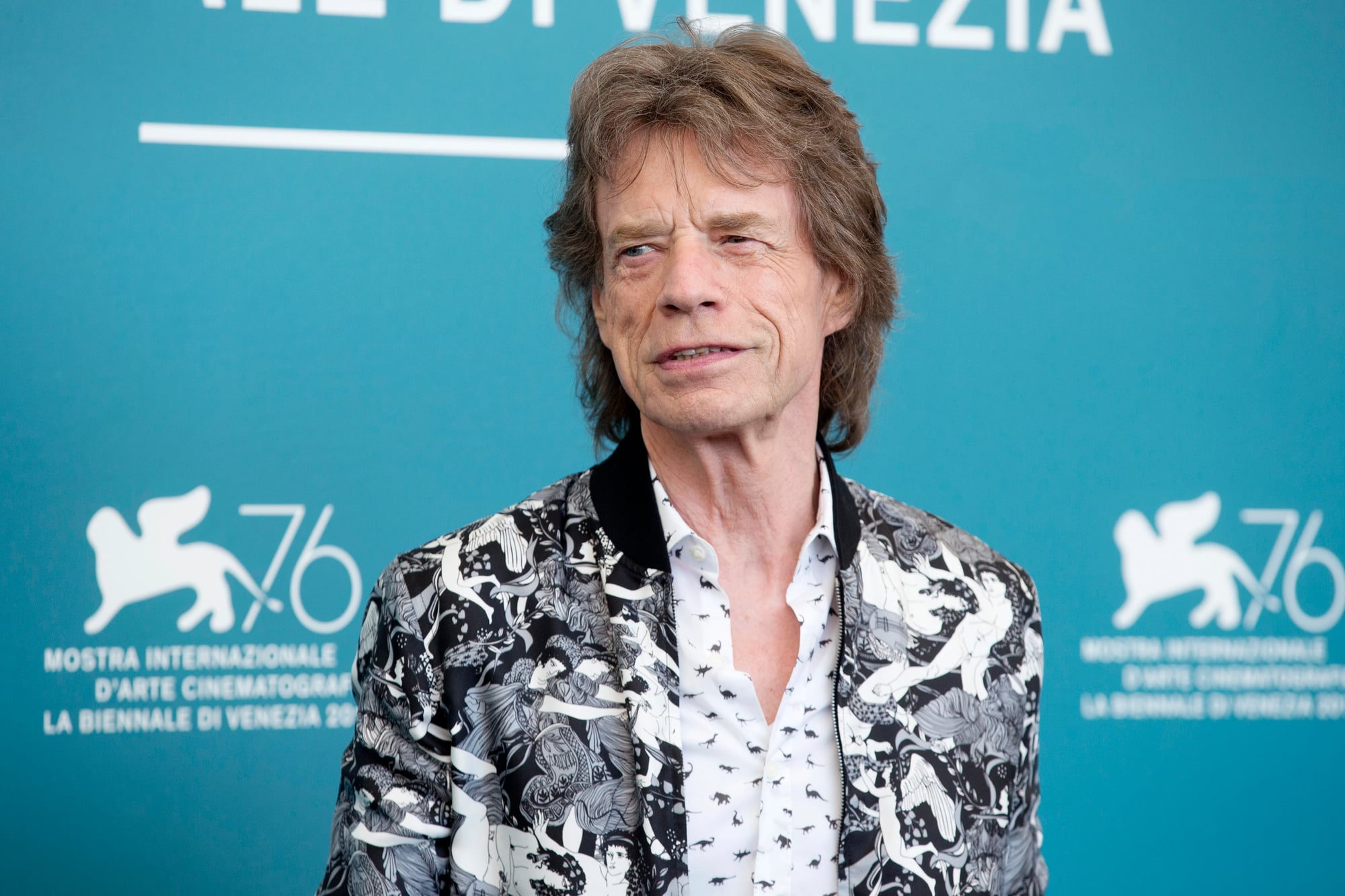
Before every Rolling Stones concert, Jagger performs what can only be described as a full-body warm-up routine that makes professional athletes look lazy. But it’s not stretching or vocal exercises — it’s an elaborate series of movements that he claims “awakens the performance demon” living in his joints.
The routine involves spinning counterclockwise exactly seventeen times (clockwise apparently “reverses the energy flow”), followed by jumping jacks while reciting the names of every city the Stones have played in alphabetical order. Given that the band has toured for over five decades, this portion alone takes nearly twenty minutes.
Then comes the strangest part: Jagger lies flat on the floor and moves his limbs as if he’s making snow angels, but he calls it “summoning the rhythm spirits from the earth.”
Keith Richards once mentioned that hotel floors across the world bear the invisible imprints of Jagger’s pre-show floor routine, and that Mick has never missed performing it before a show — not once in fifty-plus years of touring. The band’s crew automatically clears a 10×10 foot space in every dressing room, no matter how cramped the venue.
Prince
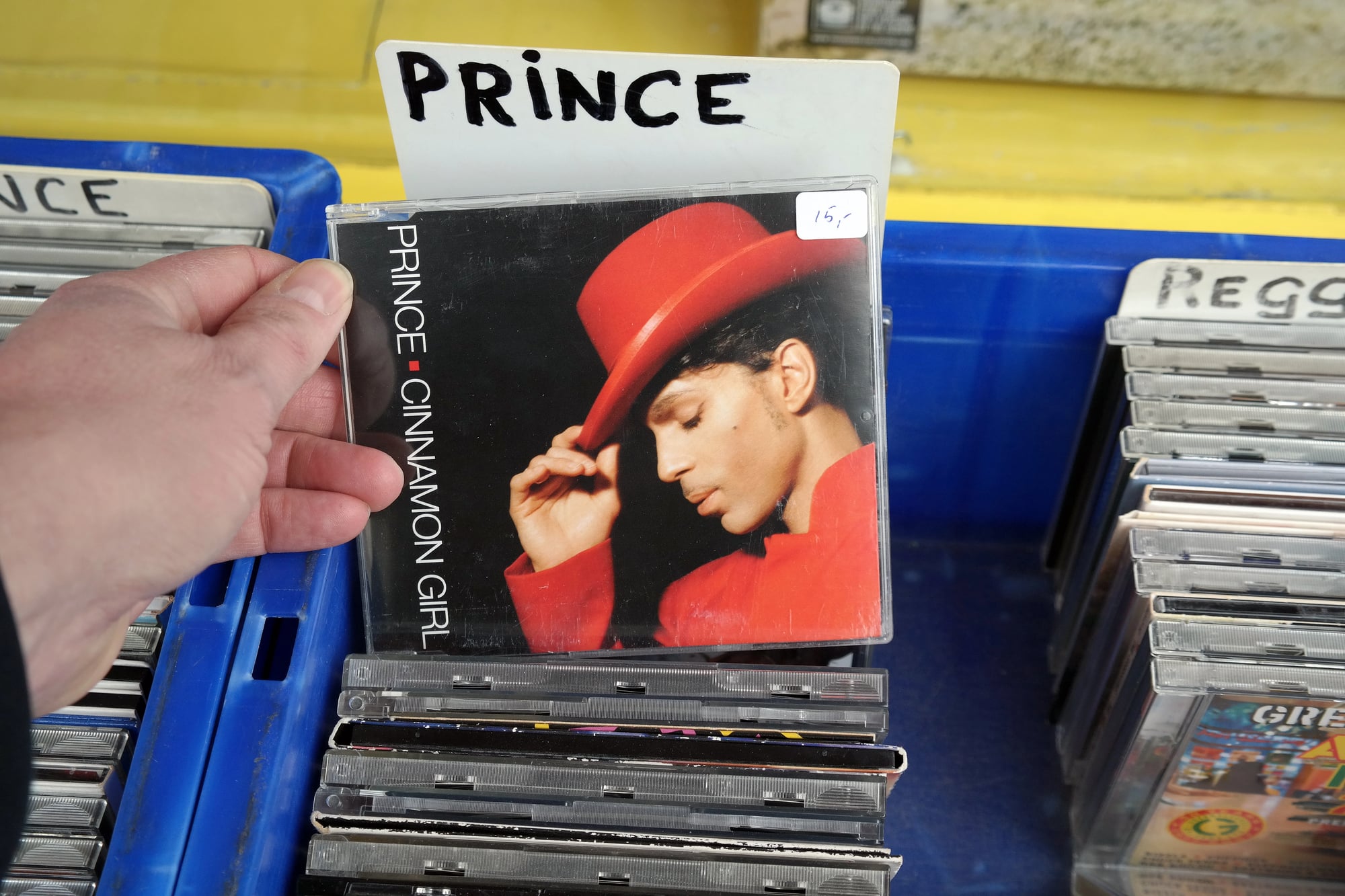
Prince treated his recording studio like a sacred temple, complete with purification rituals that would make religious ceremonies look casual. No one could enter his Paisley Park studios without removing their shoes, and all equipment had to be wiped down with a specific type of silk cloth that he imported from Japan.
But the real ritual happened at exactly 3 AM every recording day (and Prince recorded almost every day). He’d walk through the empty studio alone, touching each piece of equipment while humming — not melodies, but what sounded like electronic frequencies.
Engineers who worked with him said it was like watching someone communicate with the machines in their own language.
So the music came from somewhere beyond normal human creativity: Prince believed the instruments absorbed spiritual energy during these midnight communion sessions, and songs recorded on equipment that hadn’t been “awakened” this way would lack what he called “purple resonance.”
Whether that was metaphysical truth or artistic neurosis, the results speak for themselves — the man created some of the most innovative music of the 20th century in that meticulously ritualized space.
Jim Morrison
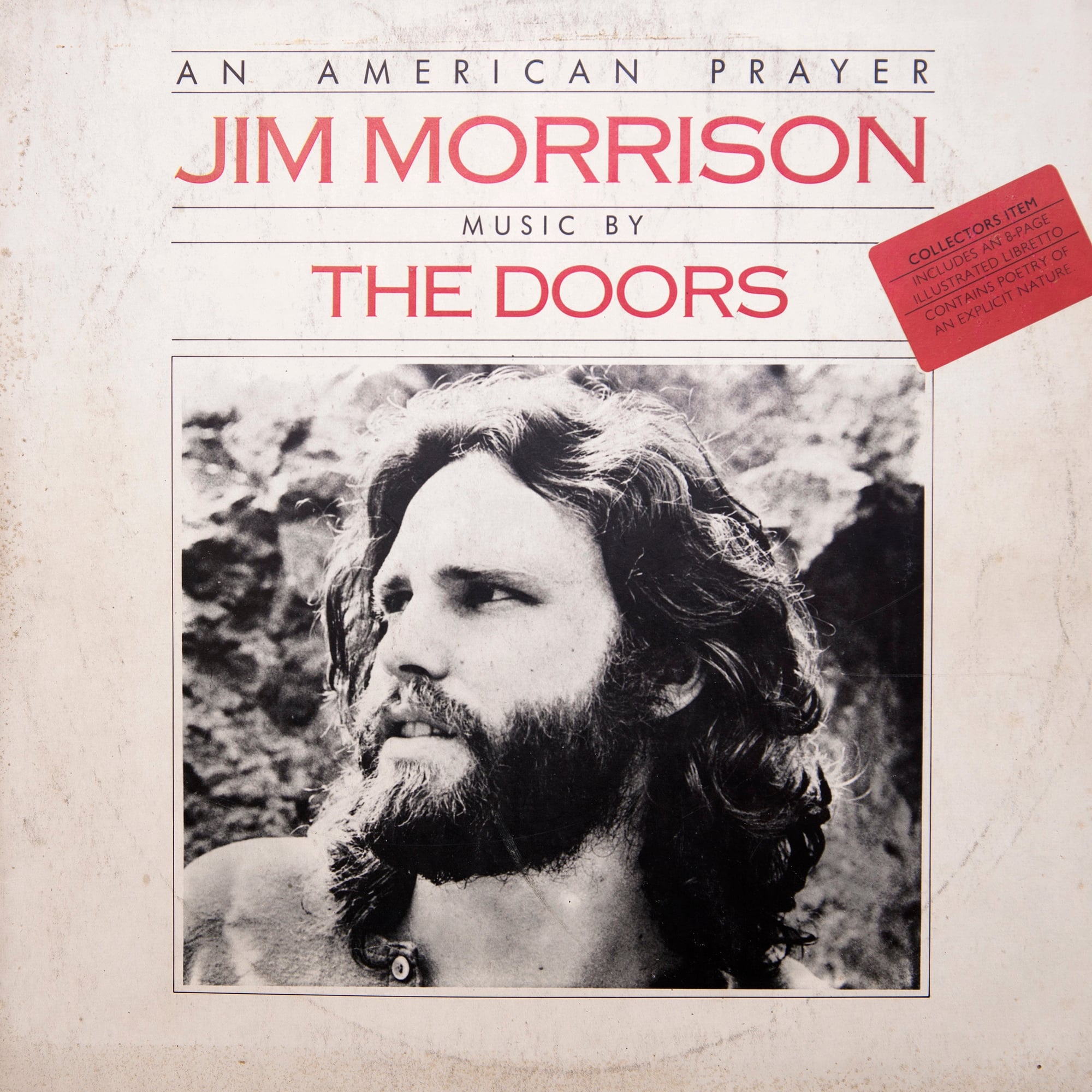
Morrison’s relationship with doorways bordered on the mystical. He refused to walk through any entrance normally — instead, he’d stand in the doorframe for exactly sixty seconds, eyes closed, while taking seven deep breaths.
He claimed this practice allowed him to “absorb the spiritual residue” of everyone who had passed through that threshold before him.
The Doors’ road manager eventually started building extra time into the schedule because Morrison would perform this ritual at every single entrance he encountered: dressing rooms, studios, hotels, restaurants, even bathroom doors. Band members grew accustomed to seeing Morrison frozen in doorways like some kind of leather-clad meditation statue, completely oblivious to the line of people waiting behind him.
What made it particularly bizarre was Morrison’s explanation: he believed doorways were “dimensional weak points” where creative inspiration leaked through from alternate realities, and his breathing ritual allowed him to capture these stray ideas before they dissipated.
Given the surreal, otherworldly quality of many Doors songs, perhaps he was onto something — though it’s equally possible he was just making mystical-sounding excuses for compulsive behavior.
Neil Young
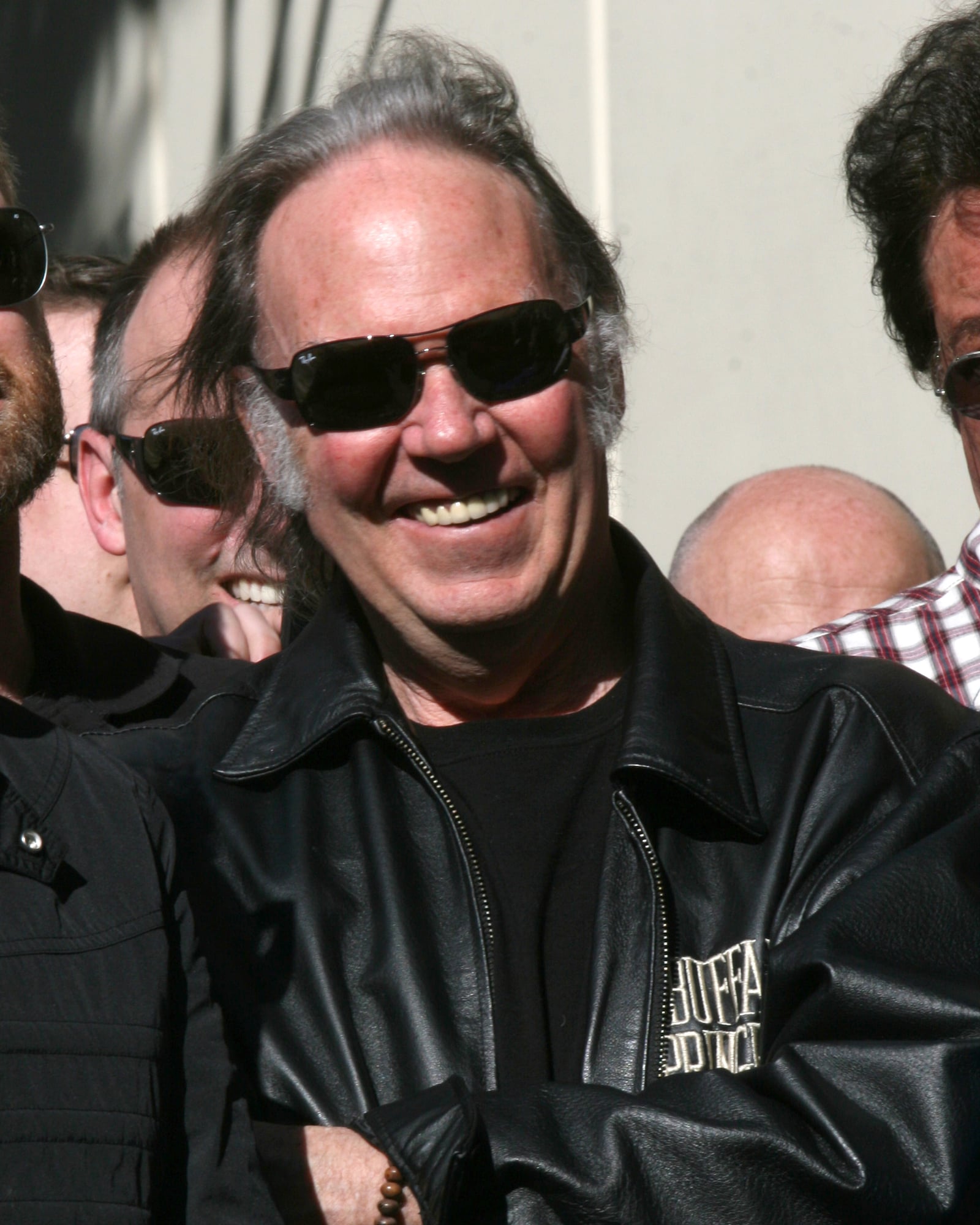
Young’s guitar ritual makes religious ceremonies look spontaneous. Before touching his beloved instrument (a 1953 Gibson Les Deluxe he calls “Old Black”), Young performs what can only be described as a mechanical seance.
He examines every single component — strings, tuning pegs, pickup magnets, even the screws — as if checking for spiritual contamination.
But here’s where it gets truly obsessive: Young insists that Old Black can only be played through one specific amplifier, a 1959 Fender Tweed Deluxe that has been modified so extensively it barely resembles its original form. And that amplifier can only be powered by vacuum tubes that Young personally selects by listening to their “electronic aura” — he claims different tubes emit distinct frequencies that only he can hear, and the wrong tube will “poison the guitar’s voice.”
The guitar-amplifier combination travels in its own custom flight case that costs more than most people’s cars, and Young’s guitar technician spends hours before each show ensuring that every electronic connection meets Young’s impossibly specific requirements. The ritual has produced some of the most distinctive guitar sounds in rock history, so perhaps mechanical obsession and musical genius aren’t mutually exclusive after all.
Ozzy Osbourne

Osbourne’s pre-concert ritual involves a bizarre relationship with his own reflection that goes far beyond typical vanity. He stands in front of a mirror and has what can only be described as arguments with his mirror image — complete with hand gestures, facial expressions, and occasional shouting matches that roadies can hear through dressing room doors.
These conversations apparently serve a specific purpose: Ozzy claims he’s negotiating with his “performance personality” to ensure it shows up for the concert. According to people who’ve witnessed these sessions, Ozzy will literally ask his reflection questions (“Are you ready to go mental tonight?”) and wait for some kind of visual confirmation before continuing the conversation.
The strangest part is that Ozzy insists the reflection sometimes “refuses to cooperate,” and on those nights, his stage performance is noticeably different — more subdued, less of the manic energy that made him famous.
Whether this is psychological theater or genuine belief in mirror-based personality splitting, it’s been a consistent part of his routine for over forty years of performing.
Frank Zappa
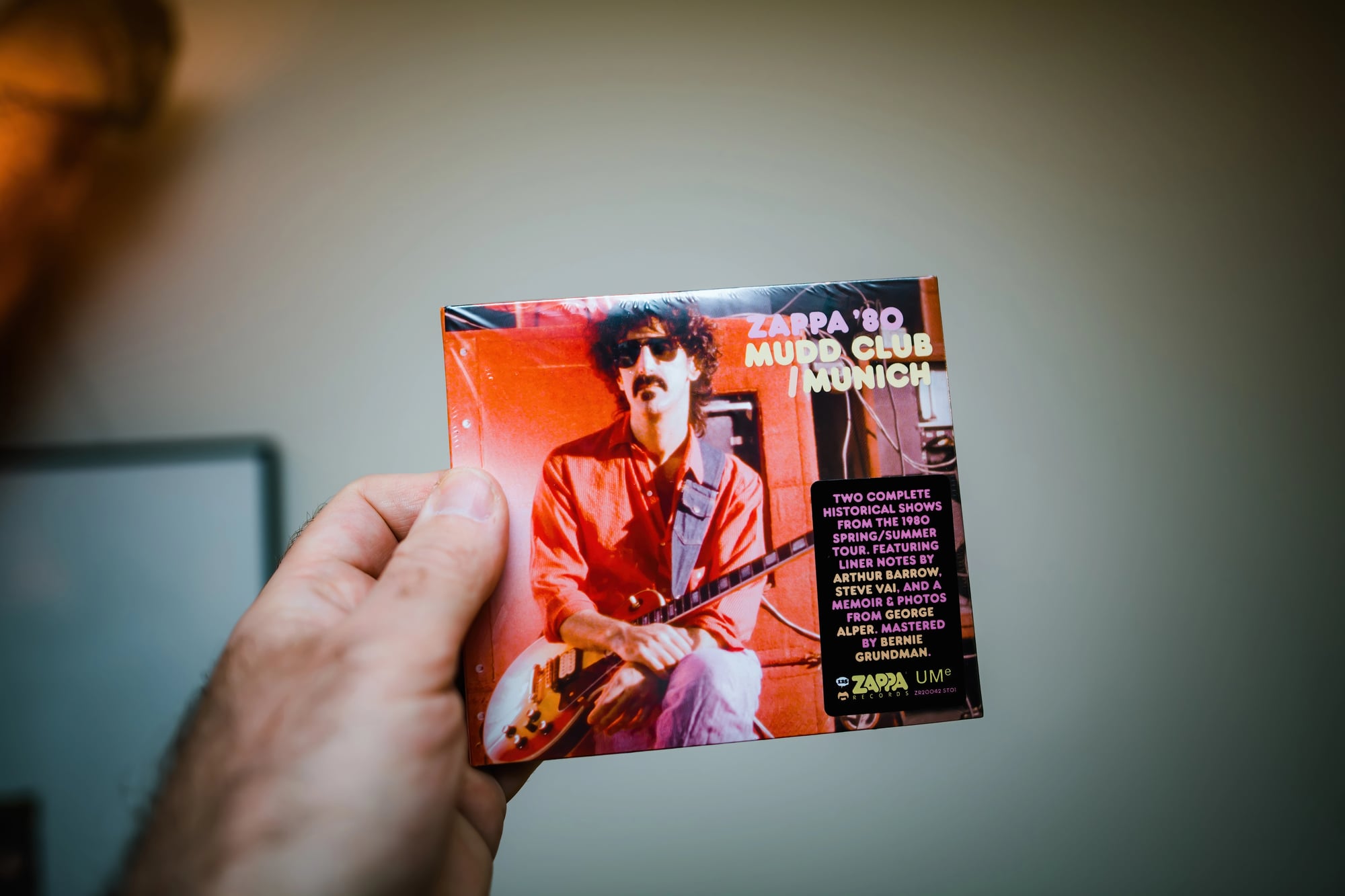
Zappa approached music creation like a mad scientist conducting experiments on sound itself. His home studio contained hundreds of small objects — rubber orbs, kitchen utensils, pieces of metal, chunks of wood — that he would systematically test by hitting, scraping, or shaking them near recording microphones to capture their unique acoustic properties.
But the ritual went deeper than mere sound collection: Zappa would spend hours each day in what he called “sonic meditation,” sitting motionless in his studio while playing back random combinations of these found sounds at various speeds and volumes. He claimed this practice trained his ear to hear “musical possibilities” in everyday noise that most people would dismiss as irrelevant.
And then there was his compositional ritual: Zappa wrote music exclusively with a specific type of pencil (Blackwing 602s, which he bought in bulk when they were discontinued) on oversized manuscript paper that he had custom-printed with extra staff lines.
He’d compose in complete silence, claiming that any background noise would “contaminate the purity of the musical ideas flowing from his subconscious to the page.”
Keith Richards
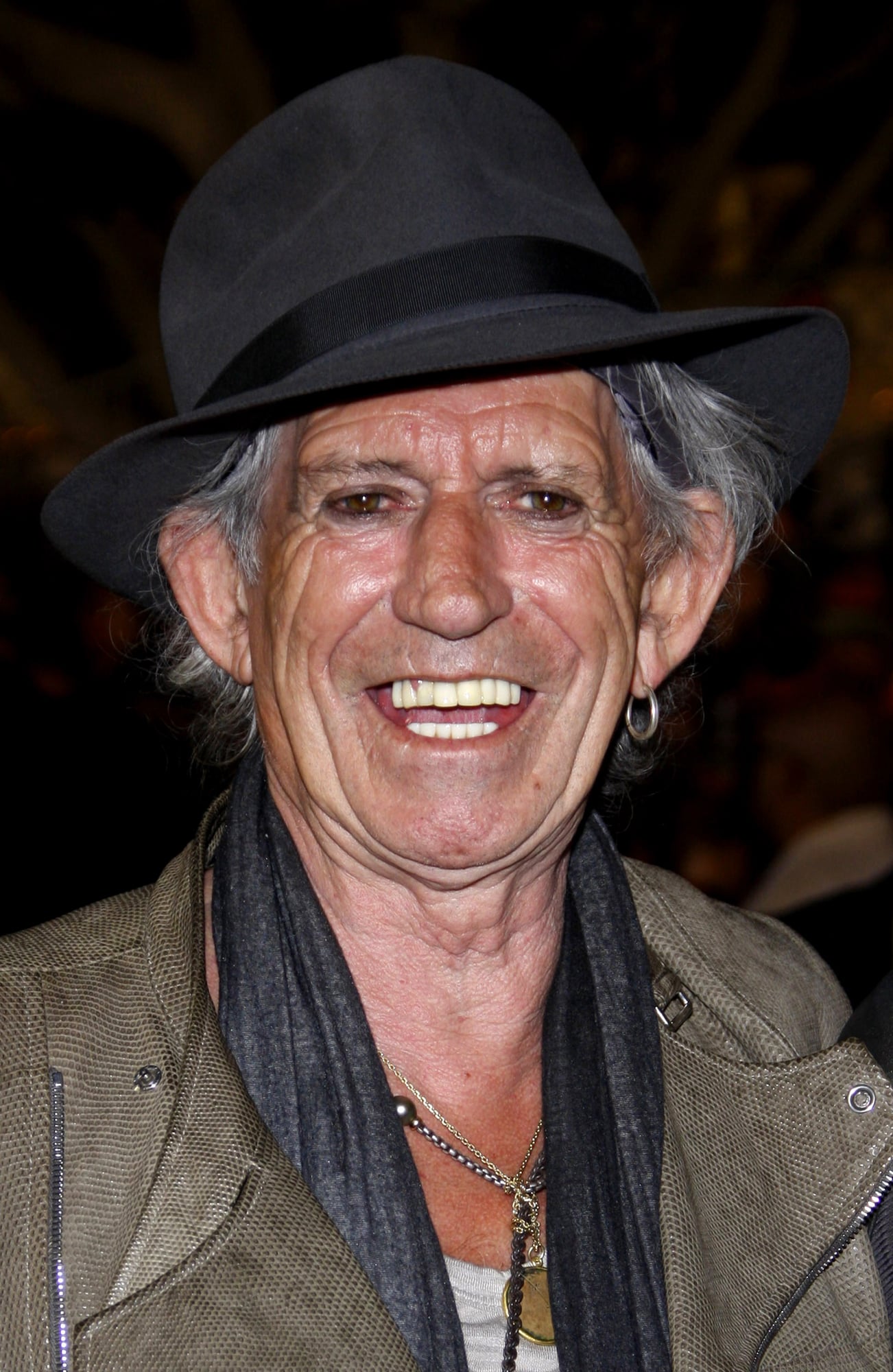
Richards has maintained the same pre-show ritual for over fifty years, and it’s exactly as stubborn as you’d expect from someone who’s basically a living fossil of rock and roll. He sits in a specific chair (which travels with the band in its own protective case) and slowly, methodically tunes the same guitar for exactly thirty minutes, even though it takes about two minutes to properly tune any guitar.
But here’s the thing: Richards isn’t actually tuning the instrument for thirty minutes straight — he’s playing the same simple chord progression over and over while making microscopic adjustments to the tuning pegs, listening for some perfect harmonic relationship that apparently exists only in his head. Band members and crew have learned to simply work around this ritual, because attempting to rush Richards through it results in what one roadie diplomatically called “legendary displays of creative profanity.”
The guitar doesn’t sound noticeably different after this elaborate tuning session, but Richards insists that shortcuts in preparation lead to shortcuts in performance.
Fair enough — when you’ve been the rhythmic backbone of one of the world’s greatest rock bands for half a century, your tuning ritual has probably earned the right to be taken seriously, no matter how excessive it appears to outside observers.
Stevie Nicks

Nicks transforms every dressing room into what looks like a Victorian mystic’s private chamber. She travels with an enormous collection of shawls, crystals, candles, and antique mirrors that must be arranged in a specific pattern before she can even begin getting ready for a show.
The centerpiece of this setup is a ritual she calls “calling the spirits of the music,” which involves lighting exactly seven candles (different colors for different types of venues) while wearing a specific shawl that she claims belonged to a 19th-century Welsh singer who “passed her creative essence” into the fabric. Nicks then spends twenty minutes standing in front of her traveling mirror collection, singing vocal warm-ups that sound more like incantations than exercises.
So the performance you see on stage is actually the result of this elaborate pre-show séance: Nicks genuinely believes she’s channeling the creative energy of dead musicians, and her dressing room setup is designed to facilitate that spiritual connection.
Whether you buy into the metaphysics or not, there’s no denying that whatever she’s doing in those candlelit dressing rooms has produced some of the most hauntingly beautiful vocal performances in rock history.
Alice Cooper
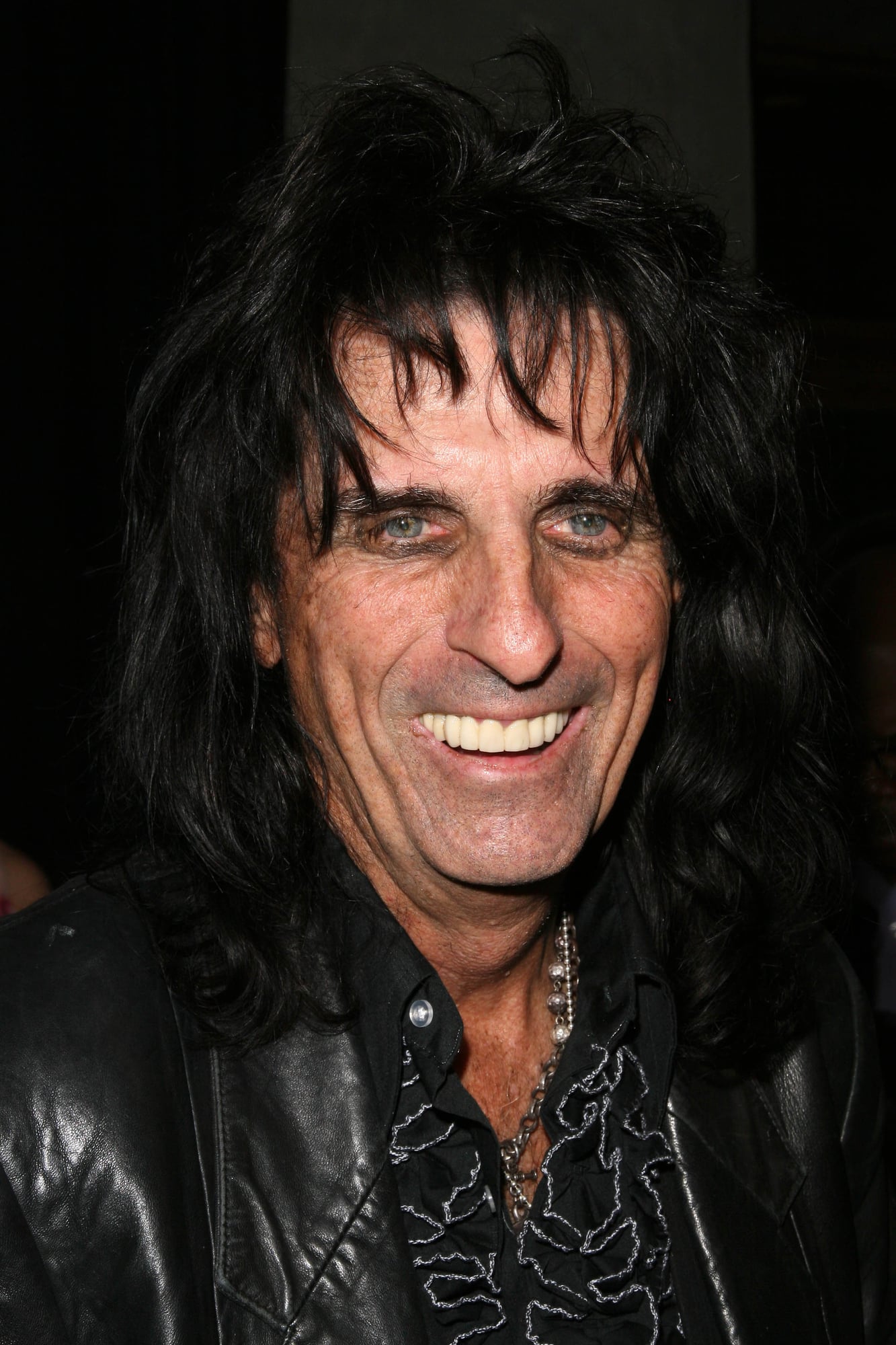
Cooper’s transformation from mild-mannered Vincent Damon Furnier into the theatrical shock-rock persona of Alice Cooper involves a makeup ritual that resembles a cross between method acting and possession by theatrical demons. The process takes exactly two hours and must be performed in complete silence — no music, no conversation, no interruptions of any kind.
Cooper applies his iconic black eye makeup using brushes that he claims haven’t been washed in over thirty years, because cleaning them would “remove the accumulated creative residue” that helps him access the Alice Cooper character. He insists that different levels of makeup buildup on the brushes correspond to different aspects of the performance personality he’s trying to summon.
But the truly bizarre part comes at the end: once the makeup is complete, Cooper looks into a mirror and says “Hello, Alice” — and from that moment until the final bow of the concert, he claims to have no memory of his civilian identity.
It’s either an incredibly sophisticated method acting technique or a genuinely dissociative ritual, but either way, it’s produced one of rock’s most enduring and terrifying stage personas.
Jimi Hendrix
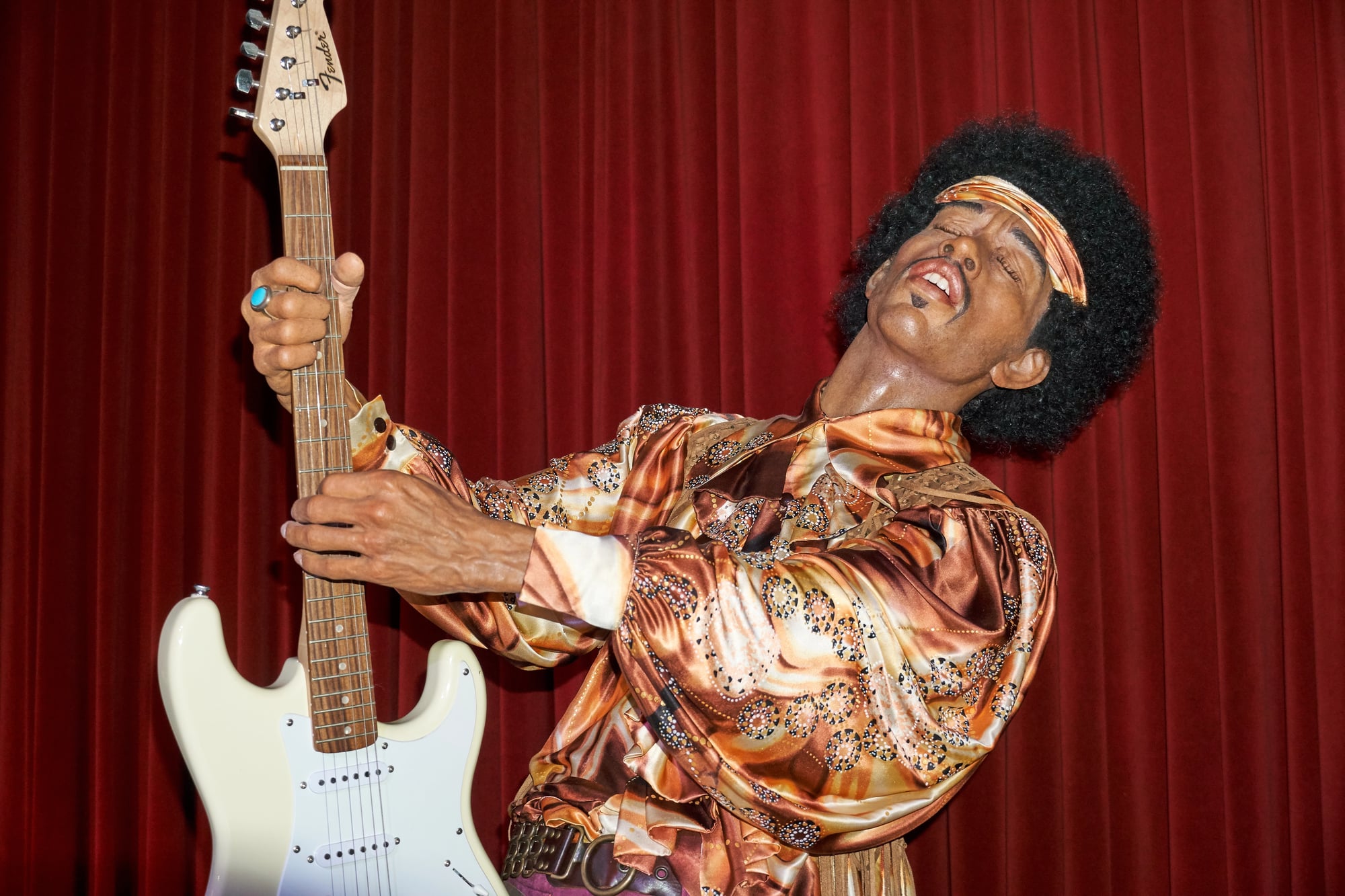
Hendrix treated his guitars like living beings with individual personalities that required personal attention and care. Before every performance, he would spend at least an hour alone with his instruments, talking to them in a soft voice while gently touching the strings and adjusting the tuning pegs with an almost religious reverence.
But this wasn’t just guitar maintenance disguised as mysticism — people who knew Hendrix said he genuinely believed his guitars contained spiritual energy that needed to be awakened before it could channel properly through his playing. He would hold conversations with the instruments, asking them what songs they wanted to play and listening for some kind of response that only he could perceive.
The ritual extended to his amplifiers and effects pedals: Hendrix would test each piece of equipment not just for sound quality, but for what he called “electrical consciousness.” He claimed that electronic components had moods and personalities just like people, and that forcing them to work when they weren’t “in harmony” would result in lifeless, mechanical music instead of the transcendent sonic experiences he was trying to create.
The Lasting Mystery of Creative Compulsion
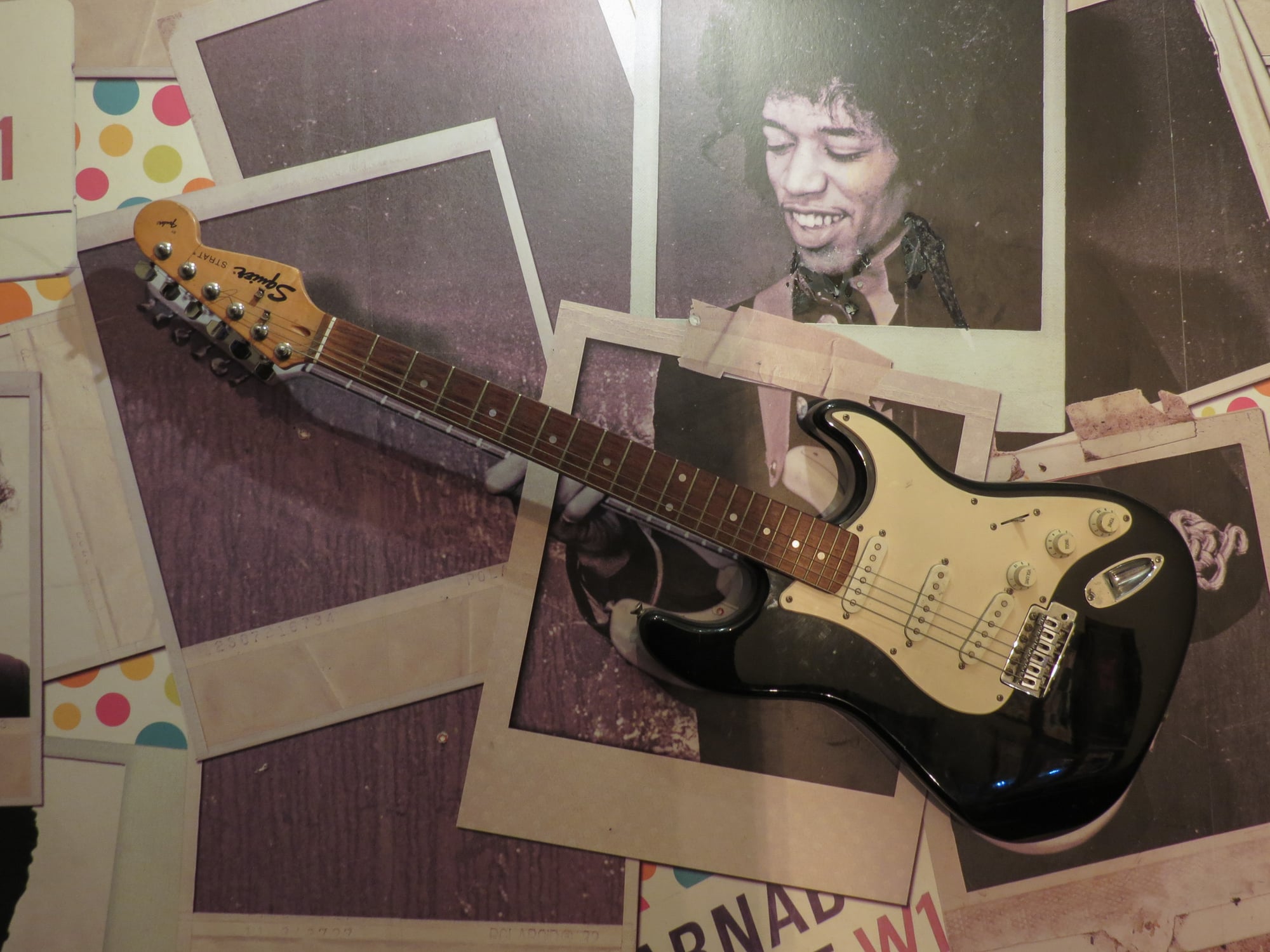
These rituals reveal something fascinating about the relationship between artistic genius and personal obsession. Whether born from superstition, neurosis, or genuine spiritual belief, these elaborate pre-performance ceremonies served as bridges between ordinary consciousness and the extraordinary creative states that produced some of rock’s most memorable music.
Perhaps the strangest part isn’t that these artists developed such peculiar habits, but that their rituals actually seemed to work — producing performances and recordings that continue to captivate audiences decades later. Whether the power came from the rituals themselves or simply from the confidence and focus they provided, these bizarre practices became inseparable from the creative process that defined an entire era of popular music.
More from Go2Tutors!

- The Romanov Crown Jewels and Their Tragic Fate
- 13 Historical Mysteries That Science Still Can’t Solve
- Famous Hoaxes That Fooled the World for Years
- 15 Child Stars with Tragic Adult Lives
- 16 Famous Jewelry Pieces in History
Like Go2Tutors’s content? Follow us on MSN.