15 Reasons Marvel Movies Completely Dominate DC Films
The superhero movie landscape isn’t really a competition anymore. One studio consistently delivers crowd-pleasing blockbusters that break box office records and spawn endless memes, while the other seems to stumble through dark, brooding attempts at relevance.
Marvel’s cinematic universe has become the gold standard for franchise filmmaking, and there are plenty of concrete reasons why their approach works so much better than DC’s scattered efforts.
Character Development That Actually Matters
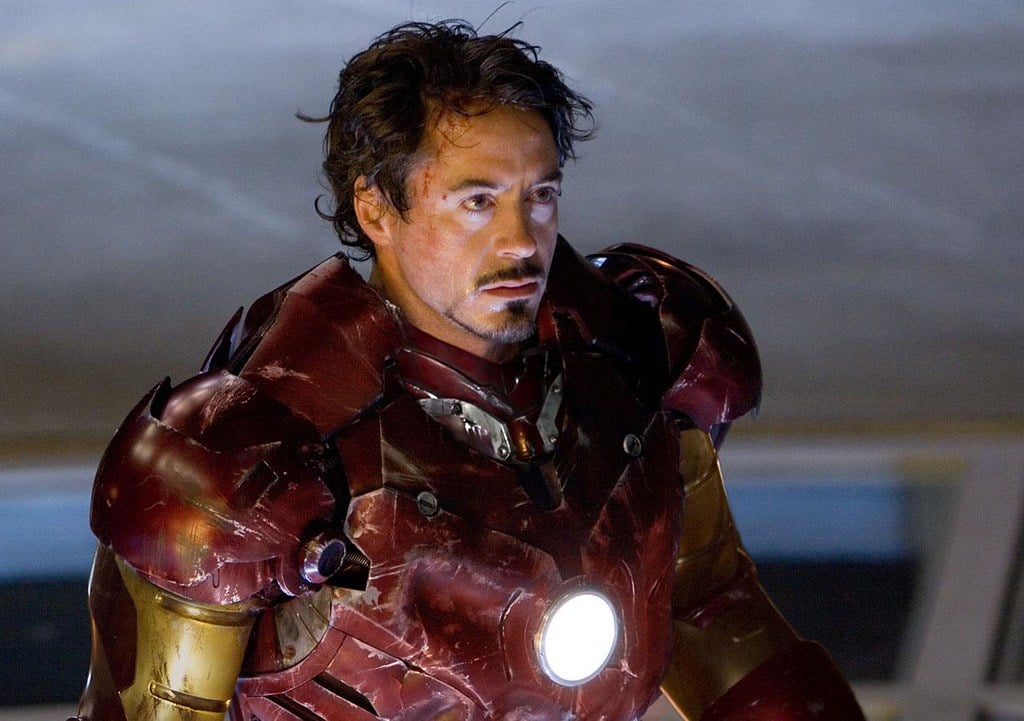
Marvel takes time to build their heroes. Tony Stark’s journey from selfish arms dealer to self-sacrificing hero spans multiple films.
Steve Rogers evolves from naive idealist to someone who questions authority. Even supporting characters like Black Widow get meaningful arcs that pay off years later.
DC rushes everything. Batman appears fully formed and bitter.
Superman dies before anyone cares about him. Wonder Woman gets one decent solo film, then disappears into ensemble mediocrity.
Consistent Tone and Vision

Marvel figured out early that superhero movies work best when they don’t take themselves too seriously. The tone shifts between films — Thor: Ragnarok feels different from Captain America: The Winter Soldier — but there’s a consistent underlying sensibility that makes everything feel connected.
DC can’t decide what it wants to be. Man of Steel is grim and philosophical.
Aquaman is colorful and silly. Batman is noir detective work.
Nothing connects because there’s no unified creative vision holding it together.
Better Casting Choices
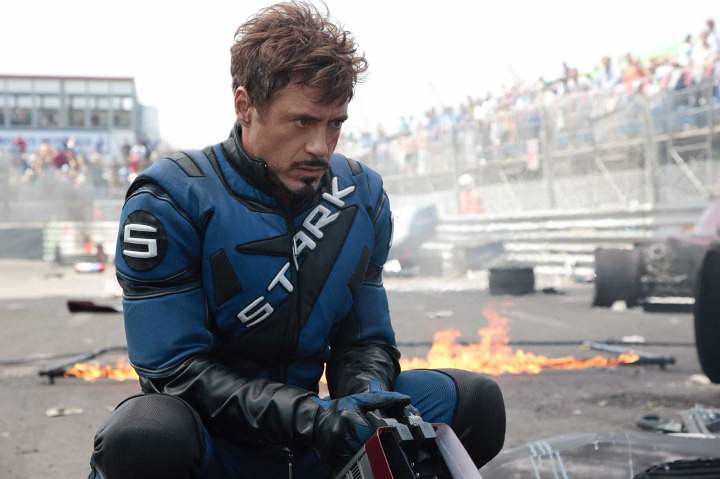
Robert Downey Jr. didn’t just play Tony Stark; he became Tony Stark in a way that redefined both the character and the actor’s career. Chris Evans made Captain America — potentially the most boring superhero — genuinely compelling.
Marvel’s casting directors understand that the right actor can elevate mediocre material, and they consistently find performers who embody their characters rather than just playing them. DC’s casting feels like Hollywood executives making safe choices.
Henry Cavill looks like Superman but never captures his essence. Ben Affleck’s Batman is competent but forgettable.
The only casting decision that really worked was Gal Gadot as Wonder Woman, and even she gets wasted in the ensemble films.
Understanding What Makes Heroes Heroic
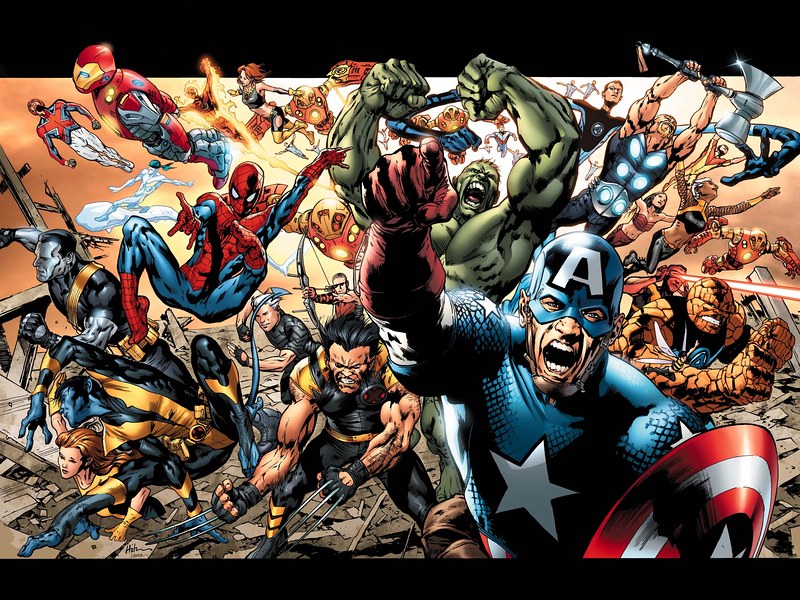
Here’s the thing about Marvel heroes: they fail constantly, and that’s what makes them worth watching. Tony Stark creates his own worst enemies.
Peter Parker can barely keep his personal life together. Thor gets banished from his own realm for being arrogant — and these failures make their eventual triumphs meaningful because the characters had to grow into them, often painfully, sometimes across multiple films where the lesson doesn’t quite stick the first time around (or the second time, if you’re paying attention to how many times Tony Stark promises to quit being Iron Man before he actually does it).
DC heroes are gods among mortals. Superman can do anything except be interesting.
Batman wins through preparation and unlimited resources. Wonder Woman is literally a goddess.
There’s no struggle, no growth, just powerful beings solving problems through superior force.
Better Villains With Understandable Motivations
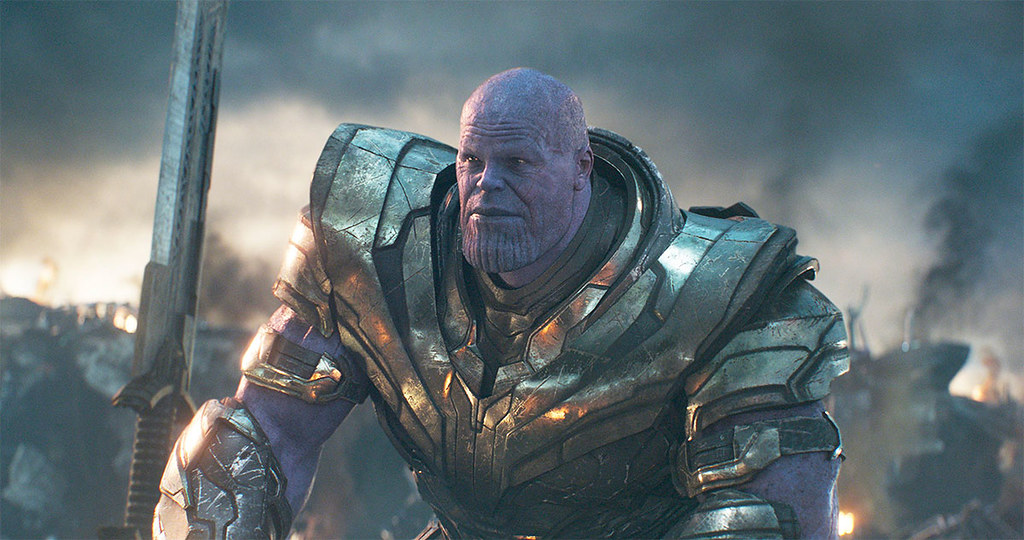
Think of superhero movies like chess matches between opposing philosophies. The hero represents one way of seeing the world, the villain represents another, and the conflict between them should illuminate something meaningful about human nature.
Marvel understands this instinctively — Thanos believes he’s saving the universe through necessary sacrifice, Killmonger wants to liberate oppressed people worldwide, even someone like Vulture is just trying to provide for his family after being screwed over by larger forces. DC villains want to destroy the world because the script requires an antagonist.
Doomsday exists to punch Superman. Steppenwolf collects boxes to end everything.
There’s no philosophy behind the destruction, no twisted logic that makes you understand why someone might choose this path. The heroes win because they’re good guys fighting bad guys, not because their worldview proves more compelling under pressure.
Superior World-Building
Marvel spent over a decade carefully constructing a universe where everything connects. Characters reference events from other films.
Technology developed in one movie shows up in another. The world feels lived-in because details accumulate across multiple stories.
DC tries to build everything at once. Batman vs Superman introduces multiple heroes, teases future storylines, and sets up Justice League formation in a single overstuffed film.
Nothing feels earned because there’s no foundation supporting the spectacle.
Comedy That Enhances Rather Than Undermines
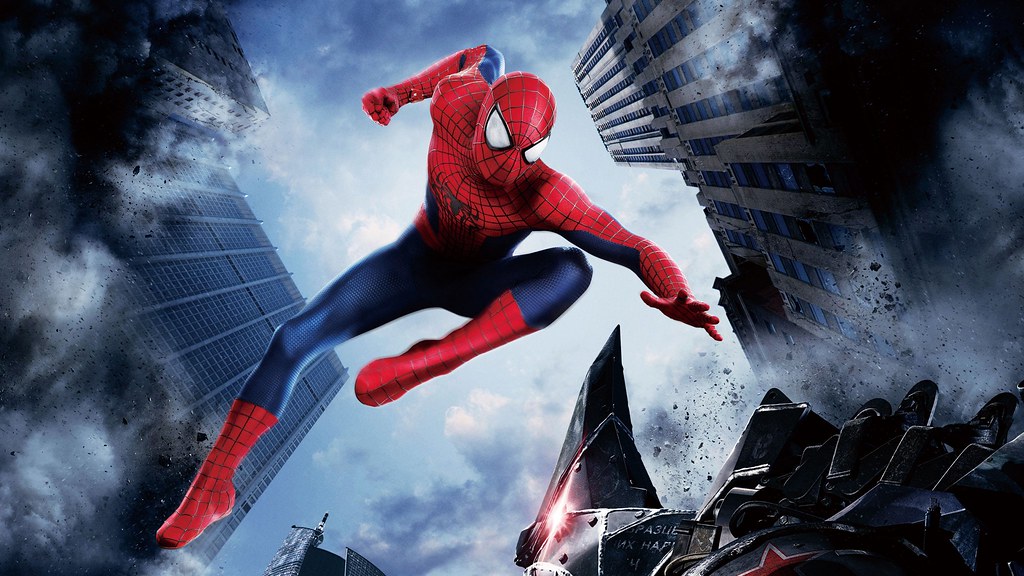
Marvel comedy comes from character, not from undercutting dramatic moments. Tony Stark makes jokes because he’s emotionally defensive.
Spider-Man quips because he’s nervous. Drax says inappropriate things because he’s literally-minded.
The humor reveals personality while providing relief from intense action sequences. DC comedy feels desperate.
Aquaman talks to fish, and the movie treats this like it’s inherently funny. The Flash runs into things for slapstick.
Batman makes quips that feel completely out of character. The jokes exist separately from the story rather than emerging naturally from it.
More Effective Use of Ensemble Casts
The Avengers works because each character gets moments to shine while serving the larger story. Everyone has distinct fighting styles, personality traits, and relationships with other team members.
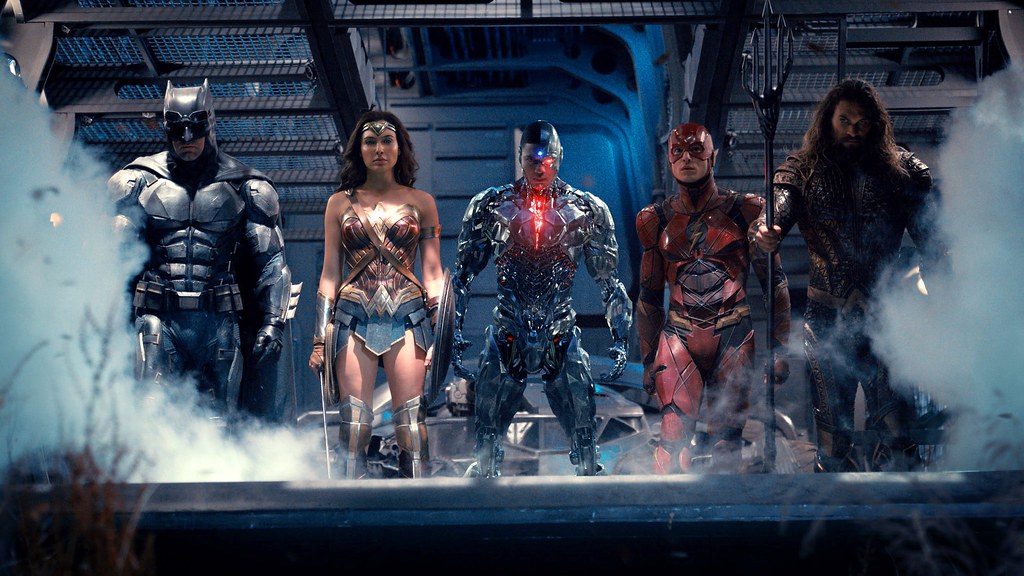
When they argue, it’s about fundamental disagreements regarding approach and philosophy. Justice League throws heroes together and hopes something interesting happens.
The Flash runs fast. Aquaman hits things with a trident.
Cyborg does computer stuff. There’s no chemistry between team members because there’s no established foundation for their relationships.
They’re strangers fighting alongside each other, not a team.
Better Understanding of Power Fantasy
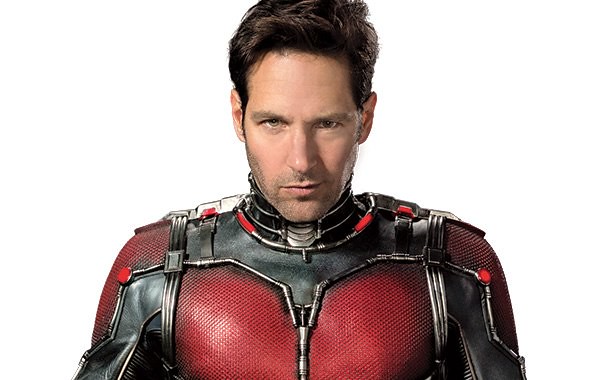
Marvel heroes are people you could imagine being. Peter Parker is awkward and insecure. Scott Lang is a divorced dad trying to do right by his daughter.
Sam Wilson is a military veteran dealing with trauma. Their powers are extraordinary, but their problems are relatable.
DC heroes are people you could imagine worshipping. Superman is morally perfect and nearly invincible.
Batman is impossibly prepared for every situation. Wonder Woman is beautiful, wise, and noble.
They’re aspirational figures rather than relatable ones, which works in comics but feels distant on screen.
Superior Action Choreography
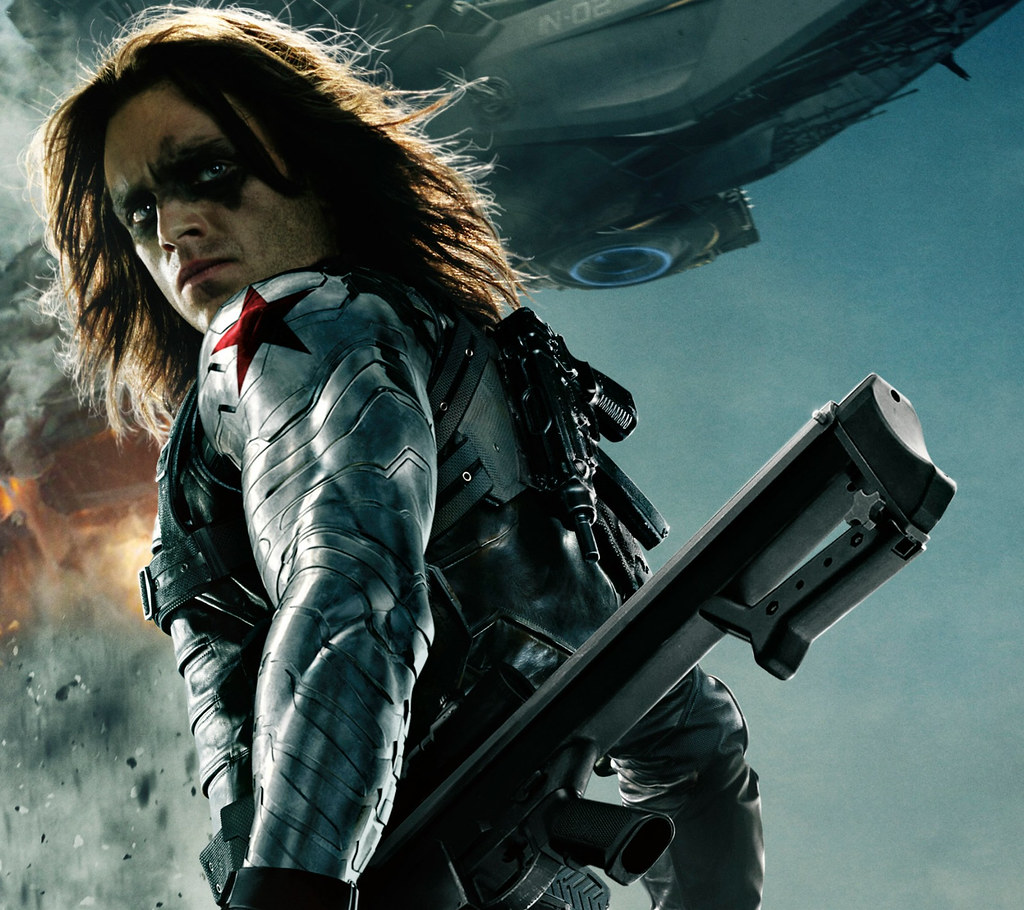
Marvel action sequences tell stories. The highway fight in The Winter Soldier reveals information about Bucky’s abilities and mental state.
The airport battle in Civil War shows how personal relationships affect team dynamics. Each fight serves the plot while showcasing individual character abilities.
DC action is just destruction. Buildings collapse.
Cars explode. Heroes punch through concrete walls.
The spectacle is impressive but meaningless because it doesn’t advance character development or reveal new information about the story.
More Successful Attempts at Emotional Stakes
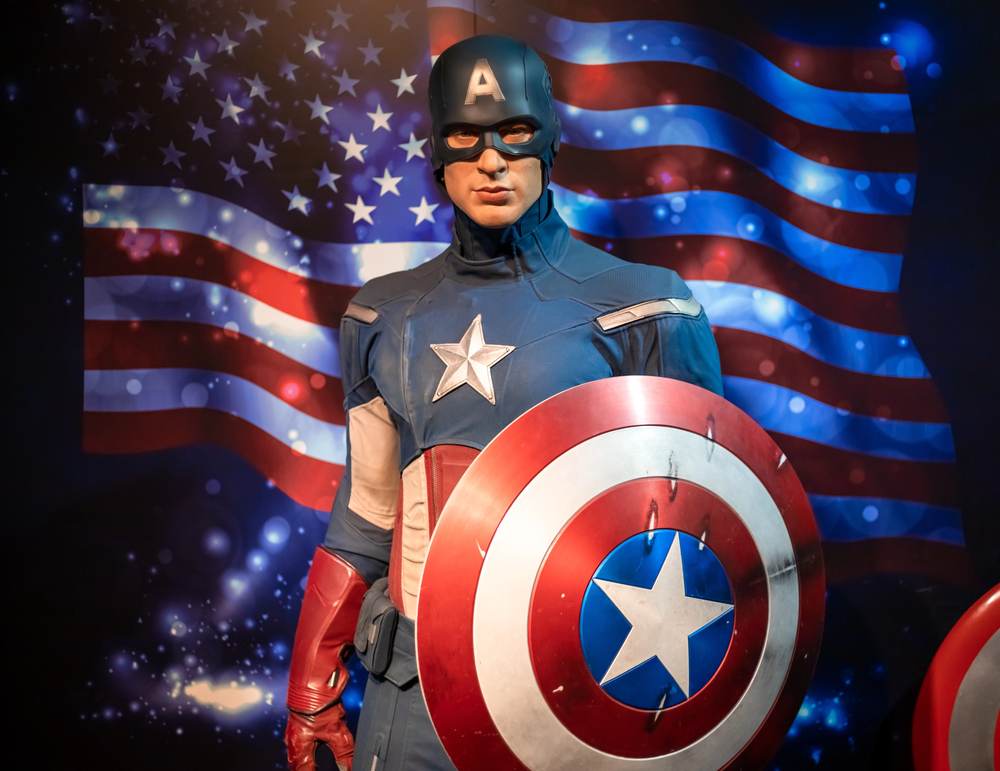
Marvel earns its emotional moments through careful setup and payoff. Tony Stark’s sacrifice in Endgame works because you’ve watched him struggle with responsibility for over a decade.
Steve Rogers passing the shield to Sam Wilson feels right because you’ve seen their friendship develop across multiple films. DC tries to manufacture emotion through dramatic music and slow-motion sequences.
Superman’s death in Batman v Superman is meant to be tragic, but he’s barely been established as a character worth mourning. Batman’s retirement in The Dark Knight Rises lacks impact because the trilogy never made you care about Bruce Wayne as a person.
Better Integration of Supporting Characters
Marvel supporting characters become essential parts of the universe. Happy Hogan appears in multiple franchises.
Agent Coulson’s death motivates the Avengers to unite. Pepper Potts gets her own heroic moments.
Even minor characters like Luis from Ant-Man feel important to their specific corners of the universe. DC supporting characters exist to deliver exposition or provide motivation for heroes.
Lois Lane investigates things so Superman can save her. Alfred gives Bruce Wayne advice that moves the plot forward.
Commissioner Gordon calls Batman when Gotham needs saving. They’re plot devices rather than people.
Stronger Directors with Clear Creative Vision

Marvel finds directors who understand both spectacle and character, then gives them enough creative freedom to put their stamp on the material while maintaining universe consistency. The Russo Brothers excel at juggling ensemble casts.
James Gunn brings irreverent humor and heart to cosmic adventures. Ryan Coogler grounds fantastical elements in real-world issues.
DC hires big-name directors, then interferes with their vision until the final product satisfies no one. Zack Snyder’s style works for some viewers but alienates others.
Joss Whedon’s reshoots of Justice League created a tonal mess. David Ayer’s film got chopped up in editing until it became nearly incomprehensible.
More Consistent Quality Control
Marvel maintains remarkably consistent quality across their releases. Even their weakest films are professionally made and reasonably entertaining.
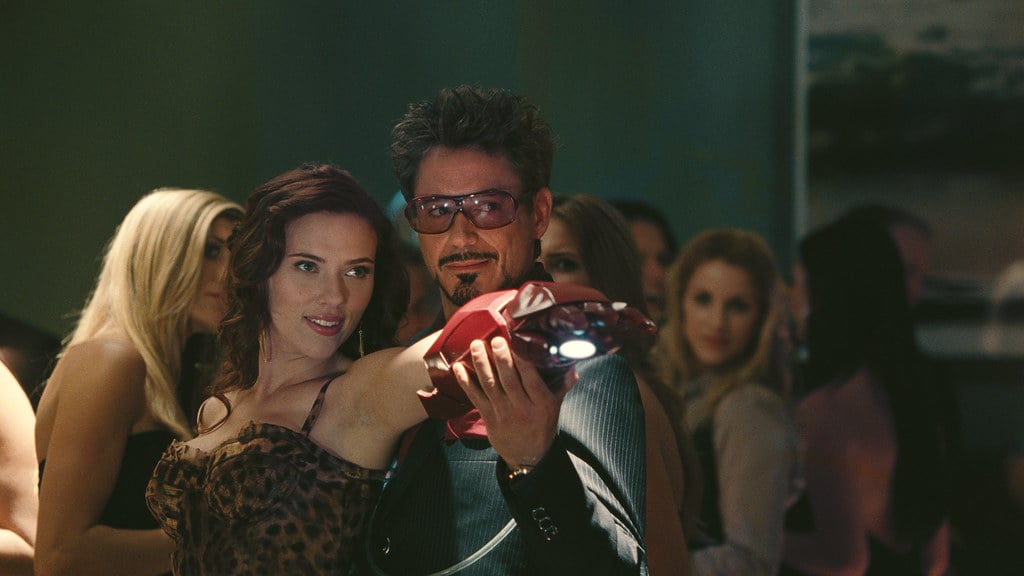
Thor: The Dark World is forgettable but not actively bad. Iron Man 2 is overstuffed but still fun to watch. DC quality swings wildly between films.
Wonder Woman is genuinely great. Batman v Superman is a confused mess. Aquaman is silly but enjoyable.
Justice League is barely coherent. There’s no reliable standard for what a DC film will deliver.
Better Long-Term Planning

Marvel mapped out their universe years in advance, planting seeds for future storylines while making each individual film work as a standalone experience. Post-credits scenes tease upcoming movies without making current ones feel incomplete.
Character arcs develop over multiple phases, building toward satisfying conclusions. DC makes reactive decisions based on Marvel’s success and critical reception of their own films.
They cancel planned movies after poor box office performance. They reboot characters without completing their story arcs.
There’s no long-term vision guiding their choices, just short-term damage control and trend-chasing.
The House That Stan Built vs. The Empire That Lost Its Way

Marvel’s dominance isn’t really about special effects budgets or marketing campaigns — it’s about understanding that superhero stories work best when they’re human stories first, with the costumes and powers serving the character development rather than replacing it. They built their universe the way comics were originally created: one character at a time, one relationship at a time, one story that makes you care enough to pick up the next issue.
DC forgot that lesson somewhere between the boardroom and the editing room. They have better-known characters, bigger budgets, and more dramatic storylines, but they never figured out how to make any of it matter to audiences who just want to spend two hours caring about people in colorful outfits trying to do the right thing.
More from Go2Tutors!

- The Romanov Crown Jewels and Their Tragic Fate
- 13 Historical Mysteries That Science Still Can’t Solve
- Famous Hoaxes That Fooled the World for Years
- 15 Child Stars with Tragic Adult Lives
- 16 Famous Jewelry Pieces in History
Like Go2Tutors’s content? Follow us on MSN.