15 Historical Migrations That Reshaped Entire Continents
Throughout human history, massive population movements have fundamentally altered the cultural, political, and demographic landscape of entire continents. These migrations weren’t just simple relocations—they were transformative events that created new civilizations, destroyed old ones, and established the foundation for the modern world we know today.
From ancient nomadic invasions to colonial expansions, these population shifts have left indelible marks on geography, language, religion, and culture. Here is a list of 15 historical migrations that literally reshaped entire continents.
The Great Migration Out of Africa
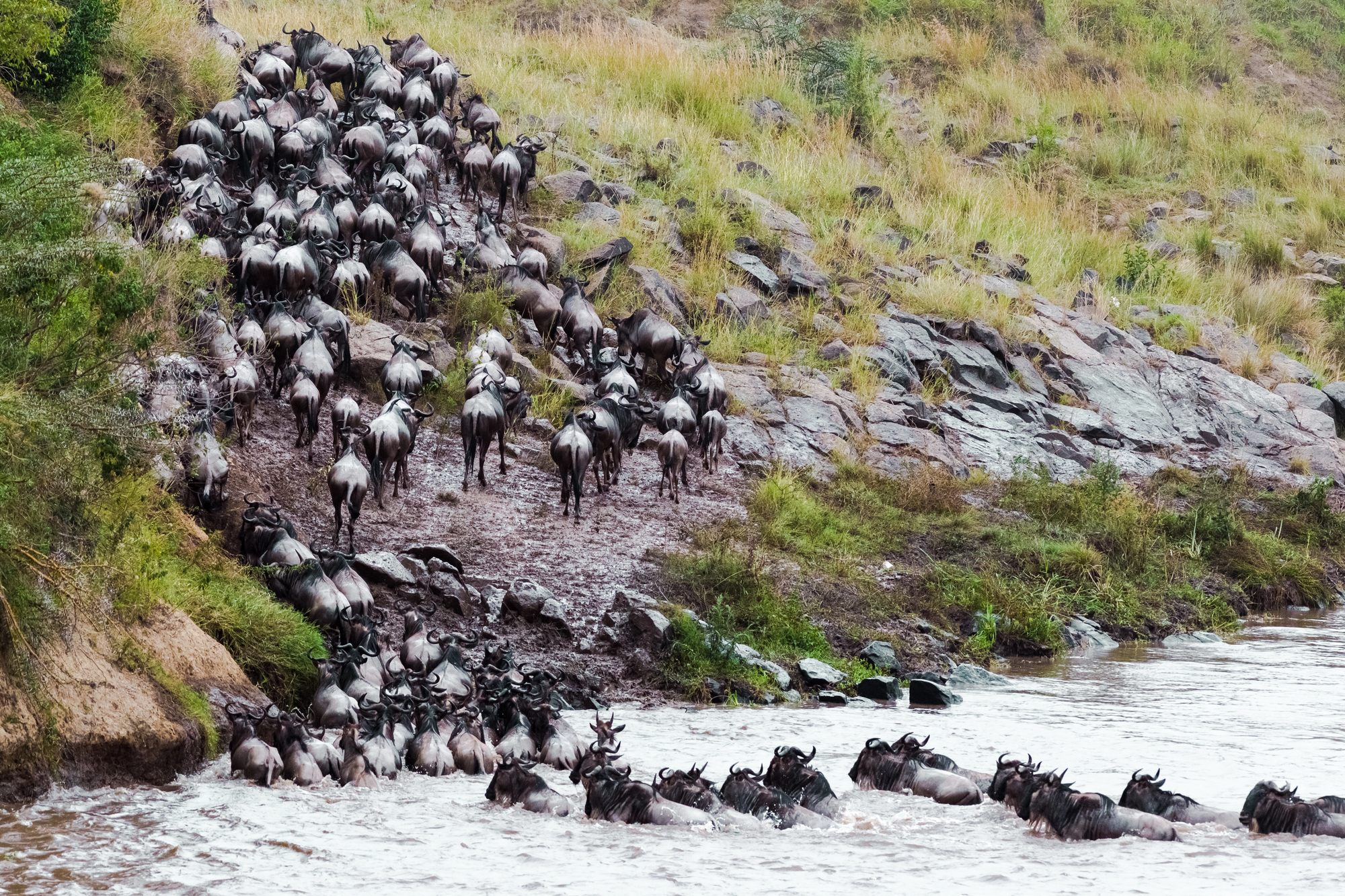
Around 70,000 years ago, early humans began their epic journey out of Africa, spreading across the globe in what scientists call the most significant migration in human history. This movement didn’t happen overnight—it took thousands of years for small groups to gradually populate Asia, Europe, and eventually the Americas.
The genetic footprints of this ancient exodus can still be traced in every non-African population today, making it the foundation for all subsequent human civilization.
Bantu Expansion Across Sub-Saharan Africa
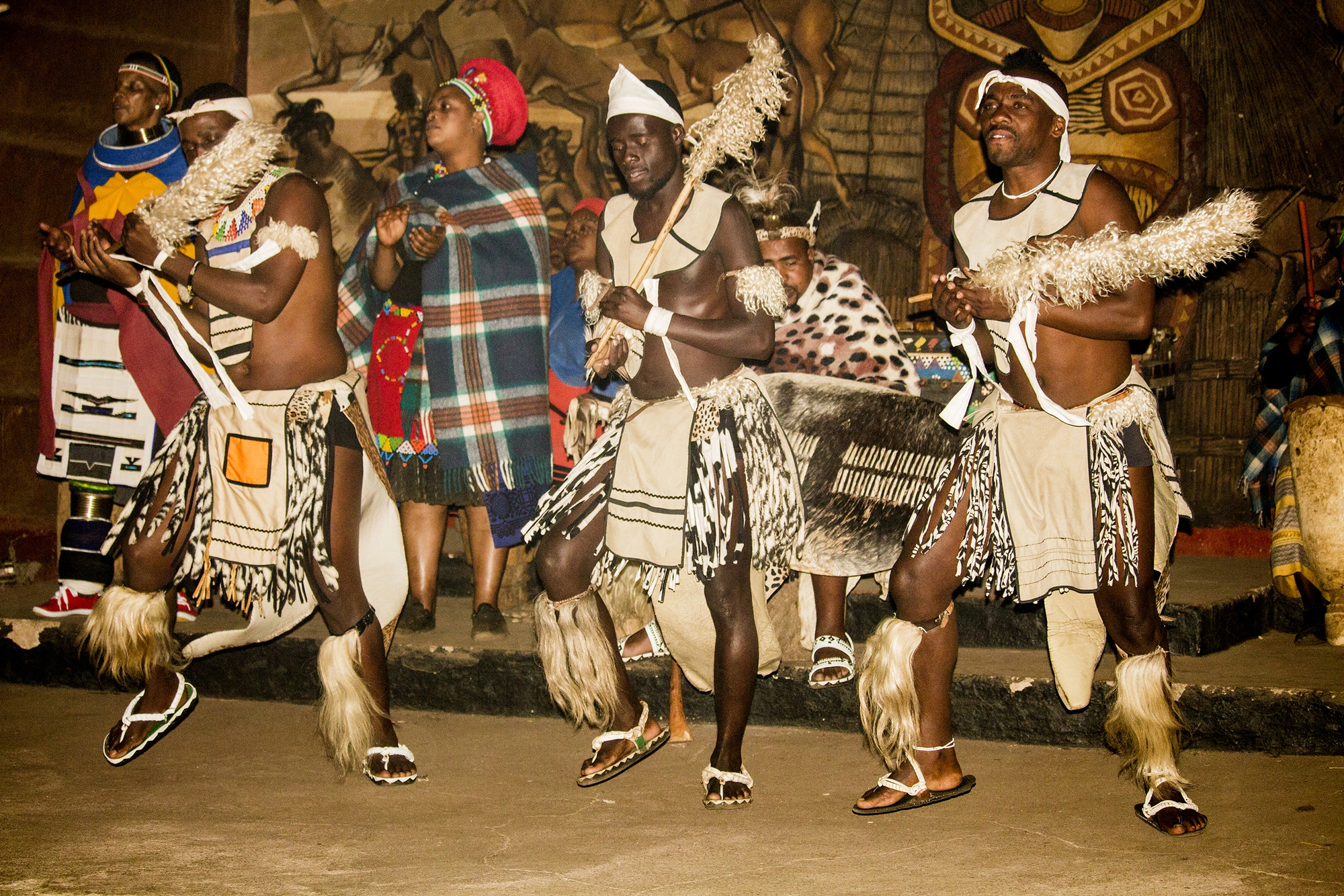
Starting around 3,000 years ago, Bantu-speaking peoples began a massive expansion from their homeland in present-day Cameroon and Nigeria. They spread their agricultural techniques, ironworking skills, and languages across most of sub-Saharan Africa over the course of two millennia.
Today, over 400 million people across Africa speak Bantu languages, and their cultural influence extends from Kenya to South Africa, making this one of the most successful cultural expansions in human history.
Indo-European Migrations Into Europe and Asia

Between 4,000 and 3,000 years ago, speakers of Proto-Indo-European languages began spreading from their likely homeland in the steppes north of the Black Sea. These migrations brought new languages, technologies, and cultural practices across vast stretches of Europe and Asia.
The descendants of these migrants would eventually speak languages as diverse as English, Hindi, Russian, and Persian—all sharing common linguistic roots that linguists can still identify today.
Polynesian Navigation Across the Pacific
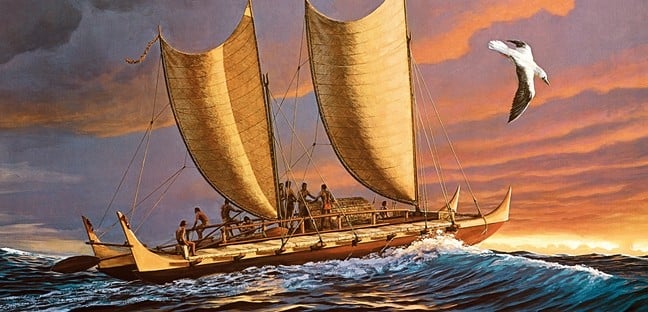
Perhaps no migration required more skill and courage than the Polynesian expansion across the Pacific Ocean. Starting around 3,500 years ago, these master navigators used sophisticated knowledge of stars, currents, and wildlife to island-hop across thousands of miles of open ocean.
They reached Hawaii around 1,500 years ago and Easter Island about 1,000 years ago, demonstrating navigation skills that wouldn’t be matched by European explorers until much later.
Germanic Tribes and the Fall of Rome

The movement of Germanic tribes during the 4th and 5th centuries CE fundamentally reshaped Europe and contributed to the collapse of the Western Roman Empire. Groups like the Visigoths, Vandals, and Ostrogoths weren’t just invading—they were migrating with their families, livestock, and entire communities in search of better land and opportunities.
These migrations established new kingdoms across former Roman territories and laid the groundwork for medieval European civilization.
Arab Conquests and Islamic Expansion
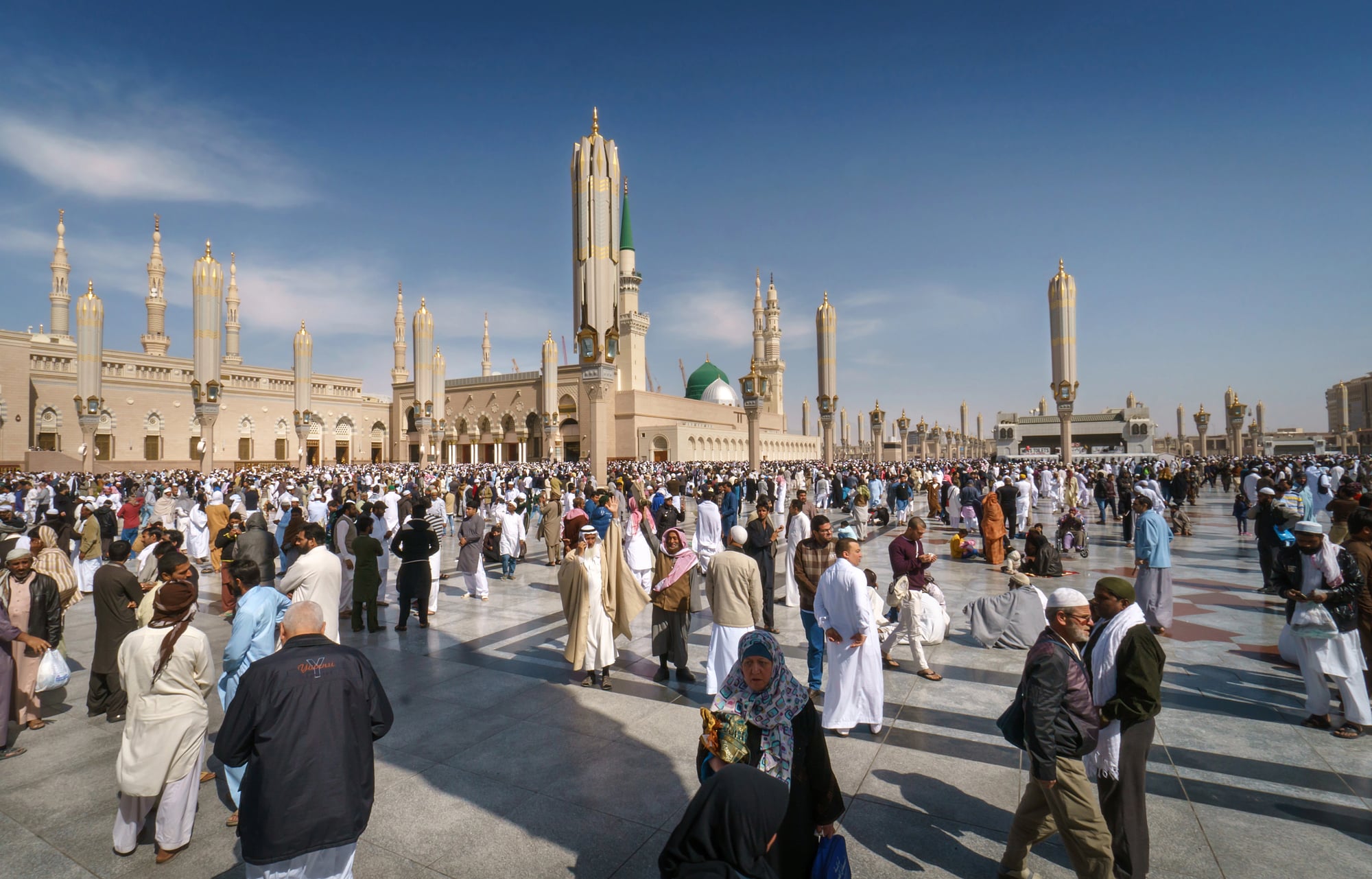
Following the rise of Islam in the 7th century, Arab armies and settlers spread across three continents with remarkable speed. Within a century, Islamic civilization extended from Spain to Central Asia, bringing with it new religious practices, architectural styles, scientific knowledge, and trade networks.
This expansion created a unified cultural and economic zone that connected Europe, Africa, and Asia in unprecedented ways.
Viking Expansion Across Northern Europe
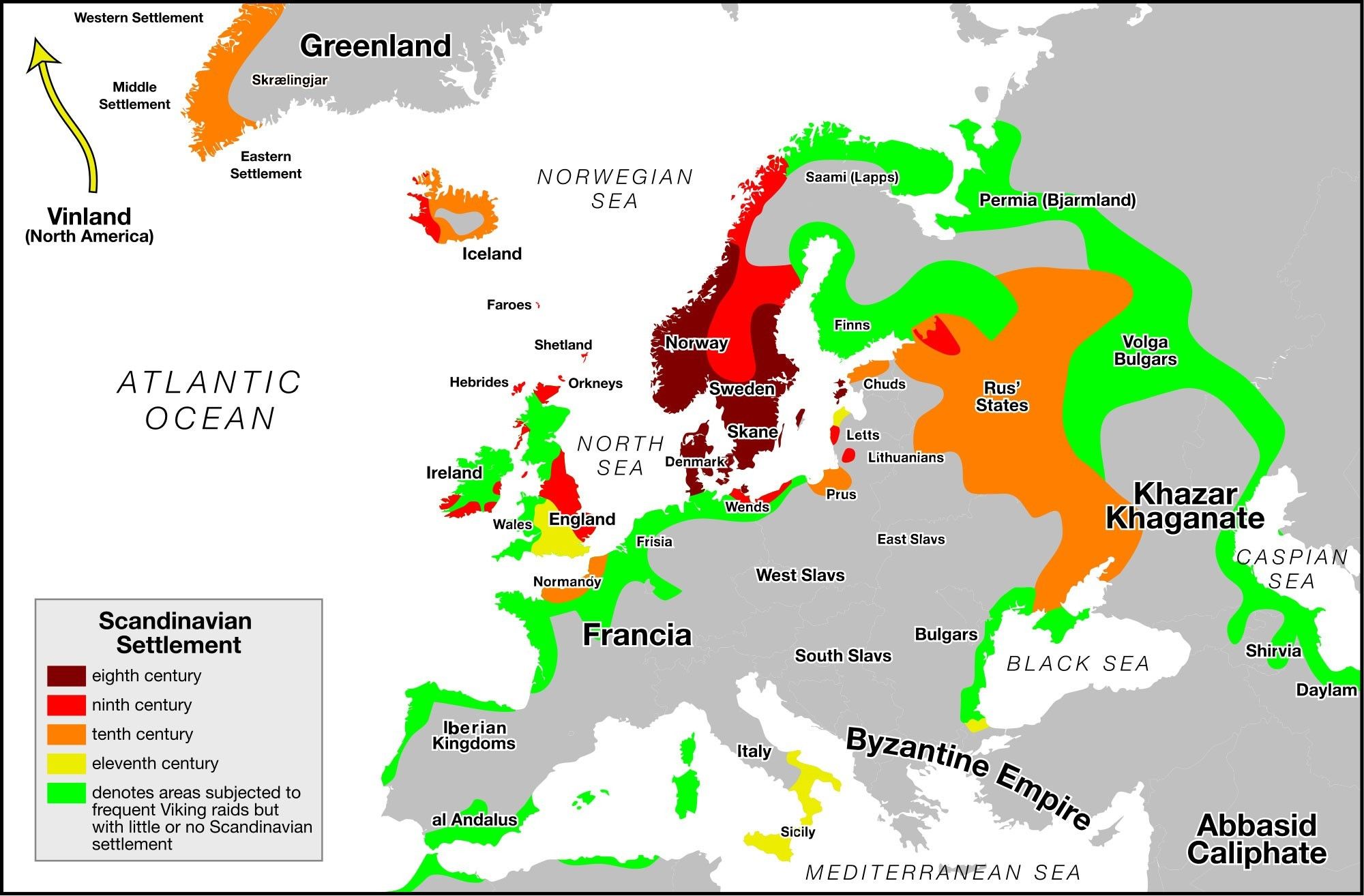
From the 8th to 11th centuries, Scandinavian Vikings didn’t just raid—they migrated and settled across vast territories. They established settlements in Iceland, Greenland, and briefly North America, while also founding cities like Dublin and York.
Viking traders and settlers traveled as far as Constantinople and even reached parts of North America 500 years before Columbus, creating trade networks that spanned from Greenland to the Black Sea.
Mongol Conquests Creating the Largest Land Empire

The Mongol expansion under Genghis Khan and his successors in the 13th century created the largest contiguous land empire in history. This wasn’t just military conquest—it involved the movement of entire tribal populations across Eurasia.
The Mongols facilitated trade along the Silk Road, spread technologies and ideas between East and West, and created a period of relative peace that allowed for unprecedented cultural exchange.
Turkish Migration Into Anatolia

The gradual migration of Turkic peoples into Anatolia (modern-day Turkey) beginning in the 11th century completely transformed the region’s ethnic and cultural character. What had been the heart of the Byzantine Empire became increasingly Turkish and Islamic over several centuries.
This migration created the foundation for the Ottoman Empire and established a Turkish presence in Europe that continues today.
European Colonization of the Americas
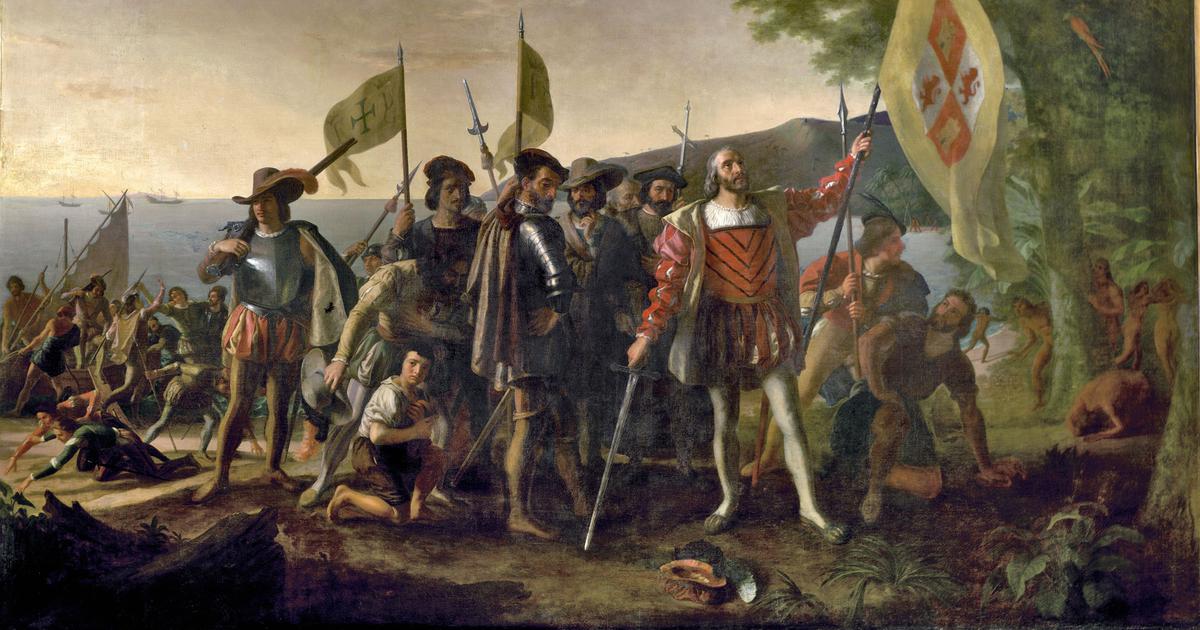
The arrival of Europeans in the Americas after 1492 triggered one of history’s most dramatic demographic shifts. Millions of Europeans migrated to the New World over the following centuries, while simultaneously European diseases devastated indigenous populations.
This colonization reshaped two entire continents, creating new societies that blended European, indigenous, and often African elements in unique ways.
Atlantic Slave Trade and African Diaspora
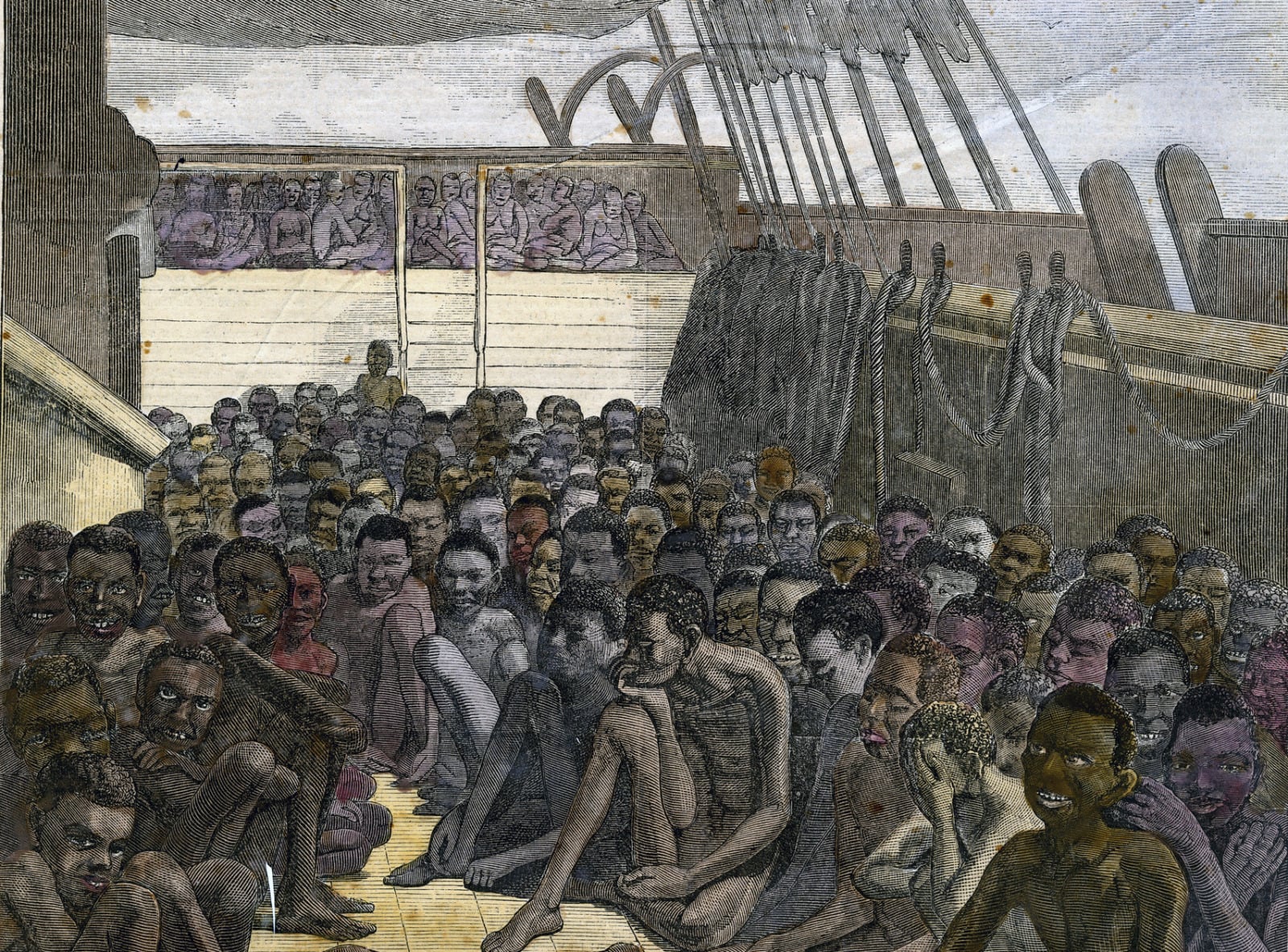
Between the 16th and 19th centuries, an estimated 12 million Africans were forcibly transported to the Americas through the Atlantic slave trade. This tragic forced migration had profound effects on four continents—depopulating parts of Africa while creating large African diaspora communities throughout the Americas.
The cultural contributions of these displaced populations fundamentally shaped music, cuisine, religion, and society across the New World.
Chinese Migration to Southeast Asia
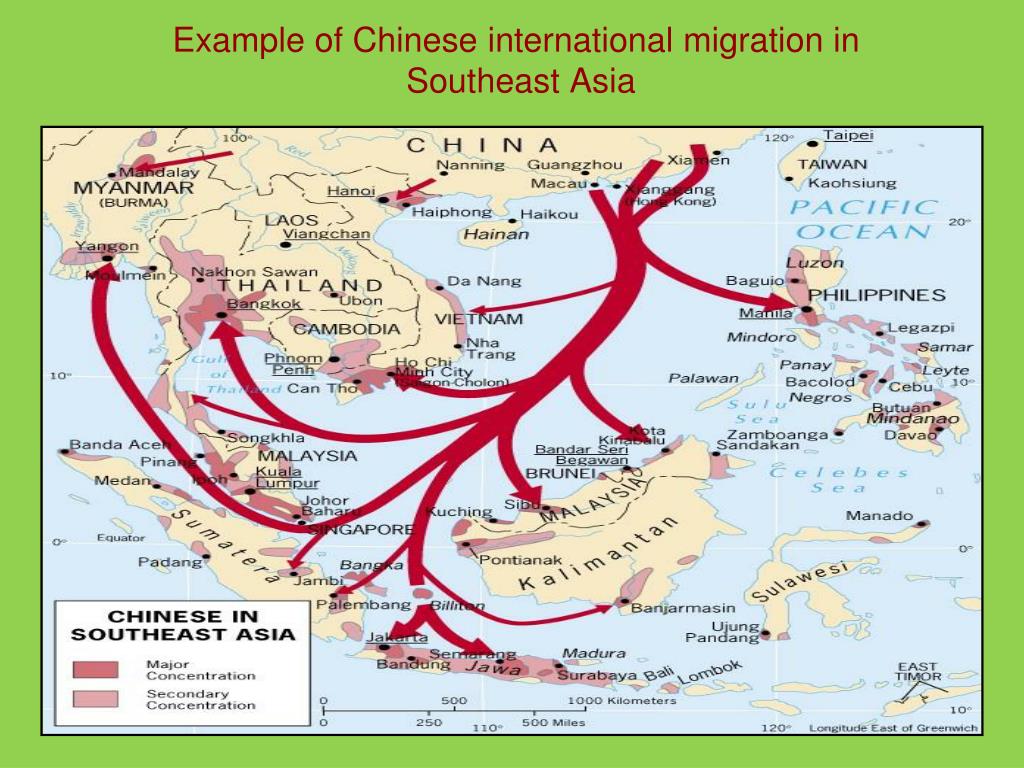
Over many centuries, but particularly from the 15th century onward, millions of Chinese migrants settled throughout Southeast Asia. These migrants established trading communities, intermarried with local populations, and created the foundation for the significant Chinese populations found throughout the region today.
Their influence on commerce, cuisine, and culture in countries like Malaysia, Thailand, and Indonesia remains profound.
European Settlement of Australia

The British colonization of Australia beginning in 1788 completely transformed a continent that had been inhabited by Aboriginal peoples for over 60,000 years. European settlement brought new animals, plants, diseases, and agricultural practices that fundamentally altered the Australian landscape.
The migration of over one million Europeans to Australia during the 19th century gold rushes alone reshaped the continent’s demographics and economy.
Westward Movement Across North America

The 19th-century migration of millions of Americans and immigrants westward across North America represented one of the largest voluntary population movements in history. The Oregon Trail, California Gold Rush, and transcontinental railroad facilitated the movement of entire communities across thousands of miles.
This migration displaced Native American populations while establishing the agricultural and industrial foundation for the modern United States.
Partition Migrations in South Asia
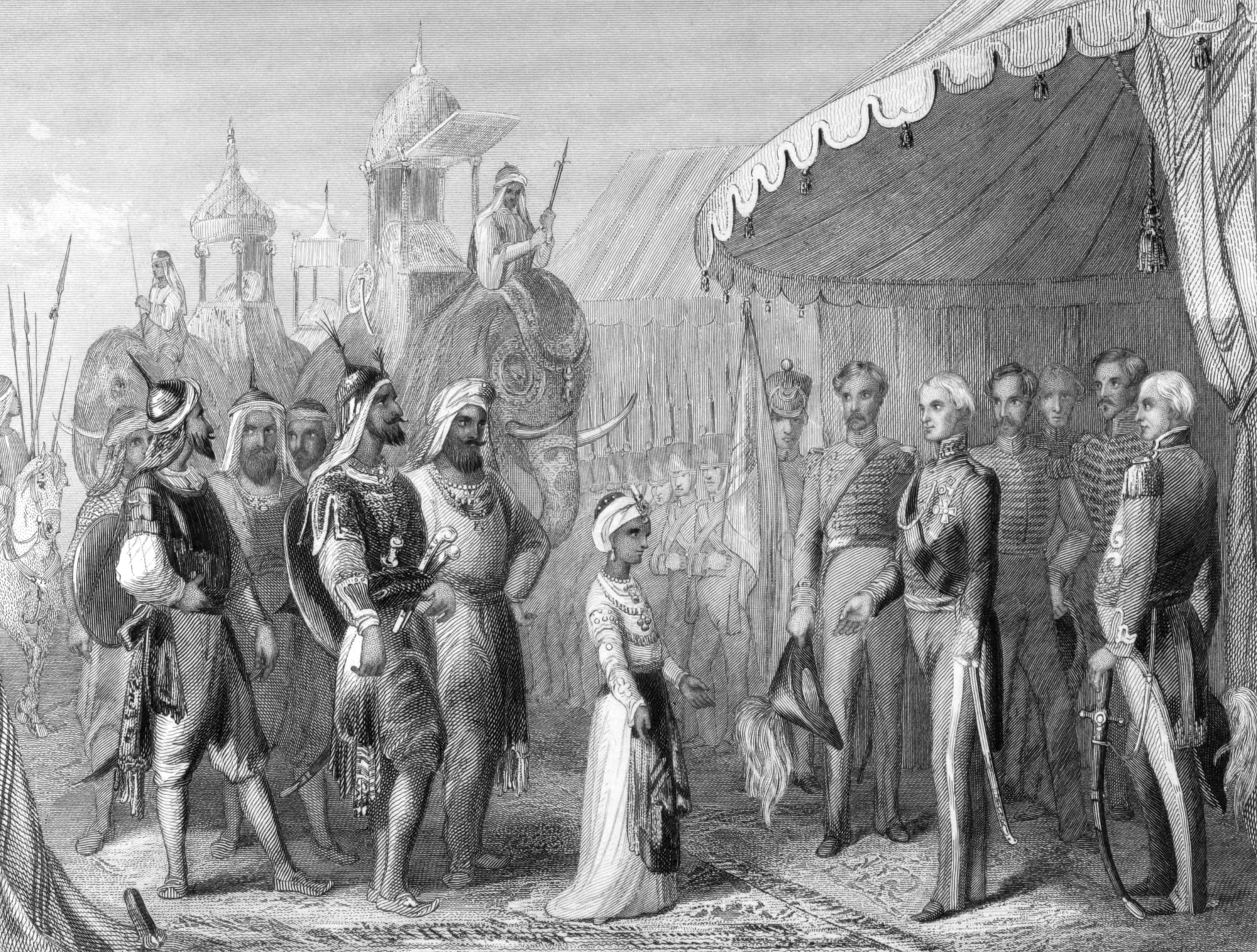
The 1947 partition of British India into India and Pakistan triggered one of the largest population movements in human history. An estimated 14 million people crossed borders in both directions, with Hindus and Sikhs moving to India while Muslims migrated to Pakistan.
This massive population exchange, accompanied by widespread violence, fundamentally altered the demographic composition of both new nations and created refugee populations whose descendants still live with the consequences today.
The Continuing Story of Human Movement
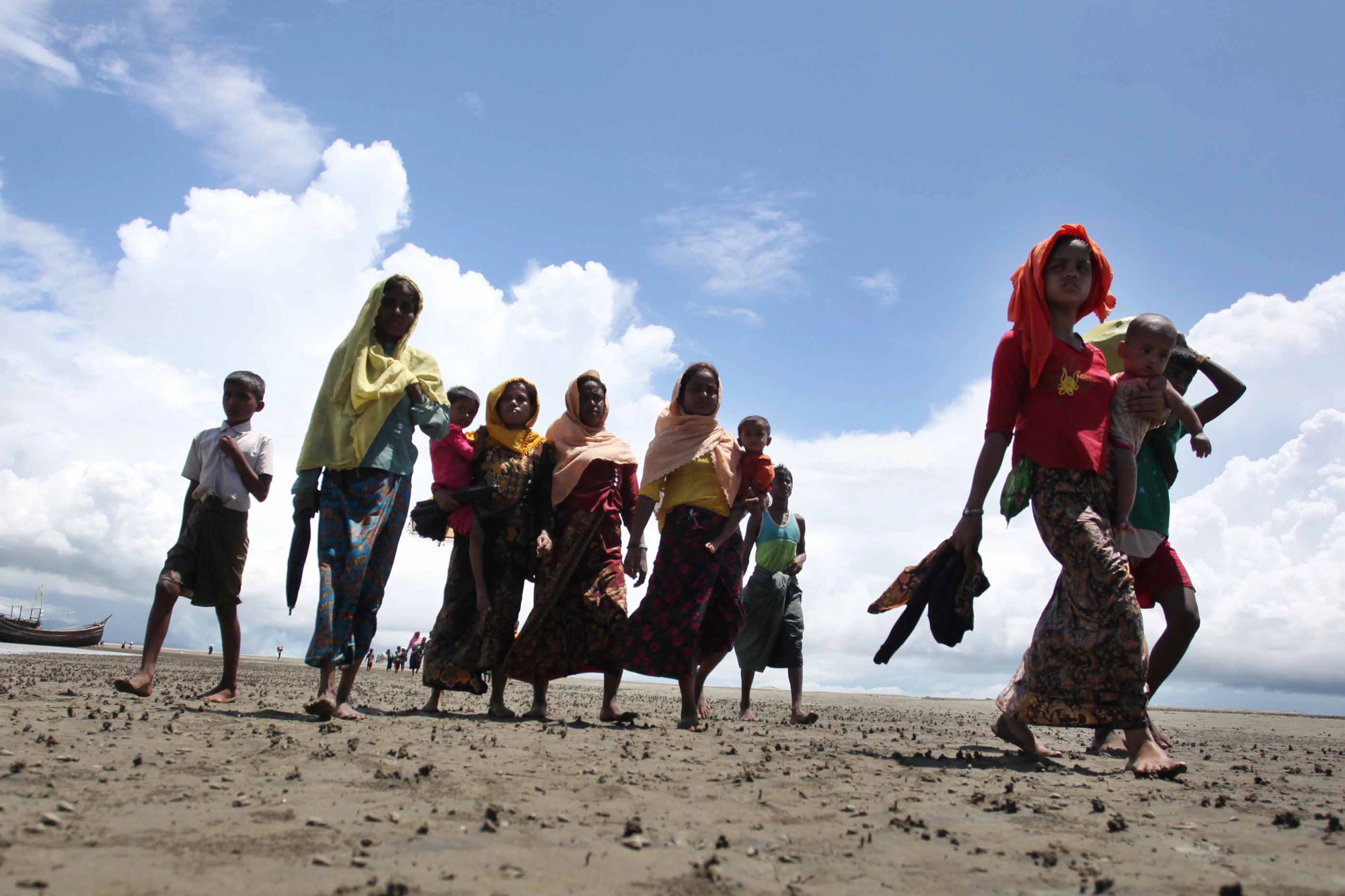
These 15 migrations demonstrate that human history is fundamentally a story of movement, adaptation, and cultural exchange. Each of these population shifts created ripple effects that continue to influence our world today—from the languages we speak to the foods we eat to the cities where we live.
The genetic diversity, cultural richness, and technological innovations that characterize modern civilization all trace back to these ancient patterns of human migration. Understanding these movements helps us appreciate both the challenges and opportunities that come with human mobility, reminding us that migration has always been one of the most powerful forces shaping our planet.
More from Go2Tutors!

- The Romanov Crown Jewels and Their Tragic Fate
- 13 Historical Mysteries That Science Still Can’t Solve
- Famous Hoaxes That Fooled the World for Years
- 15 Child Stars with Tragic Adult Lives
- 16 Famous Jewelry Pieces in History
Like Go2Tutors’s content? Follow us on MSN.



