15 Recalled Products Americans Actually Used
There’s a specific kind of unease that comes with reading a recall notice and recognizing something sitting in your own home. Not a product you vaguely remember seeing at a store — something you’ve used, maybe for years.
Recalls happen more often than most people realize, and plenty of the most significant ones involved things that were in millions of American households before anyone raised an alarm. Here are 15 of them.
Takata Airbags
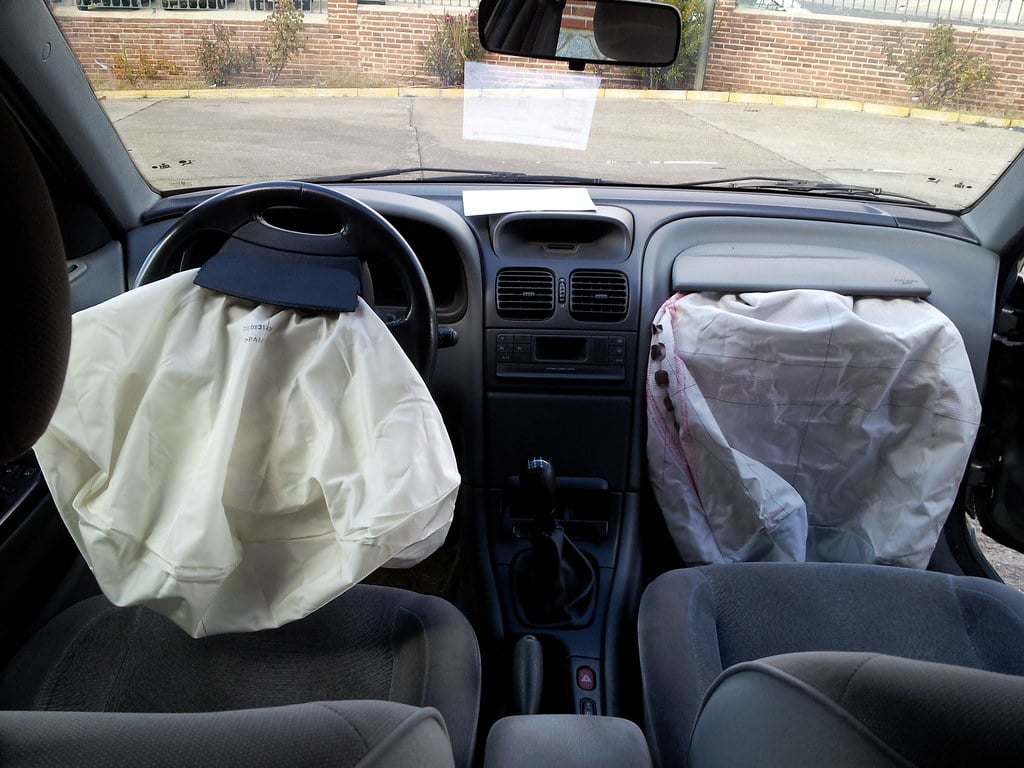
This one affected more vehicles than any recall in U.S. history. Takata manufactured airbag inflators that could rupture under certain conditions, sending metal fragments into the cabin instead of cushioning passengers.
Over 67 million inflators were recalled across dozens of car brands. If you drove a Honda, Toyota, Ford, BMW, or Chrysler between roughly 2002 and 2015, there’s a real chance your car was on the list.
The problem caused at least 27 deaths in the U.S. alone.
Fisher-Price Rock ‘n Play Sleeper
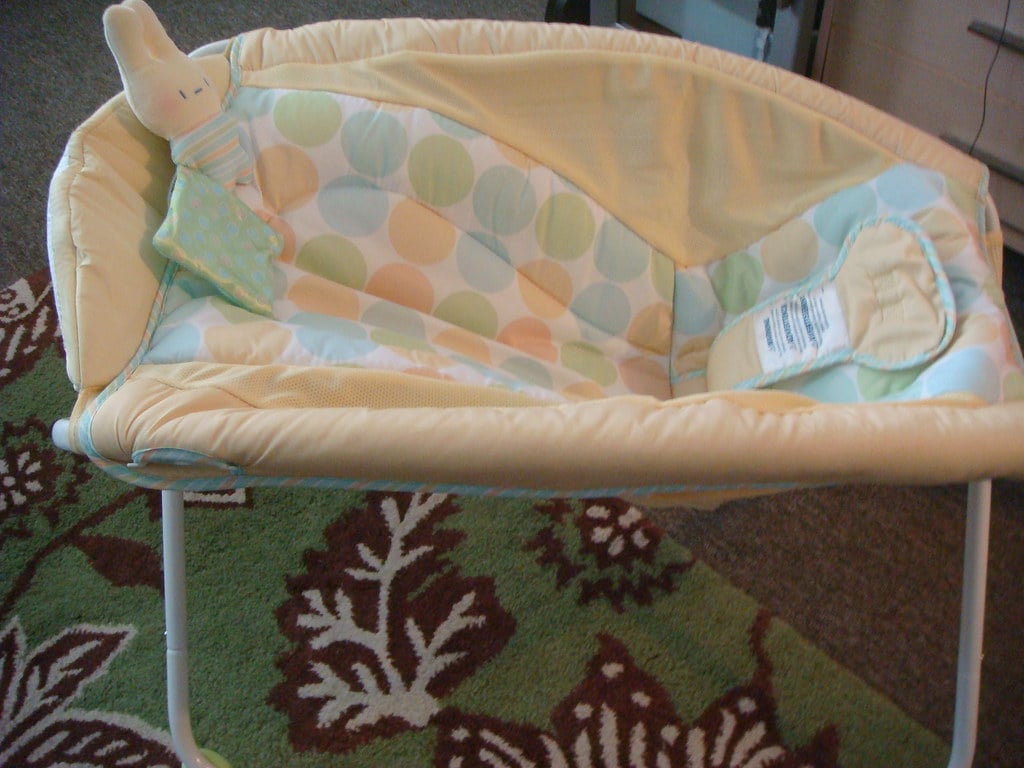
For years, Rock ‘n Play was one of the most popular infant sleepers on the market. Parents loved it because it kept babies at an inclined angle, which seemed to help with fussiness and reflux.
Fisher-Price sold more than 4.7 million units before the product was pulled in 2019. The inclined position, it turned out, posed a suffocation risk once babies could roll over.
More than 90 infant deaths were linked to the product.
Samsung Galaxy Note 7
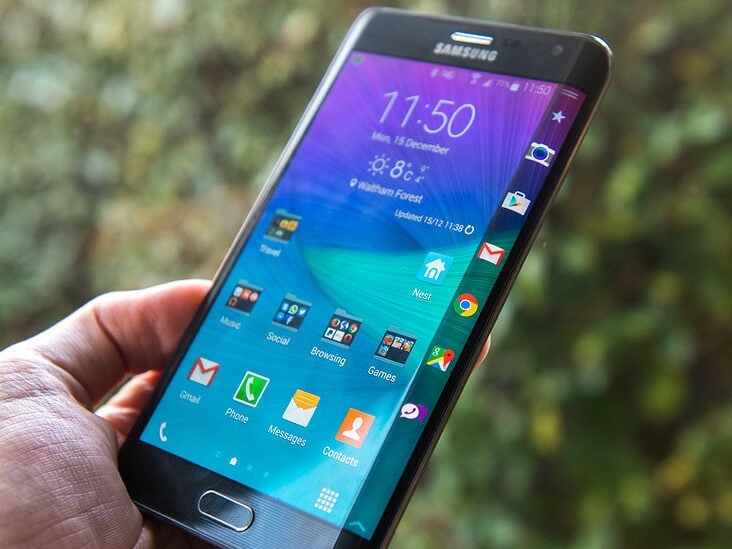
When the Note 7 launched in 2016, it was one of the most-talked-about phones of the year. Then reports started coming in of units catching fire — on airplanes, in cars, in people’s pockets.
The cause was a battery defect that caused short circuits. Samsung recalled 2.5 million devices and eventually stopped making the phone entirely.
Airlines banned it from flights, and the FAA issued specific warnings. It became one of the most dramatic product failures in tech history.
Lawn Darts (Jarts)
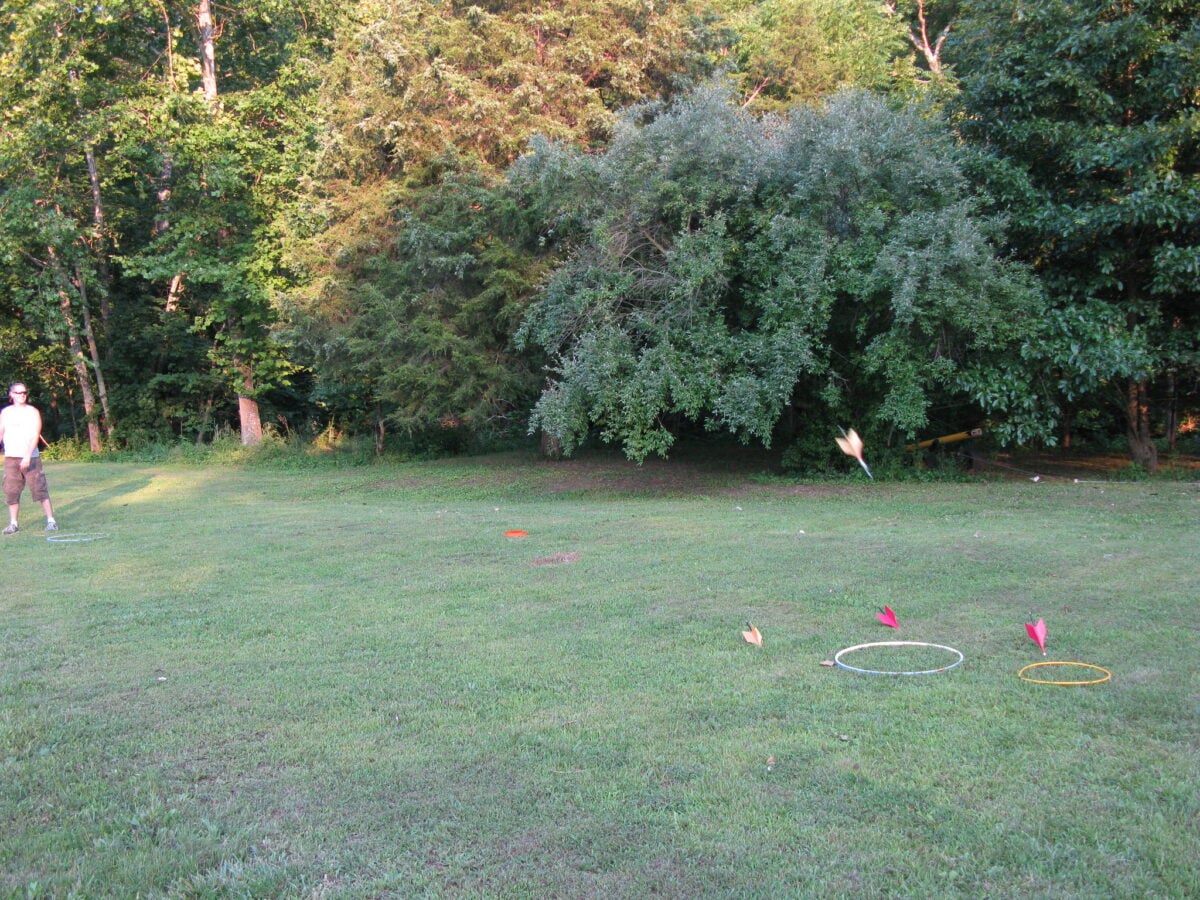
These were a backyard staple for decades. Lawn darts were weighted metal-tipped projectiles you threw at targets on the ground — sounds straightforward until you picture kids running around the same yard.
The Consumer Product Safety Commission received thousands of injury reports over the years, including cases that resulted in death, before banning the product in 1988. Plenty of Americans still had sets in their garages well into the ’90s, and some still do.
Ford Pinto
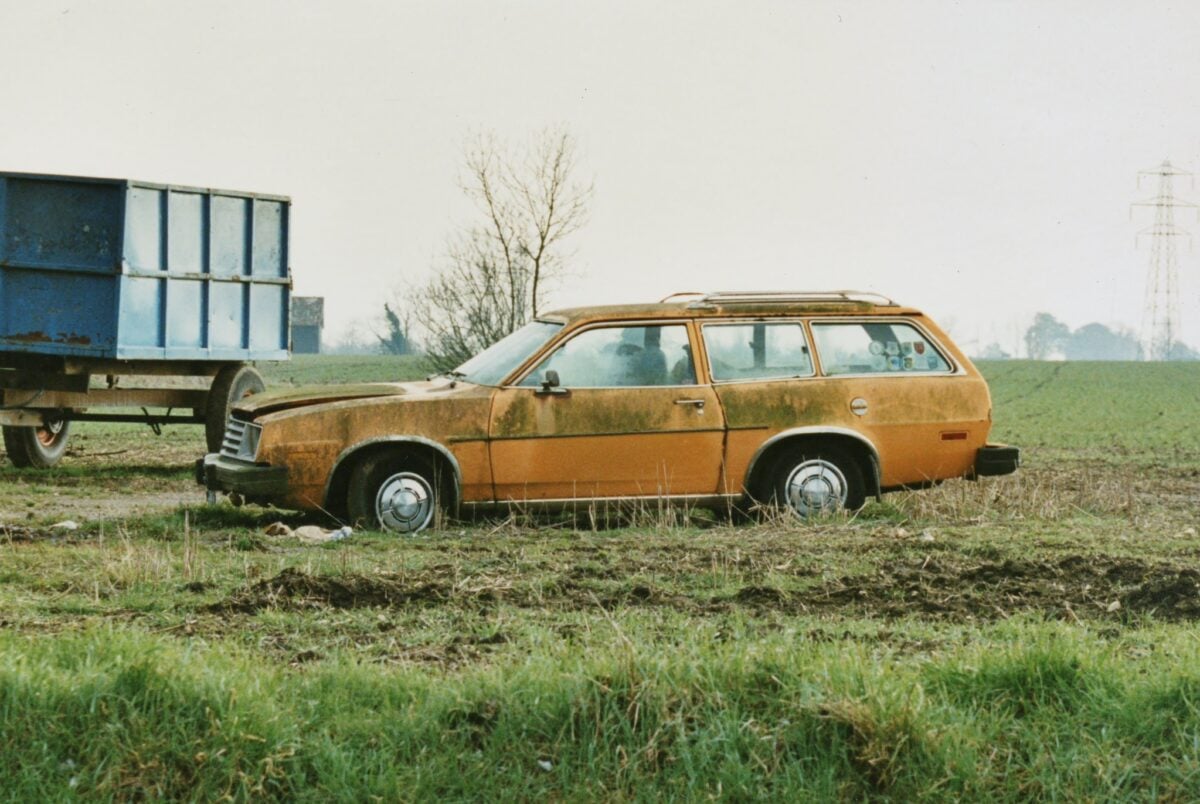
The Pinto’s fuel tank was positioned in a way that made it vulnerable to rupturing in rear-end collisions, which could cause fires. Ford was aware of the issue, and internal documents later revealed that the company had done a cost-benefit analysis comparing the cost of a fix to the anticipated cost of lawsuits.
That memo became one of the most cited examples of corporate liability reasoning. The car was recalled in 1978, years after the danger became apparent.
Jif Peanut Butter
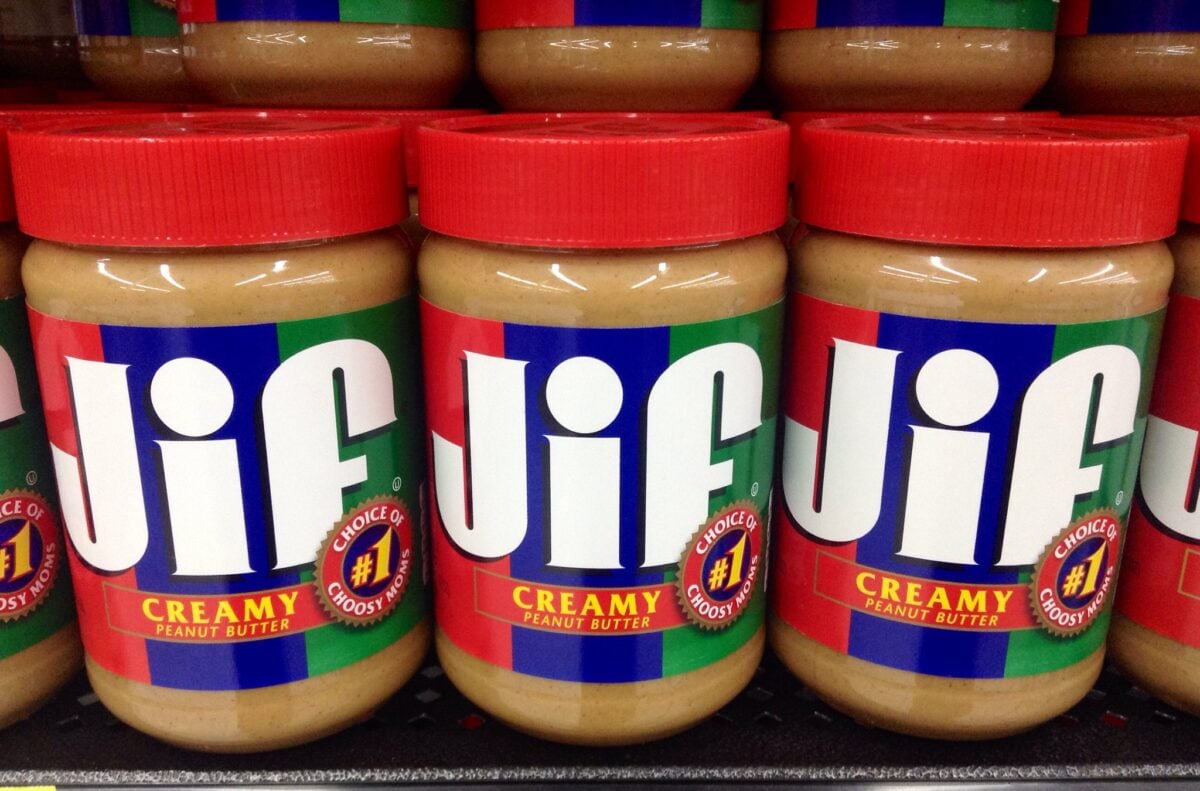
In 2022, J.M. Smucker recalled multiple sizes and varieties of Jif peanut butter due to a potential salmonella contamination linked to a facility in Lexington, Kentucky. The CDC connected the outbreak to at least 16 states.
Peanut butter is not a product most people associate with recalls — it’s shelf-stable, it’s been around forever, it feels safe. But this one reached an enormous number of households before the recall was announced.
Vioxx
Vioxx was a prescription painkiller made by Merck that millions of Americans took for arthritis and pain relief throughout the late 1990s and early 2000s. It was pulled from the market in 2004 after research showed it significantly increased the risk of heart attack and stroke in long-term users.
Estimates of the number of people who experienced cardiovascular events as a result vary widely, but some studies put the figure in the tens of thousands. Merck eventually paid out $4.85 billion in settlements.
Peloton Tread+
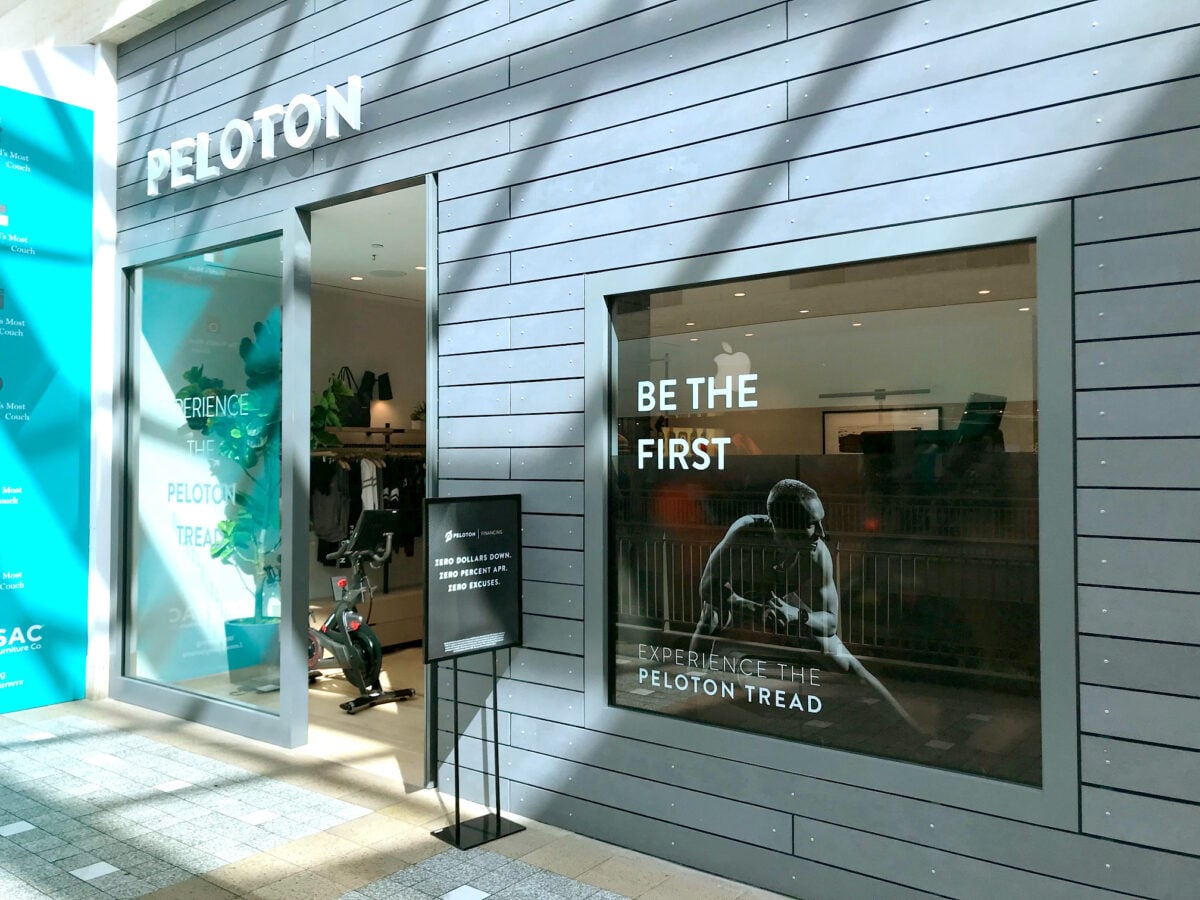
The Peloton Tread+ was recalled in 2021 after reports of children and a pet being pulled under the machine’s rear roller. The CPSC issued an urgent warning, and Peloton initially pushed back before agreeing to a full recall.
More than 70 incidents were reported, including one death. The recall came during a period when Peloton was at peak popularity — many people had bought the Tread+ specifically because they were working out at home more during the pandemic.
Ikea Malm Dresser
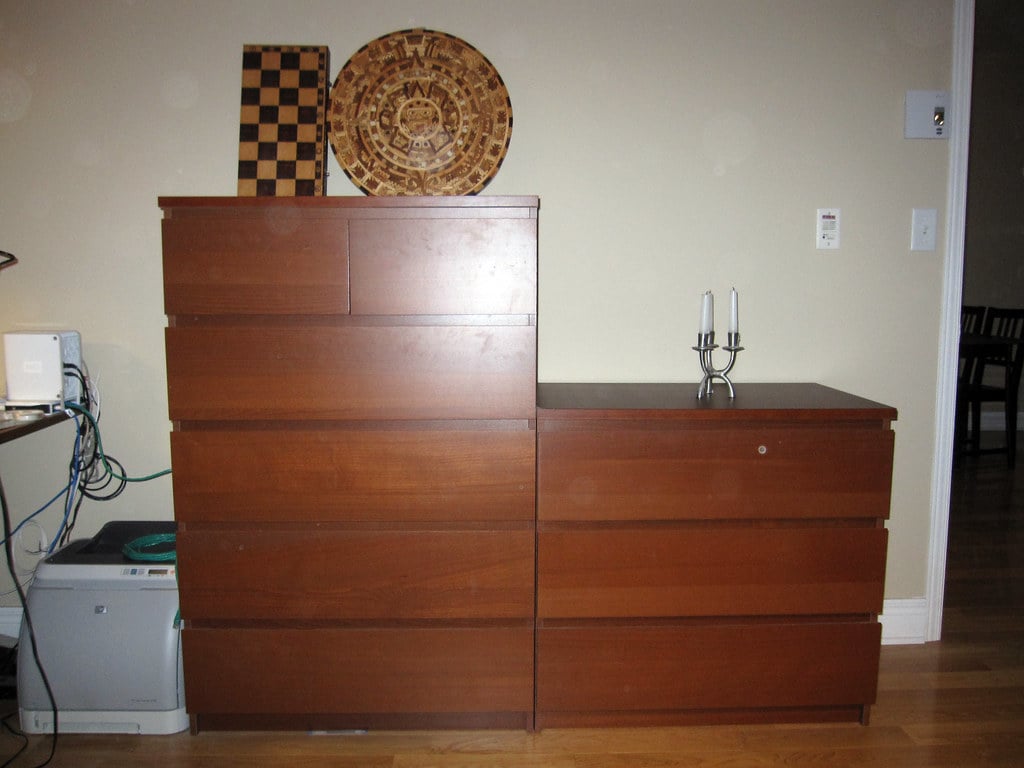
The Malm dresser was affordable, simple-looking, and extremely popular. It was also top-heavy when drawers were open, which made it prone to tipping.
Children were crushed when dressers fell on them, and multiple deaths prompted a massive recall of 29 million units across North America in 2016. Ikea offered free wall-anchoring kits, but many owners never completed the fix.
The dresser was redesigned after the recall, though the original version remained in many homes for years.
Tylenol (1982)
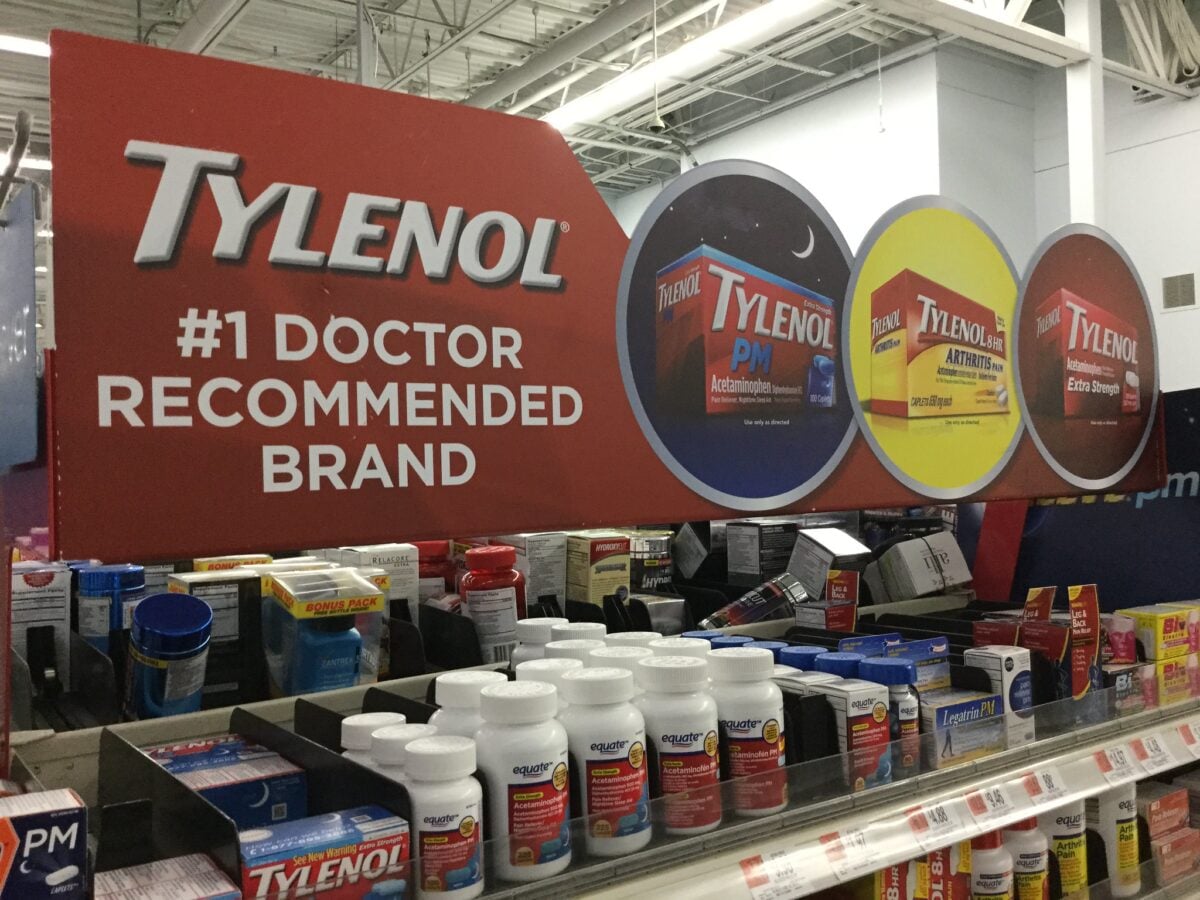
In the fall of 1982, seven people in the Chicago area died after taking Tylenol capsules that had been laced with cyanide. Johnson & Johnson pulled 31 million bottles from store shelves — a decision that was widely praised as a model for how companies should respond to a public safety crisis.
The incident fundamentally changed how over-the-counter medications are packaged. Tamper-evident seals became standard because of what happened that year.
Most Americans who grew up after 1982 never knew a world without them.
Romaine Lettuce
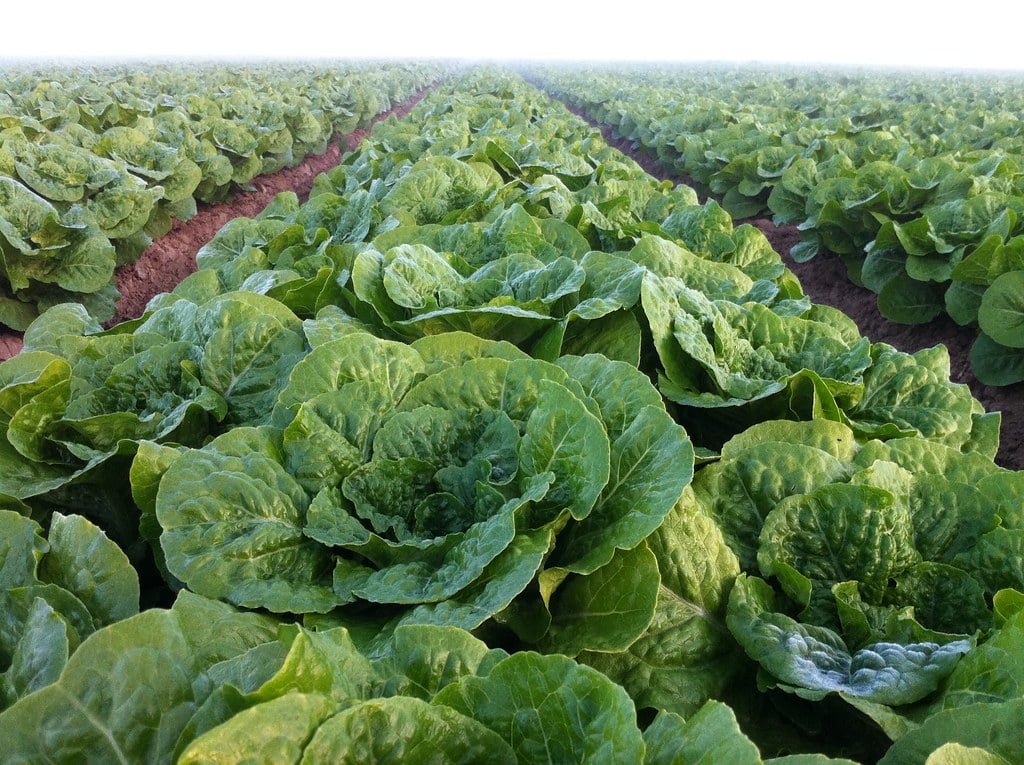
Romaine has been at the center of multiple large-scale E. coli outbreaks over the past decade. In 2018, the CDC issued a warning telling Americans to avoid all romaine regardless of where it came from.
Grocery stores pulled it from shelves nationwide. It’s the kind of recall that feels disorienting because romaine is in so many households — in salads, Caesar dressings, wraps.
Each outbreak traced back to a different source: irrigation water, contaminated soil, processing facilities.
Philips CPAP Machines
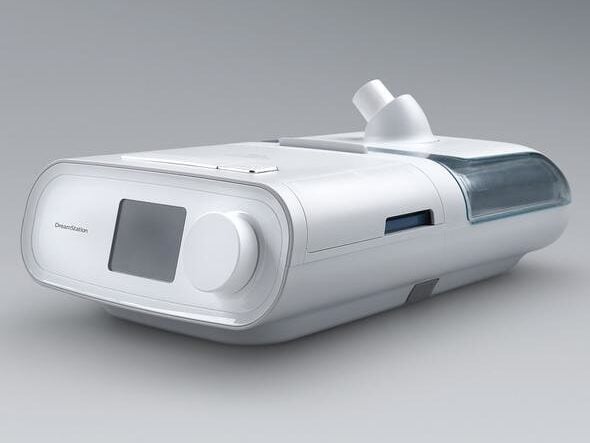
One morning in 2021, people woke up to news about Philips pulling millions of CPAP and BiPAP units from homes everywhere. Inside those machines, a kind of foam meant to quiet noise started crumbling after months of use.
Tiny bits or invisible fumes might slip into breaths taken through the gear during sleep. Years went by before anyone saw the problem coming.
Suddenly, users had no good choices – breathe easier at night but risk swallowing something harmful, or go without help just to stay safe. New models trickled out slowly, nowhere near enough for the crowd left waiting.
Hundreds of thousands found themselves stuck between health needs and unseen dangers.
Johnson & Johnson Baby Powder
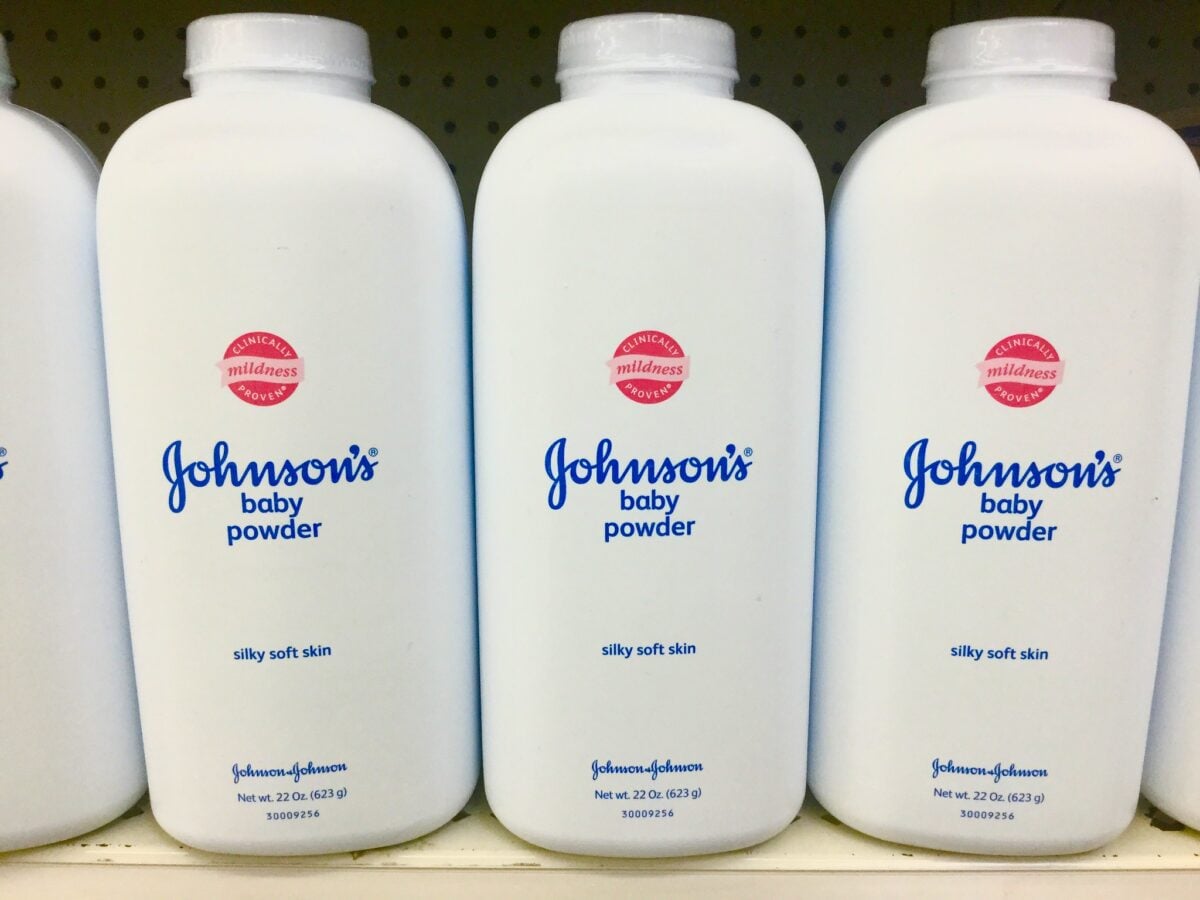
For decades, families kept J&J’s baby powder close at hand. Babies felt its touch after baths; grown-ups reached for it too, daily.
By 2016, court cases began piling up – each claiming the talc carried asbestos, possibly sparking ovarian cancer. Denials came from the company, year after year, even as legal pressure swelled into massive numbers.
One hundred years of bathroom shelves holding that powdery jar – then, without fanfare, it was gone. By 2020, the version with talc vanished from North American stores, later erased worldwide by 2023.
Firestone Tires Used on Ford Explorers
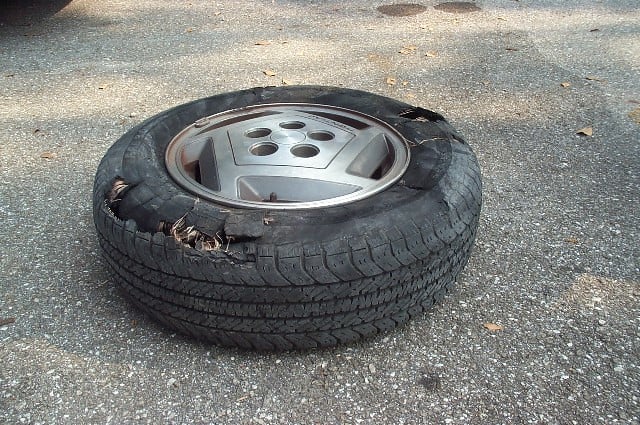
That year, more than six and a half million tires got pulled from roads – mainly the ATX and Wilderness AT types – after drivers reported chunks peeling off during high-speed travel. Many of these failures happened on Ford Explorers, since those vehicles ran their tires softer than normal for a smoother feel, making blowouts likelier.
Soon after, lawmakers stepped in with tough questions, while two long-time partners, Ford and Firestone, broke ties amid blame and tension. New national rules reshaped how tire risks are tracked and managed.
Over 170 lives ended due to the flaw.
Certain Sunscreens Made by Neutrogena and Aveeno
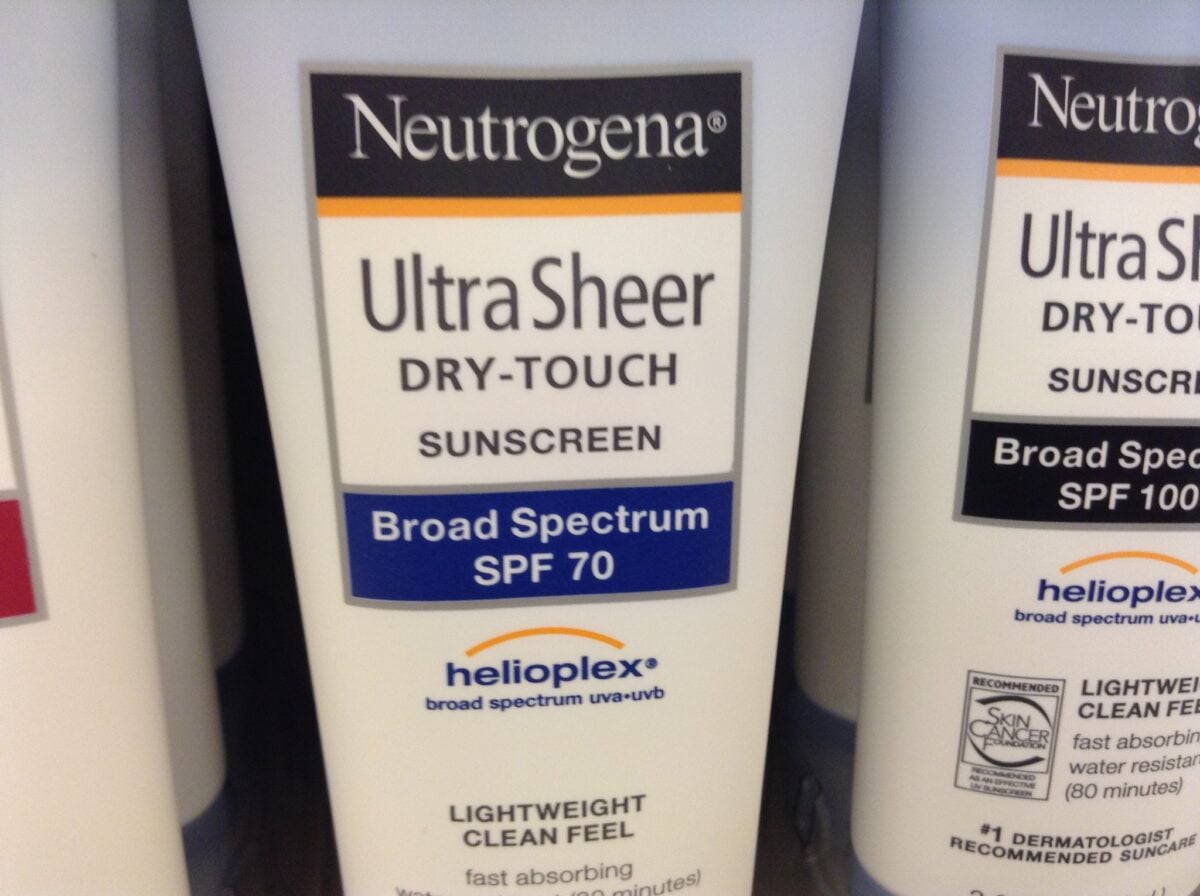
That summer, folks slathered spray-on sunblock without knowing what hid inside. A whisper turned into news when traces of benzene showed up in certain bottles.
Not every batch carried it, but enough to pull items fast. Johnson & Johnson stepped forward first, yanking Neutrogena and Aveeno mists from store coolers.
Years-old favorites suddenly vanished overnight. Other makers started peeking under their own hoods – what they found wasn’t always clean.
More cans disappeared from racks as results trickled in. Quiet concern spread among those who trusted daily protection.
The Products Are Still Out There
Some of these products remain tucked away in houses, sheds, or rented spaces. In America, few actually return recalled things – recall figures can dip below thirty out of every hundred for everyday stuff.
News slips by, warnings get set aside, yet folks carry on using what feels okay. Here’s when trouble strikes: after word goes out about a problem, yet before items vanish from shelves.
These aren’t oddball gadgets nobody knows. Nope – everyday purchases, common routines, familiar names sitting in homes for ages.
What stings isn’t the flaw alone, rather how safe everyone once felt using them.
More from Go2Tutors!

- The Romanov Crown Jewels and Their Tragic Fate
- 13 Historical Mysteries That Science Still Can’t Solve
- Famous Hoaxes That Fooled the World for Years
- 15 Child Stars with Tragic Adult Lives
- 16 Famous Jewelry Pieces in History
Like Go2Tutors’s content? Follow us on MSN.