16 Bizarre College Courses You Can Take
College used to be about the basics: math, science, history, and maybe a foreign language if you were feeling adventurous. But things have changed dramatically over the years.
Today’s universities offer classes so unusual that they might make your parents question where their tuition money is actually going. Ready to explore some of the strangest academic offerings out there?
Let’s dive into these head-scratching courses that actually exist.
The Art Of Walking

Cornell University decided that humans needed formal instruction on putting one foot in front of the other. This class teaches students the philosophy, history, and cultural significance of walking as a human activity.
Students spend time analyzing different walking styles, discussing famous walks throughout history, and even examining how various societies view pedestrian movement. The course combines physical activity with intellectual exploration, proving that even the most basic human functions can become subjects of serious academic study.
Professors guide students through different terrains while discussing everything from pilgrimage traditions to urban planning.
Maple Syrup: The Real Thing

The University of Vermont offers a deep dive into everyone’s favorite pancake topping. This course covers the entire process of maple syrup production, from tapping trees to bottling the final product.
Students learn about the chemistry of sap, the history of syrup making in North America, and even the economics of the maple industry. The class includes hands-on experience in actual sugar houses where students can taste different grades and understand what makes Vermont syrup special.
It’s basically a science class disguised as a celebration of breakfast.
Tree Climbing

Cornell appears again with another physical activity course that sounds more like summer camp than higher education. Students learn proper climbing techniques, safety protocols, and how to navigate different tree species.
The class isn’t just about scrambling up trunks though. Instructors teach about forest ecology, tree biology, and conservation while students are literally in the branches.
Participants need to pass physical assessments and demonstrate they can climb responsibly before tackling the tallest specimens on campus.
What If Harry Potter Is Real?

Appalachian State University created a course examining J.K. Rowling’s wizarding world through an academic lens. The class analyzes themes of prejudice, government corruption, and social justice within the books.
Students compare the magical society to real-world political systems and discuss how fantasy literature reflects actual human concerns. Professors use the popular series as a gateway to deeper conversations about ethics, power structures, and cultural commentary.
The syllabus treats Harry’s adventures as seriously as any classic literature course would approach Shakespeare.
The Science Of Superheroes

Multiple universities now offer courses that use comic book characters to teach real physics and biology. Professors calculate whether Superman could actually fly based on his portrayed abilities or whether Spider-Man’s web would hold his weight.
The classes cover legitimate scientific principles like gravity, momentum, and genetic mutation while keeping students engaged with familiar characters. Students write papers analyzing which superhero powers are theoretically possible and which violate fundamental laws of nature.
It turns out that Thor’s hammer presents some interesting questions about density and force.
Zombies In Popular Media

Columbia College Chicago and other schools have embraced the undead as serious subjects of study. These courses trace zombie mythology from Haitian folklore through modern apocalypse films.
Students analyze what zombie stories reveal about contemporary fears, social breakdown, and human nature under pressure. The curriculum includes film screenings, discussions of epidemiology, and examinations of how different cultures imagine the end of civilization.
Professors argue that zombie narratives offer unique insights into modern anxieties about disease, technology, and societal collapse.
The Joy Of Garbage

Santa Clara University offers a class entirely focused on trash and waste management. Students learn where garbage goes, how landfills operate, and what happens to recycled materials.
The course covers the environmental impact of human waste, the history of sanitation, and innovations in garbage reduction. Field trips to actual waste facilities show students the massive scale of what we throw away daily.
By the end, participants understand that garbage reveals more about society than most people want to admit.
Arguing With Judge Judy

UC Berkeley created a course using the famous TV judge to teach rhetoric and argumentation. Students watch episodes and analyze the logical fallacies, persuasive techniques, and legal reasoning on display.
The class examines how Judge Judy constructs her arguments and why her approach works on television. Professors use the show to demonstrate effective and ineffective communication strategies in conflict situations.
It’s basically a law and communications course wrapped in afternoon television entertainment.
The Strategy Of StarCraft

UC Berkeley and other schools now teach military strategy through video games. The course uses the real-time strategy game StarCraft to explore concepts like resource management, tactical decision-making, and strategic planning.
Students learn about historical military campaigns and then apply those lessons to their gameplay. Professors draw parallels between digital battles and actual warfare throughout history.
The class proves that gaming can teach genuine skills in critical thinking and strategic analysis.
Getting Dressed

Princeton once offered a course dedicated entirely to the history and culture of clothing. Students examined fashion as a form of communication, identity, and social control.
The class covered everything from corsets to blue jeans, analyzing what clothes reveal about power, gender, and class. Readings included fashion theory, historical accounts, and cultural criticism about how humans cover themselves.
Participants learned to see clothing as a complex language rather than just functional covering.
Underwater Basket Weaving
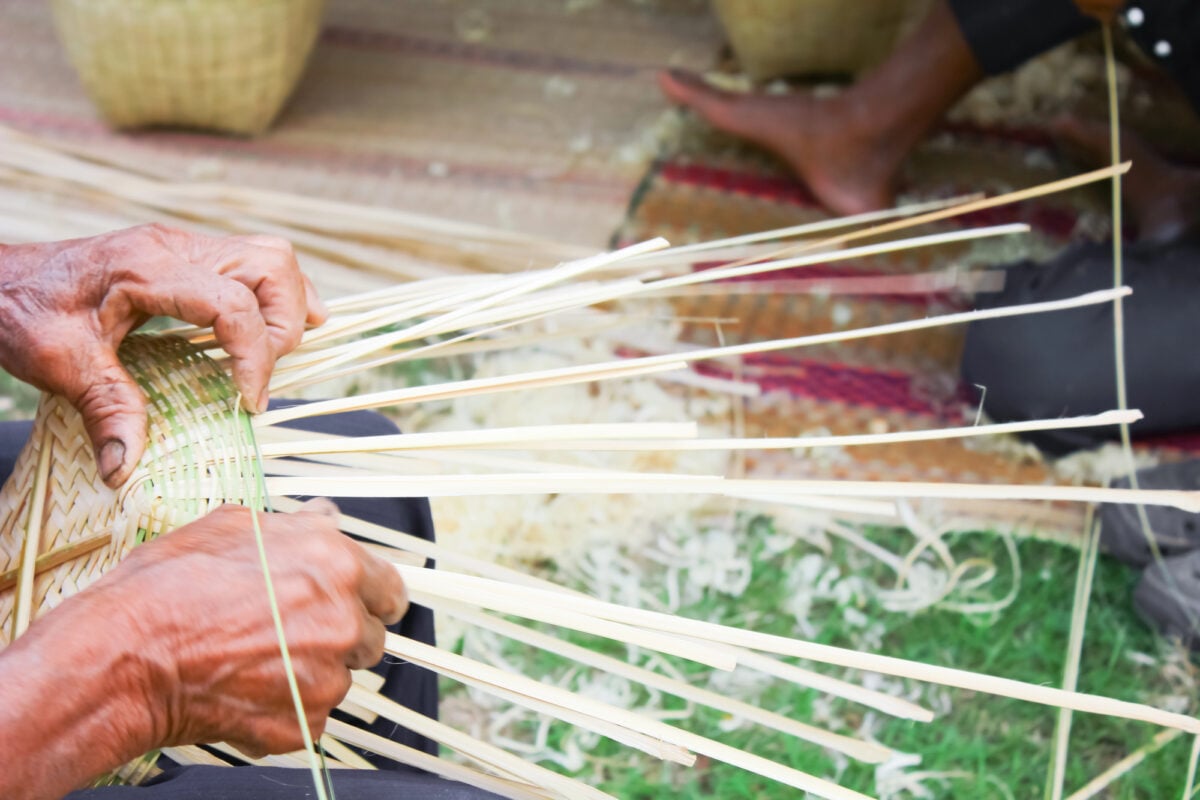
This infamous class actually exists at several institutions, though usually as a joke course or recreational offering. Reed College and others have offered it over the years, teaching students to weave baskets while submerged in pools.
The practical challenges of working underwater make it genuinely difficult despite the ridiculous premise. Students learn traditional weaving techniques while dealing with buoyancy and limited visibility.
The course has become synonymous with useless college classes, but participants say it actually requires significant skill and patience.
The Simpsons And Philosophy

Multiple universities use the long-running animated show to teach philosophical concepts. Courses analyze episodes for their treatment of ethics, existence, knowledge, and moral reasoning.
Students watch Homer’s adventures and then discuss whether his actions align with utilitarian or deontological frameworks. Professors argue that the show tackles serious philosophical questions while making audiences laugh.
The curriculum covers thinkers from Aristotle to Nietzsche using Springfield’s residents as examples.
Parkour

Several colleges now offer courses in the French discipline of moving through urban environments efficiently. Students learn to vault, climb, and jump over obstacles in creative ways.
The classes combine physical training with discussions of urban design, risk assessment, and body awareness. Instructors emphasize safety while teaching students to see cities as playgrounds for movement.
Participants develop strength and confidence while reimagining how humans can navigate built environments.
Elvish Language

The University of Wisconsin once taught Tolkien’s invented languages as actual linguistic courses. Students learned the grammar, syntax, and vocabulary of Elvish tongues from Middle-earth.
The class examined how Tolkien constructed his languages and what linguistic principles he followed. Participants could actually converse in Sindarin or Quenya by the semester’s end.
The course demonstrated that fictional languages follow the same rules as natural ones and offer insights into how human language works.
Television And Future Prediction?

A classroom at Northwestern University dives into how TV episodes guessed what society and tech would become. Old programs get screened so learners can spot which guesses actually happened, others that missed wide.
From Star Trek’s handheld devices to Black Mirror’s grim storylines – each gets unpacked. Conversations pop up on if screen stories push change or just echo ideas already floating around.
Thinking deeper about how shows affect innovation becomes part of the experience. What sticks?
Not every vision lands – some vanish quietly. Watching closely helps separate bold foresight from flat misses.
Surfing

A handful of colleges near California beaches let students take surfing for course credit. Out there, learners study how waves work instead of just textbooks.
These programs mix beach workouts with lessons on sea life plus stories from local surf culture. Time spent catching swells pairs with classroom talks on coastal environments.
Falling off a board? That kind of stumble helps you pass.
From Posters To Degrees

Odd classes like these reveal how broadly colleges now define what counts as useful knowledge. From pancake syrup to gaming tactics, topics once ignored are now part of coursework.
Critics call them pointless uses of resources, yet supporters argue they spark student interest in fresh ways. Regardless of opinion, such offerings show higher ed can make space for nearly any curiosity.
Today’s campus life feels less predictable, much broader than it seemed decades ago.
More from Go2Tutors!

- The Romanov Crown Jewels and Their Tragic Fate
- 13 Historical Mysteries That Science Still Can’t Solve
- Famous Hoaxes That Fooled the World for Years
- 15 Child Stars with Tragic Adult Lives
- 16 Famous Jewelry Pieces in History
Like Go2Tutors’s content? Follow us on MSN.