15 Robots Inspired by Unusual Animals
When most people picture robots, they imagine humanoid machines or those industrial arms you see in factories. However, some of the most fascinating robotic breakthroughs actually come from studying nature’s weirdest creatures.
Engineers have realized that the animal kingdom’s strangest members often possess abilities that are absolutely worth copying. Here’s a list of 15 robots that draw inspiration from some of nature’s most unconventional animals.
Gecko-Inspired Climbing Robots

Geckos walk up glass walls and dangle from ceilings upside down — all thanks to millions of microscopic hairs called setae covering their feet. Scientists have built robots that copy this adhesive system using synthetic materials that grip surfaces at the molecular level.
These climbing machines can scale smooth vertical walls without leaving any sticky residue, which makes them ideal for cleaning skyscraper windows or inspecting building facades.
Octopus Soft Robotics

An octopus doesn’t have a single bone in its body, yet it squeezes through spaces barely larger than its beak while manipulating objects with surgical precision. Researchers developed soft robots from flexible materials that compress, stretch, and twist just like octopus arms do.
These squishy bots excel at delicate work — handling breakable items or squeezing through tight spaces where rigid robots would get stuck.
Like Go2Tutors’s content? Follow us on MSN.
Elephant Trunk Manipulators
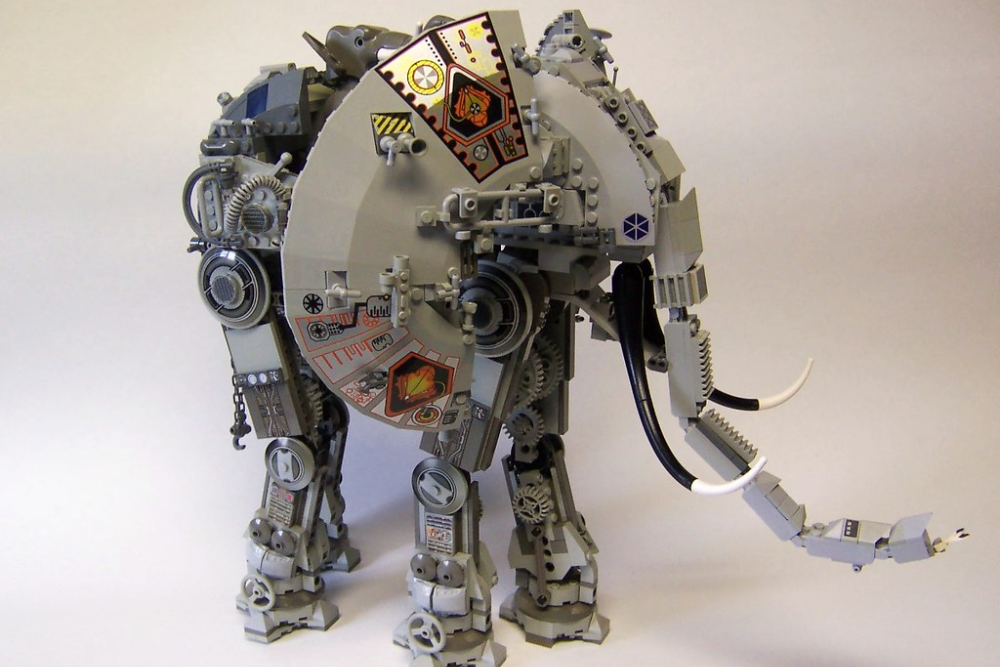
Elephant trunks contain more than 40,000 individual muscles and can pluck a single peanut or hoist a 700-pound log with equal ease. Engineers created robotic trunk systems using pneumatic actuators and articulated joints that replicate this versatility.
Manufacturing facilities love these manipulators because they combine brute strength with the gentleness needed for precision assembly work.
Mantis Shrimp Vision Systems

The mantis shrimp has eyes that put human vision to shame — it sees polarized light and processes twelve different color channels while we’re stuck with just three. Robots equipped with mantis shrimp-inspired cameras can spot objects and materials completely invisible to standard imaging systems.
Underwater exploration teams and quality control inspectors find this technology invaluable for detecting flaws that would otherwise go unnoticed.
Spider Silk Spinning Robots

Spider silk is pound-for-pound stronger than steel, though it remains incredibly flexible and lightweight. Scientists built robots that produce synthetic spider silk using engineered proteins and specialized spinning apparatus — creating ultra-strong biodegradable materials for medical sutures and protective equipment.
The process mimics how spiders extrude silk through their spinnerets, just scaled up for industrial production.
Like Go2Tutors’s content? Follow us on MSN.
Kangaroo Rat Jumping Mechanisms

Kangaroo rats leap distances up to 45 times their body length and can change direction mid-flight to dodge predators. Engineers developed hopping robots using similar spring-loaded systems combined with gyroscopic stabilization technology.
These bouncing bots navigate rocky terrain and obstacles that would completely stop wheeled vehicles — making them perfect for planetary exploration missions.
Electric Eel Power Generation

Electric eels generate shocking voltages up to 600 volts to stun prey and navigate through murky river water. Bio-inspired power cells now mimic the eel’s electroplaque organs using artificial membranes and carefully controlled ion gradients.
While they can’t match the eel’s full power output yet, these systems could eventually keep small aquatic robots running indefinitely without external charging.
Chameleon Color-Changing Panels
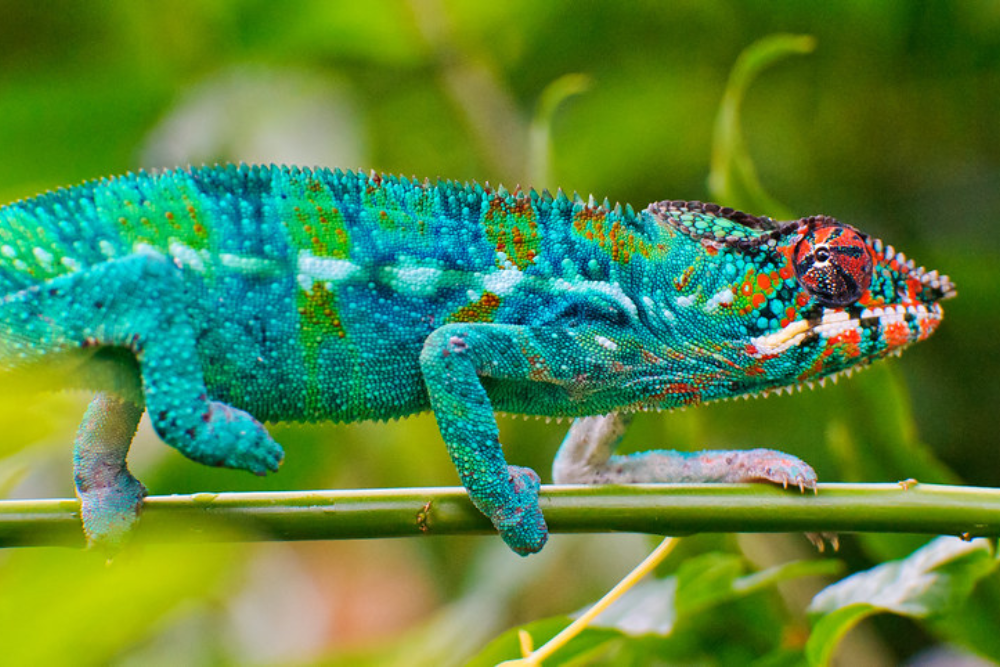
Chameleons shift colors not only for camouflage but also to regulate body temperature and communicate with other chameleons. Robotic systems incorporate synthetic skin that changes colors and patterns instantly using microscopic nanostructures — similar to how chameleon skin cells work.
Military applications focus on adaptive camouflage, though civilian uses include responsive architecture and dynamic fashion displays.
Like Go2Tutors’s content? Follow us on MSN.
Archerfish Water Shooting Accuracy
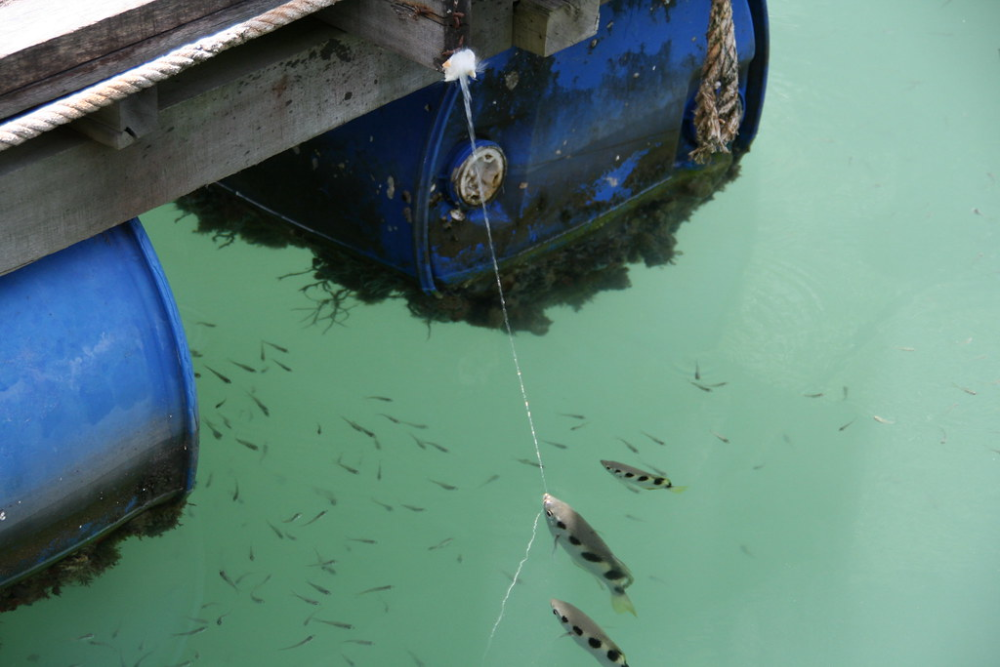
Archerfish knock insects off overhanging branches with precisely aimed water jets from distances of several feet. Robotic cleaning systems inspired by these remarkable fish use high-pressure water cannons paired with sophisticated targeting algorithms.
They’re excellent at removing graffiti from building walls or clearing debris from places too dangerous for human workers — all without making physical contact.
Pistol Shrimp Cavitation Bubble Creation
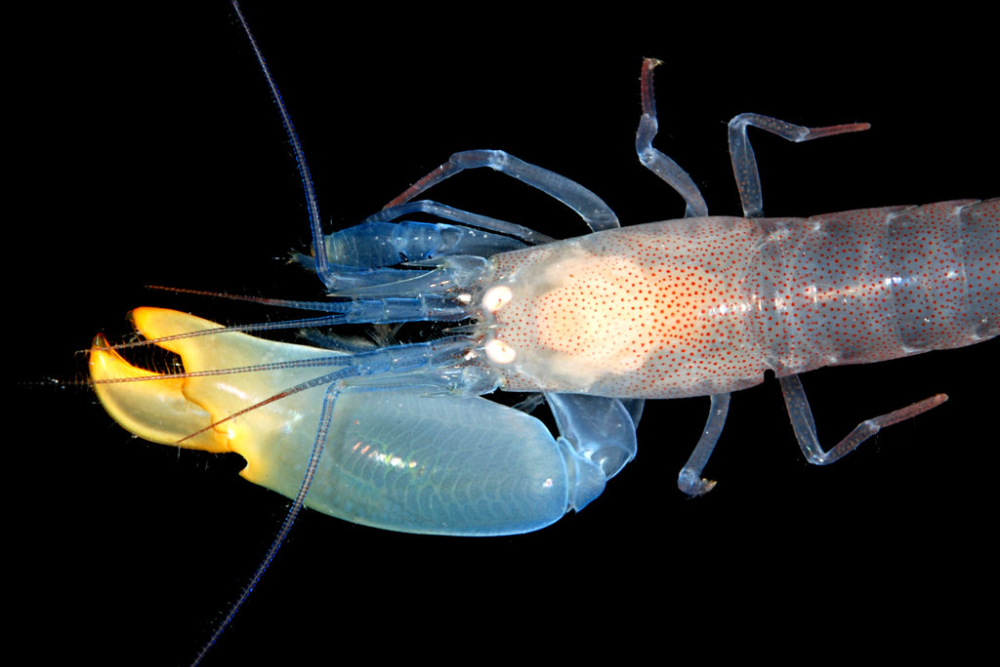
The pistol shrimp snaps its specialized claw so rapidly that it creates cavitation bubbles which collapse with incredible force — enough to stun small fish nearby. Underwater tools now replicate this cavitation effect for drilling operations, surface cleaning, and even certain medical procedures.
This technique delivers tremendous power while using surprisingly little energy — making it highly efficient for portable applications.
Leafy Sea Dragon Camouflage
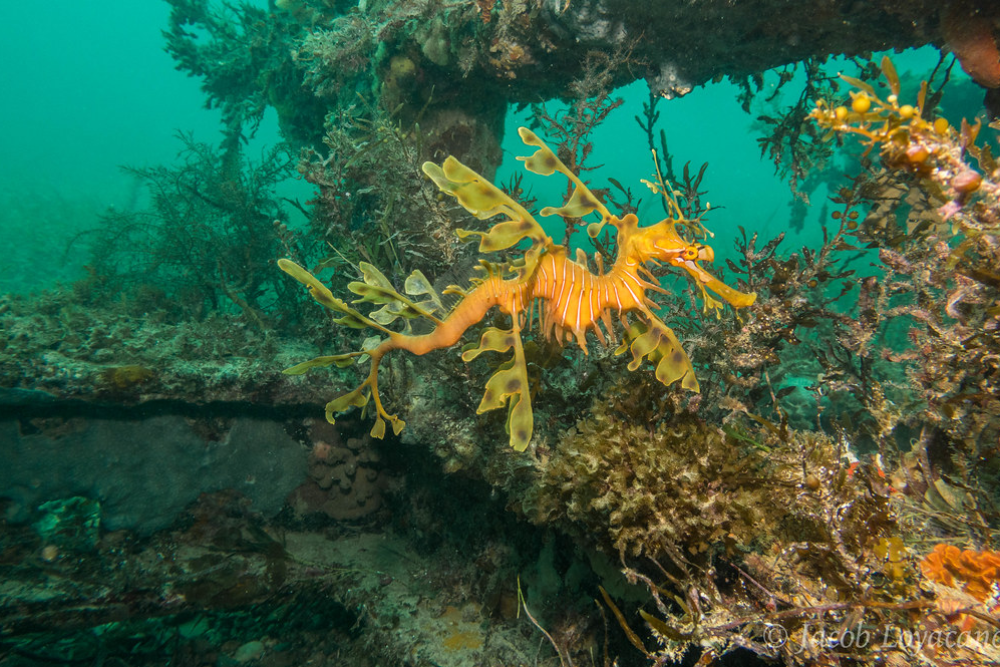
Leafy sea dragons sport elaborate appendages that make them virtually invisible among floating seaweed and kelp forests. Robots designed with similar camouflage principles blend seamlessly into natural environments using artificial foliage and adaptive positioning systems.
Wildlife researchers and environmental scientists use these nearly invisible machines to observe animal behavior without causing disturbance.
Like Go2Tutors’s content? Follow us on MSN.
Bombardier Beetle Chemical Defense
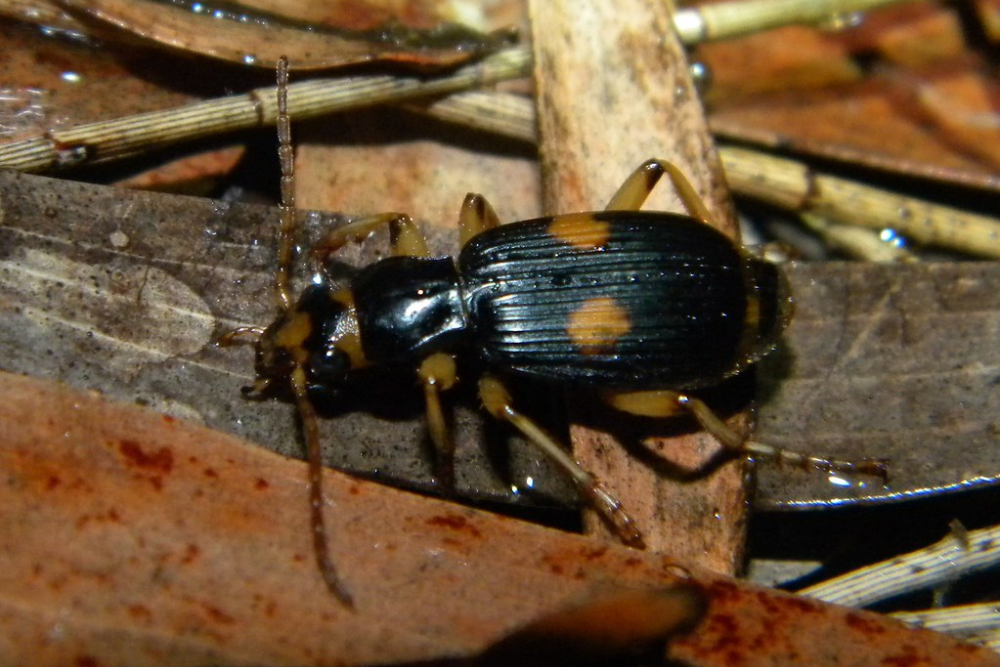
Bombardier beetles mix reactive chemicals in specialized chambers, creating explosive defensive sprays that reach temperatures of 212°F. Robotic systems copy this efficient mixing mechanism for pest control applications, firefighting operations, and industrial cleaning tasks.
The beetle’s natural delivery system maximizes chemical effectiveness while minimizing waste and collateral damage.
Cuttlefish Dynamic Skin Patterns
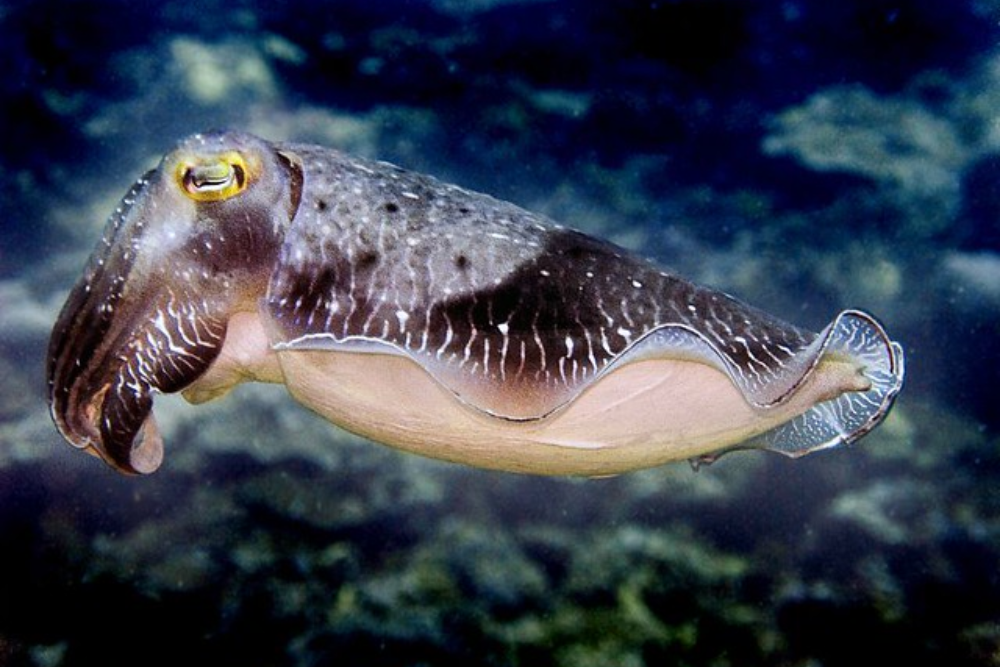
Cuttlefish instantly change both their coloration and skin texture to match their surroundings or communicate with other cuttlefish nearby. Advanced robotic skins now incorporate color-changing abilities alongside texture modification using pneumatic actuators beneath flexible surfaces.
This dual capability opens possibilities for truly adaptive camouflage systems and even tactile communication between machines.
Basilisk Lizard Water Running
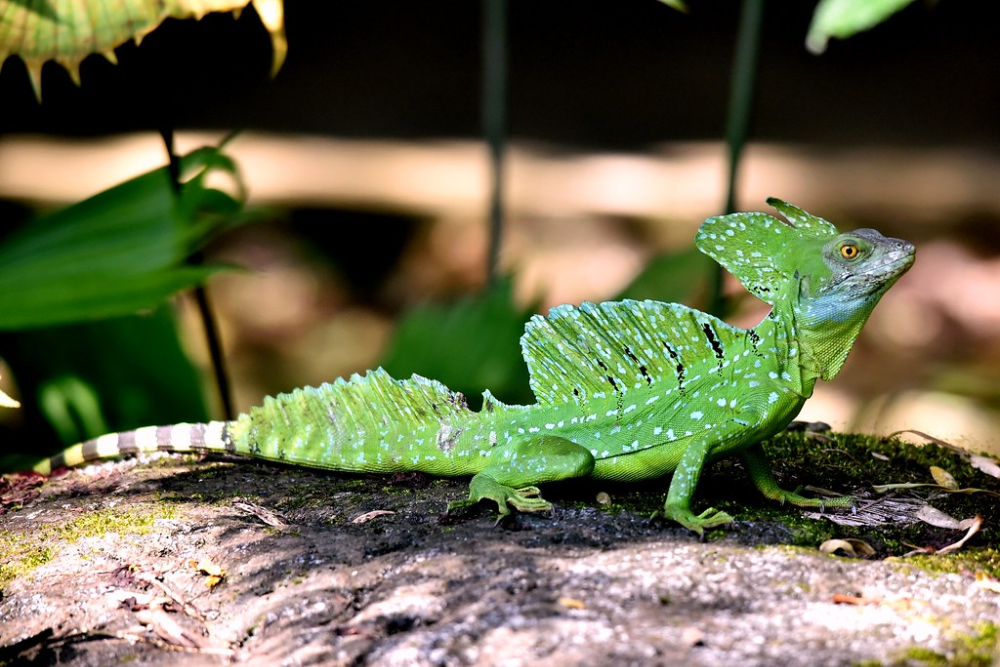
Basilisk lizards literally sprint across water surfaces by rapidly slapping their feet while creating air pockets beneath their toes. Aquatic robots using similar principles can traverse water surfaces without fully submerging, allowing seamless transitions between terrestrial and aquatic environments.
Rescue teams and environmental monitoring groups find this amphibious capability extremely useful for accessing remote locations.
Like Go2Tutors’s content? Follow us on MSN.
Sea Cucumber Self-Healing Materials
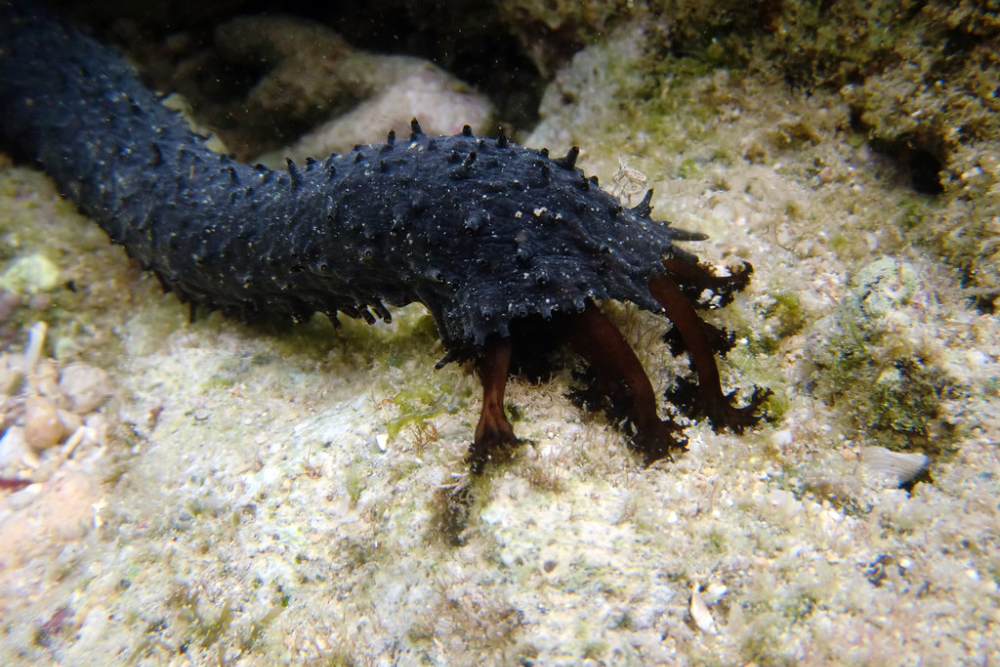
Sea cucumbers dramatically alter their body stiffness and can regenerate entire body parts when threatened by predators. Self-healing robotic materials now repair minor damage automatically while adjusting rigidity based on environmental conditions encountered.
These adaptive materials could transform robotics by creating machines that maintain themselves and respond intelligently to changing circumstances without human intervention.
Nature’s Blueprint for Tomorrow
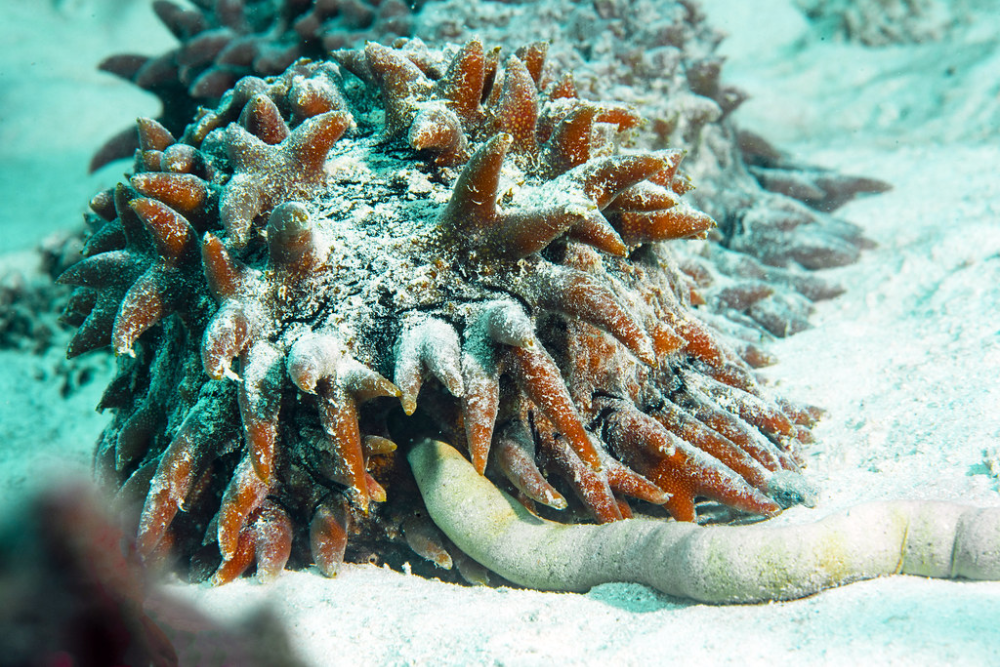
These animal-inspired robots prove that studying nature’s oddest creatures often yields the most practical technological advances. As researchers continue investigating unusual animal behaviors, they’ll likely uncover even more remarkable abilities worth replicating in mechanical form.
The boundary between biological systems and engineered technology grows increasingly blurred, creating machines that don’t simply copy life but actually embody its most elegant problem-solving strategies. What seems strange in nature today becomes standard robotic capability tomorrow.
More from Go2Tutors!

- 16 Restaurant Chains That Went Too Fast
- 12 Things Sold in the 80s That Are Now Illegal
- 15 Strange Things People Have Tried to Ban (And Failed)
- 16 Collectibles People Tossed Out Too Soon
- 17 Myths from Your Childhood That Were Actually Based on Real Things
Like Go2Tutors’s content? Follow us on MSN.