15 Shoe Stores That Once Filled Malls
There was a time when a single mall corridor could hold a half dozen places to buy shoes, each with its own wall of boxes and its own clerk who disappeared into the back room for ten minutes. Shoppers picked a favorite the way they picked a favorite diner, and then stayed loyal for years.
Most of those storefronts are gone now, replaced by phone kiosks, vacant gates, and the occasional trampoline park. Some left behind famous names, and a few left behind lessons that retailers are still learning the hard way.
Kinney Shoes and the Family Tree Under Foot Locker
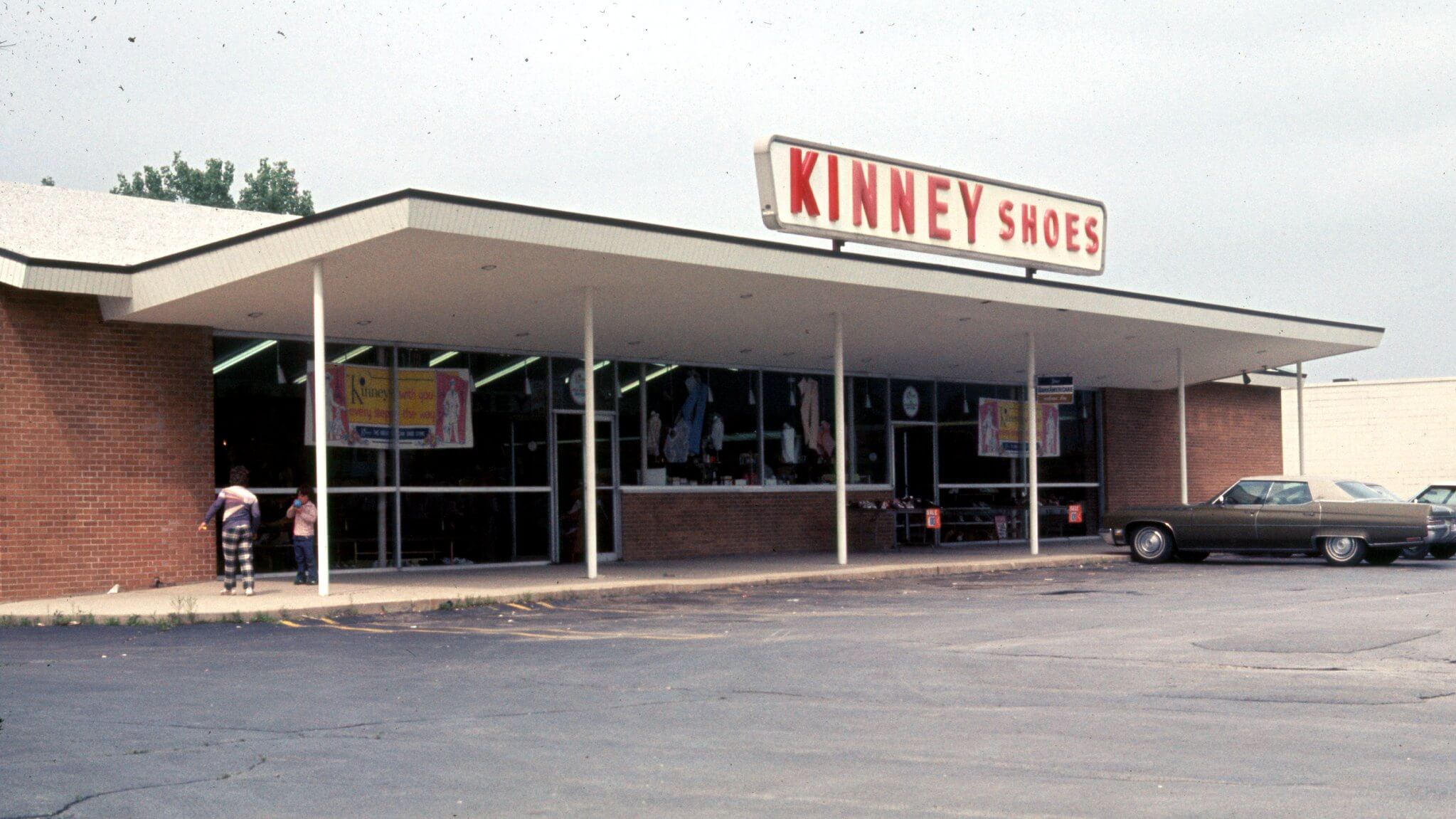
Kinney Shoes was a fixture of American shopping streets and malls long before athletic footwear became a fashion category. F.W. Woolworth bought the company in 1963, and Kinney later became the corporate home of the Foot Locker concept.
The irony is that the offspring outgrew the parent, and the Foot Locker name now means far more to shoppers than the Kinney name that nurtured it. For a chain that once outfitted entire families, being remembered mainly as an ancestor is a dry fate.
Thom McAn and the Golfer Who Lent a Spelling
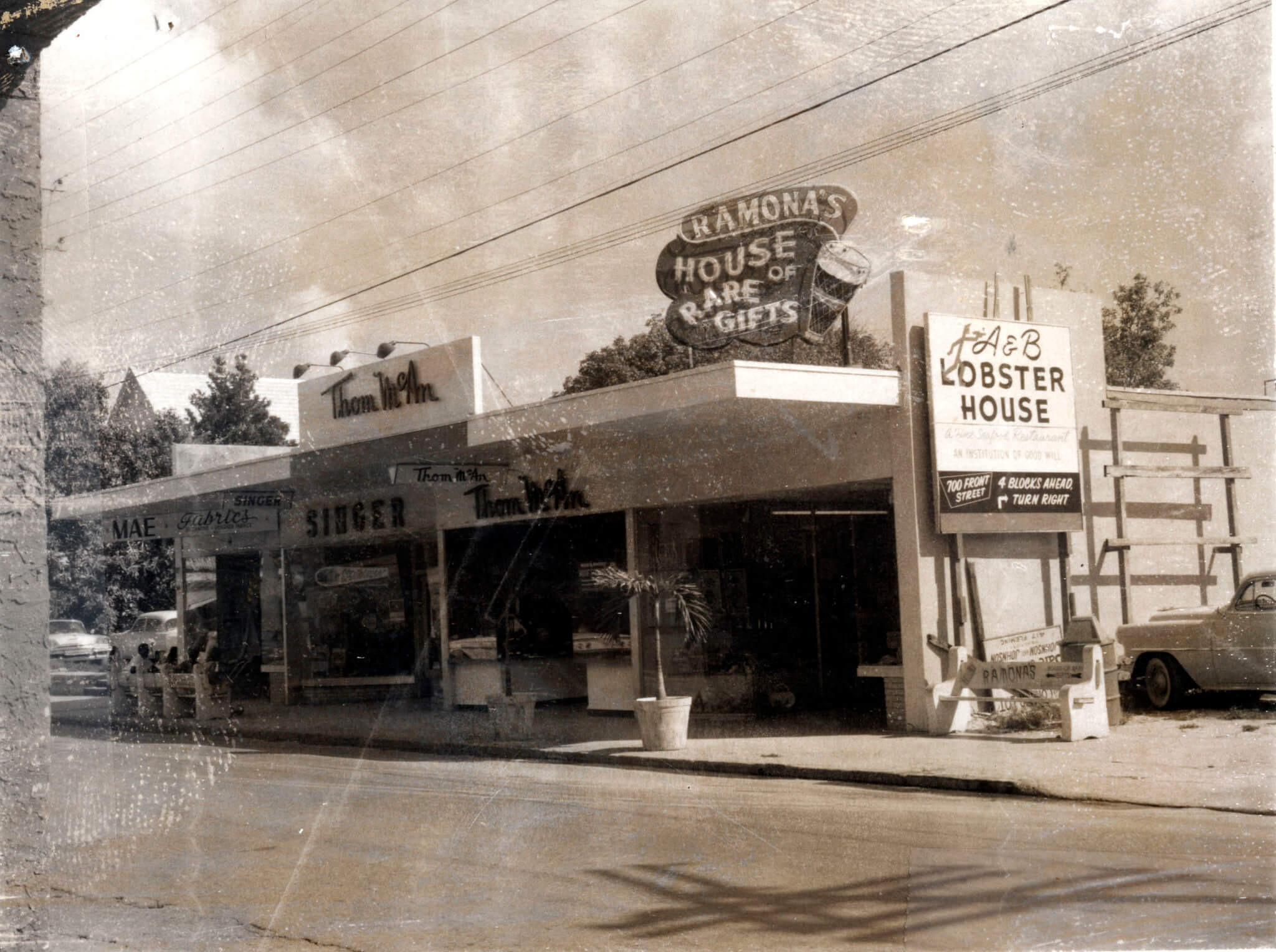
Melville Shoe Corporation introduced the Thom McAn brand in 1922, and the name was a respelling of the name of a Scottish golfer, Thomas McCann. The result sounded friendly, approachable, and oddly like a person, which was exactly what a mass-market shoe chain wanted.
Thom McAn stores spread across the country and became one of the most recognizable names in everyday footwear. The brand outlasted most of its storefronts, though few shoppers today could say who Thom McAn was supposed to be.
Payless ShoeSource and the Fake Luxury Boutique
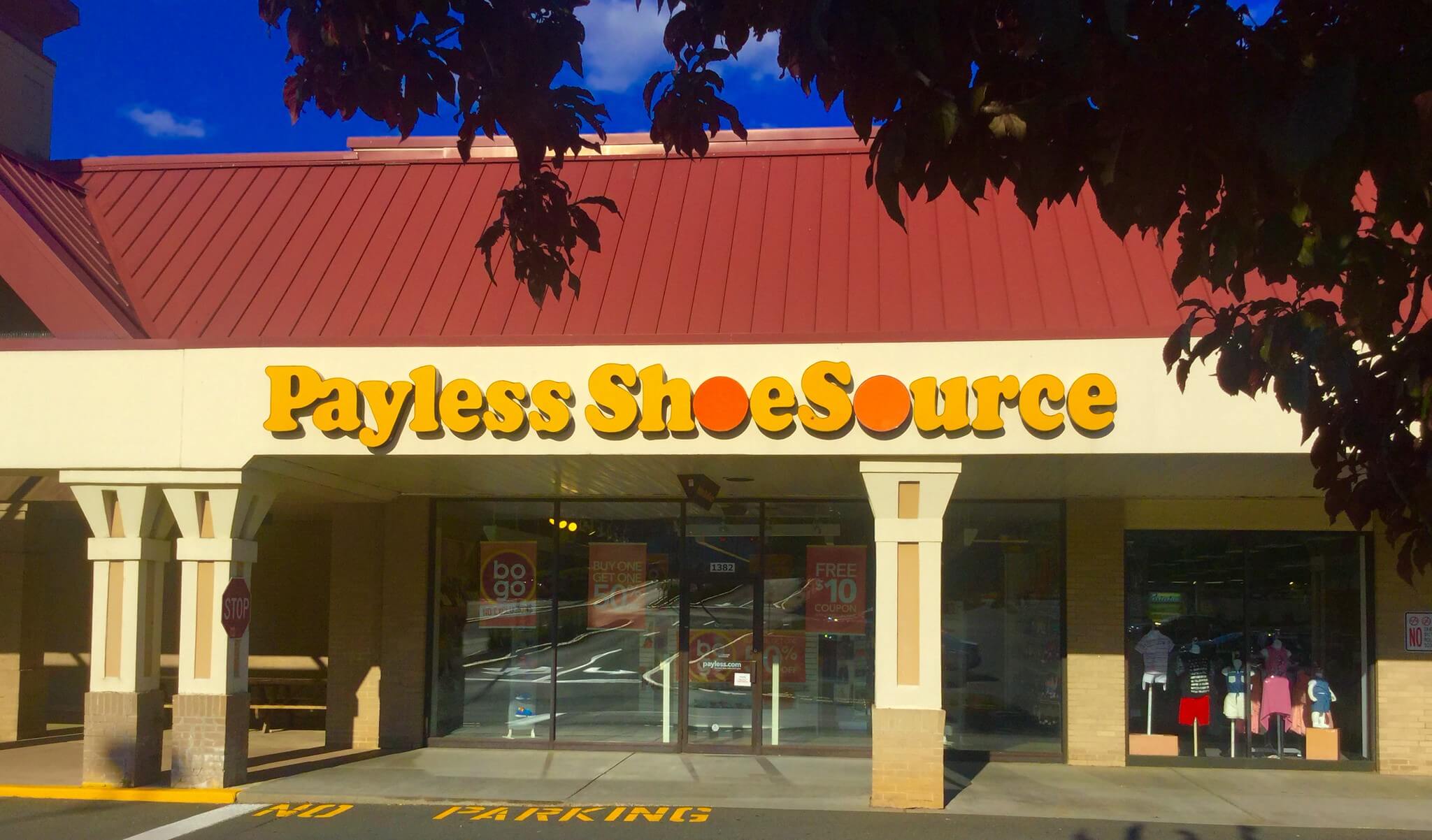
Payless was founded in 1956 in Topeka, Kansas, and it grew into one of the largest family footwear chains in the country after being spun off from May Department Stores in 1996. In late 2018 the company staged a prank in Santa Monica, opening a mock luxury boutique called Palessi where influencers happily paid around $600 for ordinary Payless shoes.
The stunt went viral, but it could not fix the chain’s finances. Payless announced in early 2019 that it would close all of its remaining stores in the United States.
Fayva Family Shoes and the Sudden Final Sale
Fayva Family Shoes was a budget-minded chain that sold shoes to shoppers who wanted a decent pair without a department store price tag. The name promised something for every member of the household, which gave it a faintly folksy charm.
In October 1995, newspapers reported that the company would close every one of its stores. Few retailers vanish that completely, and the speed of the exit left a lot of customers wondering where they would buy their next school shoes.
Just For Feet and the Superstore That Outgrew Itself
Just For Feet was an Alabama company that built enormous athletic footwear superstores, far larger than the cramped shoe shops that anchored most mall corridors. The chain expanded at a ferocious pace and filed for bankruptcy in 1999.
Federal authorities and the Securities and Exchange Commission later pursued former executives over accounting irregularities, which turned a retail failure into a cautionary tale about growth reported too optimistically. Few chains have ever made so much floor space feel so temporary.
Footaction and the Sale of 350 Stores
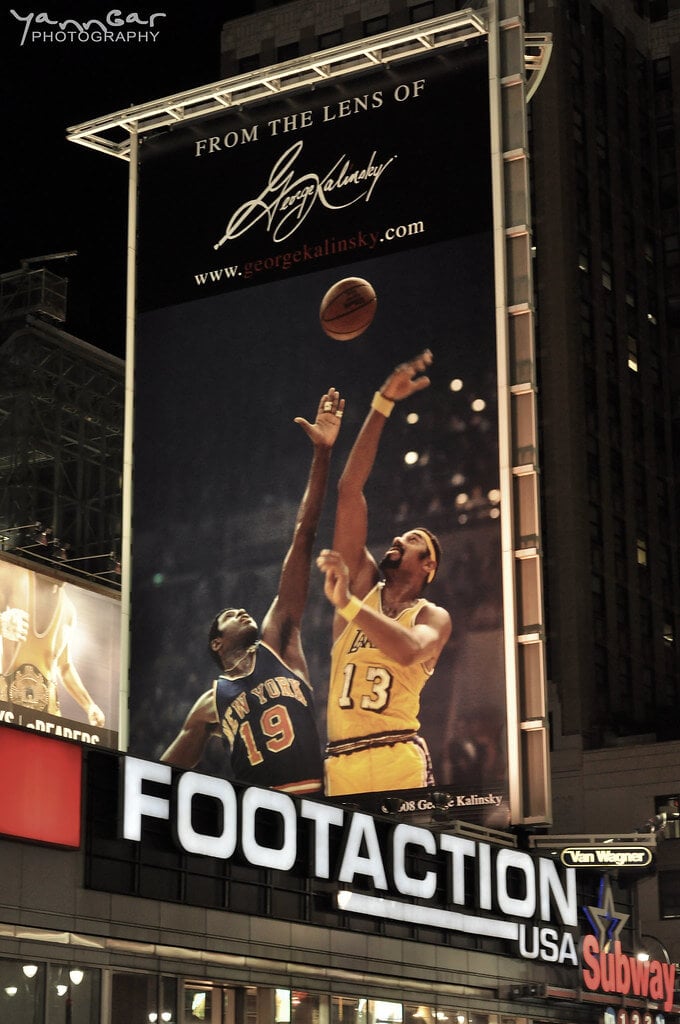
Footaction was an athletic footwear chain owned by Footstar, and it competed directly with Foot Locker for the same sneaker-obsessed teenagers. In 2004, Foot Locker agreed to purchase about 350 Footaction stores, folding a longtime rival into its own empire.
The deal removed a competing name from many malls almost overnight. For shoppers, the switch meant the same sneakers on the same walls under a different sign.
Florsheim and the Chicago Dress Shoe Dynasty
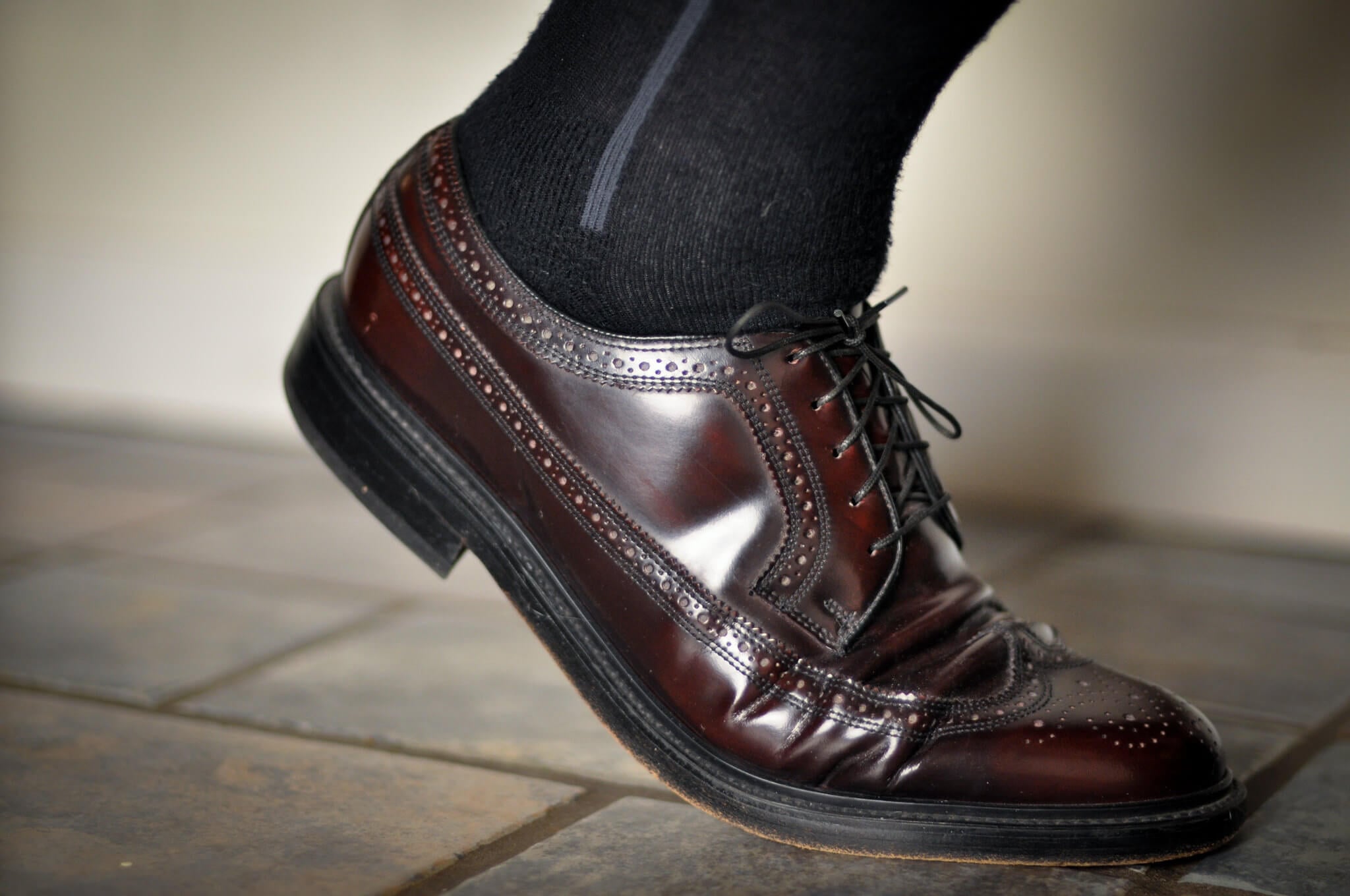
Milton Florsheim founded the Florsheim Shoe Company in Chicago in 1892, and the brand became a standard for men’s dress shoes through much of the twentieth century. Florsheim retail stores sold the label to generations of fathers, graduates, and groomsmen who needed something polished for an occasion.
The company ran into financial trouble in the early 2000s, and Weyco Group acquired the business in 2002. The name survives on shoes, but the dedicated mall storefronts that once displayed them have mostly faded out.
Nine West and the Bankruptcy of a Mall Staple
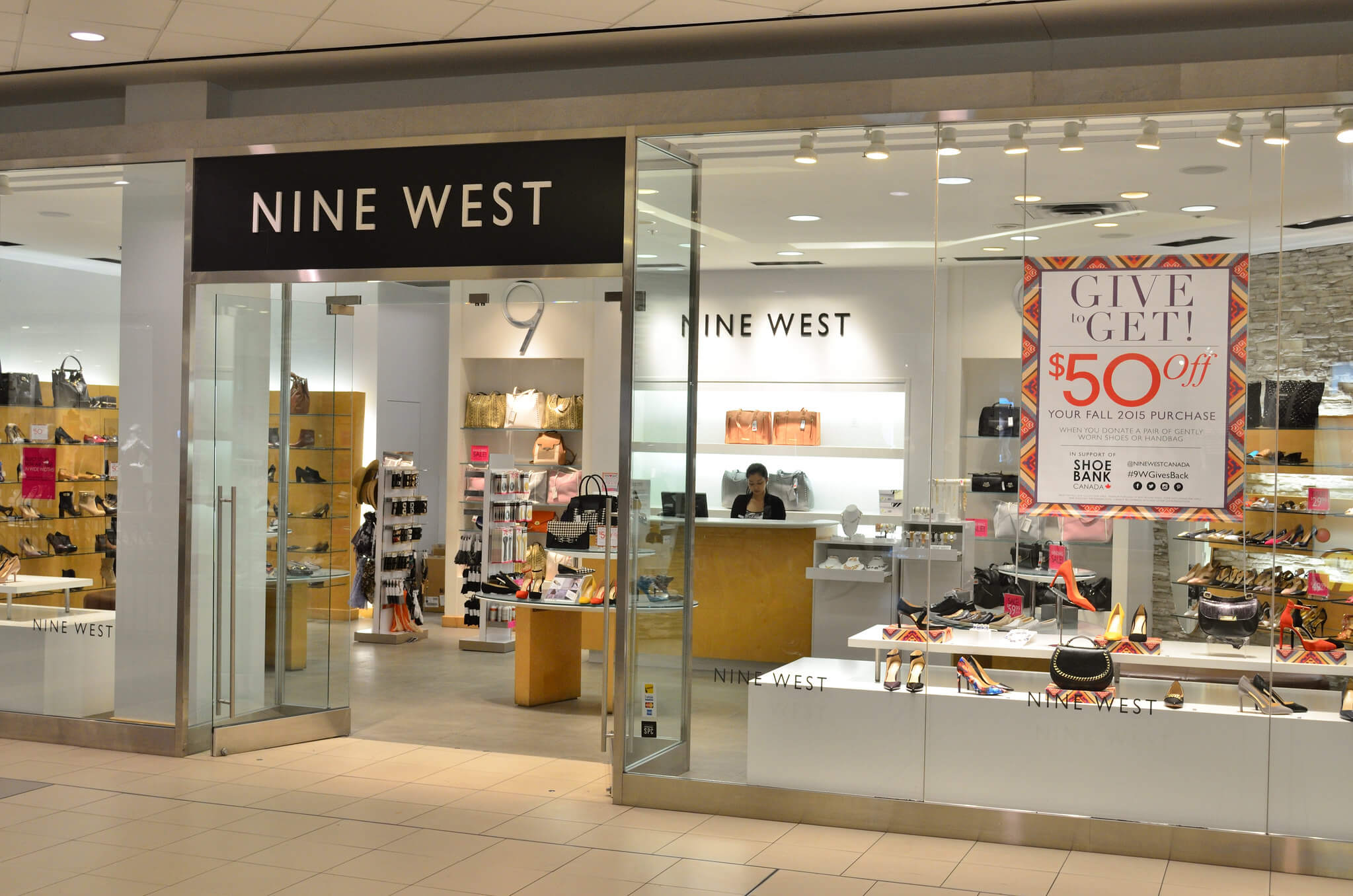
Nine West was the place where office workers and prom-goers alike could find a heel that looked more expensive than it was. The footwear and accessories company filed for Chapter 11 bankruptcy protection in April 2018, a casualty of heavy debt and shifting shopping habits.
Its collapse arrived alongside a long list of retail failures that year, but it stung because the brand felt so permanent. A store that once seemed like a safe anchor for a corridor turned out to be as fragile as the stilettos it sold.
Lady Foot Locker and the Brand That Was Retired
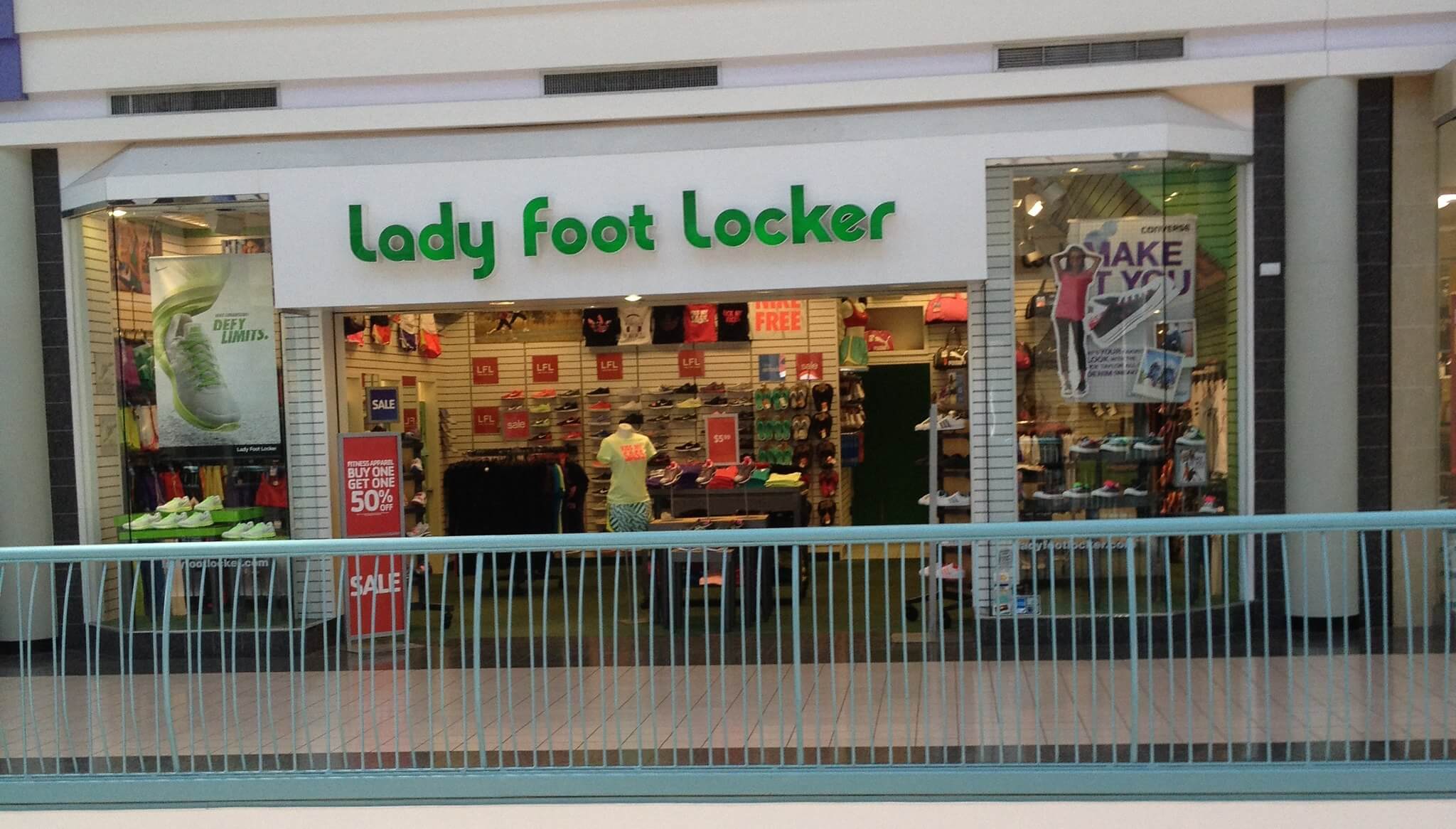
Lady Foot Locker was created to sell athletic shoes and apparel to women, a market that the main Foot Locker stores had often treated as an afterthought. Eventually the parent company decided the concept was not paying its way, and it announced a restructuring that would close 117 stores and cut 120 jobs as the brand was shut down.
The decision reflected a broader shift in which women’s athletic gear moved into the general sneaker stores rather than staying in a separate shop. Today, the idea of a women-only sneaker shop in a mall seems like a relic.
Shoe Pavilion and the Bargain Barn That Ran Out of Room
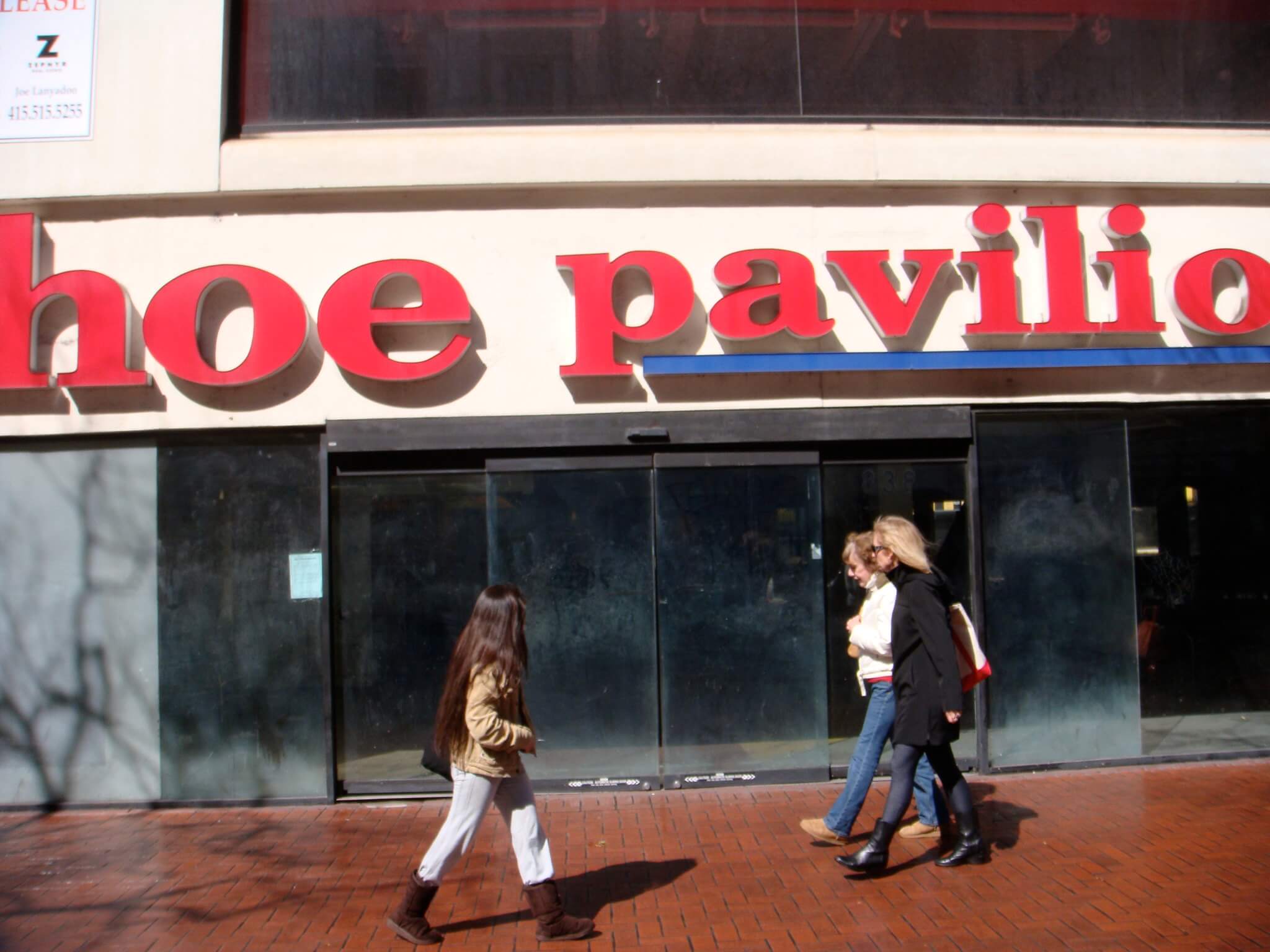
Shoe Pavilion built its identity on large stores packed with discounted name-brand footwear, a formula that made a trip feel like a treasure hunt. The company filed for bankruptcy in 2008 and initially planned to close at least 43 stores.
Within months it was liquidating, and the remaining 64 stores were slated to close as well. A discount model that depends on constant inventory churn leaves very little margin for a recession.
The Walking Company and the Comfort Shoe Squeeze
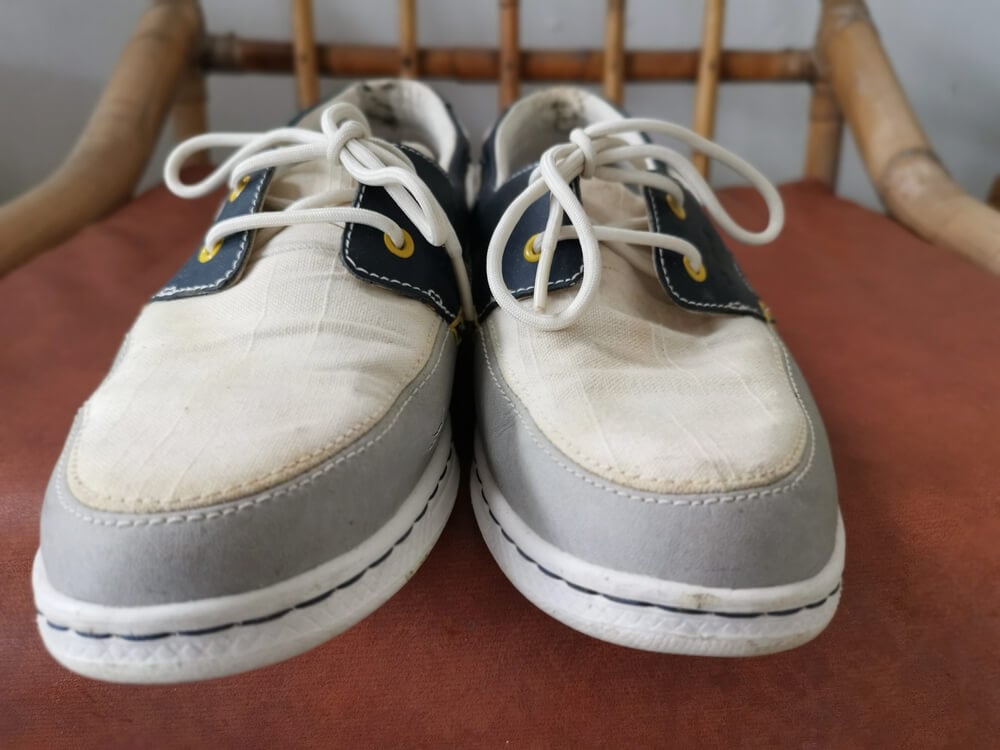
The Walking Company sold comfort-focused footwear to shoppers who cared more about arch support than runway trends. The chain filed for bankruptcy in 2018, its second trip through bankruptcy court in roughly a decade.
Reports at the time said it sought to shut down about 90 stores as part of its effort to survive. The business never lacked loyal customers, but loyal customers are not the same thing as enough customers.
Stride Rite and the Slow Shrinking of Kids’ Shoe Shopping
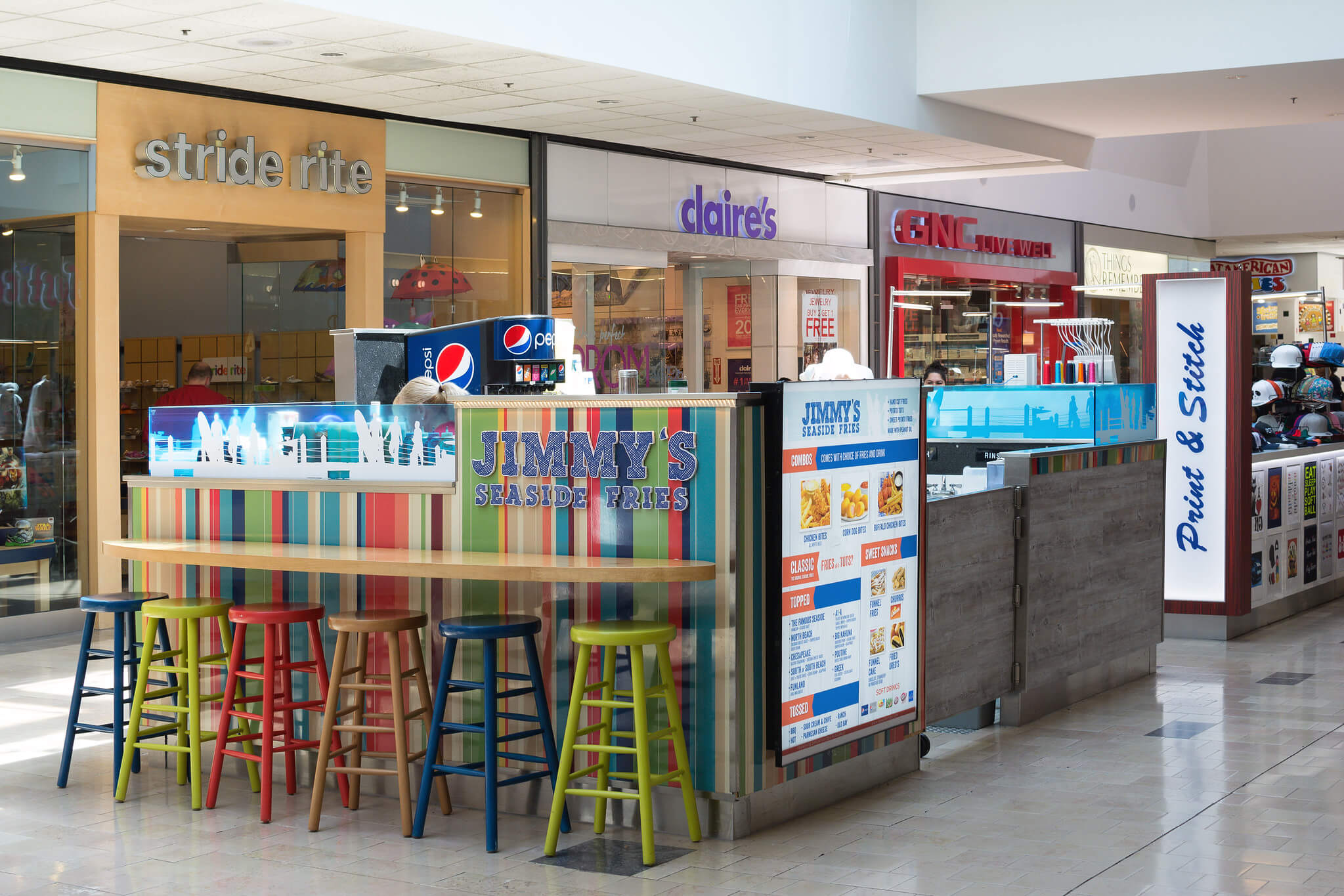
For decades, Stride Rite stores were where parents took children to have their feet measured and fitted for sturdy school shoes. In 2014, Wolverine World Wide, which owned the brand, announced plans to close 140 stores as part of a broader restructuring.
The shuttered locations reflected a world where parents increasingly bought children’s shoes online and grew less willing to make a special trip. A growing child still needs new shoes every few months, but the store visit stopped being part of the ritual.
Bakers and the St. Louis Fashion Footwear Pipeline
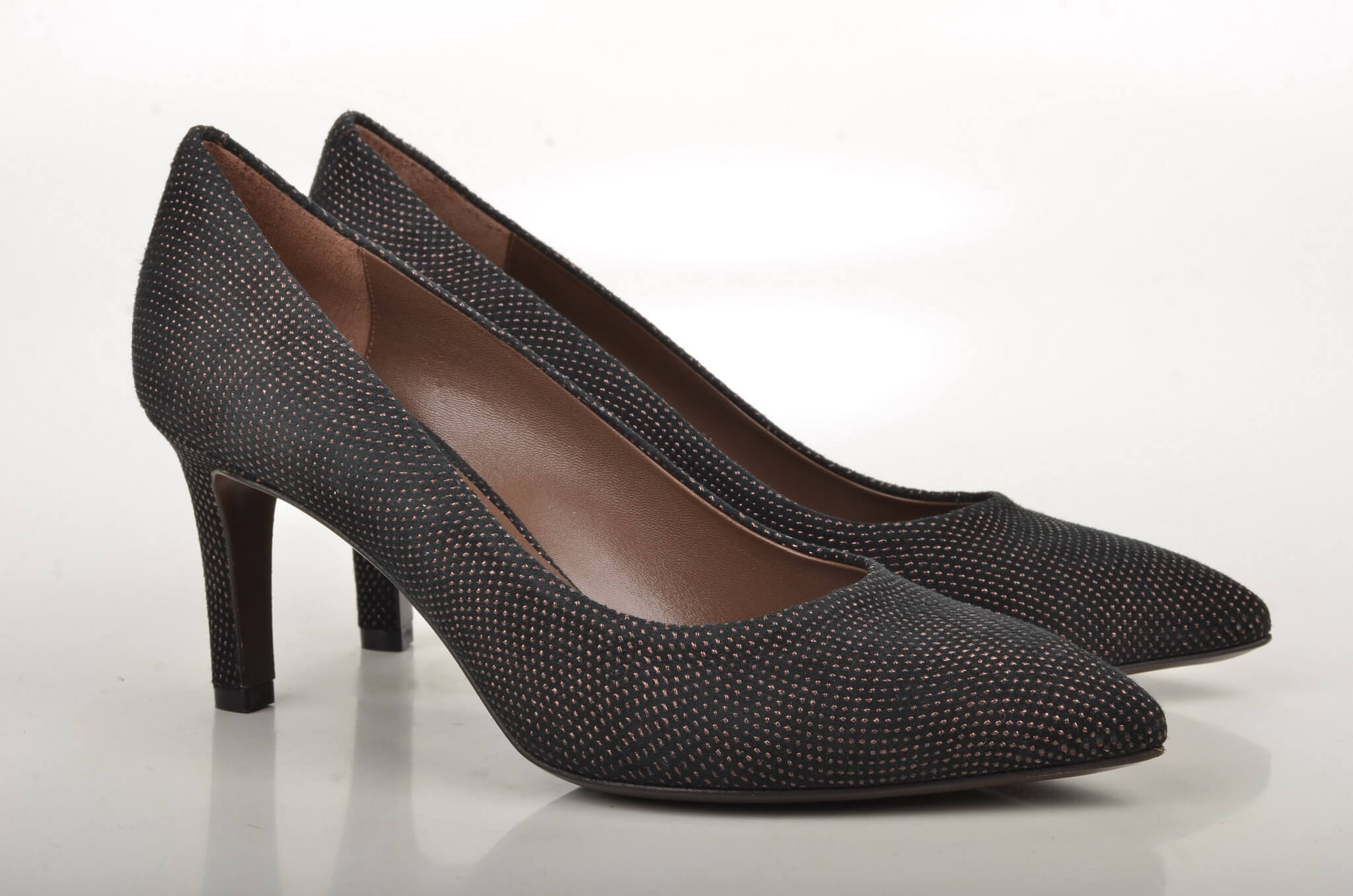
Bakers traced its origins to Edison Brothers Stores, the St. Louis company that ran a long list of mall chains. Later operating as Bakers Footwear Group, it sold trendy, affordable shoes aimed at young women.
The company filed for bankruptcy in October 2012 and was liquidated in early 2013, with Great American Group handling the sales. Many shoppers who bought their first heels there never noticed how thin the profit margins had become.
Aerosoles and the Comfortable Heel That Could Not Outrun Debt
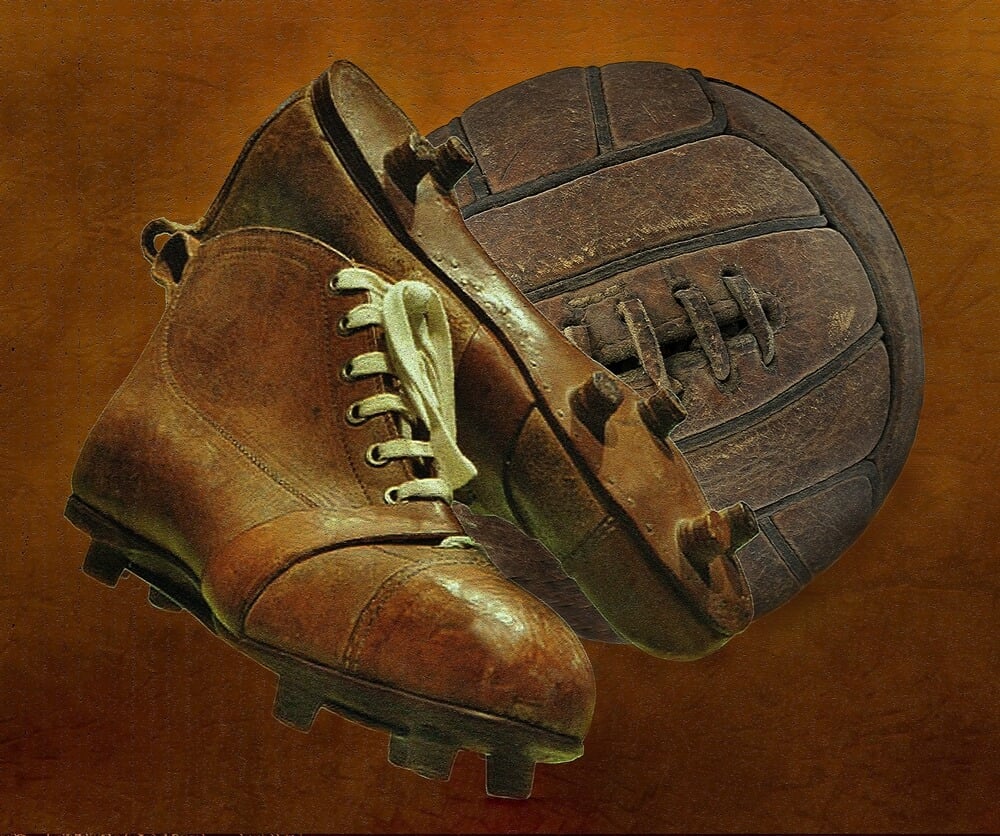
Aerosoles built a reputation on stylish shoes engineered to feel better than their looks suggested. The company filed for Chapter 11 bankruptcy in September 2017, and the liquidation firm Hilco was brought in to manage the closure of up to 74 stores.
The brand pledged to focus on online sales and sales through other retailers rather than rely on its own mall locations. Comfort had been the pitch for years, but it did not protect the company from the weight of its store leases.
Shoe City and the Chain That Lasted 74 Years
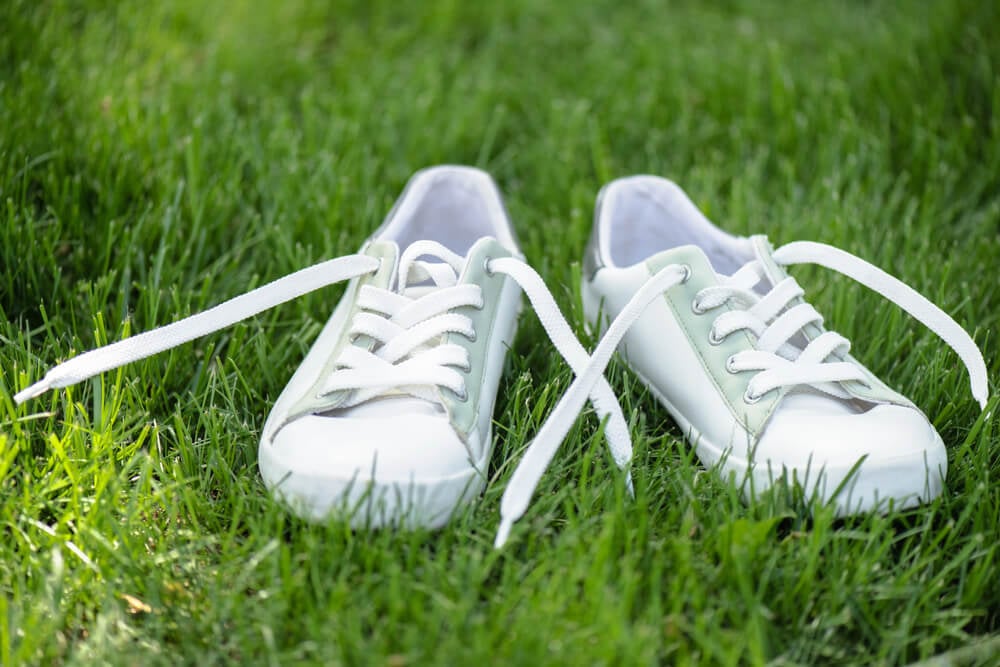
Shoe City was a Mid-Atlantic athletic footwear chain that sold sneakers to several generations of local families. In April 2023, it filed for bankruptcy after a planned acquisition by Arklyz fell through, and it announced it would close all 39 of its stores.
The company owed millions of dollars to major brands, including New Balance, Puma, and Timberland. After 74 years in business, the chain disappeared in a matter of weeks, which is a strikingly short time for something so familiar.
What a Shoe Box Taught the Mall
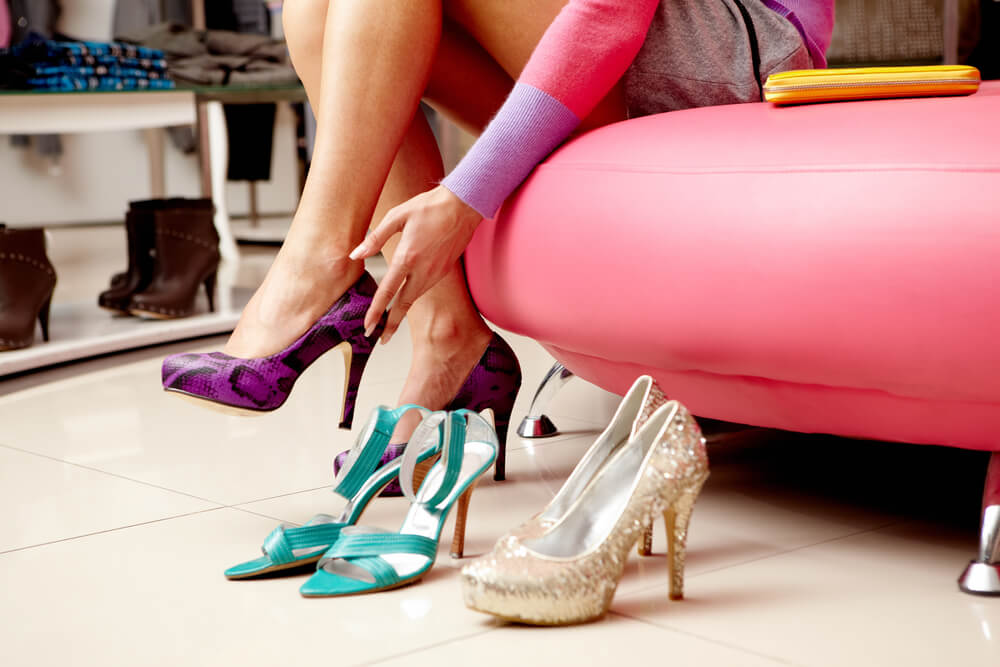
Shoe stores were never glamorous, but they were reliable traffic generators. Everyone needs shoes, and for years nearly everyone bought them in person, so a mall could count on steady foot traffic through those doors.
When online ordering made it easy to buy a pair without leaving the couch, the one thing the stores depended on stopped being guaranteed. The names that survived were mostly the ones willing to change, whether by merging into larger rivals, shifting online, or leaning on a brand that mattered more than a storefront.
The names that disappeared are a reminder that familiarity is not a business plan. A mall can hold on to a shoe store for decades, but it cannot make people walk through the door.
More from Go2Tutors!

- 27 Silver Dollars and Half Dollars Worth Keeping
- 28 Restaurant Menu Items Nobody Orders Anymore
- 17 Places Built in Seemingly Impossible Spots
- 27 Vintage Rings Worth More Than They Look
- 25 Restricted Sites Tourists Can’t Enter
Like Go2Tutors’s content? Follow us on MSN.