Store Layout Tricks That Shape Your Buying Habits
You walk into a grocery store for milk and eggs. Thirty minutes later, you’re at the checkout with a cart full of things you didn’t plan to buy.
This happens to everyone, and it’s not an accident. Retailers spend millions studying how people move through stores and what makes them reach for products. The layout you see isn’t random. Every aisle, display, and shelf placement serves a specific purpose—getting you to buy more.
The Milk Run Strategy

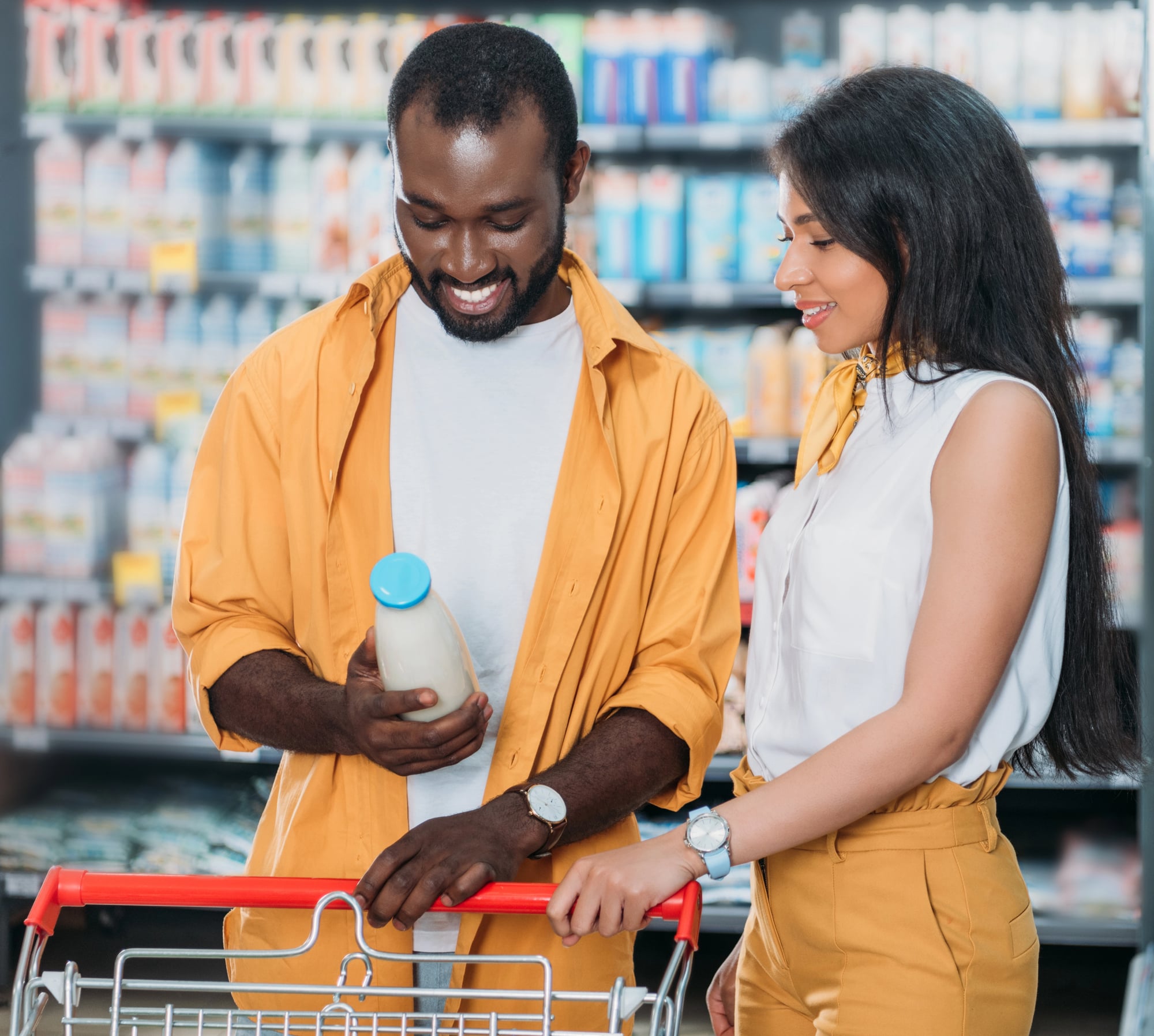
Dairy products sit at the back of almost every grocery store. You need milk, so you walk past hundreds of other products to reach it.
During that walk, you spot items you didn’t come for. The bakery smells draw you in. A colorful display catches your eye. By the time you grab your milk, three extra items have landed in your cart. Stores count on this. Essential items get placed far apart, forcing you to cover more ground and see more products.
The Decompression Zone

The first 15 feet inside a store entrance does something subtle to your brain. Retailers call this the decompression zone, and they leave it relatively empty on purpose.
You need a moment to adjust when you enter. Your eyes adapt to the lighting. You orient yourself to the space. You slow down from your walking pace outside. Stores don’t put important displays here because you’re not ready to process them yet. Once you move past this zone, you’re in shopping mode, and that’s when the real strategy begins.
Shopping Cart Architecture
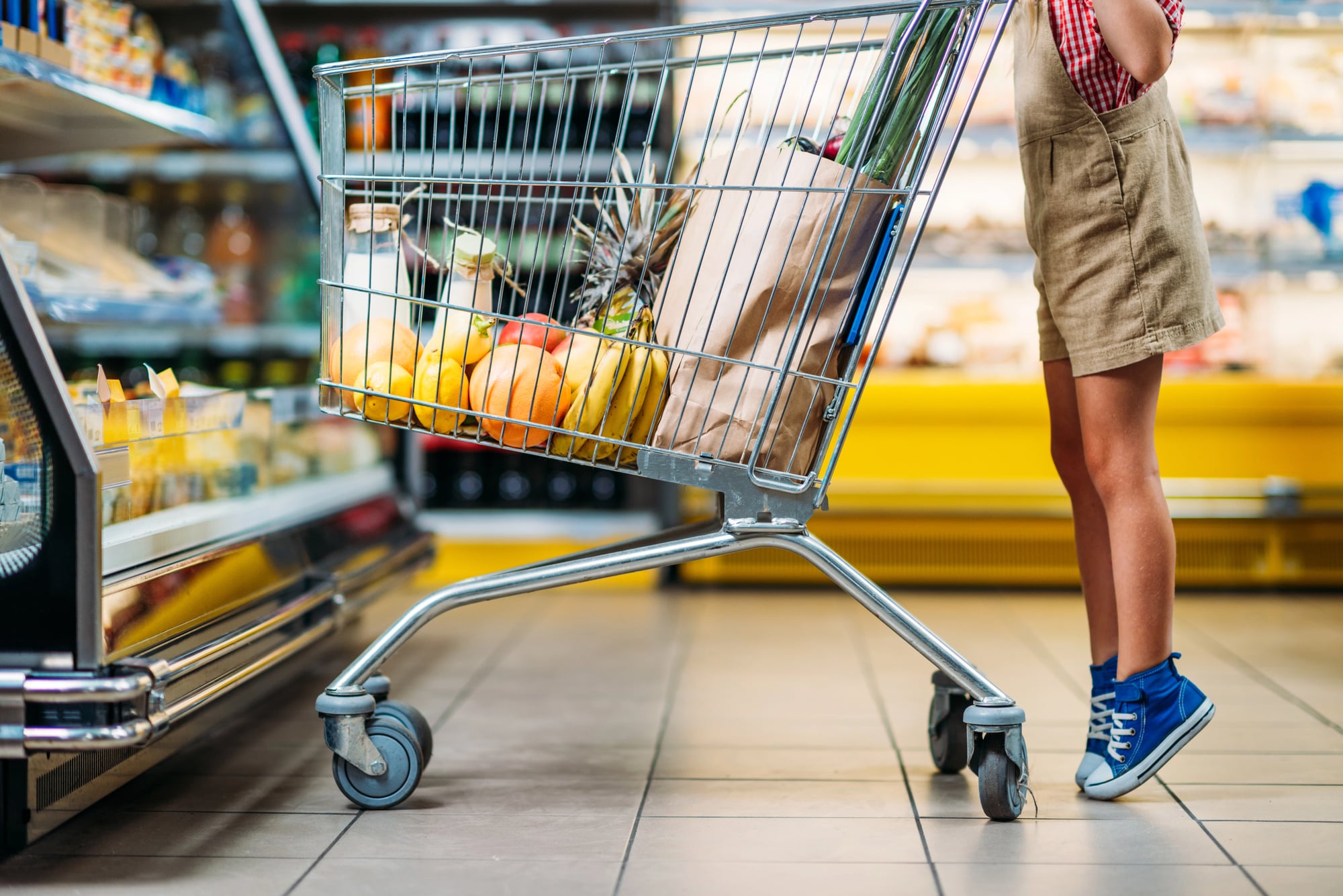
Those massive carts aren’t just about convenience. A larger cart makes your purchases look smaller, which tricks your brain into thinking you haven’t bought much yet.
You keep adding items because the cart still looks empty. Some stores now offer smaller carts or baskets, but notice where they keep them. The big carts sit right at the entrance, easy to grab. The smaller options hide off to the side. The store wants you to reach for the bigger option without thinking about it.
The Right Turn Default

Most people turn right when they enter a store. This isn’t random human behavior—it relates to how your brain processes space and direction.
Retailers know this, so they put their most profitable items on the right side of the entrance. Premium products, seasonal displays, and high-margin items cluster in that right-side zone. You’re most receptive to suggestions right after entering, and stores capitalize on that moment of openness. By the time you realize you’ve veered right, you’re already looking at products the store really wants you to buy.
Eye-Level Equals Buy-Level

Stand in any aisle and look straight ahead. The products at eye level cost more and offer the store better profit margins.
Cheaper alternatives sit on the bottom shelves where you have to crouch to find them. This works because most shoppers grab what they see first. Bending down requires effort, and you’re probably in a hurry. The eye-level products become the default choice simply because they’re easiest to reach. Children’s cereals sit at kid eye-level for the same reason—the target audience can spot them without help.
The Smell Factor

Grocery stores pump fresh bread and rotisserie chicken scents through their ventilation systems. These smells make you hungry, even if you just ate lunch.
A hungry shopper buys more, especially impulse purchases. The bakery near the entrance isn’t accidental. Neither is the prepared food section that greets you as you walk in. These areas create sensory experiences that shift your mindset from “I need specific items” to “Everything looks good.”
Slow Music, Slow Shopping
Background music affects how quickly you move through a store. Slower tempo music makes you walk slower and browse longer.
Faster music speeds you up. Most stores play slower music because more browsing time equals more purchases. You don’t consciously notice the music, but your pace adjusts to match it. During rush hours, some stores switch to faster tempos to move crowds through efficiently, then slow it back down during off-peak times.
The Checkout Gauntlet

That narrow path to the register isn’t poor design. It’s a final sales opportunity crammed with small, inexpensive items that scream “just one more thing.”
Magazines, candy, gum, batteries, drinks—these impulse items catch you while you wait in line with nothing else to do. The prices seem small compared to your cart total, so adding a candy bar feels insignificant. Those tiny purchases add up across thousands of daily transactions.
Color Psychology

Red and yellow packaging grabs your attention faster than other colors. That’s why sale signs use red, and why budget brands often feature yellow.
Blue and green packaging suggests health and freshness. Premium products use black, silver, or gold to communicate luxury. You don’t consciously think “this black package means quality,” but your brain makes that association anyway. Retailers choose colors deliberately to shape your perceptions before you read a single word on the label.
The Broken Grid

Walk down what seems like a straight aisle, and you’ll notice it actually curves slightly or has displays that jut out. These interruptions slow you down and break your rhythm.
A straight, clear path lets you move quickly and grab exactly what you need. Obstacles and curves force you to pause, look around, and potentially notice products you’d otherwise miss. Those endcap displays at aisle ends serve the same purpose—they break your stride and demand attention.
Loss Leaders and Anchoring
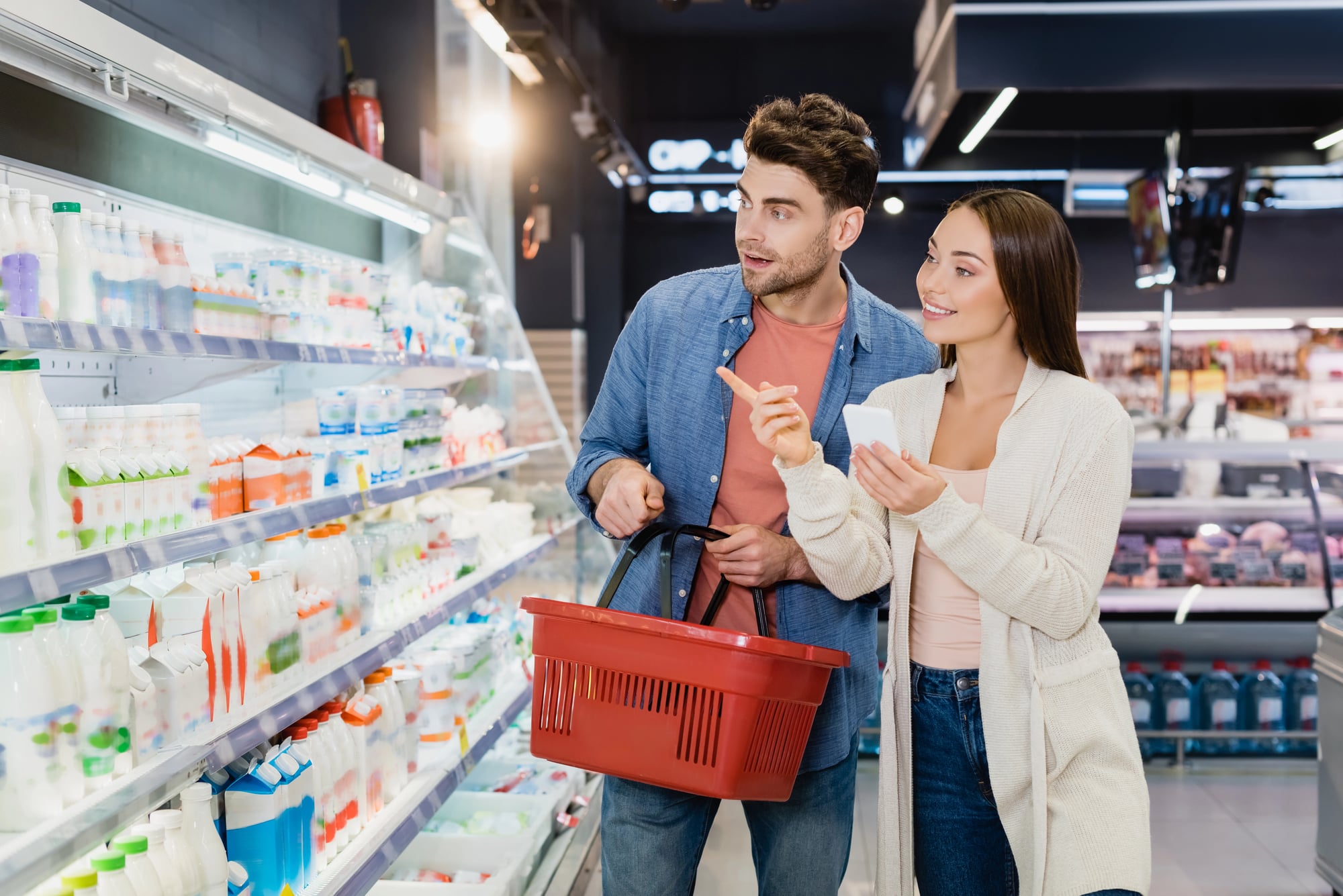
Some products sell below cost to get you in the door. Milk often serves this role, along with bread and eggs during sales.
Stores lose money on these items but make it back when you buy everything else. Once you’re inside for the cheap milk, you see regular-priced items and think they seem reasonable compared to grocery stores you’ve heard charge more. This pricing anchor makes other purchases feel justified, even when they’re not actually good deals.
Strategic Sample Stations

Free samples create a sense of reciprocity. You try something for free, feel slightly obligated, and often buy the product even if you don’t love it.
The sample station also creates a pause point where you stop moving and start noticing nearby products. These stations typically appear in high-traffic areas or near related products. If you sample cheese, you’re standing next to crackers and wine. The suggestion plants itself without words.
Vertical Space Manipulation

Stores don’t just control what’s at eye level—they use vertical space to guide your gaze. Taller displays draw eyes upward. Bright colors on top shelves make you look up, then scan downward, passing other products on the way.
The most expensive items often sit slightly above eye level, suggesting premium quality. The cheapest options hide at floor level, reinforcing the idea that they’re lower quality even when they’re identical products in different packaging.
The Maze Design

You came for three things, but reaching them requires walking down six aisles. This isn’t inefficiency—it’s strategy.
Related items get separated intentionally. Pasta lives in one aisle, sauce in another. Chips sit far from dip. This forces you to crisscross the store, exposing you to more products. You might enter with a tight budget and a short list, but the maze wears down that resistance.
The Psychology of Full Shelves

Empty shelves make you anxious. Full shelves signal abundance and encourage buying.
Stores restock constantly to maintain that appearance of plenty. When shelves look picked over, you hesitate. But faced with 30 identical boxes of cereal stacked high, you grab one without thinking. The visual abundance removes doubt and speeds up your decision-making process.
What You Can Do About It

Folks who know these tricks still fall for them – yet it’s useful. Jot down what you need, then follow that paper. Grab a bite first, since empty stomachs mess up choices. Use the tiny cart instead. Stick to the outer loop where real food sits while skipping center shelves packed with fake stuff.
Hit the store when it’s quiet – your mind’s clearer then. Look low on the racks for better prices. Skip the aisle ends; those are just pricier stuff pretending to save you cash.
Yet keep in mind – you’re up against massive funding and years of sharp planning. Allow room to slip now and then when trying to push back. Shops set things up to challenge your self-control, even if they don’t say it loud. Because honestly? They’ve gotten way too skilled at this game.
Walking Out With What You Came For
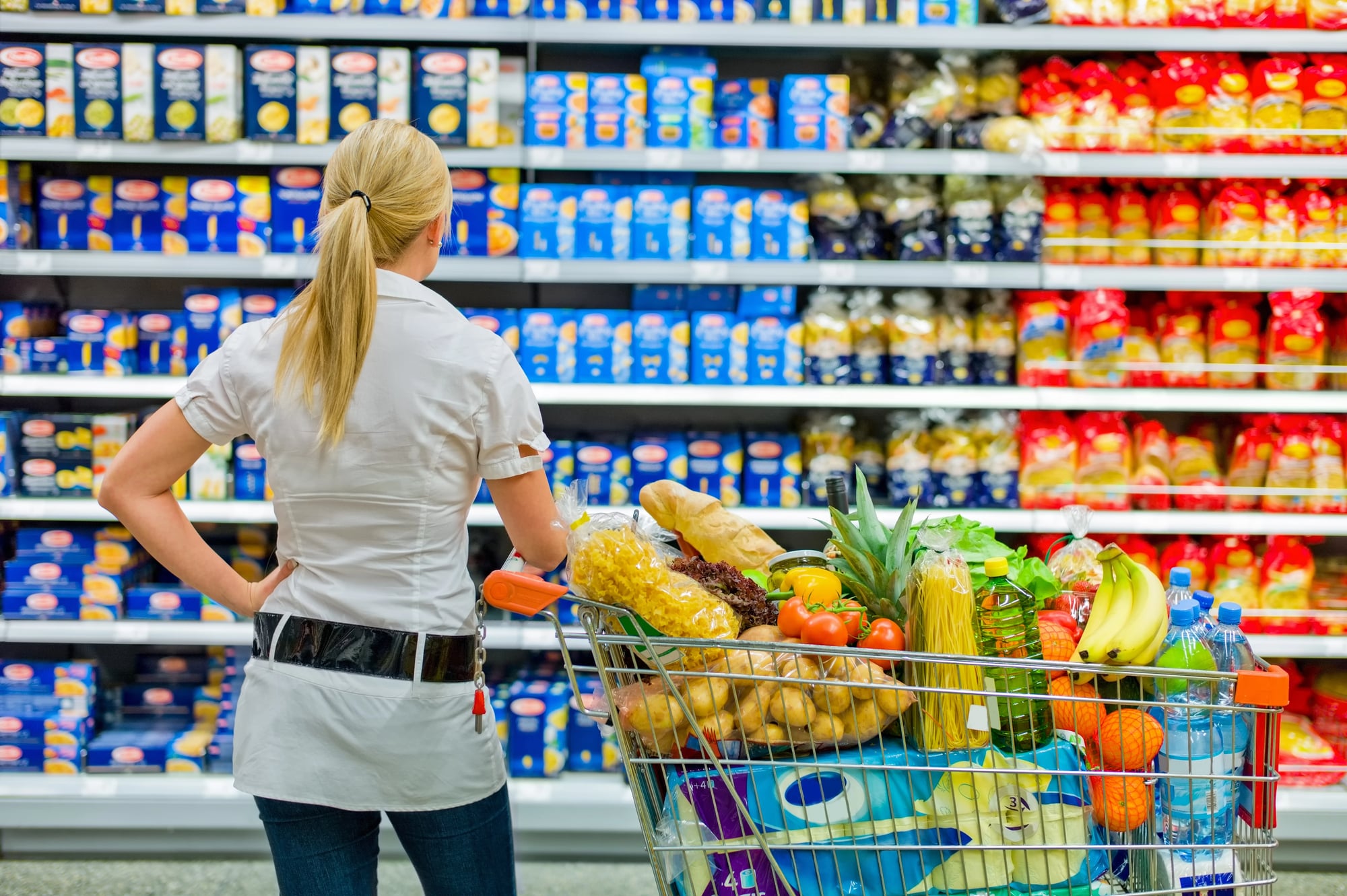
Grocery runs can still go smoothly – even if you’re aware of the sneaky tactics out there. Maybe you’ll pick up that shiny new cheese just because it looked good. Or maybe you’ll follow your plan without straying one bit.
The key is spotting when you’re choosing versus when the layout’s deciding for you. Staying alert helps way more than fighting everything off. Buying on impulse? Can’t avoid it completely – pushing back always just adds pressure. Pay attention to what grabs you, then ask: did I pick this, or did they steer me here?
Most weeks, you end up buying things you hadn’t thought about before. No big deal. Yet every now and then, you spot the pricey thing right in front of you, think twice, glance down at the affordable one instead, then go with what really works for you. These little wins pile up – saving cash, sure, but also feeling good about choosing your way, not someone else’s.
More from Go2Tutors!

- The Romanov Crown Jewels and Their Tragic Fate
- 13 Historical Mysteries That Science Still Can’t Solve
- Famous Hoaxes That Fooled the World for Years
- 15 Child Stars with Tragic Adult Lives
- 16 Famous Jewelry Pieces in History
Like Go2Tutors’s content? Follow us on MSN.