15 Soviet Projects Left Incomplete
The Soviet Union’s ambitious drive to demonstrate technological superiority and communist efficiency led to some of history’s most daring engineering and scientific endeavors. While many Soviet achievements rightfully earned global recognition, numerous grandiose projects were abandoned before completion, leaving behind massive concrete skeletons and rusting metal frameworks across the former USSR.
These abandoned mega-projects stand as monuments to shifting political priorities, economic limitations, and occasionally, the sobering realization that some visions exceeded even Soviet capabilities. Here is a list of 15 Soviet projects that were abandoned halfway, revealing the fascinating gap between communist ambition and practical reality.
The Siberian River Reversal

Soviet engineers developed plans to redirect Siberia’s northward-flowing rivers southward to irrigate the arid Central Asian republics. This massive geo-engineering scheme would have altered continental water systems by constructing enormous dams and canals spanning thousands of miles across the USSR.
The project was shelved in 1986 after environmental scientists warned of potentially catastrophic consequences to Arctic Ocean salinity and global climate patterns, making it one of the few Soviet mega-projects abandoned due to environmental concerns rather than economic constraints.
The Ekranoplan

The Soviet “Caspian Sea Monster” was a ground effect vehicle that flew just above water surfaces, combining the advantages of ships and aircraft. These massive wing-in-ground craft could transport troops and equipment at aircraft speeds while carrying payloads comparable to ships, all while remaining virtually undetectable to radar systems.
Development ceased after the Soviet collapse left no funding for these specialized military craft, despite successful prototypes demonstrating capabilities no other nation possessed.
Like Go2Tutors’s content? Follow us on MSN.
The N Moon Rocket
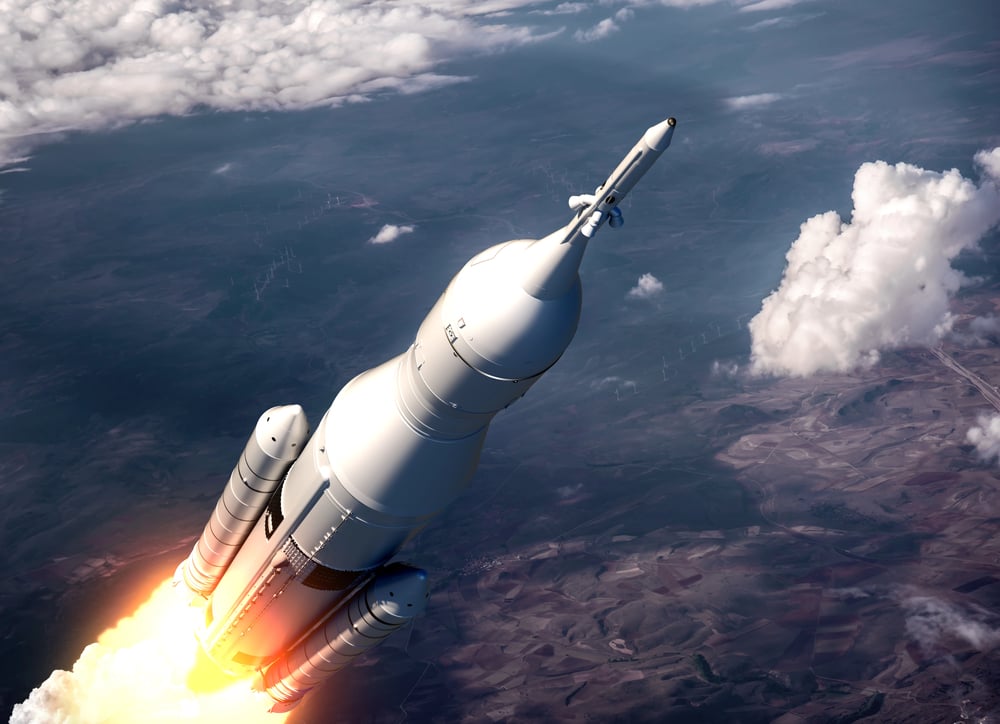
The Soviet answer to America’s Saturn V rocket was the enormous N1, designed to carry cosmonauts to the lunar surface. Standing nearly 350 feet tall, this massive rocket suffered catastrophic failures in all four test launches, including one of the largest non-nuclear explosions in human history when the rocket crashed in 1969.
The program was quietly canceled in 1974 after consuming enormous resources, with the Soviets never publicly acknowledging their failed moon shot program existed until glasnost in the 1980s.
The Aral Sea Irrigation Project

Once the world’s fourth-largest lake, the Aral Sea became the victim of a massive Soviet cotton irrigation scheme. Engineers diverted the sea’s source rivers to transform the desert into productive agricultural land, expecting minor impacts on the lake itself.
The project was abandoned after the water level dropped so dramatically that the formerly thriving fishing industry collapsed completely, leaving rusting ships stranded in a growing desert and toxic dust storms plaguing nearby communities with pesticide-laden sediment.
Nuclear-Powered Trains

Soviet engineers designed an experimental train powered by a nuclear reactor similar to those used in submarines. This locomotive would have operated for years without refueling, pulling passenger and freight cars across the vast Soviet rail network.
The project was halted after the Chernobyl disaster raised serious safety concerns about mobile nuclear reactors traveling through populated areas, though a prototype reportedly completed some test runs before being permanently parked in a secure facility.
Like Go2Tutors’s content? Follow us on MSN.
The Kola Superdeep Borehole
Scientists began drilling this extraordinary deep-earth research hole in 1970, eventually reaching 40,230 feet—making it the deepest human-made point on Earth. The project aimed to penetrate the Earth’s crust completely, but drilling became increasingly difficult as temperatures approached 356°F, far higher than predicted.
Funding evaporated with the Soviet collapse in 1991, leaving scientists just a third of the way to their goal of reaching the mantle despite two decades of continuous drilling operations.
The Palace of Soviets

Planned as the world’s tallest building at 1,624 feet, this monumental administrative center would have been crowned with a massive statue of Lenin. Construction began after demolishing the historic Cathedral of Christ the Savior, with the foundation completed before World War II interrupted work.
The project was permanently abandoned after the war when resources were diverted to rebuilding devastated cities, with the massive foundation pit eventually converted into the world’s largest open-air swimming pool before the cathedral was rebuilt in the 1990s.
The Atlantropa Mediterranean Dam
Soviet engineers collaborated on plans to build a massive dam across the Strait of Gibraltar, lowering the Mediterranean Sea by 660 feet and creating millions of acres of new farmland. This mind-boggling proposal would have generated hydroelectricity while connecting Europe and Africa by land, creating a new supercontinent.
The project was abandoned after feasibility studies revealed the enormous technical challenges and potential for catastrophic unintended consequences, including climate change throughout the region and the destruction of Mediterranean coastal cities.
The Buran Space Shuttle
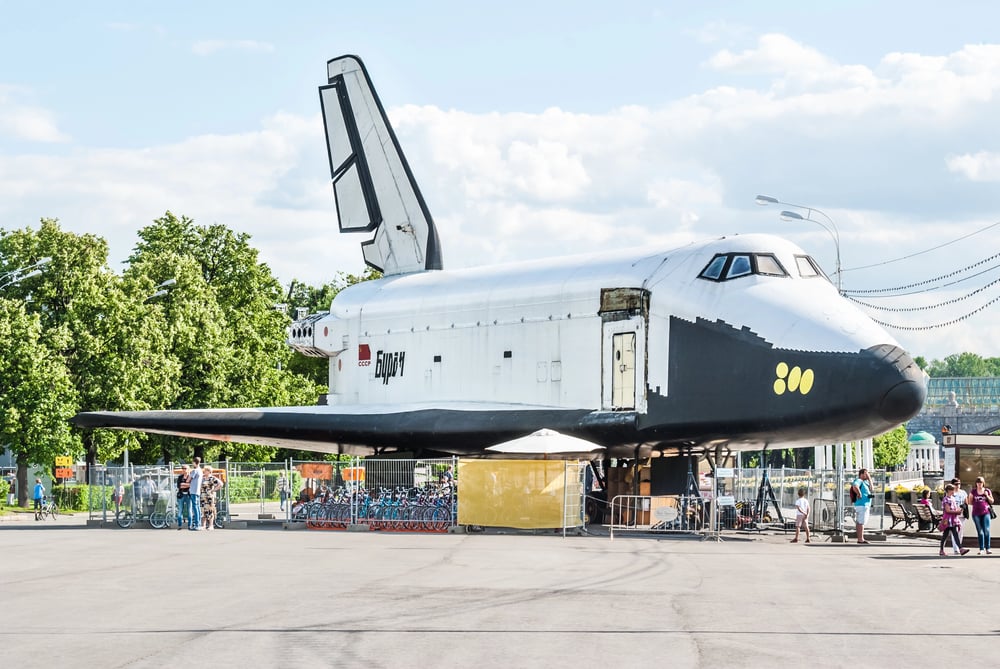
The Soviet Buran space shuttle program successfully completed one unmanned orbital flight in 1988, automatically landing with precision that impressed even NASA engineers. Despite this technical achievement and the construction of several vehicles, the program was canceled after the Soviet collapse when funding for space exploration plummeted.
The completed orbiters were abandoned in deteriorating hangars, with one destroyed when its storage building collapsed in 2002, ending any chance of reviving this sophisticated spacecraft program.
Like Go2Tutors’s content? Follow us on MSN.
The Magnitogorsk Steel City
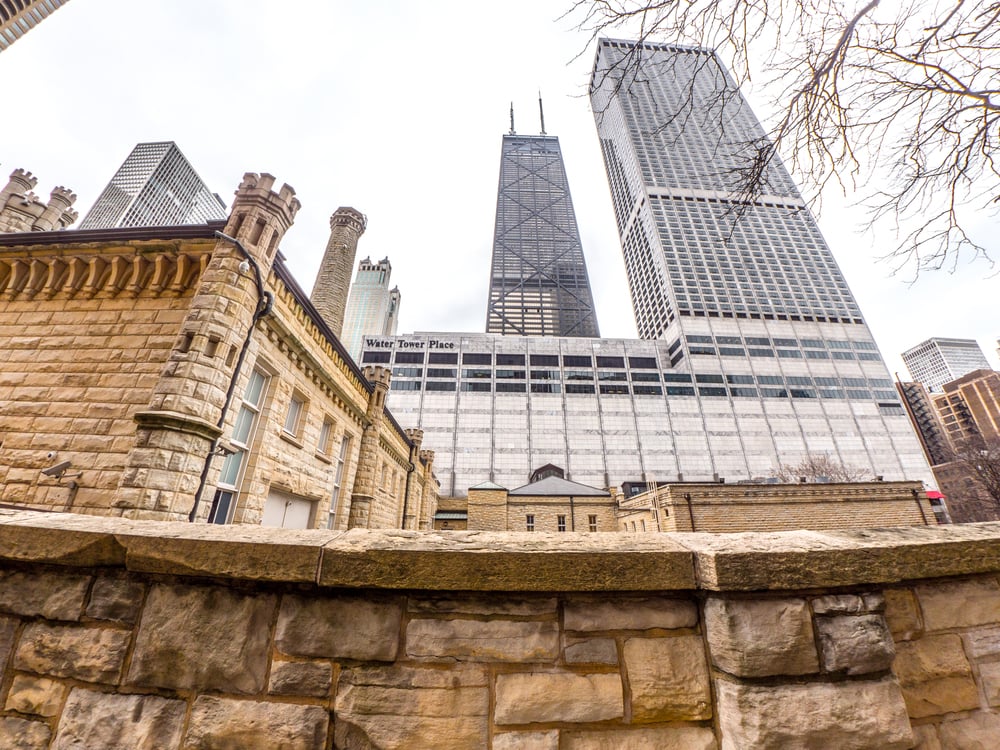
Conceived as a socialist utopian city built around the world’s largest steel plant, Magnitogorsk was designed to showcase Soviet industrial might and urban planning. While the steel plant was completed, the ambitious city design by Bauhaus architects was abandoned halfway through construction when Stalin rejected modernist designs in favor of classical architecture.
Today’s Magnitogorsk bears little resemblance to the visionary plans, instead developing into a heavily polluted industrial center with severe health problems among residents exposed to decades of unfiltered emissions.
The Baltic Nuclear Power Station
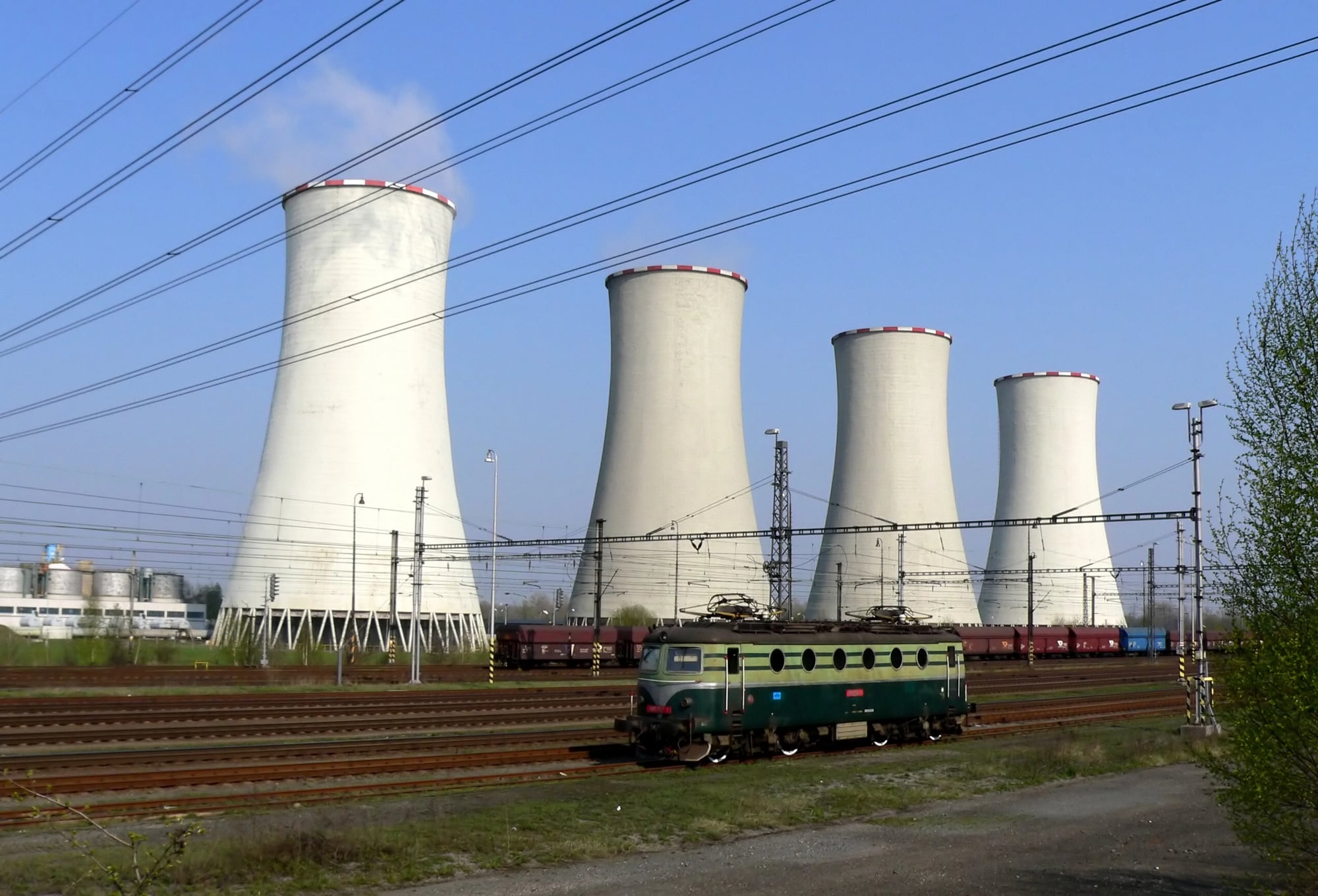
Construction of this massive nuclear facility began in 2009 near Kaliningrad to provide power independence for the Russian exclave. The project was suspended in 2013 after approximately 1.2 billion dollars had been spent and numerous reactor components had been manufactured.
Work halted when potential EU customers expressed concern about safety standards, leaving the partially built containment structures and cooling towers standing idle in fields just 8 miles from the Lithuanian border.
The Siberian Diamond Mine

The Mir diamond mine in Siberia was one of the USSR’s most productive sources of gems and hard currency, eventually becoming so large that helicopters were forbidden to fly over it for fear of being sucked down by air pressure changes. Mining operations were abandoned in 2001 after a massive flood and growing concerns about the structural stability of the entire operation.
The resulting pit measures nearly a mile across and 1,722 feet deep, ranking among the largest excavated holes on Earth and visible from passing satellites.
Like Go2Tutors’s content? Follow us on MSN.
The Siberian Scientific City

Akademgorodok, meaning ‘Academic Town,’ was established in the 1950s as an isolated scientific paradise where Soviet researchers could work free from political pressure. While partially completed and home to thousands of scientists, the original vision of a completely self-sufficient research city was abandoned as Soviet economic problems intensified.
Many planned research facilities and infrastructure projects remained unbuilt, with numerous empty building foundations still visible in forests surrounding the existing scientific community.
Turksib Railway

The Turkestan-Siberian Railway was planned as a massive infrastructure project connecting Central Asian republics with Siberia through some of the world’s most challenging terrain. While partially completed and operational by 1930, large sections of the originally planned route with numerous tunnels and bridges were abandoned due to engineering difficulties and shifting economic priorities.
The simplified route that was eventually built required much longer travel times and reduced freight capacity compared to the original ambitious design.
The Crimean Nuclear Power Plant
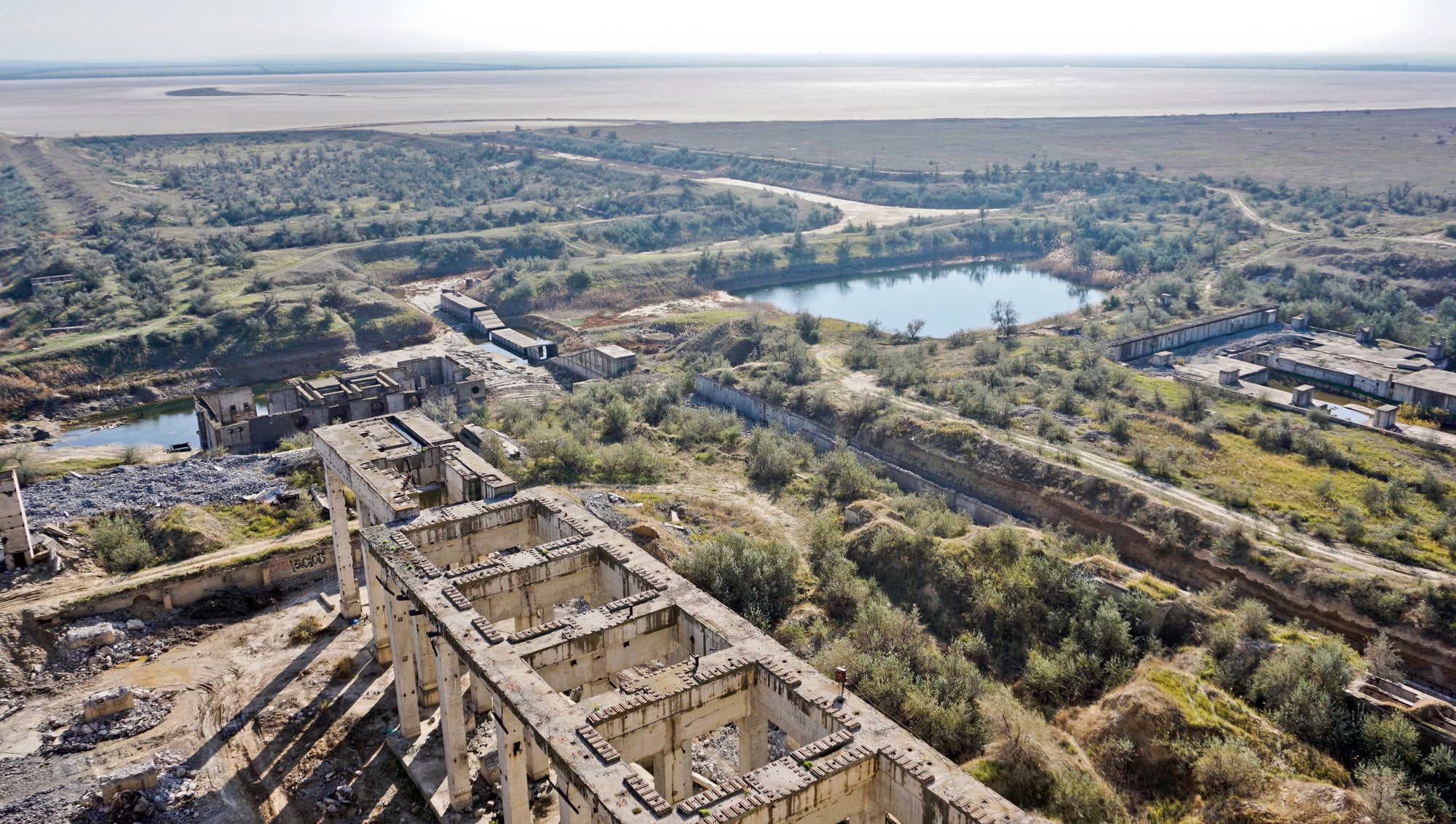
Construction of this massive power station began in 1975 to provide electricity for the entire Crimean peninsula. The project was abandoned in 1989 after the Chernobyl disaster led to public protests and a comprehensive safety review of all Soviet nuclear facilities.
When work stopped, the plant was approximately 85% complete, with cooling towers and reactor buildings standing eerily empty ever since, occasionally serving as movie sets for post-apocalyptic films rather than generating the electricity they were designed to produce.
Like Go2Tutors’s content? Follow us on MSN.
Monuments to Ambition

These abandoned Soviet megaprojects reveal both the impressive vision and fundamental limitations of the USSR’s centrally planned approach to development. Their concrete remains scattered across the former Soviet territories serve as compelling reminders of an era when political will and engineering ambition pushed the boundaries of what humans thought possible, regardless of economic or environmental consequences.
While never completed, these half-built endeavors continue to fascinate as physical embodiments of Soviet determination to reshape the world according to communist ideals.
More from Go2Tutors!

- 16 Restaurant Chains That Went Too Fast
- 12 Things Sold in the 80s That Are Now Illegal
- 15 Strange Things People Have Tried to Ban (And Failed)
- 16 Collectibles People Tossed Out Too Soon
- 17 Myths from Your Childhood That Were Actually Based on Real Things
Like Go2Tutors’s content? Follow us on MSN.