15 Bizarre Holiday Customs Still Practiced Today
The holiday season brings out traditions that families hold dear, from baking cookies to decorating homes with lights. But scattered around the world, some communities celebrate with customs that seem downright weird to outsiders.
These aren’t ancient practices that died out centuries ago—people actually do these things right now, every single year. Here are some of the strangest holiday traditions that somehow became normal in their corner of the world.
Catalonia’s log poops presents
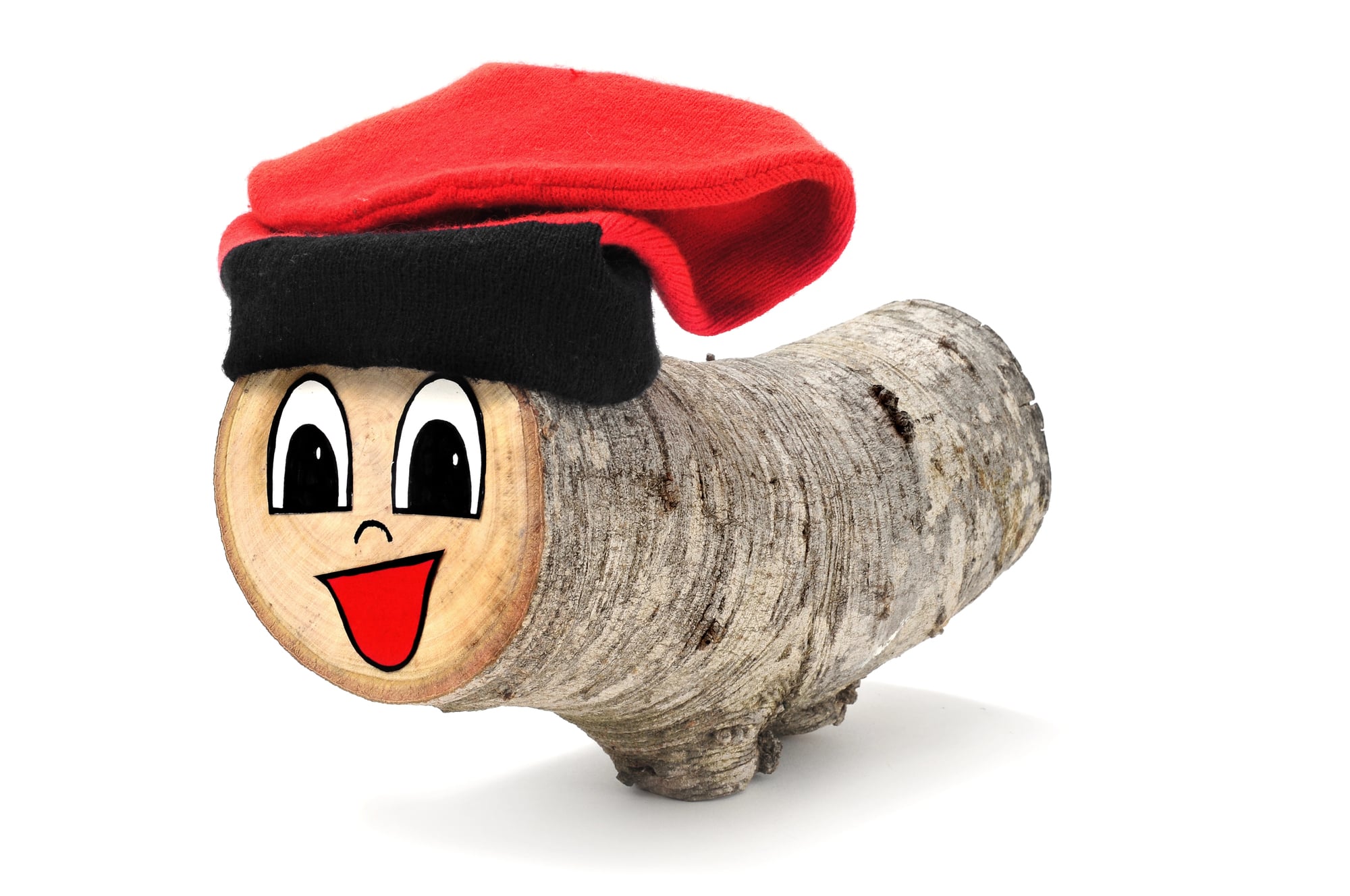
Families in Catalonia, Spain, keep a small log with a painted face and a red hat starting on December 8th. They ‘feed’ it scraps of food each day and cover it with a blanket to keep it warm.
On Christmas Eve or Christmas Day, children beat the log with sticks while singing traditional songs that tell it to poop out presents. The log supposedly releases candy, nuts, and small gifts that parents have hidden underneath. This character, called Tió de Nadal, has become so popular that stores sell specially designed logs complete with faces and blankets.
Japan eats KFC for Christmas dinner
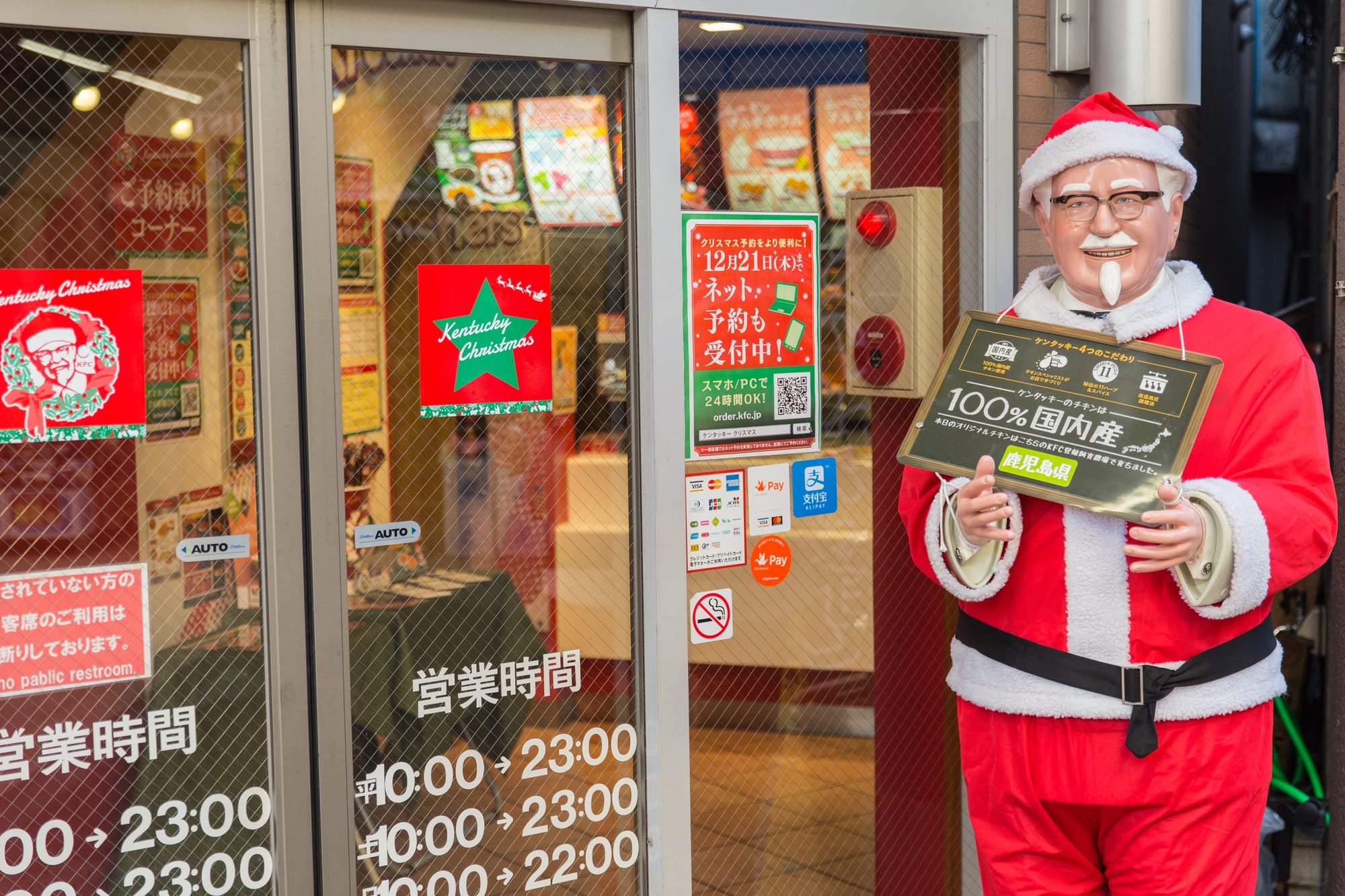
Millions of Japanese families order buckets of fried chicken from KFC as their main Christmas meal. This tradition started in 1974 when KFC launched a marketing campaign called ‘Kurisumasu ni wa kentakkii’ or ‘Kentucky for Christmas.’
The campaign caught on so well that people now place orders weeks in advance to avoid the holiday rush. Some families dress up in their best clothes and make reservations at KFC like it’s a fancy restaurant. The company estimates it makes about a third of its annual Japanese sales during the Christmas season.
Norwegians hide their brooms on Christmas Eve
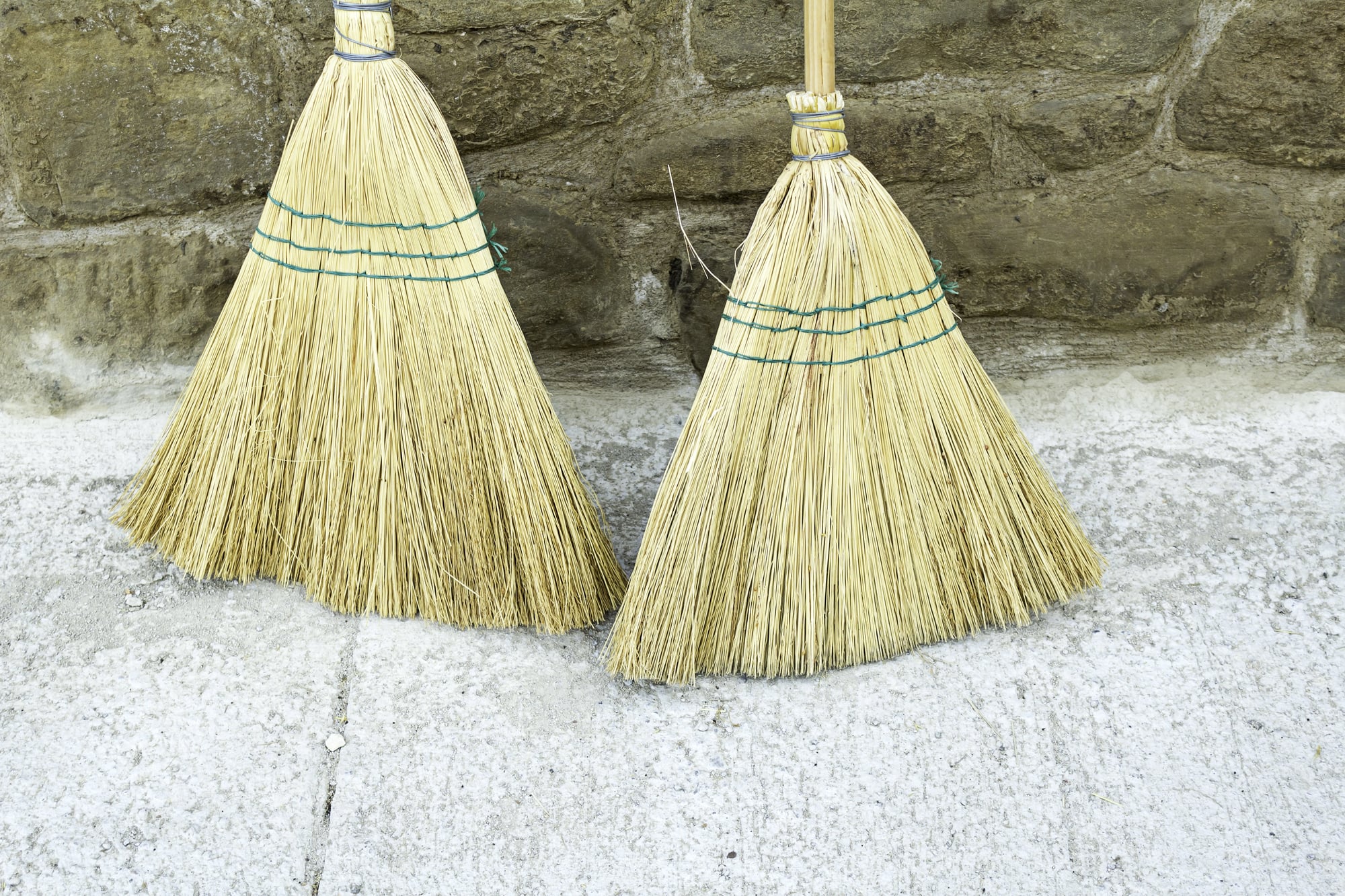
Norwegian families tuck away all their brooms and mops before going to bed on December 24th. Old folklore warned that witches and evil spirits roamed the skies on Christmas Eve looking for brooms to steal for their nighttime rides.
Even though most Norwegians don’t actually believe in witches anymore, hiding the brooms remains a widespread practice. Some people also fire guns into the air to scare away any spirits that might be lurking around. The tradition has stuck around more as a fun superstition than a serious belief.
Venezuelans roller skate to church
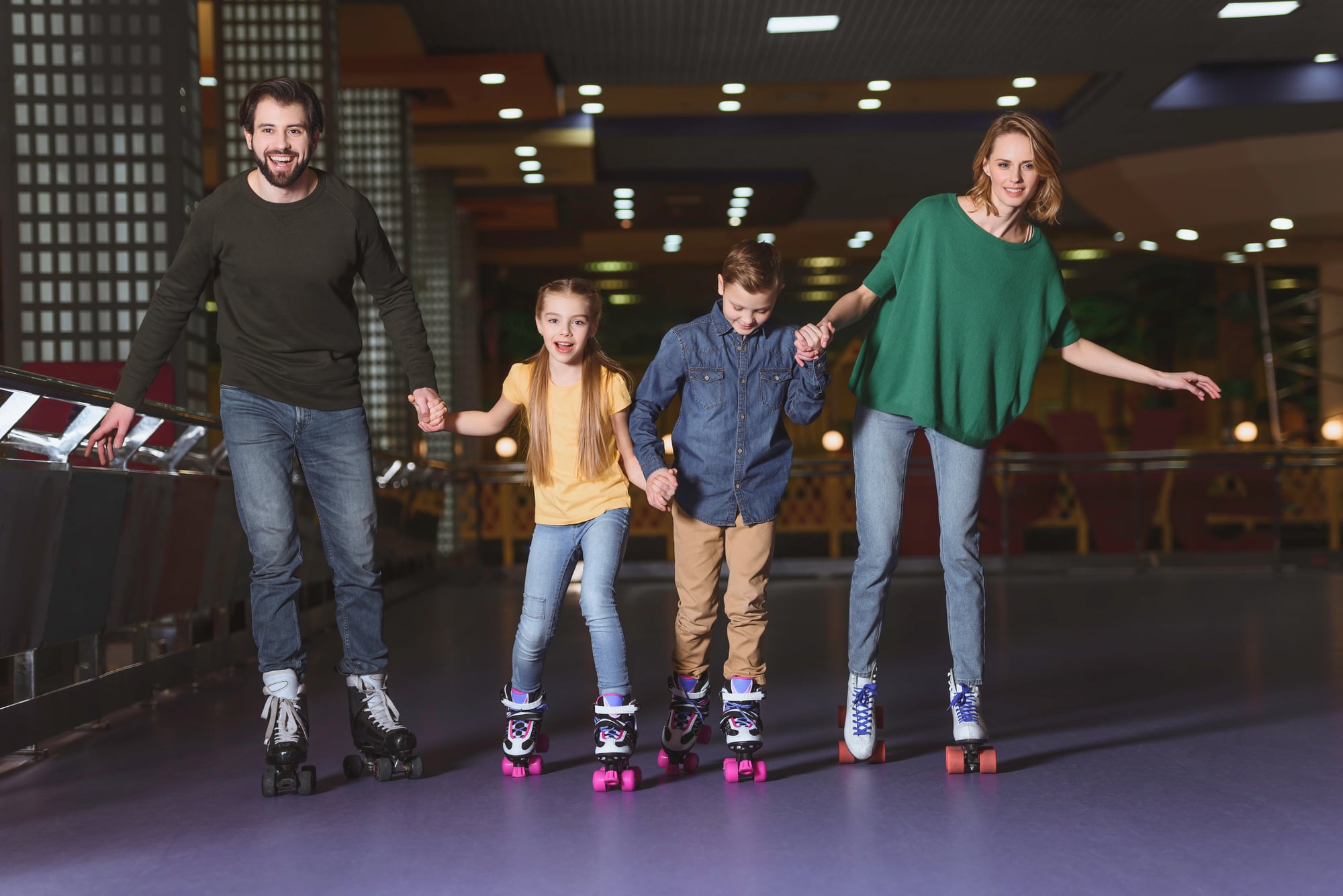
Residents of Caracas, Venezuela, strap on roller skates and glide through the streets to early morning Christmas Mass. The government closes certain roads to car traffic between 8 a.m. and 10 a.m. specifically for this purpose.
Children tie strings to their toes before bed and hang the other end out the window so skating friends can tug them awake as they roll past. After church, families enjoy a traditional breakfast together before the rest of the day’s celebrations begin. The exact origin of this custom remains unclear, but it’s been going strong for decades.
Ukraine decorates trees with spider webs
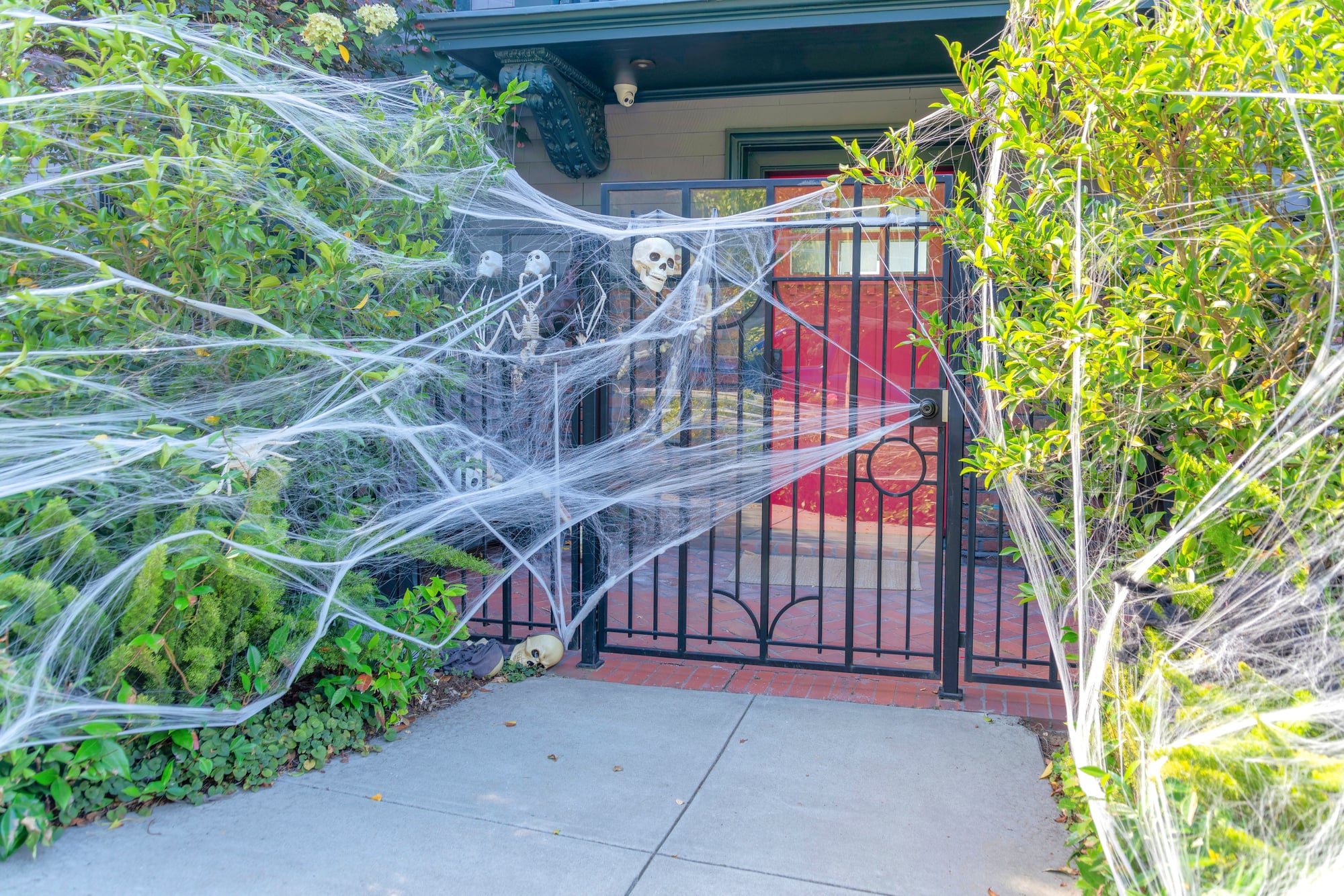
Ukrainian Christmas trees feature decorations shaped like spiders and elaborate webs made from shiny tinsel. The tradition comes from a folk tale about a poor widow whose tree was decorated overnight by helpful spiders.
When morning arrived, the webs had turned to silver and gold, bringing wealth to her family. Ukrainians now place a spider ornament called a pavuchky somewhere on their tree each year. Finding the hidden spider supposedly brings good luck and prosperity for the next twelve months.
Iceland has 13 Santa figures
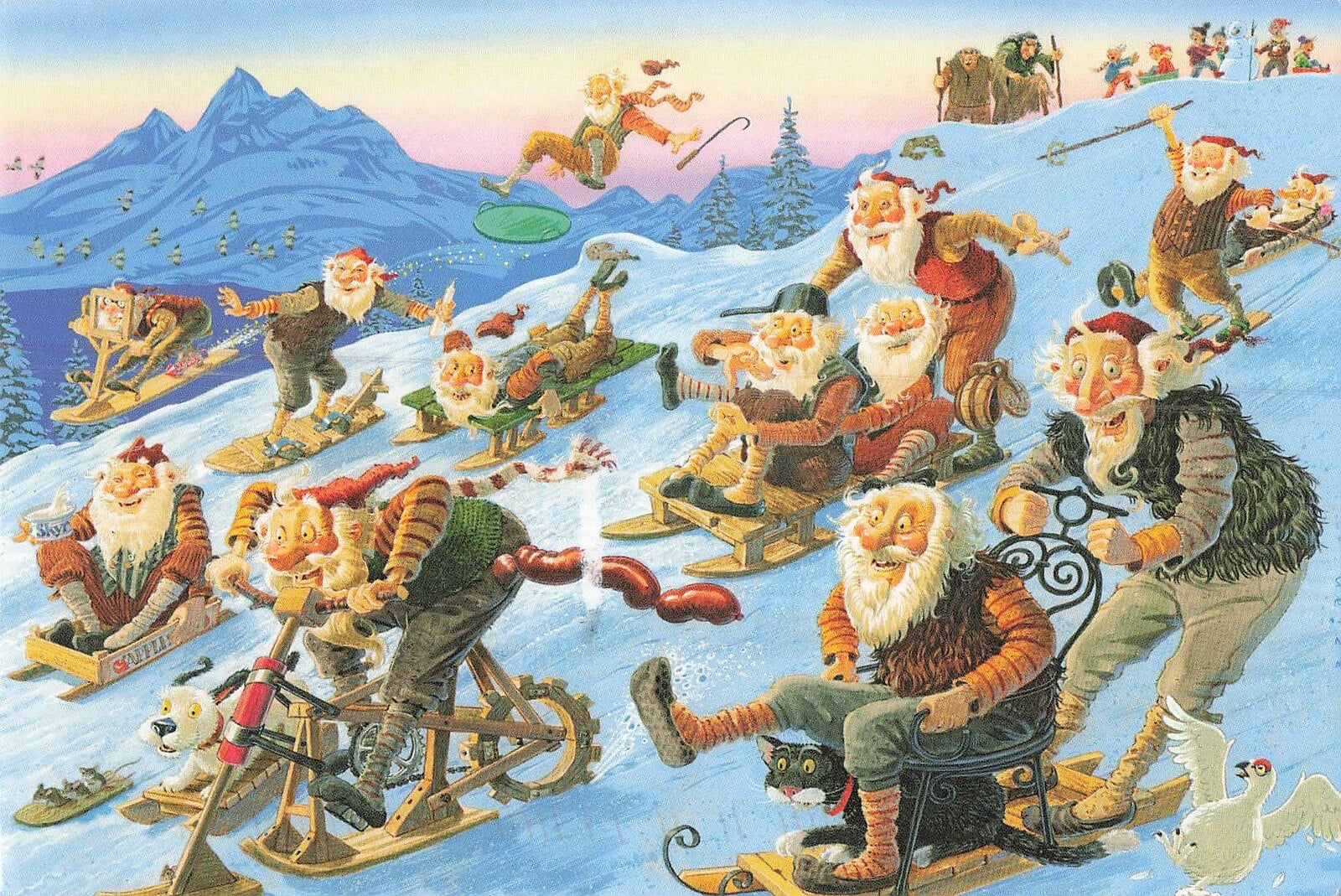
Instead of one Santa Claus, Iceland celebrates with 13 mischievous characters called the Yule Lads. These troll-like figures visit children one by one during the 13 nights before Christmas, each with their own personality and pranks.
Spoon-Licker steals wooden spoons to lick, while Door-Slammer wakes people by slamming doors at night. Children leave shoes in their windows, and well-behaved kids receive small gifts while naughty ones get rotten potatoes. The Yule Lads’ mother, a child-eating ogre named Gryla, threatens to kidnap badly behaved children throughout December.
Austria’s Krampus terrifies misbehaving kids
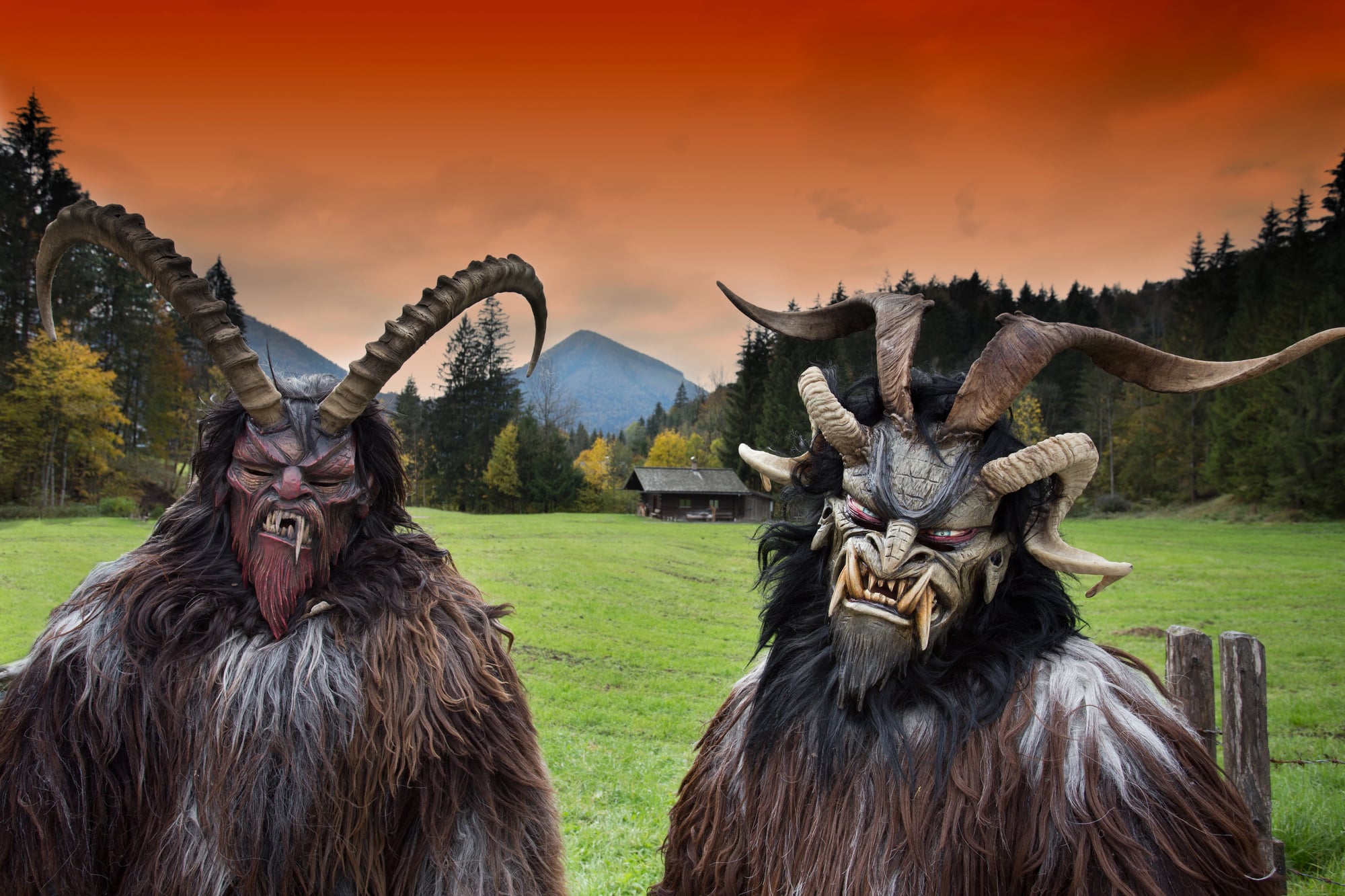
Half-goat, half-demon Krampus appears in Austrian streets during early December to punish children who’ve been bad. Men dress in elaborate costumes with horns, fur, and frightening masks to portray this creature from Alpine folklore.
Krampus carries chains and bells, making loud noises while chasing people through town squares. The character serves as the evil opposite of Saint Nicholas, who rewards good children. Krampus parades have become major events that draw tourists, though they can genuinely frighten younger spectators.
Czech women throw shoes to predict marriage
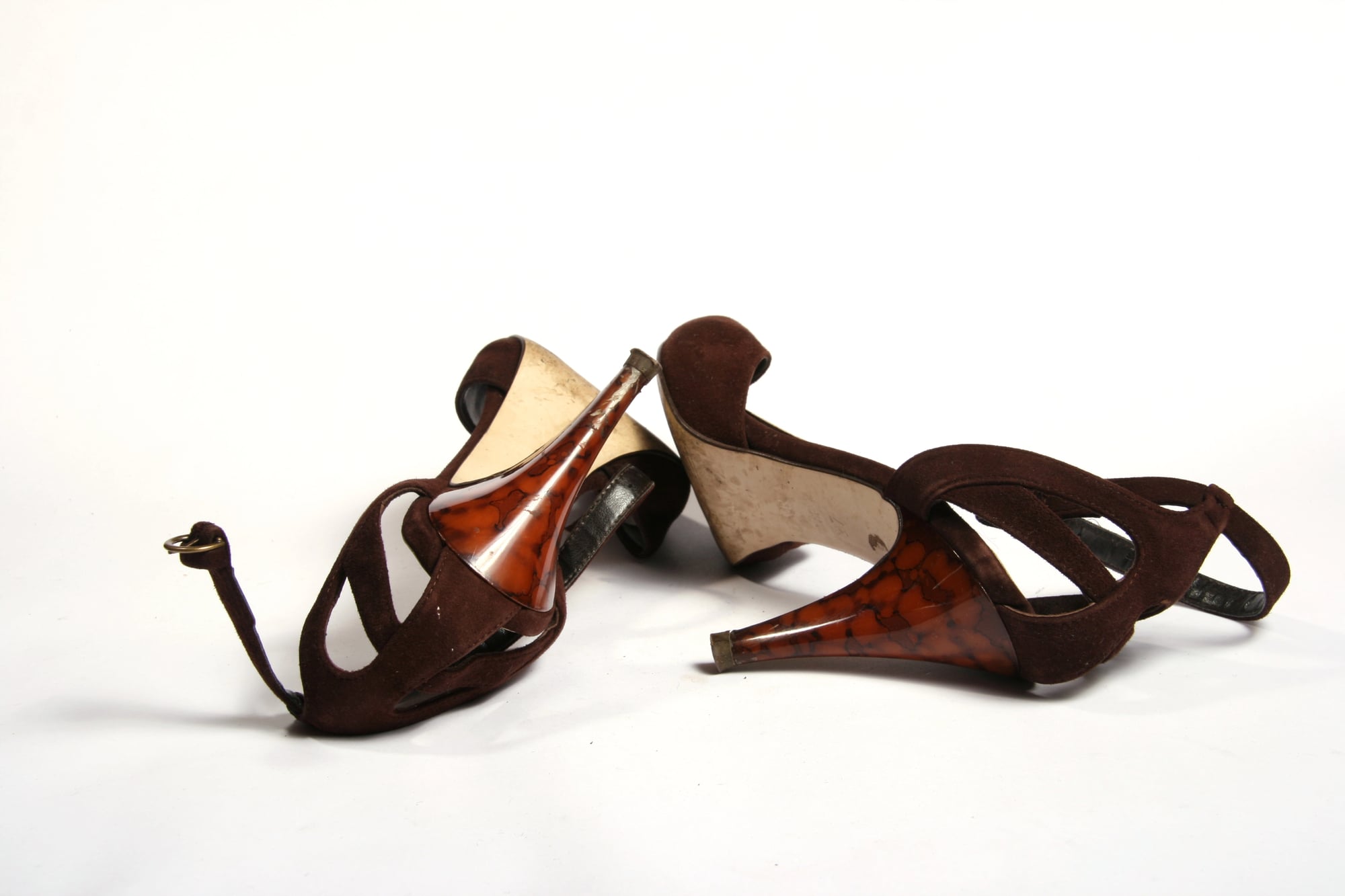
Single Czech women stand with their backs to their front door and toss a shoe over their shoulder on Christmas Eve. If the shoe lands pointing toward the door, the woman will supposedly get married within the year.
A shoe pointing away means another year of single life ahead. Some women repeat the throw multiple times hoping for a different result. This custom also appears in other Slavic countries with slight variations in timing and technique.
Greeks burn shoes during the holiday
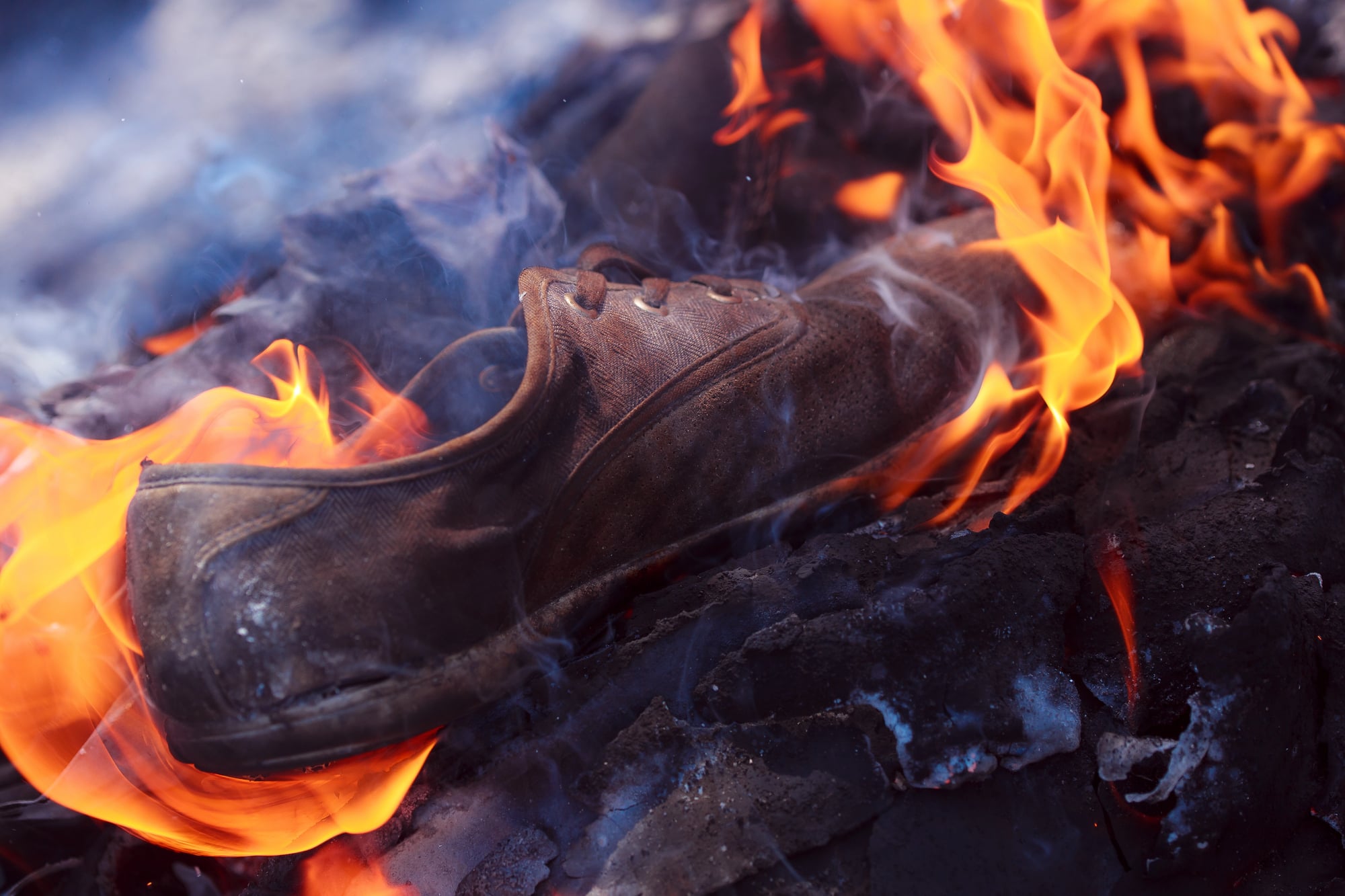
Greek families sometimes burn old shoes in their fireplace during the Christmas season to ward off bad luck. The practice stems from ancient beliefs about keeping mischievous creatures called Kallikantzaroi away from homes.
These goblin-like beings supposedly emerge from underground during the twelve days of Christmas to cause trouble. The burning shoe smell allegedly drives them away or confuses them. Modern Greeks often substitute the actual burning with symbolic gestures, though some rural families maintain the traditional practice.
Guatemala celebrates with giant kite festivals
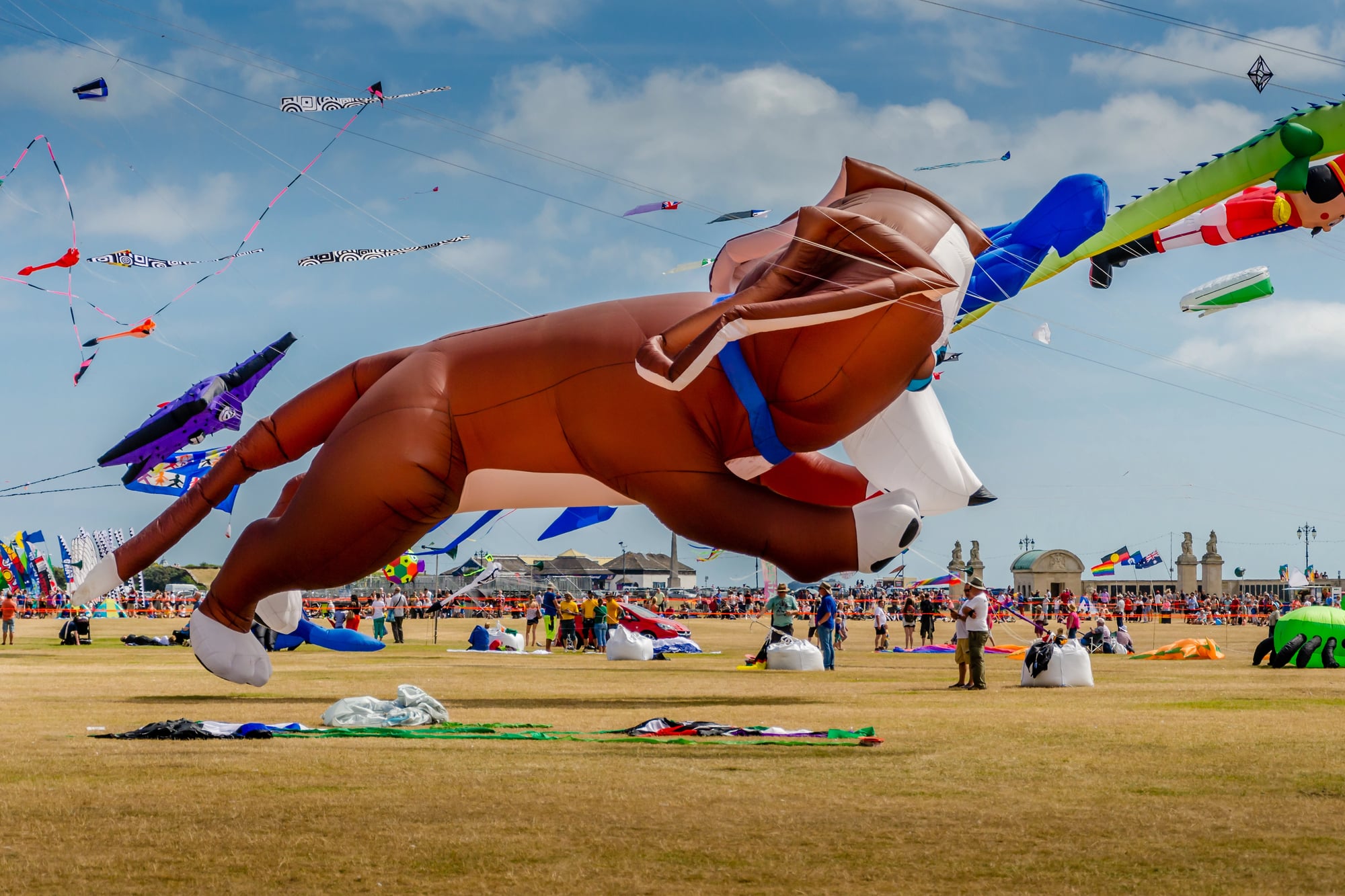
The town of Sumpango Sacatepéquez in Guatemala hosts a massive kite festival on November 1st as part of their Day of the Dead celebrations. Communities spend months building giant kites up to 40 feet in diameter from tissue paper and bamboo.
These enormous kites supposedly allow the dead to communicate with the living when flown in cemeteries. The designs feature bright colors and complex patterns, often with messages or images honoring departed loved ones. Thousands of people gather to watch teams struggle to launch these massive creations into the sky.
Estonia visits saunas before Christmas

Estonian families make visiting the sauna together on Christmas Eve a mandatory part of their celebration. The tradition involves getting completely clean before the holiday festivities begin, symbolizing spiritual and physical purification.
After the sauna, families put on fresh clothes and gather for their Christmas meal. Some Estonians believe the sauna elf lives in their bathhouse and must be respected with proper behavior. Leaving food offerings for this elf ensures good fortune for the household.
Portugal puts on display a big Christmas scene using around two hundred thousand tiny figures
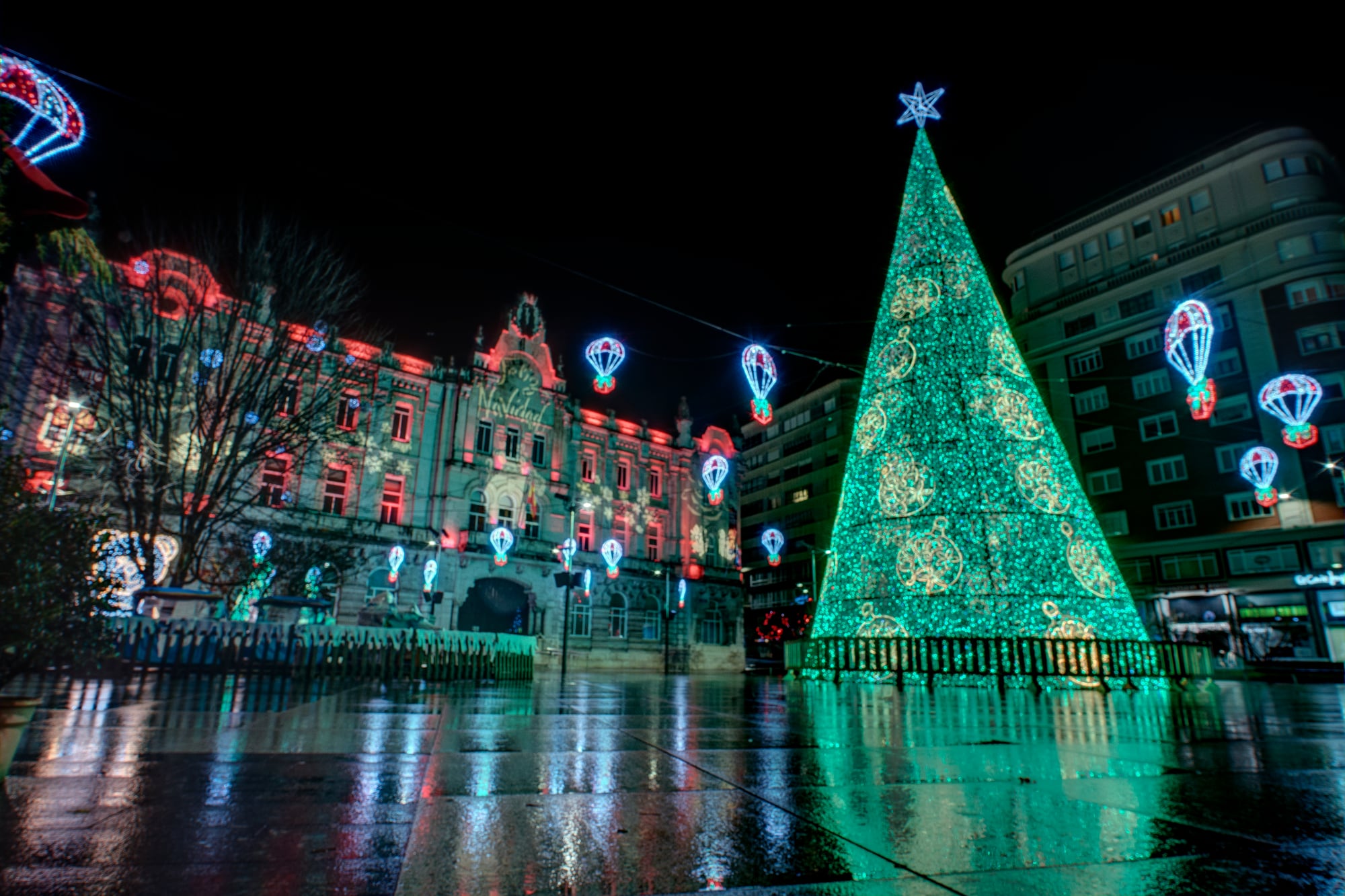
The town of Amarante in Portugal shows off a huge Christmas setup with more than 200,000 little pieces. Began back in ’88 as something small, yet today it spreads through several rooms inside a structure, showing full towns complete with flowing streams, toy trains, plus fine touches.
Locals who help out keep working on it all year round – fixing, adding, improving. People walking through often get caught up for ages checking every mini moment, like old holy characters alongside everyday folks doing regular stuff around Portugal. This giant holiday scene? It’s now a point of hometown joy and pulls in tourists from many parts of Europe.
Philippines celebrates the world’s longest Christmas
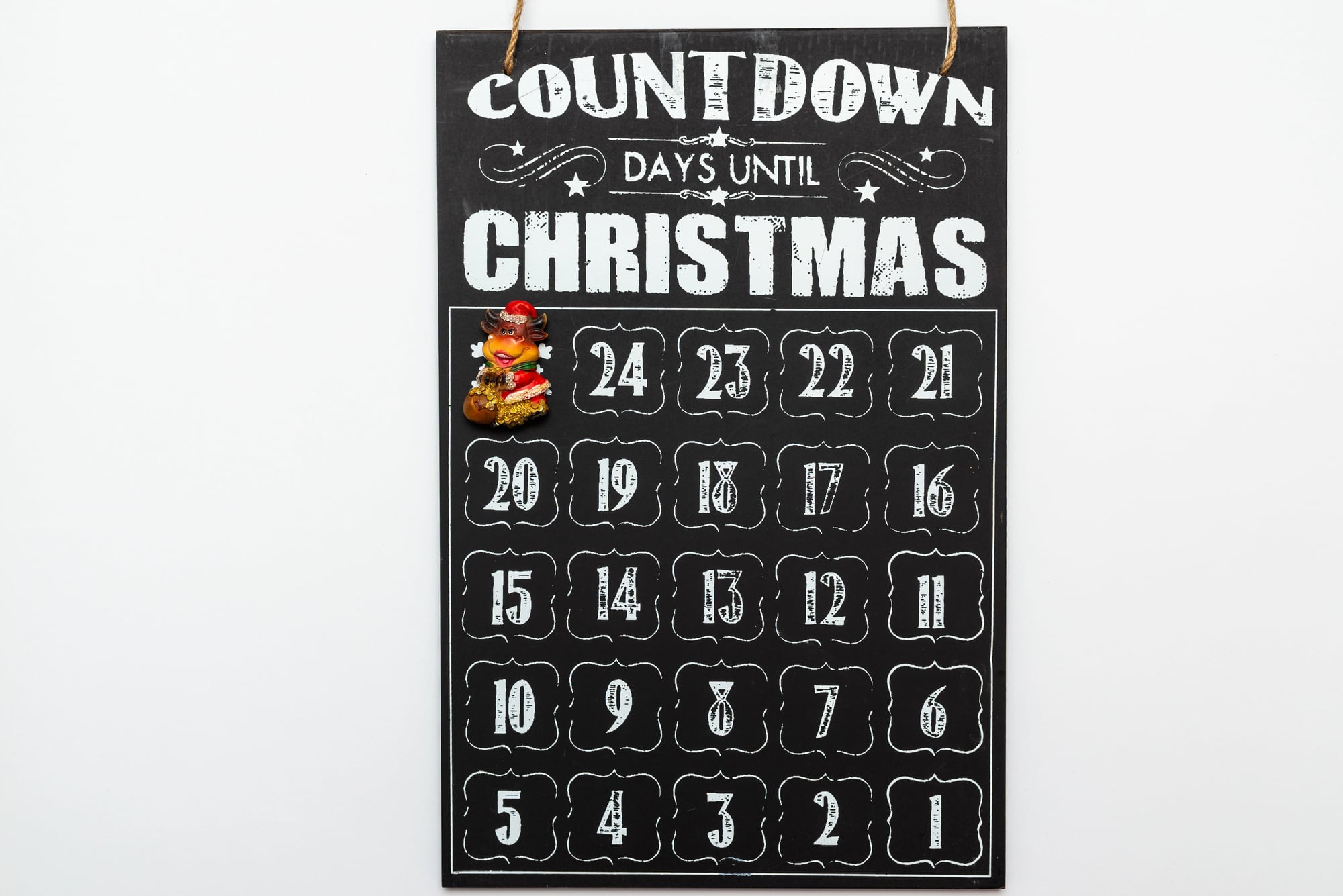
Filipino Christmas kicks off September 1st, running strong till January 6th. Well before other places start planning, streets here are already lit up.
Bright star-shaped lanterns – parols crafted from bamboo and colored paper – drape homes and shops everywhere. People go to church often, swap presents now and then, while feasting with relatives nonstop. This long festive stretch shows how faith blends easily with big family get-togethers and just loving a good party.
Finland watches Donald Duck on Christmas Eve

Nearly half the people in Finland sit down to catch a particular Donald Duck show each December 24th at three in the afternoon. It began back in ’59, when TV options were slim and Disney clips felt like little holiday gifts.
That exact lineup’s been on air nonstop around that hour ever since. For lots of locals, this viewing is just as key as having their festive ham dinner. Certain pubs and eateries actually shut things down briefly so guests won’t miss a second. Even if folks know every scene by heart, skipping it somehow seems off.
Germany marks the day using pickle-shaped decorations
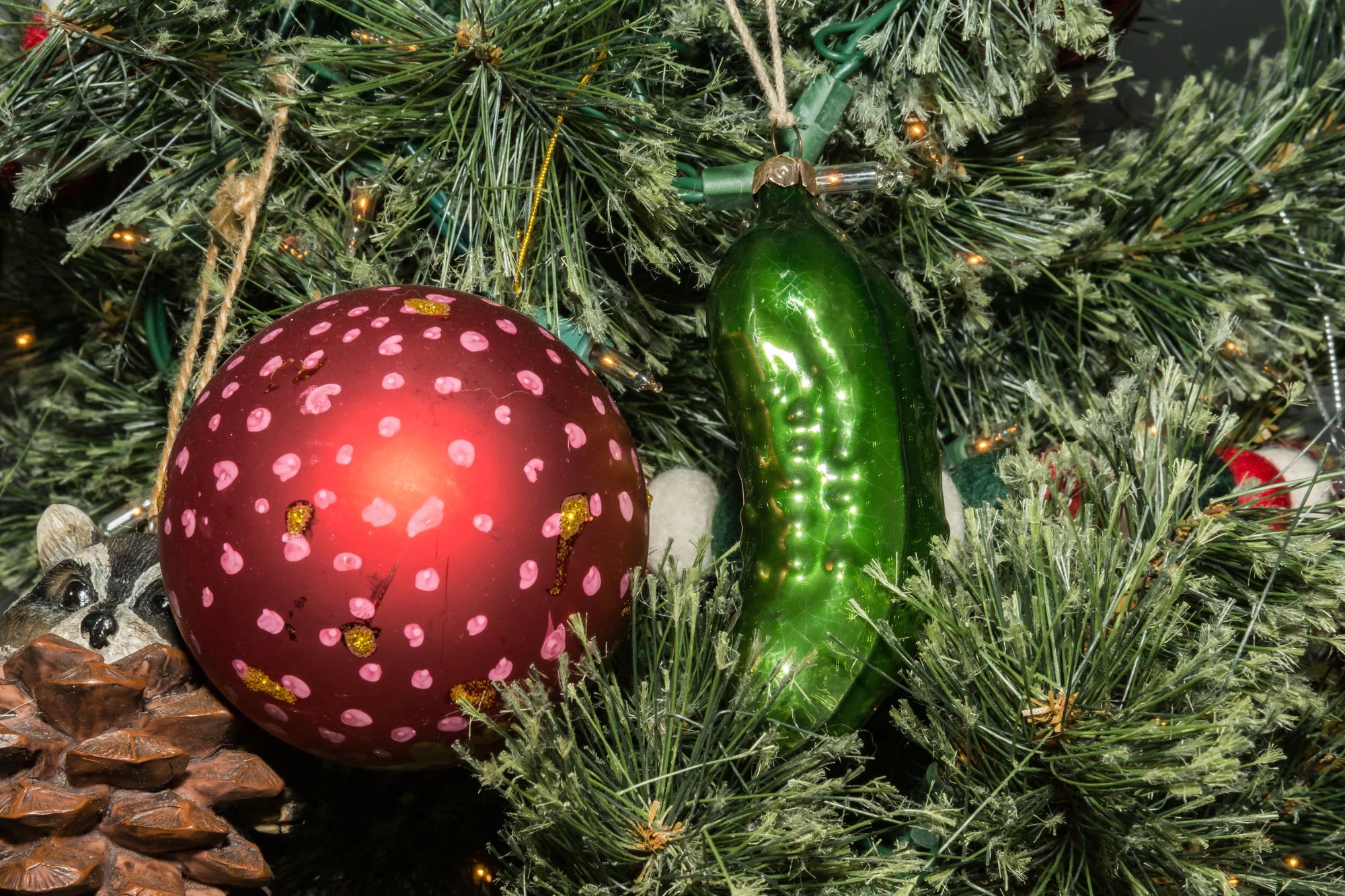
A few German-American households tuck a tiny pickle toy way inside their holiday tree. Whoever spots it first at dawn might snag another gift – or unwrap presents ahead of everyone else.
In some cases, finding it’s said to bring twelve months of fortune. Even though folks say it started in Germany ages ago, nearly no one there knows about it. Experts think it began instead among German settlers in the U.S., around the 1890s.
These strange customs connect us

Every strange habit began with folks following what made sense to them at the time. Things that seem odd from afar usually hold real significance for those living it.
Such practices stick around – not just because they bond relatives, but also by building moments everyone shares. A ritual laughed at now could become a story elders fondly pass down later.
More from Go2Tutors!

- The Romanov Crown Jewels and Their Tragic Fate
- 13 Historical Mysteries That Science Still Can’t Solve
- Famous Hoaxes That Fooled the World for Years
- 15 Child Stars with Tragic Adult Lives
- 16 Famous Jewelry Pieces in History
Like Go2Tutors’s content? Follow us on MSN.