15 Tall Tales That Became Real After New Evidence
Throughout history, people have dismissed countless stories as pure fiction, wild exaggerations, or the ramblings of overactive imaginations. These tales seemed too bizarre, too extraordinary, or simply too good to be true.
Yet time and again, archaeological discoveries, scientific breakthroughs, and new evidence have transformed these ‘impossible’ stories into documented reality. Here is a list of 15 tall tales that eventually proved to be surprisingly accurate when the evidence finally caught up with the stories.
Troy

For centuries, Homer’s epic poems about the Trojan War were considered beautiful fiction rather than historical accounts. Scholars treated the tale of Helen, the wooden horse, and the decade-long siege as purely mythological storytelling.
Then Heinrich Schliemann started digging in Turkey in the 1870s and uncovered the actual ruins of Troy, complete with evidence of multiple destructions and rebuilding. Modern archaeology has confirmed that Troy was indeed a major Bronze Age city that faced violent conflicts, giving Homer’s ‘fairy tale’ a solid foundation in reality.
Giant Squid
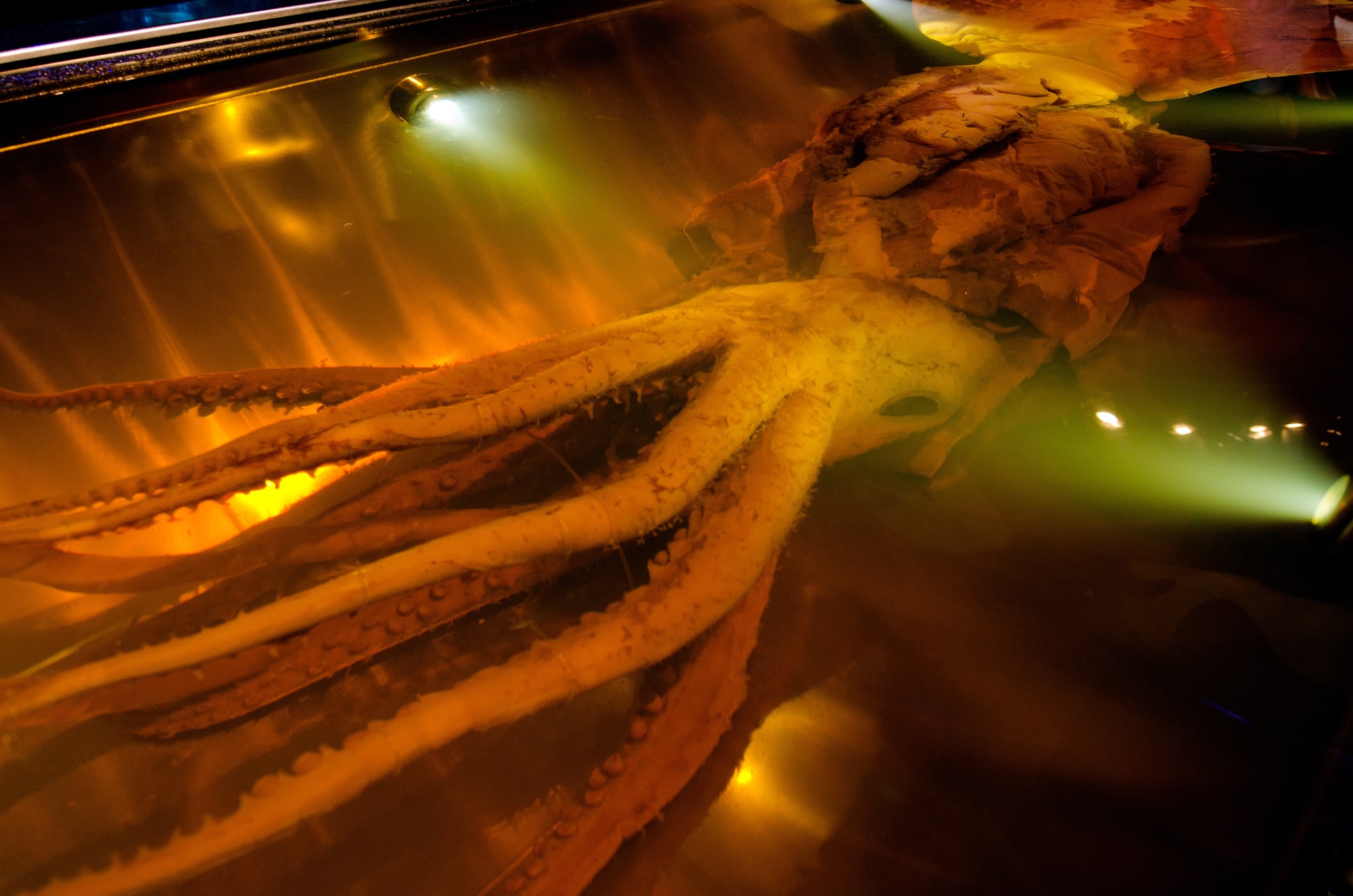
Sailors’ stories about massive sea creatures with tentacles as thick as tree trunks were laughed off as drunken fantasies or tall tales meant to impress landlubbers. These accounts described monsters capable of dragging entire ships to the ocean floor, creatures so large they could be mistaken for islands.
In 2007, fishermen finally hauled up a colossal squid specimen that measured over 30 feet long with eyes the size of dinner plates. Today, underwater cameras regularly capture footage of these giants, proving that sailors weren’t exaggerating nearly as much as people thought.
Like Go2Tutors’s content? Follow us on MSN.
Gorillas

When European explorers first returned from Africa with stories of massive, upright-walking apes that beat their chests and lived in family groups, the scientific community dismissed these accounts as confused observations of known animals. The descriptions seemed like a mix of human and ape characteristics that couldn’t possibly exist in nature.
It wasn’t until 1847 that scientists officially recognized the western gorilla as a distinct species, followed by mountain gorillas decades later. These ‘mythical’ creatures turned out to be our closest relatives, displaying the complex behaviors that early explorers had accurately described.
Rogue Waves

Maritime folklore was full of stories about ‘walls of water’ that appeared out of nowhere during calm seas, towering 80 to 100 feet above normal wave height. Oceanographers calculated that such waves were mathematically impossible and attributed these accounts to sailors’ tendency toward exaggeration.
Then in 1995, instruments on an oil platform in the North Sea recorded the Draupner wave, measuring 84 feet tall in seas where the average wave height was just 39 feet. Satellite data now confirms that these monster waves occur far more frequently than anyone imagined, vindicating generations of sailors who insisted they’d seen the impossible.
Komodo Dragons
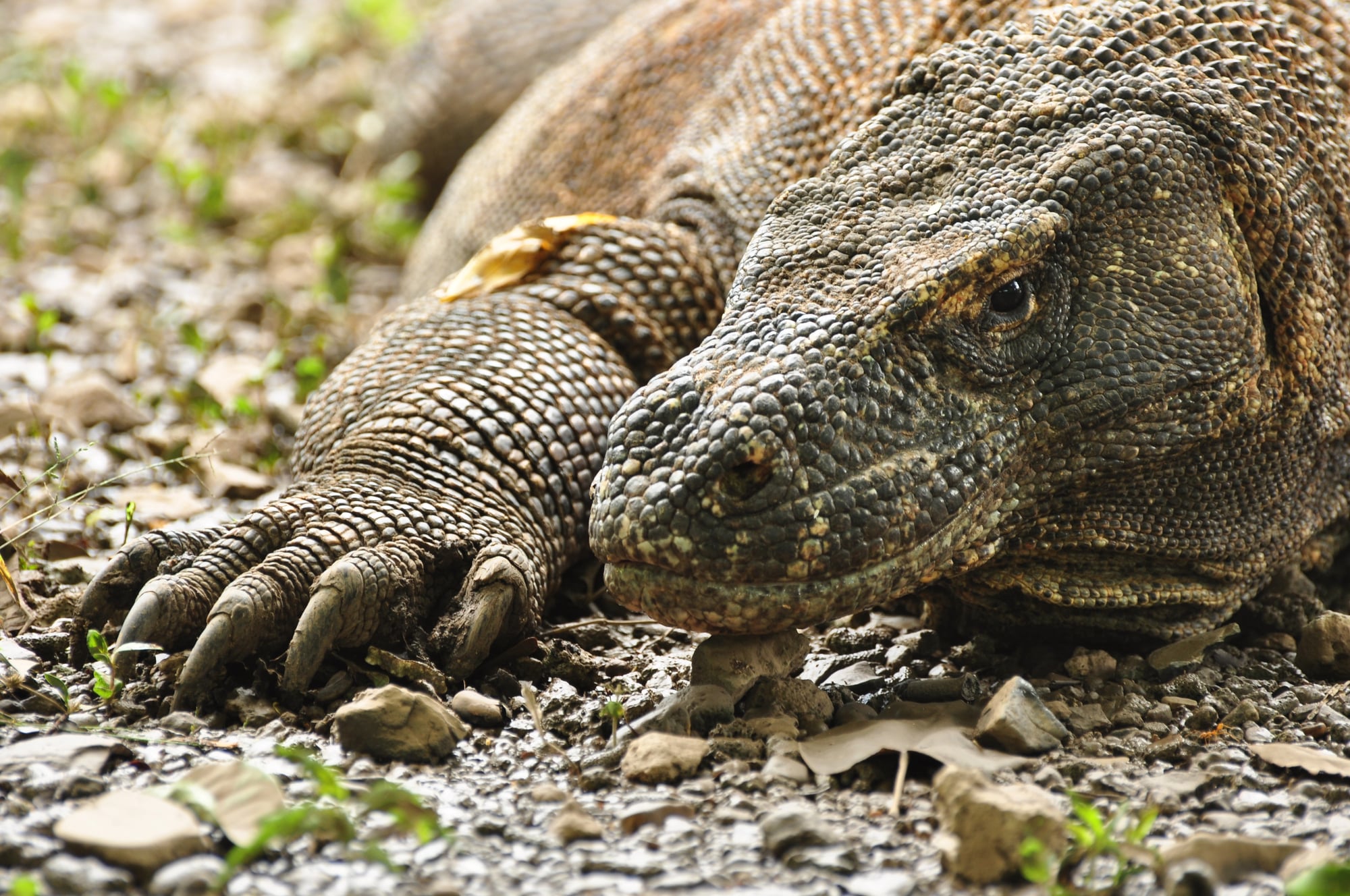
Early 20th-century reports from Indonesian islands described lizards the size of crocodiles that could kill water buffalo and occasionally ate humans. Scientists dismissed these accounts as local folklore mixed with sightings of smaller monitor lizards, reasoning that no lizard could grow to such enormous proportions.
In 1910, formal expeditions finally confirmed the existence of Komodo dragons, some reaching lengths of 10 feet and weights exceeding 150 pounds. These apex predators possess venomous bites and hunting strategies that match exactly what local populations had been describing for generations.
Like Go2Tutors’s content? Follow us on MSN.
Helike
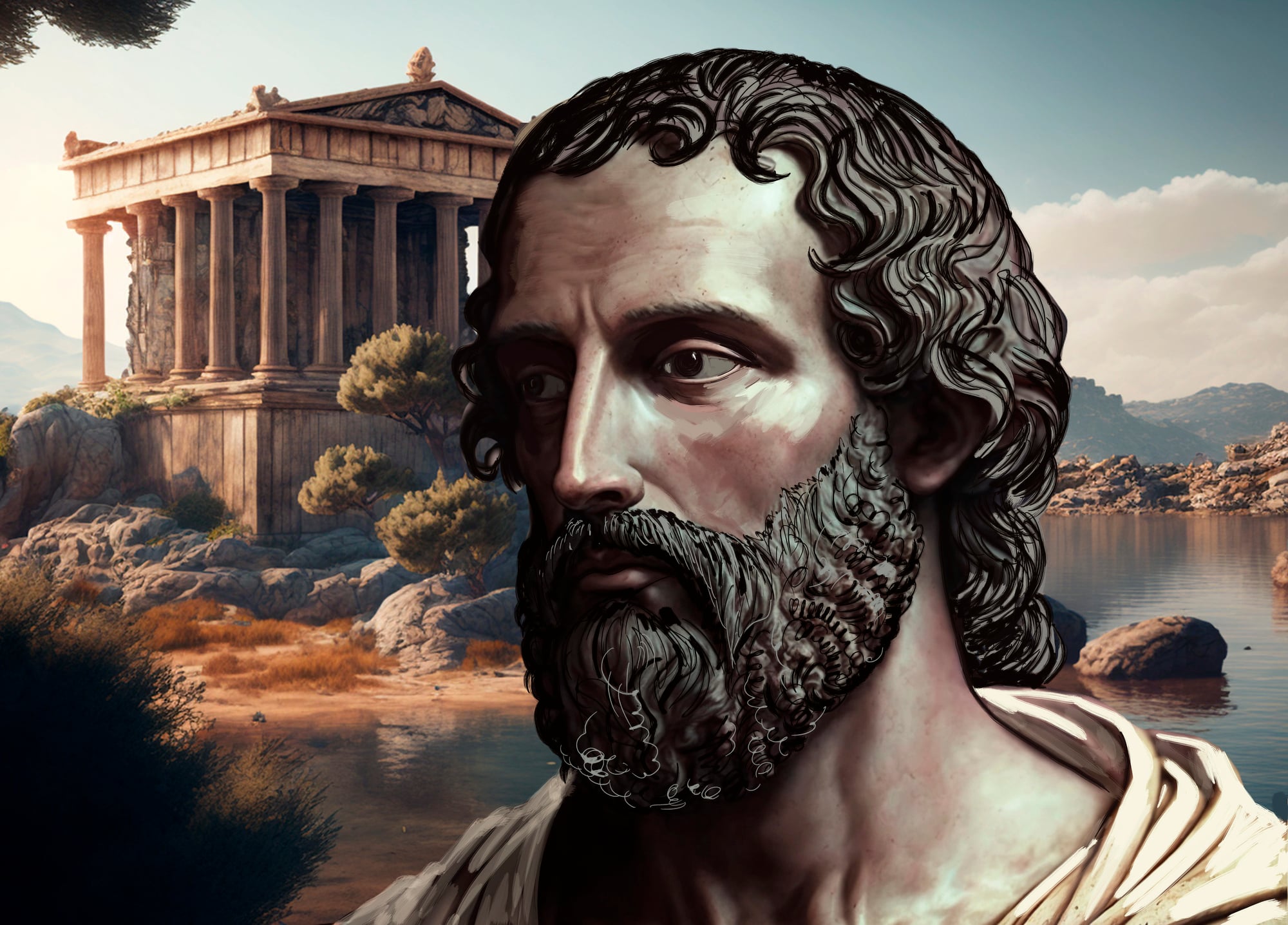
Ancient Greek writers described a prosperous city that vanished overnight when earthquakes caused it to sink beneath the sea around 373 BCE. Modern historians treated Helike as another Atlantis-style myth, a cautionary tale about hubris rather than an actual historical event.
In 2001, archaeologists located the submerged ruins of Helike beneath a coastal lagoon, complete with pottery, coins, and building foundations that matched ancient descriptions. The city had indeed been swallowed by a combination of earthquake damage and tsunami flooding, just as classical sources had recorded.
Ball Lightning

For hundreds of years, people reported seeing glowing spheres of light that floated through the air during thunderstorms, sometimes passing through walls or windows before disappearing with a pop or hiss. Scientists categorically rejected these accounts because they couldn’t explain how such phenomena could exist according to known physics.
Recent laboratory experiments have successfully created ball lightning under controlled conditions, and high-speed cameras have captured the phenomenon occurring naturally during storms. The eyewitness accounts that seemed too strange to be true have now been validated by reproducible scientific evidence.
Meteorites
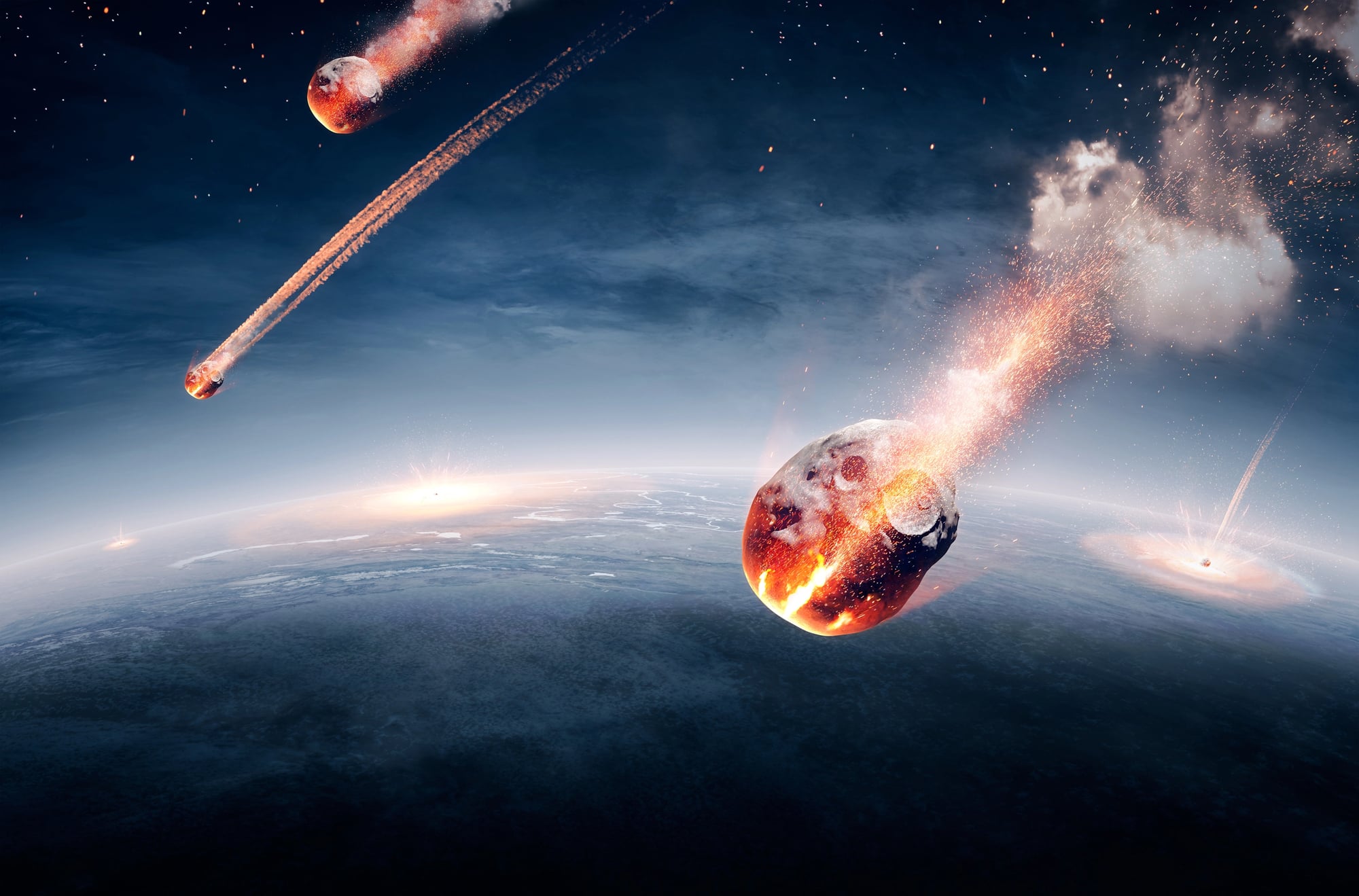
When people claimed that rocks had fallen from the sky, the scientific establishment of the 18th century found such stories preposterous. Leading scientists argued that stones simply couldn’t exist in the heavens, making celestial rockfall impossible by definition.
The French Academy of Sciences even removed meteorite specimens from their collections, considering them embarrassing examples of public gullibility. By 1803, a well-documented meteorite shower in France finally convinced skeptical scientists that space rocks were real, transforming ‘peasant superstitions’ into the foundation of meteoritics.
Like Go2Tutors’s content? Follow us on MSN.
Powered Flight

The Wright brothers’ achievement at Kitty Hawk was initially met with widespread disbelief, even after successful flights were documented. Many newspapers refused to report the story, considering it another hoax in an era full of false aviation claims.
Scientific American magazine and other respected publications dismissed early flight reports as impossible based on existing aerodynamic understanding. It took several years and numerous public demonstrations before the scientific community and general public accepted that humans had indeed conquered the skies.
Continental Drift

Alfred Wegener’s proposal that continents moved across Earth’s surface was ridiculed by geologists who couldn’t imagine any force powerful enough to push entire landmasses around. The theory seemed to violate basic physics and lacked a convincing mechanism to explain how such massive movements could occur.
Critics pointed out that Wegener wasn’t even a geologist, dismissing his evidence as coincidental similarities between distant continents. The discovery of plate tectonics in the 1960s finally provided the missing mechanism, transforming Wegener’s ‘absurd’ idea into the foundation of modern geology.
Ulcers and Bacteria

For decades, medical professionals knew with absolute certainty that stomach ulcers were caused by stress, spicy food, and excess acid production. When Barry Marshall suggested that bacteria might be the real culprit, colleagues treated his hypothesis as medical heresy that contradicted established knowledge.
The idea that microorganisms could survive in the acidic environment of the stomach seemed biologically impossible to most doctors. Marshall eventually infected himself with the bacteria to prove his point, and his Nobel Prize-winning discovery revolutionized ulcer treatment worldwide.
Like Go2Tutors’s content? Follow us on MSN.
Ice Age

Early geologists who proposed that massive ice sheets had once covered much of Europe and North America faced fierce opposition from colleagues who favored biblical flood explanations for geological features. The concept of an ice age seemed too dramatic and required climate changes that appeared impossible based on 19th-century understanding.
Louis Agassiz’s evidence for glacial activity was initially dismissed as a misinterpretation of flood deposits and other conventional geological processes. Eventually, overwhelming evidence from multiple continents confirmed that Earth had indeed experienced several ice ages, complete with the dramatic climate shifts that early proponents had described.
Dinosaur Extinction Asteroid

When Luis Alvarez proposed that an asteroid impact had wiped out the dinosaurs, paleontologists dismissed the idea as Hollywood science rather than serious research. The concept seemed too catastrophic and simple to explain such a complex evolutionary event that had puzzled scientists for generations.
Critics argued that gradual climate change or volcanic activity provided more reasonable explanations for the mass extinction. The discovery of the Chicxulub crater and supporting evidence from around the globe eventually confirmed that a massive space rock had indeed changed Earth’s history in a single catastrophic moment.
Hand Washing and Disease

Ignaz Semmelweis observed that hospital wards where doctors washed their hands had dramatically lower death rates, but his colleagues found this correlation ridiculous and insulting. The medical establishment couldn’t accept that gentlemen’s hands could be ‘unclean’ or that invisible agents could cause disease.
Semmelweis was eventually dismissed from his position, and his ideas were rejected by the medical community for decades. Only after Pasteur’s germ theory gained acceptance did the medical world realize that Semmelweis had been right about the life-saving power of proper hygiene.
Like Go2Tutors’s content? Follow us on MSN.
Stomach Surgery While Awake

Ancient accounts described surgeons performing complex operations on fully conscious patients who remained alert and conversational throughout the procedures. Medical historians assumed these stories were exaggerated or misunderstood accounts of patients who had fainted from pain.
The idea that someone could remain awake during major surgery seemed medically impossible without modern anesthesia. Recent studies of traditional healing practices have documented cases where local anesthetics and psychological techniques allow for complex surgeries on conscious patients, confirming that ancient medical achievements were more sophisticated than previously believed.
When Folklore Meets Facts

These transformations from fiction to fact remind us that human observation often outpaces scientific explanation by centuries or even millennia. Local knowledge, eyewitness accounts, and traditional stories frequently contain kernels of truth that only become apparent when technology and understanding catch up with experience.
The pattern repeats throughout history: what seems impossible today may simply be waiting for tomorrow’s evidence to make it real. Perhaps the most important lesson is maintaining enough humility to remember that our current understanding, however sophisticated, still has significant gaps that future discoveries will undoubtedly fill.
More from Go2Tutors!

- 16 Restaurant Chains That Went Too Fast
- 12 Things Sold in the 80s That Are Now Illegal
- 15 Strange Things People Have Tried to Ban (And Failed)
- 16 Collectibles People Tossed Out Too Soon
- 17 Myths from Your Childhood That Were Actually Based on Real Things
Like Go2Tutors’s content? Follow us on MSN.