Iconic Army Vehicles That Defined Modern Warfare
The rumble of tank treads on asphalt. The whine of turbine engines spinning up.
The distinctive silhouette of an armored vehicle cresting a hill against the horizon. These machines didn’t just participate in modern warfare — they shaped it, redefined it, and in many cases, ended it before it could begin.
From the muddy fields of World War I to the desert sands of the Middle East, certain military vehicles transcended their mechanical origins to become symbols of power, innovation, and tactical evolution.
Each one arrived at a moment when warfare needed to change, and change it did.
M1 Abrams Main Battle Tank
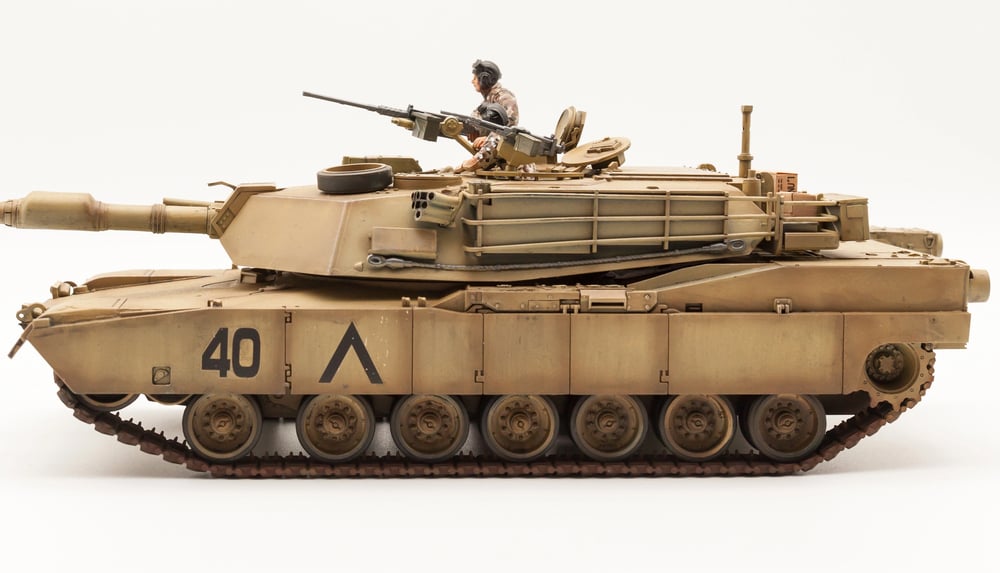
The M1 Abrams doesn’t negotiate. It settles arguments with a 120mm smoothbore cannon and moves on.
Since 1980, this 70-ton heavyweight has dominated battlefields with the kind of quiet confidence that comes from knowing no peer exists.
Humvee (HMMWV)
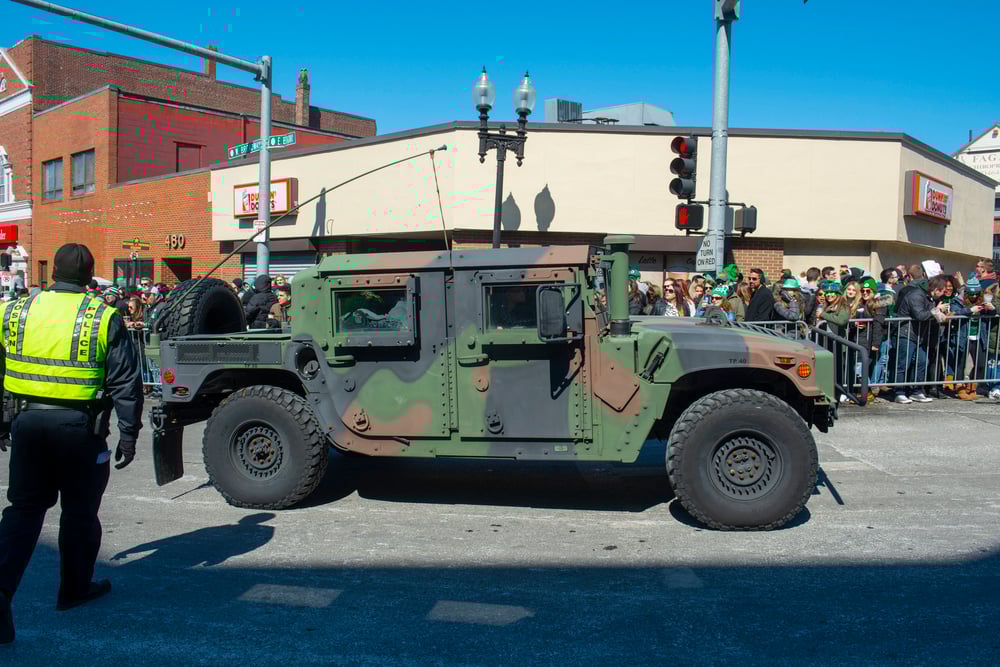
Here’s the thing about the Humvee that most people miss when they see the civilian Hummer version rolling through suburbia: the military variant was never designed to be comfortable, and it certainly wasn’t designed to be pretty (though beauty, as it happens, was never really the point when you’re replacing the aging jeep fleet with something that could haul more, climb steeper grades, and survive conditions that would leave lesser vehicles as expensive scrap metal scattered across whatever godforsaken landscape the mission happened to demand).
The High Mobility Multipurpose Wheeled Vehicle — because the military has never met an acronym it couldn’t love — became the Swiss Army knife of modern ground operations.
And yet, for all its versatility, the Humvee’s story is really about adaptation under fire, literally and figuratively, as insurgent warfare in Iraq and Afghanistan forced rapid evolution from a transport vehicle into something approaching a light armored car, complete with add-on armor kits that nobody had planned for but everybody desperately needed.
The vehicle that started as a utility truck ended up defining an entire generation’s understanding of what military mobility looked like, which is saying something when you consider how many different roles one chassis managed to fill — ambulance, weapons platform, communications hub, cargo hauler, and about fifteen other configurations that proved the original design team had stumbled onto something more flexible than they’d probably intended.
T-34 Soviet Tank
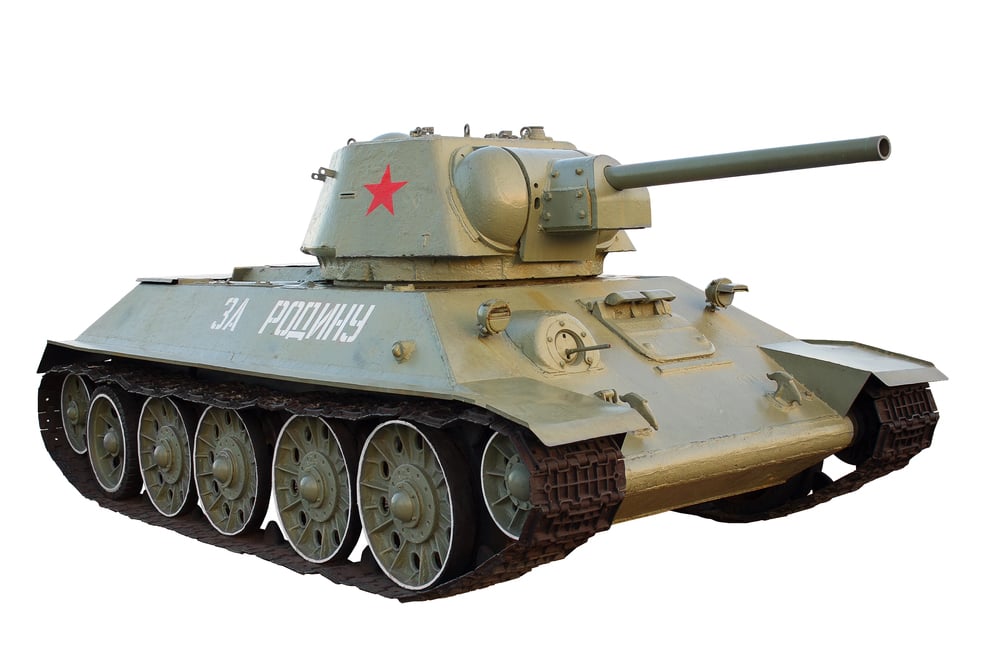
Think of the T-34 as the industrial revolution compressed into armor plating and set loose on the Eastern Front.
This wasn’t just a tank — it was mass production weaponized, Soviet engineering stripped down to its essential brutality and rolled out in numbers that made Nazi planners rethink their assumptions about Soviet manufacturing capacity.
The sloped armor wasn’t revolutionary, but it was revolutionary enough.
The 76mm gun wasn’t the biggest, but it was big enough.
The mechanical reliability wasn’t perfect, but it was perfect enough to keep running when German panzers broke down in Russian mud.
Sometimes adequate engineering deployed at overwhelming scale beats technical perfection deployed in limited quantities, and the T-34 proved that theorem across thousands of miles of contested territory.
Willys MB Jeep
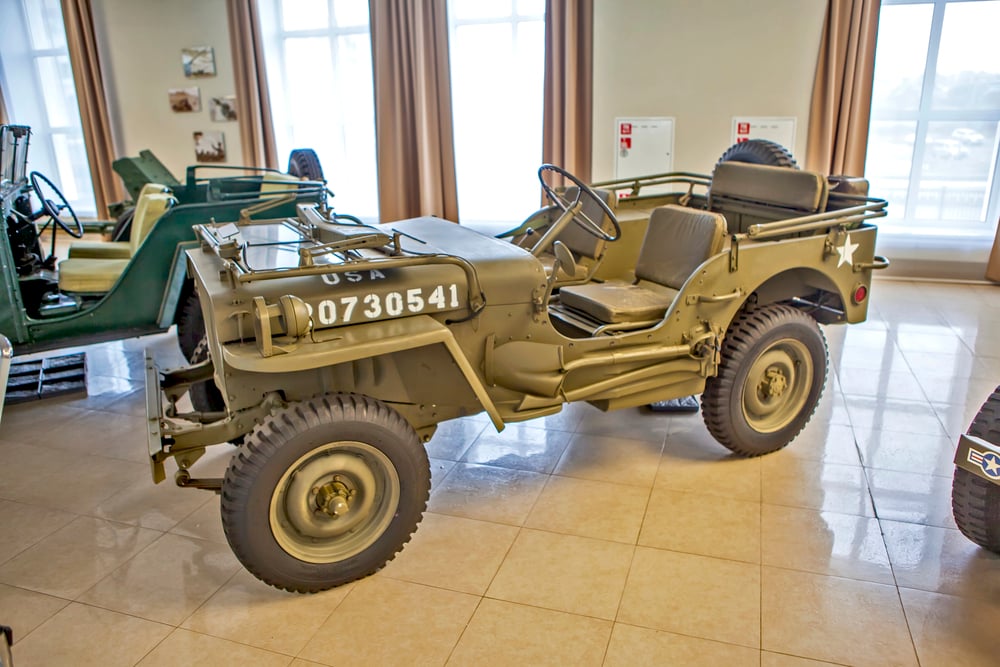
There’s something almost stubborn about the way the Willys MB refused to quit, like a small dog that doesn’t understand it’s supposed to be intimidated by larger animals.
This quarter-ton utility vehicle spent World War II proving that mobility and reliability often matter more than armor or firepower, which probably came as a surprise to planners who’d spent decades thinking about warfare in terms of bigger guns and thicker steel.
The jeep became the connective tissue of Allied operations — not the muscle or the skeleton, but the thing that kept everything else coordinated and supplied.
It carried messages, hauled ammunition, evacuated wounded soldiers, and performed about a thousand other unglamorous tasks that never made it into the heroic narratives but absolutely made victory possible.
Even Eisenhower admitted later that the Allies couldn’t have won without it, which is high praise for something that weighed less than most modern pickup trucks.
Sherman M4 Tank
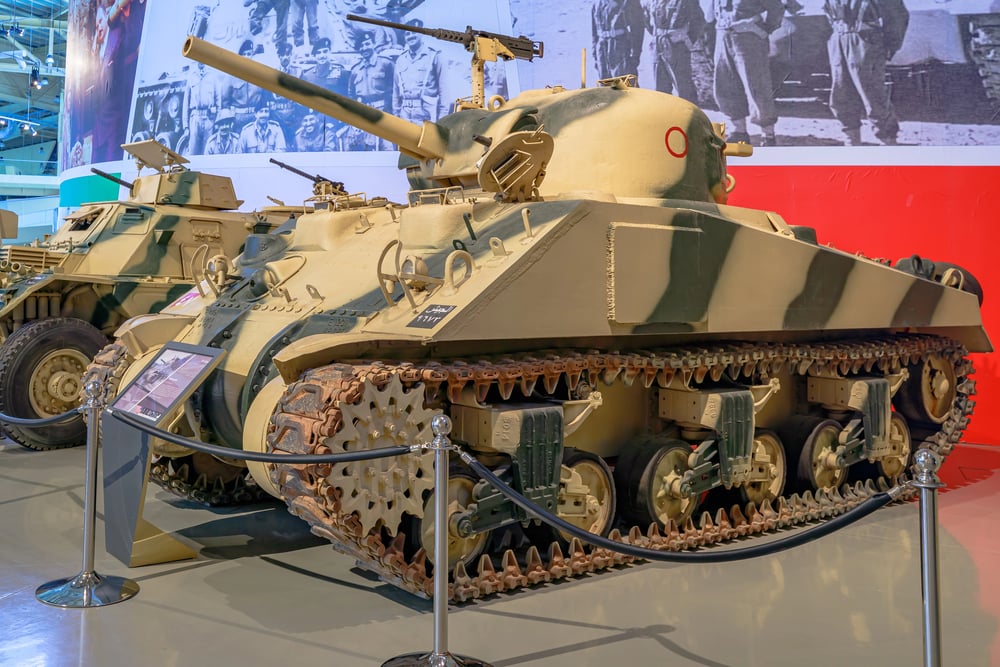
The Sherman gets dismissed as inadequate, which misses the entire point.
This medium tank wasn’t designed to win duels with German Panthers — it was designed to be produced in quantities that would make such duels irrelevant.
American industrial capacity turned the Sherman into a numbers game that Axis forces simply couldn’t match.
Sure, the armor was thin.
The gun was modest.
German crews called them “Tommy cookers” because they burned easily when hit.
But for every Sherman that burned, American factories built three more, and that arithmetic eventually decided the war in ways that superior German engineering couldn’t overcome.
Panzer IVv
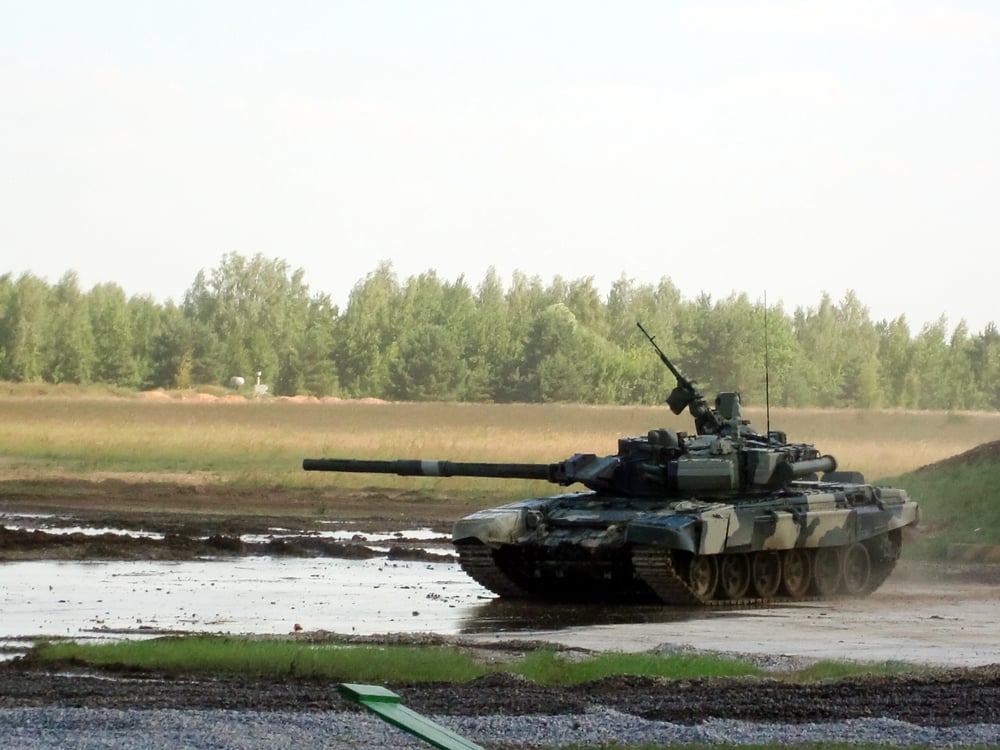
But if we’re talking about tanks that actually changed how armored warfare worked, the Panzer IV deserves more credit than it usually receives, partly because it gets overshadowed by the more famous (and more photogenic) Tigers and Panthers, but mostly because military historians have a tendency to focus on the dramatic rather than the practical — and the Panzer IV was relentlessly, effectively practical in ways that won battles even if they didn’t capture imaginations.
This was the workhorse of the German panzer divisions, the tank that carried the Wehrmacht through Poland, France, and the early stages of the Russian campaign when everything seemed to be going according to plan and German tactical doctrine looked unstoppable.
The Panzer IV started the war as a medium tank with a short-barreled 75mm gun designed for infantry support, but the war had other plans, and German engineers kept upgrading the design — longer gun, thicker armor, better optics — until it evolved into something that could hold its own against most Allied armor while remaining reliable enough for sustained operations across multiple theaters.
So the vehicle that began as a support weapon ended up defining what a main battle tank should look like, which explains why its basic silhouette influenced tank design for decades after the war ended.
LAV-25 Light Armored Vehicle
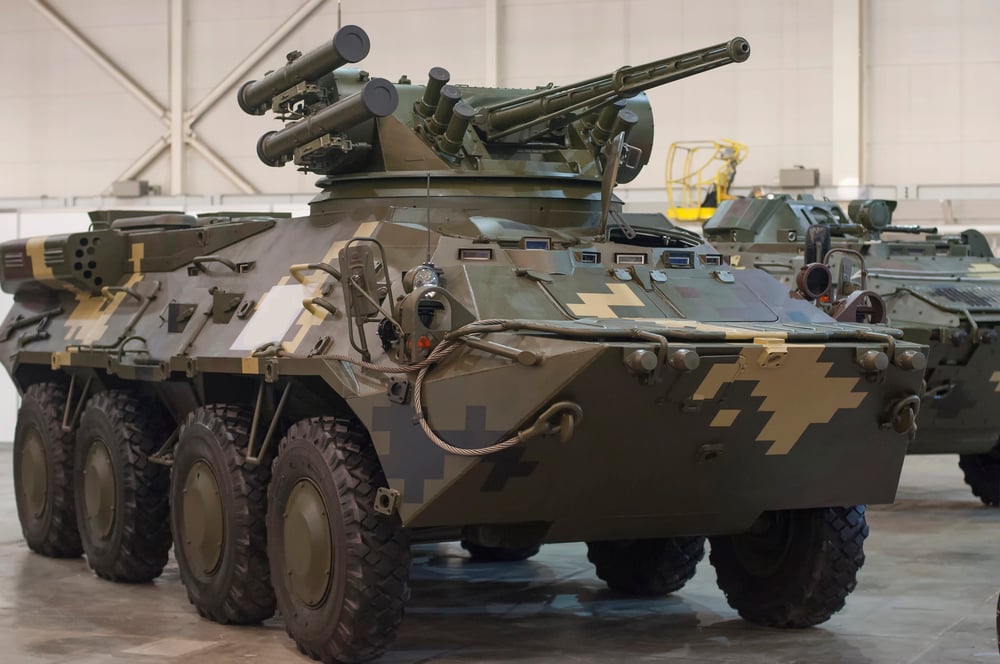
The LAV-25 represents that peculiar American talent for taking a good foreign idea and making it better through relentless iteration and field testing.
Based on the Swiss MOWAG Piranha, the Light Armored Vehicle became the Marine Corps’ answer to the question of how to move fast, hit hard, and get out before heavier enemy forces could respond.
Eight wheels instead of tracks.
A 25mm chain gun that could chew through light armor and fortifications.
Speed that made it nearly impossible to target effectively.
The LAV-25 redefined reconnaissance and rapid assault for an era when mobility began to matter more than raw protection, which turned out to be exactly the right bet for the kind of conflicts that followed the Cold War.
Bradley Fighting Vehicle
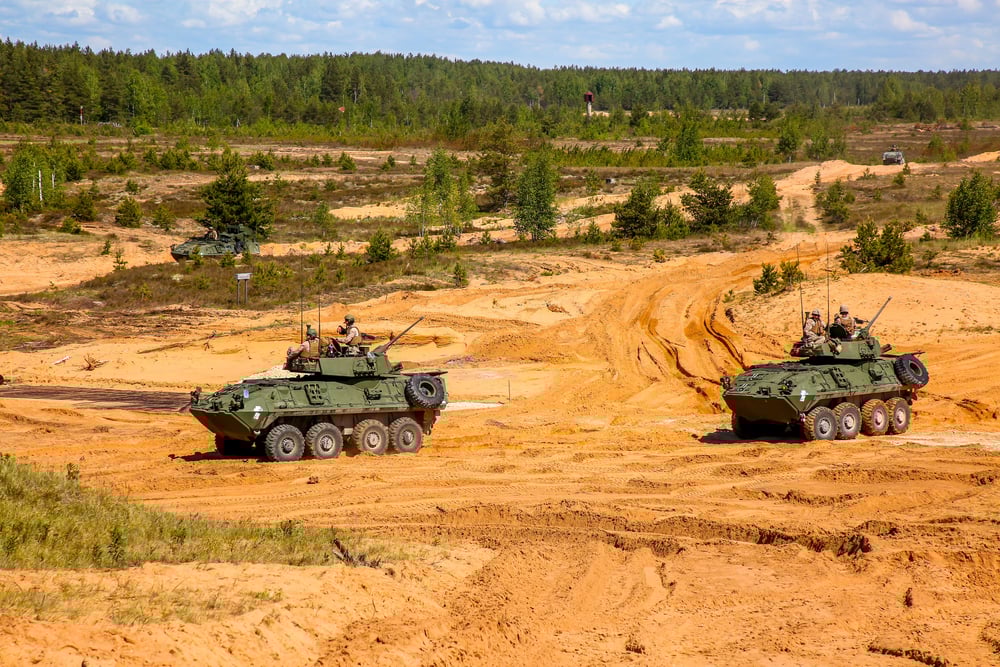
The Bradley Fighting Vehicle emerged from that uniquely American faith in technological solutions to tactical problems, the kind of optimistic engineering that believes you can build a vehicle that transports infantry, fights alongside tanks, scouts ahead of main forces, and provides fire support — all while keeping everyone inside reasonably safe from everything the other side might throw at it.
Critics called it a compromise that satisfied no mission particularly well, but critics tend to miss the point when the compromise actually works better than expected under real combat conditions.
The 25mm cannon proved more effective than anyone anticipated.
The TOW missile system gave it tank-killing capability that nobody saw coming.
The armor, while not tank-thick, turned out to be adequate for the threats it actually faced rather than the theoretical threats that kept Pentagon planners awake at night.
Sometimes a vehicle that does six things reasonably well serves better than a vehicle that does one thing perfectly, and the Bradley proved that theorem across multiple conflicts and terrain types.
Katyusha Rocket Launcher
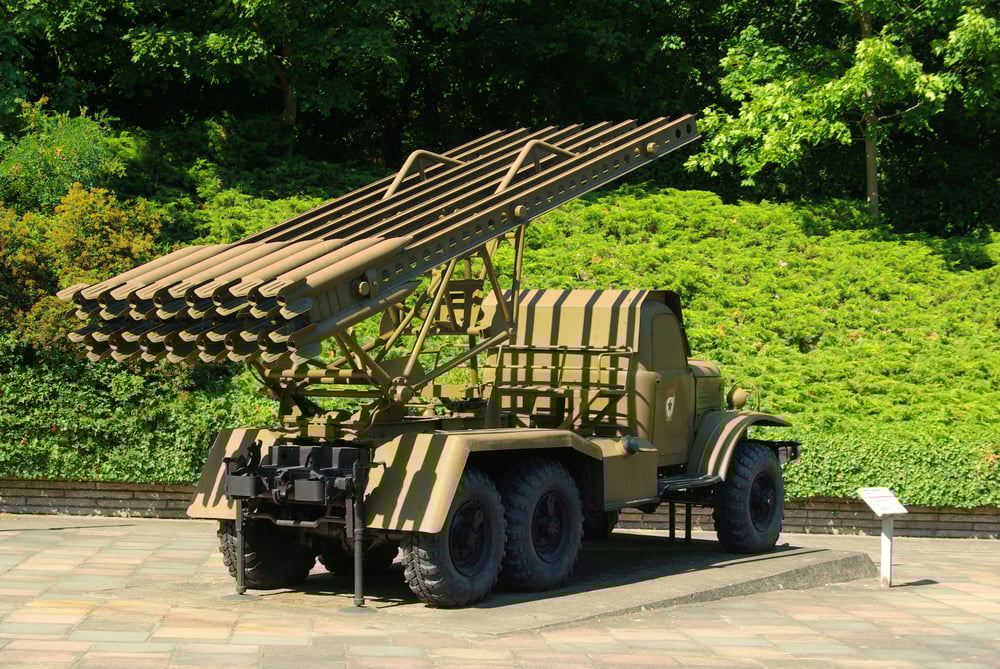
Picture the sound of sixteen rockets launching simultaneously from the back of a truck, and you begin to understand why German soldiers called them “Stalin’s organs.”
The Katyusha (BM-13) wasn’t precise, but precision was never the point.
Area saturation was the point, and psychological warfare was the point, and proving that Soviet industry could mount devastating firepower on chassis so simple that field mechanics could keep them running with basic tools.
The rockets themselves were crude.
The targeting system was essentially guesswork.
But when massed Katyusha batteries opened fire, accuracy became academic.
Everything in the target area ceased to exist, and the shrieking sound of incoming rockets broke enemy morale before the explosives finished the job.
Terror, it turned out, was just another form of ammunition.
M2 Half-Track
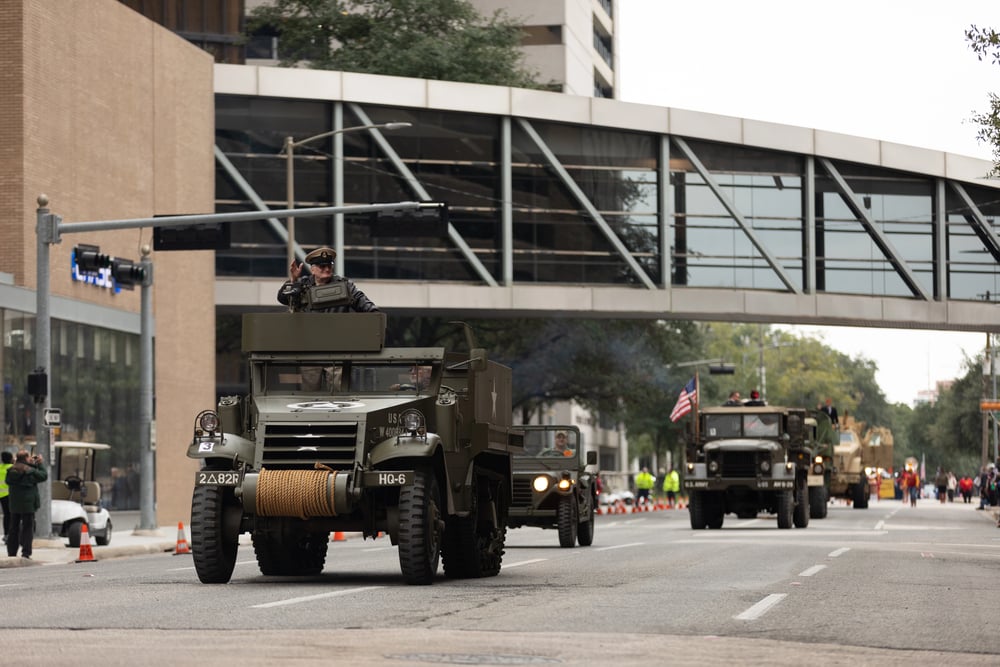
Here’s the curious thing about the M2 half-track: it looked like someone couldn’t decide between wheels and tank treads, so they split the difference and hoped for the best, which sounds like the kind of engineering compromise that should have failed spectacularly but instead created one of the most versatile platforms of World War II (the military, as it happens, has a long history of stumbling into successful designs while trying to solve completely different problems).
Front wheels for steering, rear tracks for traction — part truck, part tank, entirely practical for the kinds of missions that required more mobility than a tank but more protection than a jeep.
The half-track became the backbone of mechanized infantry operations, the vehicle that finally solved the problem of how to keep foot soldiers moving at the same pace as armor while providing enough protection to survive the journey from point A to point B without losing half the squad to small arms fire and shrapnel.
And yet the design itself was almost accidentally perfect, combining simplicity of operation with reliability under combat conditions, which explains why variations of the basic concept kept showing up in military inventories long after more sophisticated alternatives became available.
American production lines churned out over 40,000 units, and nearly every Allied nation found ways to incorporate them into their tactical doctrine, which suggests the half-track filled a gap that nobody had fully recognized until it got filled.
Sd.Kfz. 251 Hanomag
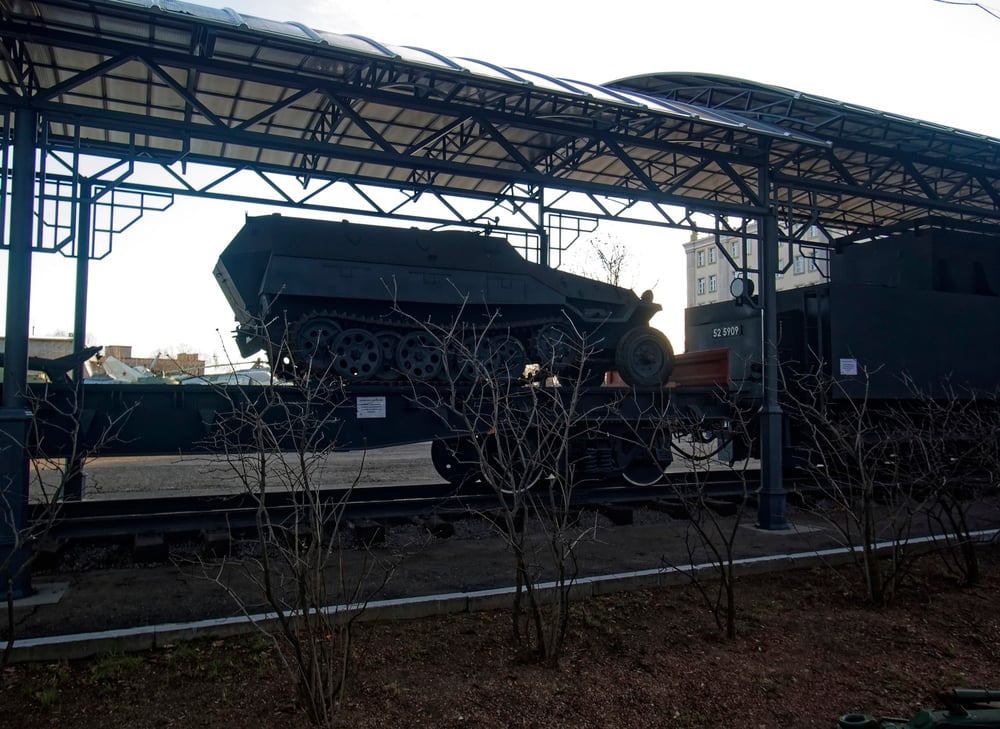
The German Sd.Kfz. 251 half-track represents everything methodical and thorough about Wehrmacht tactical thinking.
While other nations improvised, German engineers designed a purpose-built armored personnel carrier that would deliver panzergrenadiers to the battlefield intact and ready to fight.
The attention to detail was characteristic — sloped armor, multiple variants for different missions, mechanical reliability that matched the standards of German tank production.
This wasn’t just transportation.
This was the foundation of combined arms tactics that integrated infantry, armor, and artillery into coordinated strikes that overwhelmed defenders before they could organize effective resistance.
The 251 made blitzkrieg possible at the infantry level, which explains why its appearance on any battlefield usually meant serious trouble was about to unfold.
MRAP Vehicles
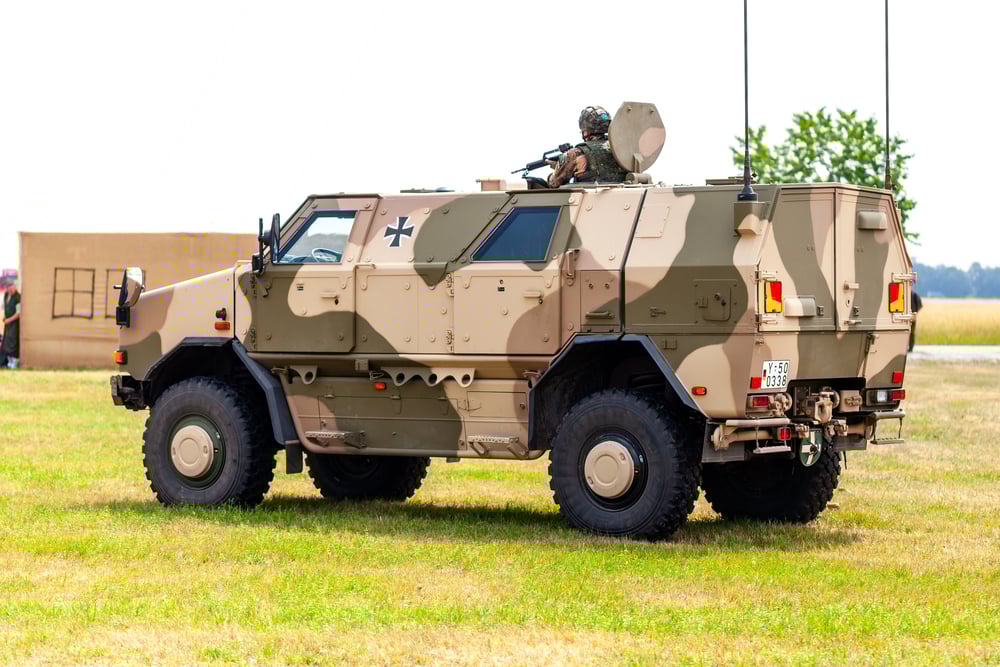
The MRAP program emerged from the kind of tactical necessity that no amount of peacetime planning could have anticipated, because peacetime planners generally assume that threats will look like previous threats, only slightly more advanced — and the improvised explosive devices that turned routine convoy operations in Iraq and Afghanistan into deadly gambles didn’t look like anything from the conventional warfare playbook that had guided vehicle design for decades.
Mine-Resistant Ambush Protected vehicles represented a crash course in adapting to asymmetric warfare, the kind of rapid evolution that happens when soldiers start dying from threats that existing equipment wasn’t designed to handle.
The V-shaped hulls deflected blast energy away from the crew compartment.
The elevated ground clearance reduced the impact of buried explosives.
The heavy armor provided protection against small arms fire and shrapnel that could penetrate lighter vehicles.
But the real innovation was speed — not the speed of the vehicles themselves, which were actually quite slow and cumbersome, but the speed with which military procurement adapted to field requirements and delivered solutions that actually worked rather than solutions that looked good in PowerPoint presentations.
So what started as an emergency response to a specific threat became a permanent addition to military vehicle inventories, which suggests that asymmetric warfare isn’t going away and traditional assumptions about battlefield mobility might need permanent revision.
Stryker Infantry Carrier Vehicle
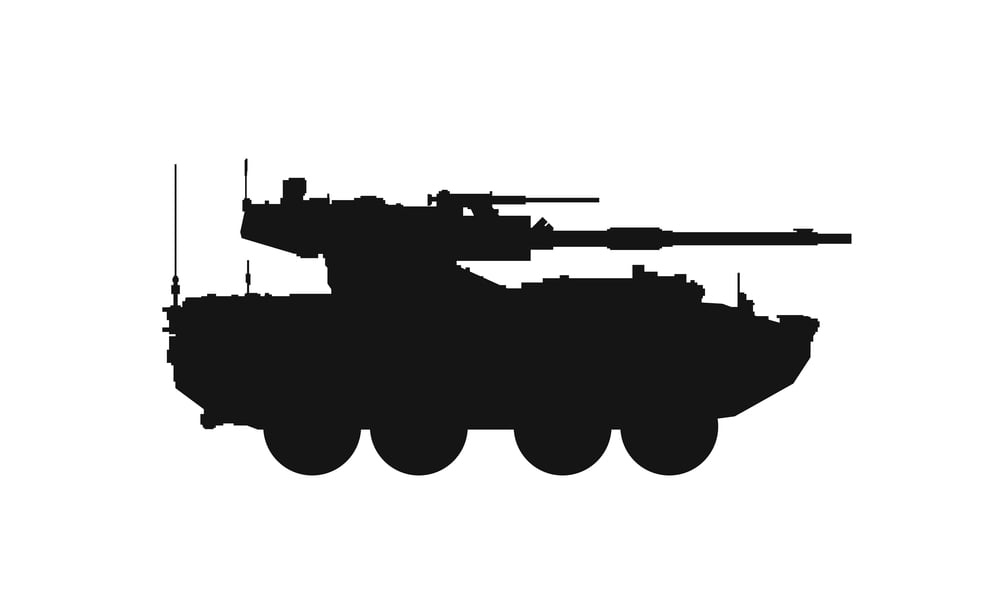
The Stryker represents that perpetual military balancing act between protection and mobility, the eternal search for a vehicle that can survive contact with the enemy while moving fast enough to avoid prolonged contact in the first place.
Eight wheels, advanced electronics, modular armor — the Stryker was designed for rapid deployment and urban warfare, missions that required different solutions than the tank-on-tank battles that had dominated military thinking since World War II.
Critics complained it was too light for serious combat, too heavy for rapid deployment, too complex for field maintenance.
Critics missed the point.
The Stryker wasn’t designed to replace tanks or light trucks — it was designed to fill the gap between them, providing commanders with options that hadn’t existed before.
Sometimes the best solution isn’t the perfect solution, just the solution that works when other options don’t fit the mission requirements.
BMP-1 Infantry Fighting Vehicle
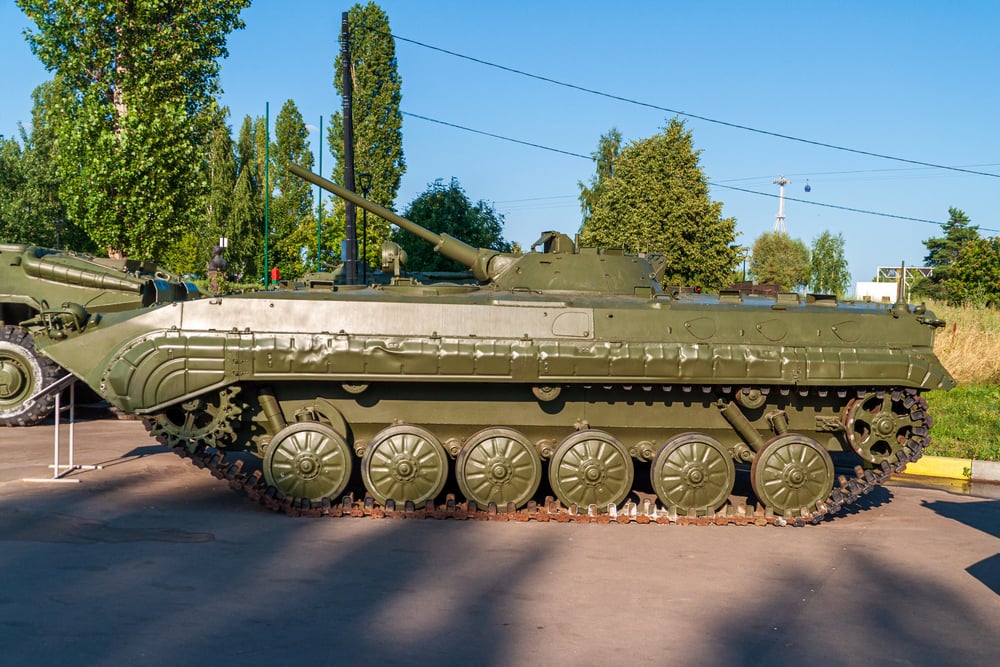
The BMP-1 changed everything, though it took Western military analysts several years to understand exactly what had changed.
This wasn’t just an armored personnel carrier — it was a fighting vehicle that could transport infantry and engage enemy armor with the same 73mm gun that could penetrate most NATO vehicles of the era.
Soviet doctrine had produced something that Western planners hadn’t seen coming.
The concept was revolutionary: infantry that traveled in vehicles capable of independent combat operations.
No more dismounting hundreds of meters from the objective.
No more choosing between protection and firepower.
The BMP-1 delivered both, along with amphibious capability that made river crossings tactical opportunities rather than logistical nightmares.
Western armies scrambled to develop comparable systems, which is usually the best indication that someone else got there first.
Where Steel Meets History
These machines didn’t just carry soldiers into battle — they redefined what battle could look like.
Each one arrived at a moment when warfare needed to evolve, and each one pushed that evolution in directions that strategists and engineers are still exploring today.
The tank that dominated the Eastern Front, the truck that defined American logistics, the rocket launcher that broke enemy morale — they became more than military equipment.
They became the tools that shaped the modern world, one conflict at a time.
More from Go2Tutors!

- The Romanov Crown Jewels and Their Tragic Fate
- 13 Historical Mysteries That Science Still Can’t Solve
- Famous Hoaxes That Fooled the World for Years
- 15 Child Stars with Tragic Adult Lives
- 16 Famous Jewelry Pieces in History
Like Go2Tutors’s content? Follow us on MSN.



