15 Things Kids In The 90s Did That Would Shock Parents Today
The 1990s existed in a different universe of parenting. A time when helicopter moms hadn’t been invented yet and the phrase “stranger danger” was more of a gentle suggestion than a commandment carved in stone.
Kids roamed neighborhoods like small, unsupervised explorers, and parents somehow managed to sleep at night without GPS tracking their every move. Looking back, it’s remarkable how much independence children had — and how much trust the world seemed to have in return.
Walking To School Alone
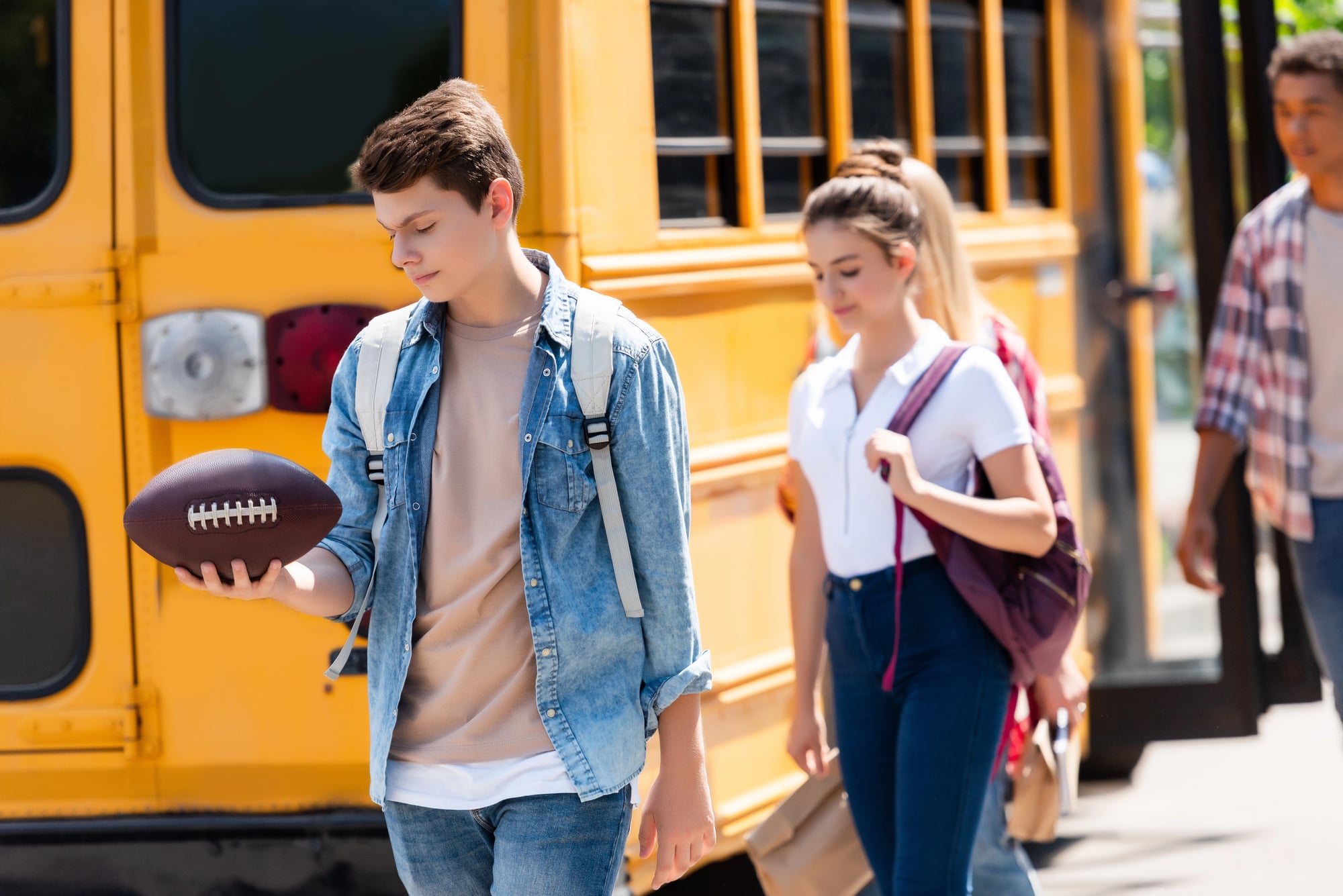
Seven-year-olds trudged to school by themselves. No parent escort, no carpool coordination, no elaborate safety protocols.
Just a backpack, maybe some lunch money, and the understanding that they’d figure it out.
Riding Bikes Without Helmets
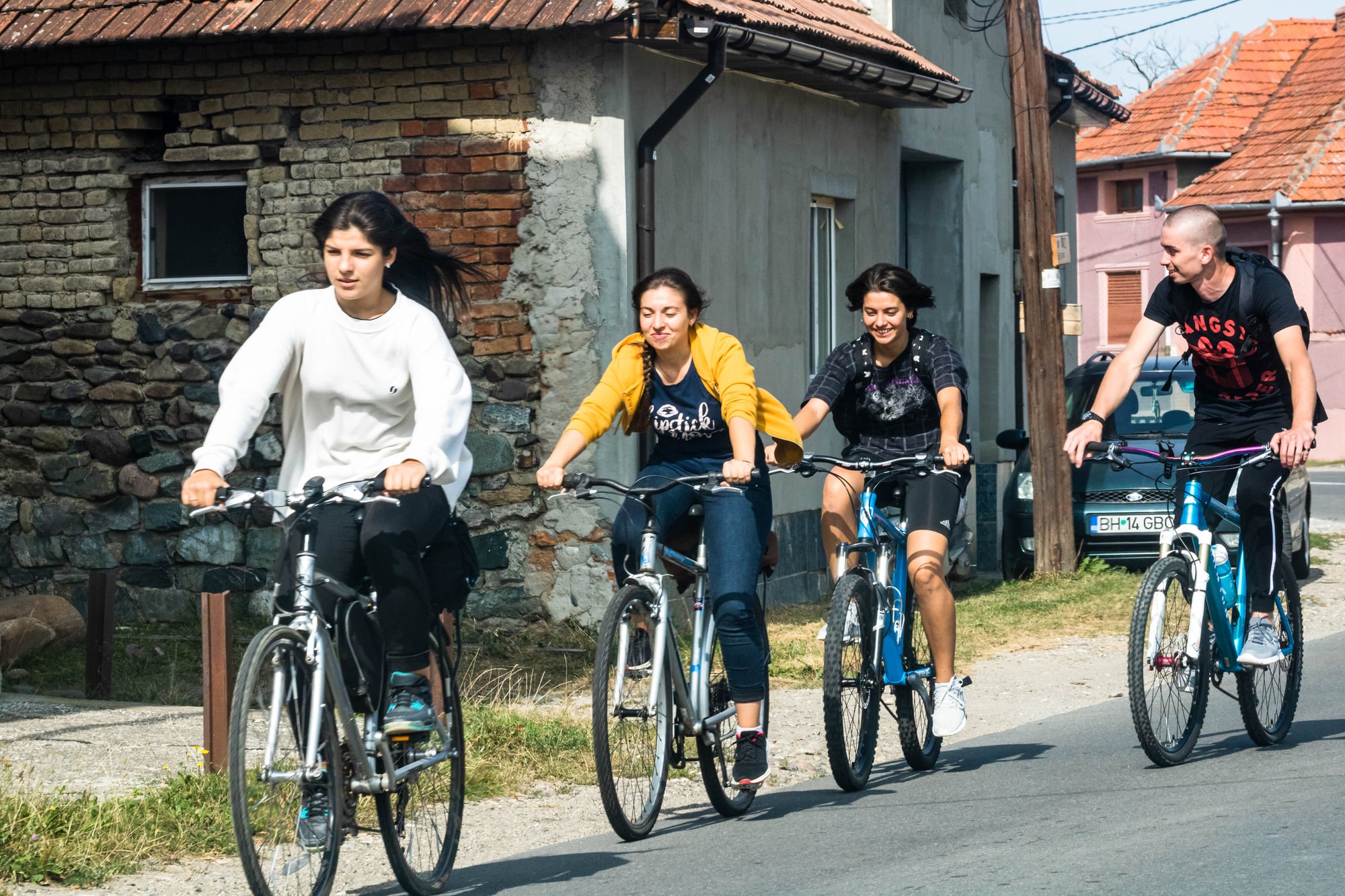
This one hits different when you think about it, because parents back then weren’t careless — they just had a completely different relationship with risk (and frankly, so did insurance companies). Kids would hop on bikes and disappear for hours, hair flying behind them like small, carefree flags, navigating streets and trails with nothing but their developing sense of balance between them and concrete.
And yet, somehow, most of them survived to become the same parents who now won’t let their children walk to the mailbox unsupervised. The irony writes itself.
Drinking From Garden Hoses

There’s something almost ritualistic about the way a thirsty kid in the 90s would approach a garden hose coiled in someone’s driveway. The first blast always tasted like rubber and whatever mysterious chemicals had been soaking in the sun-baked plastic, but desperation made it nectar.
No one questioned what might be growing inside those hoses or whether the water was filtered. Hydration was hydration, and garden hoses were public fountains that happened to live in people’s yards.
Being Completely Unreachable For Hours

Parents had no idea where their kids were half the time. None.
The arrangement was beautifully simple: leave after breakfast, come home when the streetlights turned on, and try not to end up in the emergency room. No cell phones, no tracking apps, no hourly check-ins.
Playing Outside Until Dark Without Adult Supervision
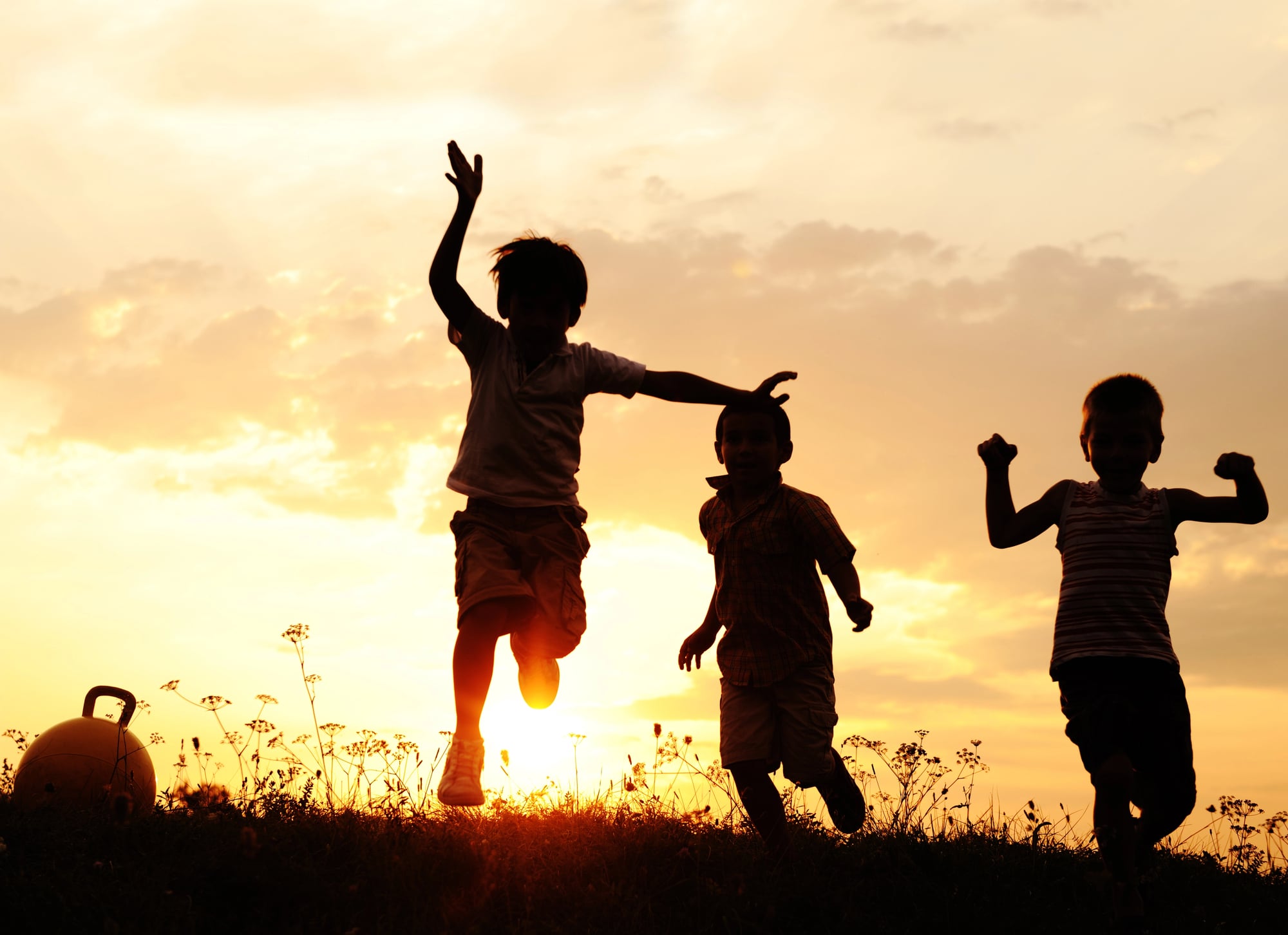
The concept of constant adult supervision would have seemed bizarre and (frankly) a little insulting to kids who spent entire summer days constructing elaborate adventures in vacant lots, abandoned buildings, and patches of woods that probably had “No Trespassing” signs nobody bothered to read. Parents understood something that seems to have gotten lost: that children need space to make their own mistakes, negotiate their own conflicts, and discover their own limits — and that the best way to learn those things was often far away from watchful adult eyes correcting every misstep before it happened.
So kids learned to settle disputes without mediation, to navigate social dynamics without coaching, and to entertain themselves without structured activities planned by committees of well-meaning grown-ups.
Trick-or-Treating Without Parent Supervision
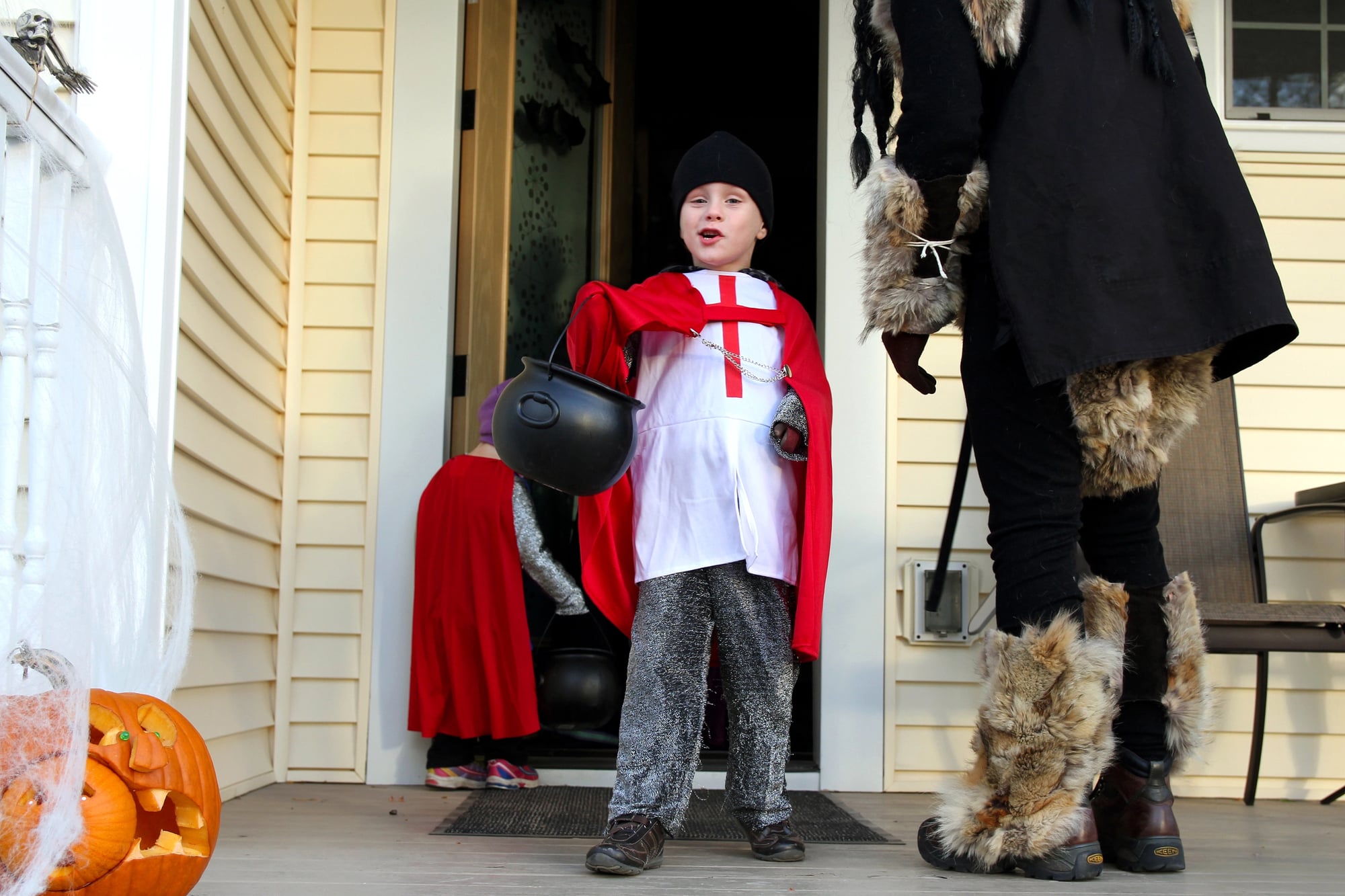
Halloween meant grabbing a pillowcase and hitting the neighborhood solo. Parents stayed home to hand out candy, trusting that their costumed offspring would return eventually with enough sugar to power a small village.
Nobody inspected candy with the thoroughness of a bomb squad.
Watching Movies With No Age Restrictions

Kids rented whatever looked interesting at Blockbuster. PG-13 ratings were treated more like gentle suggestions than actual guidelines, and parents figured that if a movie was traumatic enough to cause lasting damage, they’d hear about it eventually.
The result was a generation raised on films that probably weren’t meant for them, and somehow they turned out fine.
Playing In Construction Sites And Abandoned Buildings
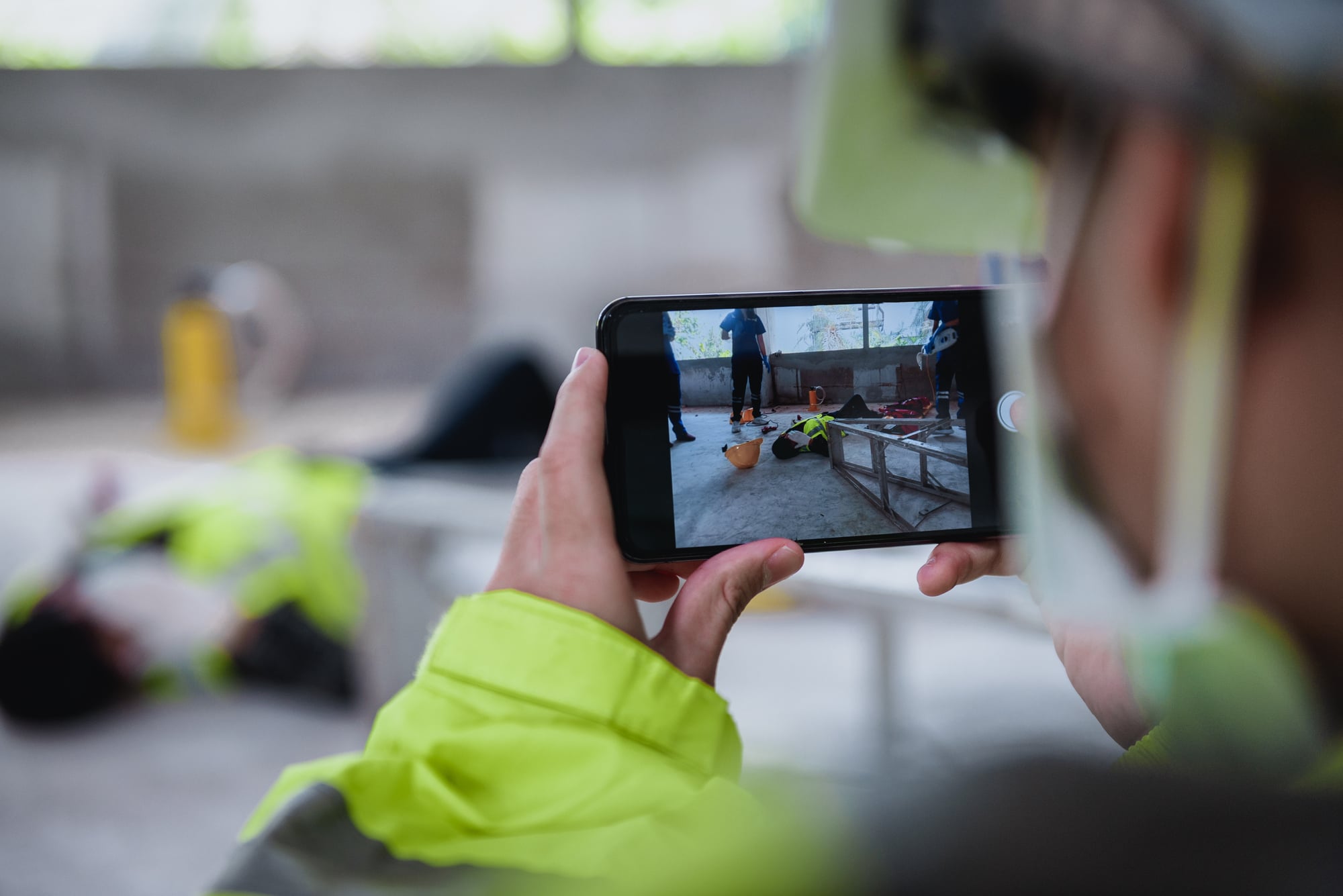
Empty lots and half-finished houses were basically public playgrounds (at least, that’s how kids saw it, and most adults seemed to agree through their strategic lack of interference). There’s something magnetic about a place that’s been left unfinished — it invites completion through imagination in ways that perfect, polished spaces never can.
Kids would spend hours in these forgotten places, turning concrete foundations into castles and exposed beams into jungle gyms, creating entire worlds in spaces that adults had temporarily abandoned. The danger was part of the appeal, but not in a reckless way — more like a recognition that the best adventures always carried a small element of the unknown.
Riding In Cars Without Seatbelts

Seatbelt laws existed, but enforcement was relaxed and compliance was optional. Kids bounced around backseats like pinballs during family road trips.
Station wagons had those rear-facing seats that would be considered death traps today, and children fought over who got to ride backwards and wave at other cars.
Using Pay Phones And Memorizing Phone Numbers
Every kid had at least five phone numbers burned into their brain (which is more impressive than it sounds, considering how much effort it took to dial those rotary phones that some houses still had hanging in their kitchens). Pay phones were scattered around towns like small communication outposts, and knowing how to use them was as essential as knowing how to tie your shoes — because when you needed to call home from the mall or the movie theater or wherever your adventures had taken you, those grimy plastic handsets were your only connection to the adult world.
And yet there was something deeply satisfying about having that information stored in your actual memory rather than outsourced to a device, even if it meant occasionally having to redial because you’d mixed up the last two digits.
Going To The Mall Alone
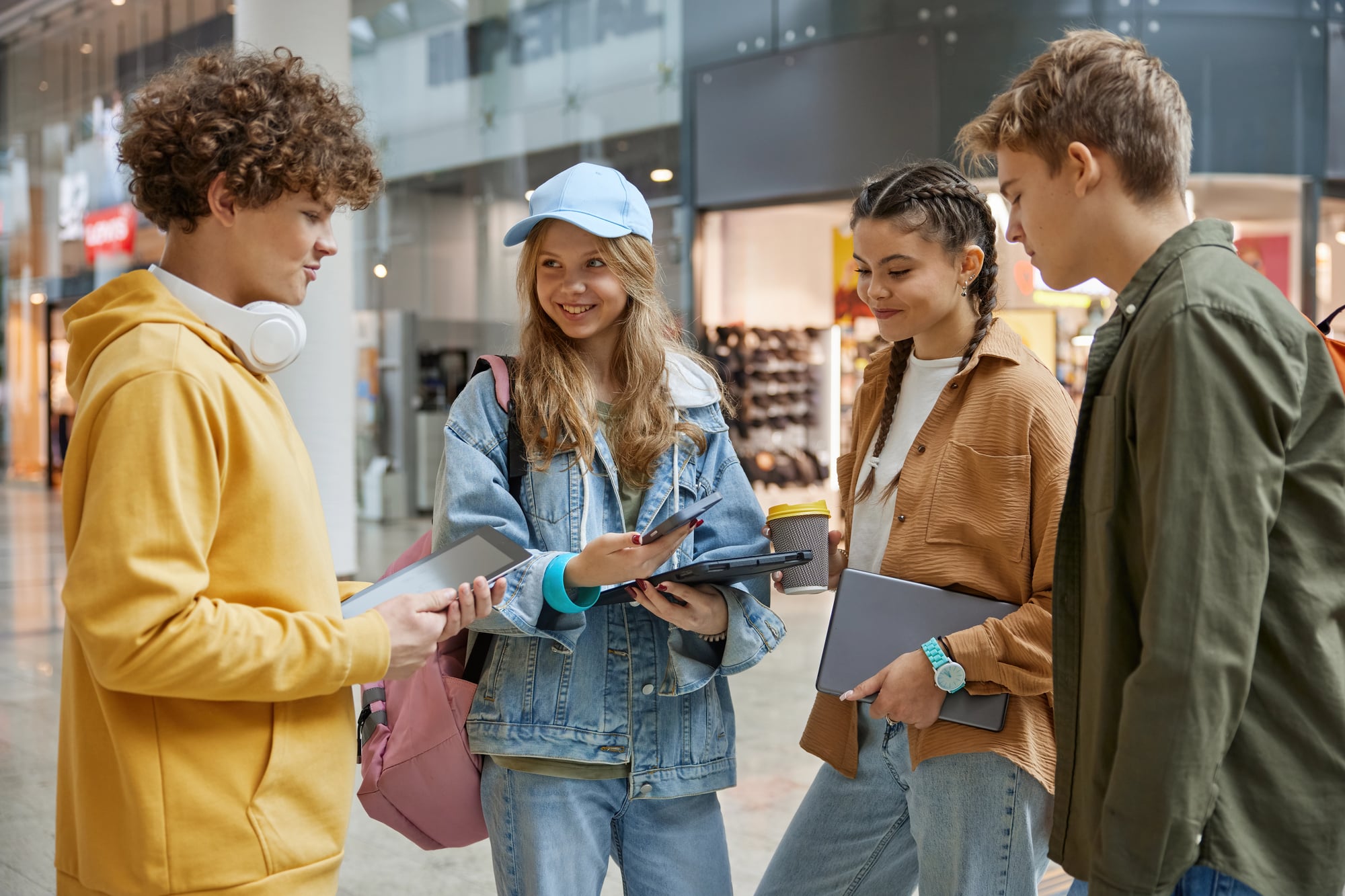
Twelve-year-olds would get dropped off at the mall with twenty dollars and instructions to call when they needed pickup. No adult supervision, no scheduled activities, just hours of wandering through Spencer’s, trying on clothes they couldn’t afford, and perfecting the art of looking busy when mall security walked by.
Eating Questionable Food Without Labels

Food allergies were either rare or rarely diagnosed — nobody seemed entirely sure which. Kids ate peanut butter sandwiches next to each other without hazmat protocols.
School lunches contained mysterious meat products that would require FDA hearings today. Gas station snacks had ingredient lists that read like chemistry experiments, and everyone survived.
Playing Contact Sports Without Equipment

Neighborhood football games meant tackling each other on concrete and calling it character building. No helmets, no pads, no liability waivers — just kids throwing themselves at each other with the confidence that bones heal and bruises fade.
Basketball courts had chain nets and asphalt surfaces that left permanent scars on anyone brave enough to dive for loose orbs.
Walking To Stores And Making Purchases

Eight-year-olds would walk to corner stores with crumpled dollar bills, buy candy, and walk home without anyone questioning whether they should be out shopping unsupervised (because corner store owners had better things to do than interrogate every kid who wanted to buy a Snickers bar, and parents had enough faith in both their children and their community to assume things would work out fine).
The transaction was simple: money for goods, no questions asked, no parental approval required for purchases that wouldn’t fund anything more dangerous than a sugar rush. And there was something empowering about that kind of economic independence, even if the economy in question was built entirely on allowance money and birthday cash.
Having Sleepovers Without Background Checks

Parents would drop their kids off at houses where they’d met the other parents maybe once, if at all. No extensive vetting process, no safety inspections, no emergency contact protocols.
The assumption was that most adults could be trusted to keep children alive overnight, and that assumption generally proved correct.
A Different Kind Of Childhood

Those days feel like artifacts from a more trusting time, when the world seemed smaller and safer, or at least when people acted like it was. The freedom that 90s kids took for granted would give modern parents nightmares, but it also produced a generation that learned independence early and carries those lessons forward.
Whether today’s hyper-supervised approach produces better outcomes remains to be seen, but there’s something to be said for a childhood spent figuring things out without a safety net.
More from Go2Tutors!

- The Romanov Crown Jewels and Their Tragic Fate
- 13 Historical Mysteries That Science Still Can’t Solve
- Famous Hoaxes That Fooled the World for Years
- 15 Child Stars with Tragic Adult Lives
- 16 Famous Jewelry Pieces in History
Like Go2Tutors’s content? Follow us on MSN.