16 Foods Invented By Complete Accident
Sometimes the best discoveries happen when nobody’s trying to discover anything at all. A chef burns something, a scientist forgets about an experiment, or someone just gets distracted at exactly the right moment — and suddenly the world has a new favorite food.
These accidents shaped how we eat today, proving that mistakes in the kitchen can be more valuable than careful planning.
Chocolate Chip Cookies
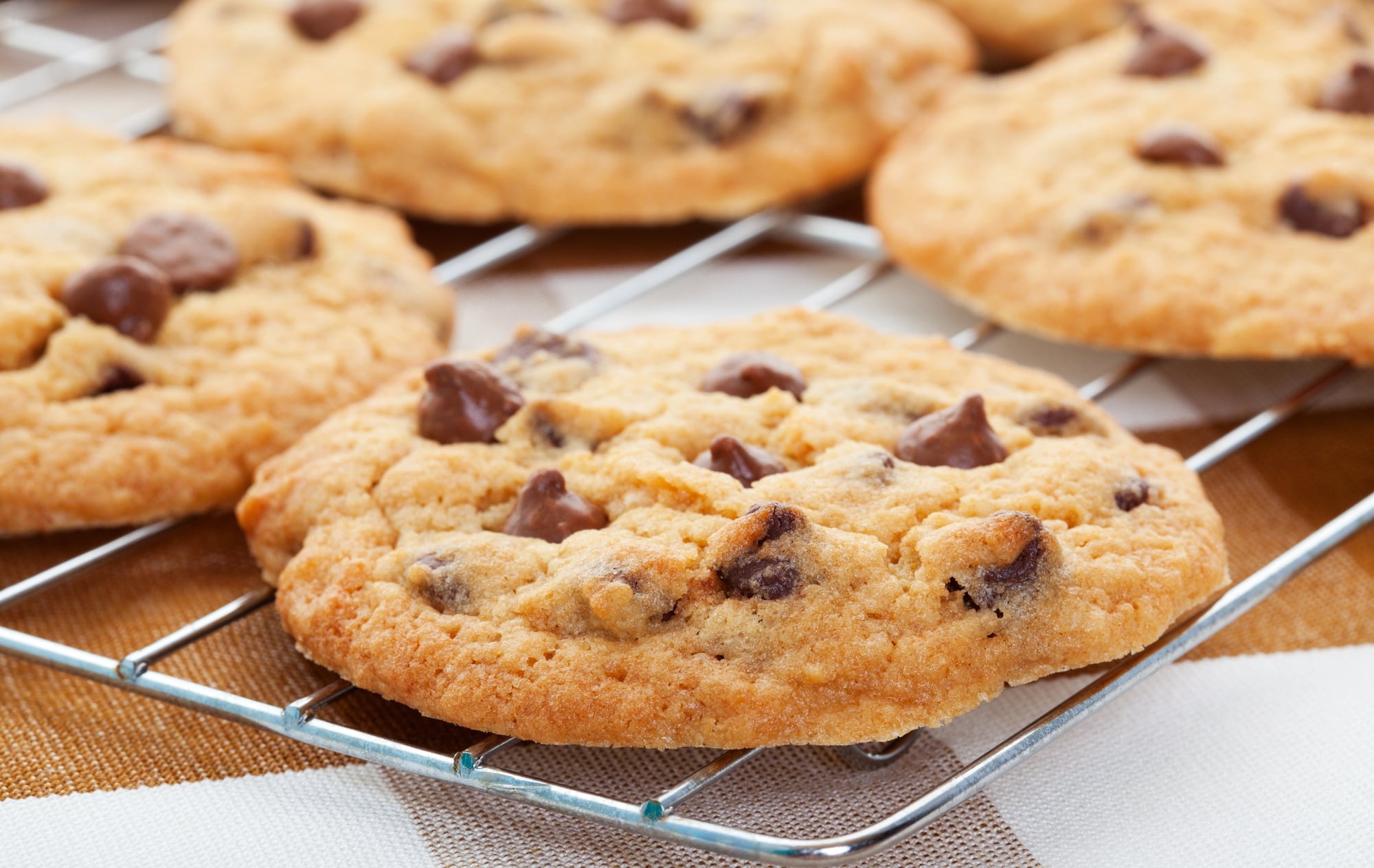
Ruth Wakefield didn’t set out to change American desserts forever when she was baking at her Toll House Inn in 1938. She ran out of baker’s chocolate for her butter cookies and figured chopped-up Nestlé semi-sweet chocolate would melt and distribute evenly throughout the dough.
It didn’t melt.
The chunks stayed intact, creating something entirely different from what she intended — and infinitely better than what she was originally making.
Popsicles
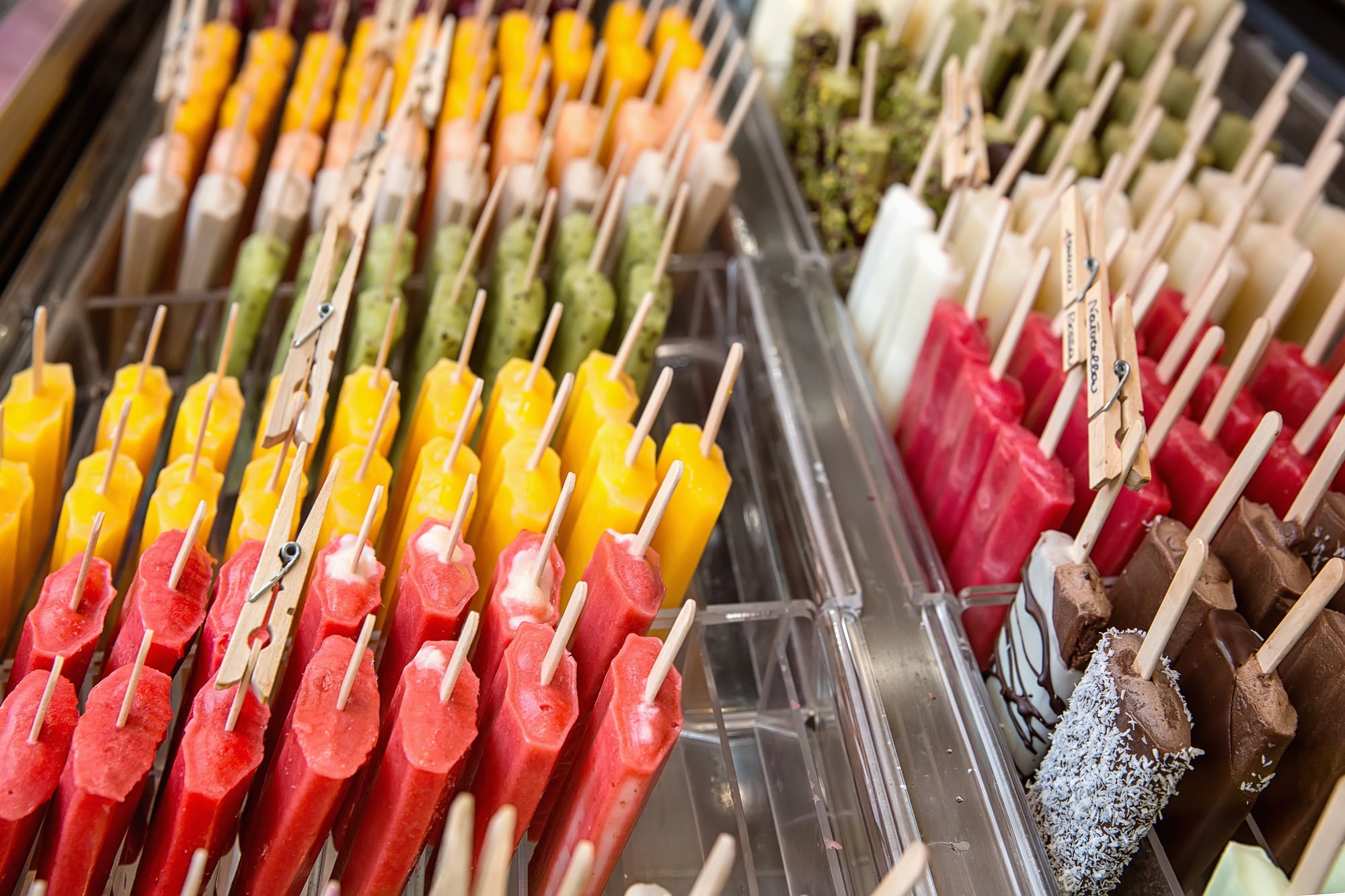
An 11-year-old boy named Frank Epperson left a cup of powdered soda mix and water on his porch overnight in 1905, with the stirring stick still in it. The temperature dropped, and when he woke up the next morning (because this is the kind of thing that happens when you’re 11 and forget things on porches), he found the world’s first popsicle stuck to the stick.
He called it the “Epsicle” at first, which sounds less appealing than what came later.
Years later, when his own children started calling it “Pop’s sicle,” the name that stuck wasn’t the one he originally chose.
The beauty of this accident lies not just in the frozen treat itself, but in how it captured something essential about childhood: the way simple mistakes can turn into small wonders, especially when nobody’s watching too carefully and the weather cooperates just enough to transform forgetfulness into discovery.
Nachos
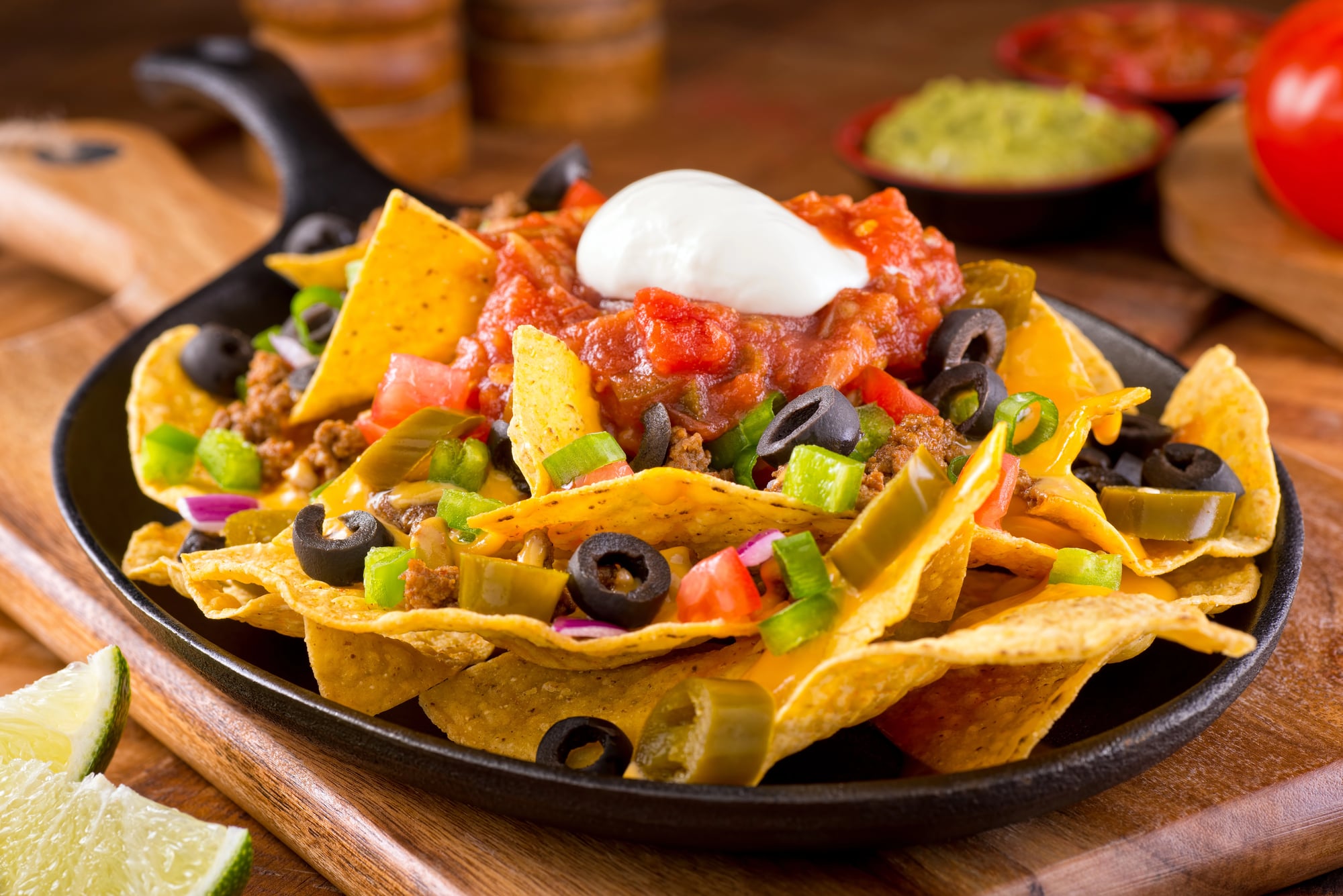
Ignacio “Nacho” Anaya faced a problem that restaurant owners know well — hungry customers showing up when the kitchen was basically closed. A group of American military wives crossed the border into Piedras Negras, Mexico, in 1943, looking for a snack after regular dinner hours.
Anaya had tortilla chips, cheese, and jalapeños. He melted the cheese over the chips, added the peppers, and served what he had.
The dish took his nickname. Sometimes the best solutions come from having fewer options, not more.
Champagne

Dom Pérignon gets credit for perfecting champagne, but he wasn’t trying to make it bubbly in the first place. French winemakers in the Champagne region kept dealing with fermentation that wouldn’t behave properly — the cold winters would halt the process, then warm springs would restart it, creating carbon dioxide bubbles that most winemakers considered a flaw.
But some of those bubbles tasted better than the flat wine they were supposed to be making.
So they stopped fighting the process and started encouraging it.
Potato Chips
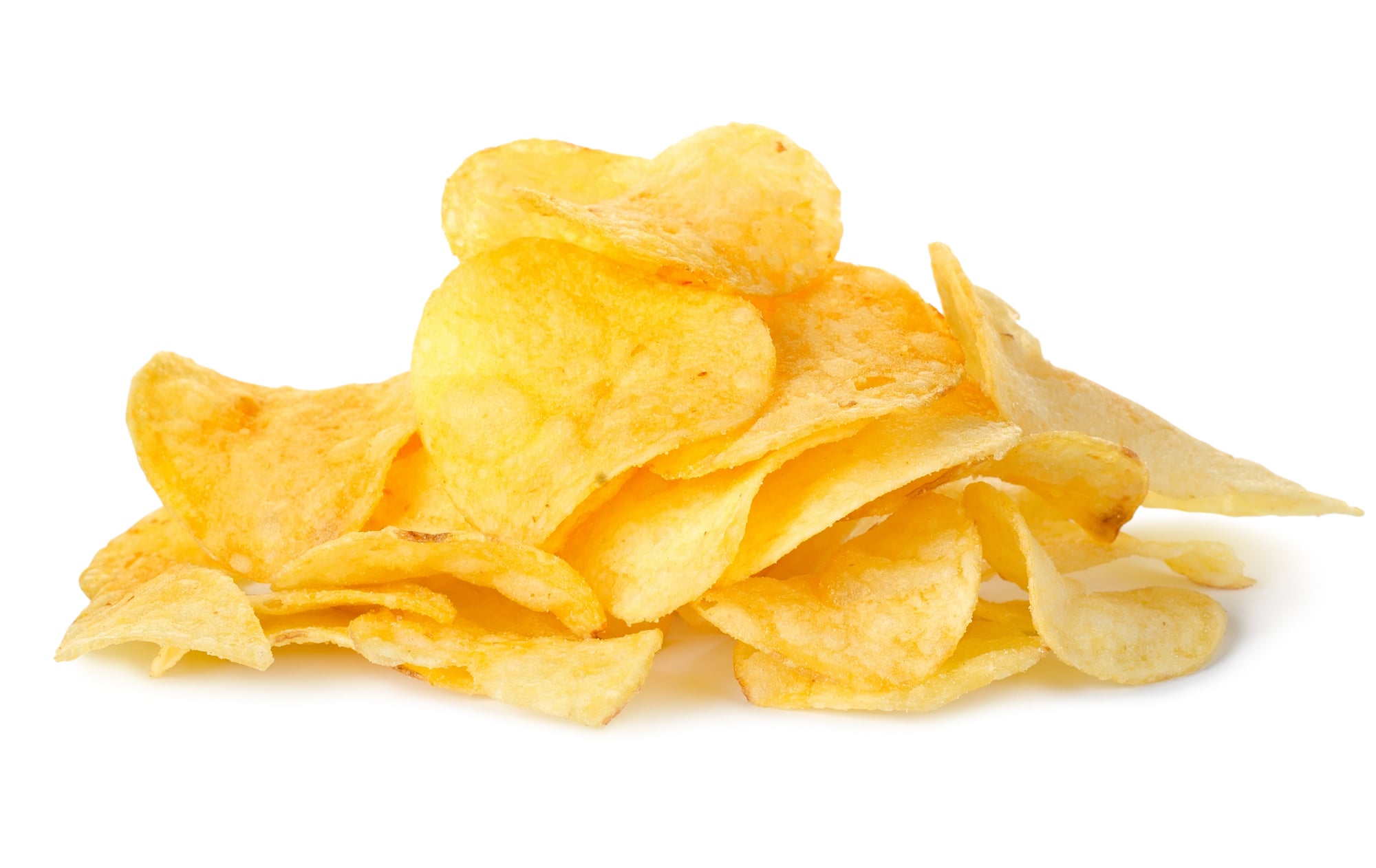
George Crum got annoyed, which led to one of America’s most popular snacks. A customer at his restaurant in Saratoga Springs kept sending back his fried potatoes, complaining they were too thick and not salty enough.
So Crum sliced the next batch paper-thin, fried them until they were too crispy to cut with a fork, and loaded them with salt — basically making them impossible to eat the way the customer wanted (because spite in the kitchen can be creative like that, and sometimes what starts as a chef’s irritation ends up on grocery store shelves a century later).
The customer loved them.
Crum had stumbled onto something stubborn and perfect: a food that refused to be eaten politely and somehow became irresistible precisely because of that refusal.
Ice Cream Cones
The 1904 World’s Fair in St. Louis created the right conditions for accidents to happen. An ice cream vendor ran out of bowls on a hot day — which is exactly the kind of problem you don’t want when you’re selling cold things to crowds of people.
Next to him, a waffle maker wasn’t having the same rush.
They paired up out of necessity. The waffle maker rolled his waffles into cone shapes, the ice cream vendor filled them, and suddenly dessert became portable.
Fair enough.
Corn Flakes
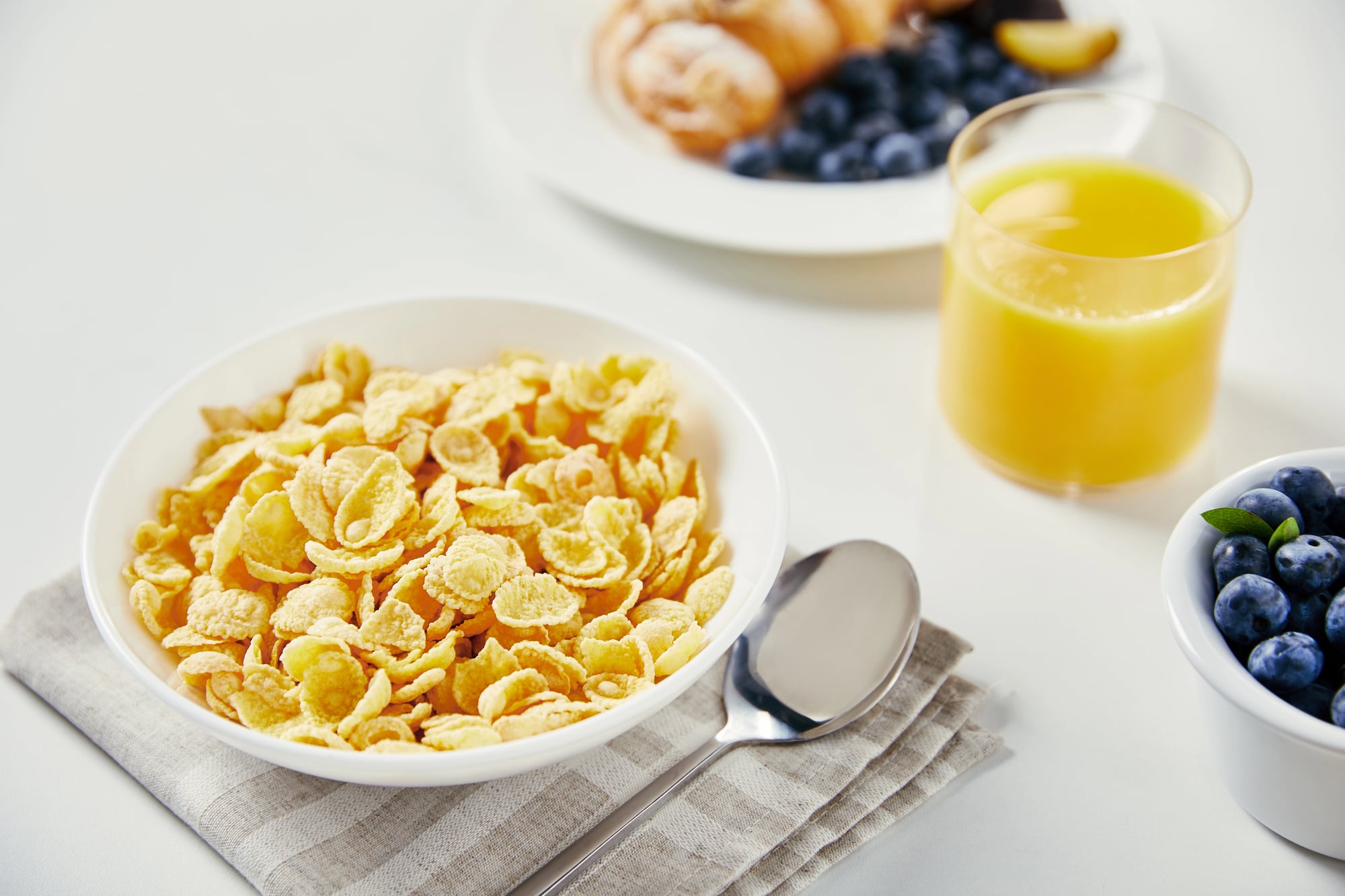
John Harvey Kellogg was running a health sanitarium and trying to create a digestible bread substitute for his patients. He and his brother Will left some cooked wheat sitting out too long — it went stale, but they decided to run it through rollers anyway rather than waste it.
Instead of forming sheets like fresh wheat would, the stale wheat flaked apart.
They toasted the flakes and served them with milk.
The patients preferred this accident to the bread they’d been working on.
Sandwiches
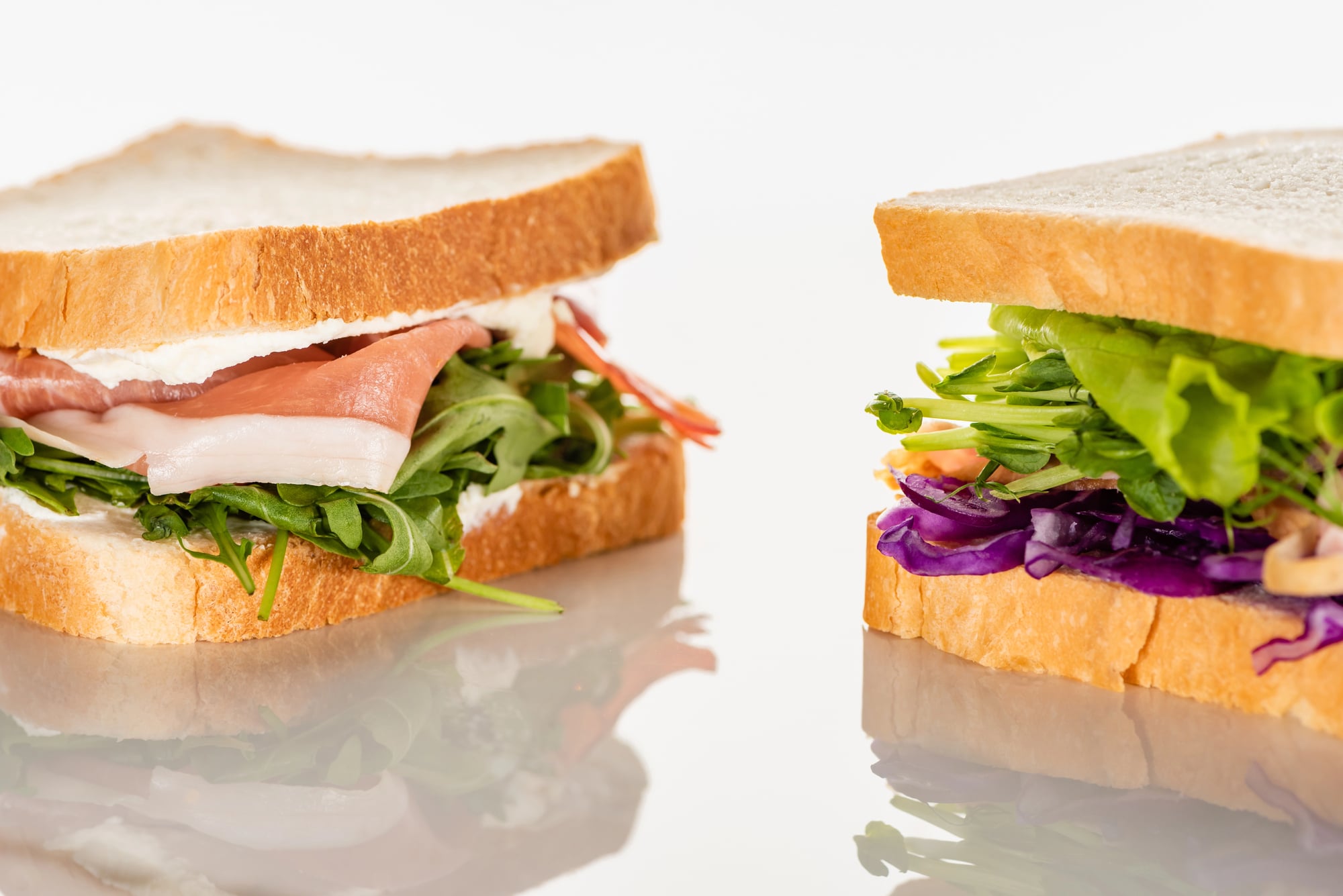
The Earl of Sandwich had a gambling problem, which turned into everyone else’s convenience food solution. He spent long hours at the card table and didn’t want to stop playing to eat proper meals with utensils — that would mean putting down his cards, and apparently the stakes were too high for that kind of interruption.
So he asked his servants to put roast beef between two pieces of bread so he could eat with one hand and keep playing with the other.
Other players started asking for “the same as Sandwich,” and the name stuck to the food instead of staying with the person.
Worcestershire Sauce
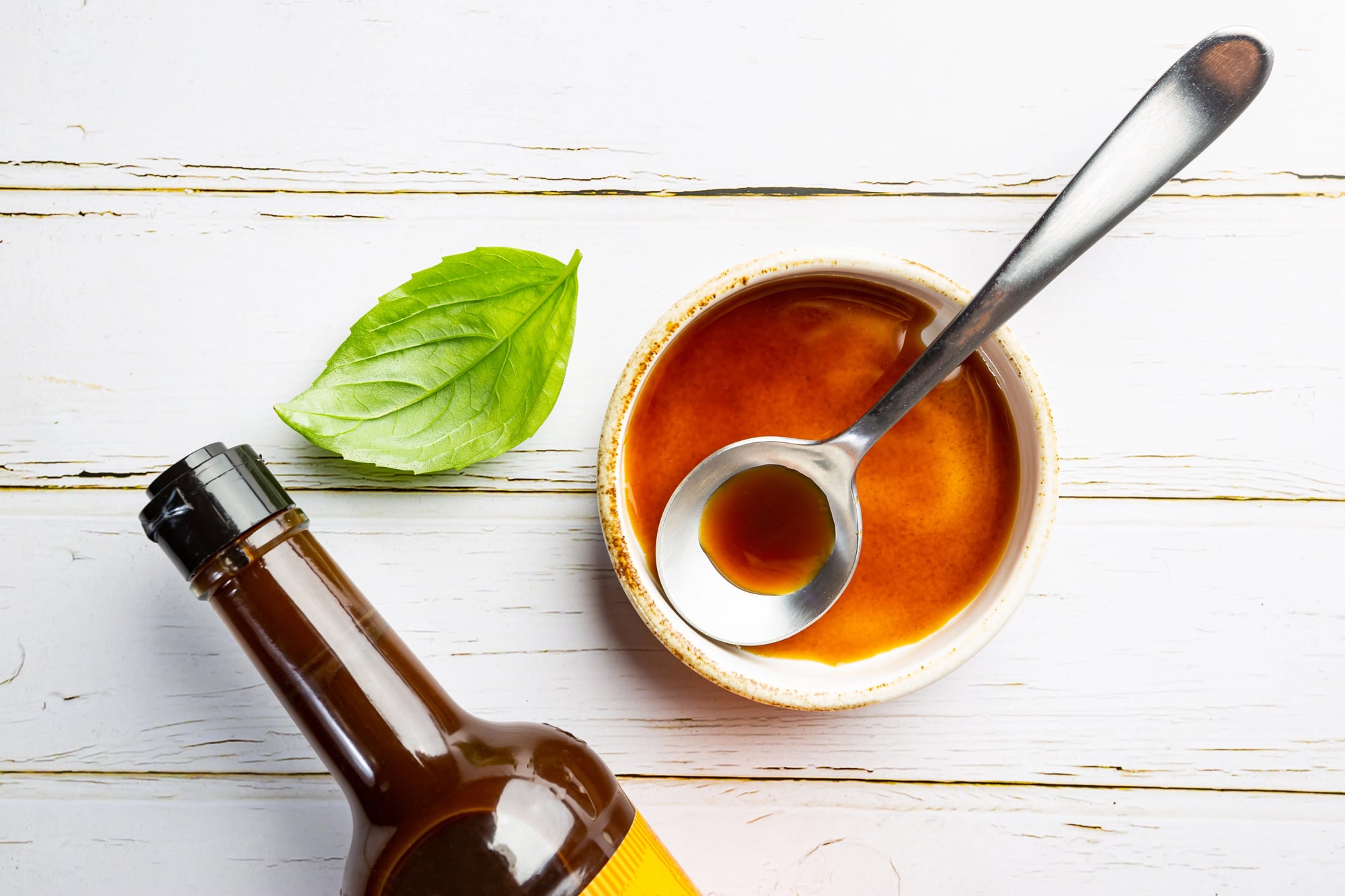
Two chemists in Worcester, England — John Wheeley Lea and William Henry Perrins — were asked to recreate a sauce recipe that a customer had brought back from India in the 1830s. They mixed up what they thought was the right combination of ingredients, tasted it, and immediately decided it was terrible.
Too sharp, too intense, completely wrong.
They stuck the barrel in their cellar and forgot about it.
When they found it again years later and tasted it out of curiosity, time had transformed those harsh flavors into something complex and rich.
The aging process had done what they couldn’t figure out how to do deliberately.
Tarte Tatin
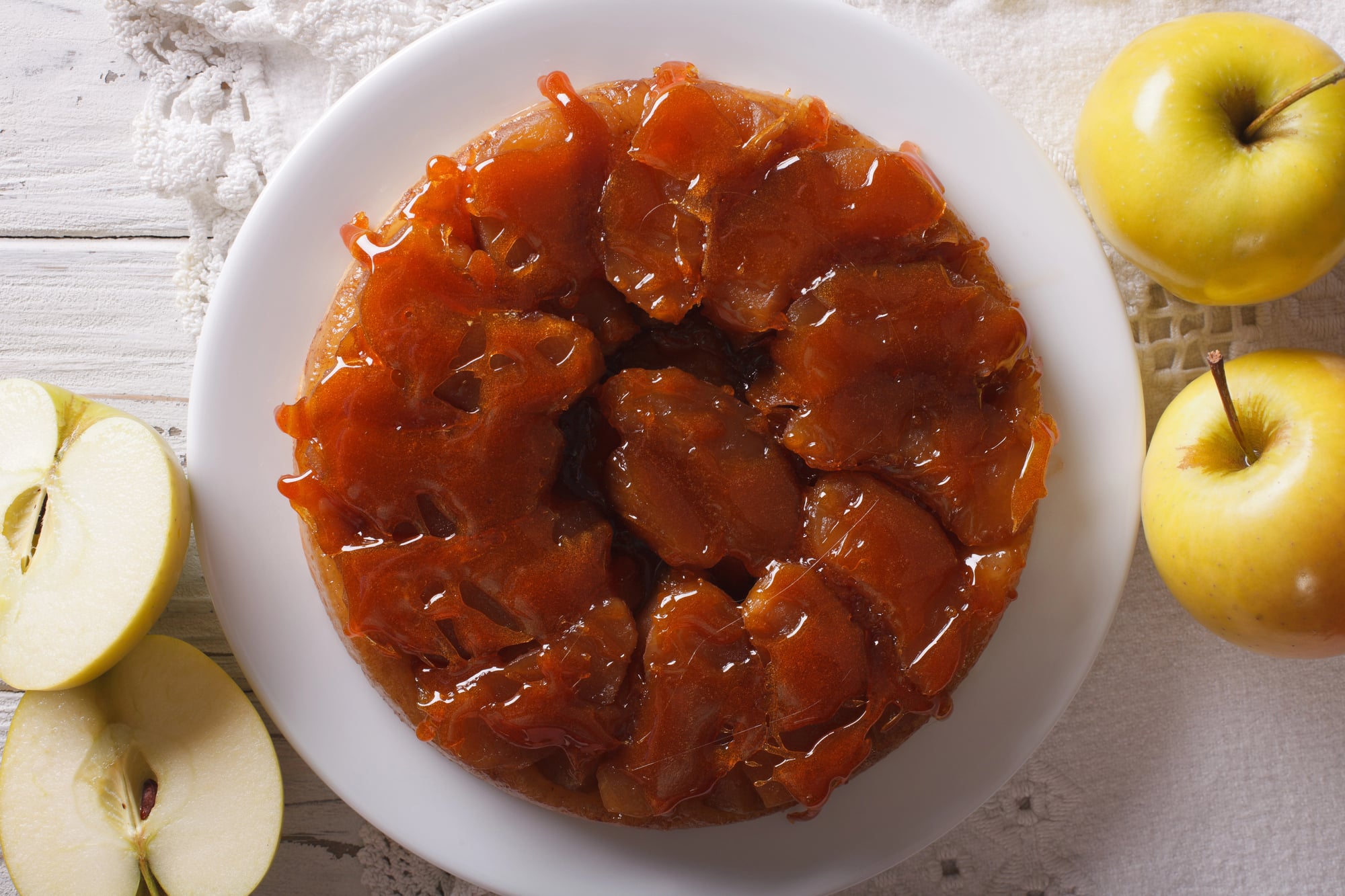
The Tatin sisters were running their hotel in France when one of them—accounts differ on which sister, but the mistake belongs to both of them now—dropped an apple dessert she was making. The apples scattered, the crust broke, and dinner service was approaching.
Instead of starting over, she put the apples back in the pan, covered them with the pastry, and baked the whole thing upside down.
When she flipped it back over to serve, the caramelized apples had created something better than the original plan.
Sometimes dropping things leads to elevation.
Chimichanga
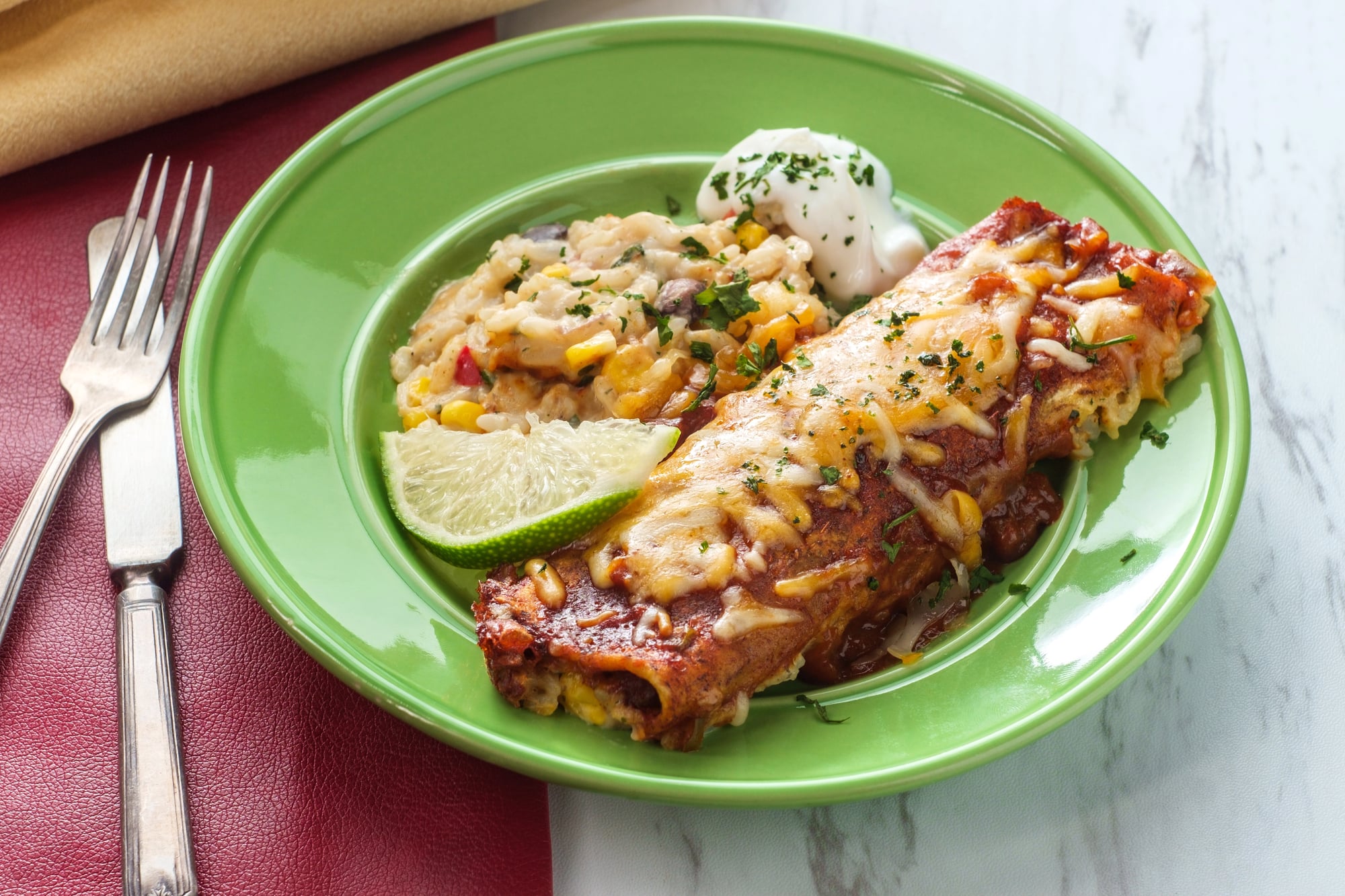
Monica Flin was working at her restaurant in Arizona when she accidentally dropped a burrito into the deep fryer. Instead of fishing it out immediately and starting over, she let it cook and discovered that the tortilla crisped up beautifully while keeping everything inside warm and contained.
The word “chimichanga” supposedly came from what she said when she dropped it — a Spanish expression of surprise that’s more polite than what most people would say when they accidentally deep-fry their food.
The deep fryer had corrected her mistake before she even realized it was a correction rather than a catastrophe, which is the kind of kitchen luck that changes menus permanently.
Slurpees
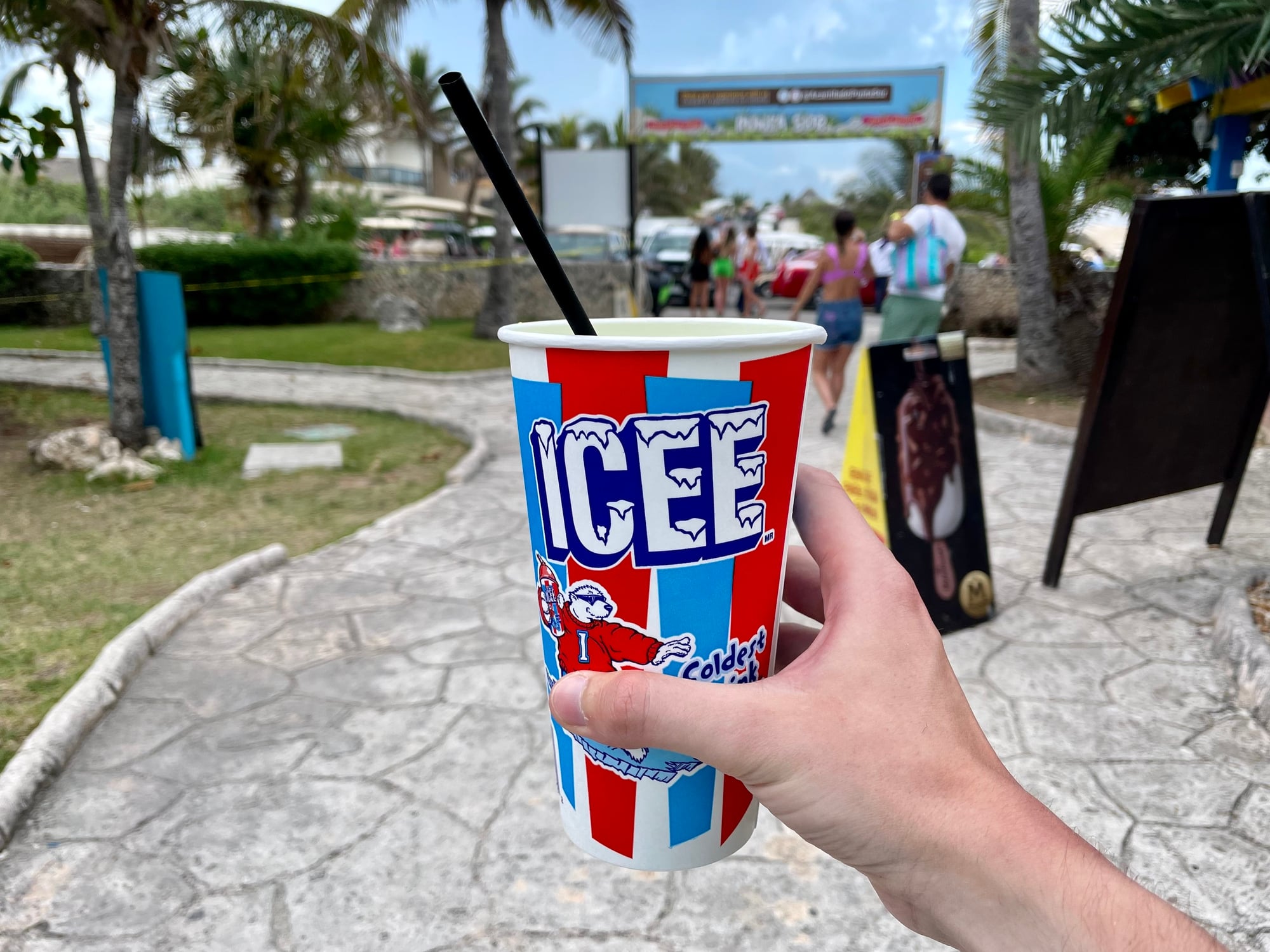
Omar Knedlik owned an A&W in Kansas, and his soda fountain broke during a heat wave in the late 1950s. He started keeping bottles of soda in the freezer as a backup, but he didn’t time it perfectly — the sodas would get slushy instead of staying completely liquid.
Customers tried the slushy sodas and preferred them to regular cold ones.
Knedlik realized he’d stumbled onto something and eventually developed a machine to create the slushy texture on purpose.
7-Eleven bought the idea and turned it into the Slurpee.
Cheese Puffs
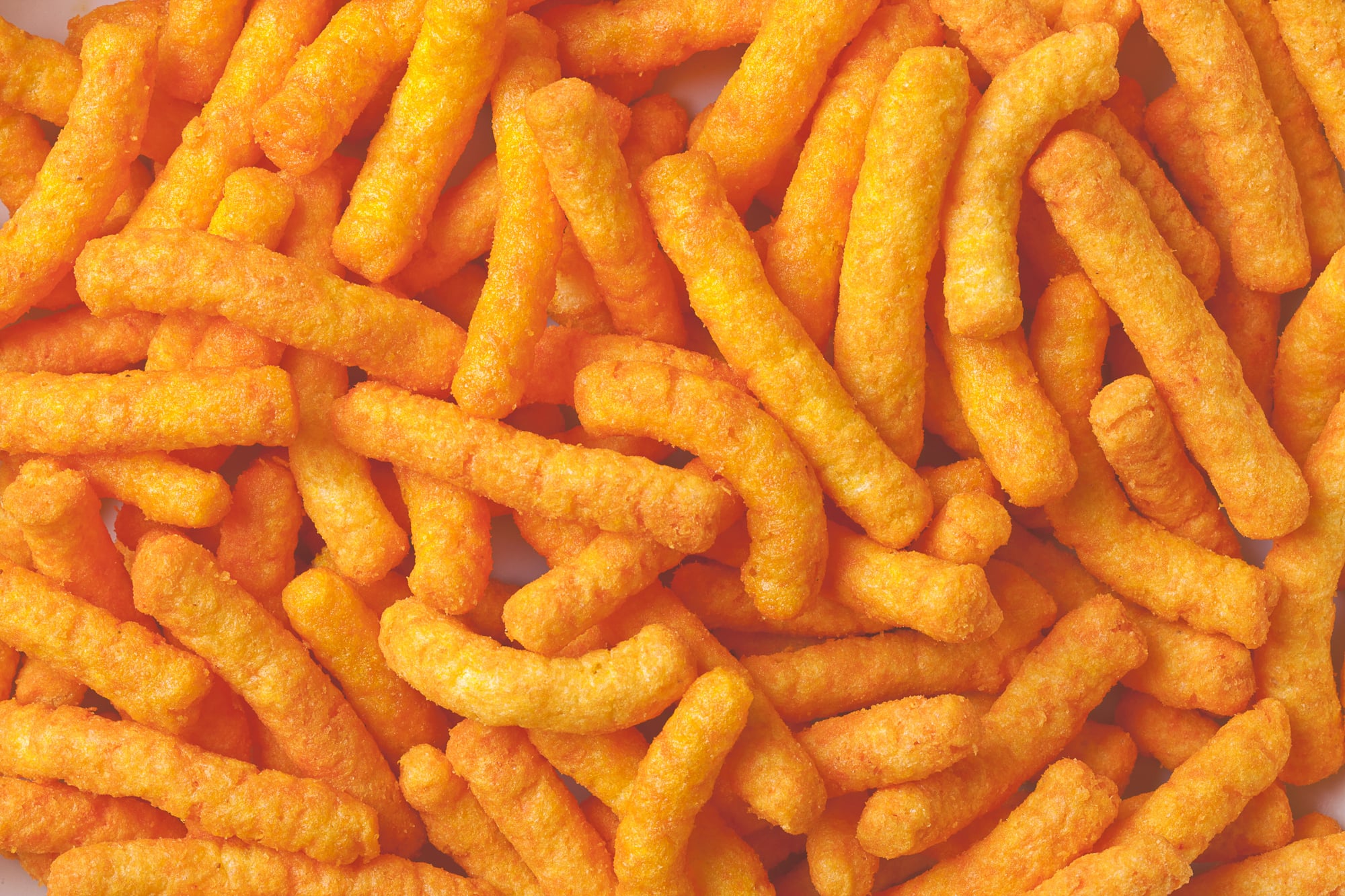
The Flakall Corporation was making animal feed in the 1930s using a machine that puffed up corn kernels. Edward Wilson, who worked there, was cleaning the machine and noticed that some corn grits had gotten stuck and puffed up in an interesting way.
He took them home, added salt and oil, and found they tasted good enough for humans.
The snack food industry took note.
Beer
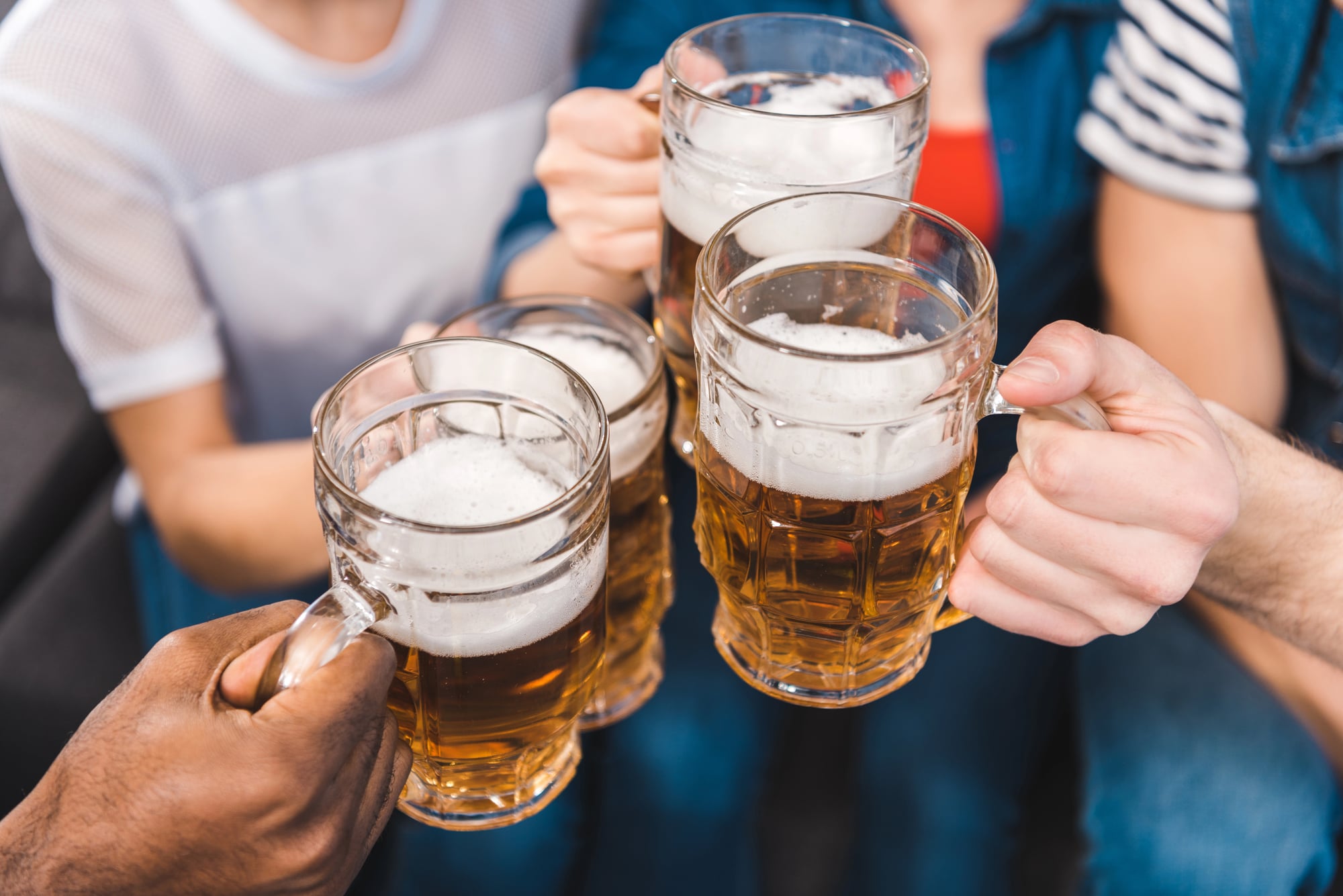
Ancient Mesopotamians were trying to make bread, but some of their grain got wet and started fermenting before they could bake it. Instead of throwing it out, they let the fermentation continue and discovered that the resulting liquid had effects they hadn’t expected from bread.
Archaeological evidence suggests this happened multiple times in different places — apparently humans have always been willing to drink questionable liquids if they make them feel better.
The accident became so popular that people started making it on purpose, which says something about human priorities that’s probably still true today.
Yogurt
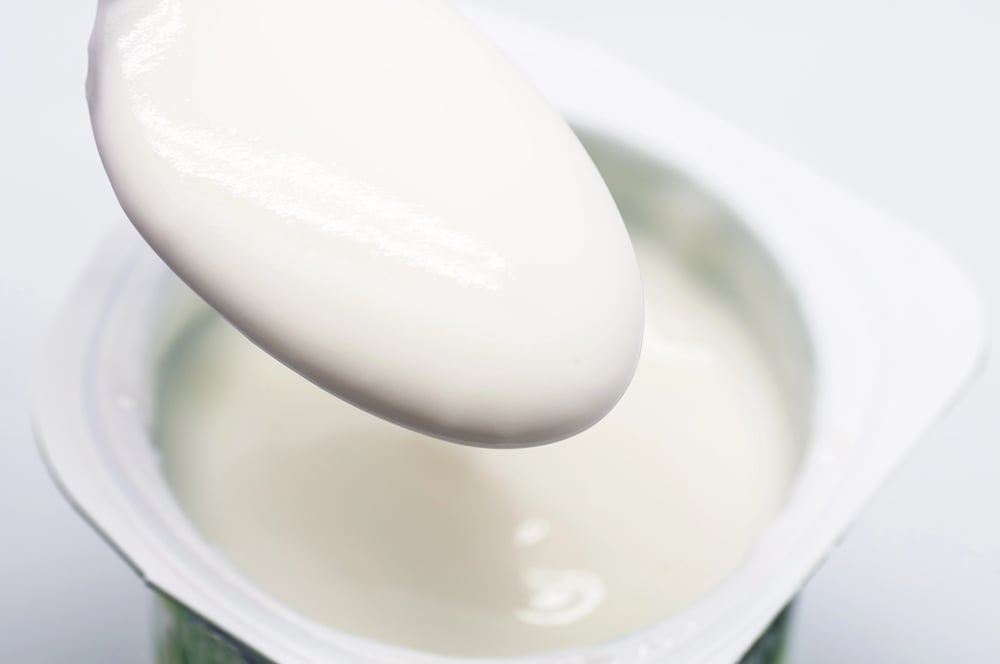
Central Asian nomads were transporting milk in pouches made from animal stomachs, which contained natural enzymes that curdled the milk during long journeys across harsh terrain. What should have spoiled the milk instead preserved it, creating a tangy, thick substance that lasted longer than fresh milk and provided probiotics before anyone knew what those were.
The bumpy rides and warm temperatures created the perfect fermentation conditions by accident, turning a preservation problem into a food that’s still considered healthy thousands of years later.
Artificial Sweetener

Constantine Fahlberg was working in his laboratory at Johns Hopkins University in 1879, researching coal tar derivatives. He forgot to wash his hands before dinner and noticed that everything he touched tasted sweet.
Instead of worrying about what chemicals he’d gotten on his skin, he went back to the lab to figure out which compound was responsible.
That compound became saccharin, the first artificial sweetener. His poor hygiene habits changed how people sweeten their food.
When Accidents Become Traditions
These foods share something beyond their accidental origins — they survived because they solved problems people didn’t know they had. The mistakes that created them revealed appetites and needs that careful planning might have missed entirely.
Maybe the best discoveries happen when we’re not trying so hard to discover anything, when we’re just dealing with what goes wrong and seeing where it leads.
More from Go2Tutors!

- The Romanov Crown Jewels and Their Tragic Fate
- 13 Historical Mysteries That Science Still Can’t Solve
- Famous Hoaxes That Fooled the World for Years
- 15 Child Stars with Tragic Adult Lives
- 16 Famous Jewelry Pieces in History
Like Go2Tutors’s content? Follow us on MSN.