15 Things That Were Completely Normal In The 1970s But Aren’t Today
Time moves differently than we think it does. One decade feels like forever when you’re living through it, but looking back, the 1970s might as well have been a completely different planet.
The things people did without a second thought back then would cause genuine shock today—not because they were necessarily wrong, but because the world simply changed around them.
Some of these shifts happened gradually, others practically overnight. Technology rewrote the rules. Safety standards caught up with common sense. Social norms evolved in ways nobody saw coming.
What remains fascinating is how normal it all seemed at the time, and how strange it looks now.
Smoke Everywhere
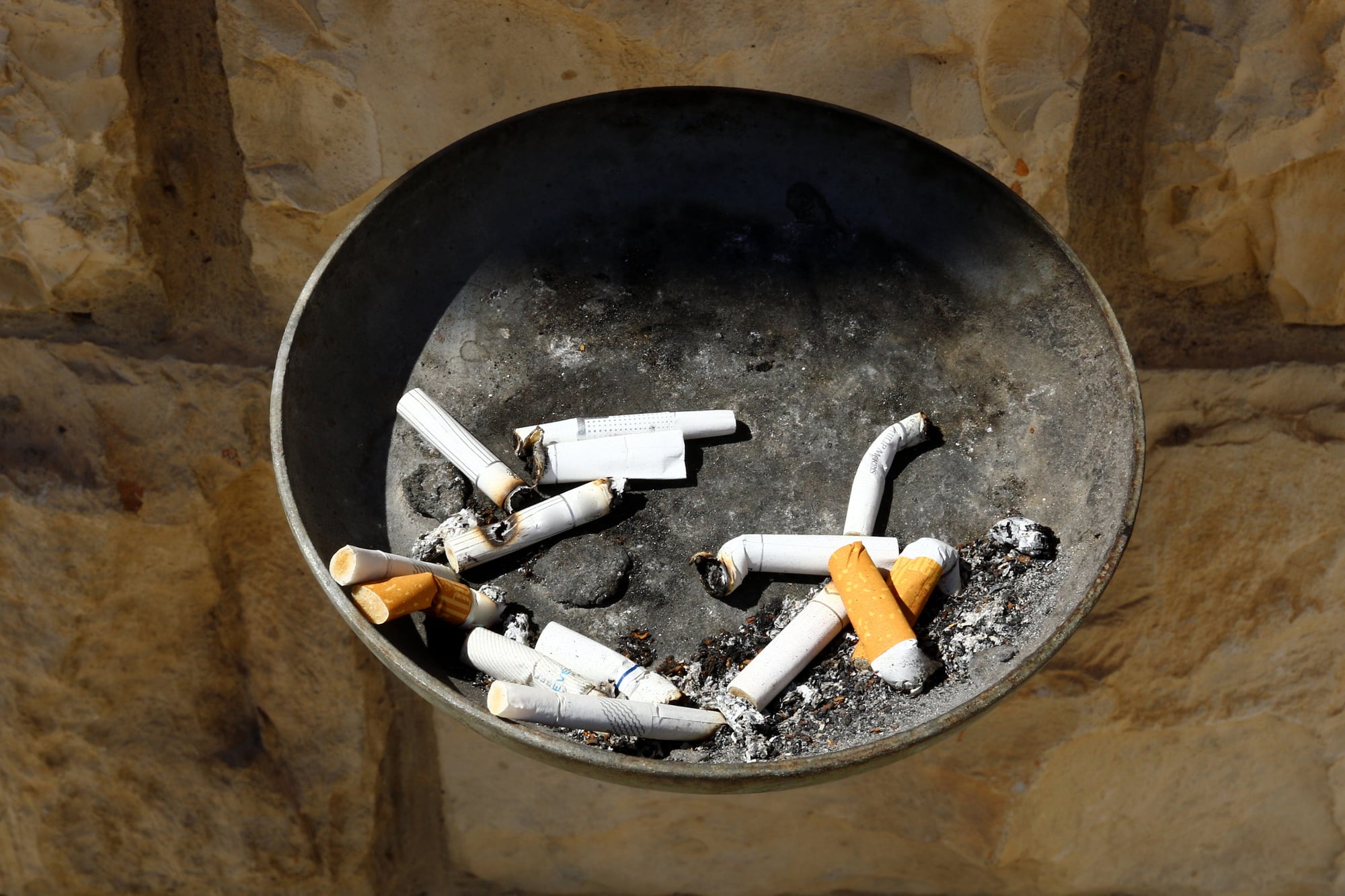
Airplanes had designated sections. Restaurants had ashtrays on every table. Hospital waiting rooms reeked of it.
People lit up in grocery stores, movie theaters, and office buildings without asking permission. The idea that anyone might object didn’t cross their minds. Nonsmokers just dealt with it.
Letting Kids Roam Freely

Summer mornings meant disappearing until dinnertime. No cell phones, no GPS tracking, no scheduled activities every hour. Parents opened the door and said “be back by dark.”
Kids walked to school alone, rode bikes across town, and built forts in empty lots. The neighborhood was the babysitter. Getting lost was part of growing up, and somehow everyone figured it out.
Hitchhiking As Normal Transportation

Standing by the roadside with your thumb out wasn’t desperate or dangerous—it was Tuesday afternoon transportation. College students hitched between cities (and parents knew about it, because that was often the plan from the start, not some rebellious secret).
So did plenty of working adults who needed to get somewhere and figured a stranger’s car beat walking twenty miles. And here’s the thing that seems almost impossible now: people actually stopped.
Not just occasionally, but regularly enough that hitching worked as a legitimate way to travel. Families would pick up hitchhikers, chat about where they were headed, maybe offer a sandwich—the whole interaction carried this assumption that most people were basically decent and worth helping out.
Having One Television

Families gathered around a single set every evening. When the TV broke, everyone waited until it got fixed. No backup screens, no streaming on laptops, no individual entertainment systems in every room.
Channel disputes were settled by whoever controlled the dial. Missing a show meant missing it permanently unless it happened to rerun months later. Television was a shared experience, not a personal one.
Cash-Only Everything

Credit cards existed but most places didn’t take them (and the ones that did made a big production of running your card through that manual imprint machine with the carbon paper, which took forever and felt vaguely embarrassing, like you were asking for special treatment).
ATMs were rare and unreliable. People carried actual money and planned their spending around it. Running out of cash meant your day was over—there was no tapping your phone or splitting the bill across three different payment apps.
Paychecks came as physical pieces of paper that you had to physically take to a bank during business hours. Banking happened between 9 and 3 on weekdays, period.
Drinking And Driving Was Barely Illegal
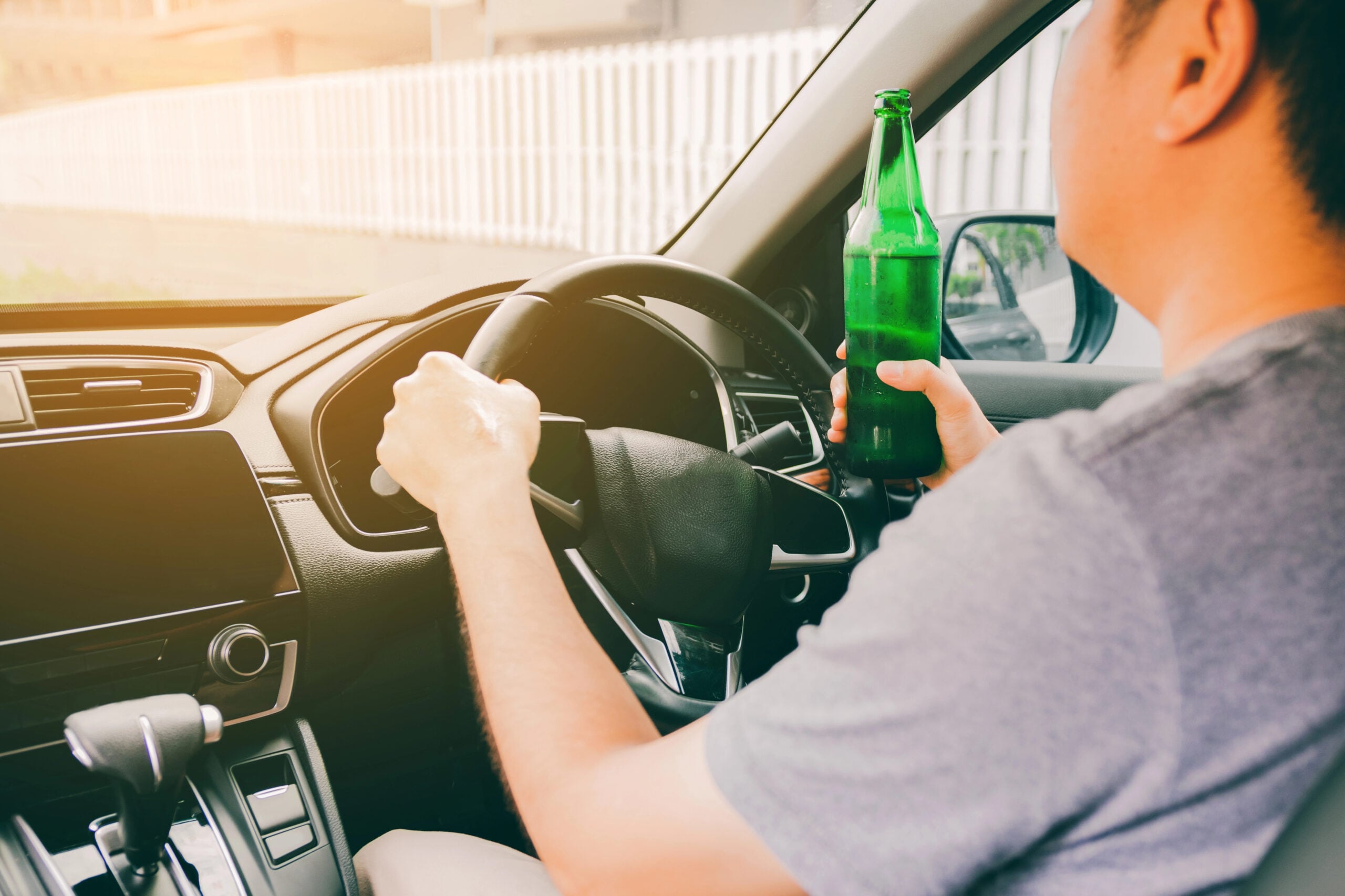
Police officers might follow a drunk driver home to make sure they arrived safely. Getting pulled over after a few drinks usually meant a friendly warning, maybe a suggestion to take it easy.
The whole concept of a designated driver didn’t exist yet. People drove home from bars as a matter of routine.
The idea that this was attempted murder—which is essentially how we view it now—simply hadn’t occurred to most people. Cars didn’t seem that dangerous and alcohol didn’t seem that impairing.
No Seatbelts
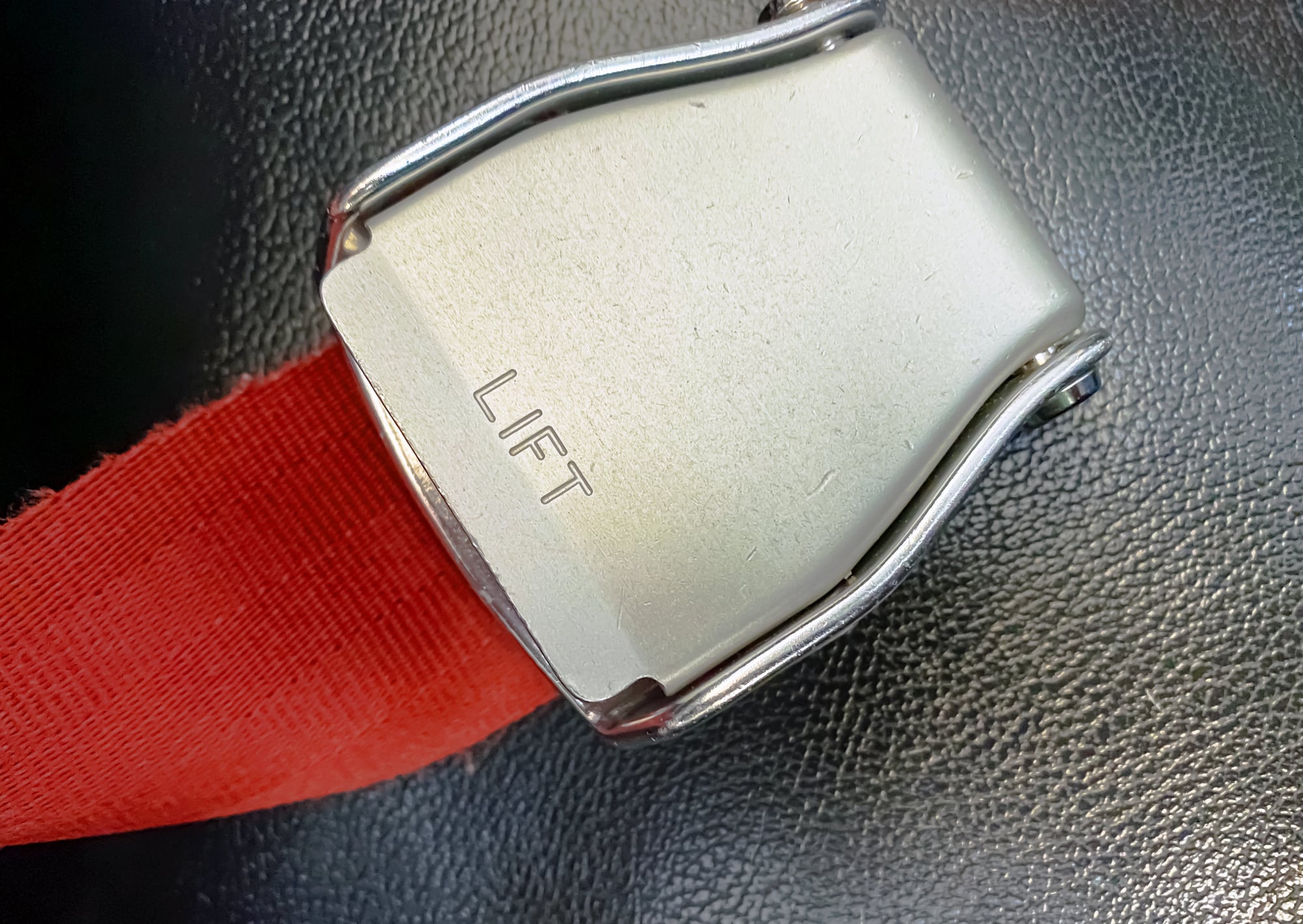
Cars came with them but nobody used them. Children bounced around the backseat freely, sometimes even riding in the back of pickup trucks on the highway. The front seat was considered perfectly safe for kids of any age.
Seatbelt laws didn’t exist and wouldn’t have made sense to most people anyway. The whole thing felt like government overreach trying to solve a problem that didn’t really exist.
Getting thrown from the car in an accident was often considered lucky—better to be clear of the wreckage.
Party Lines And Operator Calls

Your phone line connected to your neighbors’ phones, so picking up the receiver might mean accidentally interrupting someone else’s conversation (and the polite thing was to hang up immediately, though plenty of people lingered to eavesdrop because human nature is what it is).
Long-distance calls cost serious money and had to be planned like special events. Calling another country meant going through an operator who would place the call for you, then call you back when the connection went through.
Sometimes this took hours. And if you wanted to know what time it was, you called a number and listened to a recording.
Asbestos In Everything
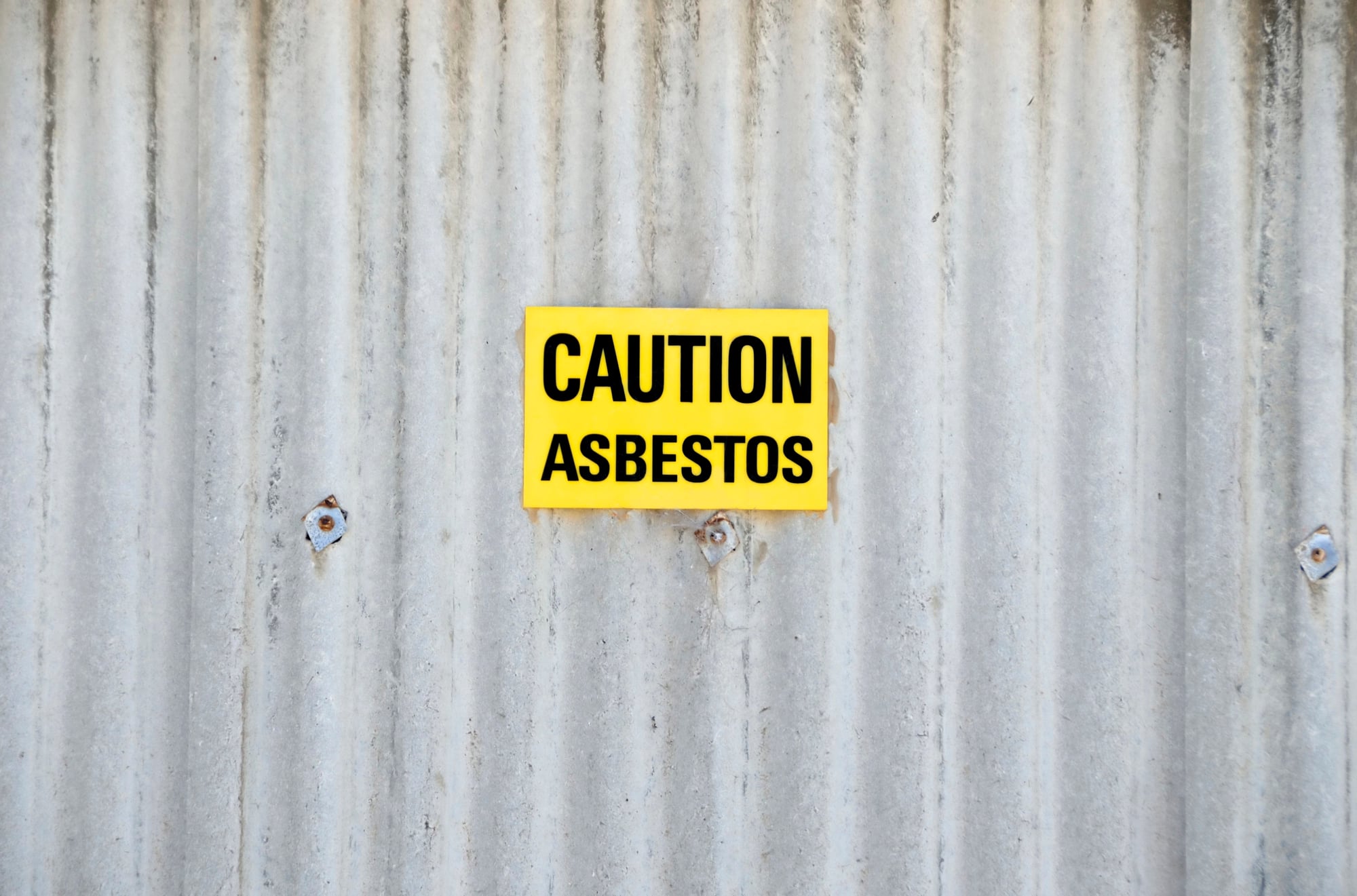
Schools, homes, and office buildings were packed with it. Insulation, ceiling tiles, floor tiles, pipe coverings—asbestos was the miracle material that made everything fireproof and efficient. Nobody questioned it.
Workers handled it with bare hands. Kids played in areas where renovation was stirring up clouds of the stuff.
The idea that buildings could be slowly killing everyone inside them wasn’t even a conspiracy theory yet—it just hadn’t occurred to anyone.
Doctors Recommending Harmful Products

Physicians appeared in advertisements endorsing specific brands. Medical professionals genuinely believed certain products were healthy and said so publicly.
The idea that doctors might have financial conflicts of interest wasn’t widely discussed. Medical advice came with a lot more certainty and a lot less nuance than it does now.
Doctors made pronouncements that turned out to be completely wrong, but they made them with complete confidence. Second opinions were for people who didn’t trust their doctor, which was considered rude.
No Child Safety Anything

Playgrounds were built on concrete with metal slides that became scorching hot in summer. Cribs had lead paint and decorative elements that could easily strangle a baby (and the mattresses were often just whatever padding happened to be lying around, because the concept of “crib-safe” materials hadn’t been invented yet).
Medicine bottles had regular caps that any determined toddler could open, and cleaning products were stored wherever was convenient. Car seats weren’t legally required and barely existed anyway.
Most parents just held babies in their laps while driving, which seemed perfectly reasonable at the time.
Casual Workplace Harassment

Comments about appearance, jokes about personal life, and unwelcome advances were just part of office culture. Women were expected to handle it gracefully and men were expected to push boundaries as a sign of friendliness. Nobody used the word “harassment.”
The concept that workplaces should be professional environments where people could do their jobs without being subjected to personal commentary hadn’t taken hold yet.
What we now recognize as obviously inappropriate behavior was considered normal social interaction.
Lead Paint And Gasoline

Houses were painted with it, cars ran on it, and nobody worried about the health effects. Lead was everywhere—in toys, dishes, plumbing, makeup, and food containers.
The idea that a common industrial material could be poisoning entire generations wasn’t on anyone’s radar. Gas station attendants pumped leaded fuel all day without protection.
Children played with toys that would be considered hazardous waste today.
Manual Everything

Windows rolled down with hand cranks. Cars had to be started with keys and warmed up manually in winter. Garage doors required actual physical strength to open.
Air conditioning was a luxury that most people lived without. Making copies required special trips to copy shops. Sending a document across the country meant mailing it and waiting a week.
The idea that all of this could be automated seemed like science fiction.
No Privacy Expectations
Mail was delivered to unlocked boxes. Houses were left unlocked during the day. Personal information was freely shared and widely available.
The concept of identity theft didn’t exist because there wasn’t enough computerized data to steal. People gave out their Social Security numbers routinely.
Privacy wasn’t a right you had to protect—it was just the natural state of things because gathering information about people was too much work to bother with.
When Normal Was Different

These weren’t the behaviors of a reckless or ignorant generation. They were logical responses to a world that operated under completely different assumptions about safety, privacy, health, and social interaction.
The 1970s made perfect sense to the people living through them, just like our current habits will seem bizarre to future generations who can’t imagine why we did things the way we do.
What’s remarkable isn’t how much has changed, but how quickly we adapted to each change and then forgot how things used to be. The past becomes foreign territory faster than we expect.
More from Go2Tutors!

- The Romanov Crown Jewels and Their Tragic Fate
- 13 Historical Mysteries That Science Still Can’t Solve
- Famous Hoaxes That Fooled the World for Years
- 15 Child Stars with Tragic Adult Lives
- 16 Famous Jewelry Pieces in History
Like Go2Tutors’s content? Follow us on MSN.