16 Unique Aging Traditions Worldwide
Throughout human history, aging has been viewed through vastly different cultural lenses—sometimes celebrated, other times feared, but almost always marked by unique customs. These traditions reflect deeper cultural values about wisdom, mortality, and the role of elders in society.
Here is a list of 16 strange traditions related to old age from cultures around the world.
Boomer

In Finnish Lapland, elderly people traditionally spent their final years in a small separate hut called a ‘boomer’ adjacent to the family home. The elder would receive visits and food while retaining independence until their final days.
This arrangement balanced respect for the elder’s autonomy with the family’s caregiving responsibilities.
Senicide

Ancient Sardinian culture allegedly practiced a ritual where sons would bring their elderly fathers to a high cliff, give them a last celebratory feast, and then push them into the abyss. This practice reportedly emerged during times of extreme resource scarcity.
Modern anthropologists debate whether this was an actual practice or merely a cautionary folktale.
The Second Burial

The Igbo people of Nigeria sometimes practice ‘second burial’ ceremonies for elders that are more elaborate than the first funeral. These events can happen years after death and often cost families substantial sums.
The magnificence of the celebration directly correlates with the deceased’s social standing and achievements.
Retirement Villages

In America’s Sun Belt, entire communities exist exclusively for people over 55, complete with their own governance, social systems, and rules prohibiting younger residents. These age-segregated communities span thousands of acres and function almost like independent nations.
Some have more golf carts than cars and feature specialized fitness classes for octogenarians.
Cutting Hair

In traditional Hindu culture, elderly widows often shave their heads and wear white garments as a symbol of having moved beyond worldly concerns. This austere appearance signifies their transition from householder to a more spiritually-focused stage of life.
Many spend their remaining years devoted to religious study and practice.
The Grandma Army

In Lithuania, women over 65 often join ‘The Grandma Army,’ a social organization that performs charitable work while wearing traditional headscarves.
Their community service ranges from knitting for orphans to environmental cleanup projects. Membership provides both purpose and camaraderie in later years.
The Elders’ Circle

Native American Navajo communities maintain a tradition where tribal elders form a decision-making council with final authority on important matters. Their judgments typically rely on historical precedent rather than contemporary standards.
This system values accumulated wisdom over academic credentials or wealth.
Jubilados Festivals
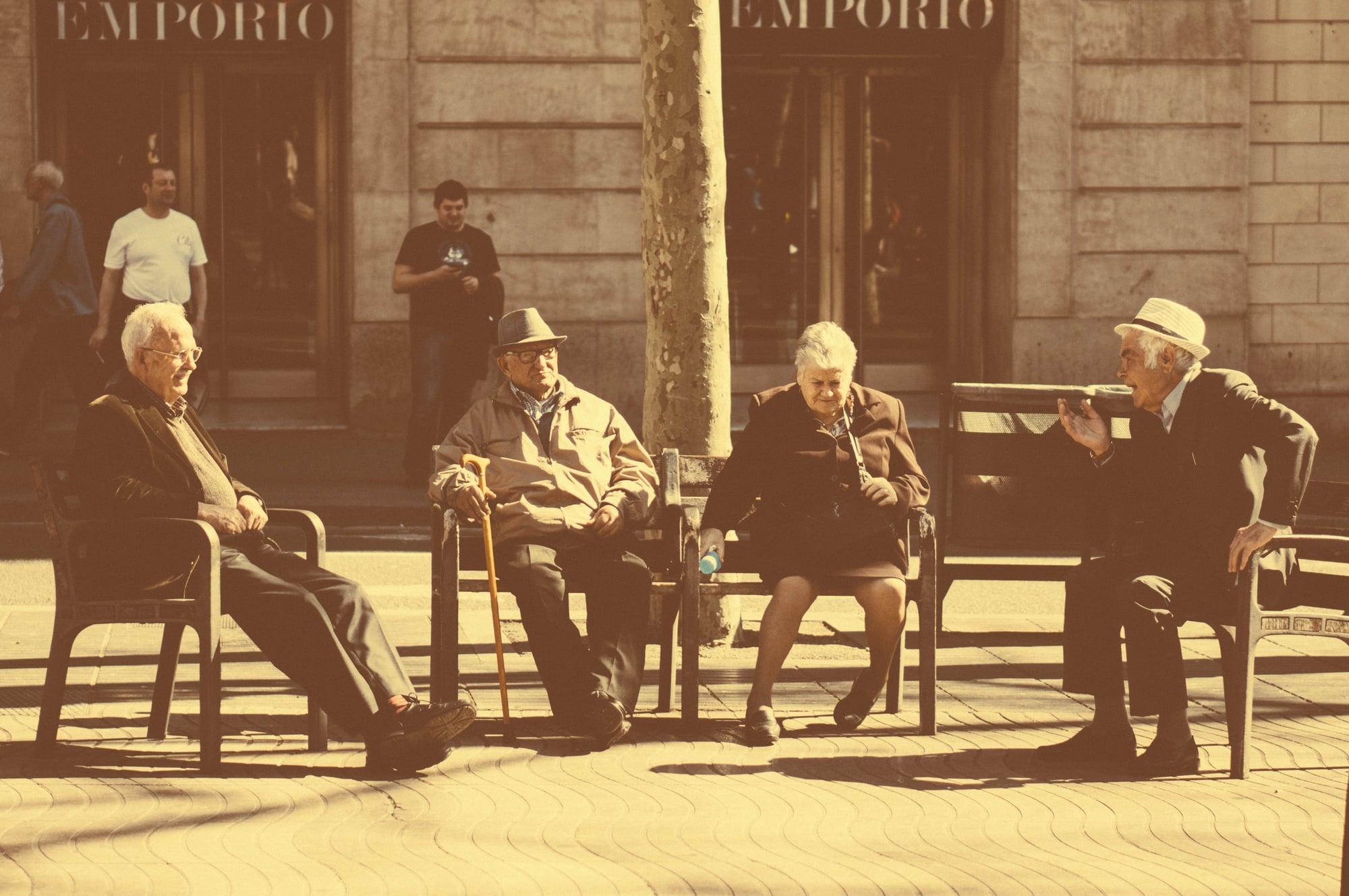
In some parts of Spain, yearly festivities are conducted in honor of retired people, or “jubilados,” who are given special community attention. These gatherings include public recognition of each elder’s contribution to village life, performances, and group meals.
The custom upholds the continued importance of senior individuals to the community.
The Wisdom Teeth

In rural Cambodia, elderly villagers who have retained all their natural teeth into old age are considered especially blessed. Their saliva is believed to have healing properties for treating certain ailments. Young people sometimes request that these elders chew medicinal herbs before applying them to wounds.
The Crone Ceremony

Some contemporary women’s communities have revived the ancient ‘croning’ ceremony to mark the transition into elder status. Women who have experienced menopause gather for a ritual acknowledging their accumulated wisdom and entry into a new life phase.
Participants often receive symbolic gifts representing their new status.
The Millet Break
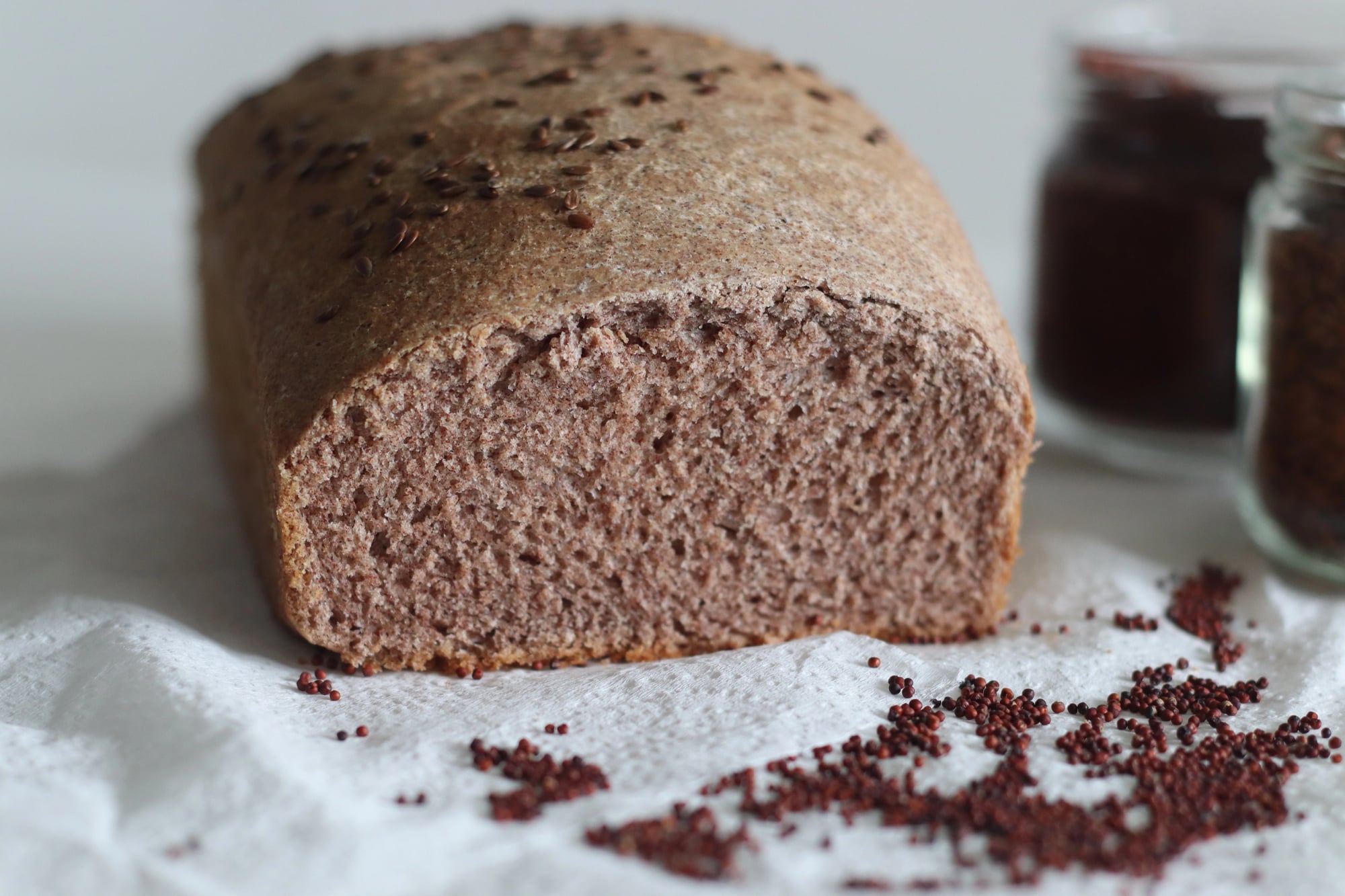
In certain regions of Ghana, it is customary for senior family members to break the millet bread first during each meal. Until the elder has finished their meal and given the all-clear for others to start, no one else is allowed to eat.
This regular practice upholds the elder’s leadership within the family and promotes respect for age.
The Winter Migration

Every winter, when older “snowbirds” move south from colder northern regions, Florida’s seasonal population grows by around a million. A unique cultural pattern and economy focused on short-term senior inhabitants have been produced by this contemporary nomadic practice.
Local companies modify their offerings in order to make room for this yearly, expected surge.
The Hot Spring Elders
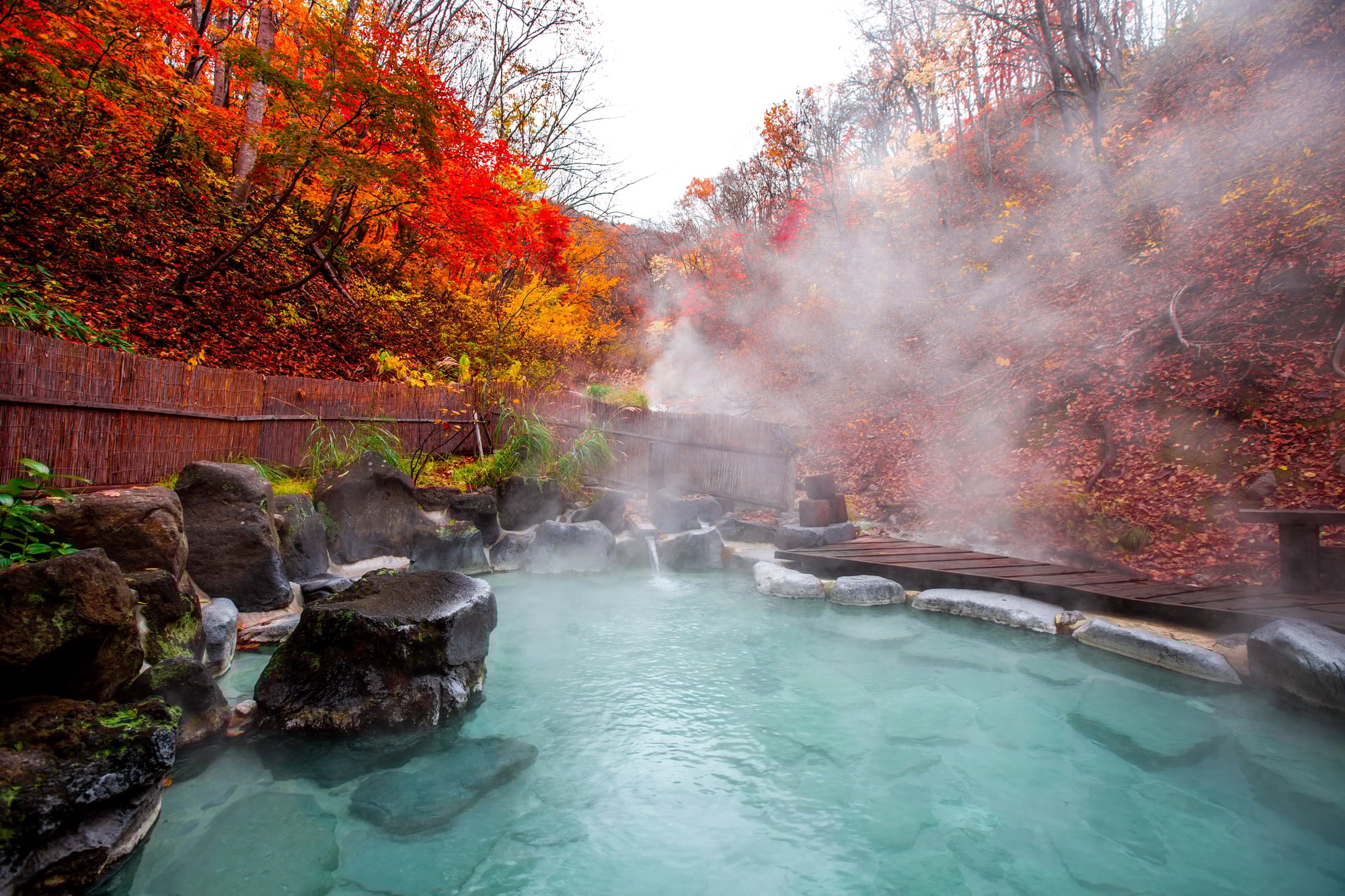
In Japanese onsen (hot spring) culture, elderly patrons are granted special privileges, including prime soaking spots and deferential treatment from younger bathers. Their weathered bodies are considered beautiful testaments to long, well-lived lives.
Many elderly Japanese visit hot springs daily as both a social activity and health maintenance.
The Life Release

Elderly Buddhists in Thailand often practice ‘life release’ ceremonies where they purchase live animals destined for slaughter and set them free. This compassionate act is believed to generate merit that extends one’s own life.
The practice becomes increasingly important as practitioners feel their remaining time growing shorter.
The Longevity Noodles
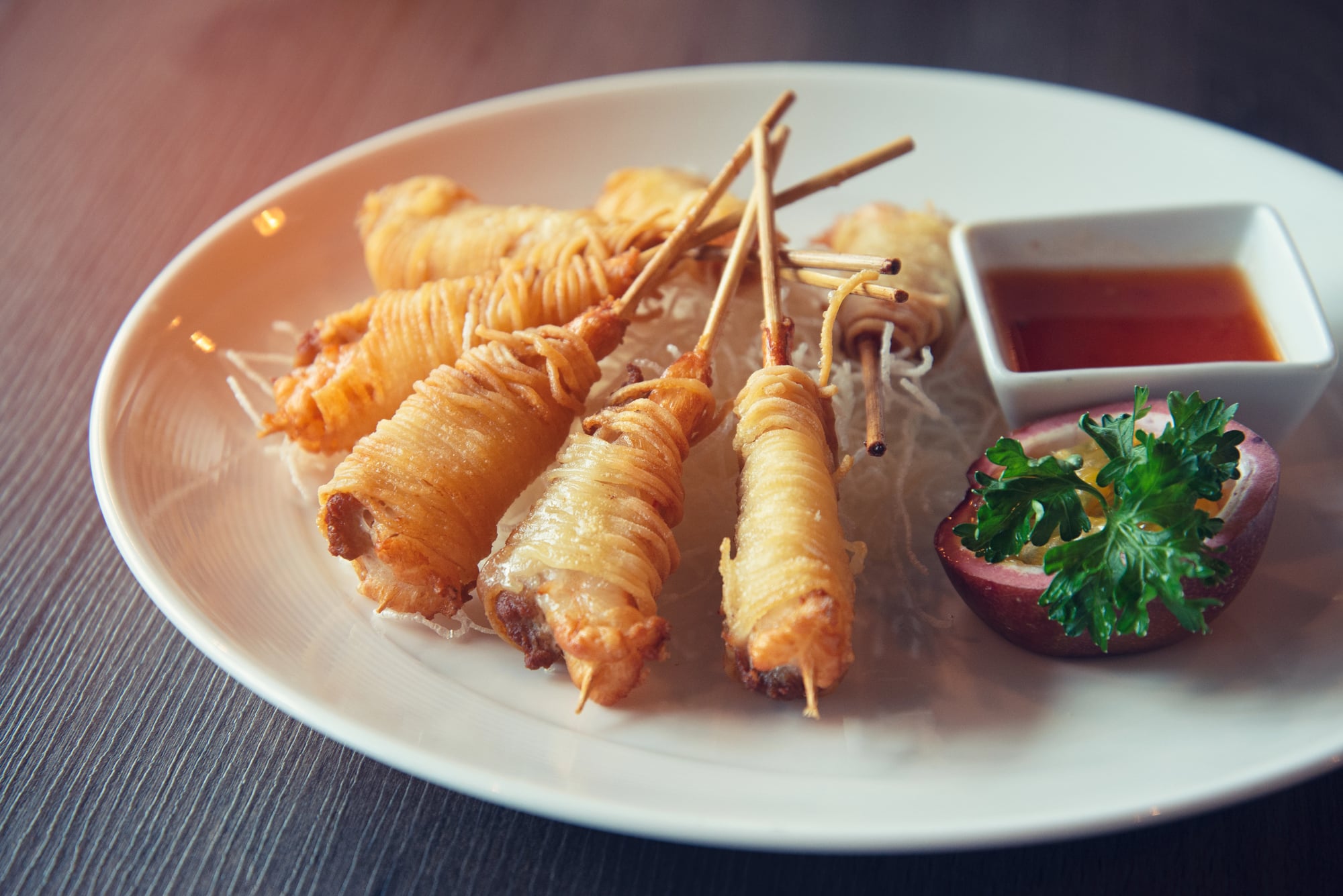
Chinese culture celebrates birthdays of elderly family members with ‘longevity noodles’—a single extraordinarily long noodle symbolizing a wish for extended life. Breaking the noodle during cooking or eating is considered terribly inauspicious.
Families compete to create increasingly lengthy noodles for their beloved elders.
The Forgetting Huts
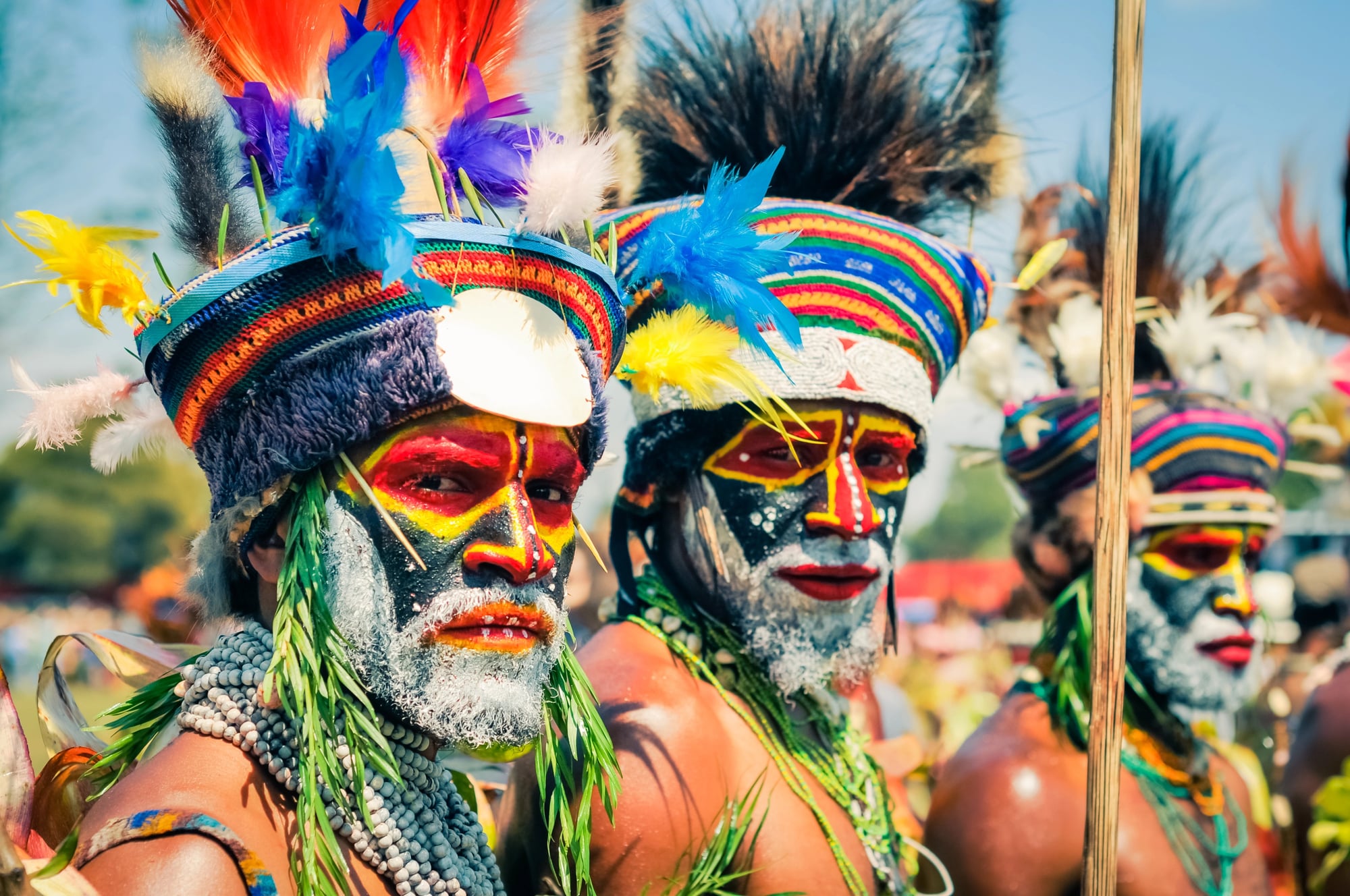
Some indigenous tribes in Papua New Guinea traditionally placed their cognitively declining elders in special ‘forgetting huts’ where younger members would visit daily with objects from the elder’s past. This practice maintained the elder’s connection to tribal memory despite their condition.
Modern eldercare experts have noted similarities to contemporary reminiscence therapy used in dementia care.
The Value of Years
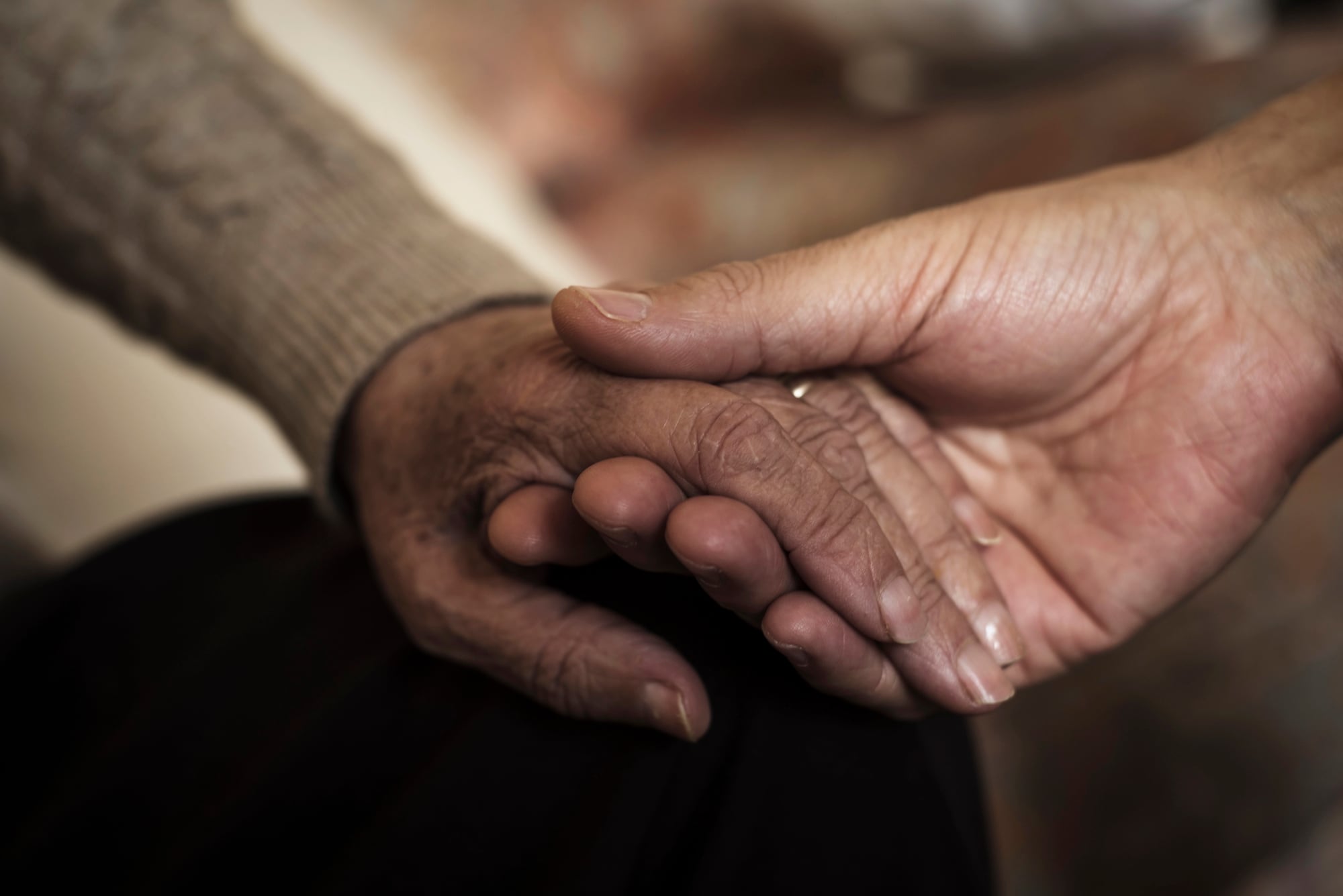
These customs show how various communities deal with the common human experience of aging, despite how strange they may seem to outsiders. Older populations are frequently marginalized or isolated in modern cultures, yet these behaviors point to other strategies that are worth taking into account.
Perhaps these ancient traditions provide guidance for developing more meaningful elder experiences in our quickly evolving environment, as the world’s population continues to age.
More from Go2Tutors!

- The Romanov Crown Jewels and Their Tragic Fate
- 13 Historical Mysteries That Science Still Can’t Solve
- Famous Hoaxes That Fooled the World for Years
- 15 Child Stars with Tragic Adult Lives
- 16 Famous Jewelry Pieces in History
Like Go2Tutors’s content? Follow us on MSN.



