15 Us Inventions That Changed Daily Life
Some inventions do more than just fix problems. They change how people live day after day. The United States has been the place where many of these ideas started — from gadgets carried in pockets to tools used around the house. These inventions didn’t stay hidden in labs. They became part of everyday life, shaping how people work, relax, and connect.
Though some seem simple now, when they first appeared, they made a big difference. Let’s explore 15 inventions from the US that changed everyday life in clear and important ways.
The light bulb

Before the light bulb, people used candles or oil lamps to see at night. These sources gave off weak light and often caused fires. The light bulb brought brighter and safer lighting, which changed how people spent evenings at home and in public places. Streets became safer with electric lighting, helping to reduce accidents and crime. Thomas Edison didn’t just invent the bulb; he developed the whole system for making and distributing electricity, which made the light bulb practical for everyday use. This invention extended the day and made working or socializing after dark much easier.
The telephone

The telephone changed communication in a big way by letting people hear each other’s voices instantly, no matter the distance. Before this, sending a letter could take days or weeks. The telephone sped up business deals, helped families stay close, and even saved lives by allowing quick calls for help. Alexander Graham Bell’s invention grew into a global network, connecting people in towns and cities worldwide. Over the years, phones shrank, became wireless, and finally turned into smartphones, but that first call changed everything about how people connect.
The airplane

Flying once seemed impossible, but the Wright brothers proved it could be done. Their first flight lasted only seconds, but it started a new way to travel. Airplanes cut down travel time drastically compared to trains or ships, making faraway places accessible for vacations, work, and family visits. This invention also changed commerce, allowing goods to move quickly across the country and the world. Airlines grew into huge businesses that shaped modern life, helping cities and cultures connect like never before.
The personal computer
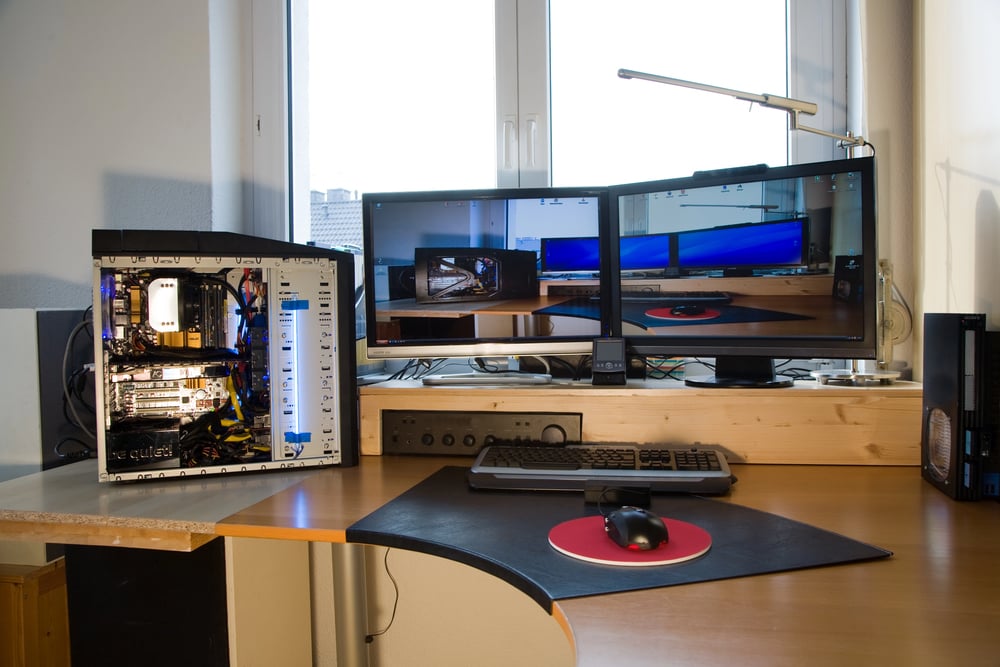
The personal computer made technology accessible for everyday people, not just scientists or big companies. It helped users write documents, play games, manage money, and explore creative projects from home. Early models were slow and large, but they sparked a revolution in how people work and learn. Computers became common in schools, offices, and homes, changing education and business practices. They opened the door to new fields like programming and digital art, making many jobs easier and creating whole new industries.
The internet

Starting as a way for researchers to share information, the internet quickly grew into a platform for nearly everything. It lets people chat, watch videos, shop, work, and learn without leaving home. The internet has changed how news spreads, how people find friends, and how businesses reach customers. It supports social media, online banking, and streaming entertainment. Its impact on daily life is huge, with millions depending on it for work, school, and fun every day.
The microwave oven

Before the microwave oven, cooking or reheating food took a lot of time and effort. This device uses waves to heat food quickly from the inside out. It allows people to warm leftovers, defrost frozen meals, or cook snacks in just minutes. This invention saved busy families time and helped change eating habits. It also introduced new convenience foods designed specifically for microwave cooking. The microwave became a kitchen staple, making fast meals easy and reliable.
The credit card
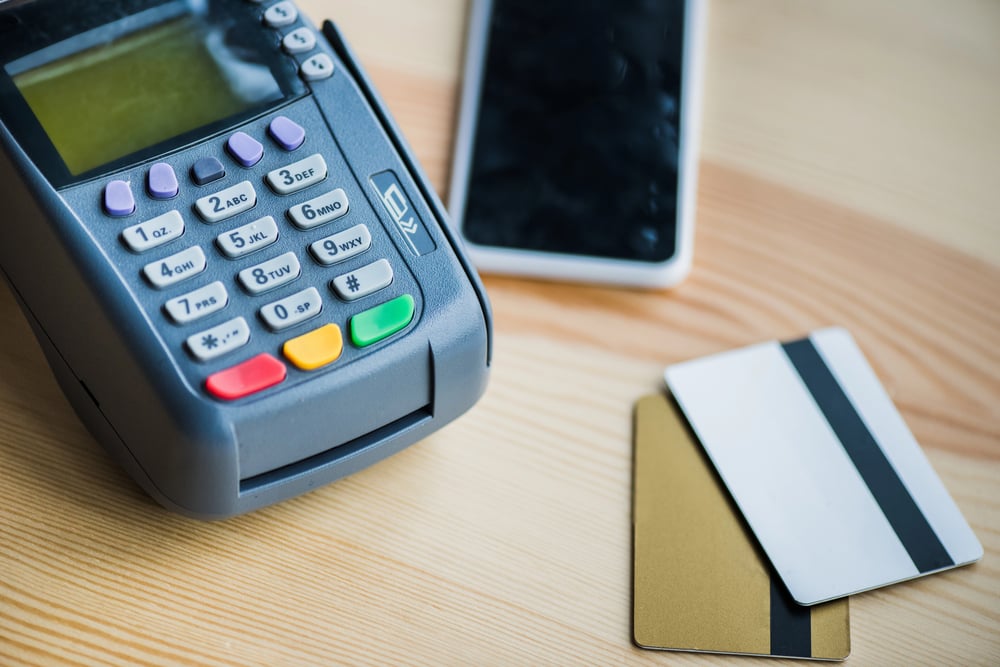
Credit cards changed the way people pay by reducing the need to carry cash or write checks. They made shopping quicker and more secure, helping people buy what they needed even without cash on hand. Credit cards also made it easier to track spending and build credit history. For businesses, they opened up more sales opportunities by offering customers flexible payment options. Today, they are key to both everyday purchases and large investments like travel and home improvement.
The GPS

Before GPS, travelers had to rely on paper maps, asking for directions, or guessing routes. GPS uses satellites to pinpoint exact locations and provide real-time directions. This invention makes driving, hiking, and exploring unfamiliar places simpler and safer. It also helps with delivery services, emergency response, and navigation for pilots and sailors. GPS technology is now built into smartphones and cars, making it a common part of life for millions.
The washing machine

Hand washing clothes was a slow and hard task. The washing machine took away the scrubbing and rinsing, making laundry faster and easier. This saved families hours of work each week and improved hygiene by cleaning clothes more thoroughly. Over time, washing machines added new features like multiple settings and automatic cycles. They became vital household appliances, especially as clothing materials and styles changed.
The refrigerator
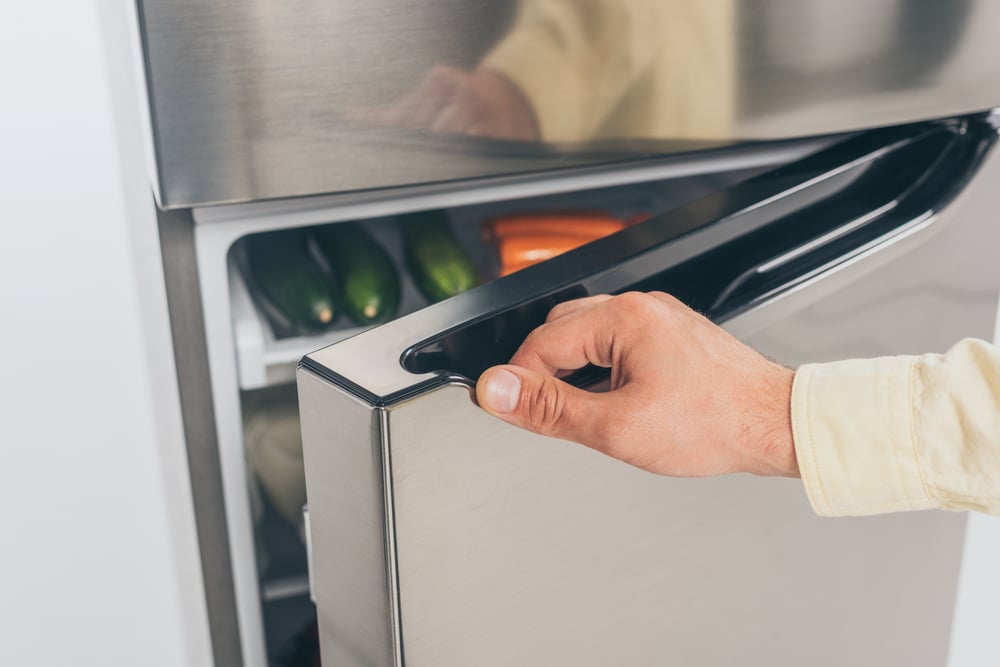
Refrigerators replaced iceboxes, keeping food fresh longer and safer to eat. This allowed people to shop less often and store a wider variety of food, including leftovers. Refrigeration reduced food spoilage and helped prevent illness caused by spoiled products. It also changed meal planning and diets, encouraging the use of fresh ingredients. Today’s refrigerators come with many features like adjustable temperature zones and built-in water dispensers, making food storage even easier.
The assembly line

Henry Ford’s assembly line changed manufacturing by breaking production into small, repeatable steps. This method sped up the making of cars and lowered costs so more people could afford them. The assembly line idea spread to other industries, making products like furniture and appliances more available. It also shaped modern work, introducing jobs based on specific tasks. The assembly line helped build the mass production economy that drives much of today’s consumer world.
The electric vacuum cleaner
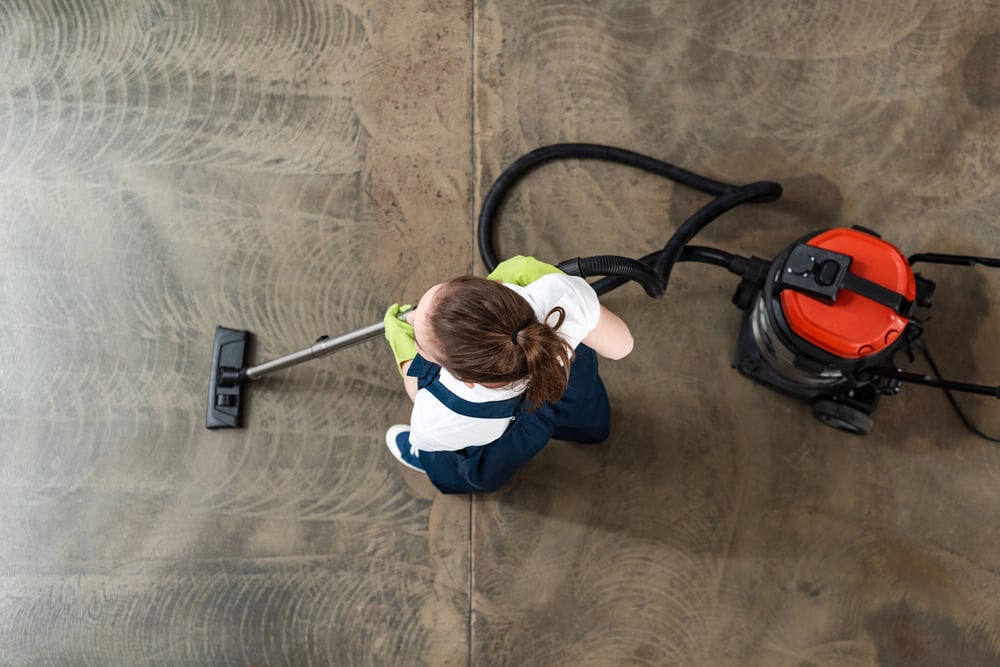
Vacuum cleaners replaced slow and dusty sweeping by sucking up dirt from carpets and floors. This invention made cleaning faster, deeper, and less tiring. Over time, vacuums became lighter, more powerful, and cordless, adding convenience for busy households. Vacuum cleaners helped people keep bigger homes cleaner and improved indoor air quality by removing dust and allergens. They continue to evolve with new technologies like robotic models.
The smartphone

Smartphones combined the phone, computer, camera, and more into one small device. They changed how people communicate by adding texting, video calls, and social media. Smartphones also put tools like GPS, calendars, and news at users’ fingertips. They support work, learning, and entertainment anywhere, anytime. This all-in-one device reshaped daily habits and made information instantly available to millions around the world.
The hearing aid

The hearing aid gave people with hearing challenges a way to improve their hearing and connect better with others. These devices amplified sounds, helping users understand speech and enjoy music. Modern hearing aids include noise reduction and wireless connections to phones and other devices. This invention increased comfort, confidence, and quality of life for many. It also raised awareness of hearing health and the importance of early care.
The air conditioner

Air conditioners cool indoor spaces, making hot weather more bearable. This invention allowed people to live and work comfortably in warm climates where heat was once unbearable. Air conditioning improves sleep, productivity, and health by controlling temperature and humidity. Over time, it became standard in homes, offices, and public places, changing building design and daily routines. Its impact on comfort and lifestyle is hard to overstate.
Innovation shaping how we live today

These US inventions didn’t just fill needs — they shaped daily life in lasting ways. They gave people more comfort, time, and ways to connect with the world and each other. From cleaning clothes to talking across the globe, these ideas made life easier and more productive. As new challenges appear, there will always be space for inventions that change how people live. These stories remind us how a single good idea can touch every part of daily life and inspire future progress.
More from Go2Tutors!

- 16 Historical Figures Who Were Nothing Like You Think
- 12 Things Sold in the 80s That Are Now Illegal
- 15 VHS Tapes That Could Be Worth Thousands
- 17 Historical “What Ifs” That Would Have Changed Everything
- 18 TV Shows That Vanished Without a Finale
Like Go2Tutors’s content? Follow us on MSN.