28 Old Model Kits Collectors Prefer Unbuilt
Somewhere in a closet there is a model kit that was never opened, and its owner has no idea what it could mean to the right buyer. The glue, the paint, and the patient Saturday afternoons that made these kits fun in 1962 are exactly what collectors would rather skip today.
An unbuilt kit is a sealed record of what a factory shipped. The box art, the plastic sprues, the instruction sheet, and the decals all stay in the state their makers intended, and that is the state buyers pay attention to.
Aurora Frankenstein from 1961
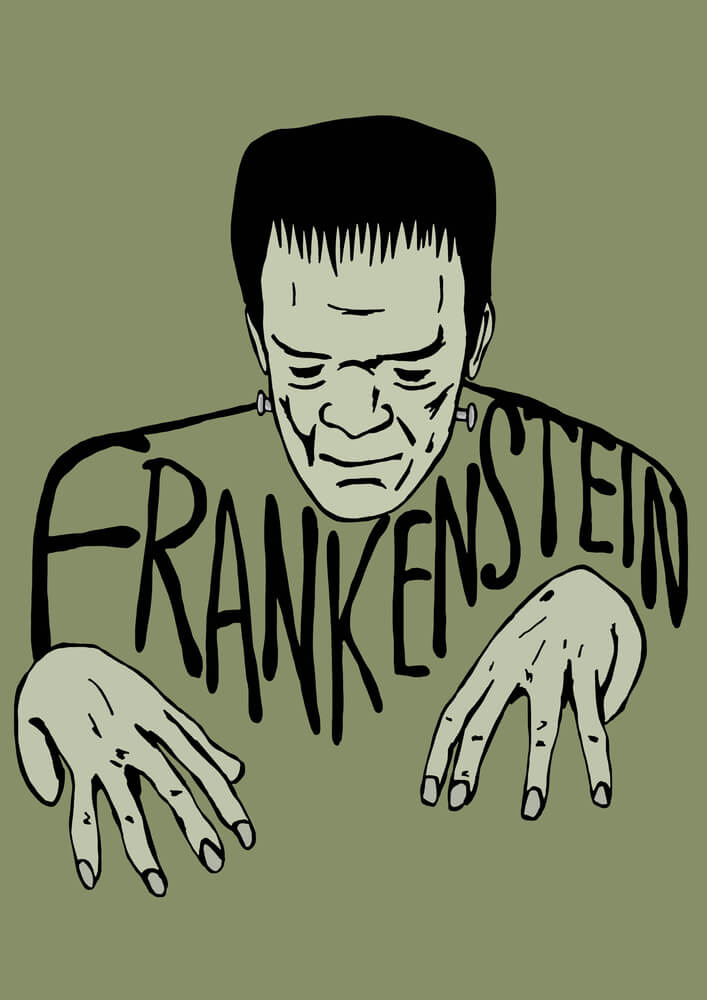
Frankenstein was the opening move of Aurora’s monster line in 1961, a 1/8 scale figure whose box carried a painting by James Bama. The original production run continued into 1968, so early-era box styling and a complete set of unbroken parts matter to anyone chasing a true first-generation copy.
Complete kits with sharp box corners and an intact lid draw the strongest interest, while a built, painted, or glue-stained example loses most of its appeal to collectors.
Aurora Dracula from 1962
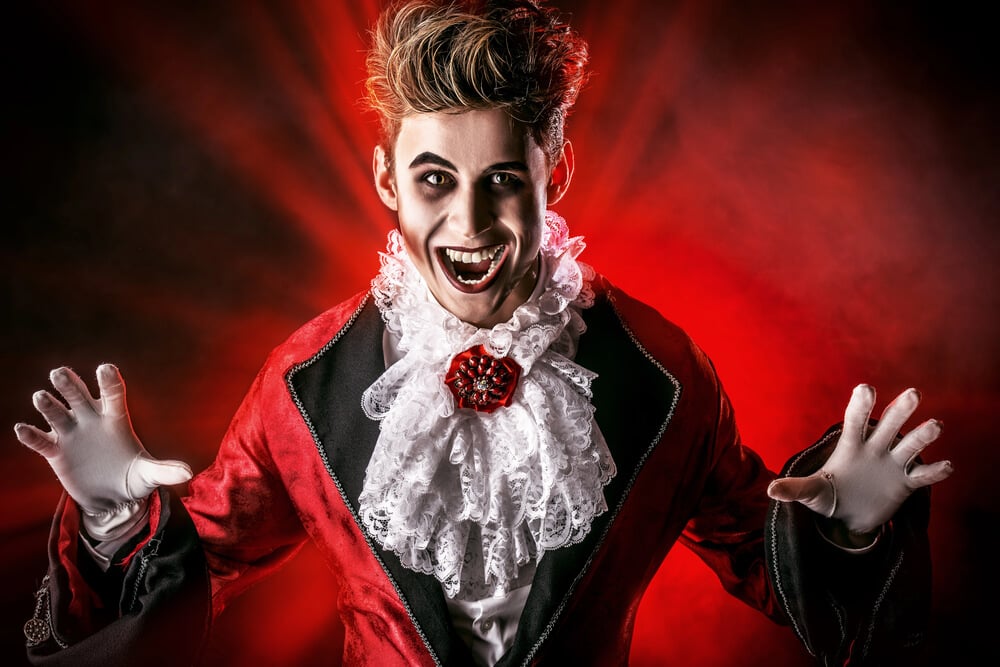
Dracula followed Frankenstein in 1962 and also stayed in the catalog until 1968. Because Aurora kept the molds working for years, and because later companies reissued the figure, the original-era box is the feature that separates a collector copy from a modern one.
Missing small pieces or a lid with splits at the seams reduce the value of an otherwise complete kit, and built examples sit at the bottom of the market.
Aurora Wolf Man from 1962
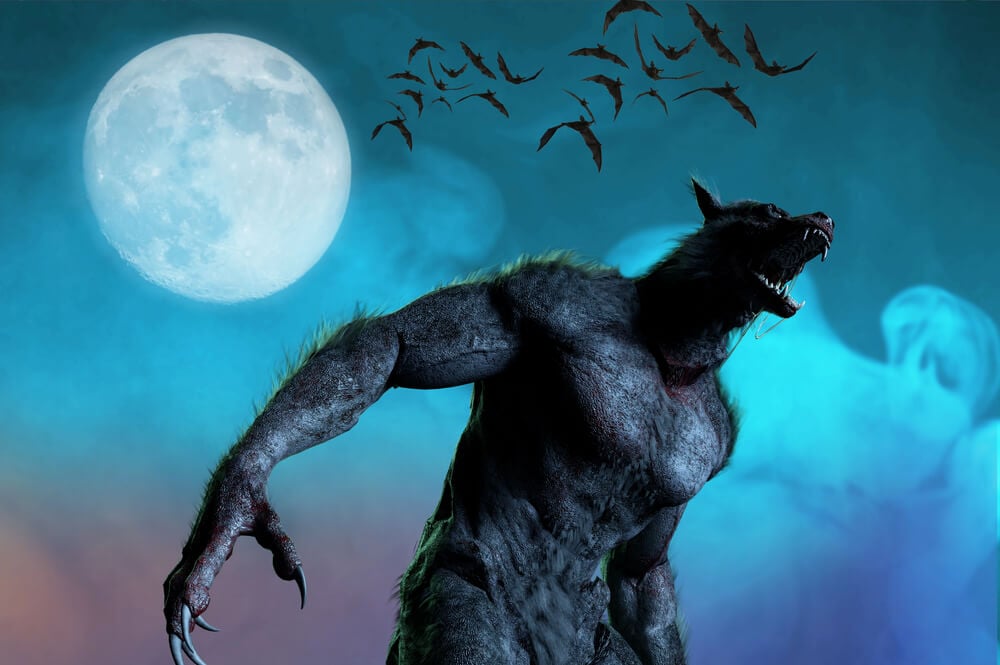
Wolf Man arrived in 1962 alongside Dracula and, like the others, was an 1/8 scale kit built to be displayed on a shelf rather than played with. Sellers regularly advertise original copies as unbuilt, and that single word shapes how buyers judge a listing.
The box lid is a prize on its own, since it holds the Bama-era artwork, so cracked corners, tape, and water stains all count against a kit even when every part is inside.
Aurora Mummy from 1963
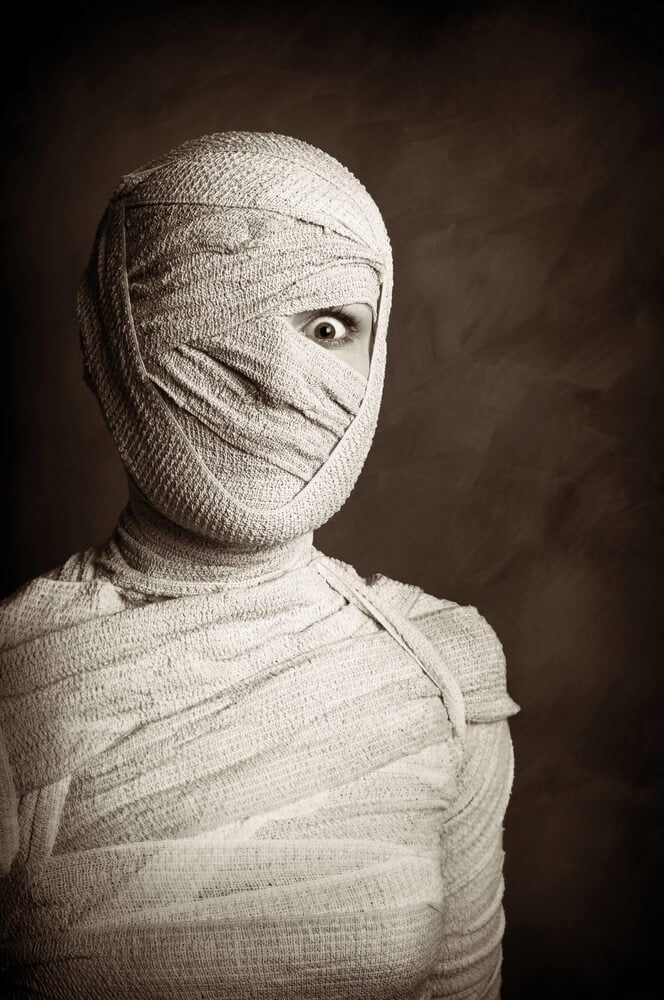
The Mummy joined Aurora’s lineup in 1963 and shares the large, dramatic scale of the earlier monsters. Atlantis has reissued it since, which makes the age of the box and the plastic the main way to tell the original from the newer version.
An original with its sprues untouched and no cement residue is the version collectors prefer, while a kit with a missing hand or base piece needs a donor part to feel complete.
Aurora Creature from the Black Lagoon from 1963
The Creature was first issued by Aurora in 1963 and stayed in production through 1968. Aurora later offered glow-in-the-dark versions as well, so box markings and plastic color tell collectors which edition they are holding.
The thin fins and clawed fingers are among the easiest details to snap or lose, which is why a kit with every fragile piece accounted for stands out from the pack.
Aurora Phantom of the Opera from 1963
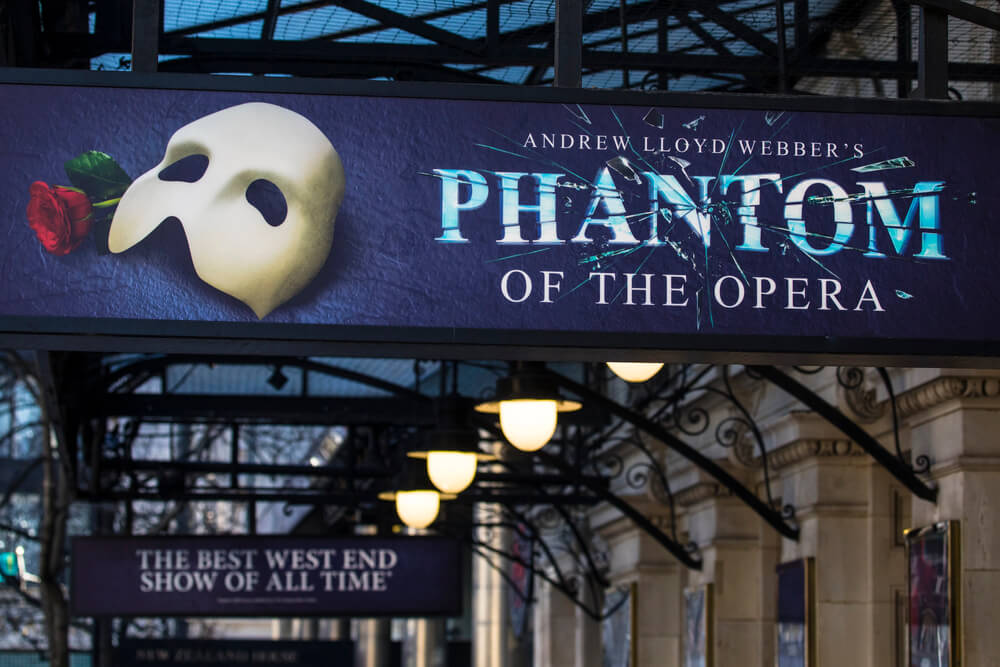
Aurora released the Phantom of the Opera in 1963, and the company also produced factory built-up display models of it for store shelves. Auction houses still sell those display pieces as a separate category, which shows how much attention the character draws.
For someone who wants the kit itself, a complete, never-assembled box is the preferred version, with an unbroken lid and a full parts list weighing more than any shelf-ready paint job.
Aurora Forgotten Prisoner of Castel Mare from 1966
This 1966 Aurora kit shows a skeleton prisoner chained inside a dungeon, an invented scene rather than a movie character. Atlantis later reissued it in a 1/8 scale glow edition, and Moebius also released a version, so original Aurora boxes are the ones that command attention.
Shackle and chain pieces are small and easy to lose, so a complete original with every link intact is considerably harder to find than a box with most of its contents.
Aurora Monster Scenes Dr. Deadly from 1971
Dr. Deadly came from the Monster Scenes series Aurora released in 1971, when parent company Nabisco’s gory kits attracted a wave of complaints that became a well-known toy controversy. The original carries catalog number 631, and Moebius kept that number on its modern reissue, so box markings are the best way to confirm age.
Factory-sealed or fully complete copies are the ones that stay in demand, while kits missing accessories lose much of what made the scene special.
Aurora Lost in Space Robot from the 1960s
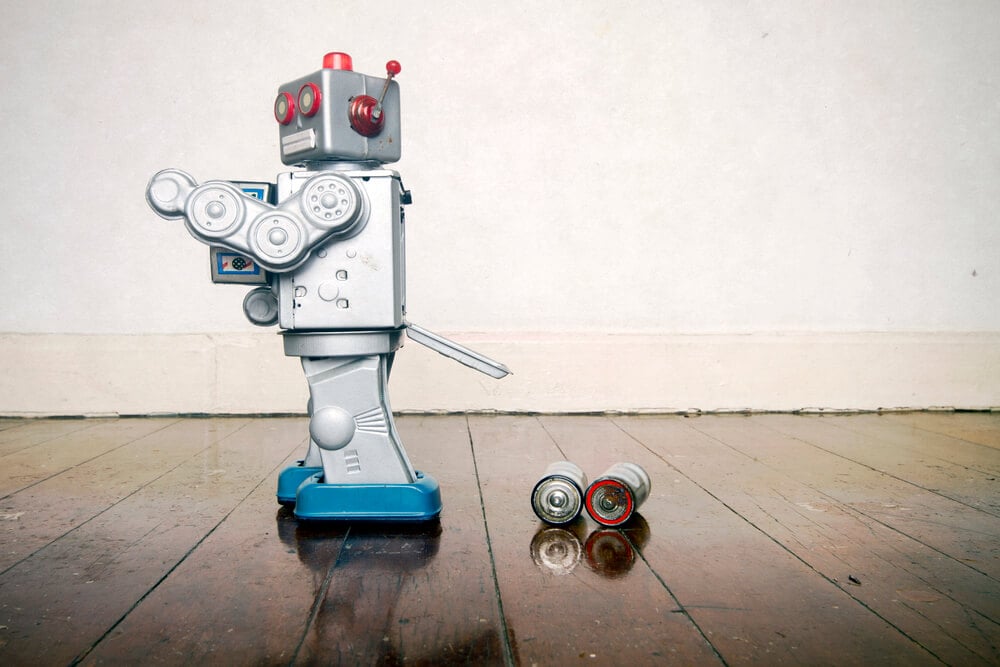
Aurora tied a model kit to the 1965 to 1968 television series Lost in Space, with the show’s Robot as the main attraction. Polar Lights and Moebius have both released new Lost in Space models, which means the original Aurora box is the item that collectors look for.
Clear and chrome-effect parts can scratch, scuff, or cloud with age, so a kit that has stayed in its box with the pieces untouched is preferred.
Aurora King Kong from 1964

King Kong was part of Aurora’s 1964 Movie Monsters lineup and carries the RKO Pictures license on its box. The kit is 1/25 scale and its original catalog number is 468.
Because of its size and detail, a boxed, unbuilt copy with a clean lid commands far more respect than a built version with chipped paint and seams.
Aurora Godzilla from 1964
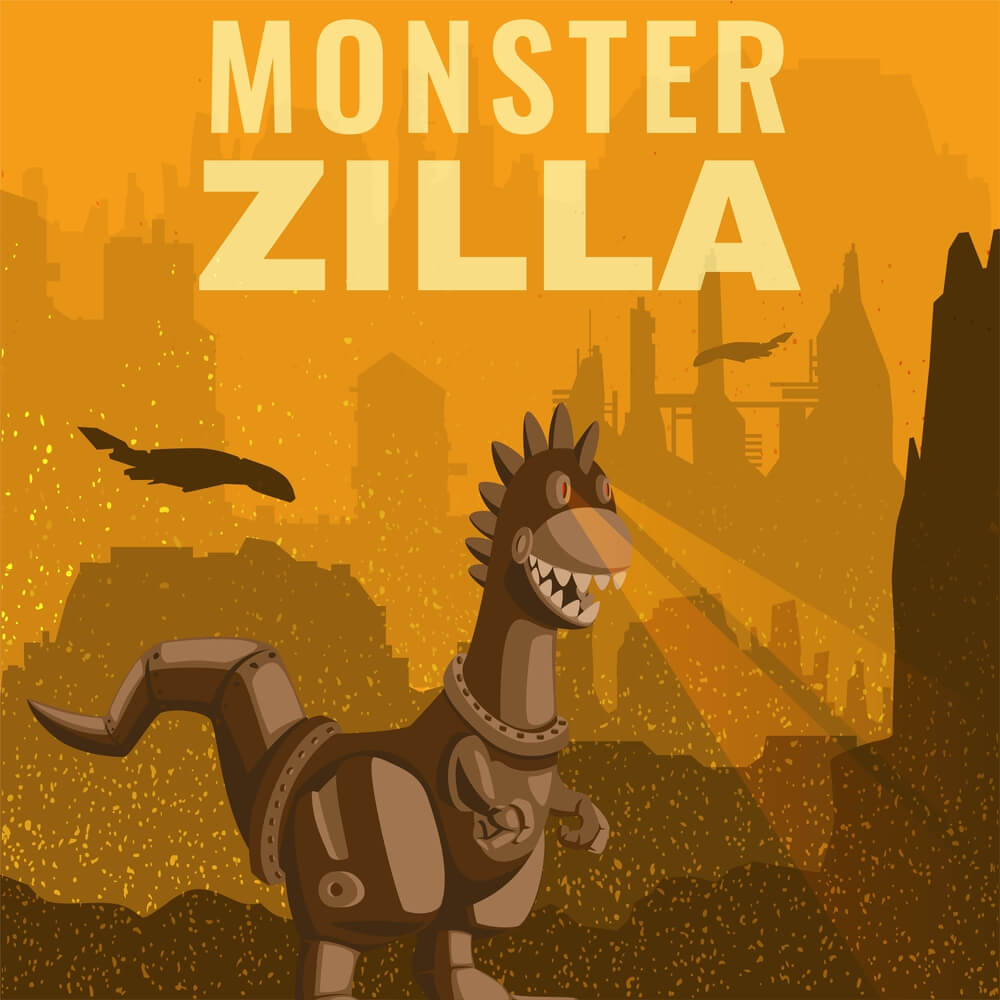
Aurora brought Godzilla to American model shelves in 1964 within the same Movie Monsters wave as King Kong. A different Aurora box version appeared in 1972, so collectors check the lid design to know which era a kit belongs to.
Atlantis has since reissued a glow edition, which keeps the original relevant but also means a complete, untouched Aurora-era copy stands out for its authenticity.
Aurora Godzilla’s Go-Kart from the 1960s
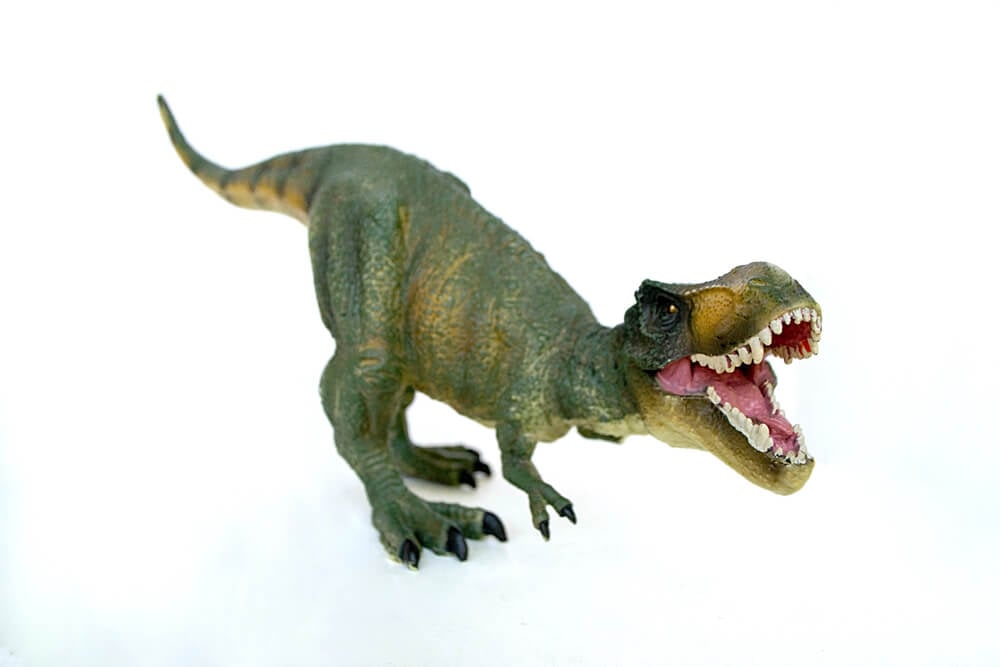
Aurora paired its movie monster with a go-kart in a kit that auction houses describe as rare when found unused and boxed. The novelty of Godzilla behind the wheel means the kit appeals to monster fans and to vehicle collectors alike.
Both the wheels and the fragile, thin parts of the kart matter here, because a kit missing any of them has to be completed with substitutes.
Aurora Batman from 1964
Aurora issued Batman in 1964, two years before the television series turned the character into a pop phenomenon. The original box carries catalog number 467, and sealed new-old-stock examples have appeared for sale alongside built ones.
A kit that remains unopened has the strongest appeal, while an assembled version with its original box is worth less than a sealed copy.
Aurora Guillotine from 1964
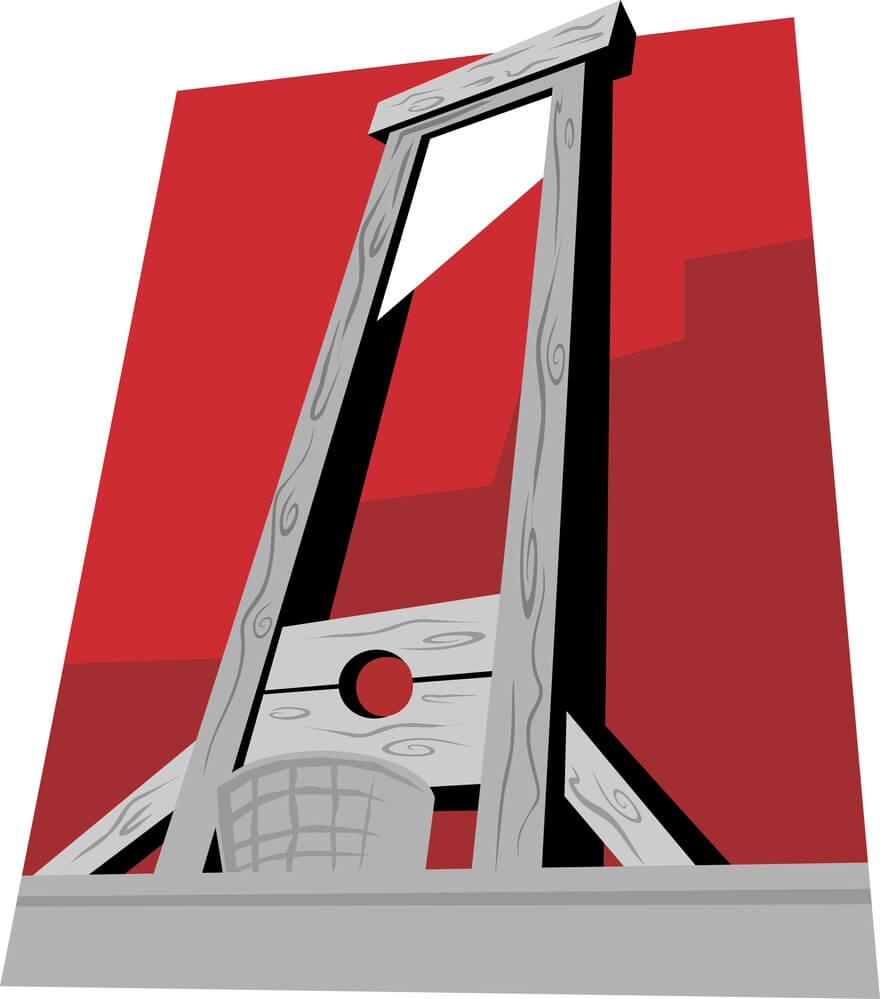
The 1964 Guillotine was sold under Aurora’s Madame Tussaud’s Chamber of Horrors banner, linking the grim kit to the famous London wax museum. Its catalog number is 800, and copies still circulate in complete original boxes.
Box flaps and lids on this kit are prone to wear, so collectors favor copies where the cardboard is still crisp and the plastic has never been cemented.
Renwal Visible Man from 1959
The Henry Ford museum holds a 1959 example of Renwal’s Visible Man assembly kit, a clear-plastic figure that revealed the organs inside the body. Revell later reissued the idea, which means there are several versions of the kit with different box styles.
The clear torso is especially sensitive to scratches, yellowing, and cracks, so an unbuilt copy with its organ pieces intact is the version collectors favor.
Renwal Visible Chassis and Visible V8 from the 1960s
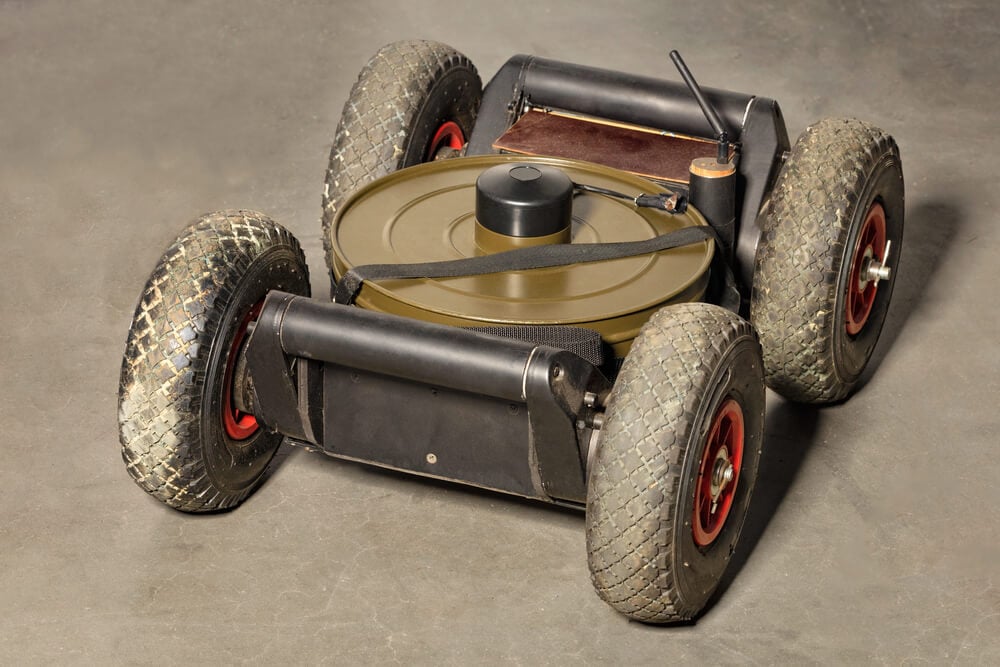
Renwal applied its see-through approach to cars in the 1960s with clear-bodied Visible Chassis and Visible V8 kits. Collectors of automotive memorabilia seek these as much as people who collect models.
Clear plastic can yellow or cloud, and a kit with a missing hose, gear, or engine part is harder to complete than most, so an untouched box is the best-case scenario.
AMT U.S.S. Enterprise from 1966
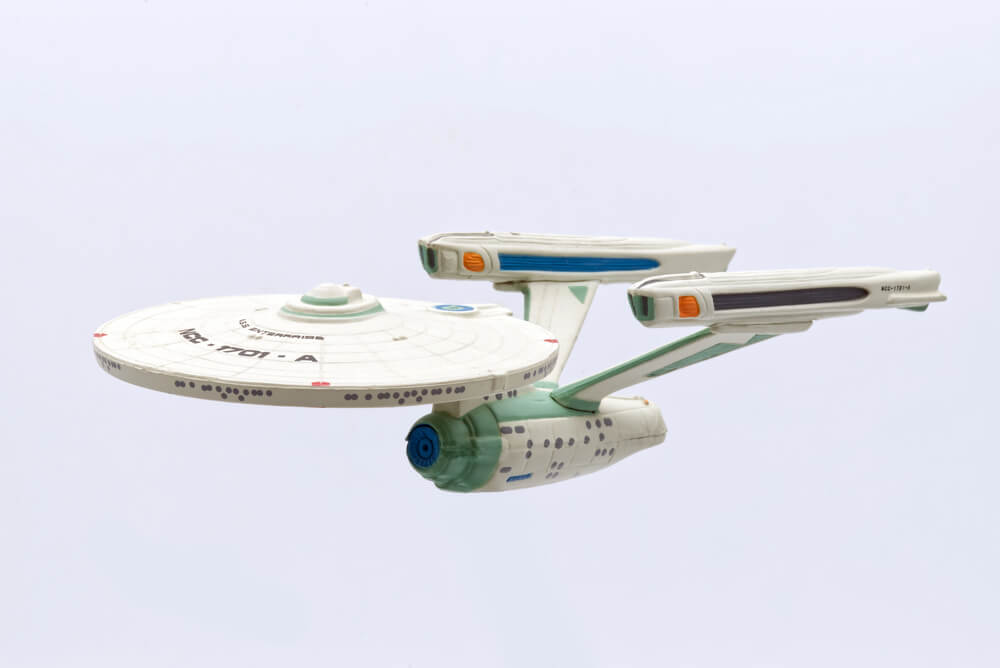
AMT released its U.S.S. Enterprise in 1966 as the first plastic model kit based on the original Star Trek series. It is a 1/650 scale kit, a size that later AMT reissues kept.
Original boxes with intact artwork and complete decal sheets are favored, since decals are one of the first things to be used, damaged, or lost.
AMT Spock Model Kit S973 from 1979
AMT’s Spock kit, numbered S973, dates from 1979 and appeared as the franchise returned to the big screen. It occupies the figure side of the Star Trek model world, away from the starships that dominate most collections.
Complete parts and a box that has avoided crushing and fading are the traits that make a copy appealing.
MPC Millennium Falcon from 1977
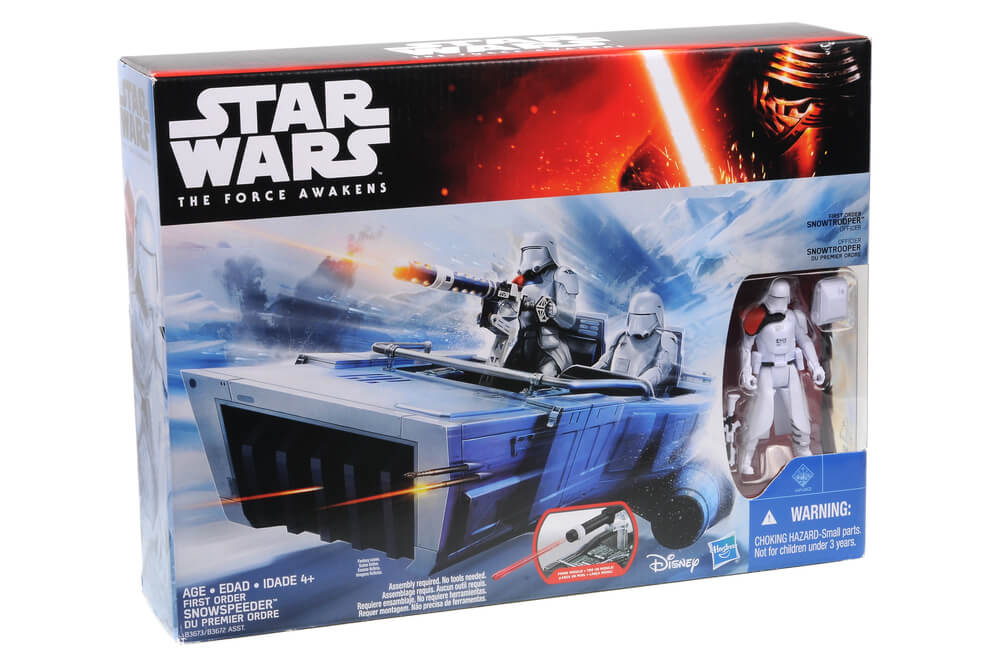
MPC issued Star Wars model kits at the time of the 1977 film, including the Millennium Falcon, which Round 2 later reissued under the MPC name. Collectors look at the original 1970s box and its artwork to tell it from the modern version.
The ship’s many small antennas, radar pieces, and cockpit parts are exactly what disappears from opened kits, so an unbuilt copy with every sprue present is the reference point.
MPC Darth Vader’s TIE Fighter from 1977
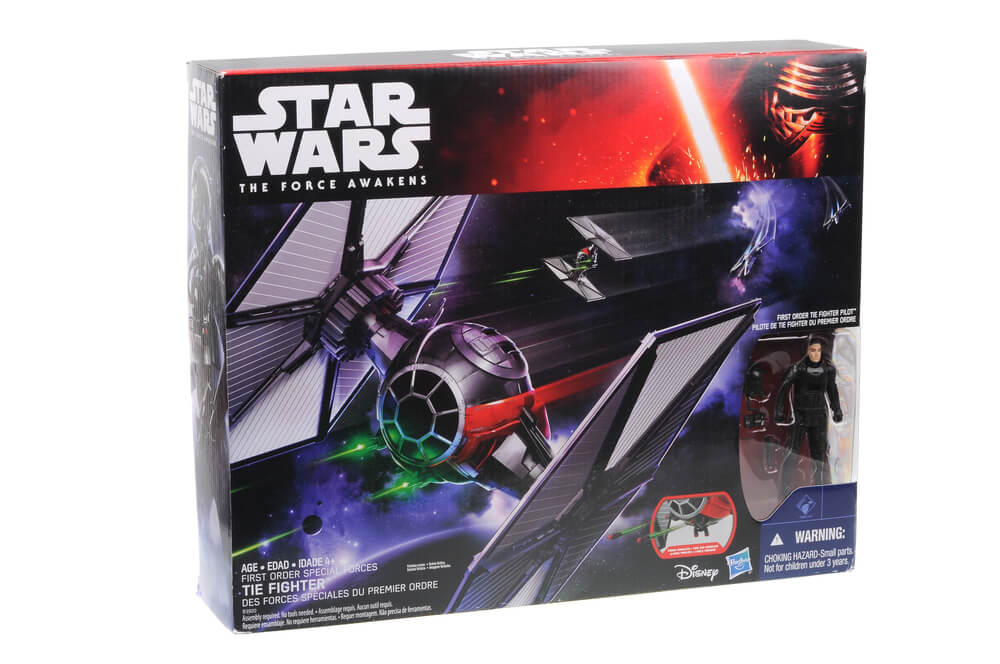
MPC’s Darth Vader’s TIE Fighter is a 1/32 scale kit tied to the 1977 film and has been reissued by Round 2. The original release is the collectible version, with period box art and plastic that has not been altered.
Wing panels and canopy parts are easy to damage during assembly, so buyers prefer examples that were never put together.
MPC Darth Vader Figure Kit from 1977
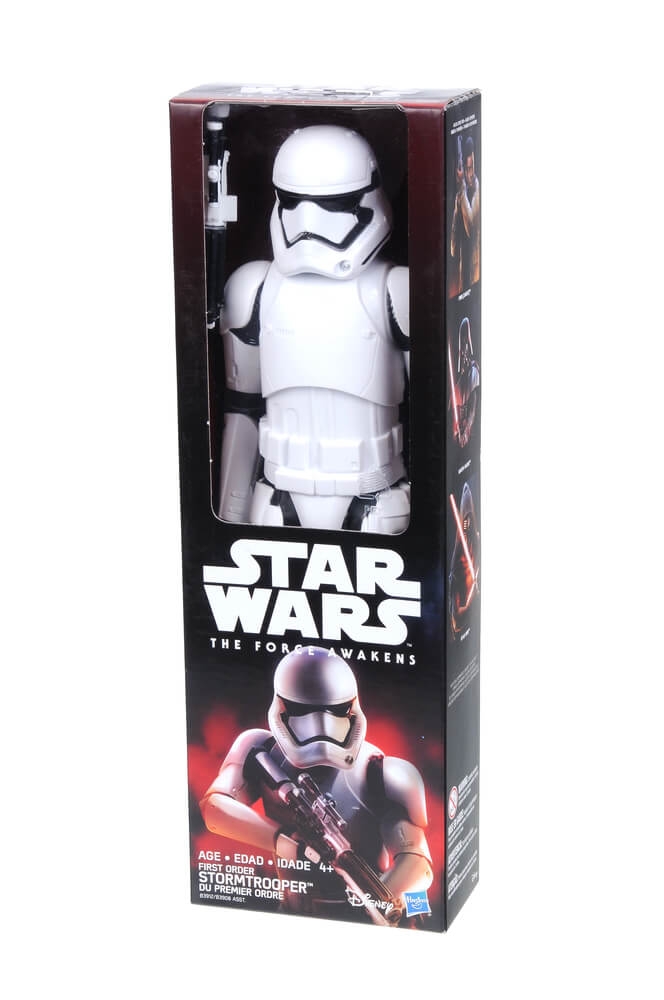
MPC also released a Darth Vader figure kit in 1977, part of the first wave of Star Wars merchandise. Figure kits depend on small, exacting pieces such as the helmet and cape, which means a box missing any of them is a problem.
Early boxes in good condition and untouched sprues are the elements that set a prized copy apart.
Bandai RX-78-2 Gundam from 1980
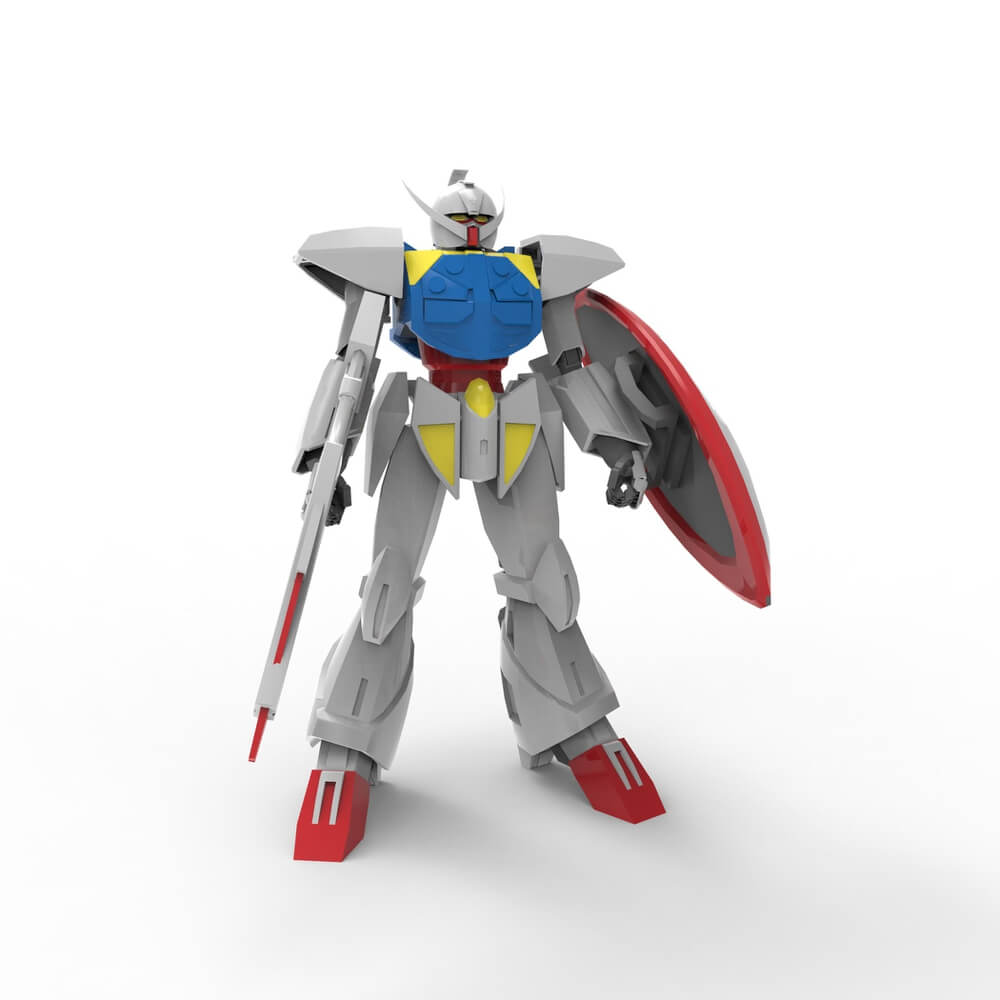
Bandai released the 1/144 scale RX-78-2 Gundam in 1980, launching the Gunpla phenomenon that has since filled entire hobby stores. Bandai later brought back a 1980s version of the kit, so collectors rely on box design and plastic color to separate the original from the throwback.
Sealed runner bags and a clean box matter most, since early kits were not made with the snap-together precision found in modern releases.
Airfix Ferguson Tractor from 1949
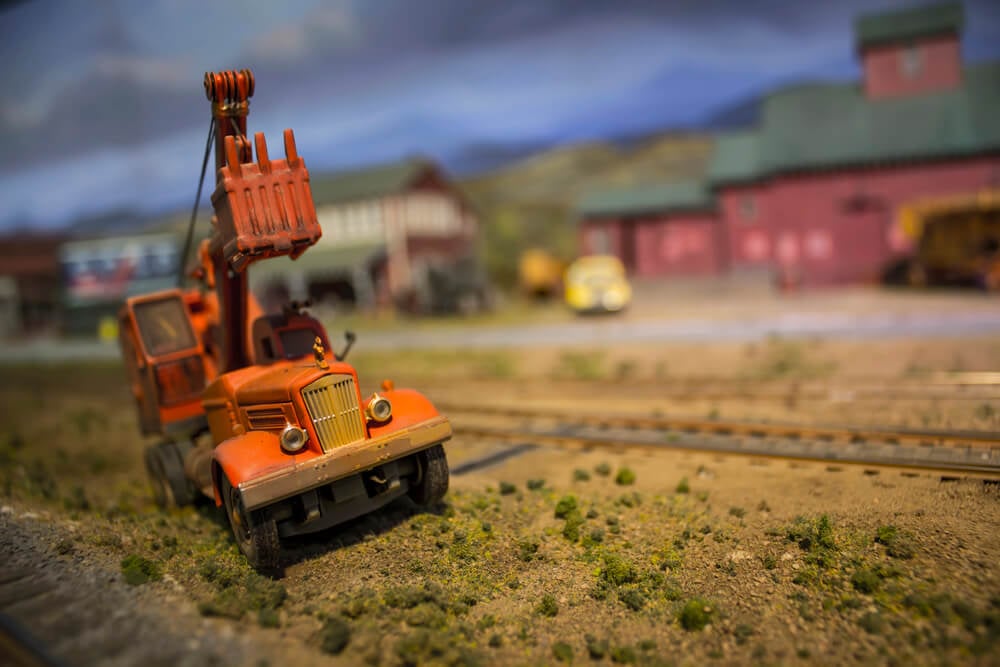
The Airfix Ferguson Tractor, from 1949, was the company’s first model kit and an early success for a firm that would later dominate British hobby shelves. The earliest examples were molded in cellulose acetate, a plastic known to warp and shrink over time.
Intact parts that have kept their shape and a package that has stayed together are very hard to find, which is why surviving examples carry weight.
Airfix Spitfire Mk Ia from 1955
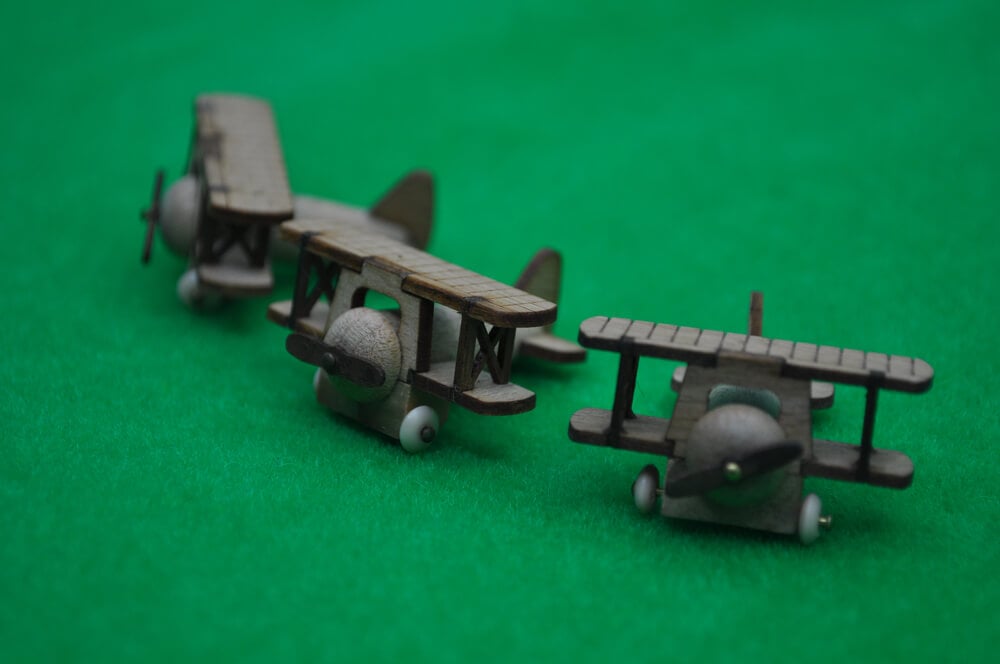
In 1955, Airfix released its first aircraft kit, a 1/72 scale Supermarine Spitfire, and the scale became a standard that the hobby still uses. Early Airfix kits were sold in bags with a header card rather than in boxes.
A card that has stayed crisp, with the plastic inside untouched and the transfers sound, is what buyers prefer.
Revell Brother Rat Fink on a Bike from the 1960s
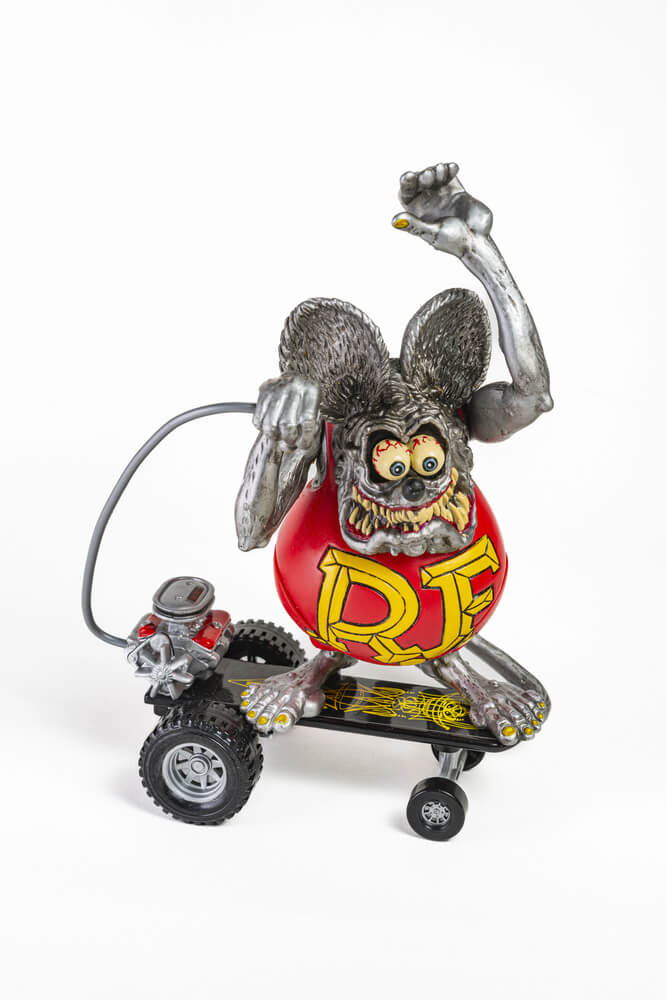
Ed Big Daddy Roth turned his monster mascot Rat Fink into a pop-culture figure, and Revell issued Brother Rat Fink on a Bike as part of its Roth model line in the 1960s. The box art reflects Roth’s wild style, which is a major part of the draw.
Because the kit combines a figure and a motorbike, a copy with every wheel, handlebar, and small accessory still attached to the sprue is the preferred version.
Revell Superfink from the 1960s
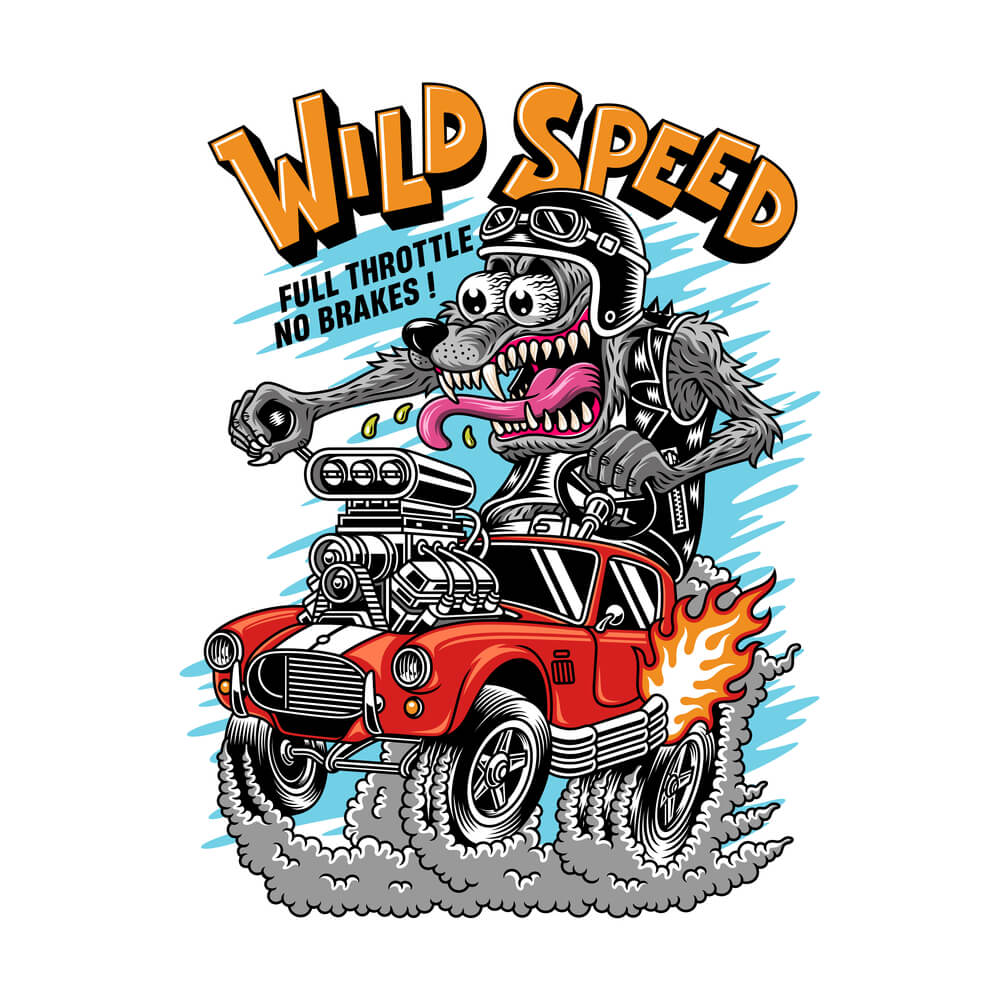
Superfink is another Roth creation that Revell turned into a model kit, and the Google Arts and Culture archive lists the Revell version. Kits of this kind are collected alongside hot rod art, posters, and other pieces of the Roth mythology.
An unbuilt box with clean artwork, undamaged corners, and a full sprue is what collectors want, since built examples tend to have glue scars and repainted details.
Revell Ed Roth’s Drag Nut
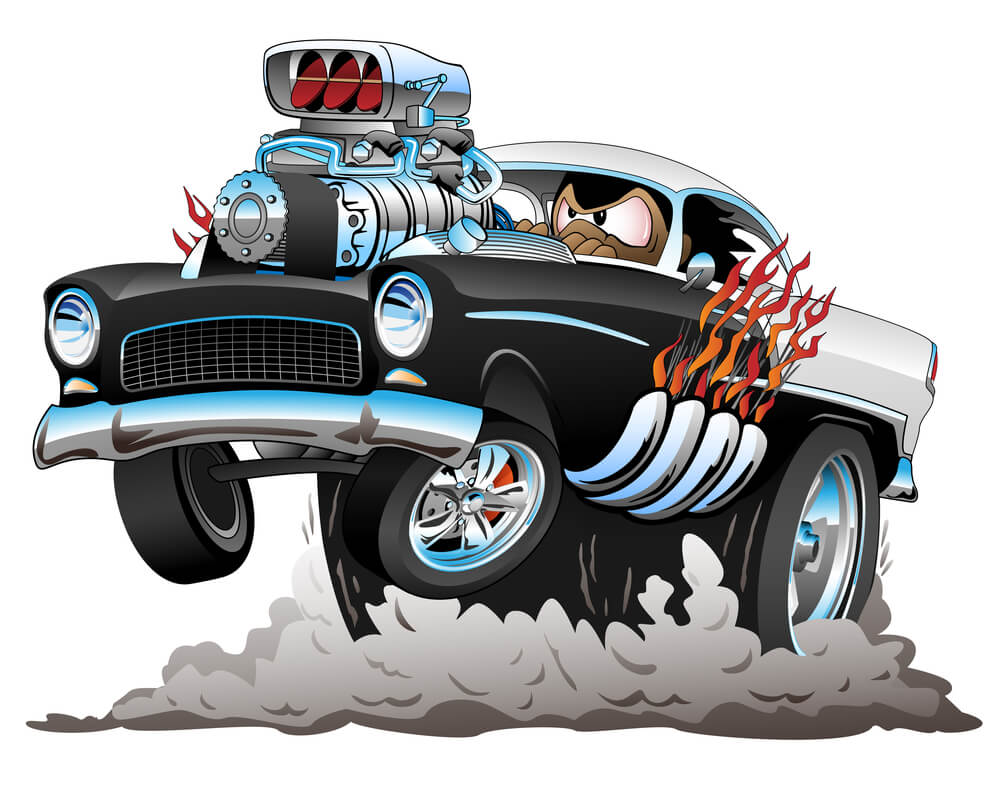
Drag Nut is another of the Roth hot rod kits from Revell, later reissued by Revell-Monogram as a 1/25 scale model. Collectors look for the first Revell boxes rather than the later versions, since the earlier release is the one tied to the original wave of Roth kits.
Decals, small chrome parts, and the box itself all affect desirability, so a complete original is worth chasing.
Hawk Weird-Ohs from 1963
— Illustration by Bellanoche
Hawk Model Company issued its Weird-Ohs in 1963, a line of cartoonish hot-rod characters designed by artist Bill Campbell. Daddy the Way-Out Suburbanite is among the best-known figures in the series.
The comic-strip box art is a big part of what collectors want, so lids without tears, stains, or sun fading matter as much as the plastic inside.
What an Unopened Box Preserves
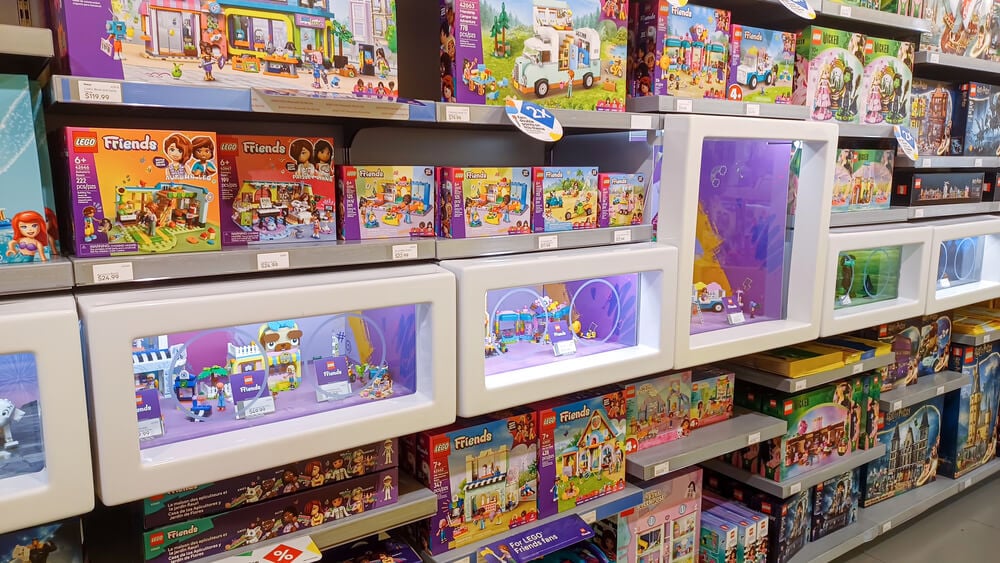
The pattern across these kits is simple. A built model reflects the skill of one person on one afternoon, while an unbuilt one keeps everything the factory sent, including the sprues, the instructions, and the artwork.
That is why a missing part, a cracked lid, or a stray drop of glue can change how a kit is viewed. Condition never guarantees a particular outcome, and demand shifts with fashion, reissues, and nostalgia.
But collectors consistently prefer the kit that still has all its pieces and its original box, because it can never be returned to that state once it is built.
More from Go2Tutors!

- 27 Silver Dollars and Half Dollars Worth Keeping
- 28 Restaurant Menu Items Nobody Orders Anymore
- 17 Places Built in Seemingly Impossible Spots
- 27 Vintage Rings Worth More Than They Look
- 25 Restricted Sites Tourists Can’t Enter
Like Go2Tutors’s content? Follow us on MSN.