15 Worst Airline Safety Incidents in Aviation History
Flying remains statistically one of the safest forms of travel, yet the aviation industry’s history is marked by tragedies that forever changed how we approach air safety. These incidents didn’t just claim lives — they exposed critical flaws in aircraft design, maintenance protocols, air traffic control systems, and human decision-making under pressure.
Each disaster became a catalyst for new regulations, improved technology, and enhanced training procedures that make modern aviation safer today. The stories that follow represent some of the most devastating moments in commercial aviation.
They remind us that behind every safety protocol and regulation lies a hard-learned lesson, often paid for with an unacceptable human cost.
Tenerife Airport Disaster
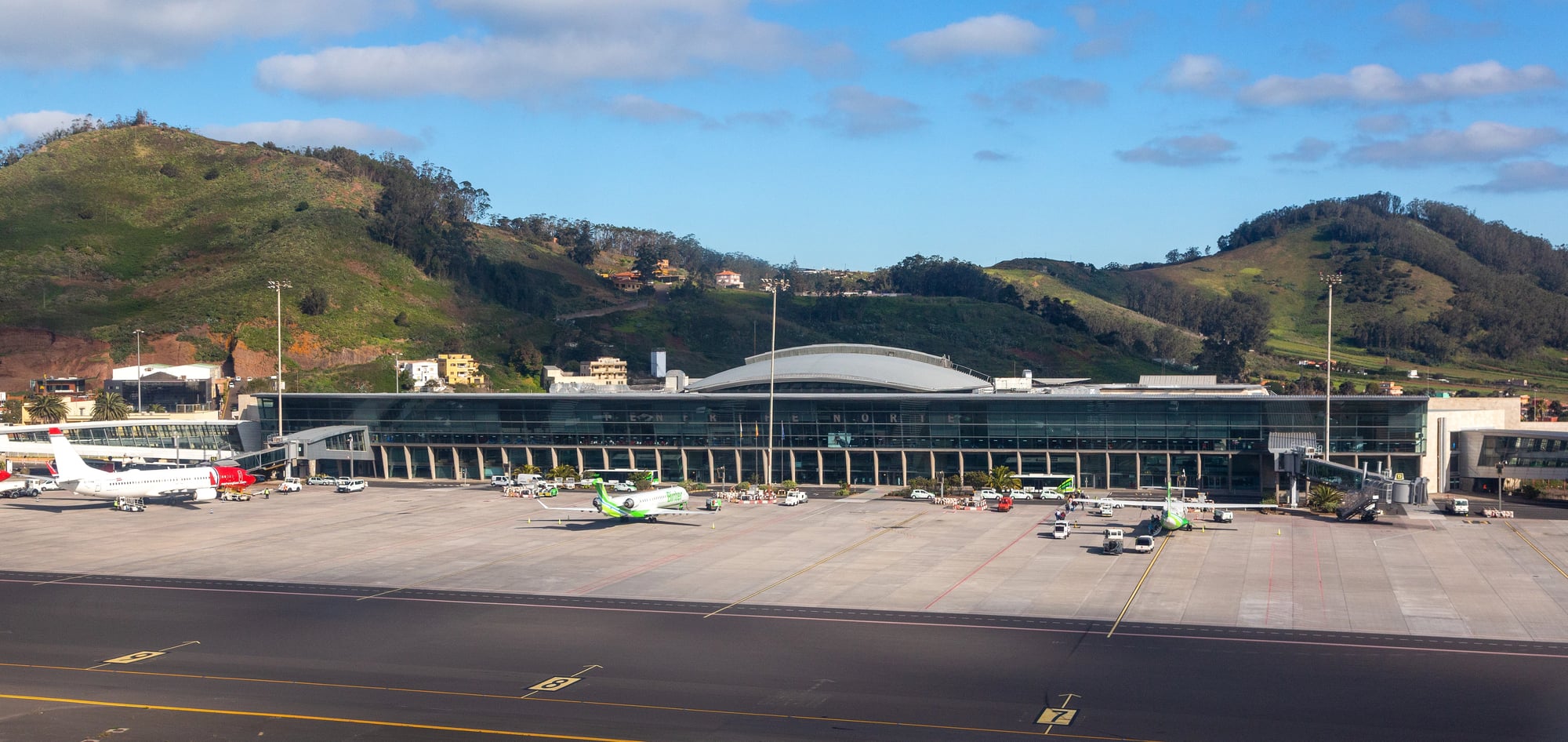
Two Boeing 747s collided on the runway at Tenerife’s Los Rodeos Airport. 583 people died.
The deadliest aviation accident in history happened because of fog and miscommunication.
Japan Airlines Flight 123
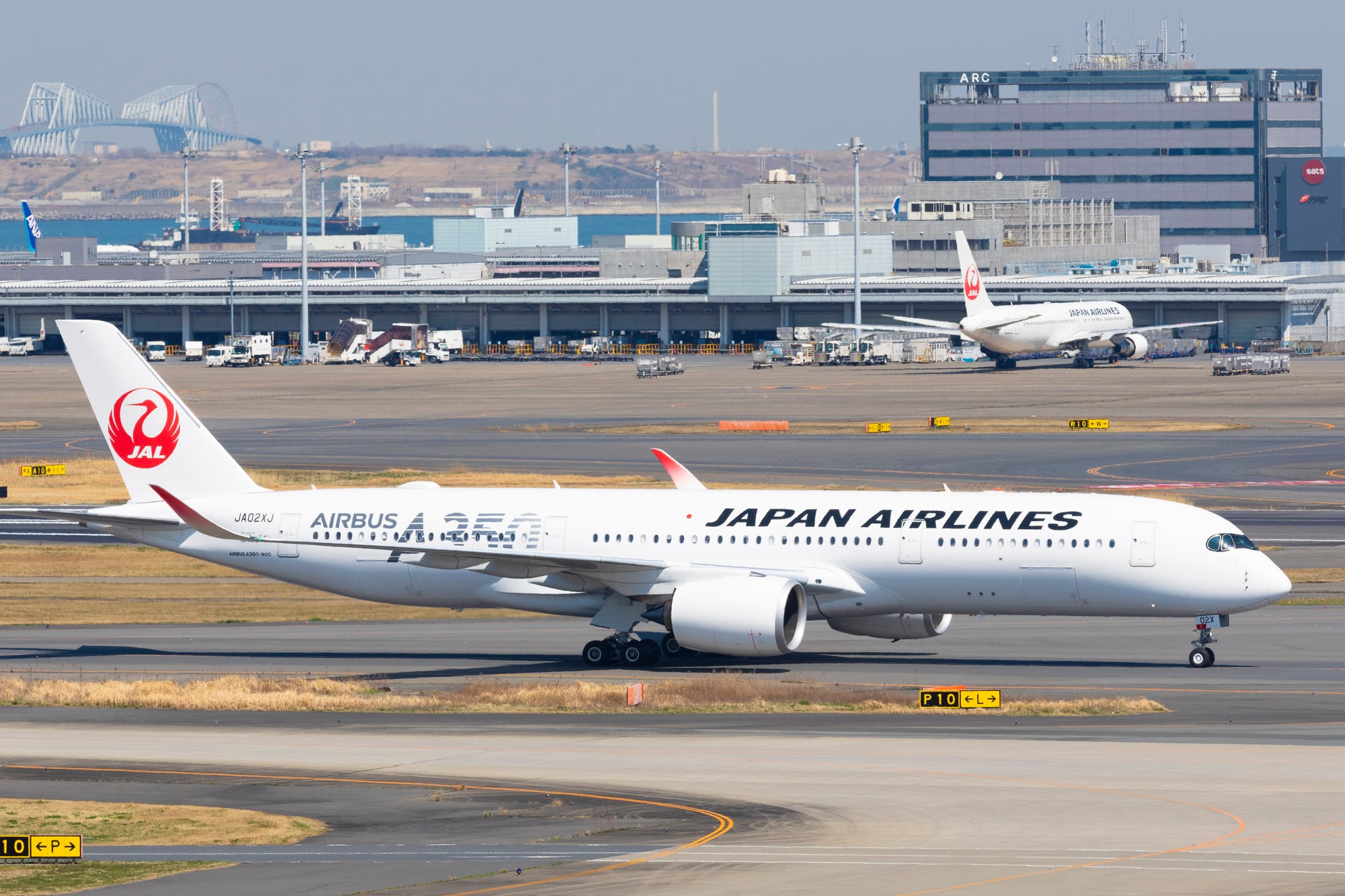
The rear pressure bulkhead failed catastrophically after takeoff from Tokyo. The Boeing 747 became uncontrollable, and despite the crew’s desperate 32-minute struggle to regain control (a fight so intense that investigators later marveled at their skill and determination), the aircraft crashed into Mount Osutaka.
What makes this tragedy particularly haunting is that it wasn’t a sudden, merciful end — passengers had time to write farewell notes to their families, notes that were later found in the wreckage and delivered to loved ones. So the 520 people who died that day knew what was coming, which transforms this from a mere statistical tragedy into something far more profound: a meditation on how we face our final moments.
Charkhi Dadri Mid-Air Collision

Mid-air collisions strip away every buffer between passengers and the fundamental violence of physics. When Saudi Arabian Airlines Flight 763 and Kazakhstan Airlines Flight 1907 met in the sky over India, 349 people simply ceased to exist in an instant.
The investigation revealed what aviation experts already knew but rarely discussed: two massive aircraft traveling at hundreds of miles per hour create a kind of mechanical inevitability that no amount of training or quick thinking can overcome once the trajectories intersect. The debris field told the story that radio transcripts couldn’t — metal twisted in ways that seemed almost deliberate, personal items scattered across miles of farmland like some cosmic suggestion that human life, for all its complexity and meaning, becomes startlingly simple when subjected to the basic laws of motion.
Turkish Airlines Flight 981
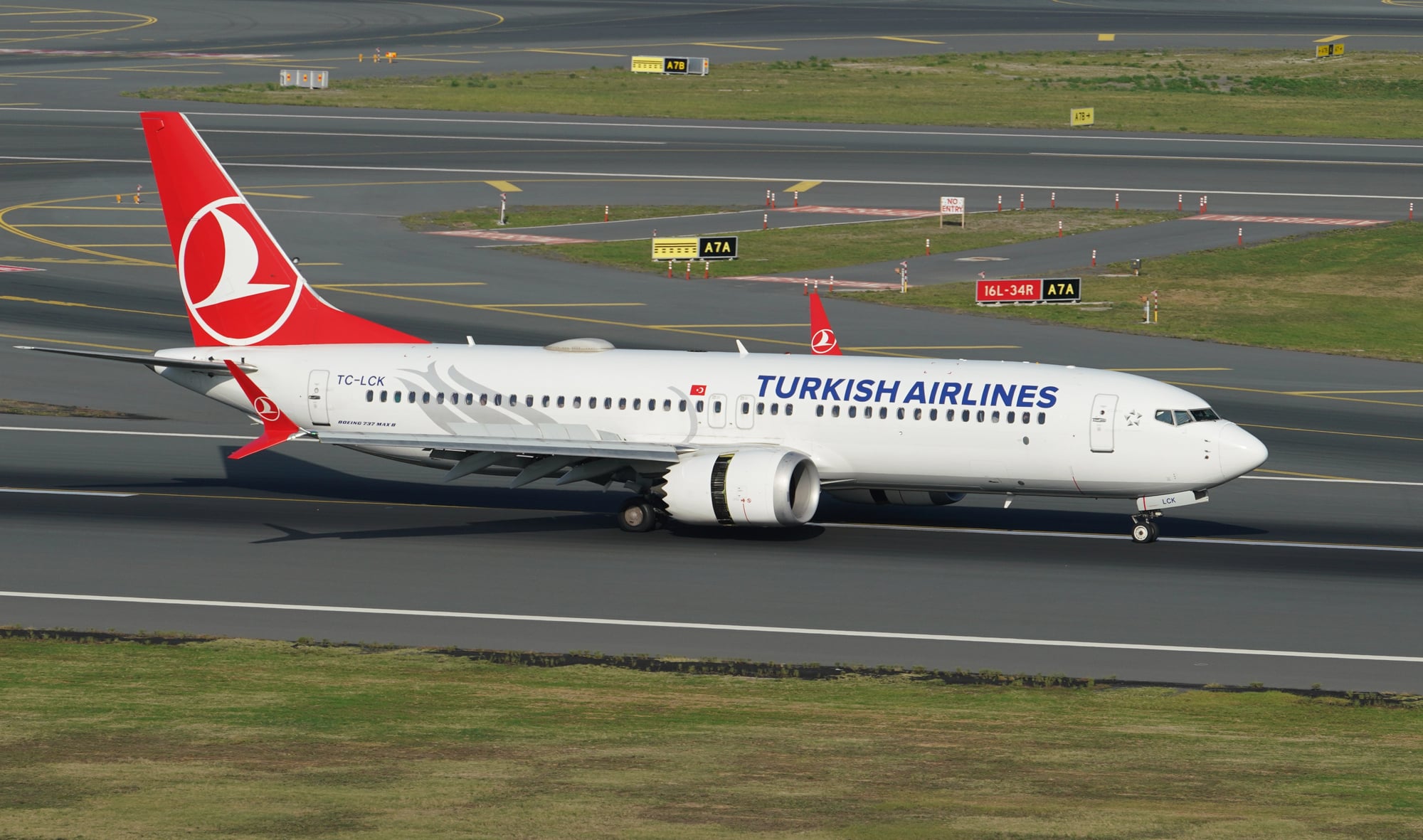
Cargo doors shouldn’t be able to blow out at 11,000 feet, but engineering and reality don’t always agree. The DC-10’s design flaw was known — Douglas had received warnings, other airlines had experienced similar failures, and the fix was relatively simple.
Instead of addressing it properly, they issued service bulletins and hoped for the best. The door failed exactly as predicted.
The floor collapsed, severing control cables, and 346 people died because corporate executives decided that probabilistic risk was acceptable until it wasn’t.
Air India Flight 182
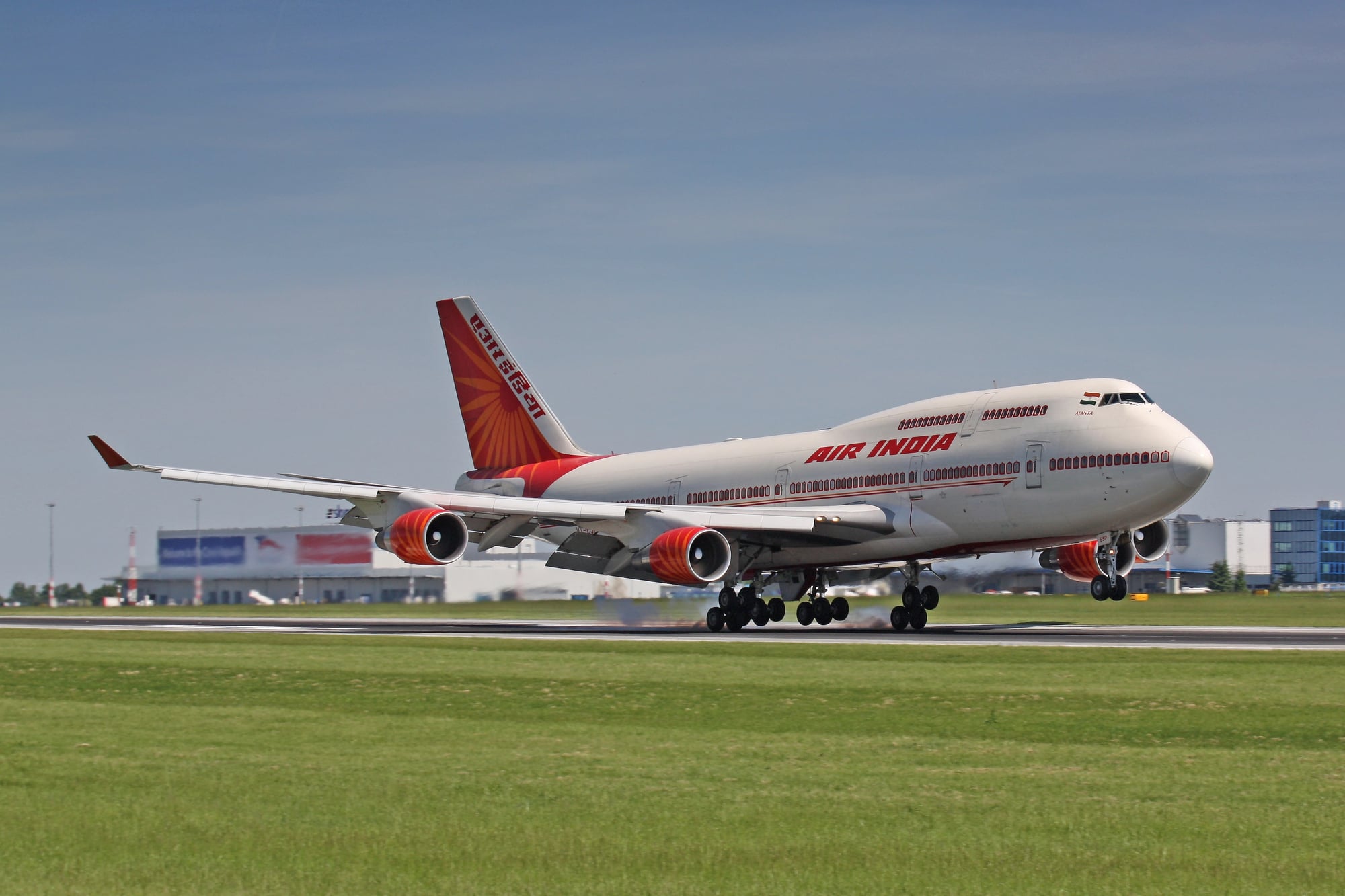
A bomb hidden in a suitcase destroyed the Boeing 747 over the Atlantic Ocean. The Sikh extremist attack killed all 329 people aboard, including 268 Canadians (which made it the deadliest terrorist attack in Canadian history, though most people couldn’t tell you that because it happened before terrorism became a household obsession).
Security screening in 1985 operated under the quaint assumption that most passengers weren’t trying to kill everyone on board. That assumption died along with Flight 182, somewhere in the cold waters off the Irish coast.
Iran Air Flight 655
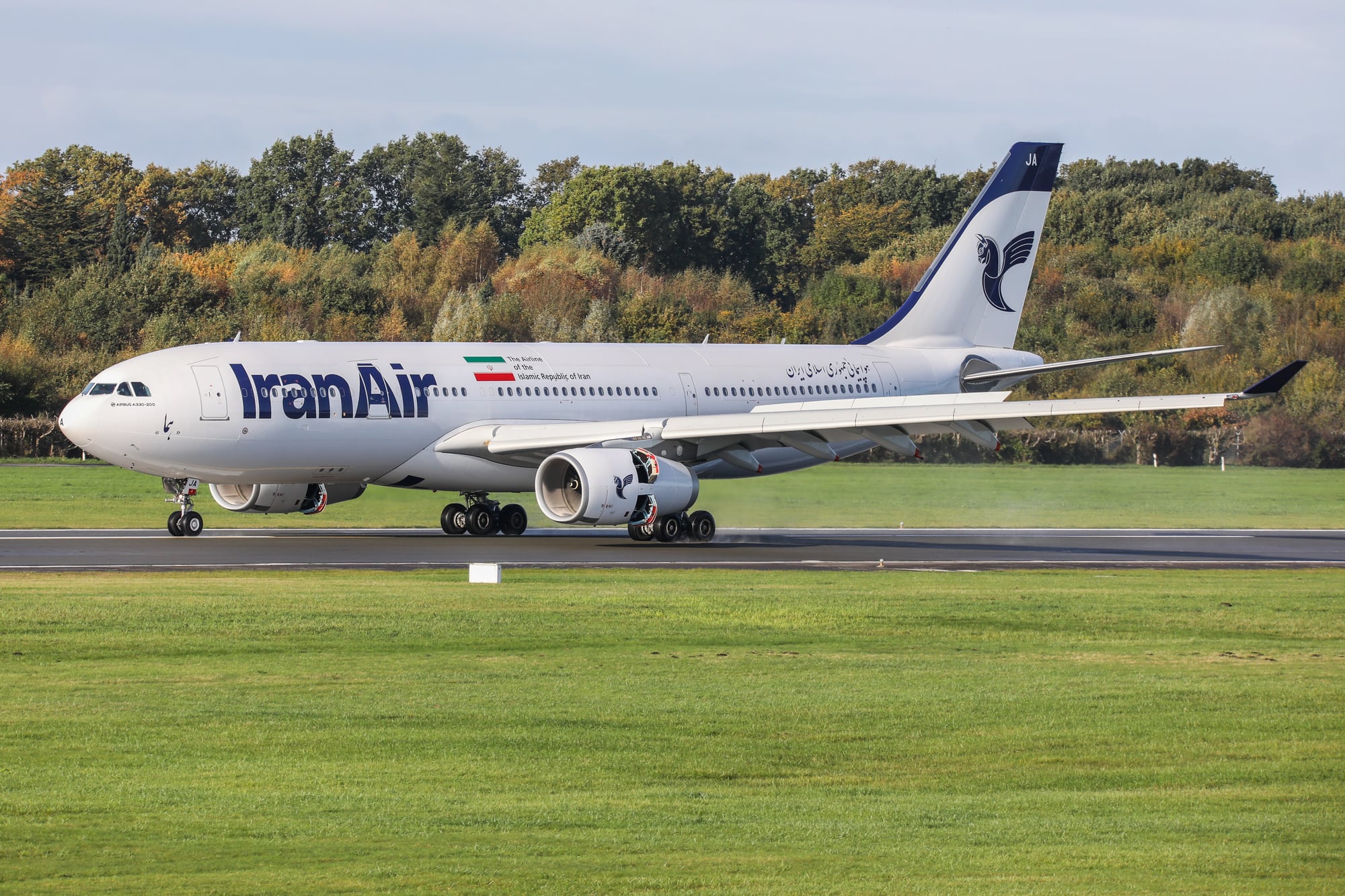
The USS Vincennes shot down a civilian airliner, mistaking it for an attacking fighter jet during heightened tensions in the Persian Gulf. All 290 people aboard the Airbus A300 died — men, women, and children whose only mistake was flying through a war zone they probably didn’t even know existed (because most passengers don’t spend their boarding time studying geopolitical flashpoints and naval exclusion zones).
The incident revealed how quickly sophisticated military technology can transform routine commercial aviation into collateral damage when human judgment fails under pressure. And the truly disturbing part isn’t that the mistake happened — it’s how predictable it was, given the circumstances and the split-second decisions required of people operating in a fog of incomplete information and justified paranoia.
Korean Air Lines Flight 007
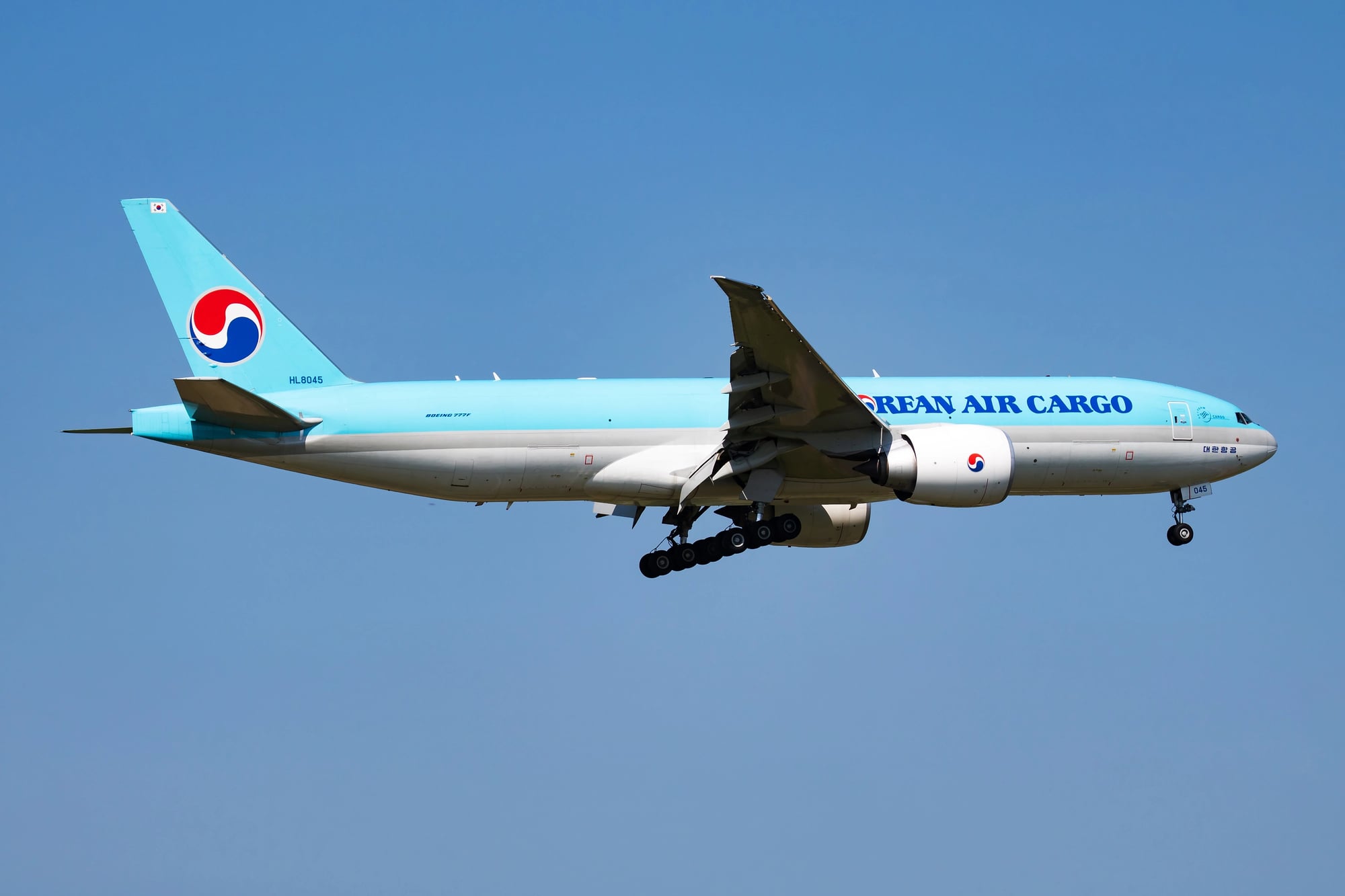
Soviet interceptors shot down the Boeing 747 after it strayed into prohibited airspace. The Cold War claimed 269 lives that night, including a sitting US congressman.
Navigation errors became geopolitical incidents when the stakes were high enough. The passengers probably never knew they’d become pawns in a superpower standoff.
They just wanted to get to Seoul.
Arrow Air Flight 1285
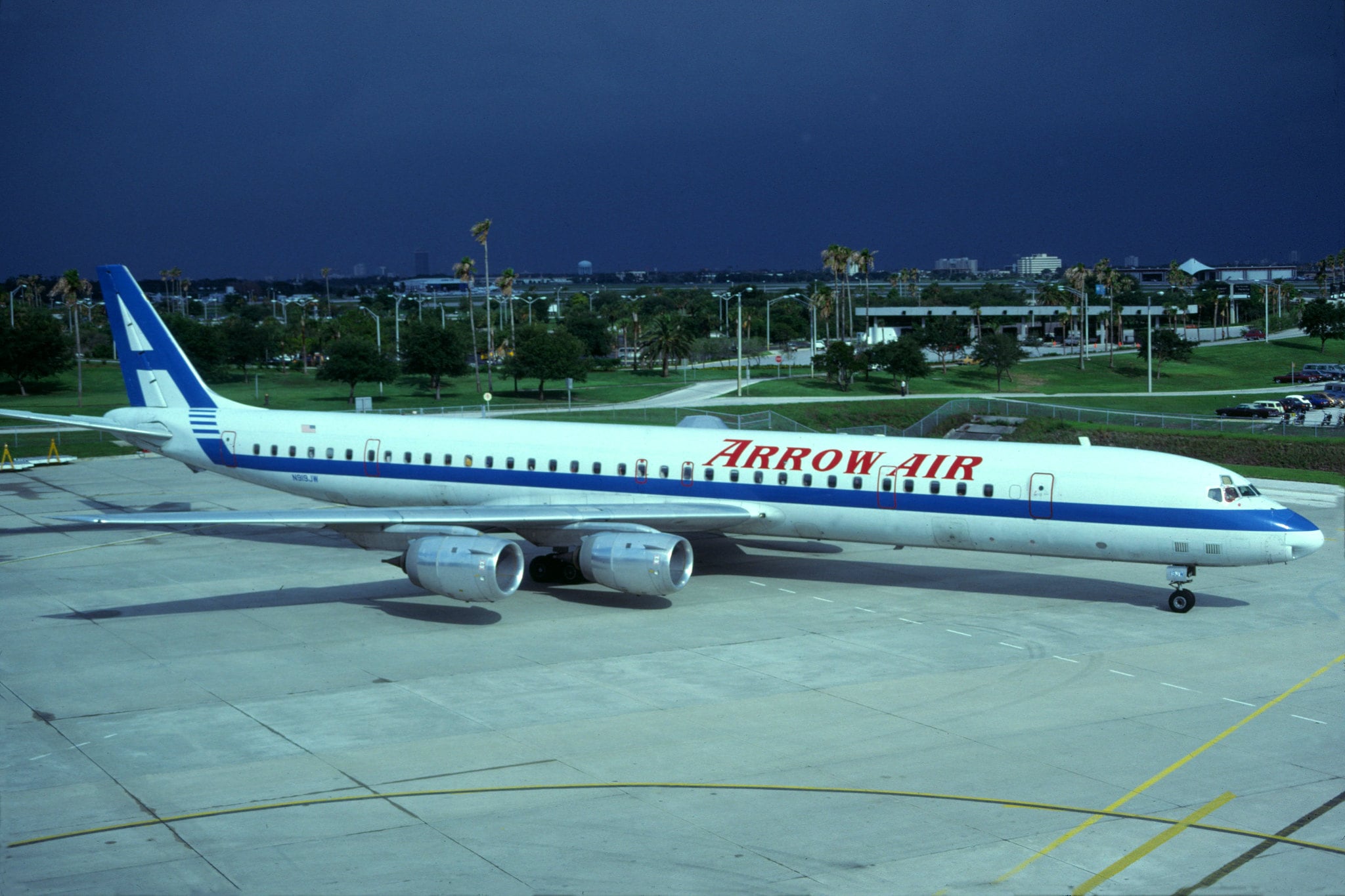
Military charter flights don’t get the same scrutiny as commercial aviation, which became tragically clear when this DC-8 crashed on takeoff from Gander, Newfoundland. The 248 American soldiers aboard were returning home from a peacekeeping mission in Egypt — six months of desert duty, finally heading back to their families just in time for Christmas.
Ice on the wings brought them down 30 seconds after takeoff. The investigation dragged on for years, with experts arguing over whether ice accumulation or mechanical failure was the primary cause, but the families didn’t need a technical explanation to understand that something preventable had killed their sons and daughters within sight of the runway.
Malaysia Airlines Flight 17
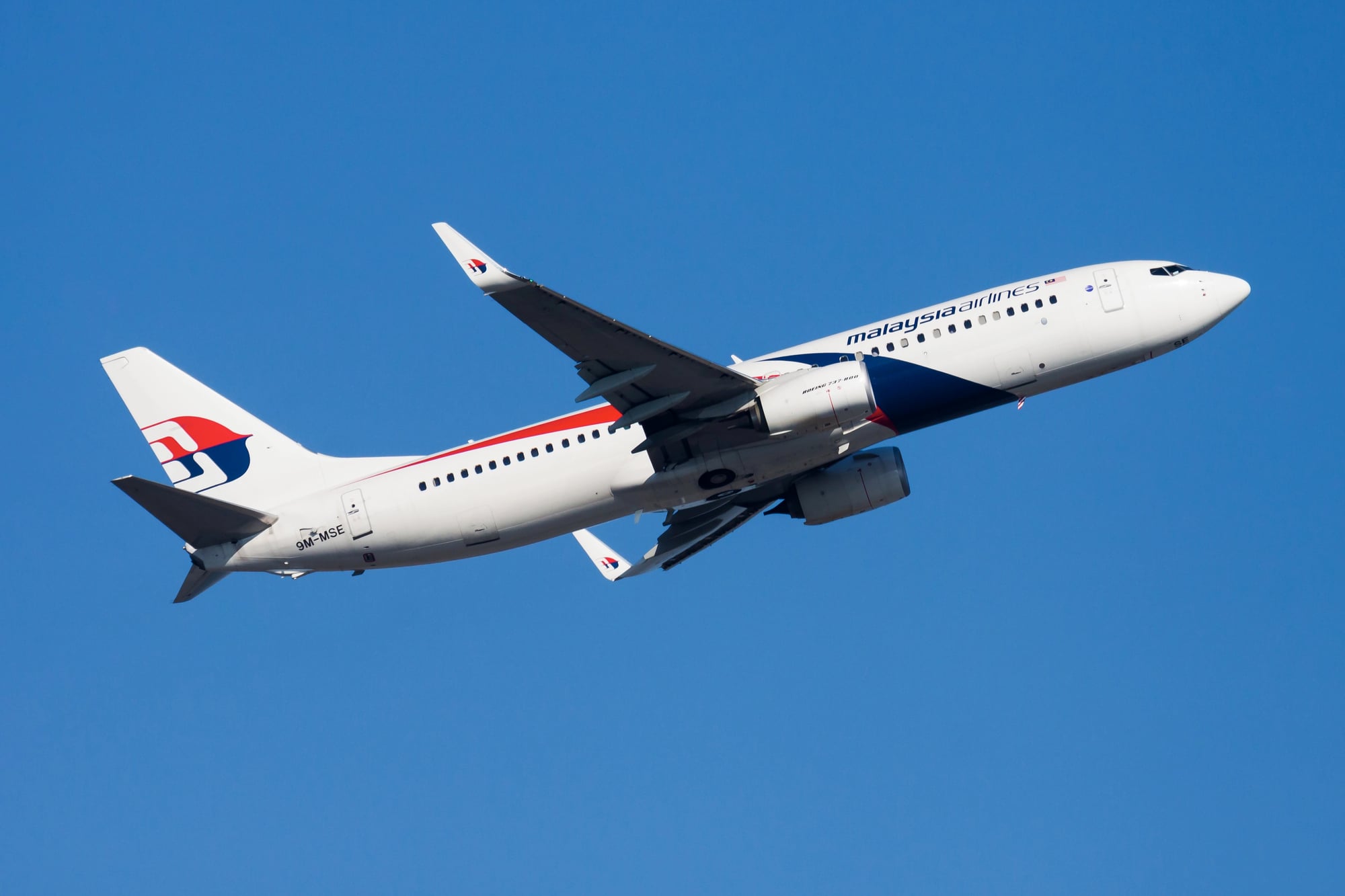
Commercial aviation became a casualty of war when pro-Russian separatists shot down the Boeing 777 over eastern Ukraine. The surface-to-air missile killed all 298 people aboard — Dutch families heading to vacation, researchers traveling to an AIDS conference, ordinary people whose flight path happened to cross a conflict zone they had no part in creating.
Modern warfare doesn’t distinguish between combatants and passengers at 33,000 feet. Radar signatures look the same regardless of who’s inside.
American Airlines Flight 191
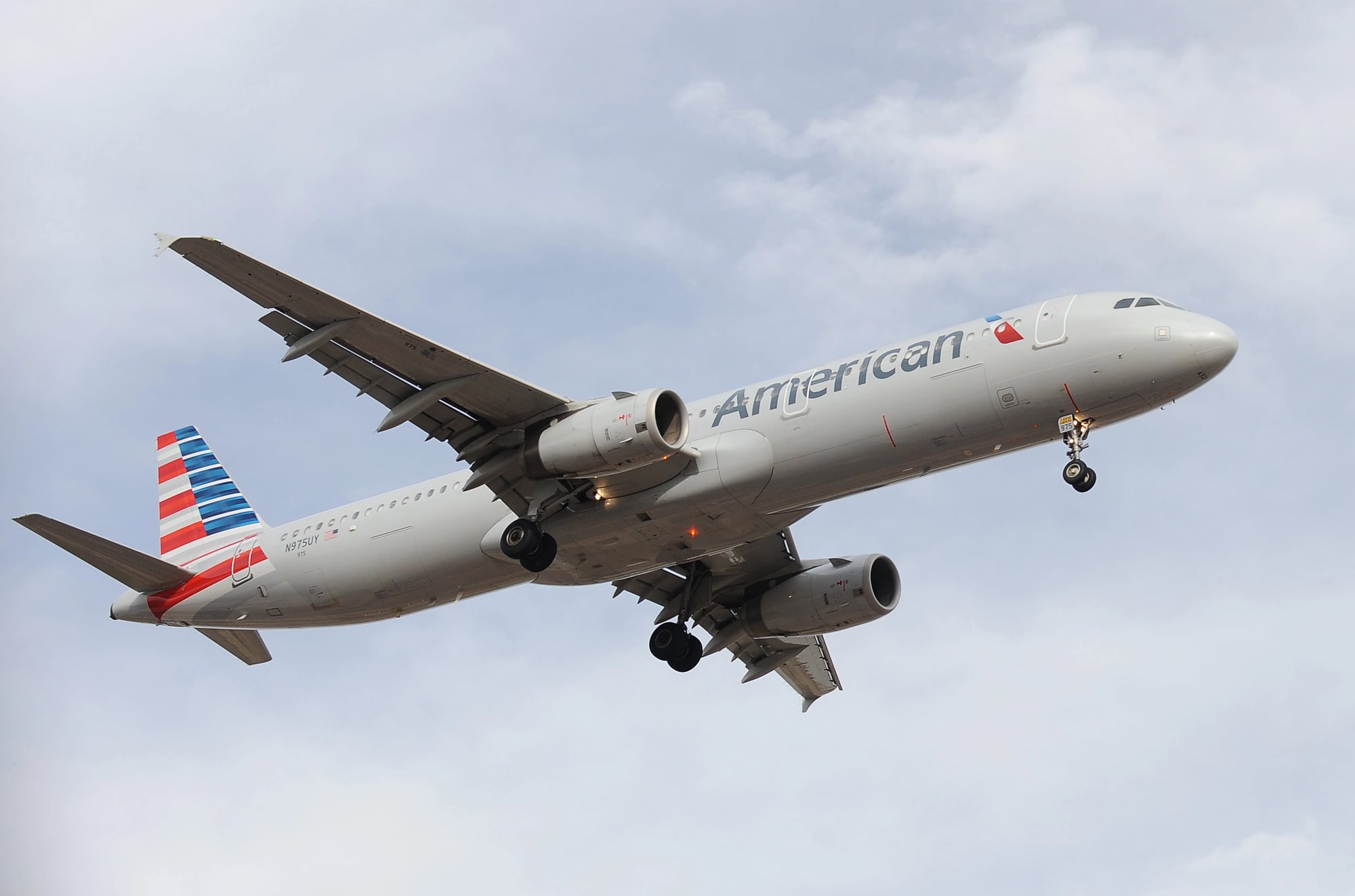
The DC-10’s left engine separated during takeoff from Chicago O’Hare, taking hydraulic lines and electrical systems with it. The aircraft rolled left and crashed, killing all 271 aboard plus two on the ground.
Maintenance procedures had weakened the engine mount over time — small shortcuts that accumulated into catastrophic failure. What looked like a freak accident was actually the predictable result of cost-cutting measures that prioritized efficiency over engineering margins.
The FAA grounded all DC-10s afterward, but that decision came about three minutes too late for the people on Flight 191.
Pan Am Flight 103

The bomb that destroyed Pan Am Flight 103 over Lockerbie, Scotland, turned a Boeing 747 into shrapnel at 31,000 feet (and transformed a quiet Scottish town into a crime scene that stretched for miles, with pieces of fuselage embedded in suburban lawns and passenger belongings scattered across farmland like some grim treasure hunt). The 270 people who died — 259 on the aircraft plus 11 on the ground — became victims of a geopolitical revenge plot they had nothing to do with, which is the essential cruelty of terrorism: it targets innocence precisely because innocence makes the most effective statement.
But the truly haunting detail isn’t the destruction itself; it’s how investigators later reconstructed the passengers’ final moments from forensic evidence, determining that some survived the initial blast and remained conscious during the fall, which means they had time to understand what was happening before impact — a realization that transforms this from an abstract policy discussion about aviation security into something far more immediate and personal.
United Airlines Flight 232
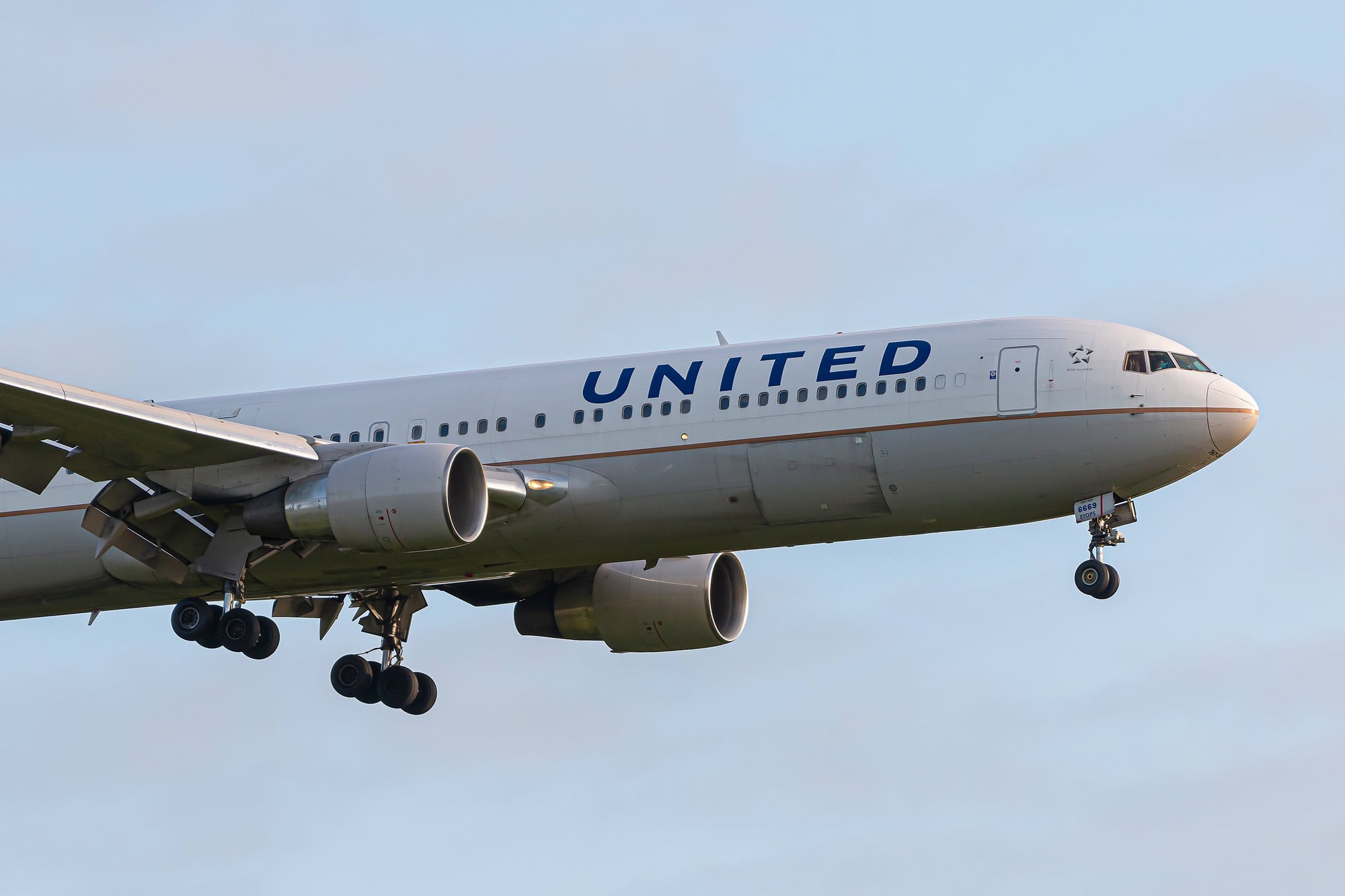
Catastrophic engine failure severed all hydraulic systems on the DC-10, leaving the crew with no conventional flight controls. Captain Al Haynes and his crew improvised a landing using only engine thrust for control.
They saved 185 lives out of 296 aboard. The crash was survivable because of exceptional airmanship under impossible circumstances.
Most aviation disasters end with procedural changes and new regulations. This one ended with a masterclass in how human skill can triumph over mechanical failure when there’s no other choice.
Avianca Flight 52
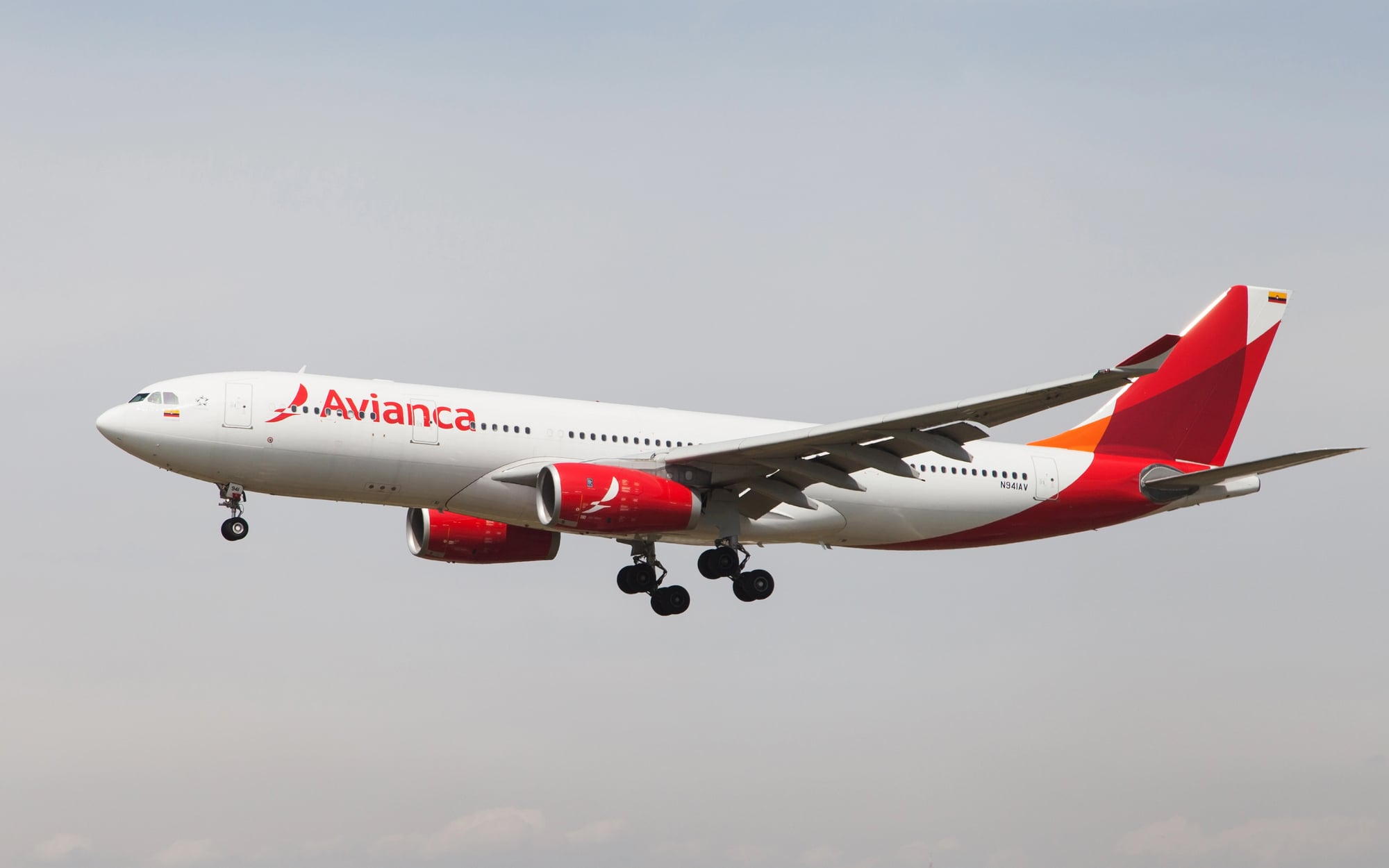
Running out of fuel over New York, the Boeing 707 crashed in Long Island after multiple approach attempts in poor weather. Communication failures between the crew and air traffic control prevented priority handling that might have saved 73 lives.
The crew never declared a fuel emergency in terms that controllers understood. Cultural and language barriers killed people who were literally running out of time above one of the world’s busiest airports.
China Airlines Flight 611
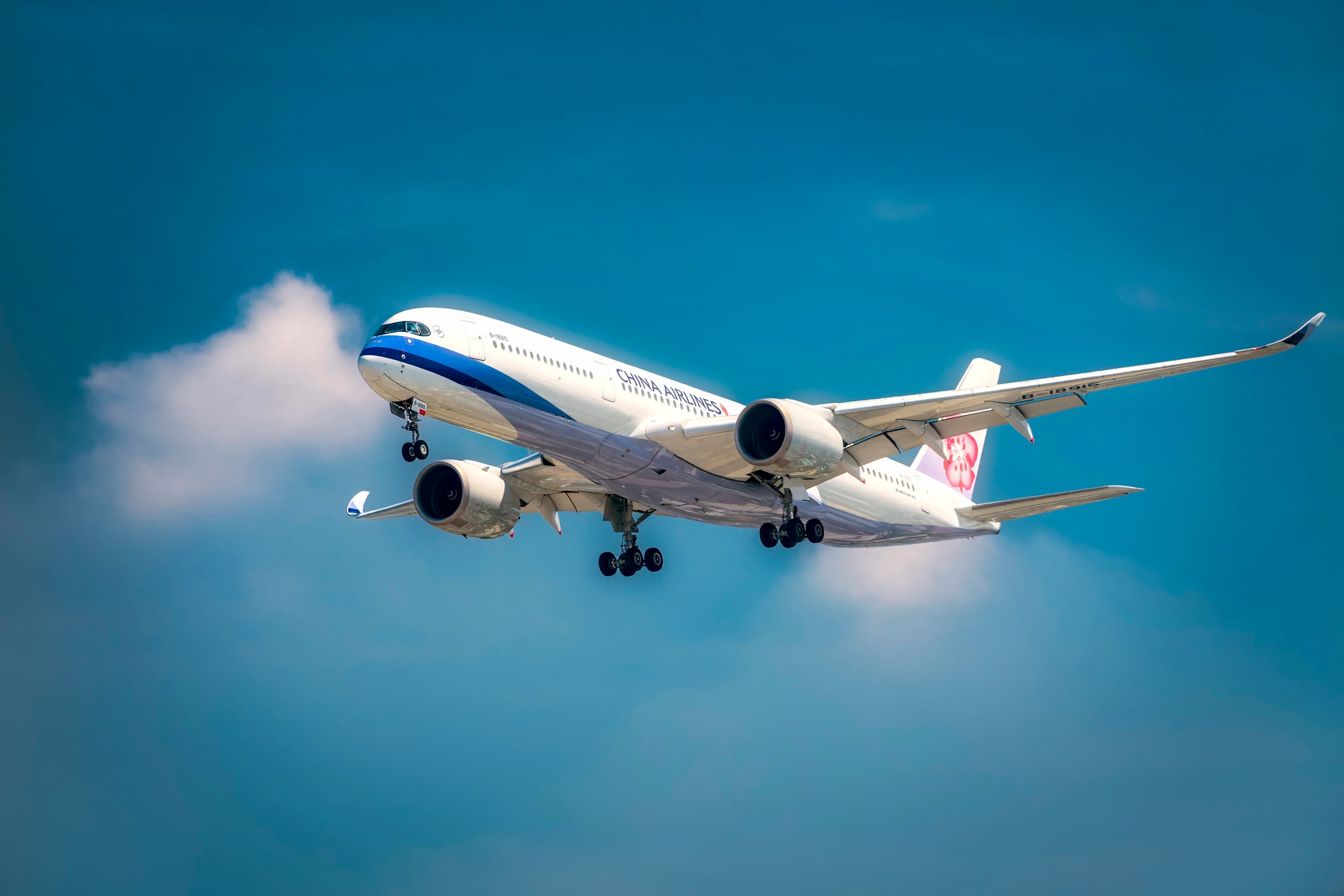
Metal fatigue from an improper repair 22 years earlier finally caught up with the Boeing 747 at 35,000 feet. The aircraft broke apart in flight, killing all 225 people aboard.
Two decades is a long time to carry a hidden structural flaw, especially when that flaw is growing imperceptibly with every pressurization cycle. Maintenance records show the repair was completed incorrectly in 1980.
The airplane flew thousands of flights after that, passengers boarding and disembarking normally, until physics decided the grace period was over.
Garuda Indonesia Flight 152
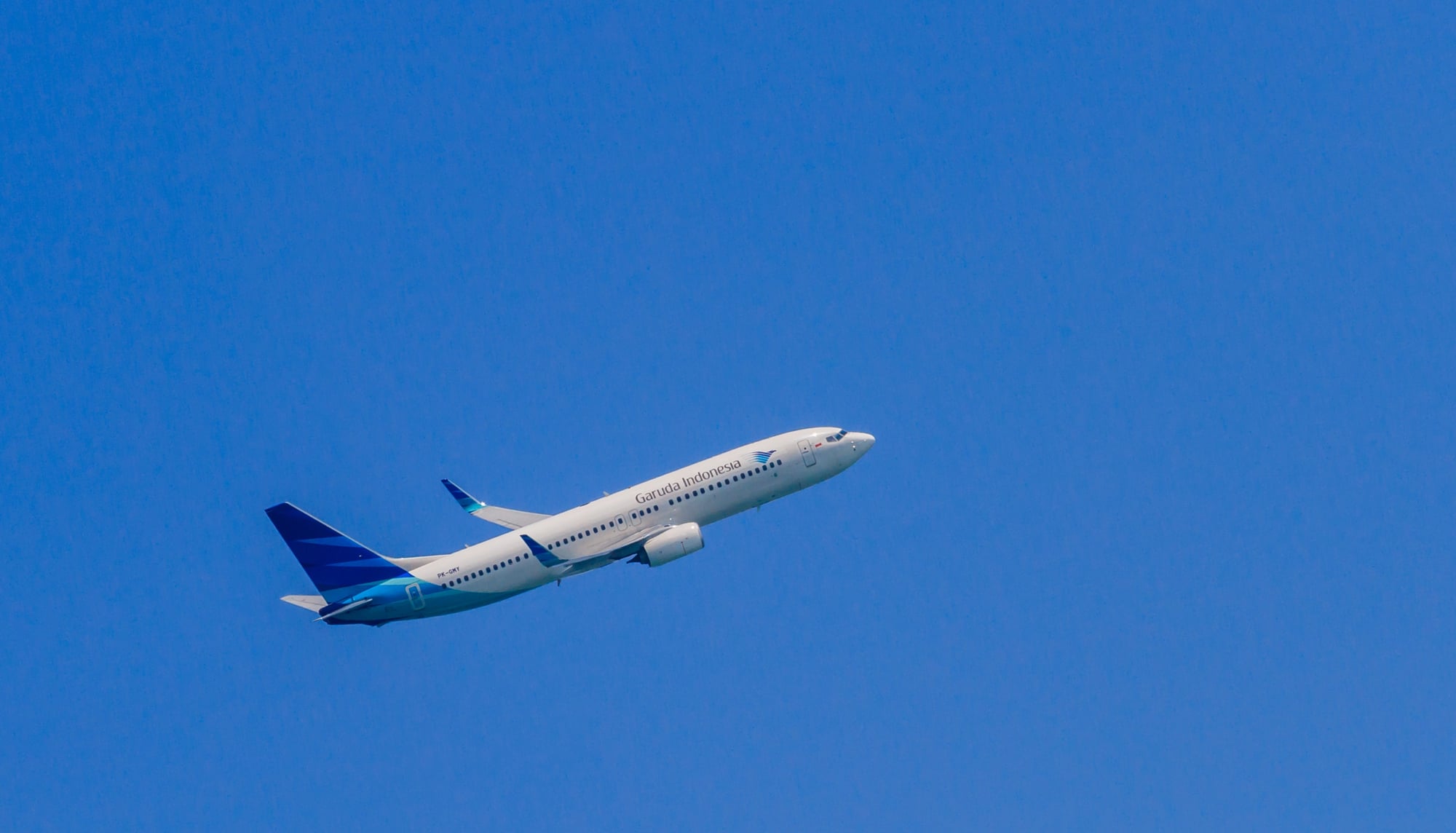
The Airbus A300 crashed during approach to Medan in poor weather and mountainous terrain. Air traffic control cleared the aircraft for an approach that led directly into high ground.
All 234 people died because navigation aids were inadequate and the crew couldn’t see the mountains until it was too late. Flying into terrain remains one of aviation’s most persistent problems.
Ground proximity warning systems help, but they can’t overcome the basic challenge of landing heavy aircraft in places where the ground rises faster than the glide path descends.
When the Sky Betrays Us
These incidents remind us that aviation safety isn’t a destination but a continuous journey of learning from tragedy. Each crash investigation reveals new vulnerabilities, leading to design improvements, procedural changes, and technological advances that prevent similar occurrences.
The people who died in these accidents didn’t die in vain if their loss makes flying safer for future generations — though that’s probably cold comfort to the families who never got to say goodbye. Modern aviation has learned from each of these disasters, building layers of redundancy and safety protocols that make today’s commercial flights remarkably secure.
The sky that once seemed so unforgiving has become, statistically speaking, the safest place a person can be while traveling. That transformation happened one tragedy at a time, one investigation at a time, one hard-learned lesson at a time.
More from Go2Tutors!

- The Romanov Crown Jewels and Their Tragic Fate
- 13 Historical Mysteries That Science Still Can’t Solve
- Famous Hoaxes That Fooled the World for Years
- 15 Child Stars with Tragic Adult Lives
- 16 Famous Jewelry Pieces in History
Like Go2Tutors’s content? Follow us on MSN.