Photos of the Most Valuable Barbie Dolls of All Time
For millions of people, Barbie represents childhood memories, fashion dreams, and endless imaginative play. But beyond the nostalgia lies a surprisingly robust collector’s market where certain dolls command prices that would make even seasoned investors take notice.
From prototype dolls that never made it to store shelves to limited editions that were produced in tiny quantities, the most valuable Barbies tell stories of cultural moments, manufacturing quirks, and the peculiar alchemy that transforms a toy into a treasure. The dolls featured here aren’t just expensive—they’re pieces of history that happened to be packaged in pink boxes.
Original 1959 Ponytail Barbie #1
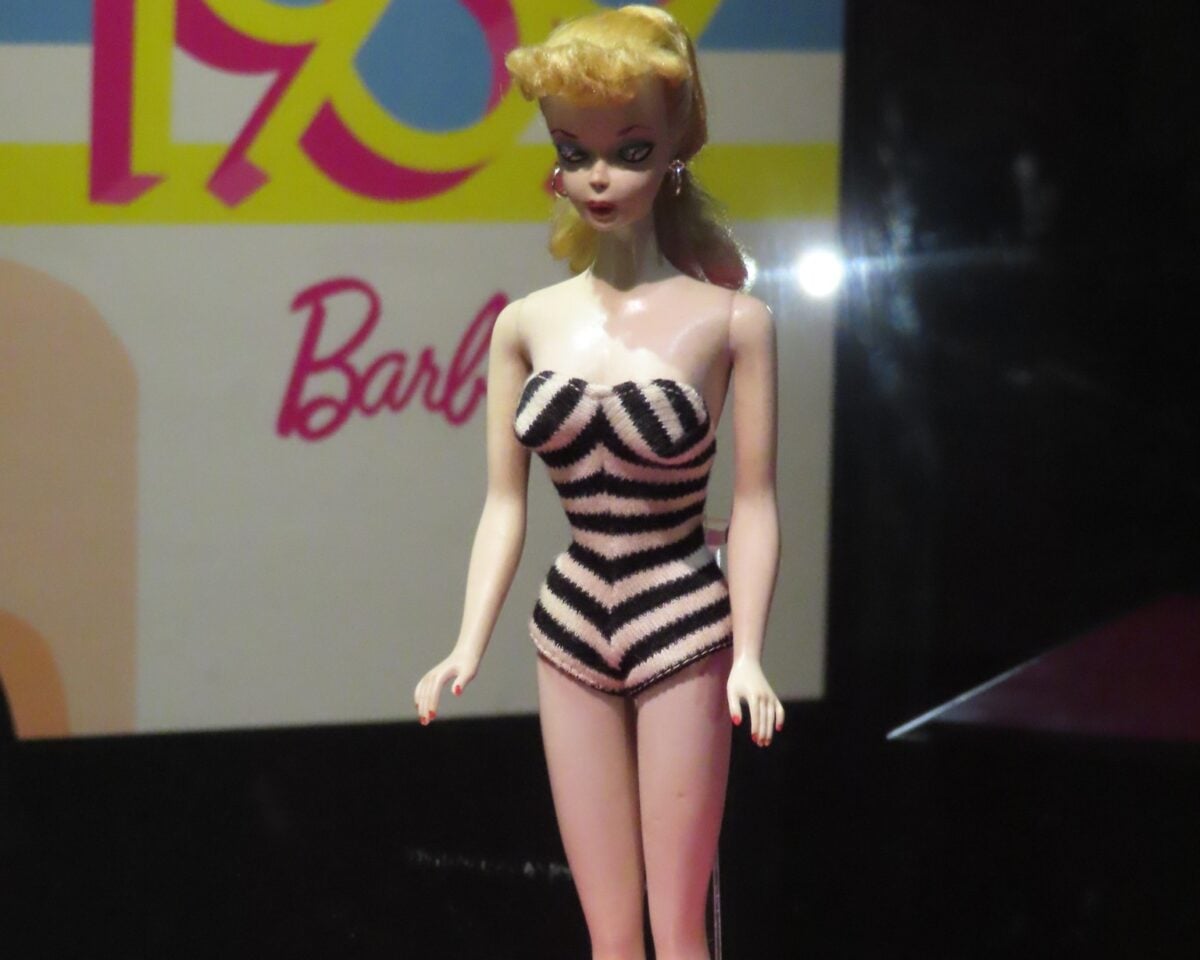
This is where it all began. The first Barbie doll ever produced commands astronomical prices today—not just because she’s historically significant, but because she’s genuinely rare.
Most of these dolls were played with until their hair fell out and their faces wore away.
De Beers Diamond Barbie

When Mattel partnered with De Beers to create a doll adorned with actual diamonds, they weren’t aiming for the toy aisle. This Barbie wears a swimsuit and belt accented with 160 diamonds totaling over one carat.
Only a handful were ever made, making each one a genuine collector’s holy grail. The partnership felt inevitable in hindsight—Barbie had always represented aspiration and luxury (even when she cost three dollars), and De Beers built an empire convincing people that diamonds were the ultimate expression of both.
So when they collaborated on a doll that literally sparkled with precious stones, they weren’t creating a toy so much as manifesting an idea that had been lurking in Barbie’s DNA since 1959. And yet the whole thing feels slightly absurd.
Here’s a doll that costs more than most people’s cars, adorned with gems that took millions of years to form, designed to sit in a display case where children will never touch her.
Midnight Red Barbie
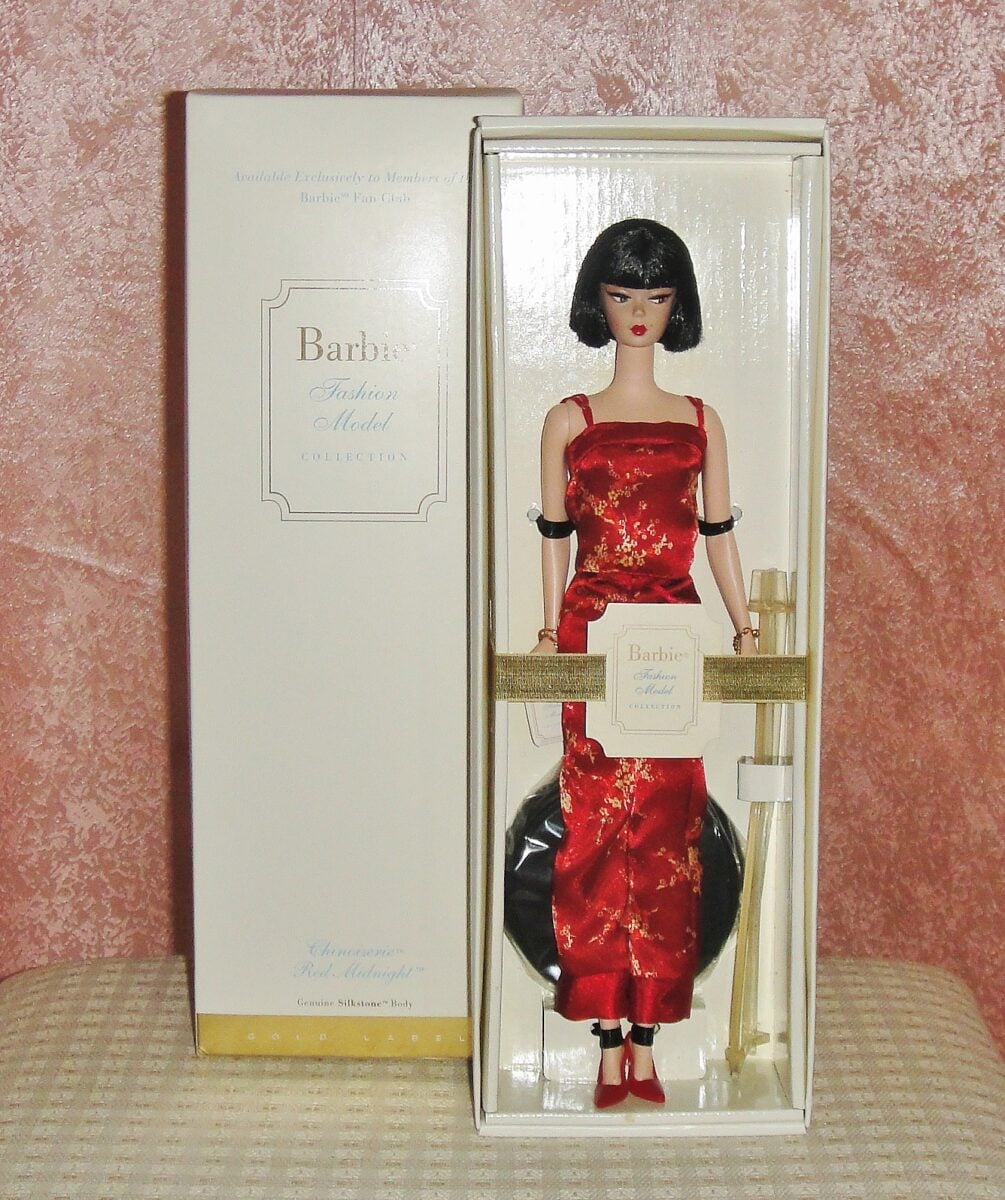
Manufactured in 1965, this Barbie features deep red hair that was supposed to be auburn. The color came out wrong during production, creating an unintentional variant that collectors now treasure.
Production was halted almost immediately, leaving only a few hundred in circulation. Mistakes in manufacturing often create the most coveted collectibles, and this Barbie proves the rule perfectly.
What started as a quality control problem became a windfall for anyone lucky enough to own one decades later.
Original Brunette Ponytail Barbie #1
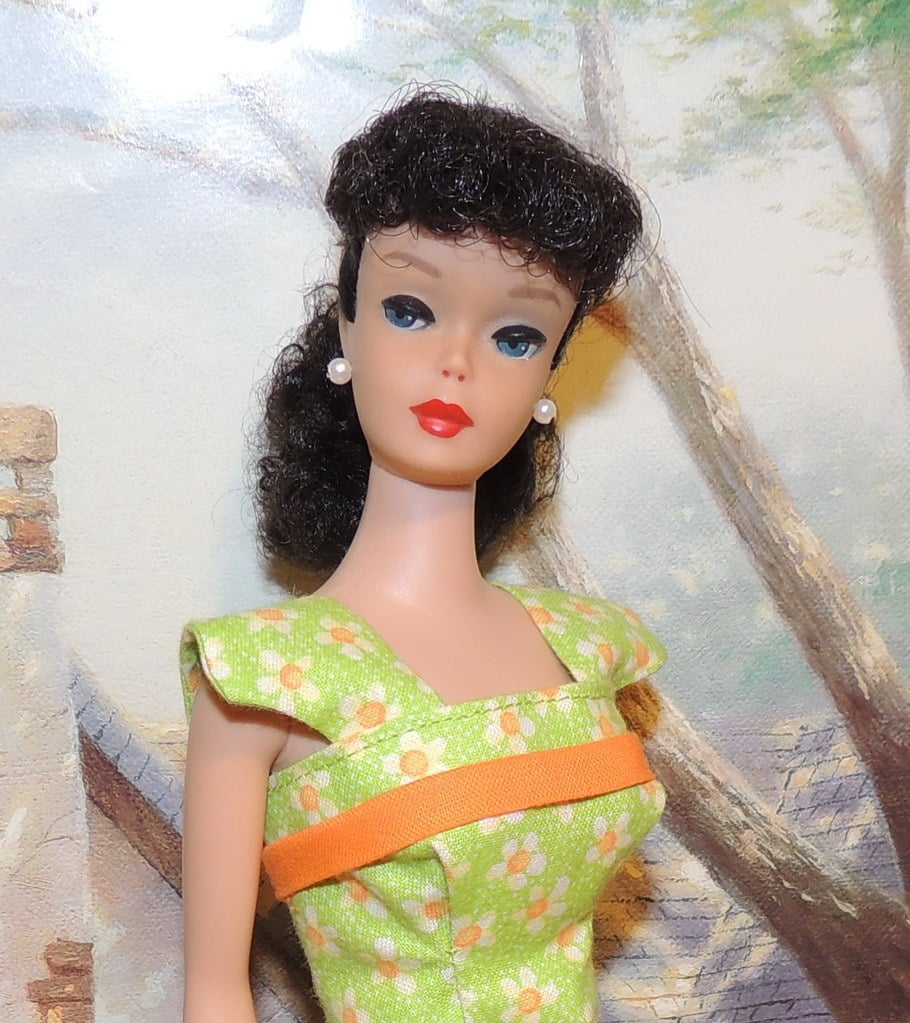
The blonde version gets most of the attention, but the brunette #1 Barbie is actually rarer. Mattel produced fewer brunette dolls initially, assuming blonde would sell better.
They were right about sales, wrong about long-term value.
Lorraine Schwartz Diamond Barbie
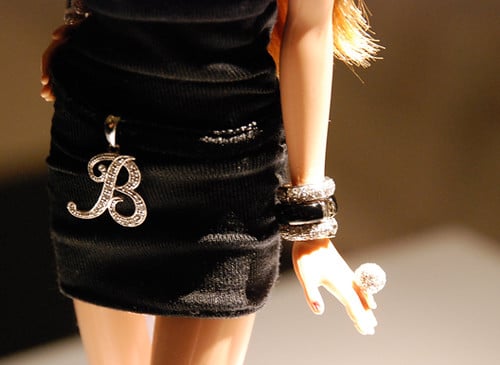
Jeweler Lorraine Schwartz designed this one-off Barbie wearing a miniature version of a necklace she created for a Hollywood awards show. The doll’s jewelry contains genuine diamonds and sapphires set in white gold.
It was auctioned for charity and never mass-produced. The line between high fashion and doll collecting blurs completely here—this isn’t a toy that happens to be valuable, but a piece of jewelry that happens to be attached to a Barbie.
Schwartz treated the commission with the same seriousness she’d bring to designing for A-list celebrities, which is either admirable dedication to craft or a perfect example of how far the Barbie phenomenon has traveled from its origins.
1965 Miss Barbie

Miss Barbie was Mattel’s attempt at making the doll more realistic. She had bendable legs, rooted eyelashes, and eyes that opened and closed.
The experiment failed commercially—kids found her slightly creepy compared to regular Barbie—but that commercial failure created today’s collector jackpot.
Amethyst Aura Barbie
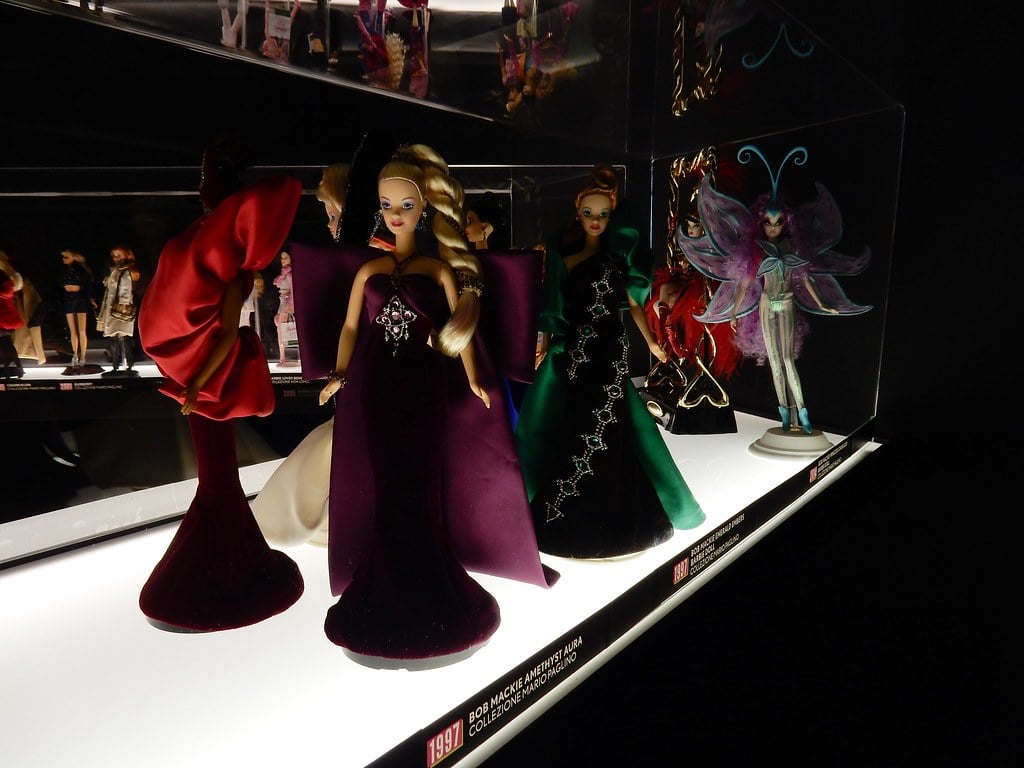
This limited edition featured genuine amethyst stones embedded in her jewelry and was produced in quantities so small that exact numbers were never released publicly. Mattel created her for high-end collectors, not children, pricing her out of the toy market from day one.
Pink Splendor Barbie
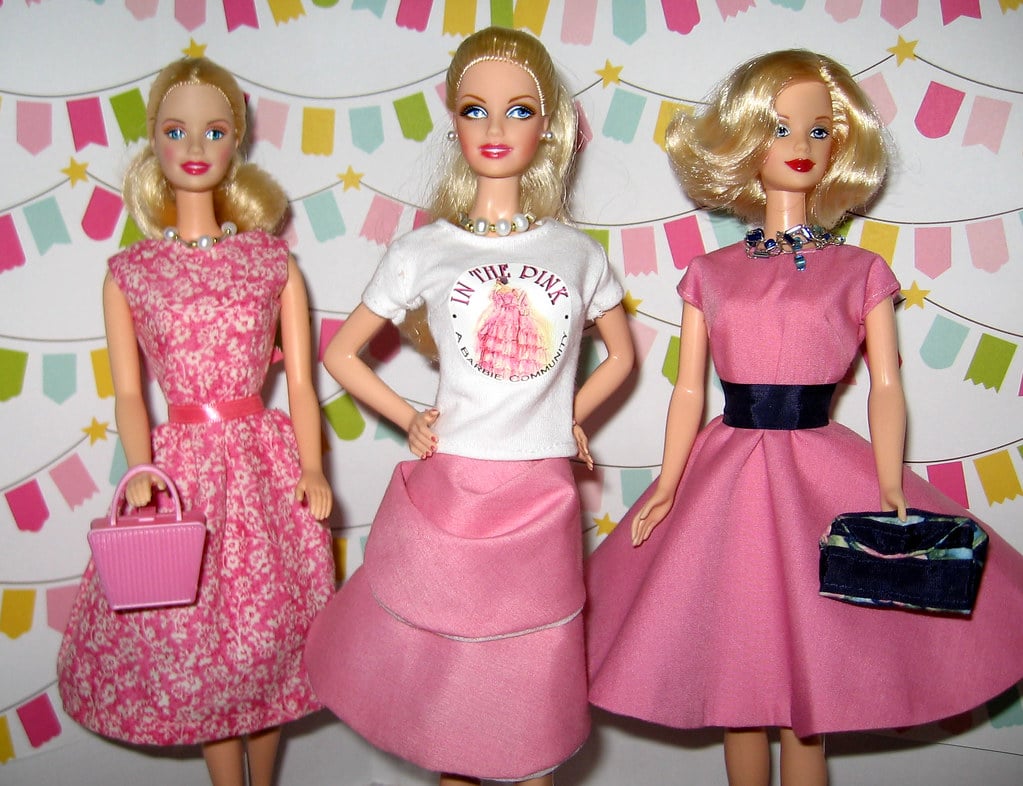
Released in 1996 as part of the Couture Collection, Pink Splendor Barbie wore a gown made with genuine silk and adorned with Swarovski crystals. Only 10,000 were produced worldwide, and most were purchased by adult collectors who kept them in boxes.
The doll represents a turning point when Mattel fully acknowledged that adults were driving much of Barbie’s market. Pink Splendor wasn’t designed for play—she was designed for display, investment, and the particular satisfaction that comes from owning something beautiful that most people can’t have.
The strategy worked, though it marked a subtle shift away from Barbie’s democratic origins when any child could own the same doll that captured their imagination.
1965 Color Magic Barbie
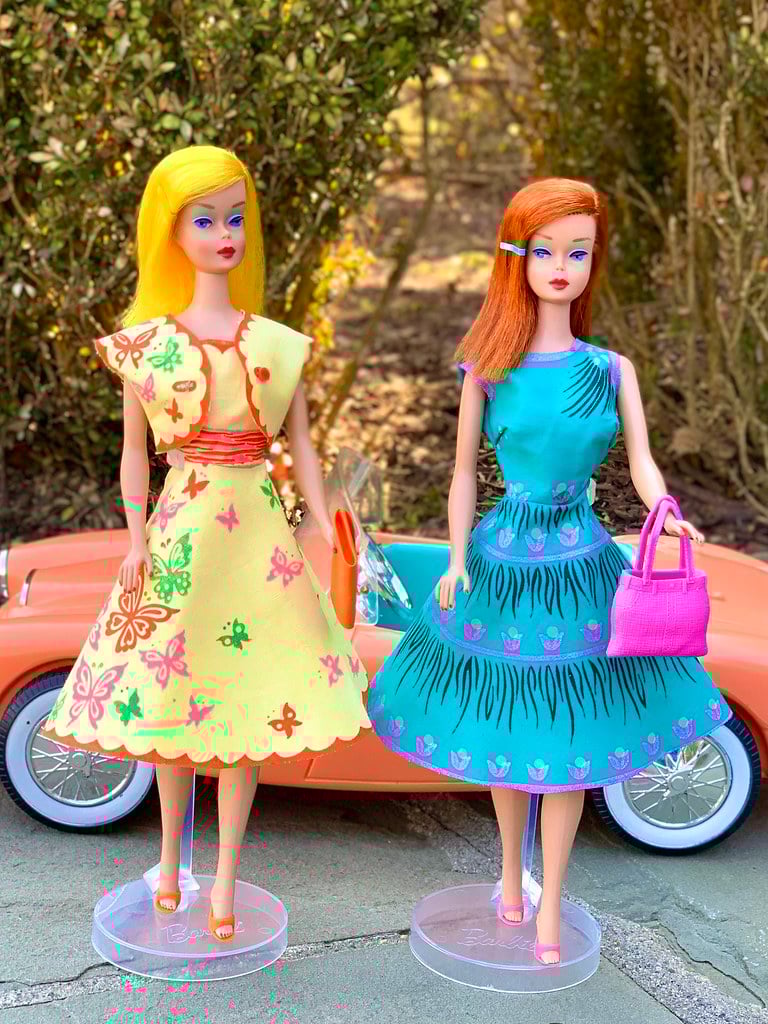
Color Magic Barbie’s hair changed from blonde to red when brushed with a special solution. The gimmick was clever, but the doll had production issues that limited quantities.
Today, finding one with hair that still changes color dramatically increases the value.
Steiff Limited Edition Barbie
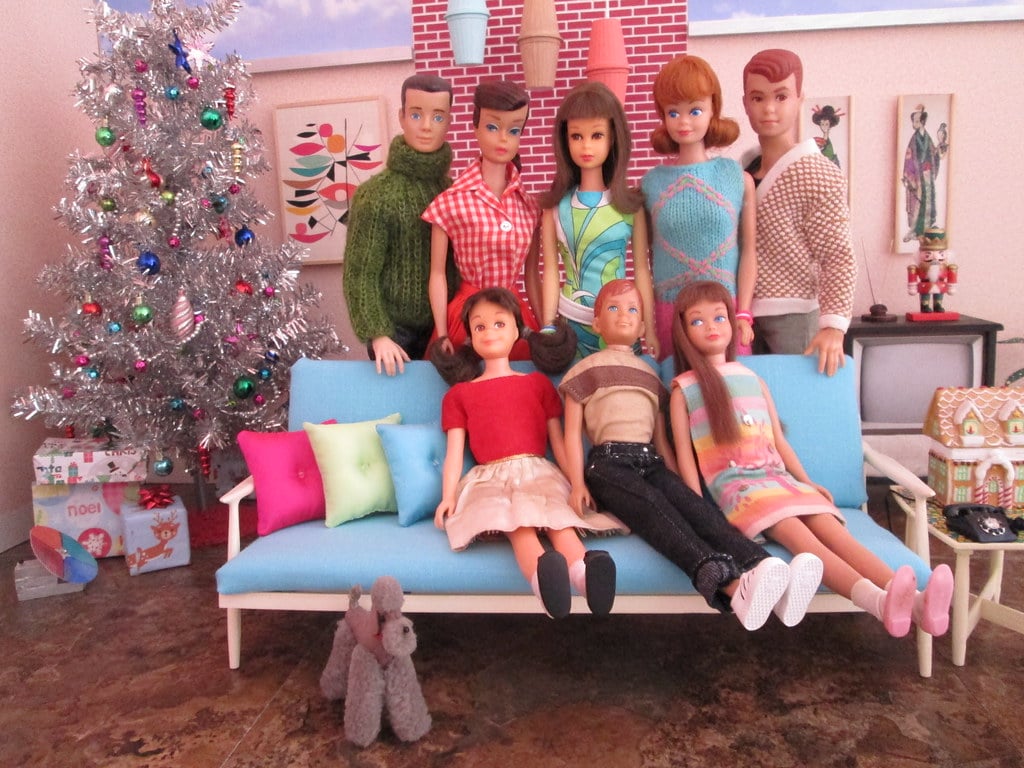
When legendary German toy maker Steiff collaborated with Mattel, they produced a Barbie with the same attention to detail they brought to their famous teddy bears. The edition was limited to 10,000 pieces worldwide and sold out within hours of release.
White Ginger Barbie
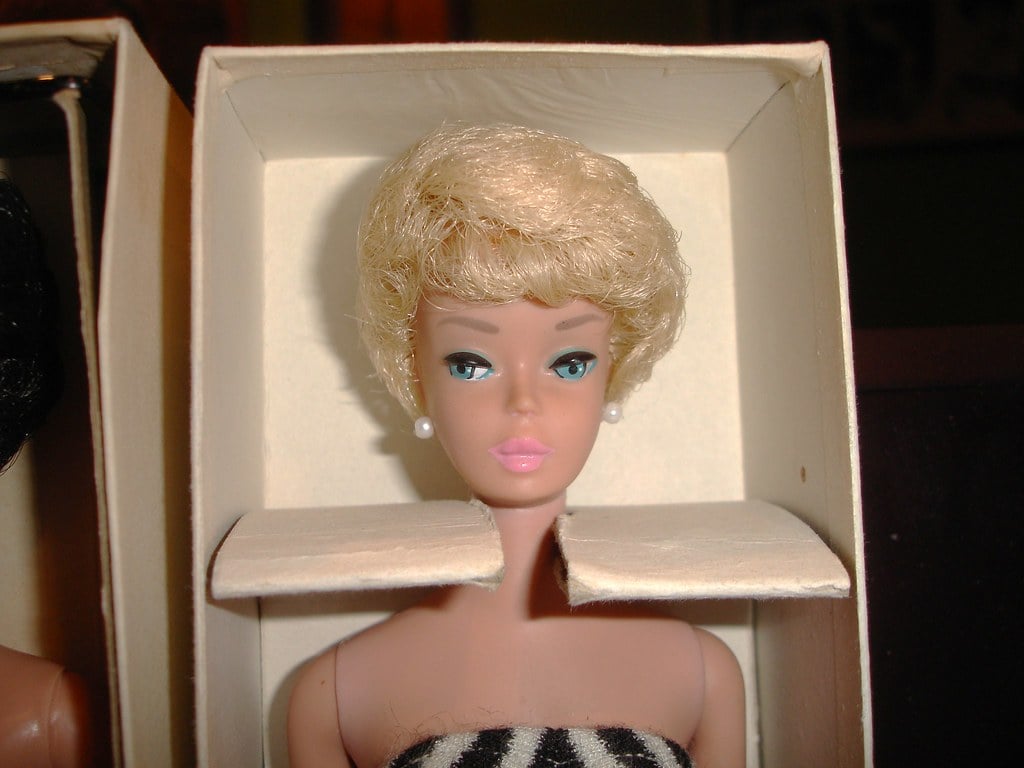
This 2004 limited edition was created exclusively for collectors in Japan and never sold in other markets. Her platinum blonde hair and pale complexion created a look that stood apart from typical Barbie aesthetics.
Regional exclusivity drove up demand among international collectors. The global nature of Barbie collecting means that dolls produced for specific markets often become the most sought-after worldwide—geography creates artificial scarcity that collectors will pay handsomely to overcome.
White Ginger proves that sometimes the most valuable thing about a doll isn’t what she looks like, but where she was sold.
1959 Ponytail Barbie #2 Brunette

While the #1 Brunette gets more attention, the #2 versions with brunette hair is nearly as rare. The subtle differences between #1 and #2 Barbies matter enormously to collectors: different face paint, different body construction, different pits in the feet for the stand.
Badgley Mischka Bride Barbie
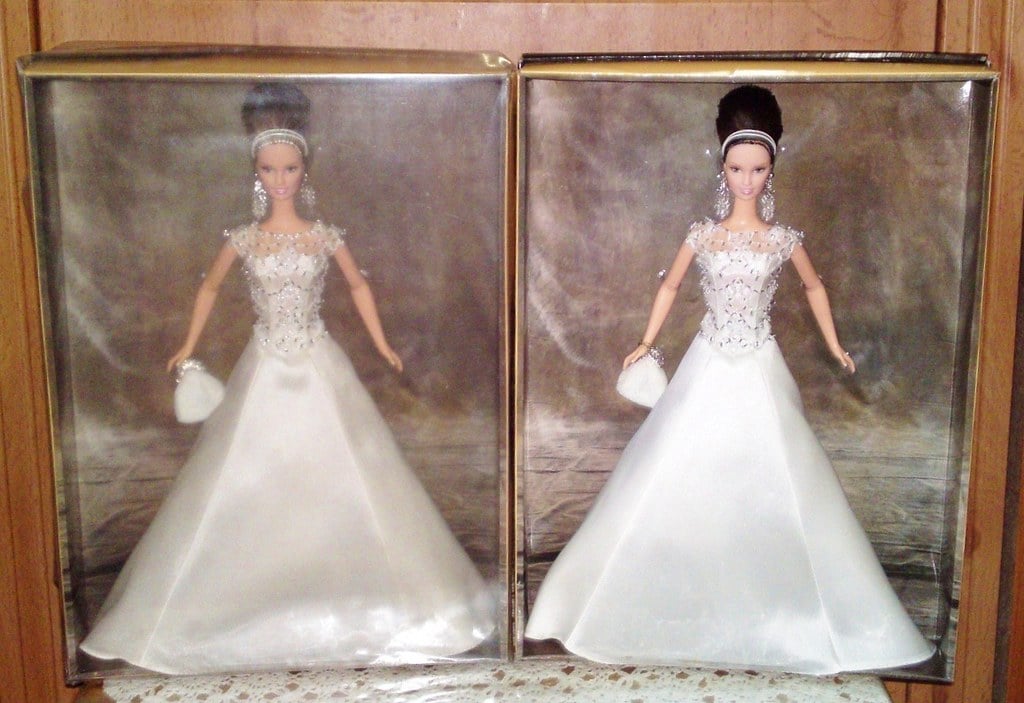
Designed by the fashion house Badgley Mischka, this bridal Barbie wore a miniature version of one of their actual wedding gown designs. The collaboration elevated the doll beyond toy status into the realm of fashion collectible.
Golden Dream Barbie Prototype

This prototype was never released to the public but occasionally surfaces at auctions. Prototypes represent the ultimate collector prize—dolls that were never meant to exist outside Mattel’s design studios.
Each one tells the story of a path not taken in Barbie’s evolution.
The persistent magic of plastic dreams
What transforms a mass-produced toy into an object worth more than some people’s annual salaries isn’t just rarity or historical significance—it’s the stubborn persistence of childhood wonder translated into adult purchasing power. These valuable Barbies succeed because they managed to escape the fate of most toys: being loved to pieces.
Instead, they were preserved, protected, and passed down like family heirlooms, carrying with them not just their original beauty but the dreams of everyone who ever wished they could own them.
More from Go2Tutors!

- The Romanov Crown Jewels and Their Tragic Fate
- 13 Historical Mysteries That Science Still Can’t Solve
- Famous Hoaxes That Fooled the World for Years
- 15 Child Stars with Tragic Adult Lives
- 16 Famous Jewelry Pieces in History
Like Go2Tutors’s content? Follow us on MSN.



