15 Worst Countries for Women
Women face different challenges depending on where they live. Some places make it harder for women to get an education, find work, or even leave their homes without permission.
The barriers range from laws that treat women as less than equal to cultural practices that limit their freedom and safety. Let’s take a closer look at some of the places where women struggle the most to live with dignity and opportunity.
Afghanistan
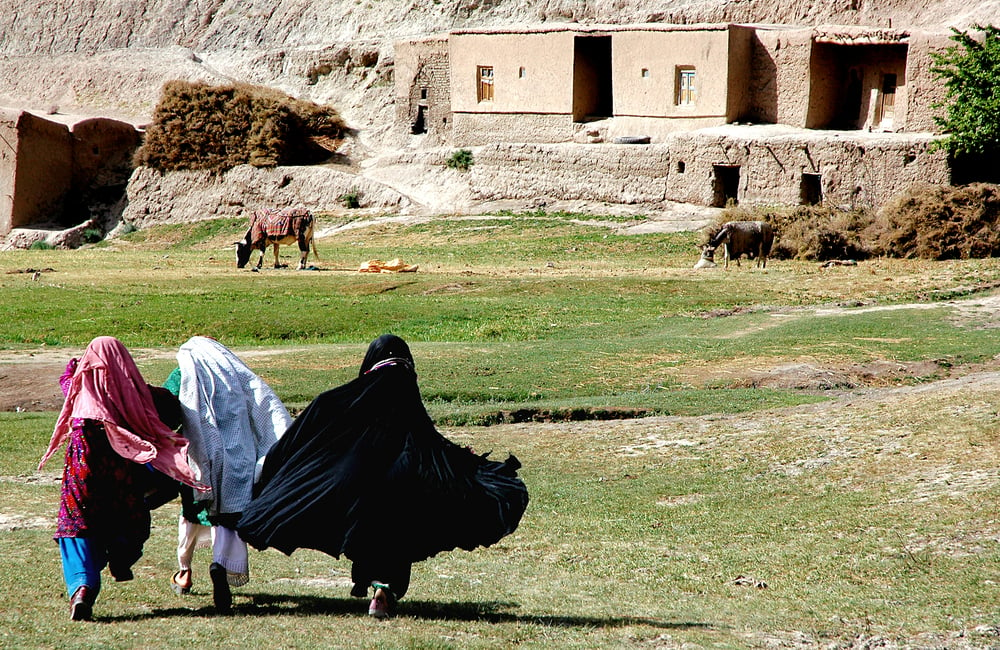
The situation in Afghanistan has become one of the most restrictive on the planet. Women can’t attend university or work in most jobs.
They need a male guardian to travel anywhere, and they must cover themselves completely in public. Girls can only go to school until sixth grade, which means millions are denied basic education.
The rules have gotten stricter over the past few years, leaving women trapped in their homes with few options for the future.
Yemen
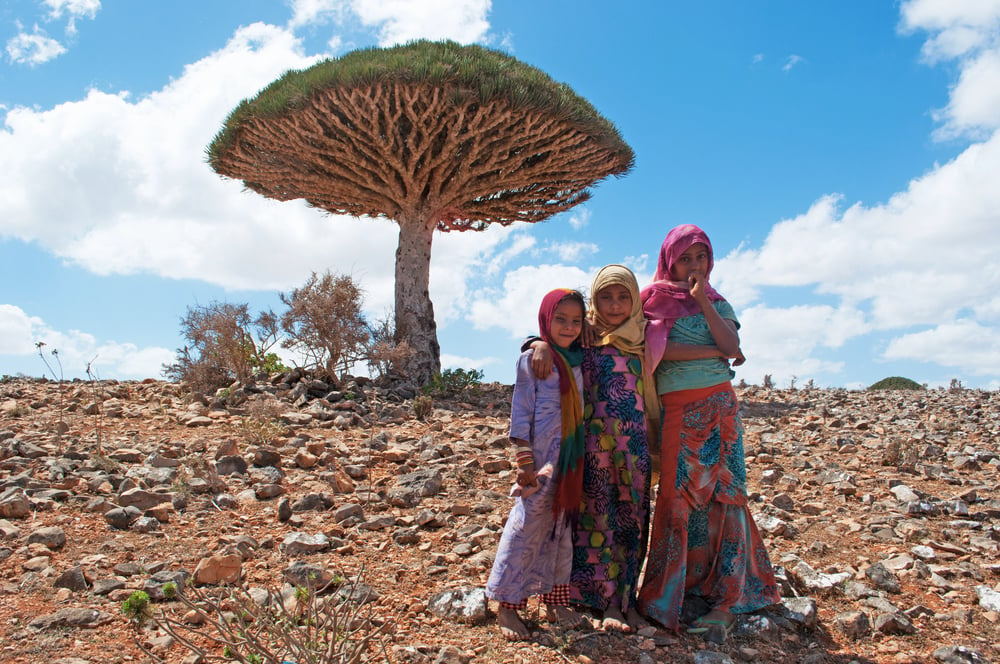
War has made life incredibly hard for everyone in Yemen, but women face extra layers of difficulty. Child marriage remains common, with girls as young as nine being forced to marry.
Women need permission from male relatives to work, travel, or even get medical care. Access to healthcare is limited, which means many women die during childbirth.
The ongoing conflict has also increased violence against women with little protection or justice available.
Syria
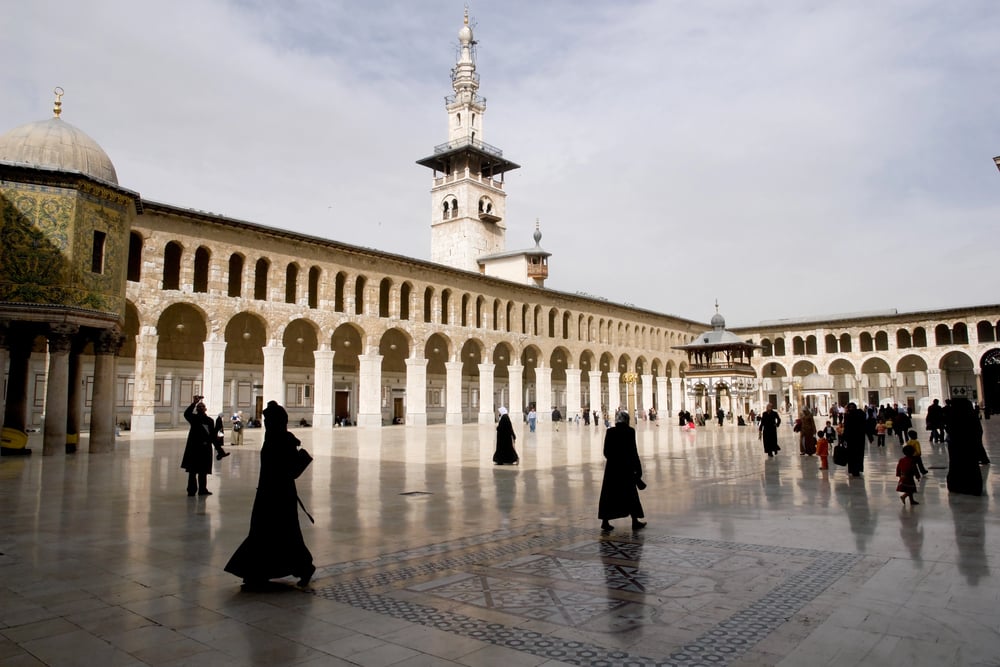
Years of war have destroyed normal life across Syria. Women and girls face violence from all sides, including forced marriage and abduction.
Many have become widows who struggle to feed their families because they can’t work or move freely. Refugee camps offer little safety, and women often face harassment or worse.
The conflict has erased what few rights women had before the fighting started.
Pakistan
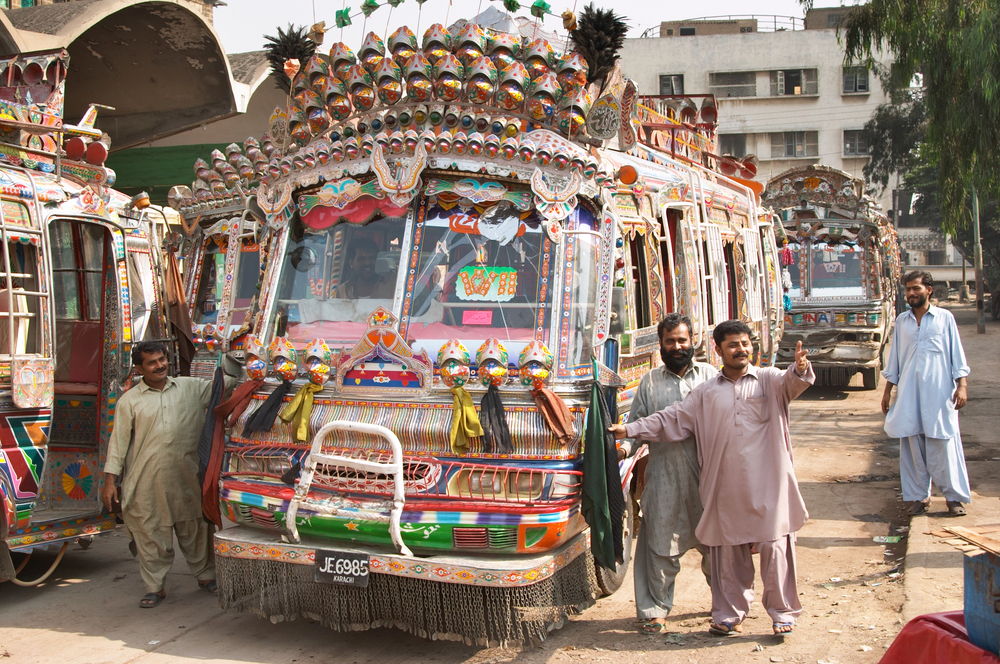
Women in many parts of Pakistan deal with strict social rules that limit their lives. Honor-based violence remains a serious problem, with families sometimes attacking or killing women who they believe have brought shame.
Education for girls is available in cities but much harder to access in rural areas. Workplace discrimination is common, and women earn far less than men for the same work.
Laws exist on paper to protect women, but enforcement is weak.
Iraq
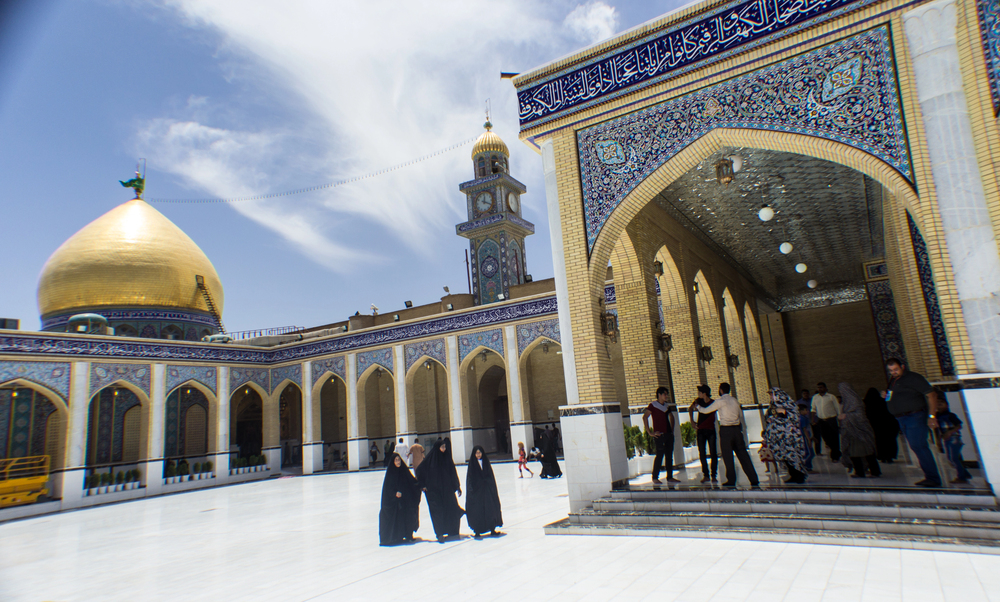
Women in Iraq have seen their freedoms shrink over the past two decades. Violence against women often goes unpunished, and domestic abuse is rarely taken seriously by authorities.
Women struggle to participate in politics or business, facing constant pushback. Early marriage is still practiced in many regions.
The legal system offers little protection, and women who report crimes often face blame instead of support.
Chad
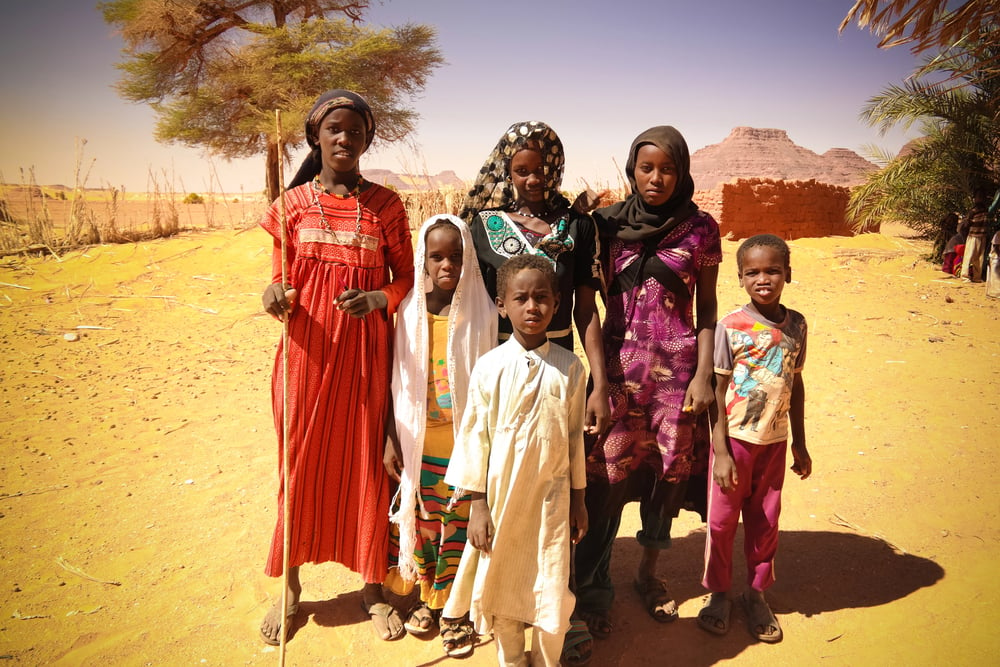
Chad ranks among the worst places for maternal health, with many women dying during pregnancy or childbirth. Girls are often married off before they turn 15, ending their education and childhood.
Women have limited property rights and rarely inherit land or money. Access to healthcare is terrible, especially in rural areas where clinics don’t exist.
Domestic violence is widespread and considered a private matter that authorities ignore.
Mali
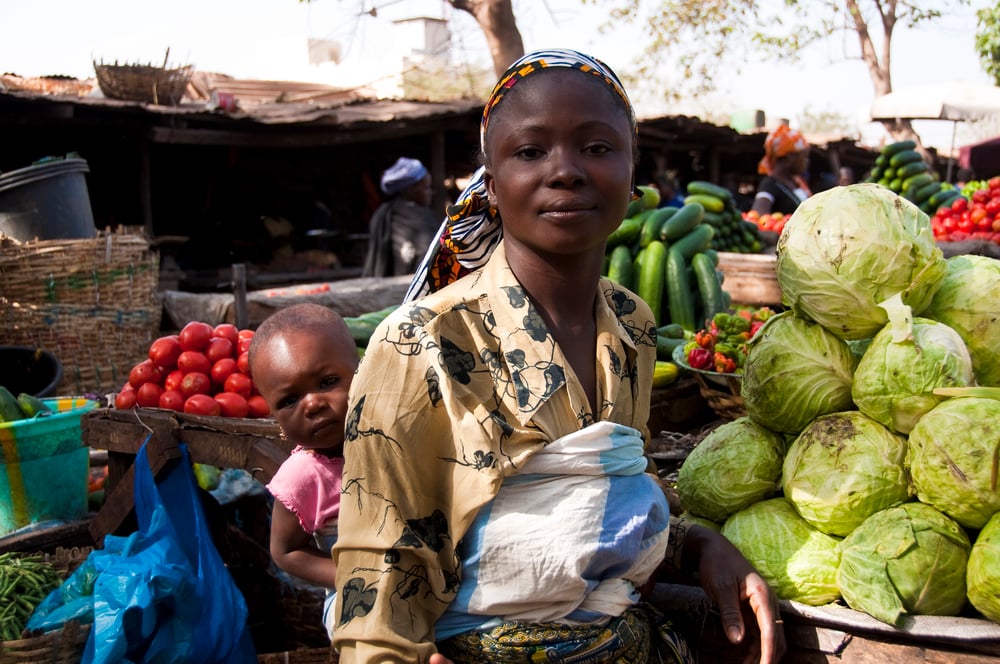
Women in Mali face practices that harm their health and limit their freedom. Female genital mutilation affects most girls, causing lifelong pain and complications.
Child marriage is common, and girls are pulled out of school to become wives and mothers. Women can’t own land in many communities, which keeps them dependent on men.
Political participation by women is extremely low, and violence against women rarely leads to consequences.
Sudan
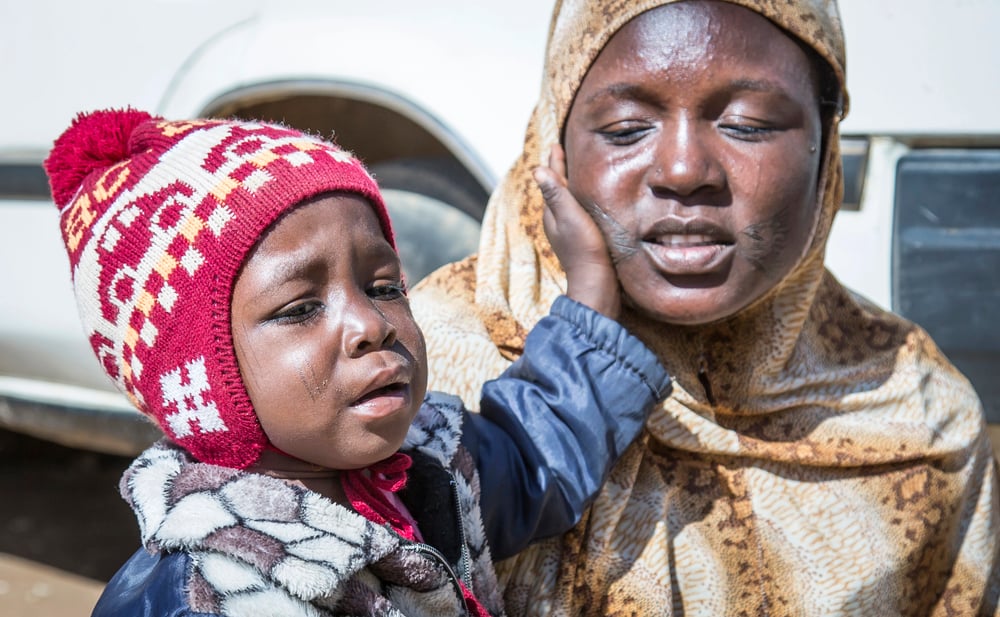
Recent political changes haven’t improved life much for women in Sudan. They still face laws that restrict their movement and dress.
Violence against women is a major problem, especially in conflict areas where attacks go unpunished. Women struggle to access education and jobs, and those who work earn much less than men.
Child marriage remains legal and common. Healthcare is poor, and many women die from preventable causes during pregnancy.
Democratic Republic Of Congo
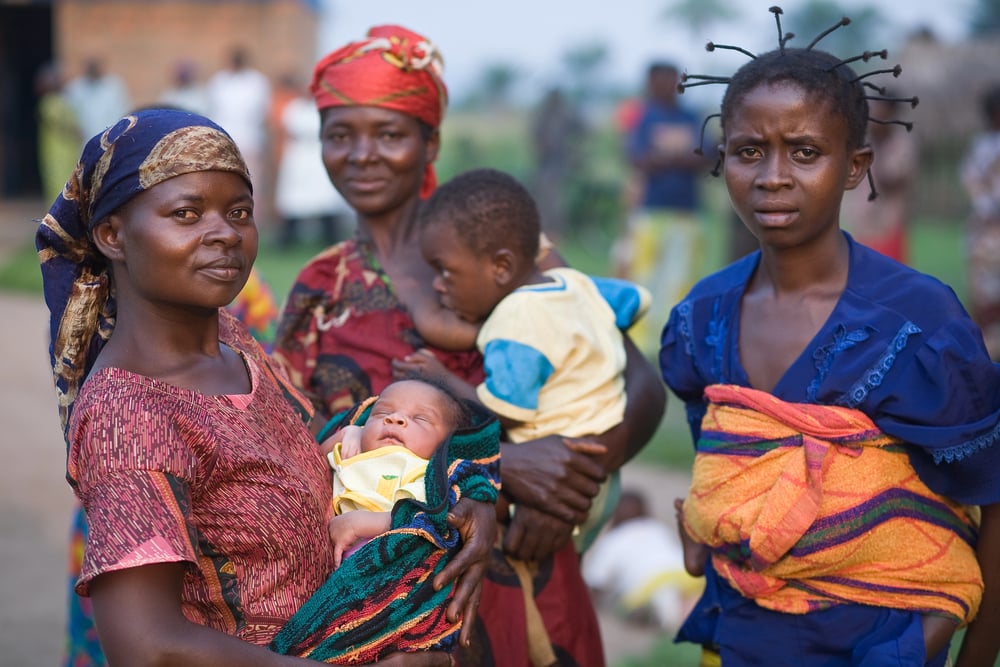
Conflict has raged for decades in parts of Congo, and women pay a terrible price. Armed groups use violence against women as a weapon of war.
Many women can’t access basic healthcare, education, or safety. Early marriage is widespread, and girls are forced into adult responsibilities before they’re ready.
Women have almost no voice in community decisions or politics. The legal system offers no real protection.
Central African Republic
Years of violence have made the Central African Republic one of the most dangerous places for women. Armed groups roam the countryside, and women face constant threats.
Child marriage affects more than half of girls, robbing them of education and childhood. Healthcare is almost non-existent in many areas, leading to high death rates during childbirth.
Women can’t own property in most regions and depend entirely on male relatives.
India
Despite being a large democracy, India has serious problems with women’s safety and equality. Violence against women happens at alarming rates, from domestic abuse to attacks in public.
Child marriage still occurs, especially in rural areas. Women face discrimination in jobs and education.
Many families prefer boys, leading to neglect of girls. Laws exist to protect women, but enforcement is inconsistent and justice moves slowly.
Somalia
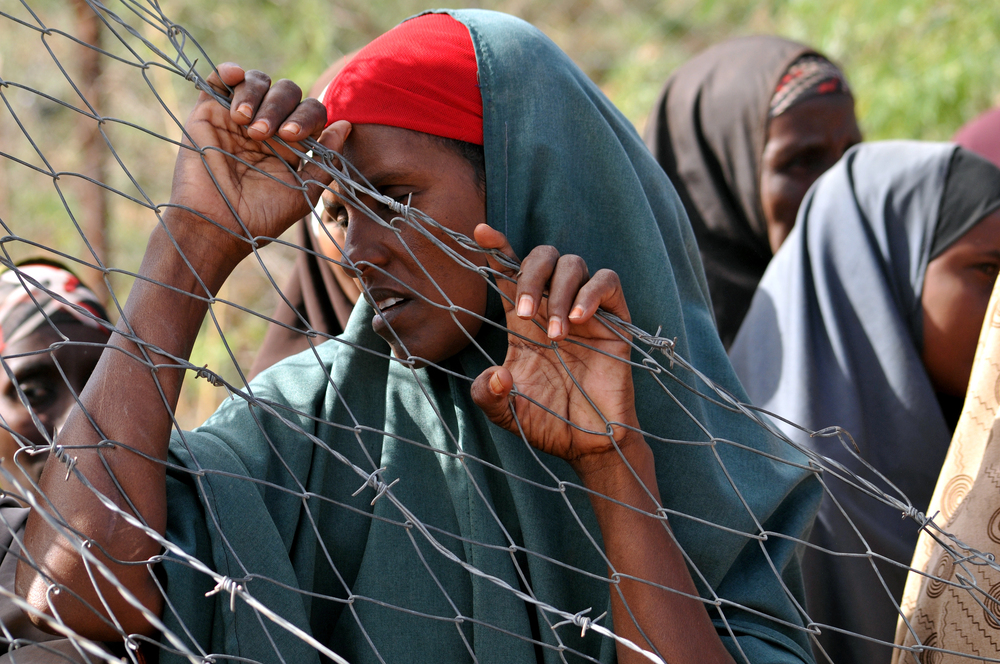
Somalia has been unstable for decades, and women suffer greatly from the chaos. Female genital mutilation is practiced on nearly all girls.
Women have almost no political power or voice in decisions. Early marriage is standard practice.
Healthcare is extremely limited, and women die from treatable conditions. Violence against women is common and rarely punished.
Drought and conflict have made survival even harder for women and their families.
South Sudan
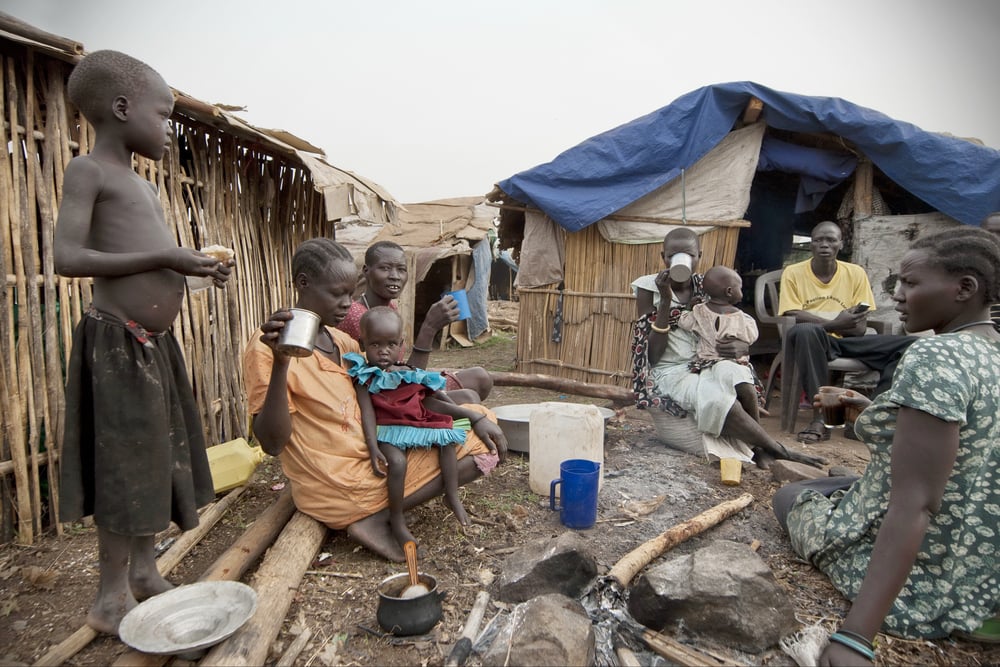
Few places feel childhood stolen so fast as here, where school ends before it begins for many girls. Home should mean safety but often brings harm instead, without help nearby.
Across villages, mothers vanish too young – clinics missing or miles away. This land, newest on Earth, carries heaviest burdens first felt by women.
Land ownership? Not for women. Politics? Shut out again. Old customs tend to brush aside official rules, so rights slip through their fingers.
Mauritania
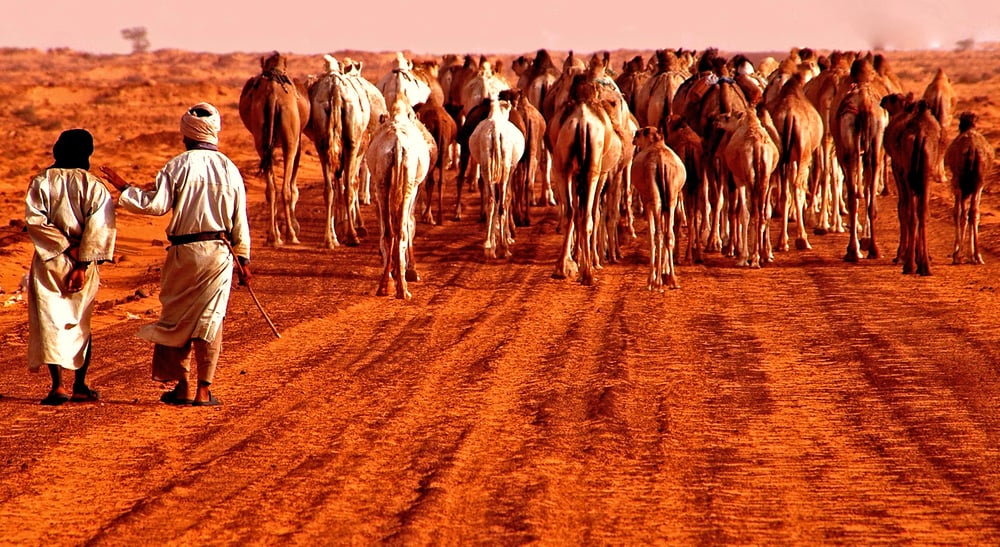
In Mauritania, girls often marry before they’re fully grown – the law allows it. Held back by tradition, many women never make it past elementary classes.
Beating at home happens a lot, rarely questioned. Going out or holding a job? A man must say yes first.
Rights slip through their fingers, caught between rules and old habits. Pregnant women often face tough conditions within a weak healthcare system.
Even though laws exist to safeguard them, old customs still hold strong.
Niger
Most girls in Niger become brides long before they turn eighteen. Early weddings happen more than anywhere else on Earth here.
Schooling barely reaches young females across the country. Reading and writing skills hardly develop due to lack of access.
Abuse follows many women inside their own homes. Silence greets these acts – no one steps forward.
Medical care falls short when it matters most. Mothers die too often while giving birth or soon after.
Weak health systems fail to protect them. Few choices appear before a woman from the start.
Should she try to claim land, tradition blocks her way just like it does when picking work or partners. Growing up happens under someone else’s rules, staying that way until old age.
Dependence isn’t taught – it simply surrounds her.
Where Things Stand Now
Out here, some places make it clear just how distant true equality really remains. Not every hurdle women meet feels merely unjust – each one drags down communities trying to move forward.
Picture a life without school, jobs, safety; that kind of loss echoes beyond individuals. Shifts take time, yes, yet seeing the problem clearly begins to shift the ground beneath old limits.
Where you are born should never decide if your dreams stay out of reach.
More from Go2Tutors!

- The Romanov Crown Jewels and Their Tragic Fate
- 13 Historical Mysteries That Science Still Can’t Solve
- Famous Hoaxes That Fooled the World for Years
- 15 Child Stars with Tragic Adult Lives
- 16 Famous Jewelry Pieces in History
Like Go2Tutors’s content? Follow us on MSN.



