Bases Used to Make Traditional Soap
People have been making soap for thousands of years, long before modern chemistry labs and fancy equipment came into the picture. The secret ingredient that makes soap possible is something called a base, which reacts with fats and oils to create that cleaning power everyone relies on.
Traditional soapmakers knew exactly which bases worked best, and they often made these ingredients themselves using methods passed down through generations. Let’s look at the different bases that have shaped soap-making history and continue to influence how soap gets made today.
Lye from wood ash

Wood ash was the original source of lye for countless generations of soapmakers around the world. People would collect ashes from their fireplaces or outdoor fires, then soak them in water to extract the alkaline compounds.
The resulting liquid, called lye water, contained potassium hydroxide that could transform animal fats into usable soap. This method required patience and skill because the strength of the lye varied depending on the type of wood burned and how long the ashes soaked.
Sodium hydroxide

Sodium hydroxide became the gold standard for hard bar soap once people figured out how to produce it consistently. This powerful base creates firm, long-lasting bars that hold their shape and lather beautifully.
Traditional soapmakers would obtain sodium hydroxide through various methods, including treating natural soda deposits with lime. The chemical reaction between sodium hydroxide and fats produces glycerin as a bonus ingredient, which helps keep skin moisturized.
Potassium hydroxide

Potassium hydroxide makes softer soaps compared to its sodium cousin, which is exactly what some traditional recipes called for. Soapmakers who wanted liquid or cream-style soaps relied on this base because it creates a more fluid consistency.
Many old recipes for shaving soaps and specialty cleaning products specifically used potassium hydroxide. The resulting soap dissolves more easily in water, making it perfect for certain household tasks.
Lye from seaweed

Coastal communities discovered that burning certain types of seaweed produced excellent lye for soapmaking. Kelp and other marine plants contain high levels of sodium compounds that concentrate in the ash after burning.
This method gave seaside villages a reliable source of soapmaking materials without depending on inland wood supplies. The soap produced from seaweed ash often had unique properties that made it especially good for washing wool and other delicate fabrics.
Caustic soda from salt
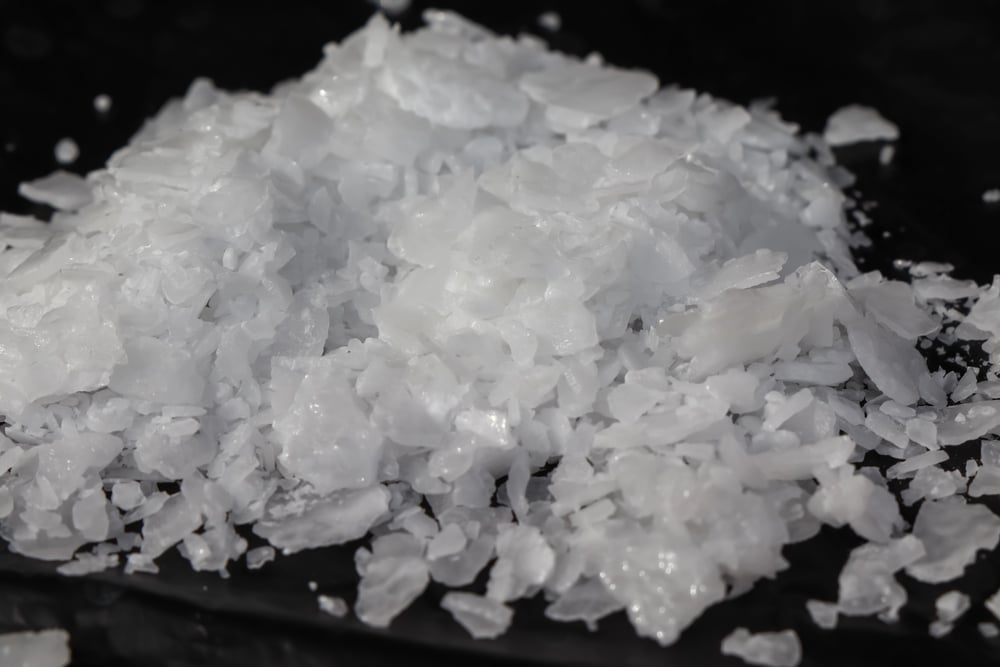
Traditional methods for making caustic soda involved treating common salt with lime and water through a process that took considerable time and effort. The resulting sodium hydroxide was purer than what came from plant ashes, which meant more consistent soap batches.
Soapmakers near salt deposits or coastal areas had easier access to this raw material. This approach represented a step forward in soap quality before industrial production became common.
Quicklime

Quicklime played a supporting role in traditional soap production by helping convert other materials into usable bases. Soapmakers would use quicklime to treat wood ash lye, making it stronger and more effective.
The calcium oxide in quicklime could also react with soda ash to produce sodium hydroxide. This versatile ingredient acted as a helper in the chemical transformations that made good soap possible.
Pearl ash
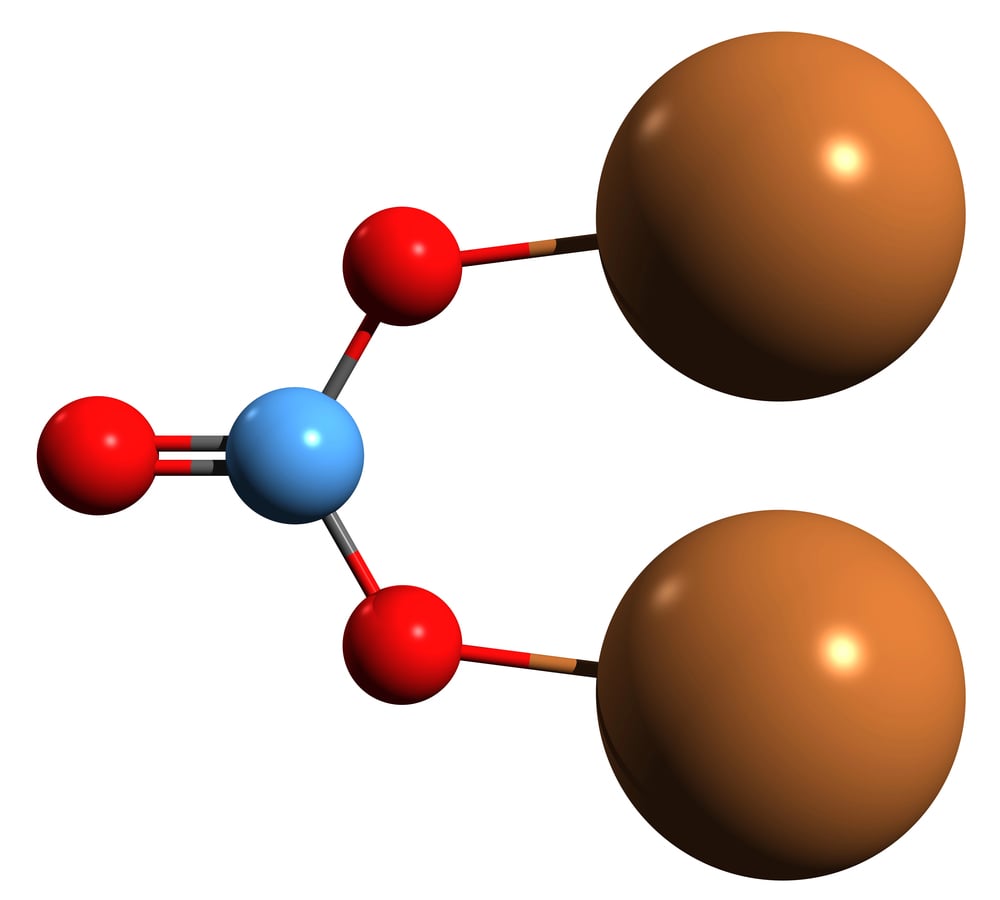
Pearl ash was a refined form of potash that American colonists produced in large quantities for export and local use. The production process involved burning hardwood, leaching the ashes, and then heating the resulting liquid until white crystals formed.
These crystals were much more concentrated than regular wood ash lye, making them valuable for consistent soapmaking. Pearl ash became such an important trade item that it helped fund early American industries.
Soda ash from plant sources

Certain plants that grow in salty or alkaline soils accumulate sodium compounds in their tissues, making them excellent sources for soapmaking bases. Soapwort and saltwort were particularly prized because they produced strong lye when burned.
Traditional soapmakers in arid regions often cultivated these plants specifically for their ash. The sodium carbonate extracted from these plant ashes could be used directly or converted into stronger bases.
Lime water solutions

Slaked lime mixed with water created a mild alkaline solution that some traditional soapmakers used for gentler cleaning products. While not as powerful as lye, lime water could make soft soaps suitable for washing delicate items or treating skin conditions.
Folk remedies often incorporated lime-based soaps because they were less harsh than their stronger counterparts. This method remained popular in rural areas where people wanted multipurpose cleaning products.
Barilla ash

Mediterranean soapmakers relied heavily on barilla plants, which grew abundantly in coastal regions and produced exceptional soda ash. Spanish soapmakers developed elaborate systems for cultivating, harvesting, and burning these plants to supply the soap trade.
The ash from barilla contained such high levels of sodium carbonate that it became a major export commodity. Soap made with barilla ash was famous for its quality and consistency.
Potash from hardwood

Different types of hardwood produced varying grades of potash, and experienced soapmakers knew which trees made the best soap. Oak, maple, and hickory ashes were particularly valued for their high potassium content.
The process of making potash involved leaching the ashes multiple times to concentrate the alkaline compounds. Colonial America exported tons of potash to Europe, where it fed the growing soap and glass industries.
Natron deposits

Ancient Egyptians and other early civilizations collected natron from natural deposits near alkaline lakes and used it for everything from mummification to soapmaking. This naturally occurring mixture of sodium carbonate and sodium bicarbonate worked well for cleaning purposes without any processing.
The availability of natron deposits influenced where soap production centers developed in the ancient world. Some traditional soapmakers still use natron in regions where it occurs naturally.
Lye from fern ash

Bracken ferns and other species provided another plant source for soapmaking bases in regions where they grew abundantly. The ash from burned ferns contained potassium carbonate that could be extracted through leaching.
Rural soapmakers appreciated ferns because they were easy to harvest and grew back quickly. The resulting soap had a slightly different character than soap made from wood ash, with some people preferring it for specific uses.
Caustic potash

Old ways to create caustic potash meant mixing potassium carbonate with lime – this boosted its power. Because of this change, the alkali became ideal for crafting reliable soaps that actually cut through grime.
Those who got good at it ended up outdoing others in the trade. Thanks to its properties, the final compound was perfect for liquids or niche cleaners.
Kelp ash variations
Different kinds of kelp made ash with unique chemicals – so folks could pick what worked best. One type gave more sodium, whereas another packed extra iodine.
People by the shore learned which seaweed fit each soap they wanted. Gathering it through the year turned into steady work for towns near water.
Mixed ash lyes

Some soap makers used ash from various places to make their own lye mixtures with unique traits. Wood ash mixed with seaweed or plants helped adjust how firm the soap turned out and how well it cleaned.
Each blend showed years of trial and know-how on what worked for certain needs. People usually kept these recipes quiet, sharing them only within the family.
Trona deposits

Natural trona spots offered soap makers a way to get sodium carbonate in some parts of the world. Since this stuff grew in old lake floors, folks dug it up then turned it into useful stuff for making soap.
The Green River Basin in Wyoming holds huge amounts of trona – locals have tapped into it over time, even for cleaning bars. By pulling out and treating trona the old-fashioned way, towns there stayed ahead when selling homemade soaps.
Out of ashes, into a container

The roots of old-school soap making show how people used what was around them in clever ways. Some areas picked seaweed from shorelines, others burned forest wood – whatever worked locally.
Today’s bars use the same core reaction early folks stumbled upon by experimenting. Knowing those original techniques makes it clearer why we still depend on soap every day, also why some approaches stuck around so long.
More from Go2Tutors!

- The Romanov Crown Jewels and Their Tragic Fate
- 13 Historical Mysteries That Science Still Can’t Solve
- Famous Hoaxes That Fooled the World for Years
- 15 Child Stars with Tragic Adult Lives
- 16 Famous Jewelry Pieces in History
Like Go2Tutors’s content? Follow us on MSN.



