16 Cassowary Facts About the World’s Deadliest Bird
When most people think of dangerous animals, sharks or venomous snakes come to mind. But tucked away in the rainforests of Australia and New Guinea lives a bird that’s earned the terrifying title of ‘world’s deadliest bird.’
The cassowary looks like something straight out of Jurassic Park, and honestly, that’s not far from the truth. These massive, flightless birds are basically living dinosaurs with attitude problems.
They’ve got razor-sharp claws, can run faster than most people can drive through a school zone, and have zero patience for anyone who gets in their way. Here is a list of 16 cassowary facts about the world’s deadliest bird.
They’re Basically Modern Dinosaurs
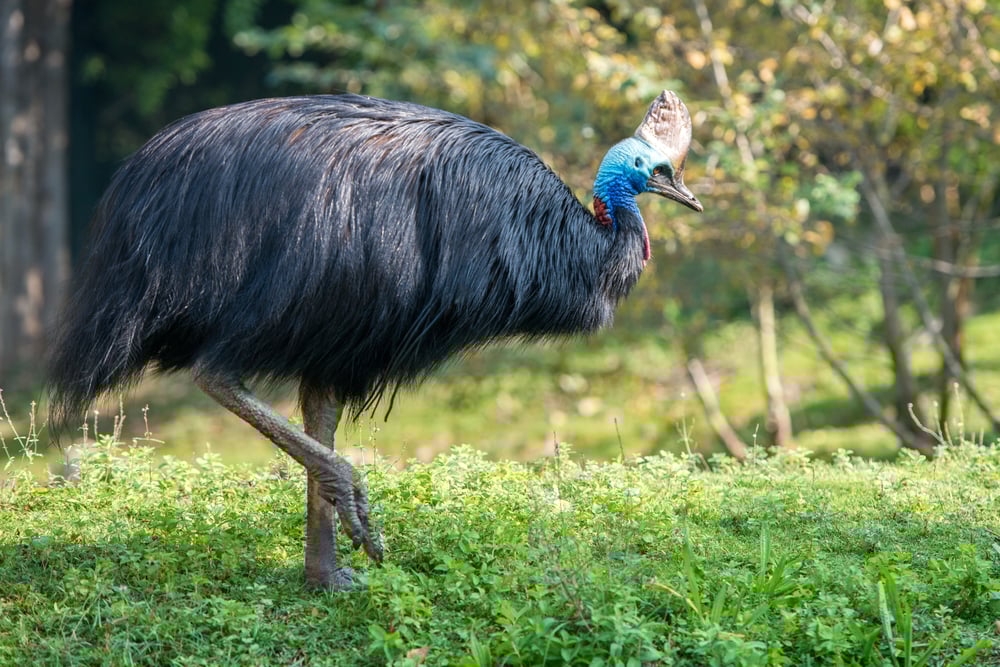
Cassowaries are direct descendants of dinosaurs, specifically related to theropod dinosaurs like velociraptors. The similarities are pretty obvious when you see them in action – those powerful legs, the way they move, and especially those terrifying claws.
Scientists think their helmet-like casque might function similarly to the head crests of ancient duck-billed dinosaurs.
Those Claws Are Legitimate Weapons
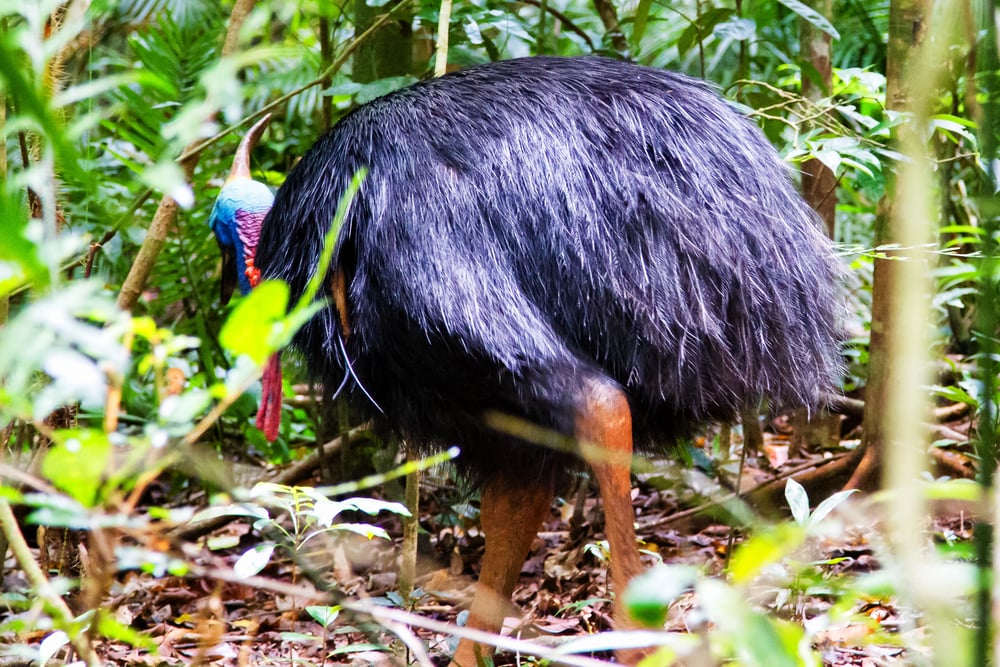
Each of a cassowary’s three-toed feet has a dagger-like claw on the inner toe that can grow up to 4 inches long. These aren’t just for show – they’re designed to slice and puncture anything the bird considers a threat.
One swift kick from a cassowary can cause fatal wounds, which is exactly how they’ve earned their deadly reputation.
They Can Outrun Most Humans
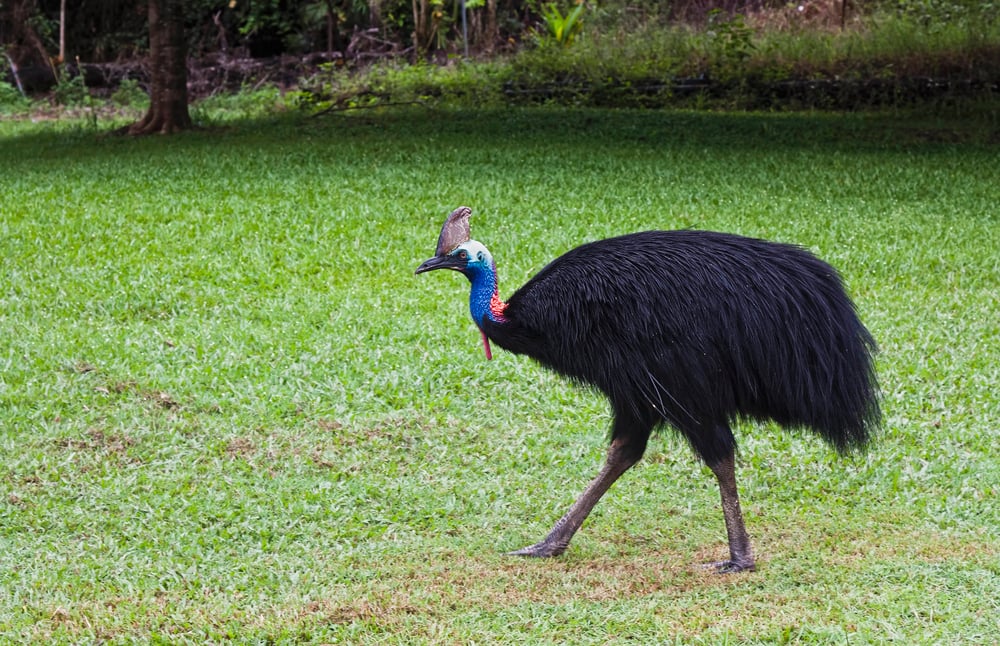
Cassowaries can sprint through dense rainforest at speeds up to 31 miles per hour. That’s faster than most people can run on a flat track, let alone through thick jungle vegetation.
Their powerful legs don’t just make them fast runners – they also help them jump straight up to 7 feet in the air when they need to clear obstacles.
Only Two Confirmed Human Deaths in Modern Times
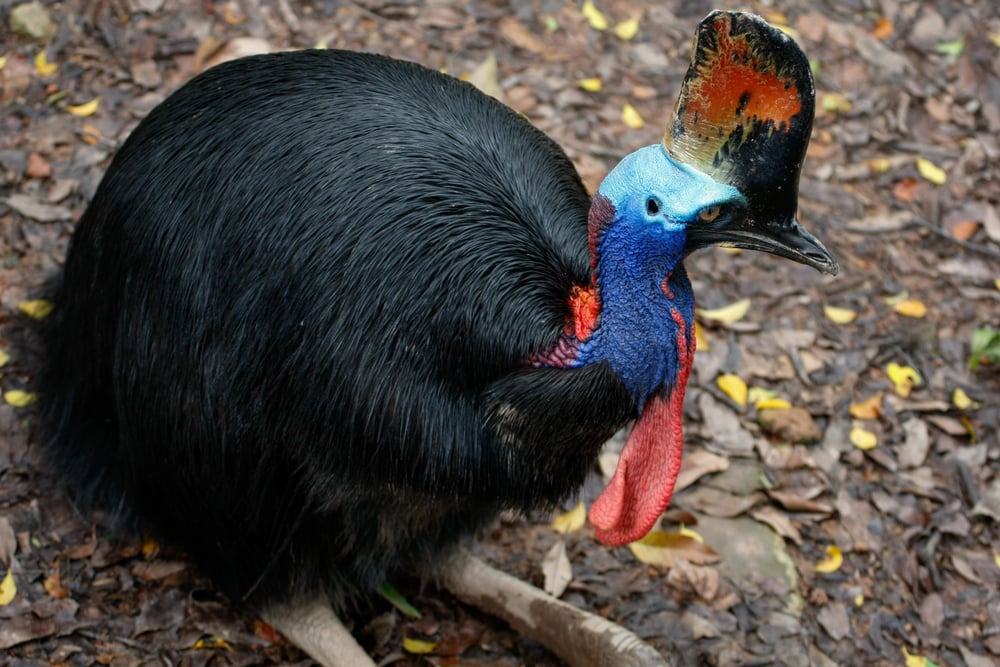
Despite their fearsome reputation, cassowaries have only killed two people in recorded modern history. The first was a 16-year-old Australian boy in 1926 who was hunting the bird when it killed him with a kick to the neck.
The second was a 75-year-old man in Florida in 2019 who fell while tending to his pet cassowary. So while they’re definitely dangerous, they’re not exactly going around hunting humans.
Their Eggs Look Like Something from Fantasy

Cassowary eggs are bright green and absolutely massive – about 10 times heavier than chicken eggs. The green color comes from a pigment called biliverdin, and it helps camouflage the eggs among the forest floor vegetation.
Each egg weighs around one pound, and females typically lay 3-5 eggs in a clutch.
Dad Does All the Parenting

In the cassowary world, fathers are the ones who do all the hard work. After the female lays her eggs, she basically says ‘see ya later’ and moves on to find other males.
The dad incubates the eggs for about 50-60 days, then raises the chicks for up to 16 months, teaching them everything they need to survive.
They Were Pets 18,000 Years Ago

Archaeological evidence from New Guinea suggests that humans were domesticating cassowaries as far back as 18,000 years ago – thousands of years before we domesticated chickens. Ancient people would collect cassowary eggs just before they hatched and raise the chicks to adulthood.
Imagine having a 150-pound bird with knife-feet as a pet.
They’re Ecosystem Engineers
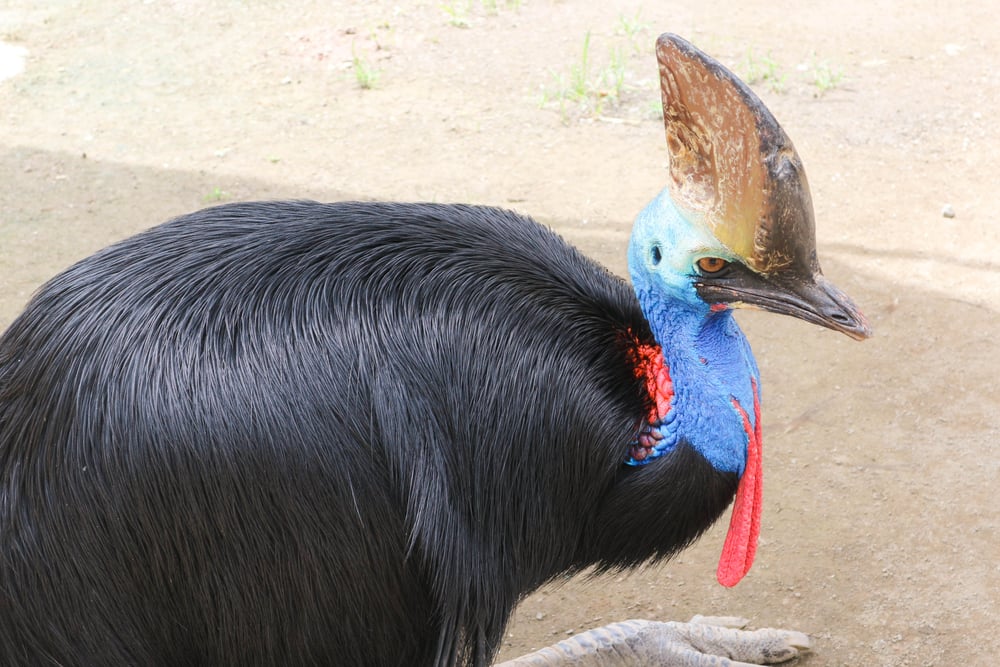
Cassowaries are what scientists call a ‘keystone species’ because they play such an important role in their rainforest homes. They eat over 238 different types of fruit and disperse the seeds throughout the forest through their droppings.
Some plant species can’t reproduce without having their seeds pass through a cassowary’s digestive system first.
Their Feathers Look Like Hair

From a distance, cassowary feathers look more like coarse black hair than typical bird feathers. These specialized feathers consist of a shaft with loose barbules, perfect for pushing through dense rainforest vegetation without getting caught on thorns and branches.
They’re basically nature’s version of protective armor.
They Make Sounds You Feel in Your Bones
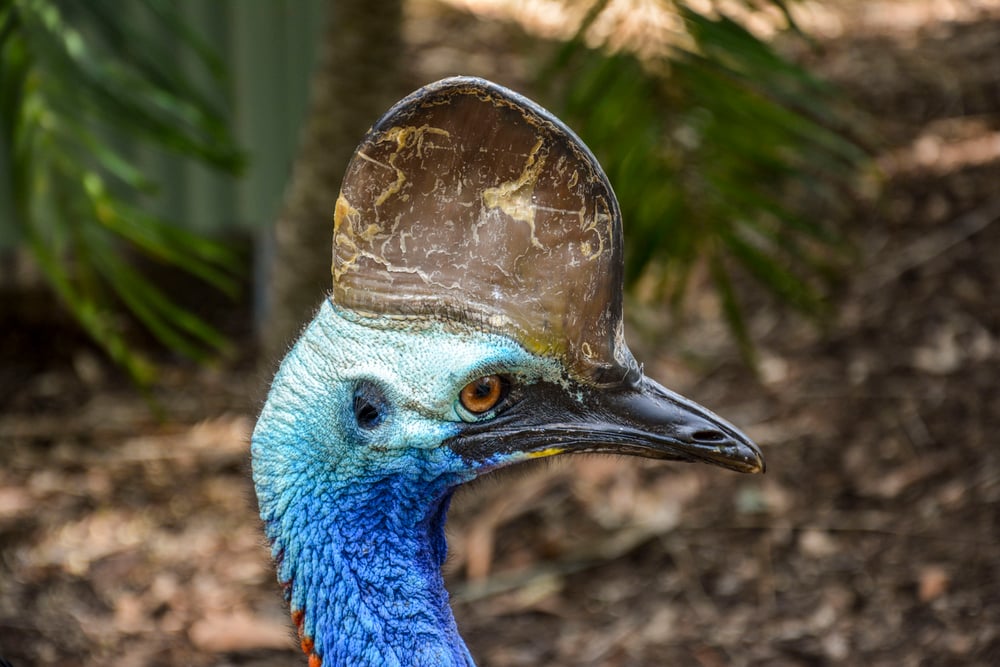
Cassowaries communicate using incredibly low-frequency booming calls that are barely within human hearing range. These calls are so deep and powerful that people report feeling them vibrating in their chest and bones.
The low frequency helps the sound travel long distances through the dense forest, perfect for these solitary birds to communicate across their large territories.
Three Species, All Dangerous
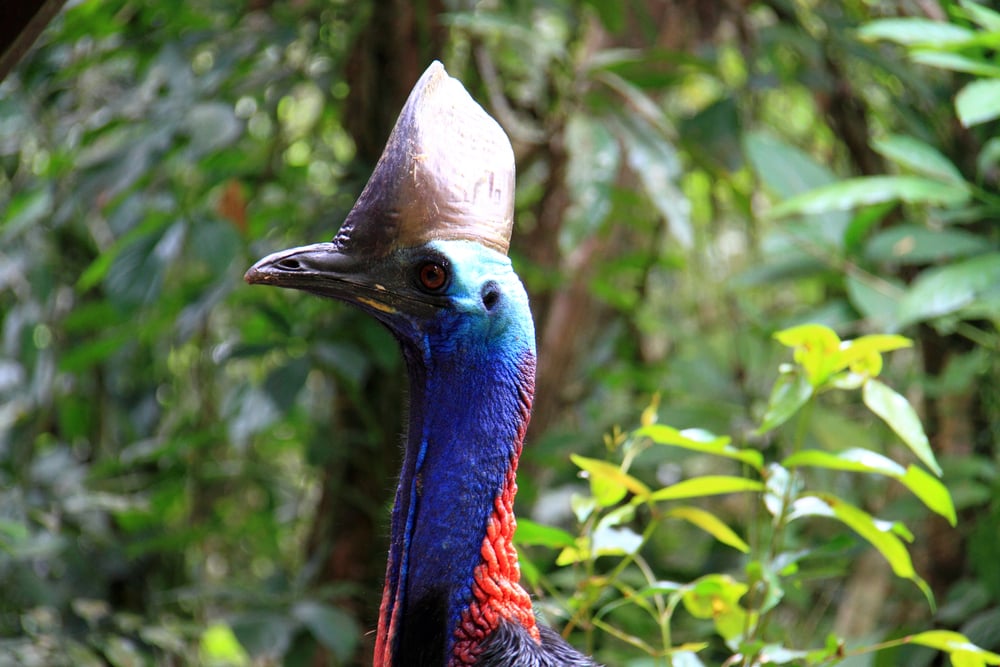
There are three species of cassowary: the southern cassowary (the largest and most dangerous), the northern cassowary, and the dwarf cassowary. Even the ‘dwarf’ species can weigh 60 pounds and stand about 3 feet tall, so don’t let the name fool you – they’re still plenty capable of causing serious damage.
They’re Surprisingly Good Swimmers

Despite being flightless and weighing up to 160 pounds, cassowaries are excellent swimmers. They can cross rivers and even swim between islands if needed.
Combined with their running and jumping abilities, there’s basically nowhere you can go to escape an angry cassowary except maybe up a really tall tree.
Urban Cassowaries Are Adapting

In Queensland, Australia, some cassowaries have adapted to living near human settlements. These urban birds have learned to eat from garbage cans, bird feeders, and even picnic tables.
Researchers studying their droppings have found everything from plastic toys to marbles, showing these birds will eat pretty much anything they can get their beaks on.
They Don’t Have Tongues

Unlike most birds, cassowaries completely lack tongues. Their pointed, sharp beaks are perfectly designed for picking up fruit from the forest floor, which makes up the majority of their diet.
This adaptation works so well that they don’t need tongues for manipulating food like other birds do.
Females Are the Boss

Female cassowaries are larger, more brightly colored, and more aggressive than males. During breeding season, a female will mate with multiple males across her territory, leaving each one to deal with the eggs and chicks.
It’s basically the opposite of most bird species, where males compete for female attention.
They’re Living on Borrowed Time
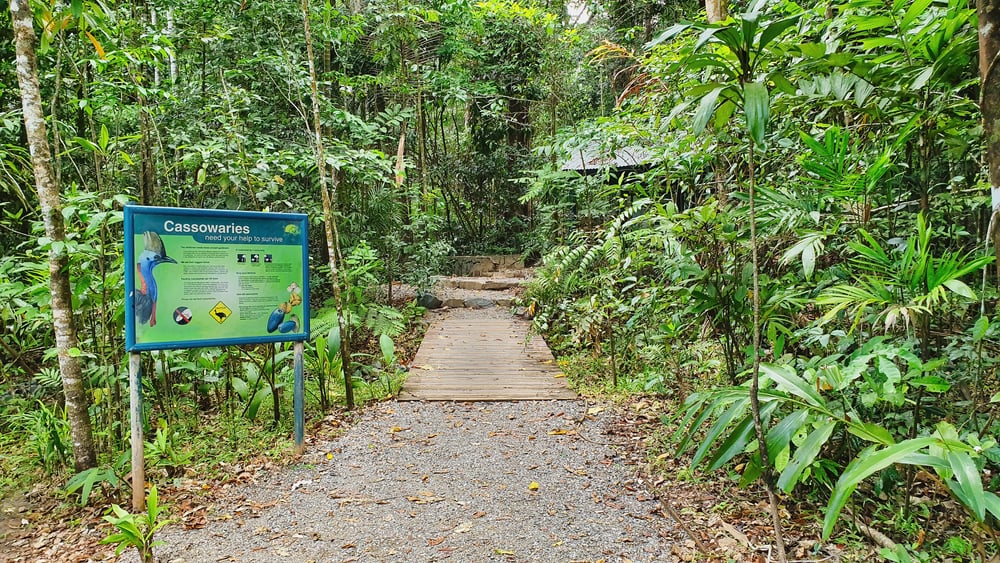
All three cassowary species are facing serious threats from habitat destruction, vehicle strikes, and attacks by domestic dogs. The southern cassowary population in Australia is so small that there are fewer cassowaries left than there are giant pandas in China.
Climate change and human development continue to shrink their rainforest homes, making every individual bird crucial for the species’ survival.
Ancient Survivors in a Modern World

What makes cassowaries truly remarkable isn’t just their ability to seriously mess up your day – it’s that they’ve survived virtually unchanged for millions of years, only to face their biggest threat now from humans and our expanding world. These birds have weathered ice ages, volcanic eruptions, and countless environmental changes, yet highway construction and suburban development might be what finally does them in.
Maybe it’s time we gave these living dinosaurs the respect and space they’ve earned after 60 million years of ruling the rainforest.
More from Go2Tutors!

- The Romanov Crown Jewels and Their Tragic Fate
- 13 Historical Mysteries That Science Still Can’t Solve
- Famous Hoaxes That Fooled the World for Years
- 15 Child Stars with Tragic Adult Lives
- 16 Famous Jewelry Pieces in History
Like Go2Tutors’s content? Follow us on MSN.