16 Deepest Subway Systems in the World
When most people think about subway systems, they picture trains zipping along just beneath busy city streets. But some of the world’s most impressive underground networks dive so deep into the earth that riding them feels more like descending into the planet’s core than taking a quick trip across town. These subterranean marvels exist far below the surface, carved through solid rock and built to withstand everything from earthquakes to the weight of entire cities above them.
The engineering challenges of building these deep systems are staggering, requiring specialized drilling equipment, massive ventilation systems, and elevators that can handle vertical journeys equivalent to climbing skyscrapers in reverse. Here is a list of 16 of the deepest subway systems around the globe.
Pyongyang Metro, North Korea
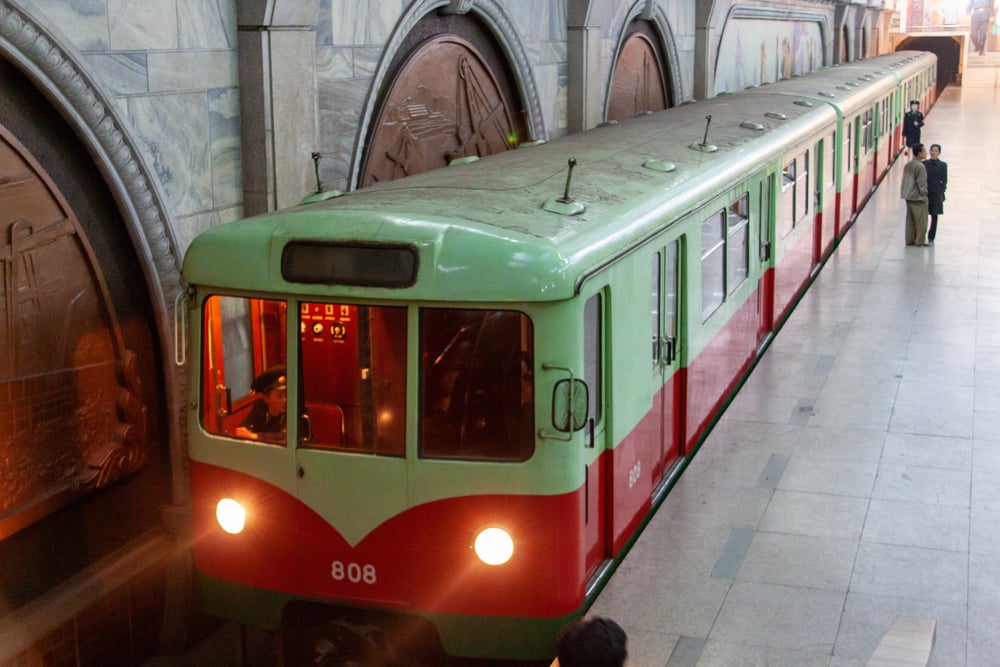
The Pyongyang Metro plunges an average of 360 feet below ground, making it one of the deepest subway systems on Earth. Built during the Cold War era, this network was designed to serve as both public transportation and a massive bomb shelter for the city’s residents.
The stations resemble underground palaces, decorated with chandeliers, marble columns, and propaganda murals that transform the daily commute into something approaching an art gallery visit.
Kiev Metro, Ukraine
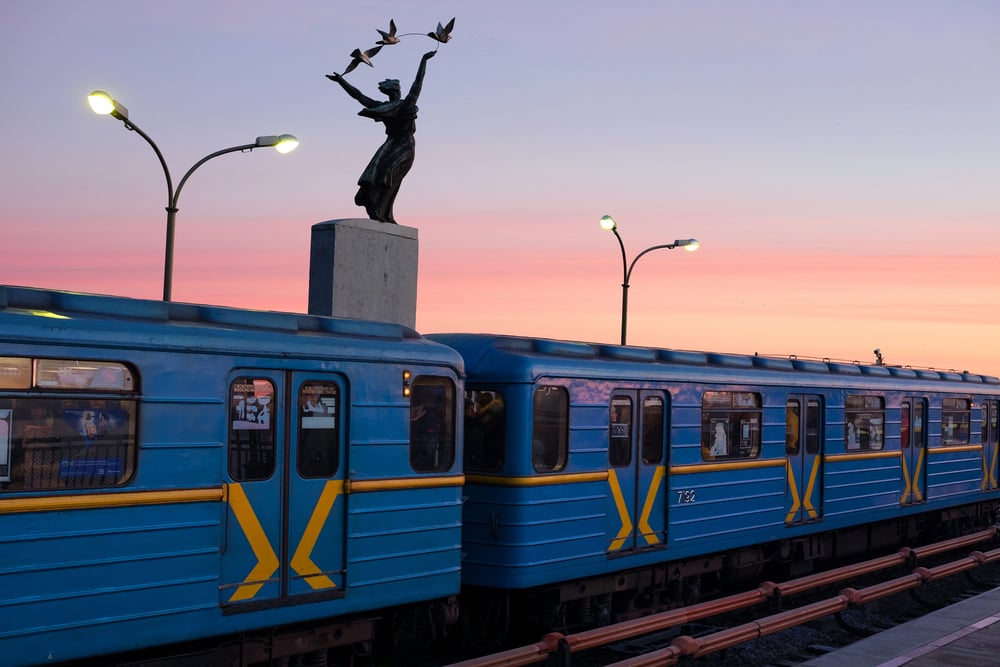
Kiev’s subway system reaches depths of up to 346 feet, with some stations built so deep that the escalator rides feel endless. The system was constructed through challenging geological conditions, including areas where the ground is prone to shifting and settling.
Many stations feature stunning Soviet-era architecture, with ornate decorations that make the long journey to the surface feel like emerging from an underground cathedral.
Like Go2Tutors’s content? Follow us on MSN.
St. Petersburg Metro, Russia
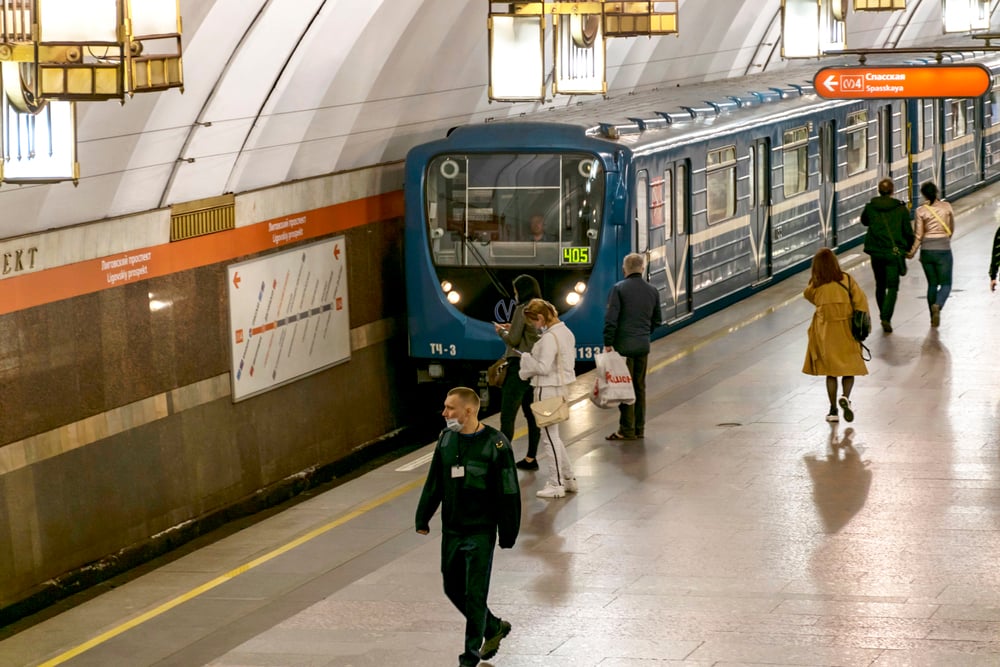
The St. Petersburg Metro averages around 230 feet below ground, with its deepest station, Admiralteyskaya, reaching approximately 282 feet down. The system was built through particularly difficult terrain, including areas with high water tables and soft, marshy ground that required extensive engineering solutions.
The network’s depth also means that escalator rides can last several minutes, giving passengers plenty of time to admire the elaborate Soviet-era artwork adorning the stations.
Prague Metro, Czech Republic
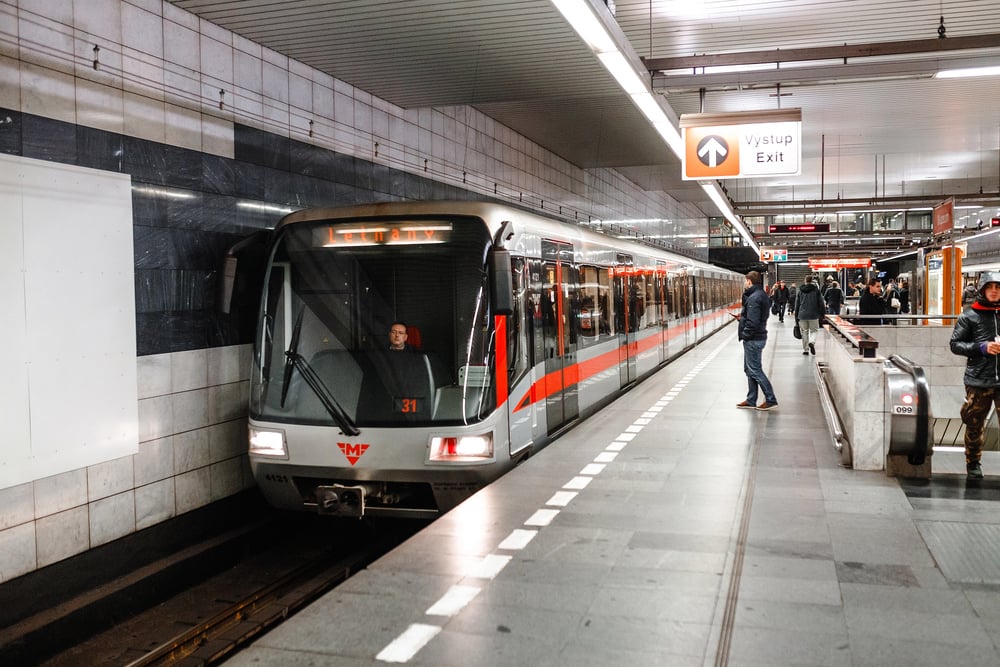
Prague’s metro system descends to depths of around 170 feet on average, with some stations reaching even deeper into the bedrock beneath the historic city. The system was designed to navigate around the city’s extensive network of medieval cellars, ancient foundations, and archaeological sites.
This careful construction preserved Prague’s historic character while creating a modern transportation network that serves millions of passengers annually.
Moscow Metro, Russia
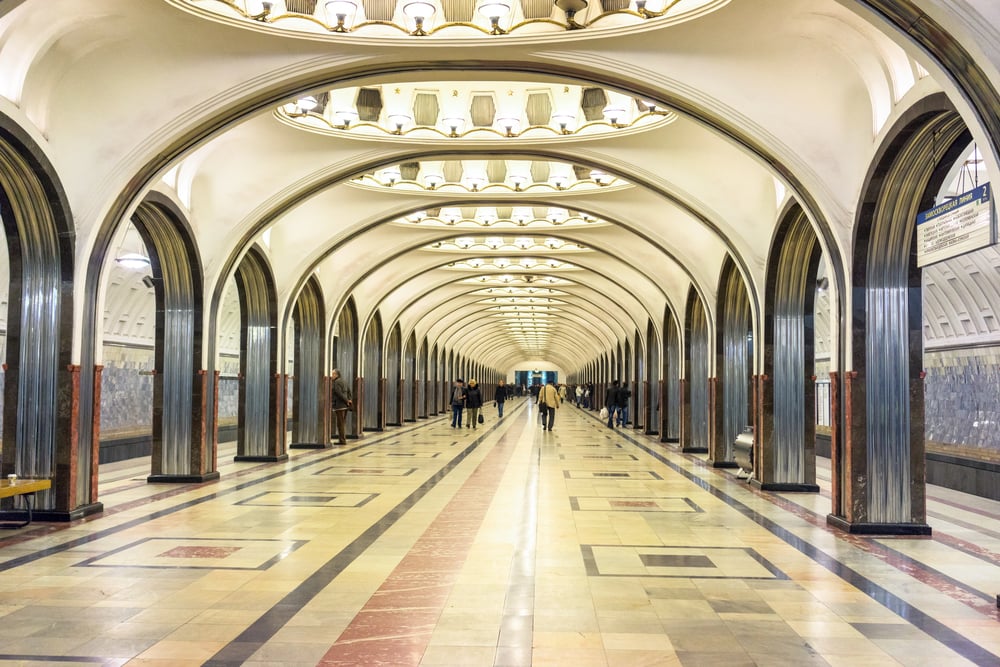
Moscow’s famous metro system reaches average depths of 150 feet, with some stations diving much deeper into the Russian capital’s underground. The network was built as both a transportation system and a showcase of Soviet engineering prowess, featuring stations that double as underground museums.
The deep construction was necessary to avoid interfering with the city’s existing infrastructure while creating a network that could withstand harsh Russian winters and serve as emergency shelters if needed.
Like Go2Tutors’s content? Follow us on MSN.
Washington Metro, United States
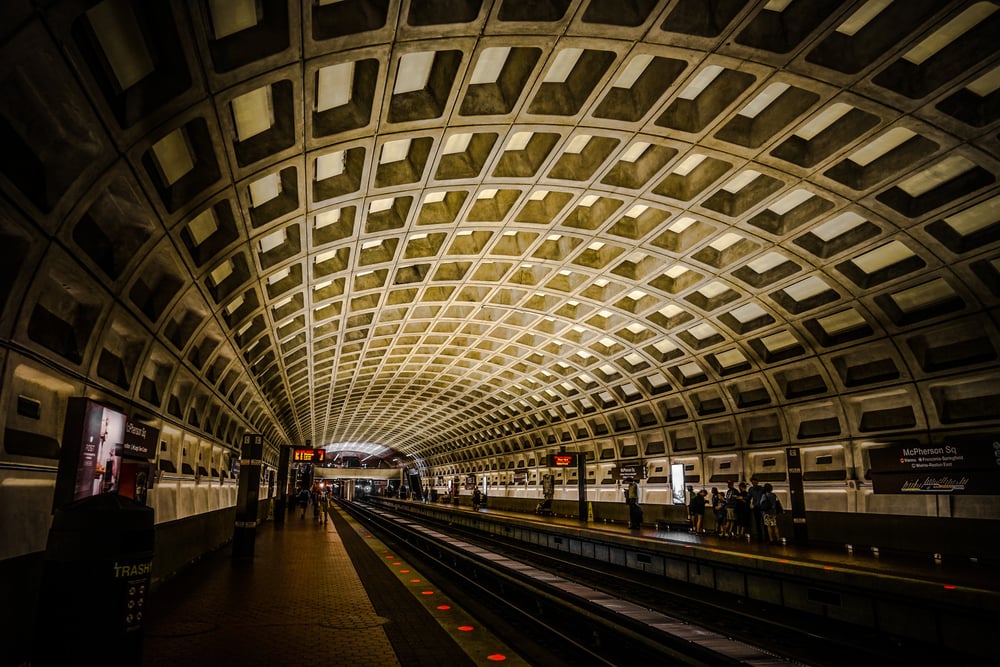
The Washington D.C. Metro system averages around 120 feet below ground, with its deepest station, Forest Glen, reaching 196 feet down. This station is so deep that it’s the only one in the system without escalators, relying instead on high-speed elevators to transport passengers to the surface.
The system’s depth was designed to minimize disruption to the capital’s many government buildings and monuments while providing efficient transportation throughout the metropolitan area.
Montreal Metro, Canada
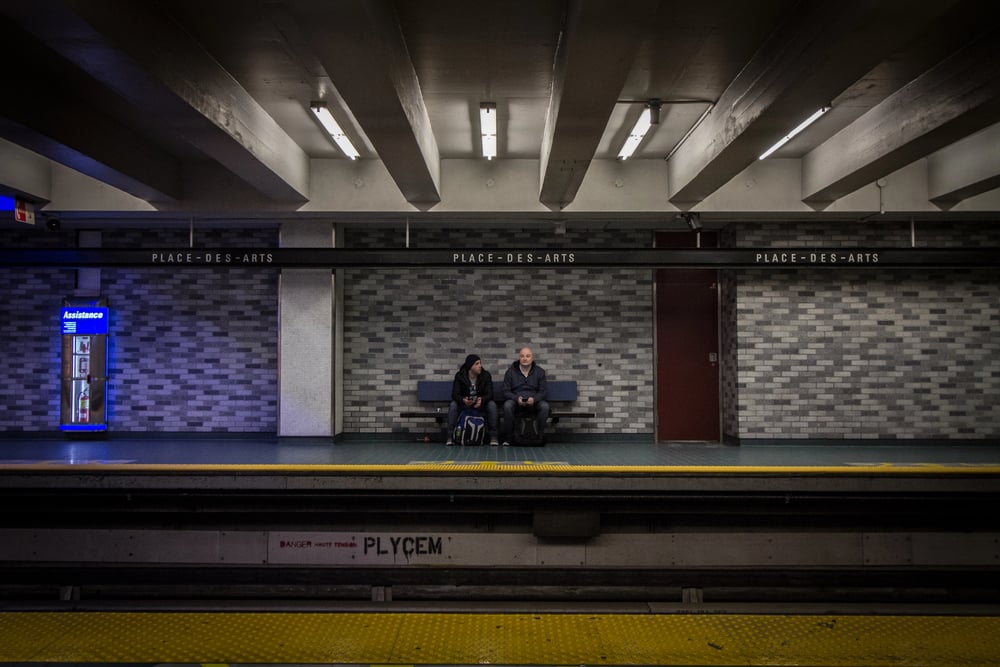
Montreal’s metro system operates at an average depth of 115 feet, built deep enough to avoid Canada’s brutal winter freeze cycles that could damage shallower infrastructure. The system’s rubber-tired trains run quietly through tunnels carved from solid rock, creating a smooth ride that feels almost futuristic.
The deep construction also provides natural insulation, keeping stations comfortable year-round despite Montreal’s extreme seasonal temperature variations.
Stockholm Metro, Sweden

Stockholm’s metro system, known as the ‘world’s longest art gallery,’ operates at depths averaging 105 feet below ground. The system was carved directly through Stockholm’s granite bedrock, creating cathedral-like stations with exposed rock walls that serve as canvases for massive art installations.
The deep construction was necessary to navigate through the city’s complex geography of islands, waterways, and solid rock formations.
Like Go2Tutors’s content? Follow us on MSN.
Helsinki Metro, Finland

Helsinki’s metro system reaches depths of approximately 100 feet, built through the challenging granite bedrock that characterizes much of Finland’s landscape. The system’s construction required extensive blasting through solid rock, creating tunnels and stations that feel more like underground caverns than traditional subway stops.
The deep placement also helps the system maintain consistent temperatures year-round, crucial for reliable operation in Finland’s harsh climate.
Barcelona Metro, Spain
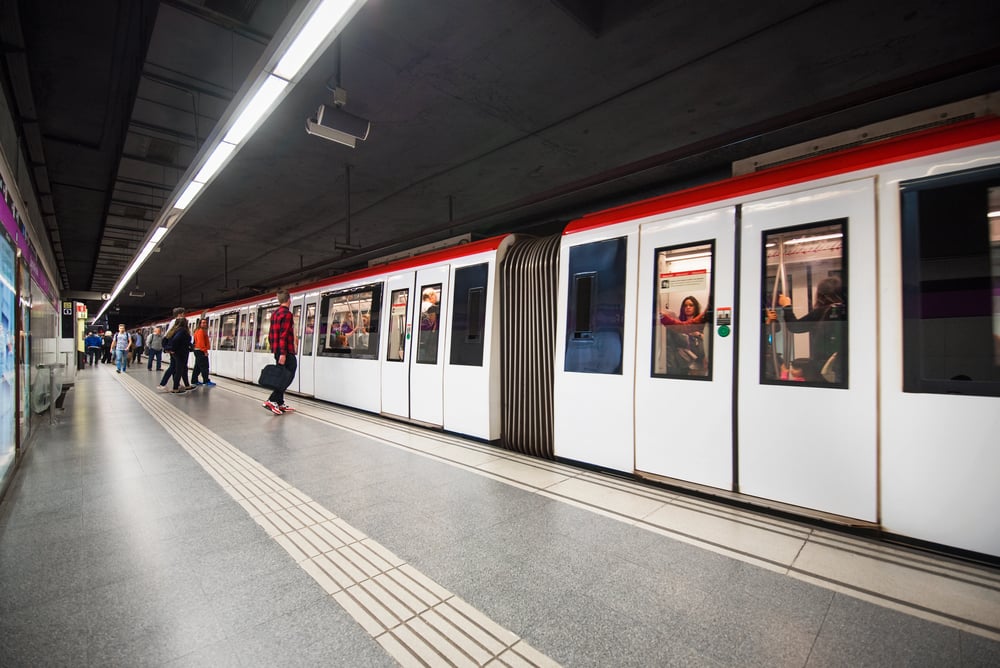
Barcelona’s metro system operates at varying depths, with some lines reaching around 95 feet below ground. The system navigates through diverse geological conditions, from soft coastal sediments to harder inland rock formations.
The deeper sections were built to avoid interfering with Barcelona’s dense urban development while connecting the city’s various neighborhoods and districts efficiently.
Vienna Metro, Austria
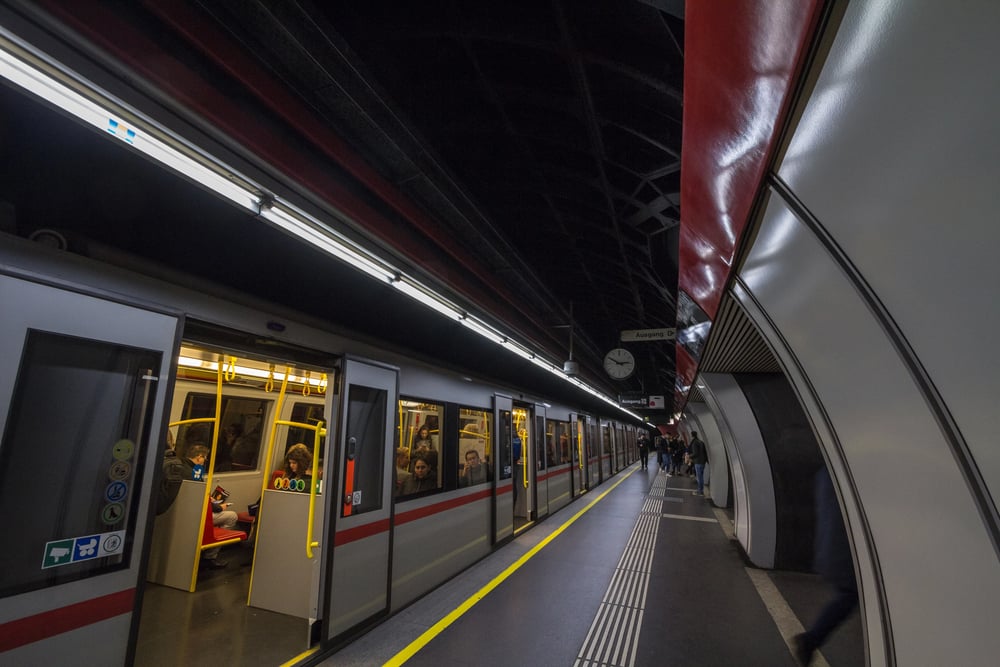
Vienna’s U-Bahn system reaches depths of approximately 90 feet in its deepest sections, built to navigate around the city’s extensive network of historical structures and archaeological sites. The system’s construction required careful engineering to avoid damaging Vienna’s famous architecture while creating a modern transportation network.
The relatively deep placement also helps reduce noise and vibration for buildings above.
Like Go2Tutors’s content? Follow us on MSN.
Berlin Metro, Germany

Berlin’s U-Bahn system operates at depths averaging around 85 feet, though some sections go much deeper to navigate the city’s complex underground landscape. The system had to be built around existing infrastructure, war damage, and the geological challenges of building in a city divided by the Berlin Wall for decades.
Many stations feature distinctive 1970s architecture that reflects the era when major expansions were completed.
London Underground, United Kingdom
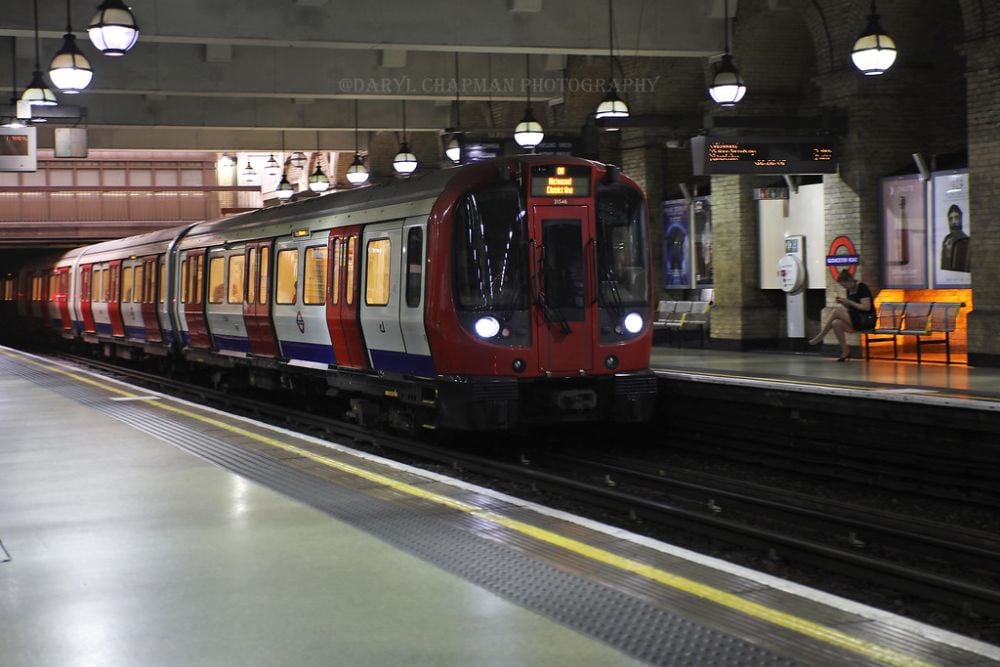
The London Underground, despite being one of the world’s oldest subway systems, reaches depths of around 80 feet on average, with some sections going much deeper. The system was built in phases over more than a century, with newer deep-level lines constructed far below the original cut-and-cover tunnels.
The deep tube lines were necessary to avoid the maze of existing tunnels, sewers, and foundations that already existed beneath London.
New York City Subway, United States
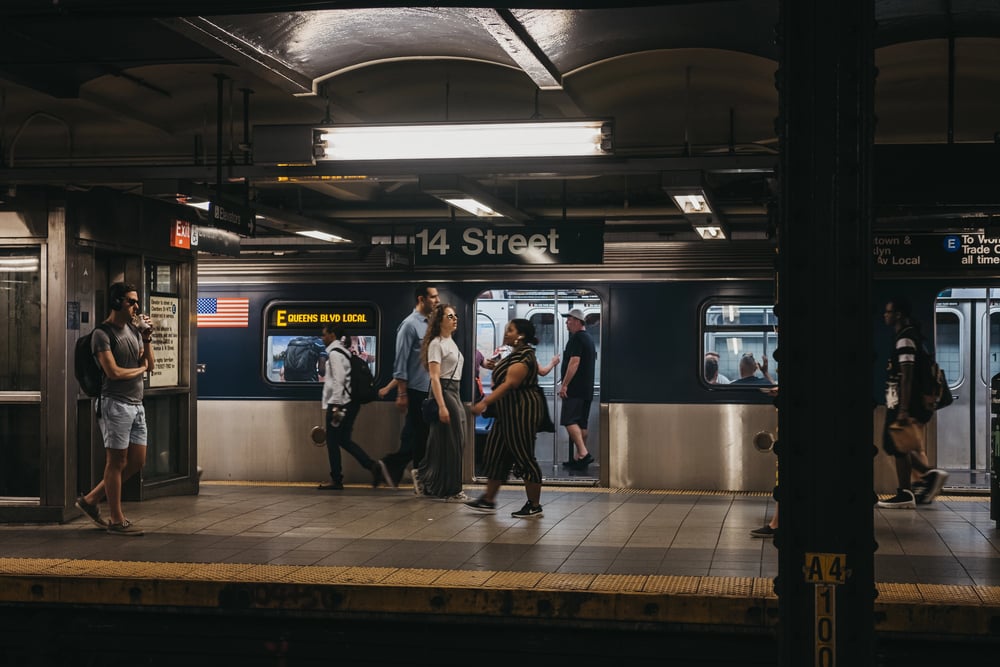
The New York City Subway system operates at an average depth of about 75 feet, though some sections reach considerably deeper to navigate Manhattan’s complex underground infrastructure. The system was built around existing utilities, building foundations, and geological features like underground streams and rock formations.
The 191st Street station is one of the deepest, requiring a long elevator ride to reach street level.
Like Go2Tutors’s content? Follow us on MSN.
Paris Metro, France

The Paris Metro operates at relatively shallow depths compared to other systems, averaging around 40 feet below ground. However, some newer lines and extensions reach depths of 70 feet or more to navigate around existing infrastructure and geological challenges.
The system’s relatively shallow construction was possible because it was built early in the subway era when cities had less existing underground infrastructure to work around.
Tokyo Metro, Japan
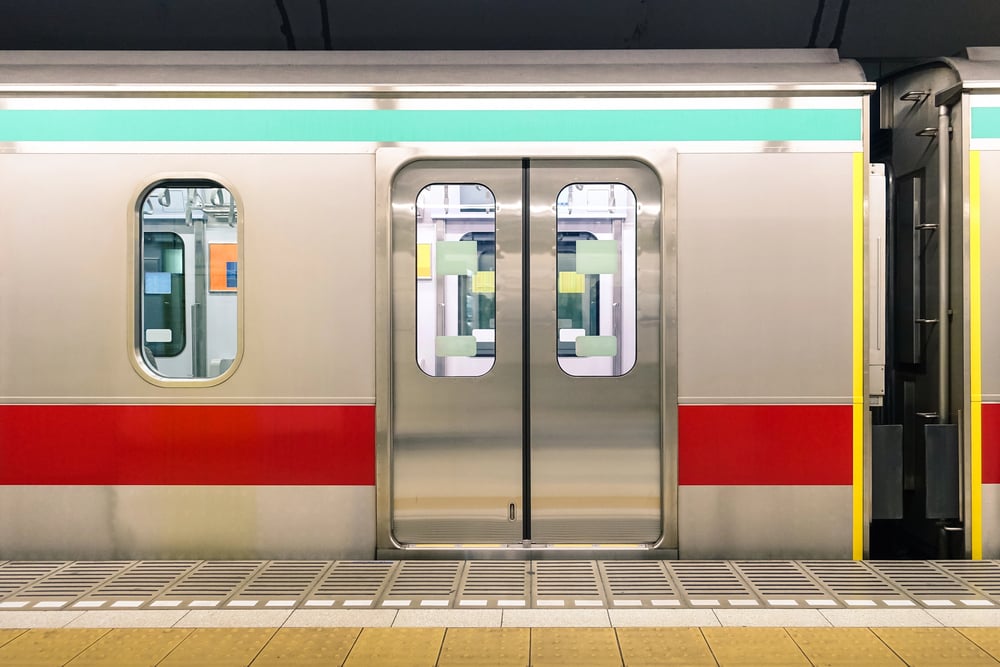
Tokyo’s complex subway network operates at varying depths, with some lines reaching around 65 feet below ground. The system was built in phases and by different operators, creating a network that navigates through Tokyo’s dense urban environment and challenging seismic conditions.
The deep construction helps provide stability during earthquakes while connecting one of the world’s most populous metropolitan areas.
Engineering Marvels Beneath Our Feet
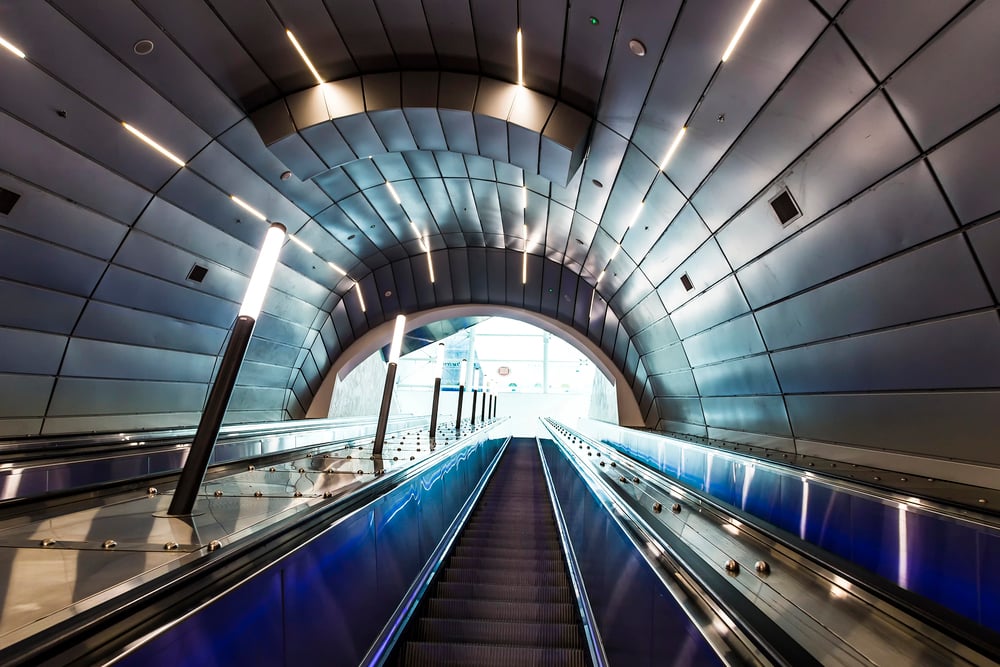
These underground transportation networks represent some of humanity’s most impressive engineering achievements, carved through solid rock and built to last for generations. Each system reflects the unique challenges of its location, from Moscow’s harsh winters to Tokyo’s earthquake risks, creating solutions that serve millions of passengers daily.
The next time you step onto a subway platform, remember that you might be standing in a space that required moving mountains of earth and rock to create, all so you can travel across the city in a matter of minutes.
Like Go2Tutors’s content? Follow us on MSN.
More from Go2Tutors!

- 16 Historical Figures Who Were Nothing Like You Think
- 12 Things Sold in the 80s That Are Now Illegal
- 15 VHS Tapes That Could Be Worth Thousands
- 17 Historical “What Ifs” That Would Have Changed Everything
- 18 TV Shows That Vanished Without a Finale
Like Go2Tutors’s content? Follow us on MSN.