16 Colorized Photos That Make History Feel Real
There’s something almost magical about seeing the past in color. Black and white photographs, for all their artistic merit, create a certain distance between us and the people who lived decades or centuries ago.
They exist in a world that feels fundamentally different from ours — muted, formal, somehow less alive. But when those same images are carefully colorized, something shifts.
Suddenly, those distant figures become people you might pass on the street. Their eyes carry the same depth, their clothes the same textures, their world the same vibrancy as yours.
The Great Chicago Fire
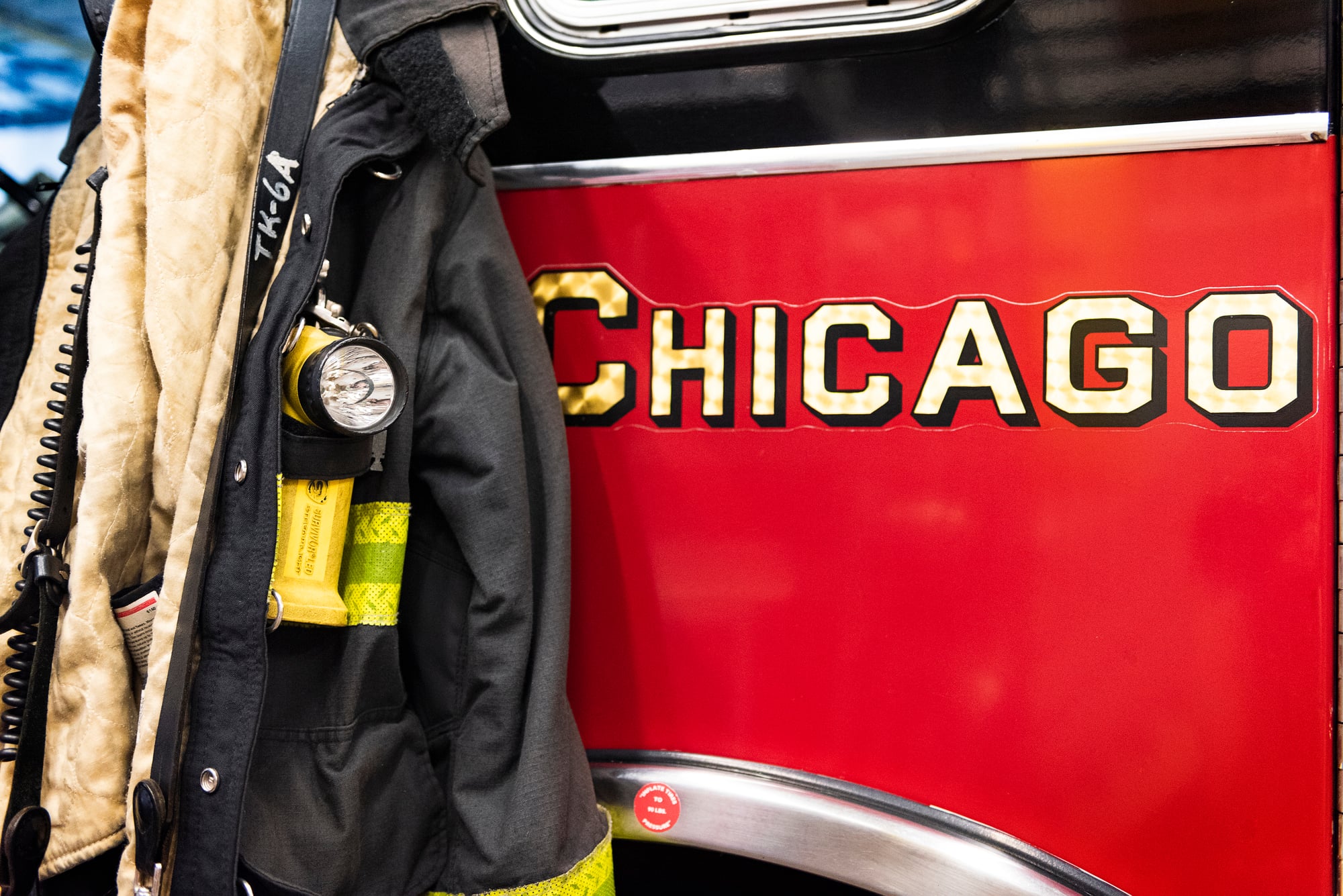
The year was 1871, and Chicago was burning. This colorized photograph shows the aftermath — not the dramatic flames that consumed the city, but the quiet devastation that followed.
Rubble where buildings once stood. Smoke still rising from what had been someone’s home, someone’s livelihood, someone’s entire world just days before.
The brown and gray tones of the debris feel immediate now, tangible in a way that the original black and white image never quite managed.
Einstein’s Wild Hair
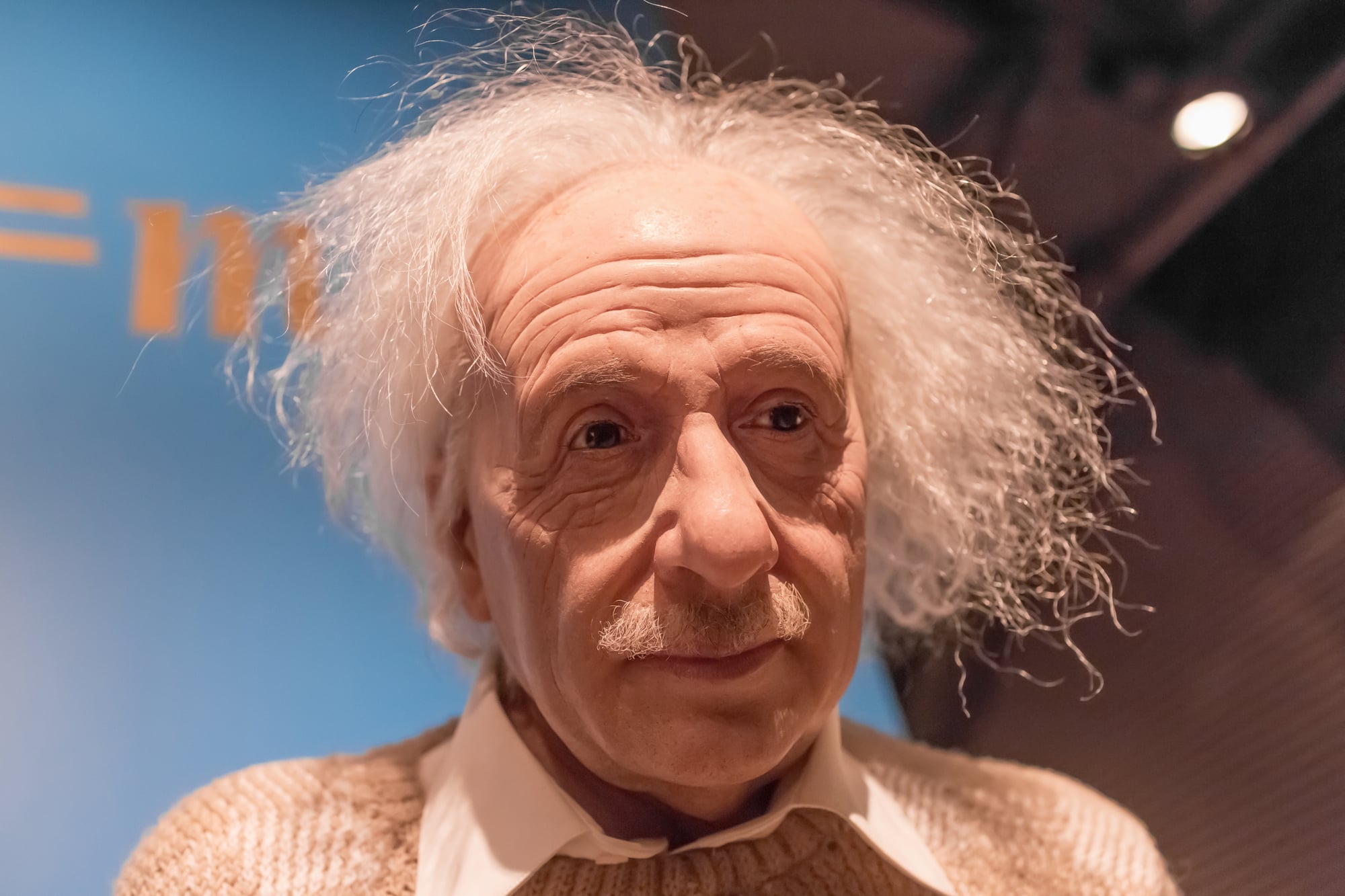
You know Einstein — the wild-haired genius with the tongue sticking out, frozen forever in black and white scientific immortality. But seeing him in color (even when that color has been added decades later) somehow makes his humanity more apparent: the slight flush in his cheeks, the warmth in his eyes that suggests he was genuinely enjoying the moment when this photo was taken, not just performing the role of eccentric scientist that history would later assign him.
And that famous hair, which turns out to have been a silvery gray rather than the stark white you might have imagined.
Depression-Era Farmers
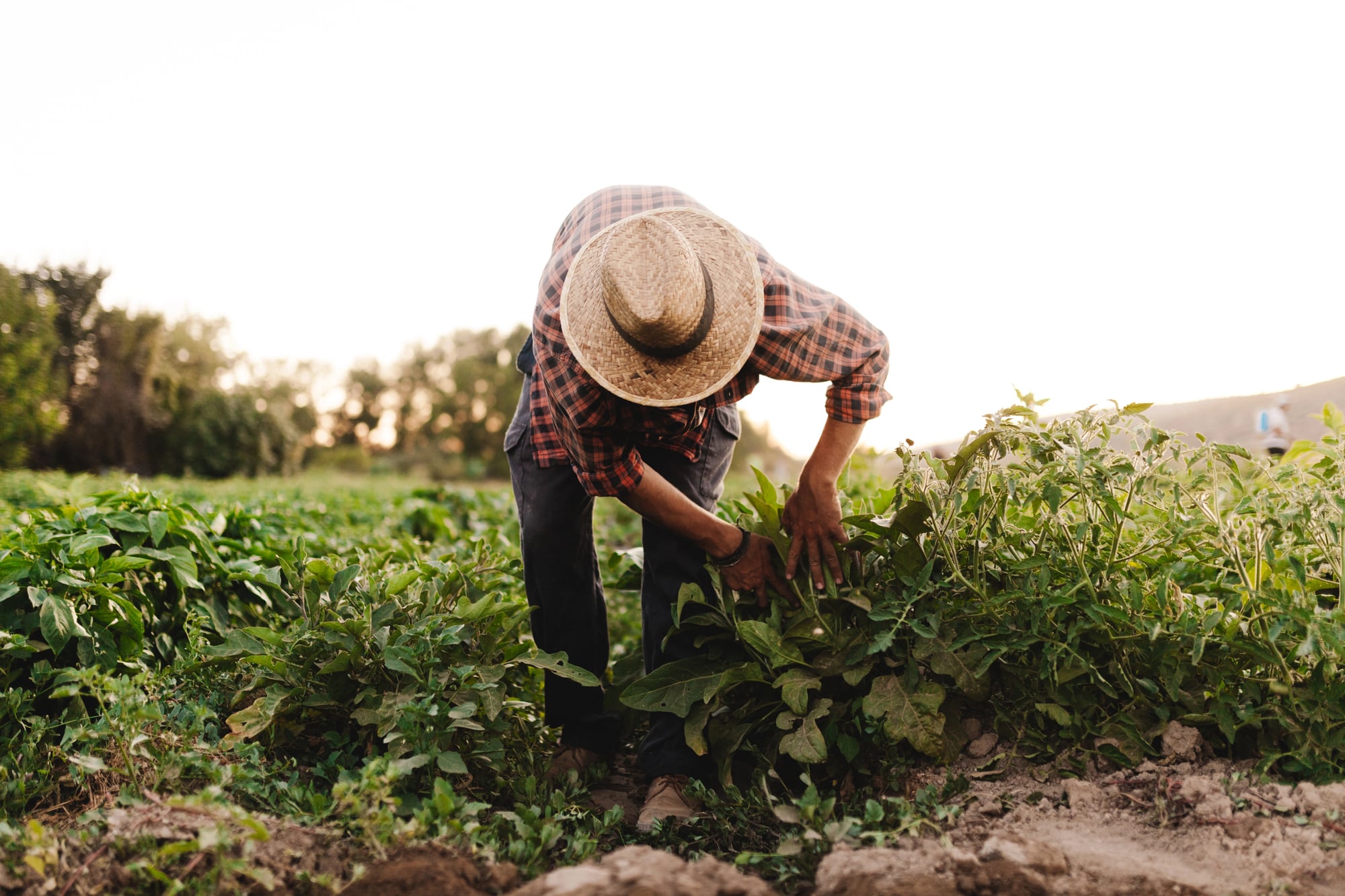
The Dust Bowl photographs are seared into American memory, but they exist mostly in sepia tones and stark contrasts that make the 1930s feel like ancient history rather than something that happened within living memory of people still alive today.
When those images are colorized — when you see the actual brown of the dust storms, the faded blue of a farmer’s work shirt, the pale yellow of drought-stressed wheat — the connection becomes immediate and uncomfortable.
These weren’t people from some distant era enduring hardships we can barely comprehend; they were people dealing with disaster in ways that would be familiar to anyone who has lived through a hurricane, a wildfire, or any of the climate emergencies that define our current moment.
Civil War Soldiers
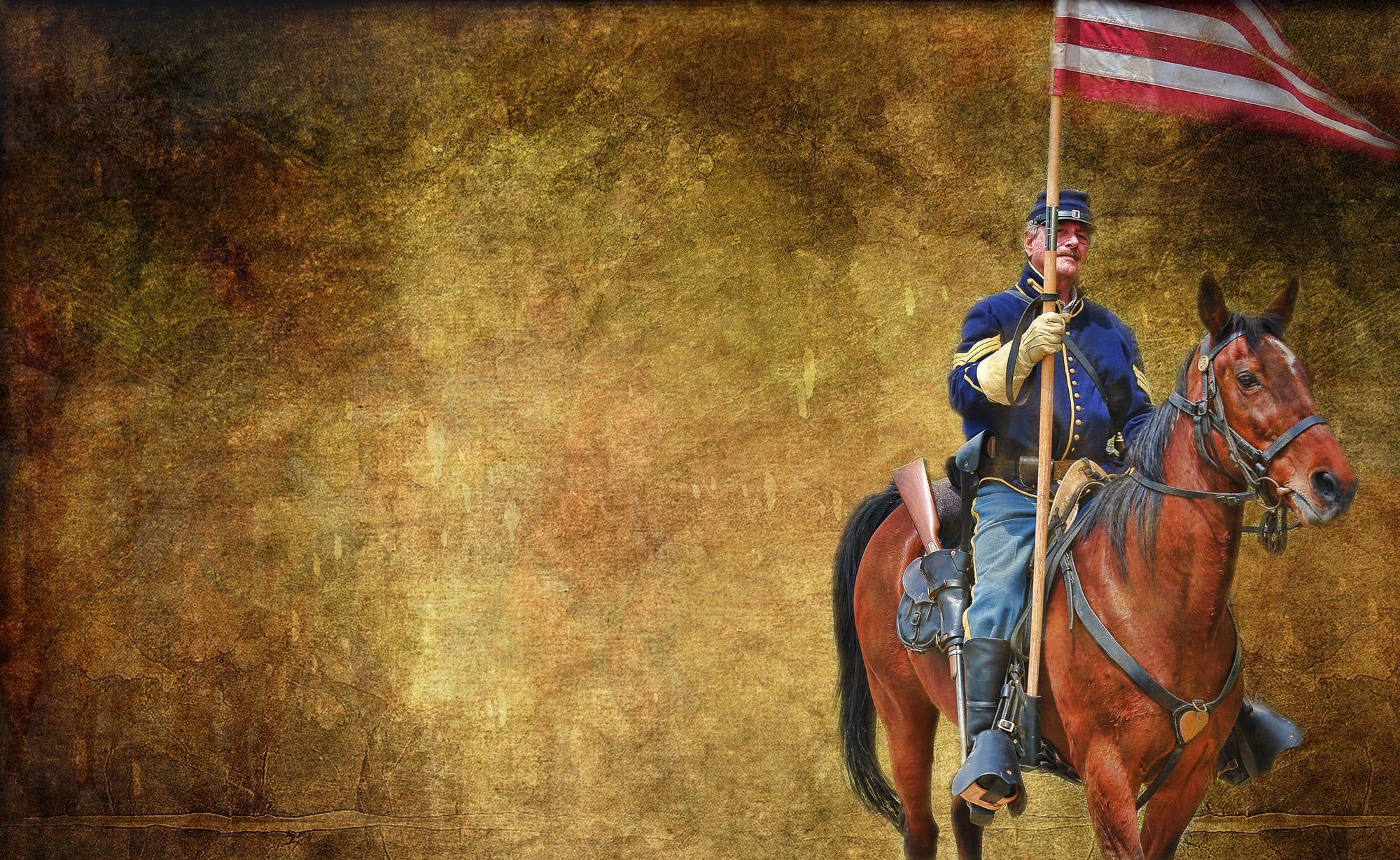
Civil War photography changed how Americans understood warfare. But those images, stark and formal as they necessarily were given the technology of the time, still maintained a certain remove from the reality they documented.
So when colorization reveals the actual blue of Union uniforms (which was more of a sky blue than the navy you might expect) and the butternut brown of Confederate homespun, when it shows the pink of a young soldier’s face rather than the pale gray of early photography, the human cost of that conflict becomes harder to intellectualize away.
Victorian London Street Scene
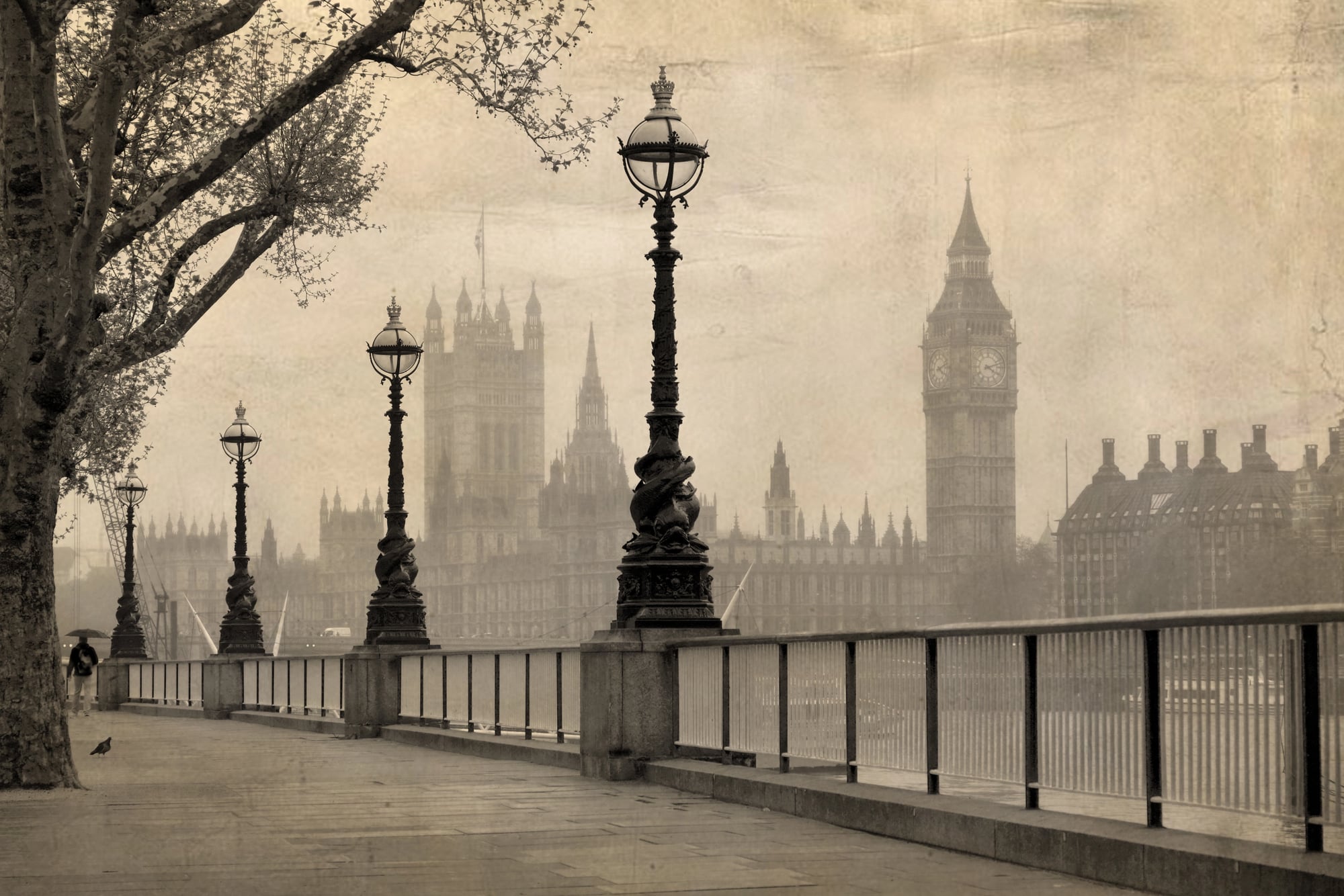
London in the 1890s wasn’t the gray, sooty place that black and white photography suggests — though it certainly was sooty. The colorized version of this bustling street scene reveals something more complex: the deep green of a hansom cab, the rich brown of a gentleman’s coat, the bright red of a woman’s shawl cutting through the morning fog.
Even the mud in the streets takes on a specific, recognizable color that makes you almost smell the horse manure and coal smoke that would have defined the air quality of the time.
The people in this photograph aren’t historical curiosities; they’re commuters dealing with traffic, weather, and the small frustrations of daily urban life.
Native American Portrait
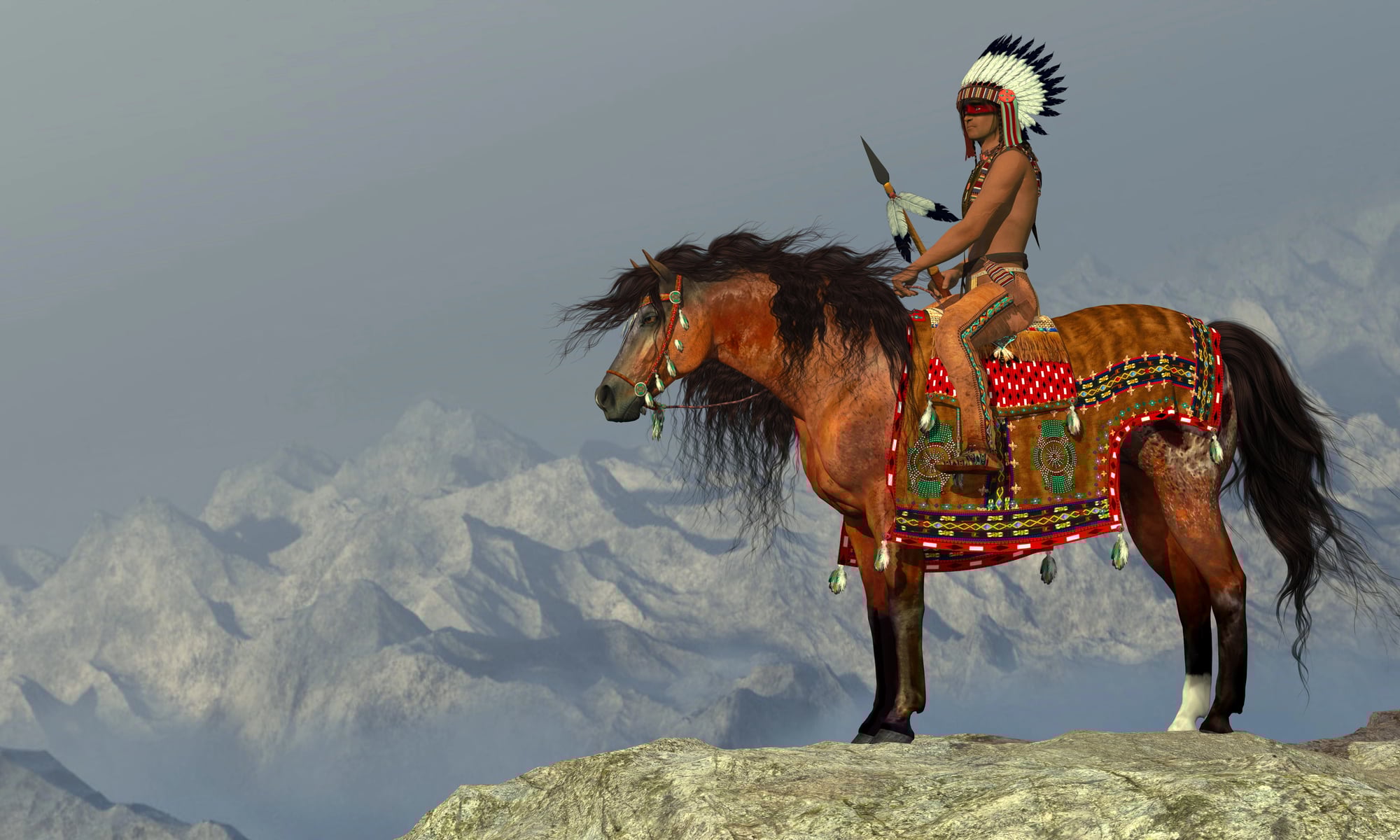
Black and white portraits of Native Americans from the late 1800s carry the weight of an entire tragic history, but they also carry the unfortunate effect of making their subjects seem like museum pieces rather than individuals with personalities, preferences, and inner lives as complex as anyone’s.
When those portraits are colorized — when you see the specific red and blue of traditional beadwork, the warm brown of leather, the actual color of someone’s eyes — the person emerges from behind the historical significance.
This isn’t just a representative of a vanishing culture; this is someone who had opinions about the weather, preferences in food, jokes that made their friends laugh.
World War I Trench
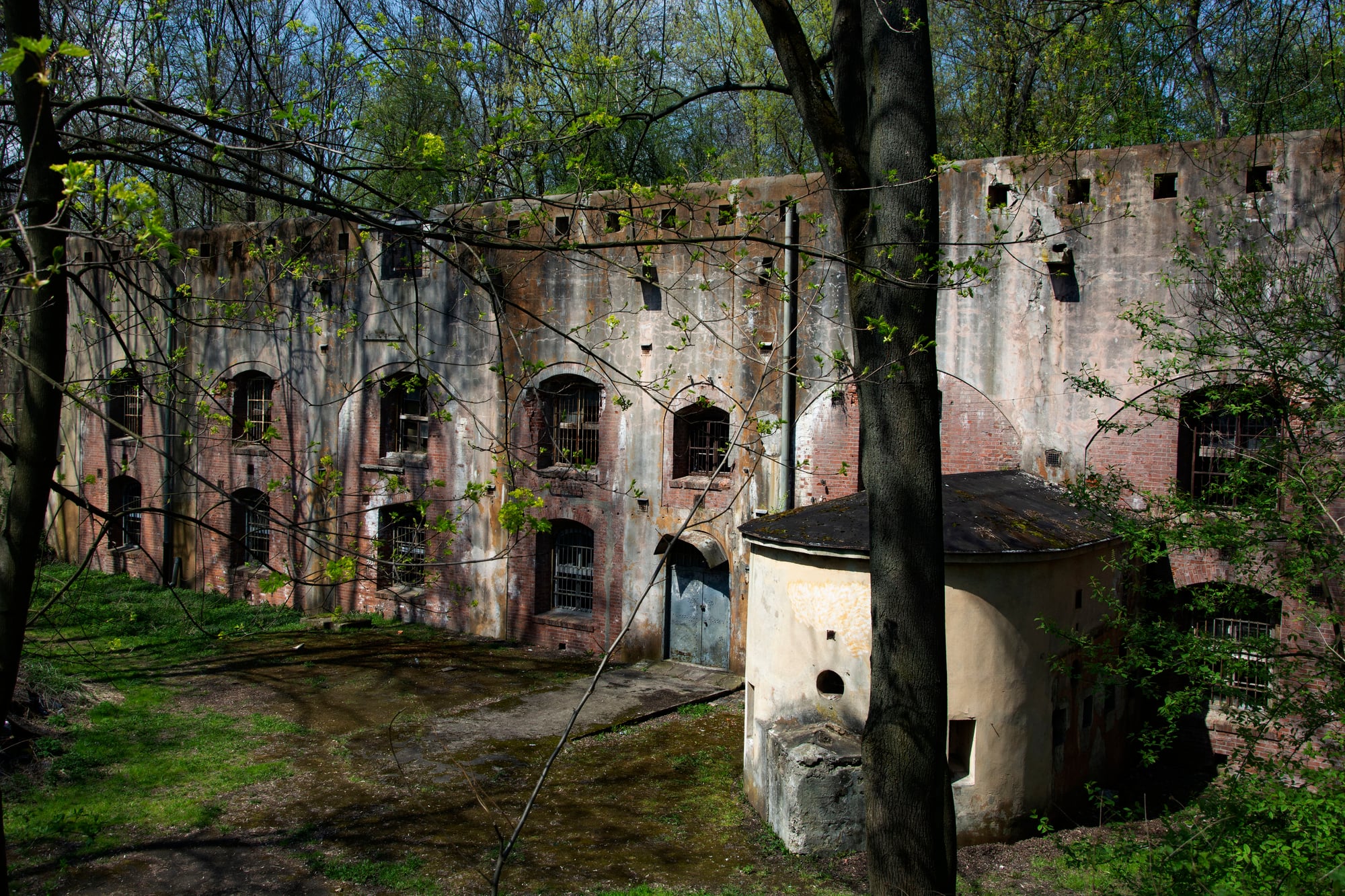
The horror of trench warfare is well-documented in black and white, but seeing it in color adds a layer of reality that’s almost unbearable.
The brown mud that dominated soldiers’ lives for months at a time. The dull green of military uniforms that were supposed to provide camouflage but mostly just got filthy.
The pale faces of young men who should have been worrying about jobs and girlfriends instead of poison gas and artillery shells.
Color makes the misery specific rather than abstract.
1920s Jazz Club
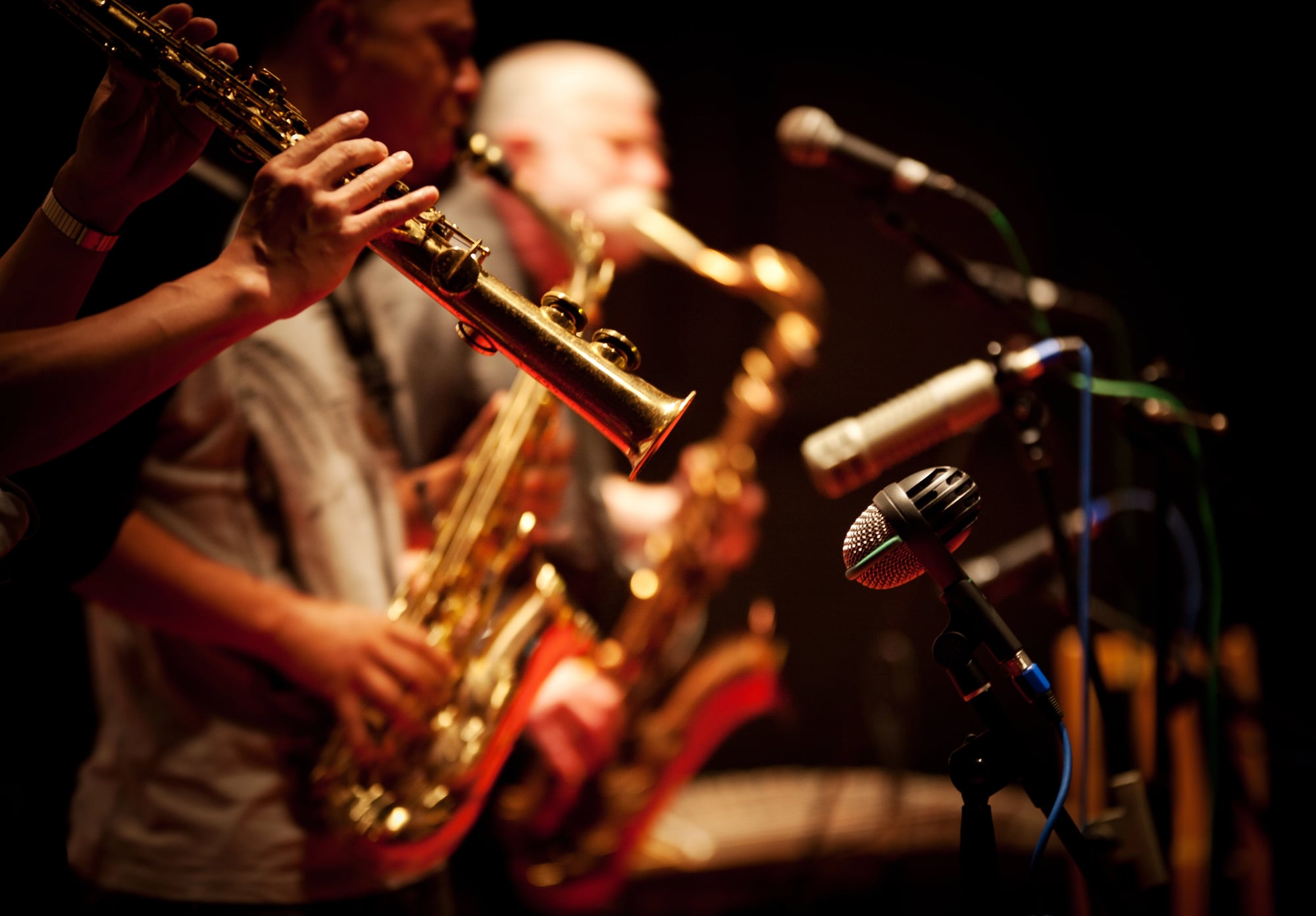
The Roaring Twenties live in popular imagination as a black and white movie, all sharp contrasts and dramatic shadows. But the decade was actually full of color — the deep red of lipstick, the golden yellow of gin, the rich purple of velvet curtains in speakeasy clubs.
This colorized photograph of a jazz club doesn’t just show you what the scene looked like; it helps you imagine what it felt like to be there when the music was loud, the drinks were illegal, and the future seemed full of possibilities that would, of course, come crashing down within a few years.
Migrant Mother
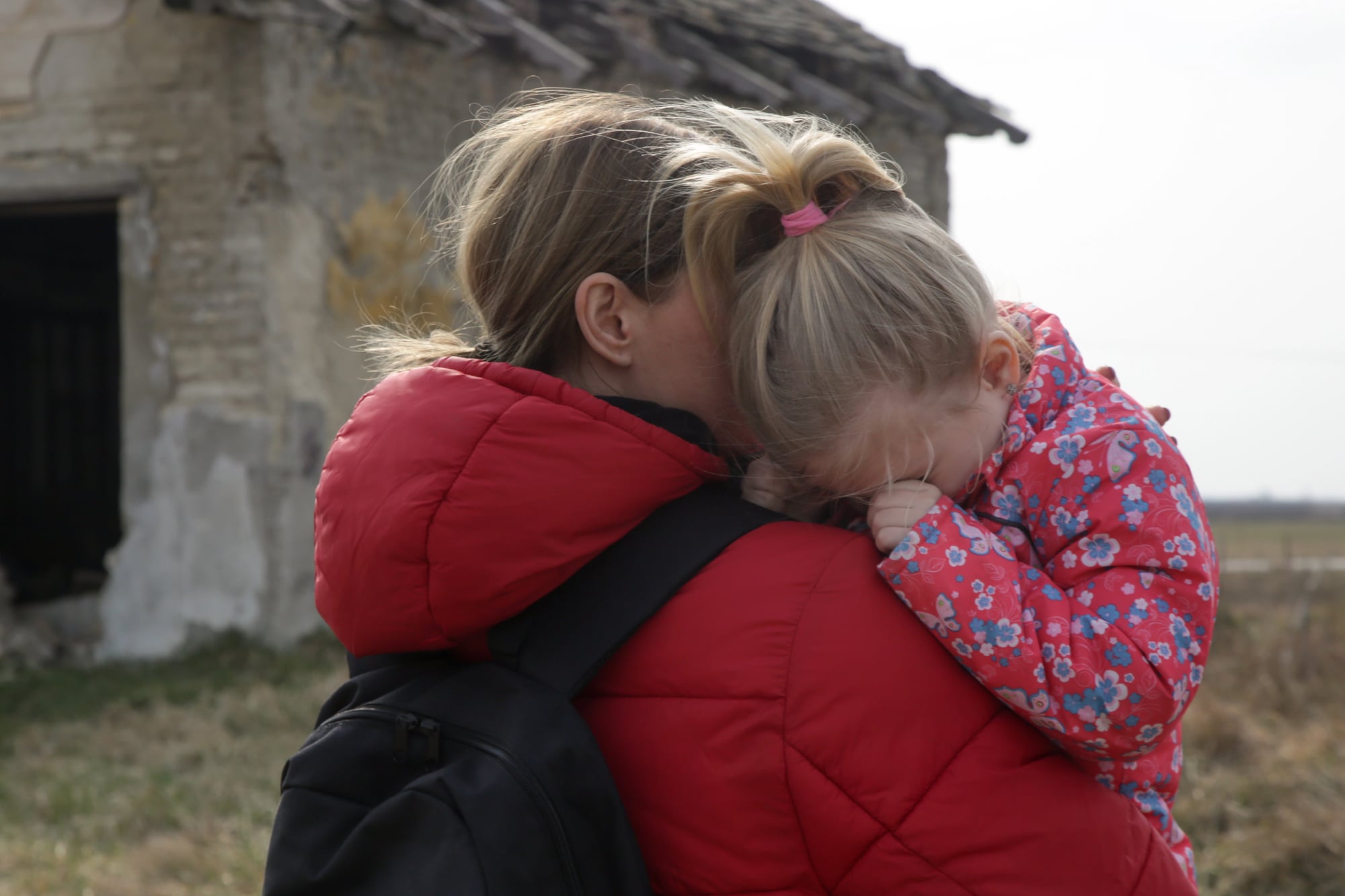
Dorothea Lange’s “Migrant Mother” is one of the most famous photographs of the Great Depression, and its power comes partly from its stark black and white composition.
But the colorized version reveals something different and equally important: this woman’s humanity exists in the details that the original couldn’t capture.
The brown of her weathered hands. The faded blue of her worn dress. The slight color in her children’s cheeks that suggests they were still healthy despite their obvious poverty.
She becomes less of a symbol and more of a person.
Victorian Children
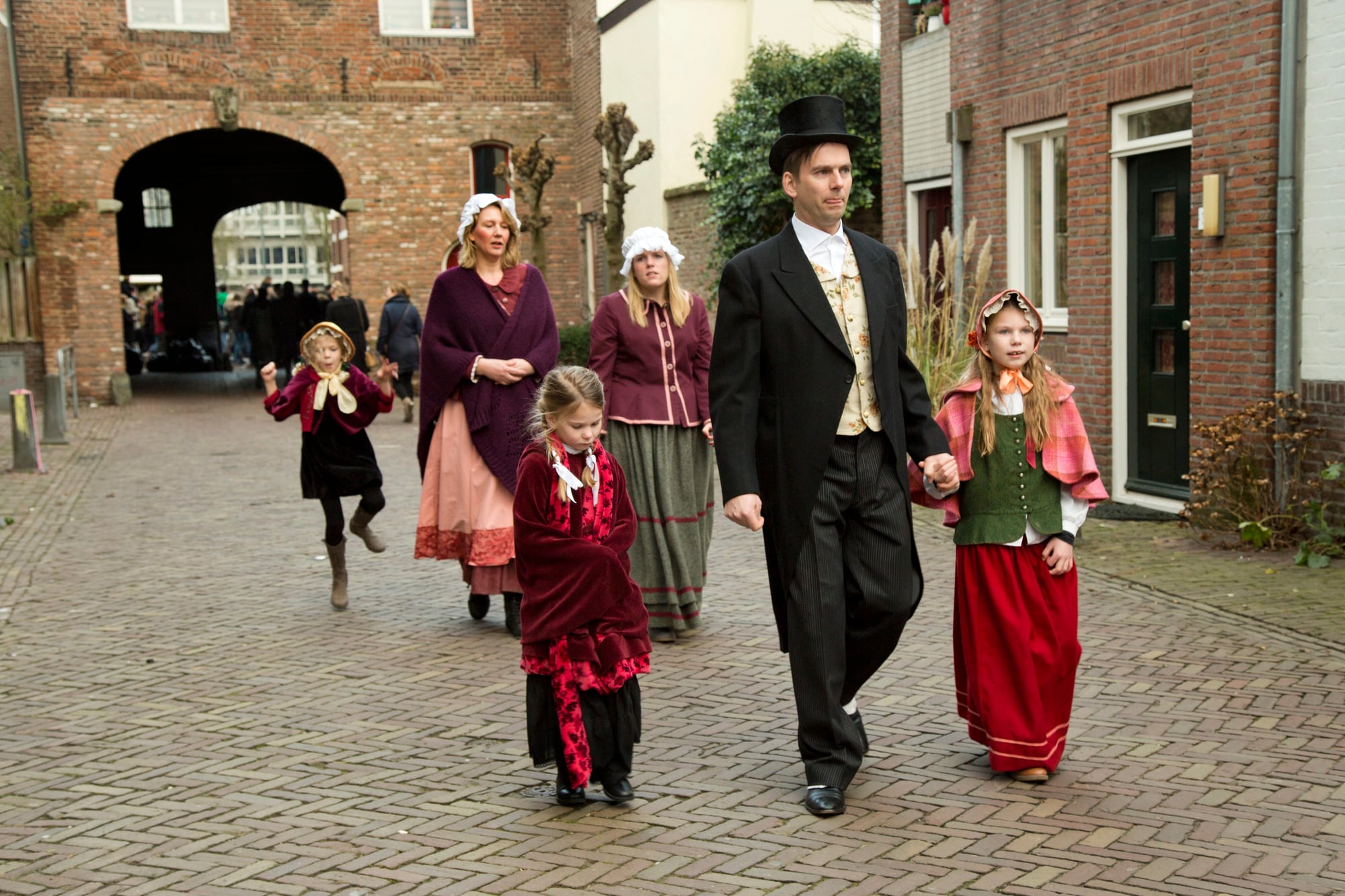
Children in Victorian photographs always look unnaturally serious, partly because of the long exposure times required by early cameras and partly because of the formal conventions of portrait photography at the time.
But colorization reveals what those conventions obscured: these were actual children with rosy cheeks and bright eyes and probably opinions about their fancy clothes that they weren’t allowed to express during the long minutes required to capture their image.
The little girl’s blue dress, the boy’s red vest — these details make them seem like children you might know rather than historical artifacts.
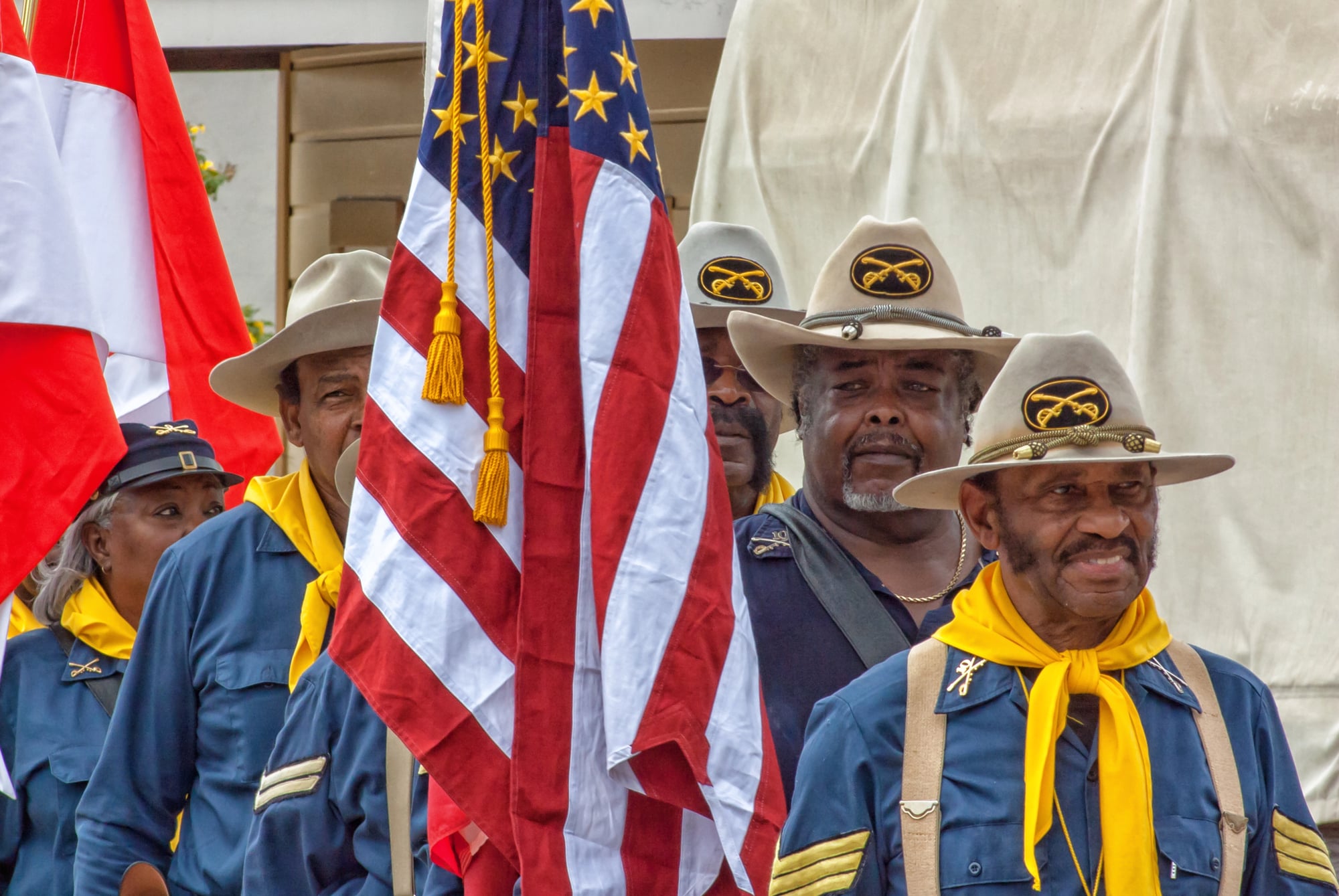
Buffalo Soldiers
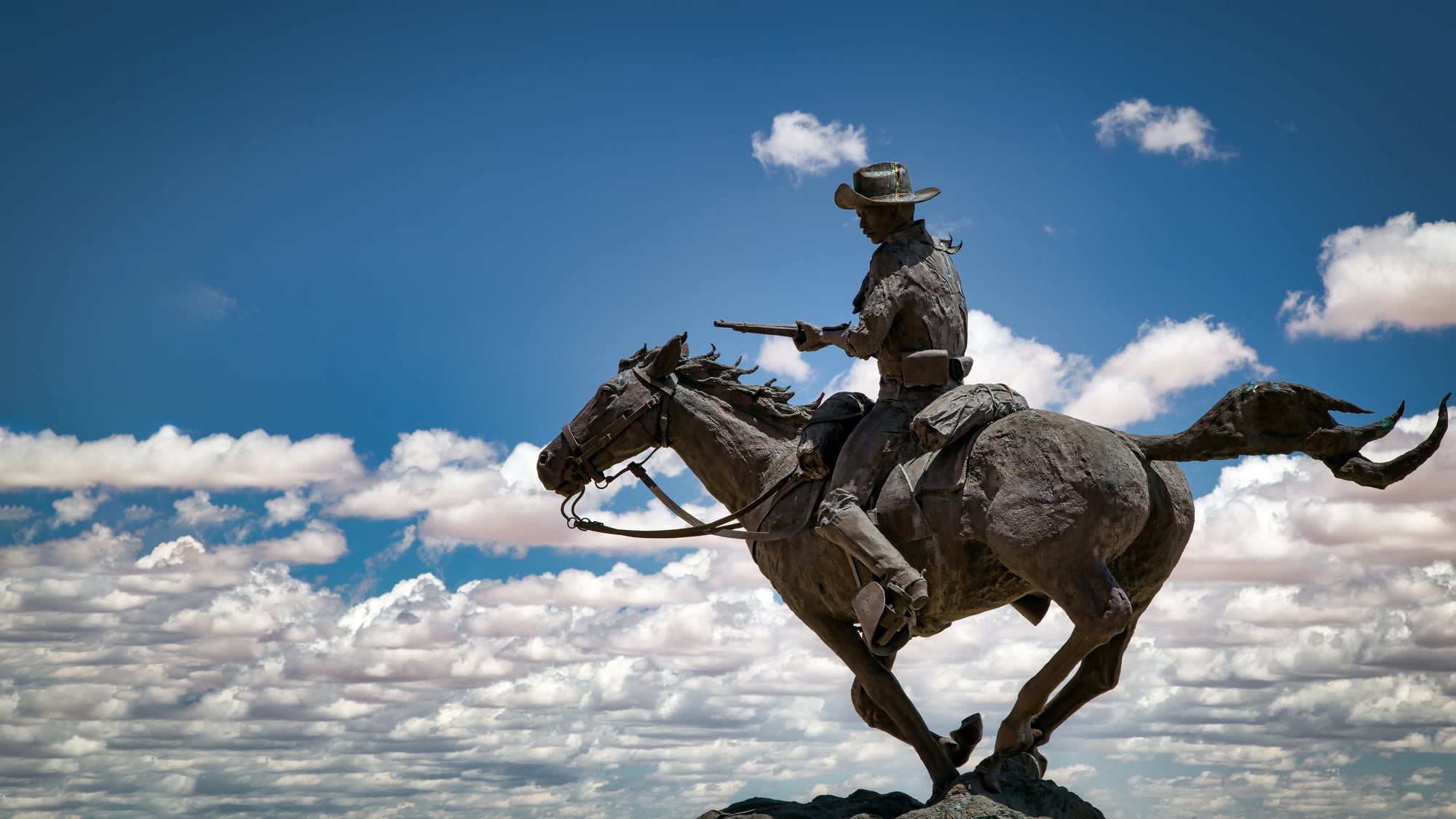
The Buffalo Soldiers — African American cavalry units that served on the Western frontier after the Civil War — exist in most historical accounts as footnotes, and in most photographs as formal, distant figures in military dress.
Color changes that dynamic completely.
When you can see the rich brown of their skin, the deep blue of their uniforms, the brass gleam of their buttons, they become individuals rather than symbols.
These were men who chose military service during a time when few professions were open to them, who served with distinction in campaigns that were often brutal and thankless, who deserve to be remembered as people rather than just examples of historical progress.
Ellis Island Immigrants
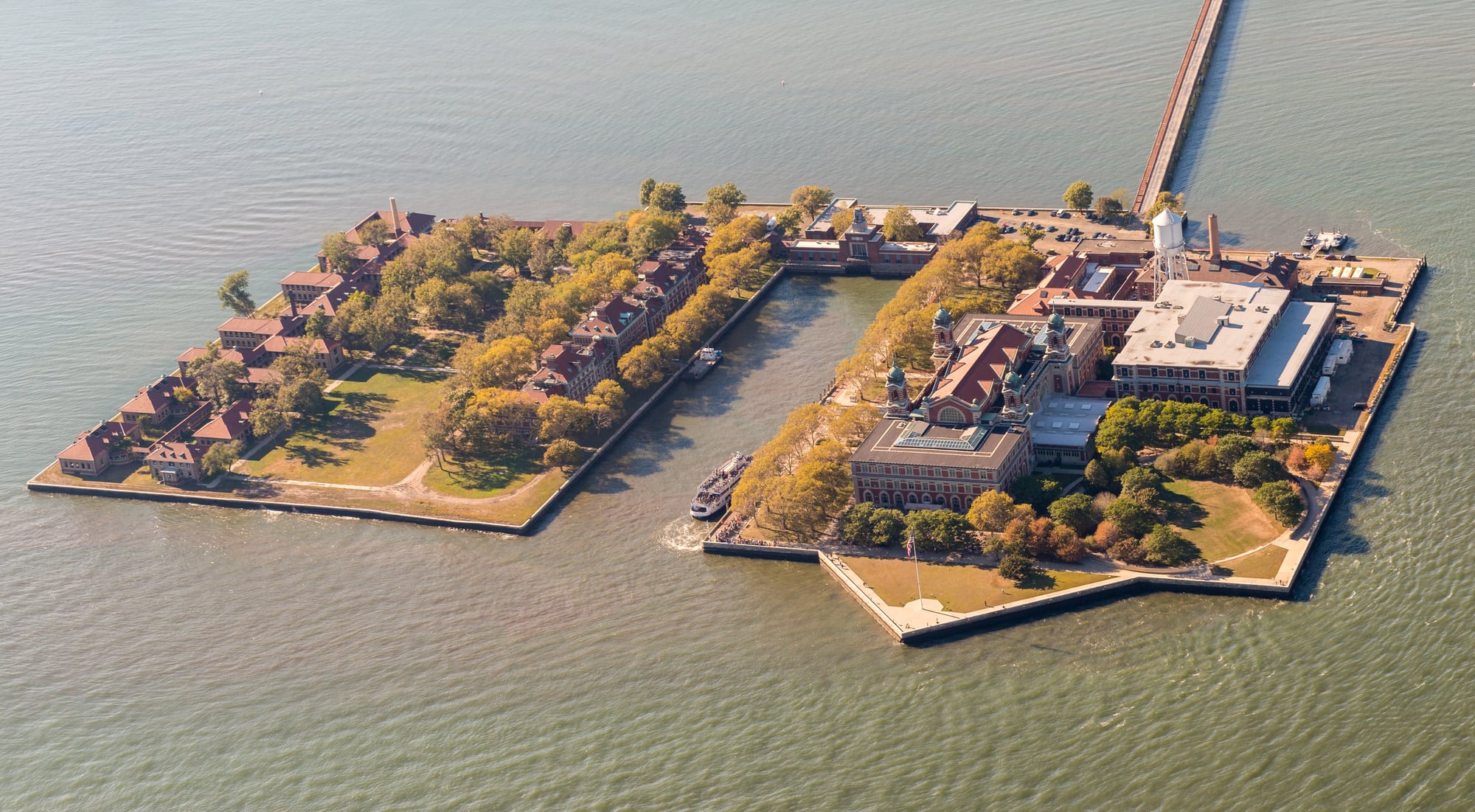
The photographs of immigrants arriving at Ellis Island are powerful in black and white, but they’re overwhelming in color.
When you can see the actual colors of the clothes these families chose to wear for their journey to a new country — the red scarf that someone’s grandmother insisted on packing, the blue coat that represented months of saving, the bright yellow dress that a little girl probably loved — their stories become personal rather than statistical.
These weren’t masses of people fleeing poverty; these were individuals making the most important decision of their lives.
Prohibition Agents

Prohibition seems almost quaint from this distance — a well-meaning but misguided social experiment that created more problems than it solved.
But the colorized photographs of federal agents destroying barrels of illegal alcohol reveal the actual violence of the policy.
The brown of the wooden barrels. The amber of the whiskey soaking into the ground.
The grim expressions of men who were paid to destroy something that other men had risked imprisonment to create.
The waste becomes tangible in a way that makes the futility of the entire enterprise more obvious.
Dust Bowl Family

Another Depression-era image, but this one captures something different: resilience rather than despair.
This family, posed in front of their dust-covered farmhouse, isn’t defeated.
The colorized version reveals details that suggest stubborn hope: the woman’s dress is faded but clean; the man’s boots are worn but well-maintained; the children’s faces are serious but not hollow.
The brown dust that covers everything becomes just another obstacle rather than an insurmountable catastrophe.
These people are planning to outlast the drought, and probably they did.
Early Automobile

The first automobiles look almost comically primitive in black and white photographs — more like elaborate jokes than actual transportation.
But seeing one in color reveals why people were excited about them despite their obvious limitations.
The deep green paint job that someone chose carefully. The brass fittings that caught sunlight and suggested luxury.
The leather seats that promised comfort even if the ride was anything but smooth.
This wasn’t just a mechanical curiosity; this was someone’s pride and joy.
WWI Victory Celebration
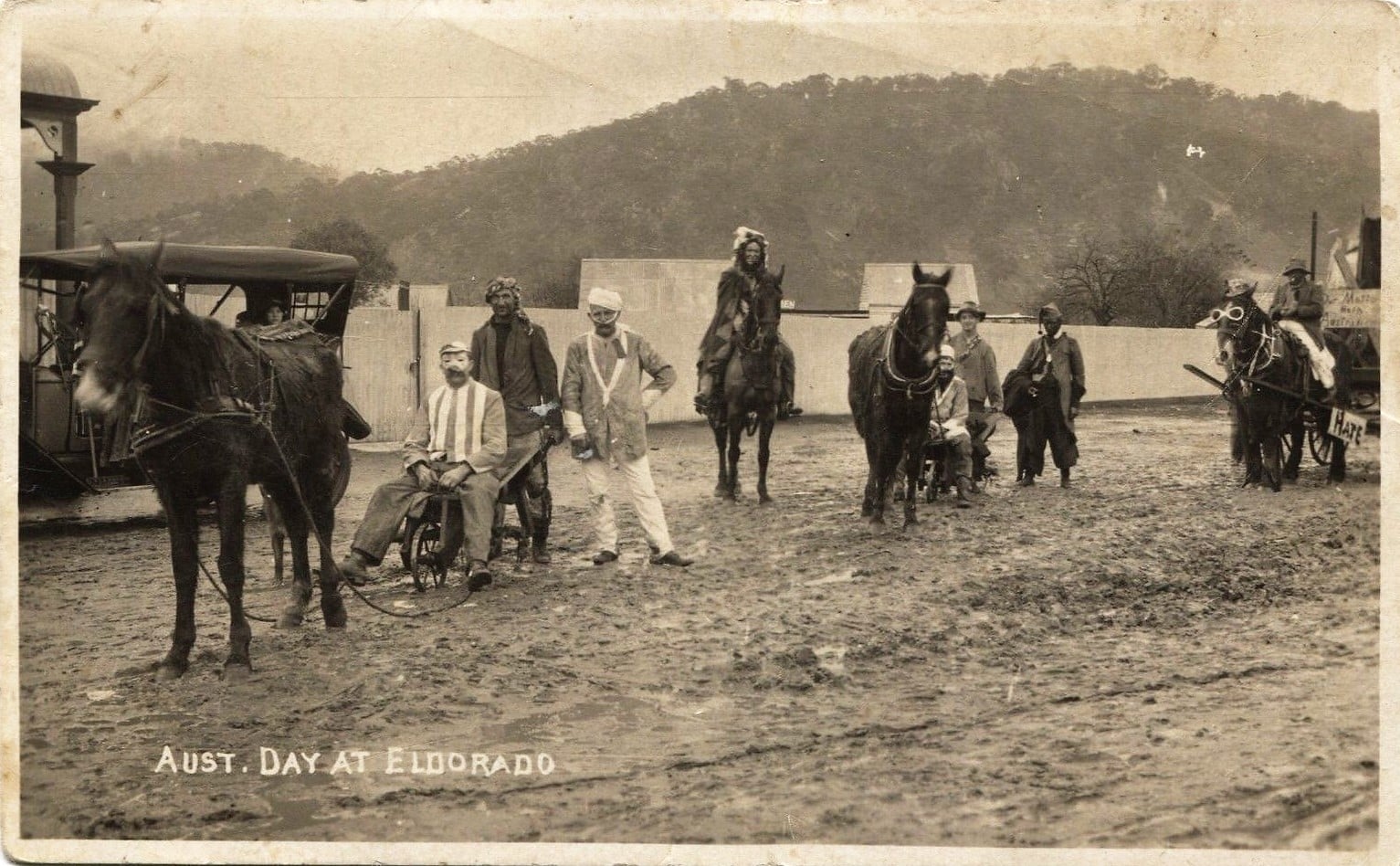
World War I ended on November 11, 1918, and the celebrations were immediate and massive.
The black and white photographs of crowds in Times Square and Trafalgar Square capture the scale of the relief, but the colorized versions capture something more: the joy was real, unguarded, and infectious.
You can see the red, white, and blue of hastily made flags. The pink faces of people who had been holding their breath for four years and could finally exhale.
The bright colors of clothes that people had saved for special occasions and decided this qualified.
The war was over, and the future was full of color again.
When the Past Comes Alive
History textbooks present the past as a series of events that happened to people who lived in a fundamentally different world than ours.
Black and white photography, for all its artistic power, reinforces that sense of distance.
But color photography — even color that’s been added decades later — collapses that distance in ways that can be startling.
These people weren’t historical figures; they were people dealing with the same basic human experiences that define our lives: love, work, family, hope, disappointment, the daily struggle to build something meaningful in whatever time we’re given.
The colors don’t change the facts of their stories, but they change how those stories feel, and sometimes feeling is the difference between learning about history and learning from it.
More from Go2Tutors!

- The Romanov Crown Jewels and Their Tragic Fate
- 13 Historical Mysteries That Science Still Can’t Solve
- Famous Hoaxes That Fooled the World for Years
- 15 Child Stars with Tragic Adult Lives
- 16 Famous Jewelry Pieces in History
Like Go2Tutors’s content? Follow us on MSN.