16 Forgotten Events That Shaped the World
When we think about the events that shaped our modern world, we usually picture the obvious ones: World War II, the Industrial Revolution, or maybe the moon landing. But history is packed with moments that quietly changed everything yet somehow slipped through the cracks of popular memory. These forgotten turning points altered the course of civilization in ways that still ripple through our daily lives.
From volcanic eruptions that triggered global catastrophes to scientific feuds that launched entire fields of study, these overlooked events deserve their moment in the spotlight. Here is a list of 16 forgotten events that fundamentally shaped the world we live in today.
The Year 536 Volcanic Winter

In 536 AD, parts of the world experienced darkened skies, colder weather and crop failures. During what is considered to be the worst year to have been alive, a volcano or volcanoes erupted, expelling its ash across the Northern hemisphere. This massive volcanic event created what scientists now call the Late Antique Little Ice Age, triggering the coldest decade in over 2,300 years. The atmospheric ash blocked sunlight across Europe, Asia, and the Middle East, leading to widespread famine and social upheaval. This catastrophe weakened populations and likely contributed to the devastating Plague of Justinian that followed, fundamentally altering the trajectory of the Byzantine Empire and early medieval civilization.
The Carrington Event
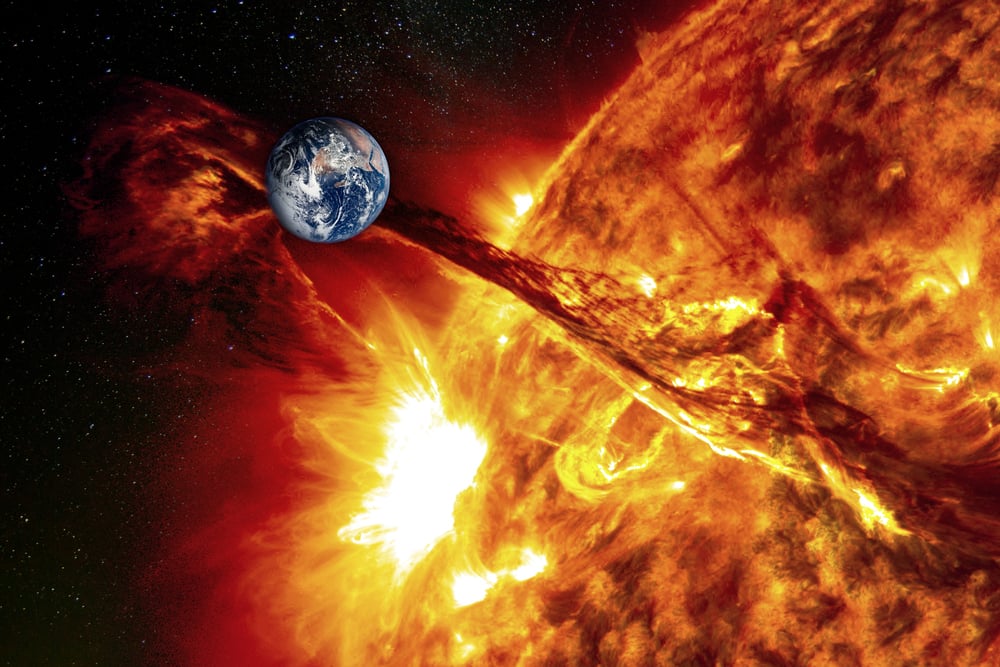
The Carrington Event was the most intense geomagnetic storm in recorded history, peaking on 1–2 September 1859 during solar cycle 10. When British astronomer Richard Carrington observed a massive solar flare, he had no idea he was witnessing an event that would fry telegraph systems worldwide and send auroras dancing as far south as the Caribbean. Telegraph pylons threw sparks, some operators were able to continue to send and receive messages despite having disconnected their power supplies, essentially using the aurora itself as a power source. If a similar event occurred today, experts estimate it could cause $1-2 trillion in damage to our electronics-dependent civilization.
The Bone Wars
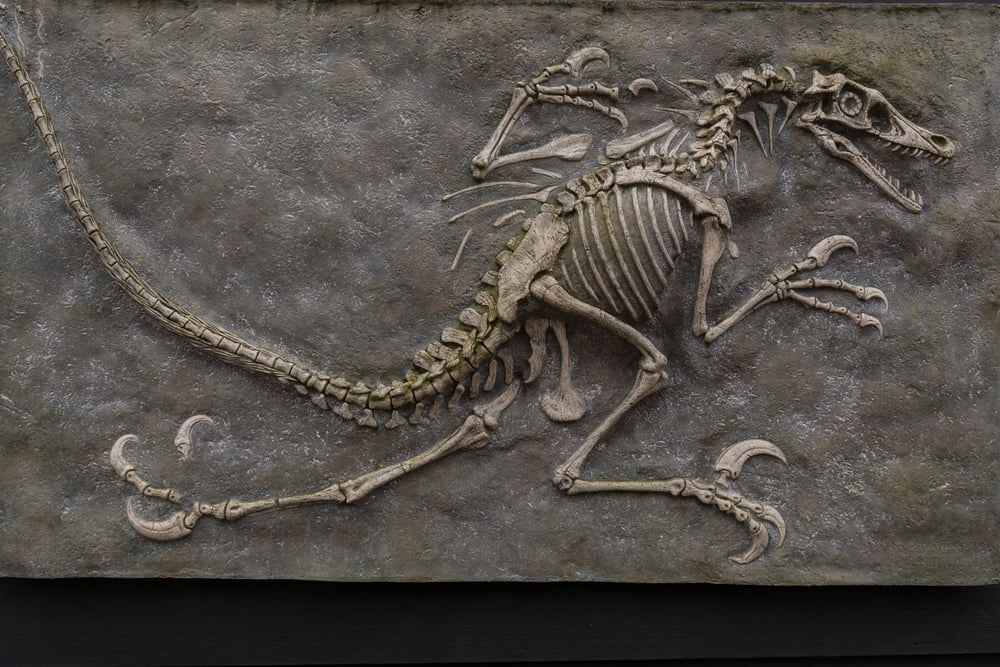
Between 1870 and 1890, two paleontologists turned American fossil hunting into a spectacle that resembled the Wild West more than scientific research. Edward Drinker Cope (of the Academy of Natural Sciences of Philadelphia) and Othniel Charles Marsh (of the Peabody Museum of Natural History at Yale) engaged in a bitter rivalry that involved bribery, espionage, and even dynamiting fossil sites to prevent their rival from accessing them. Their feud, known as the Bone Wars, led to the discovery of 136 new dinosaur species and sparked the public’s fascination with prehistoric life that continues today.
The Taiping Rebellion

From 1850 to 1864, a civil war raged in China that most Westerners have never heard of, despite being one of the deadliest conflicts in human history. The Taiping Rebellion claimed an estimated 20-30 million lives, making it deadlier than World War I. Led by Hong Xiuquan, who believed he was the brother of Jesus Christ, the rebellion nearly toppled the Qing Dynasty and introduced radical ideas about gender equality and land reform that were centuries ahead of their time.
The Bronze Age Collapse
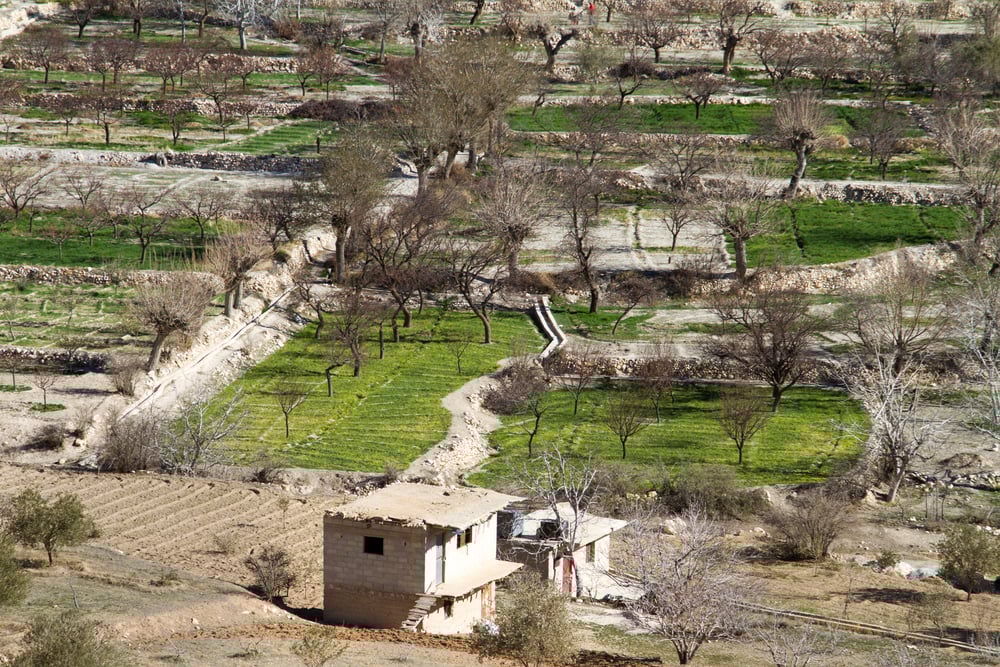
Around 1200 BCE, the interconnected civilizations of the Eastern Mediterranean suddenly collapsed in what archaeologists call one of history’s greatest mysteries. Advanced societies like the Mycenaeans, Hittites, and others simply vanished within a few decades. This collapse ushered in a ‘Dark Age’ that lasted centuries and fundamentally reset the development of Western civilization. The exact cause remains debated, but theories include climate change, internal warfare, and invasions by mysterious ‘Sea Peoples.’
The Toba Supervolcanic Eruption
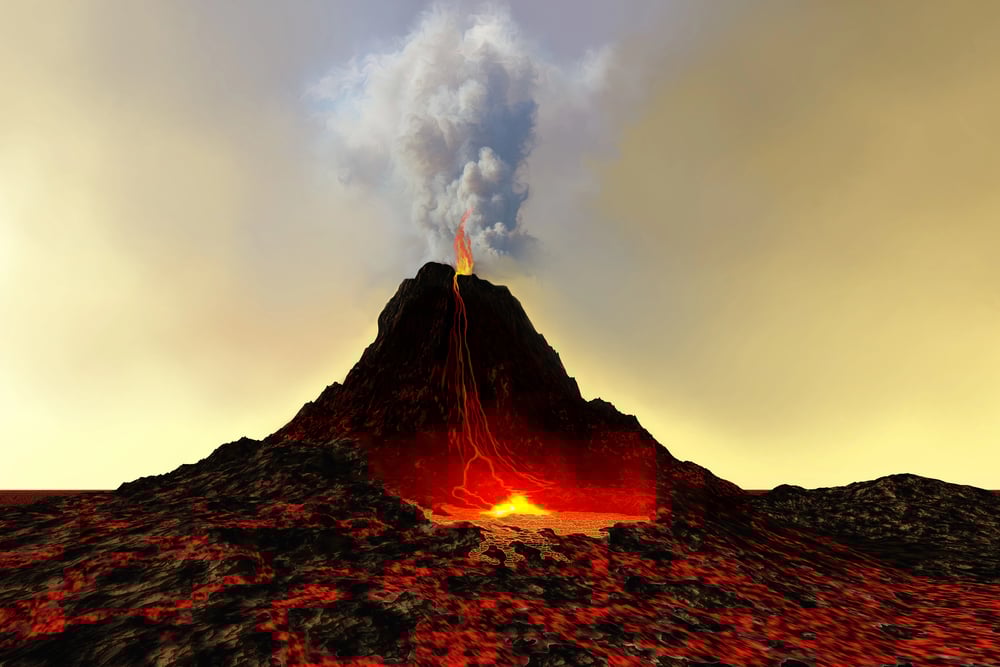
About 74,000 years ago, Mount Toba in Indonesia produced the largest volcanic eruption in human history. This supervolcanic blast created a ‘volcanic winter’ lasting several years and may have reduced the global human population to as few as 10,000 individuals. Essentially, every person alive today descends from this small group of survivors, making Toba a genetic bottleneck that shaped the entire future of our species.
The Onna-bugeisha Warrior Women
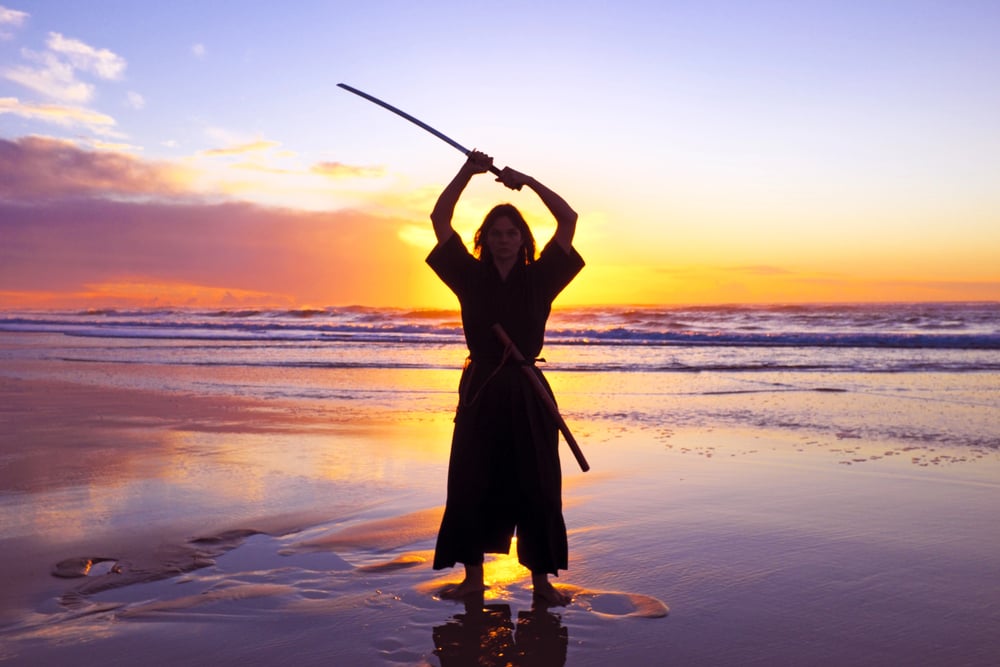
Long before the world saw Japanese warriors as predominantly male, there existed an entire group of female warriors in feudal Japan. They were known as the Onna-bugeisha, which translates to ‘female martial artist.’ These formidable women fought alongside male samurai, defended territories, and even led armies. Their existence challenges popular perceptions of medieval Japanese society and demonstrates that women held significant military roles centuries before modern feminism emerged.
The Great Dying

— Photo by olivier.guiberteau@gmail.com
Around 252 million years ago, the Permian-Triassic extinction event wiped out 96% of marine species and 70% of terrestrial vertebrates. Known as ‘The Great Dying,’ this mass extinction was far more devastating than the one that killed the dinosaurs. The event cleared the ecological stage for dinosaurs to eventually rise to dominance, fundamentally altering the course of evolution on Earth.
The Haitian Revolution
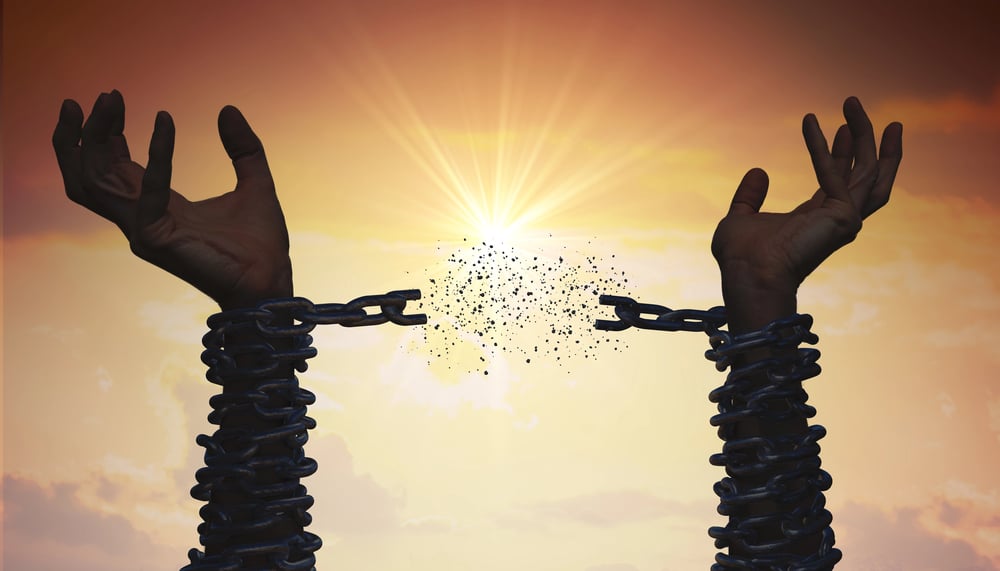
From 1791 to 1804, enslaved people in Haiti successfully overthrew their French colonial masters in the only successful slave revolt in history. Unable to quell the rebellion, Napoleon was forced to abandon his hopes of establishing a new French Empire in the Americas, as he now lacked the funds to do so. This loss of revenue led directly to the Louisiana Purchase, as Napoleon needed quick cash and could no longer maintain his American territories. The revolution doubled the size of the United States and reshaped the entire Western Hemisphere.
The Thera Eruption
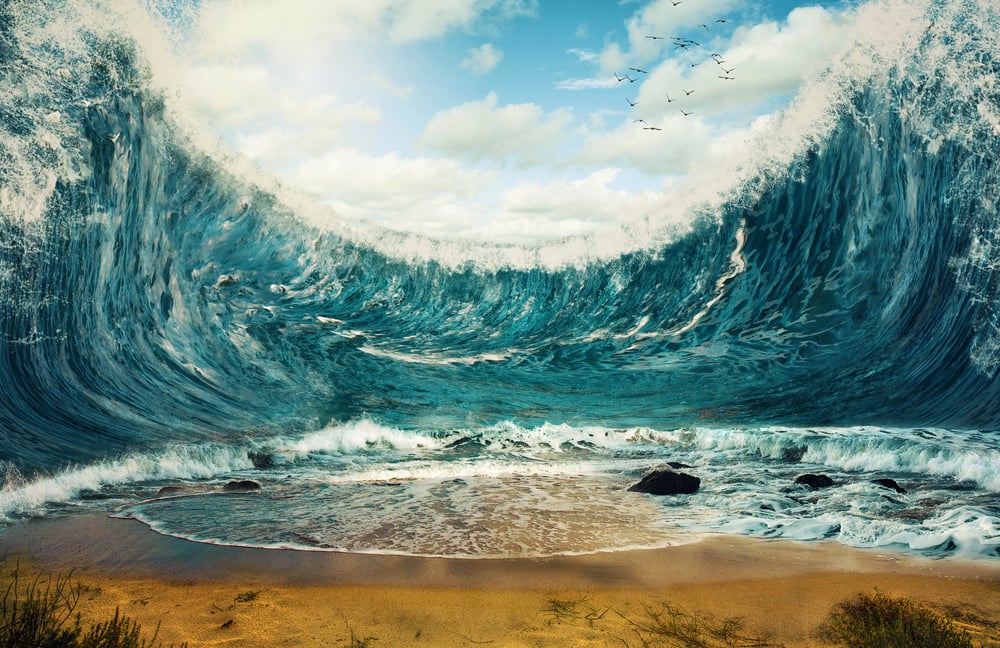
Around 1600 BCE, the volcanic island of Thera (modern-day Santorini) exploded in one of the largest volcanic eruptions in recorded history. The blast was so powerful it likely inspired the legend of Atlantis and may have contributed to the collapse of the Minoan civilization. Tsunami waves from the eruption reached the coasts of Turkey and Egypt, while volcanic ash darkened skies across the Eastern Mediterranean.
The Mongol Invasions and Climate Change
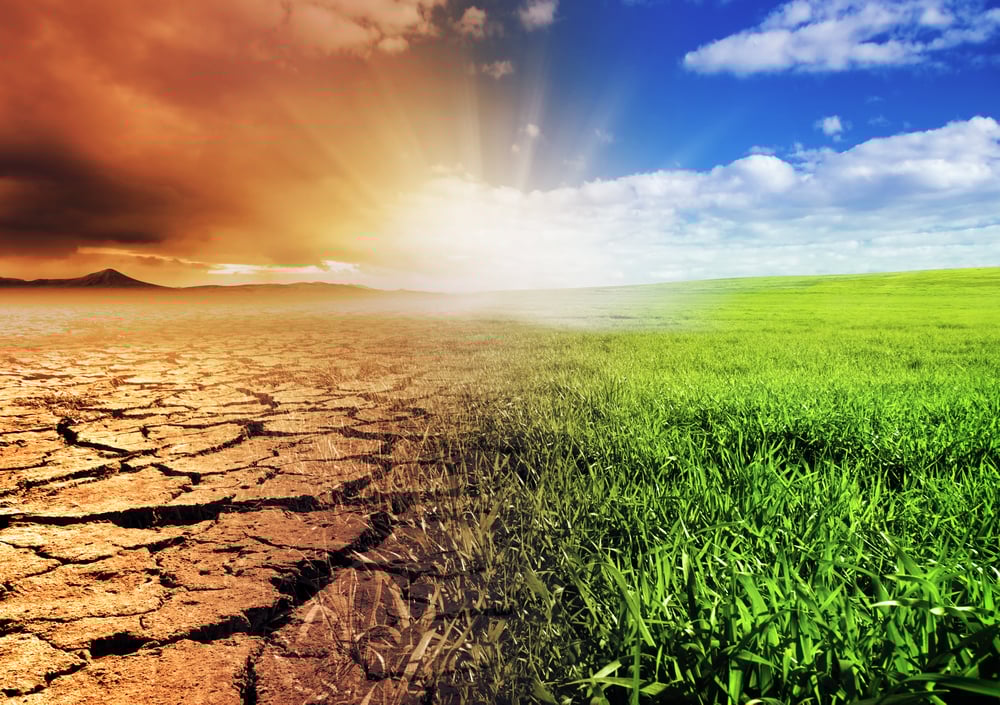
The Mongol conquests of the 13th and 14th centuries killed an estimated 40 million people, representing roughly 11% of the world’s population at the time. Entire regions were depopulated, farmland returned to forest, and so much carbon was sequestered that it may have contributed to the Little Ice Age. This massive demographic collapse literally changed Earth’s climate by reducing human agriculture and allowing forests to regrow.
The Year Without a Summer

In 1816, the eruption of Mount Tambora in Indonesia caused global climate anomalies that led to crop failures, famine, and social upheaval worldwide. Snow fell in New England in June, crops failed across Europe, and hundreds of thousands died from starvation and disease. The climate chaos contributed to westward migration in America, inspired Mary Shelley to write ‘Frankenstein’ during a gloomy summer indoors, and may have influenced the development of the bicycle as horses became too expensive to maintain.
The Antonine Plague

From 165 to 180 CE, a pandemic swept through the Roman Empire, killing an estimated 5 million people, including Emperor Marcus Aurelius. This plague weakened Rome’s military and economic power, contributing to the empire’s eventual decline. The demographic catastrophe also accelerated the rise of Christianity, as Christian communities’ care for the sick during the pandemic attracted many converts.
The Jovian-Plutonian Gravitational Effect

In 1976, British astronomer Patrick Moore announced on BBC Radio that a rare alignment of Jupiter and Pluto would temporarily reduce Earth’s gravity, allowing people to experience a floating sensation if they jumped at precisely 9:47 AM. Hundreds of listeners called in to report the effect, with one woman claiming she and her friends had floated around the room. While this was actually an April Fool’s prank, it demonstrated the power of media and scientific authority to shape public perception of reality.
The War of Jenkins’ Ear

This oddly named conflict began in 1739 when British sea captain Robert Jenkins claimed Spanish coast guards had cut off his ear eight years earlier. Jenkins reportedly preserved the ear in a jar and displayed it to Parliament, helping to spark a war between Britain and Spain that lasted nine years. The conflict merged into the larger War of Austrian Succession and helped establish British naval supremacy, ultimately contributing to Britain’s later dominance of global trade routes.
The Permian Impact Event

Recent evidence suggests that the Great Dying was caused not just by volcanic activity, but also by a massive asteroid impact that created the Wilkes Land crater in Antarctica. This double catastrophe of volcanism and impact nearly ended complex life on Earth entirely. The event demonstrates how fragile our planet’s biosphere really is and highlights the cosmic lottery that allows life to flourish.
When the Past Echoes Forward

These forgotten moments remind us that history isn’t just about famous battles and celebrated leaders. Sometimes the most profound changes come from volcanic eruptions, scientific feuds, or cosmic accidents that no one saw coming. Each of these events created ripple effects that continue shaping our world today, from the genetic legacy of ancient catastrophes to the scientific foundations built by competitive paleontologists. Understanding these hidden turning points helps us appreciate how unpredictable and interconnected our shared human story really is.
More from Go2Tutors!

- 16 Historical Figures Who Were Nothing Like You Think
- 12 Things Sold in the 80s That Are Now Illegal
- 15 VHS Tapes That Could Be Worth Thousands
- 17 Historical “What Ifs” That Would Have Changed Everything
- 18 TV Shows That Vanished Without a Finale
Like Go2Tutors’s content? Follow us on MSN.