Bizarre Habits of History’s Most Brutal Ruling Leaders
Power does strange things to people. When you hold the fate of millions in your hands, ordinary human behavior seems to go out the window.
History’s most ruthless rulers didn’t just terrorize their subjects through conquest and cruelty — they developed personal quirks so bizarre they’d make a modern therapist rich. These weren’t harmless eccentricities.
They were the twisted habits of minds unmoored from reality, where absolute authority bred absolute strangeness.
Caligula

The Roman emperor who made his horse a consul had habits that would embarrass a carnival performer. Caligula spoke to statues as if they were old friends, holding lengthy conversations with marble figures of gods.
He’d stand for hours debating Jupiter about military strategy or asking Venus for relationship advice.
His obsession with appearing godlike drove him to wear costumes of various deities around the palace. Some days he’d dress as Neptune, complete with a fake beard made of seaweed.
Other days he’d sport Mercury’s winged sandals while conducting state business. Guards learned to play along when he insisted they address him by whichever god he was impersonating that morning.
Vlad the Impaler
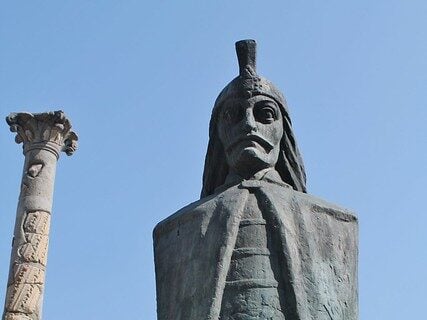
Vlad Dracul turned dining into a blood sport that would make horror writers queasy. He arranged elaborate banquets in courtyards surrounded by hundreds of impaled victims, their bodies slowly dying on wooden stakes.
The smell of death mixed with roasted meat while Vlad entertained guests who tried not to vomit into their wine goblets.
Between courses, he’d walk among the dying, asking them questions about their pain or making casual observations about their suffering. Dinner conversation reportedly included detailed discussions of which impalement techniques produced the most interesting sounds.
His guests learned to focus intently on their plates and nod politely when he described his latest innovations in human torture.
Ivan the Terrible
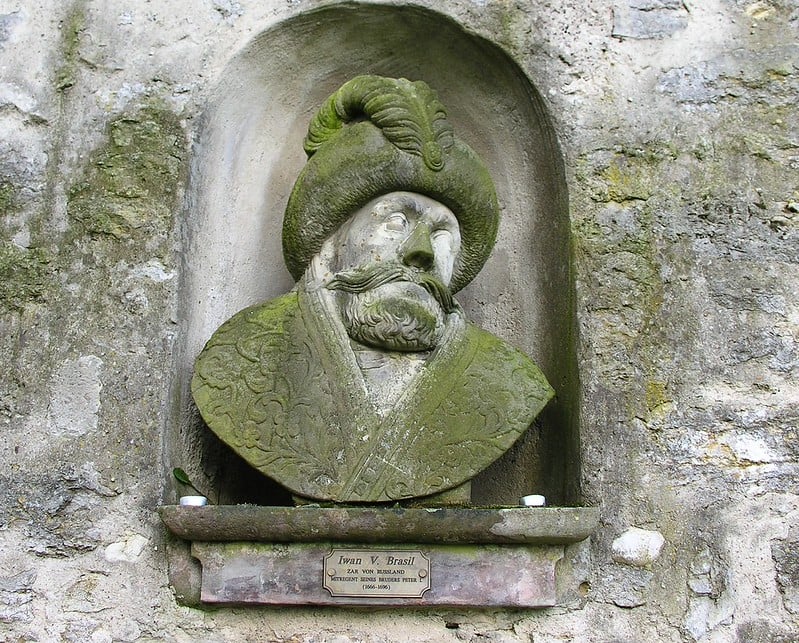
There’s something unsettling about watching a grown man in royal robes obsess over chess pieces like they’re living beings — and that’s exactly what Ivan IV did, though his version of the game involved real people and real consequences. He’d spend entire nights rearranging massive chess sets, but instead of wooden pieces, he used miniature figures carved to resemble actual nobles from his court (some of whom he’d already executed).
The king piece always looked like him, naturally, but the other pieces represented specific people he either favored or despised, and he’d play out elaborate scenarios where certain courtiers would be “captured” and removed from the board.
So when dawn broke and his actual court assembled for the day’s business, Ivan would sometimes announce punishments or rewards based on how their chess counterparts had fared during his nocturnal games. And if you happened to be represented by a piece that got sacrificed for the greater good of his chess strategy — well, that wasn’t typically a good omen for your immediate future.
But perhaps most disturbing was his habit of talking to the pieces throughout the game, having full conversations with tiny wooden versions of people who were probably sleeping peacefully in their beds, unaware that their fate was being decided by a madman’s midnight chess obsession.
Nero
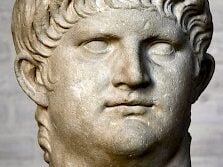
The emperor who supposedly fiddled while Rome burned had a habit that revealed the theatrical narcissist lurking beneath imperial robes. Nero forced audiences to sit through his musical performances — and sitting through them meant staying awake, applauding enthusiastically, and never leaving early.
Guards monitored the crowd for signs of boredom or restlessness. Falling asleep during one of Nero’s lyre concerts could result in exile or worse.
Some nobles reportedly faked heart attacks to escape his endless singing performances. Others learned to pinch themselves bloody to stay alert during his poetry recitations.
Idi Amin

Amin collected the heads of his enemies like other people collect stamps, but his organizational system was what separated casual brutality from methodical madness. He kept severed heads in his palace freezers, labeled and catalogued according to a filing system only he understood.
Some were arranged alphabetically, others by the date of execution.
He’d retrieve specific heads for inspiration before making important decisions, claiming their frozen faces provided guidance on matters of state. Dinner guests occasionally witnessed him consulting with his macabre collection, holding conversations with heads he’d pull from refrigerated storage.
The palace kitchen staff learned to keep separate freezers for food and political trophies.
Mao Zedong
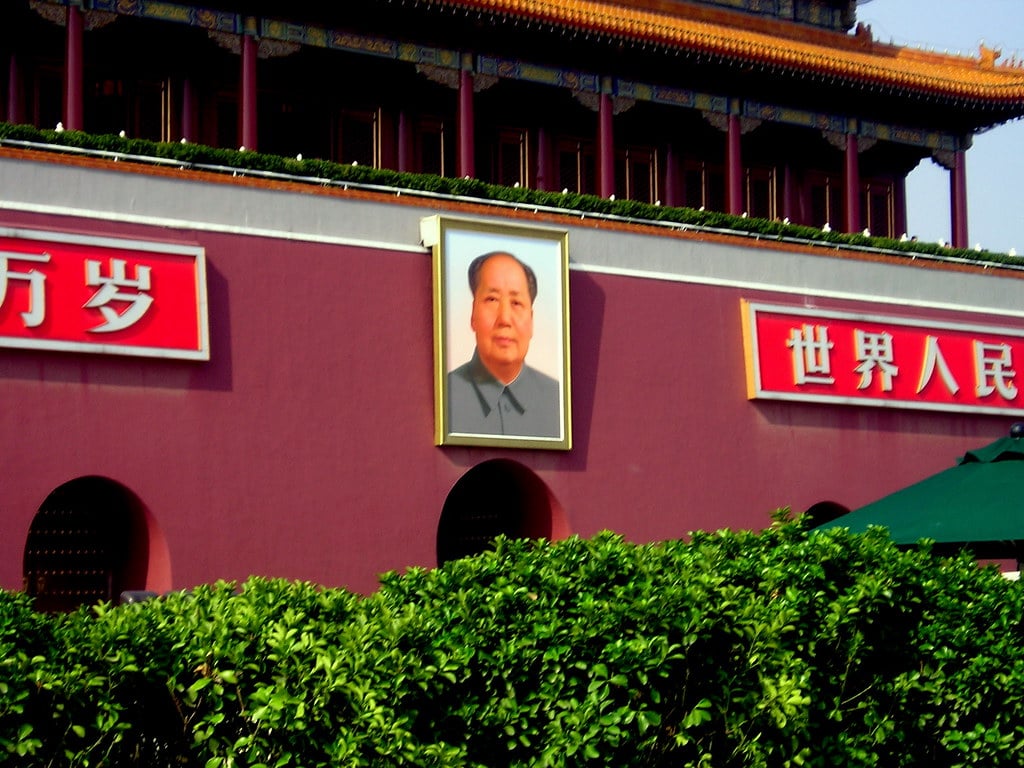
Personal hygiene became a philosophical statement for the Chairman, who believed bathing was a bourgeois affectation that separated him from the common peasants he claimed to represent. Mao went months without bathing, instead having his body rubbed down with hot towels by female attendants — a practice he insisted was more authentic than Western-style washing (though it’s hard to imagine any peasant having access to a team of personal towel-rubbers, but logic wasn’t exactly his strong suit when it came to personal habits).
His teeth turned green from years of refusing to brush them, preferring to swish green tea around his mouth and claiming this was sufficient dental care. And the smell, according to his personal physician, became so overwhelming that visitors would unconsciously lean away during meetings, though none dared suggest the leader of a billion people might benefit from soap and water.
But Mao interpreted their discomfort as awe rather than revulsion, which tells you everything you need to know about how power warps self-awareness.
Emperor Commodus
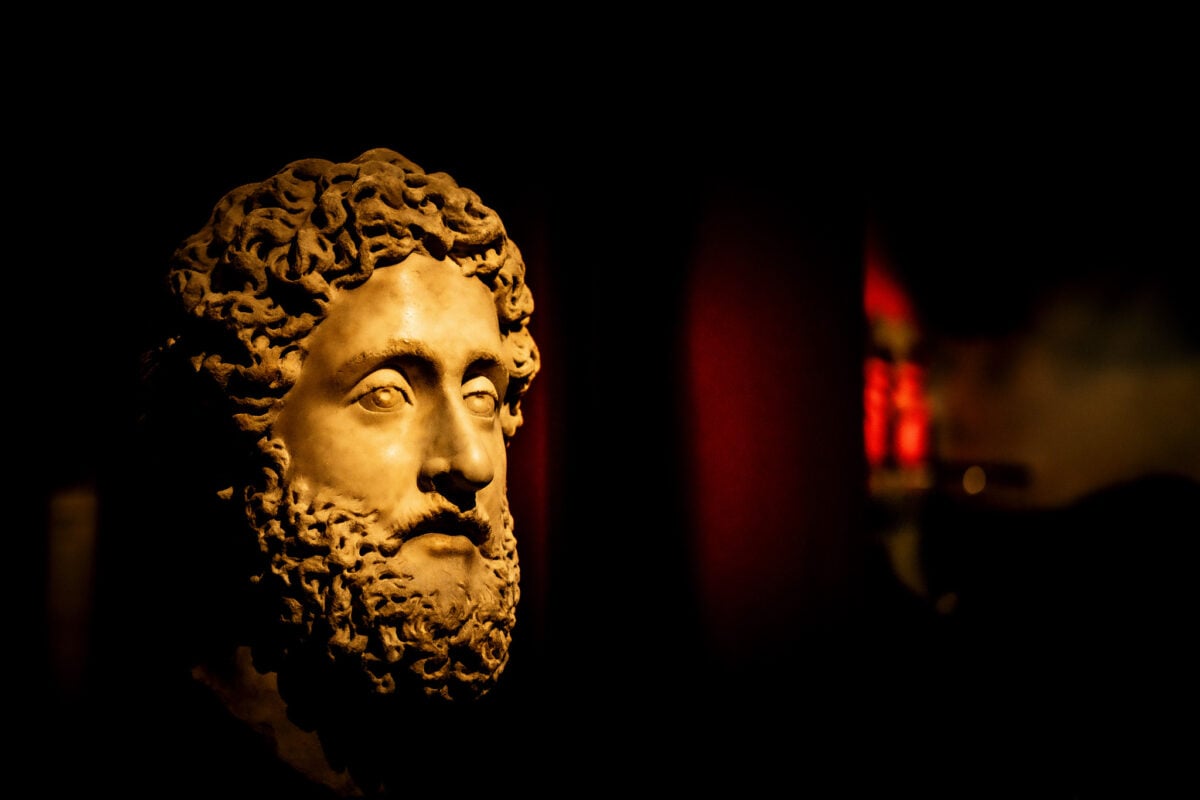
Fighting gladiators wasn’t enough for Rome’s most delusional emperor — he needed the crowd to worship his performance like he was both athlete and deity rolled into one perfectly sculpted package. Commodus would enter the Colosseum dressed in lion skins, convinced he was the reincarnation of Hercules, and proceed to slaughter animals and disabled opponents while spectators were forced to cheer as if witnessing genuine athletic prowess.
The staged nature of these contests was obvious to everyone except Commodus himself. His opponents were given wooden swords or were already wounded before the fight began.
Yet he’d strut around the arena after each “victory,” flexing and posing like he’d just accomplished something genuinely impressive. The crowd’s terrified applause fed his delusion that he was Rome’s greatest warrior rather than its most embarrassing spectacle.
Hitler
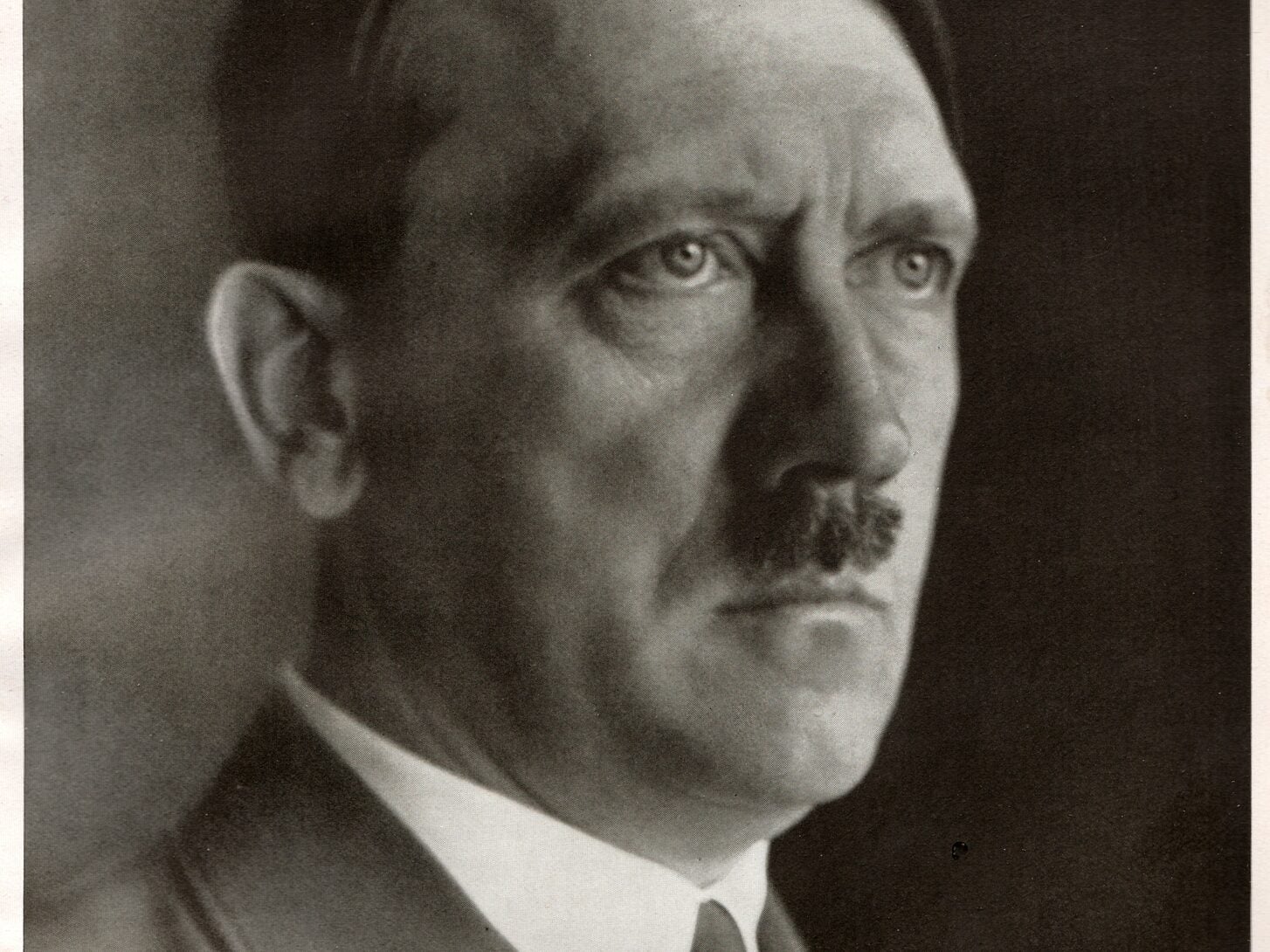
The dictator who terrorized Europe spent his private hours obsessing over architectural models with the intensity of a child playing with an elaborate train set. Hitler built intricate scale models of buildings and cities he planned to construct after winning the war, spending entire nights rearranging miniature structures and discussing window placement with unfortunate architects.
His bunker contained detailed models of a redesigned Berlin, complete with tiny streetlights and miniature trees. As Allied bombs fell overhead, he’d crouch over these toy cities, moving little buildings around and muttering about sight lines and pedestrian flow.
Staff learned to nod seriously when he explained his urban planning theories, even as the real world crumbled around his fantasy constructions.
Pol Pot
The Cambodian dictator developed an obsession with agricultural schedules that transformed farming into a deadly performance art where getting the timing wrong meant execution. Pol Pot would personally design planting calendars based on his own theories about crop rotation, ignoring centuries of local farming knowledge in favor of his revolutionary agricultural vision.
Farmers were required to plant and harvest according to his arbitrary timelines, regardless of weather conditions or soil readiness. When crops failed because peasants followed his impossible schedules, he blamed sabotage rather than acknowledging his complete ignorance of agriculture.
Villages that couldn’t meet his fantasy harvest quotas were labeled counter-revolutionary and faced mass executions.
Stalin
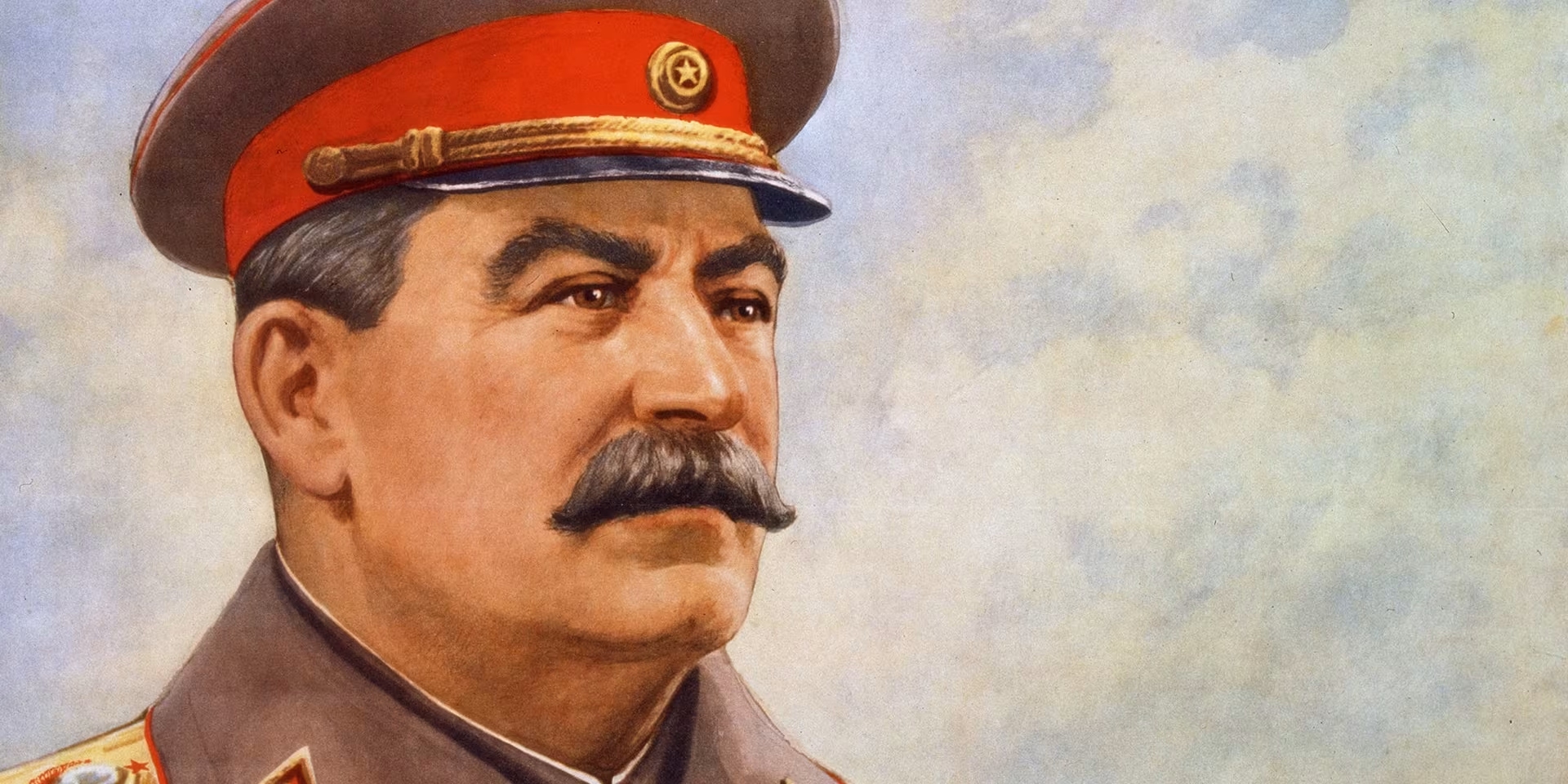
The Soviet leader who starved millions had a dinner ritual that turned every meal into psychological warfare disguised as hospitality. Stalin hosted elaborate late-night feasts where he’d force his inner circle to drink themselves unconscious while he remained completely sober, watching them humiliate themselves for his entertainment.
These dinners lasted until dawn, with Stalin encouraging his guests to consume dangerous amounts of alcohol while he nursed the same glass of wine for hours. He’d take mental notes of everything his drunk subordinates revealed, filing away confessions and indiscretions for future use.
Party officials learned to fear his dinner invitations more than formal interrogations, knowing their careers could end with one careless drunken comment.
Qin Shi Huang
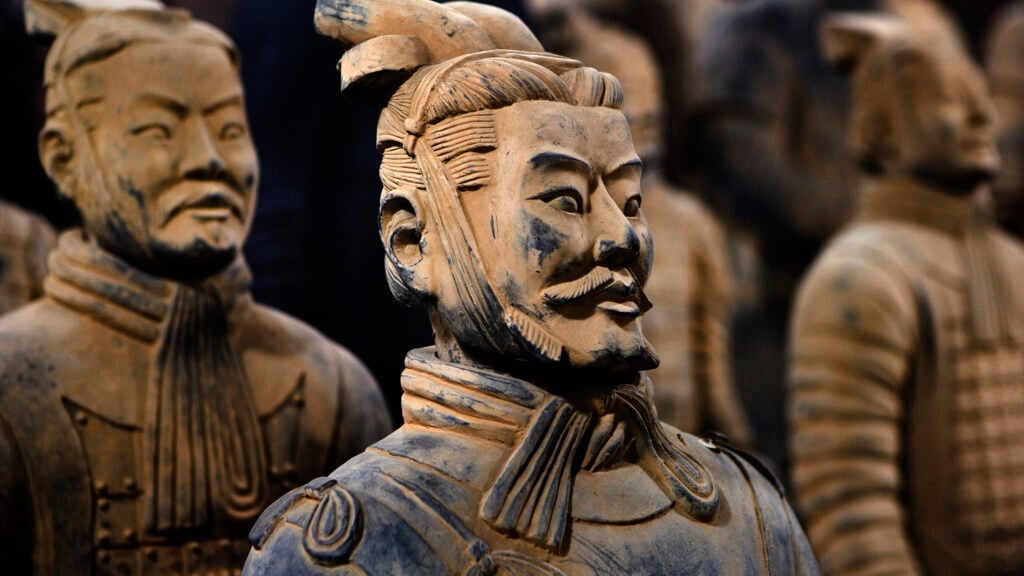
China’s first emperor turned the search for immortality into a full-time obsession that consumed more resources than actual governance. Qin Shi Huang dispatched fleets of ships to mythical islands where he believed immortal beings would share their secrets, sending thousands of people on voyages to places that existed only in folklore.
He consumed mercury-based elixirs daily, convinced that ingesting liquid metal would grant eternal life. The irony of poisoning himself while seeking immortality was lost on an emperor who’d unified China but couldn’t accept basic biology.
His court alchemists fed his delusions with increasingly elaborate potions, knowing that suggesting immortality might be impossible would result in their immediate execution.
Saddam Hussein
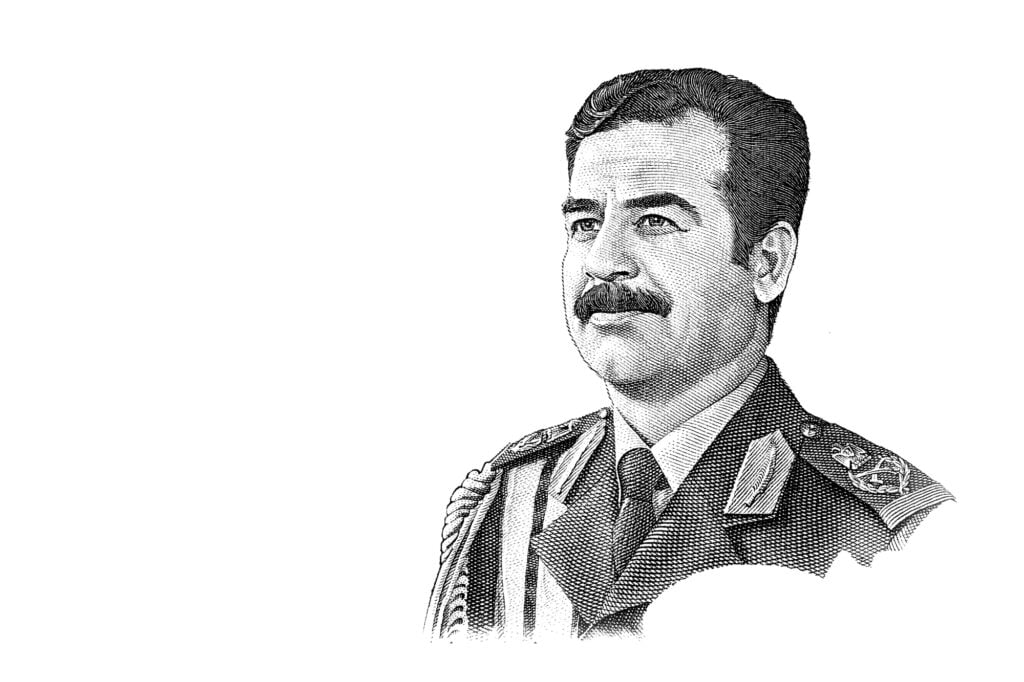
The Iraqi dictator commissioned thousands of portraits of himself in various heroic poses, but his approval process revealed a vanity so extreme it bordered on mental illness. Saddam would spend hours examining each painting, rejecting artwork because his painted chin wasn’t strong enough or his eyes didn’t convey sufficient leadership qualities.
Artists learned to paint multiple versions of the same portrait, adjusting tiny details until they captured whatever impossible standard existed in his mind. He’d commission paintings of himself as an ancient Babylonian king, a modern military commander, and a wise tribal elder, apparently believing that seeing himself in these roles would make them historically accurate.
Palace walls became galleries of his own face, creating a house of mirrors where every surface reflected his constructed self-image.
Bokassa
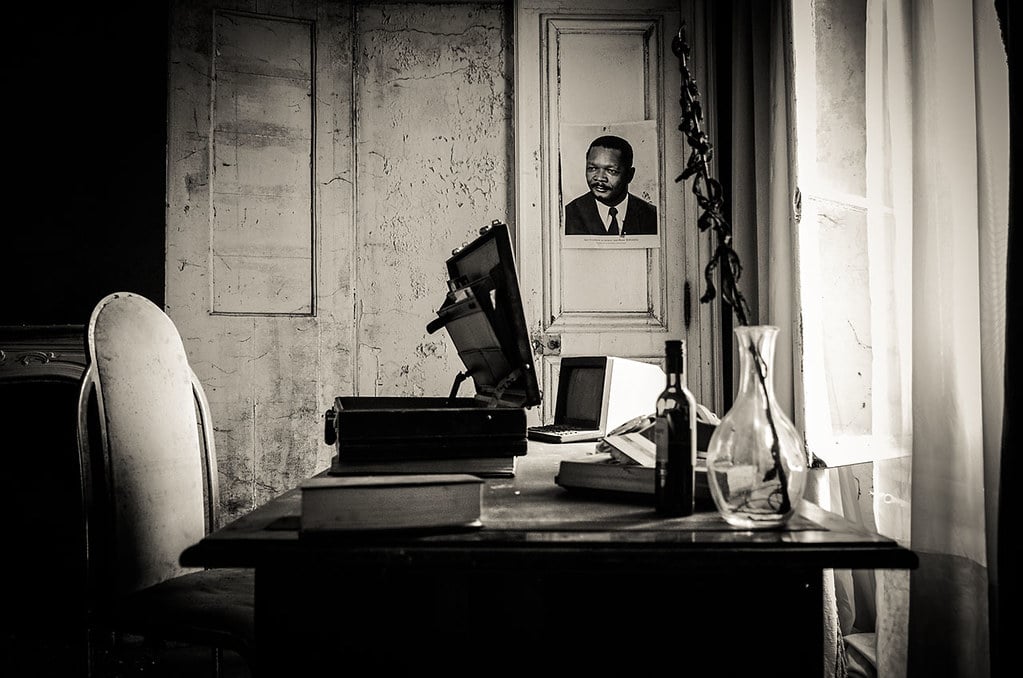
The self-proclaimed Emperor of Central Africa developed a cannibalistic ritual that he treated as fine dining rather than the horrific practice it actually was. Jean-Bédel Bokassa reportedly served human flesh to unsuspecting dinner guests at state functions, treating the consumption of his political enemies as both practical disposal method and ultimate expression of power.
His palace kitchen allegedly included special preparation areas for human meat, with Bokassa providing detailed instructions about seasoning and cooking methods. He’d watch his guests unknowingly consume former government officials while making polite dinner conversation, finding twisted pleasure in their ignorance.
The emperor who bankrupted his nation building a golden throne fed people to each other as entertainment.
When power breaks the mind
The thread connecting these disturbing habits isn’t just cruelty — it’s the complete disconnection from reality that absolute power creates. These weren’t calculated political moves or strategic intimidation tactics.
They were the behaviors of minds that had drifted so far from normal human experience that basic social boundaries ceased to exist. When someone can kill anyone, anytime, for any reason, the small habits that keep the rest of us tethered to sanity become irrelevant.
What emerges is something far more dangerous than simple evil: the unpredictable madness of unchecked authority.
More from Go2Tutors!

- The Romanov Crown Jewels and Their Tragic Fate
- 13 Historical Mysteries That Science Still Can’t Solve
- Famous Hoaxes That Fooled the World for Years
- 15 Child Stars with Tragic Adult Lives
- 16 Famous Jewelry Pieces in History
Like Go2Tutors’s content? Follow us on MSN.



