16 Harmless Animals That Turned Out to Be Deadly
Nature has a twisted sense of humor when it comes to packaging deadly weapons in adorable exteriors. From golf-sized octopuses that can kill 26 humans to fluffy pandas with bone-crushing jaws, the animal kingdom is filled with creatures that look like they belong in a children’s book but could easily write your obituary instead.
The most dangerous animals don’t always roar, bare massive teeth, or tower over you with intimidating size. Here is a list of 16 harmless-looking animals that pack surprisingly lethal punches.
Blue-Ringed Octopus
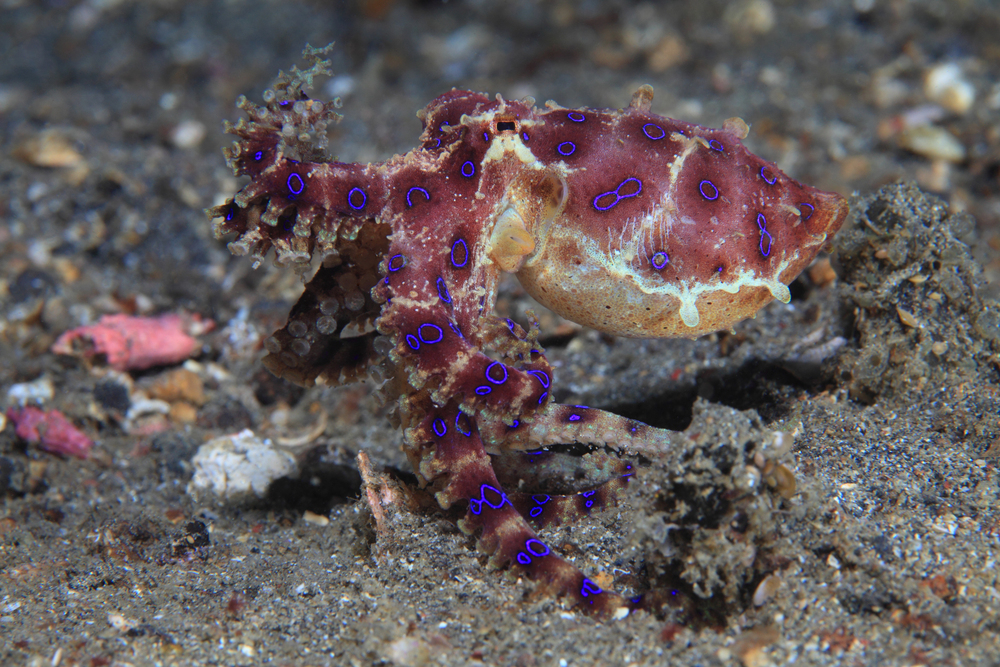
This tiny marine artist looks like someone splashed neon paint, but don’t let its golf-size fool you. The blue-ringed octopus carries enough venom to kill 26 adult humans within minutes, and their bites are tiny and often painless.
The venom contains tetrodotoxin, which is 1,200 times more toxic to humans than cyanide and has no known antidote. Most victims don’t even realize they’ve been bitten until paralysis begins.
Slow Loris
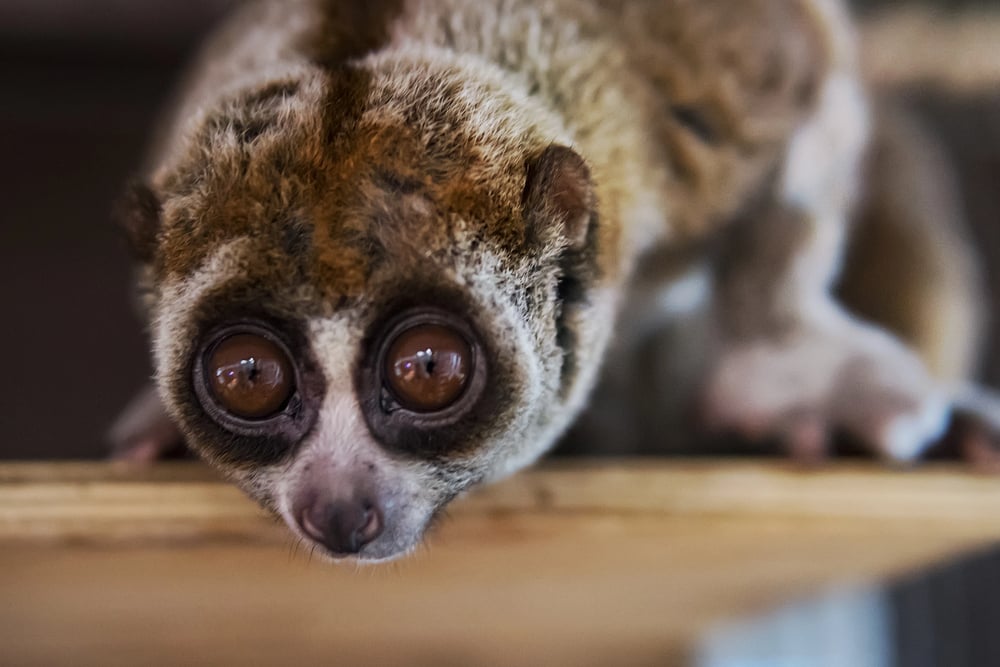
Those massive round eyes and teddy bear appearance make the slow loris look like a living plush toy, but this primate packs a nasty surprise. When threatened, slow lorises have a small gland on the side of their elbow that produces a clear, strong-smelling toxin.
They lick this gland, mixing the toxin with their saliva to create a venomous bite that can cause allergic reactions and even death in humans. Think of it as nature’s way of saying cute doesn’t mean cuddly.
Poison Dart Frogs
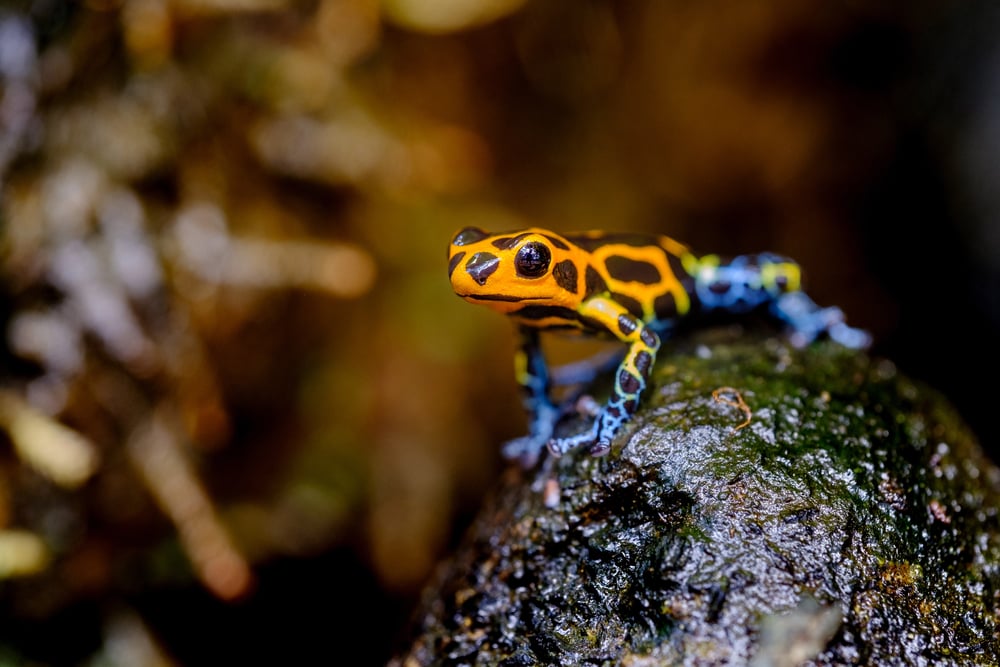
These tiny amphibians look like living jewels hopping through Central and South American rainforests, their brilliant colors making them seem like exotic pets. These frogs are considered one of Earth’s most toxic species, with the golden poison dart frog having enough poison to kill 20,000 mice.
Their toxins can prevent an animal’s nerves from transmitting impulses, leaving muscles in an inactive state that can lead to heart failure. Indigenous tribes have used their poison on hunting arrows for centuries.
Cone Snails
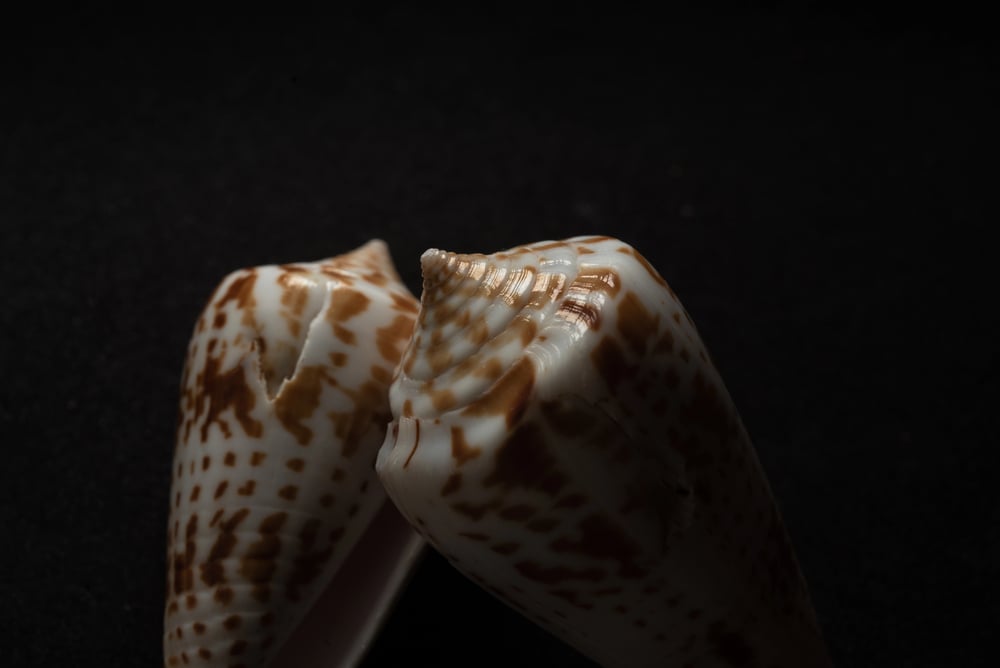
Shell collectors often mistake these marine beauties for harmless treasures, admiring their intricate patterns and glossy surfaces. Cone snails are some of the deadliest animals in the world, with one sting from a big cone potentially killing 15 people.
They use a harpoon-like tooth to inject venom that acts so quickly because victims supposedly only have time to smoke one nicotine before dying.
Pufferfish
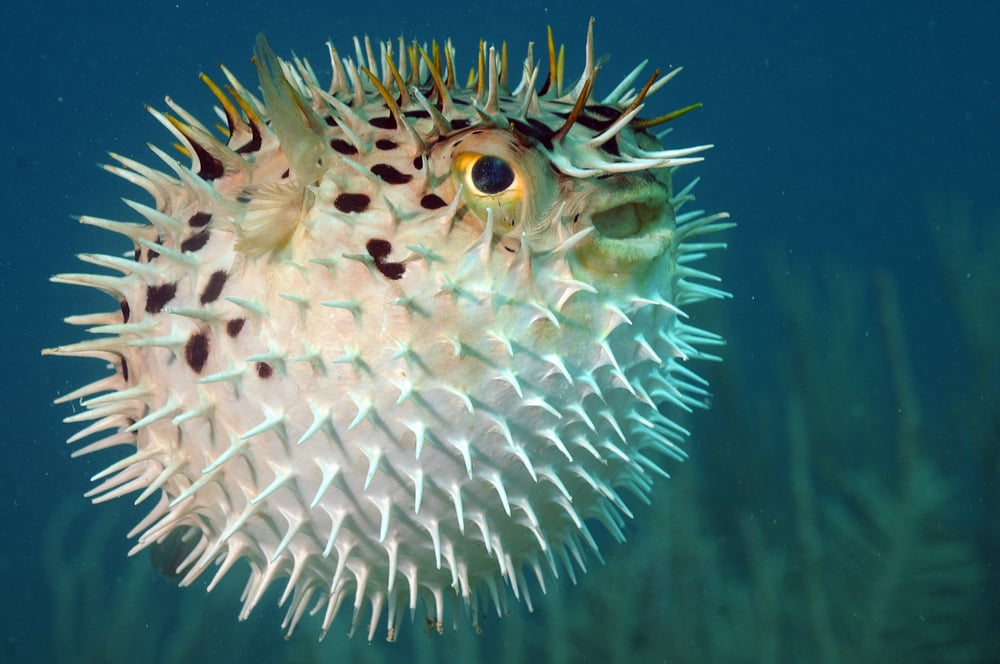
When threatened, these fish inflate into adorable spiky orbs that seem more comical than dangerous, often becoming social media stars for their balloon-like antics. There is no antidote for the deadly toxin in pufferfish, and there’s enough poison in one to kill 30 adults.
The same tetrodotoxin found in blue-ringed octopuses courses through their bodies, making improperly prepared fugu a game of culinary Russian roulette.
Giant Pandas
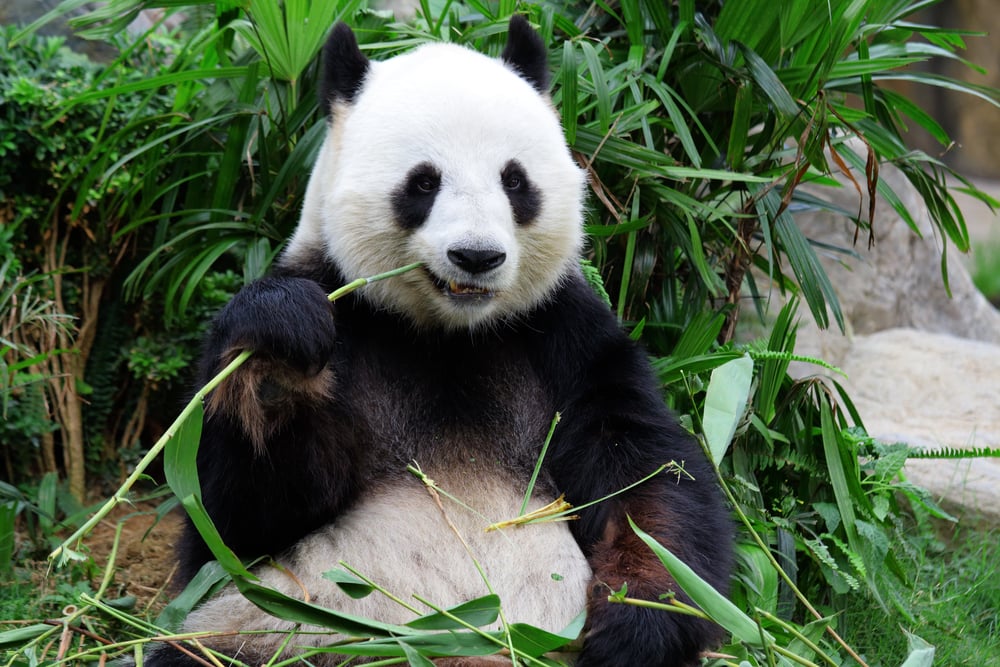
These black and white teddy bears spend most of their day munching bamboo and tumbling around like oversized stuffed animals, melting hearts worldwide. However, pandas are still bears with all the equipment that comes with the territory.
These fluffy creatures can be extremely dangerous when threatened, using their physical strength, strong jaws and teeth to do significant damage. Their powerful bite force can crush bones, proving that even vegetarians can pack a punch.
Platypus
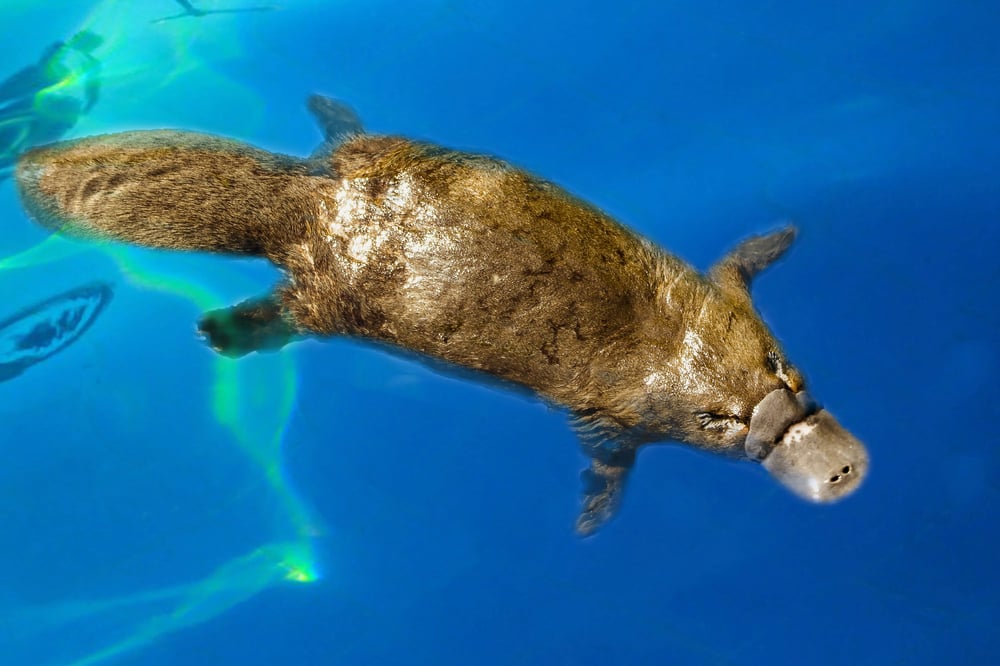
This odd duck-beaver hybrid looks like nature’s joke, waddling around Australian streams with its goofy bill and webbed feet. Male platypuses have hollow spurs on their back legs that secrete venom that isn’t deadly to humans but can cause intense pain and swelling.
The pain is described as excruciating and can last for weeks, making this evolutionary oddball more formidable than its cartoon appearance suggests.
Hippos
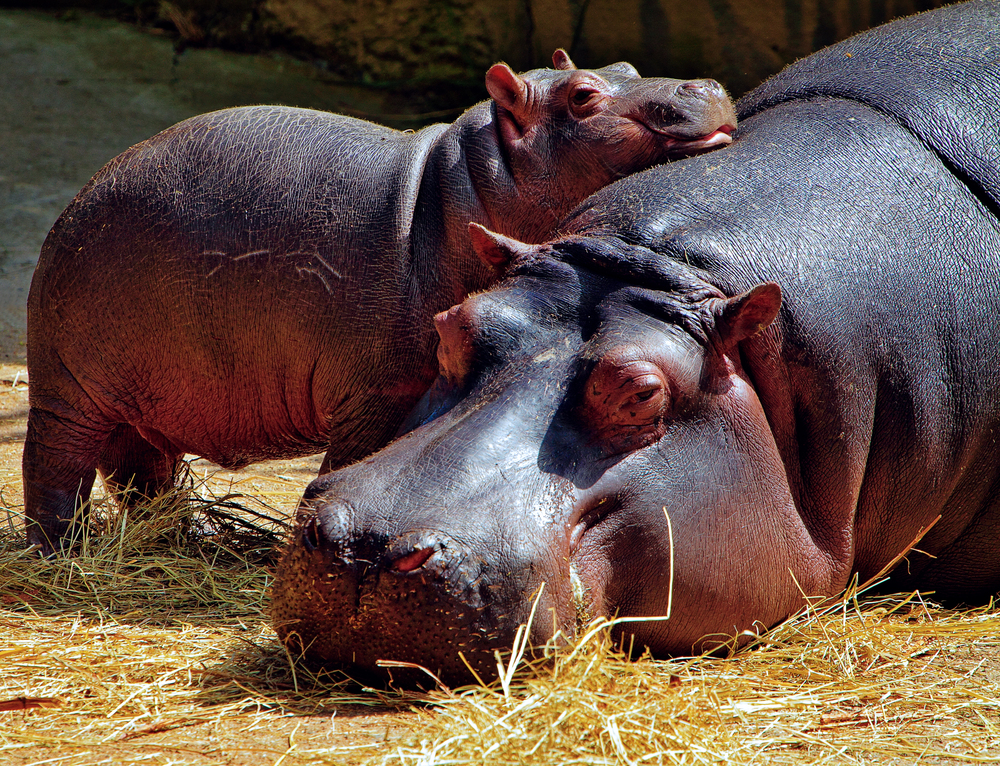
Despite their chunky, almost cartoon-like appearance and association with hungry hungry board games, hippos are river tanks with serious attitude problems. The hippopotamus has heavy bodies that imply might and power, and they’re responsible for more human deaths in Africa than most other large animals.
Their massive jaws can snap a canoe in half, and they’re surprisingly fast both in water and on land, reaching speeds that would make most humans reconsider that river crossing.
Polar Bears
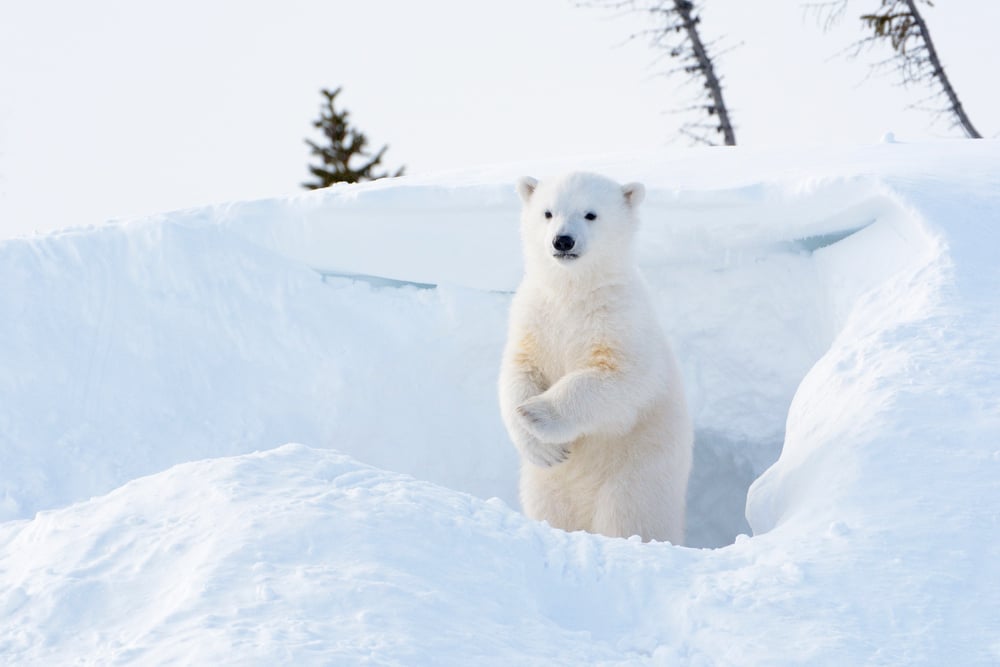
Those fluffy white coats and playful cubs make polar bears look like oversized teddy bears, but they’re the Arctic’s apex predators. The polar bear is the largest carnivore in North America, and they have no natural predators. Unlike other bears, they don’t fear humans, which makes them particularly dangerous.
Their hunting skills are so refined they can smell a seal through three feet of snow from nearly a mile away.
Cassowaries
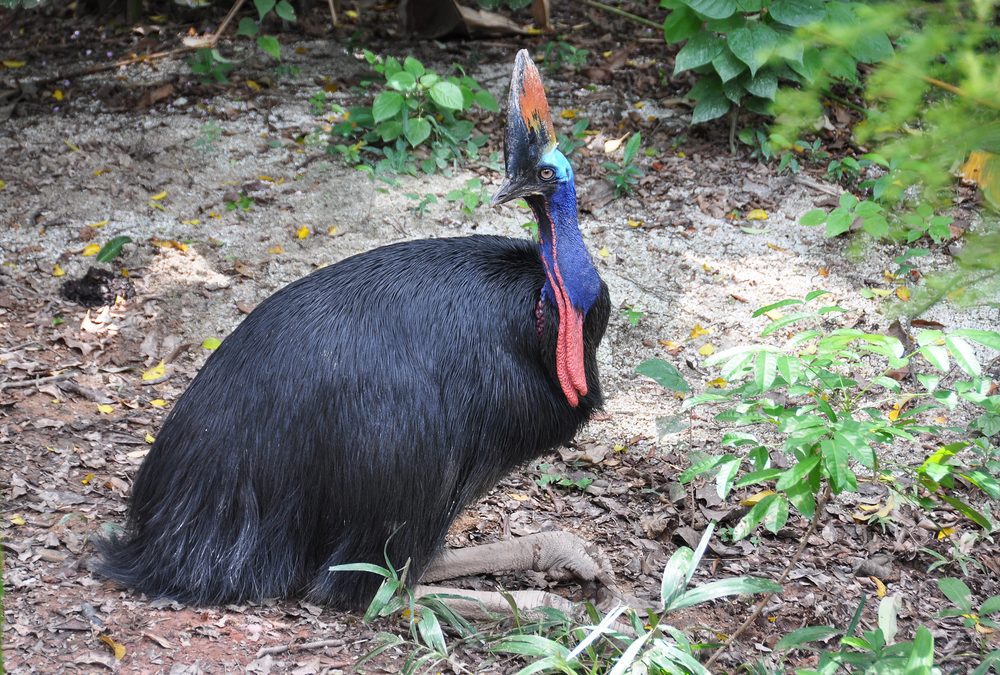
These large, flightless birds strut around Australian rainforests with colorful helmets that make them look like exotic fashion statements. Cassowaries are known for their powerful kicks which can be fatal, thanks to dagger-like claws.
Standing six feet tall and weighing up to 130 pounds, they can run 30 miles per hour and leap five feet high. Their middle toe sports a five-inch claw that can slice through flesh and bone.
Moose
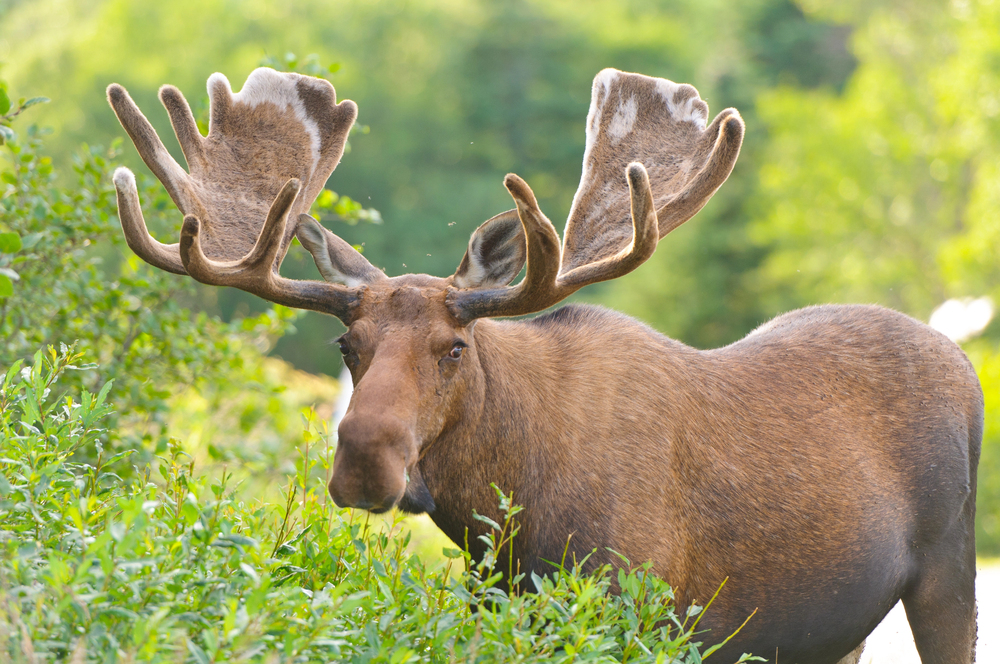
With their goofy antlers and seemingly gentle demeanor, moose appear to be forest’s gentle giants, often photographed by tourists who think they’re dealing with oversized deer. The moose can be dangerous when frightened, and they attack more people than bears and wolves.
In Alaska, moose injure or kill more humans every year than bears. During mating season and when protecting calves, these thousand-pound animals become incredibly aggressive.
Anteaters
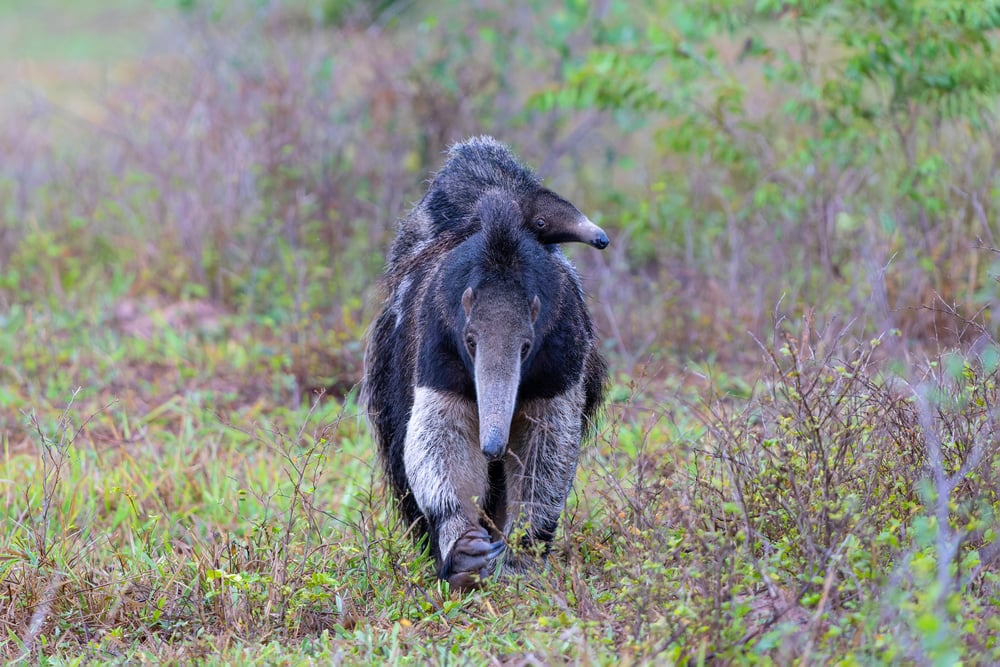
These long-nosed, fuzzy creatures look harmless as they waddle around searching for ant hills, their diet of insects making them seem about as threatening as an oversized vacuum cleaner. Anteaters have very strong claws, and when threatened they squeeze their victims in a hug-like stance that can puncture arteries.
Their four-inch claws are powerful enough to fend off jaguars and pumas, and they’ve killed hunters in Brazil who got too close.
Owls
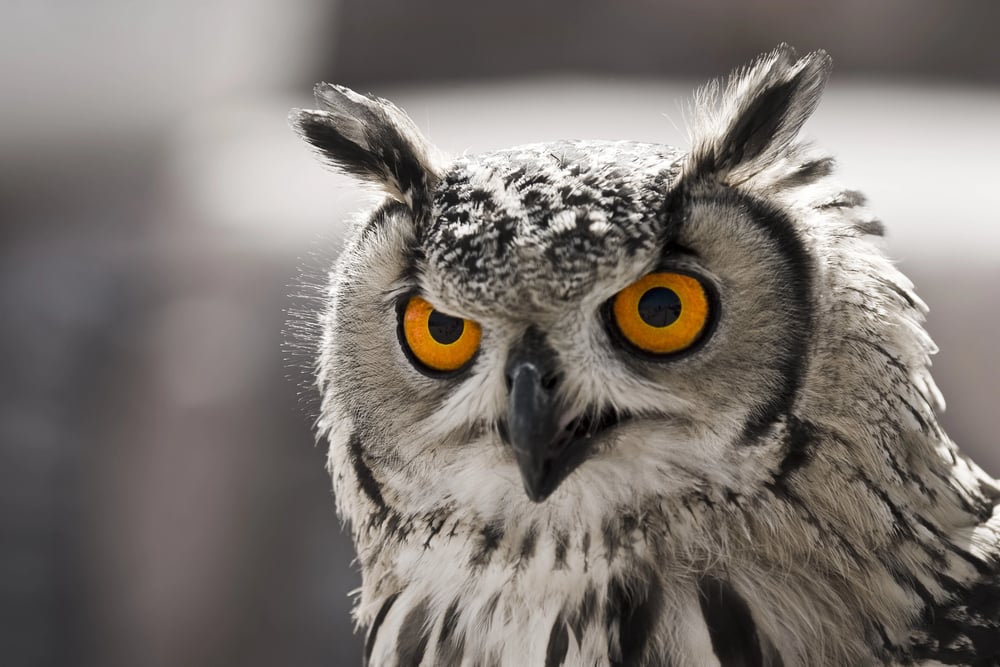
These feathered scholars with their wise expressions and soft hoots seem like nature’s librarians, more likely to offer advice than violence. Owls have large, sharp talons which they typically use on prey, but if protecting their nest or starving, they aren’t afraid to attack humans.
During harsh winters, desperate owls have been known to attack people and dogs when their usual prey becomes scarce, using talons designed to crush small mammals.
Leopard Seals
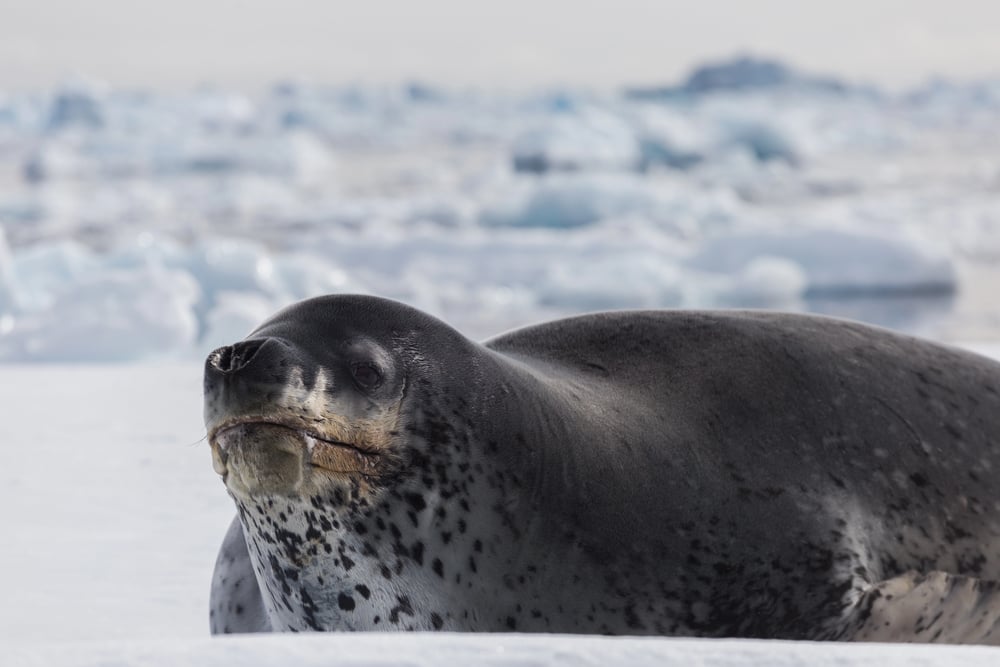
With their whiskered faces and playful aquatic antics, leopard seals look like oversized water puppies lounging on Antarctic ice floes. The leopard seal seems like an Arctic ambassador with its charming smile, but this predator is a serious threat to humans and has even attacked researchers.
These 12-foot-long predators have massive heads and powerful jaws designed for hunting penguins, and there have been fatal incidents involving divers.
Swans
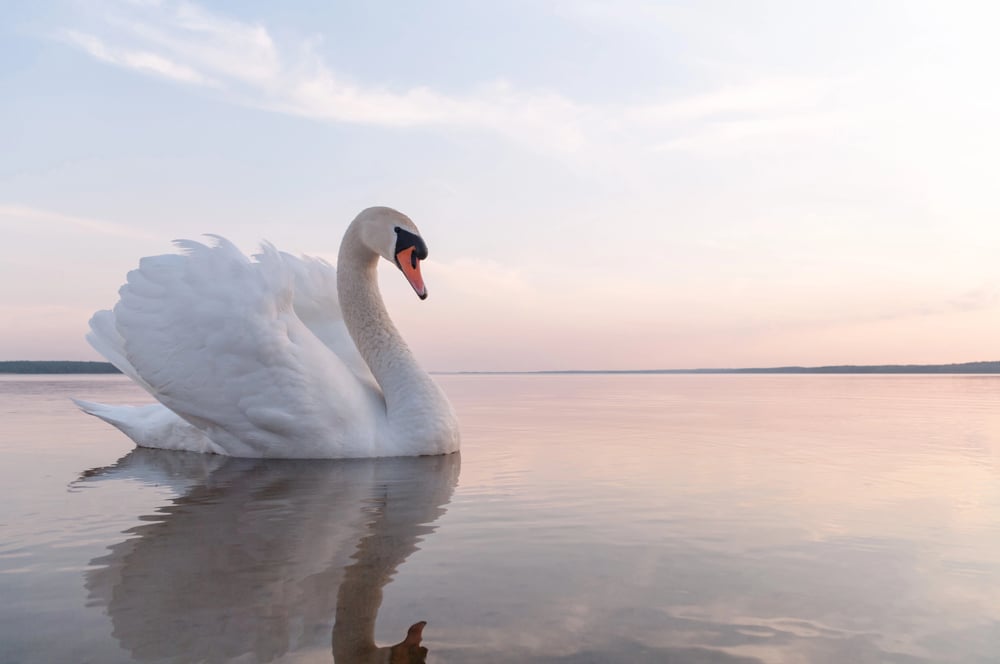
These elegant white birds glide across ponds like living poetry, their graceful necks and serene expressions making them symbols of peace and beauty in parks worldwide. Although generally non-aggressive, swans can present a threat when their nests or young are threatened, with sturdy wings and beaks that can inflict considerable injury.
During nesting season, these six-foot wingspan beauties become feathered missiles, capable of breaking bones with their powerful wing beats.
Hedgehogs
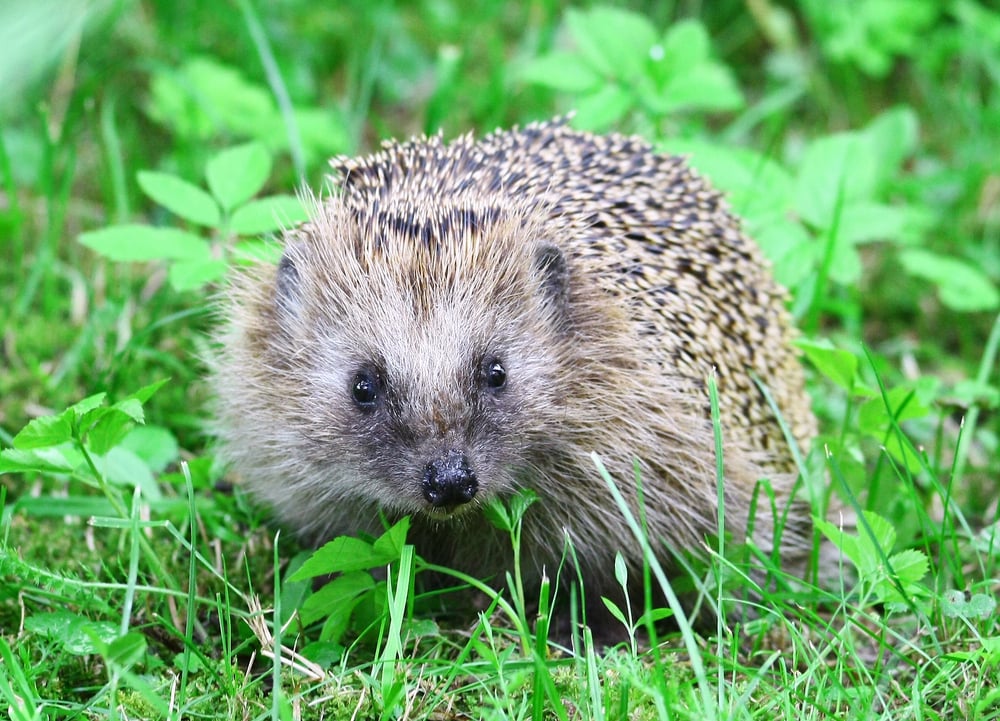
These spiky little creatures roll into adorable pin cushions when threatened, their tiny faces and button noses making them popular pets and internet sensations. Hedgehogs carry tiny yet potent spines that can inflict pain on anyone who attempts to handle them improperly.
While not deadly, their quills can cause painful puncture wounds and potentially carry bacteria. Their defensive spines are sharp enough to deter much larger predators, proving that even pocket-sized animals deserve respect.
When Cute Meets Consequence
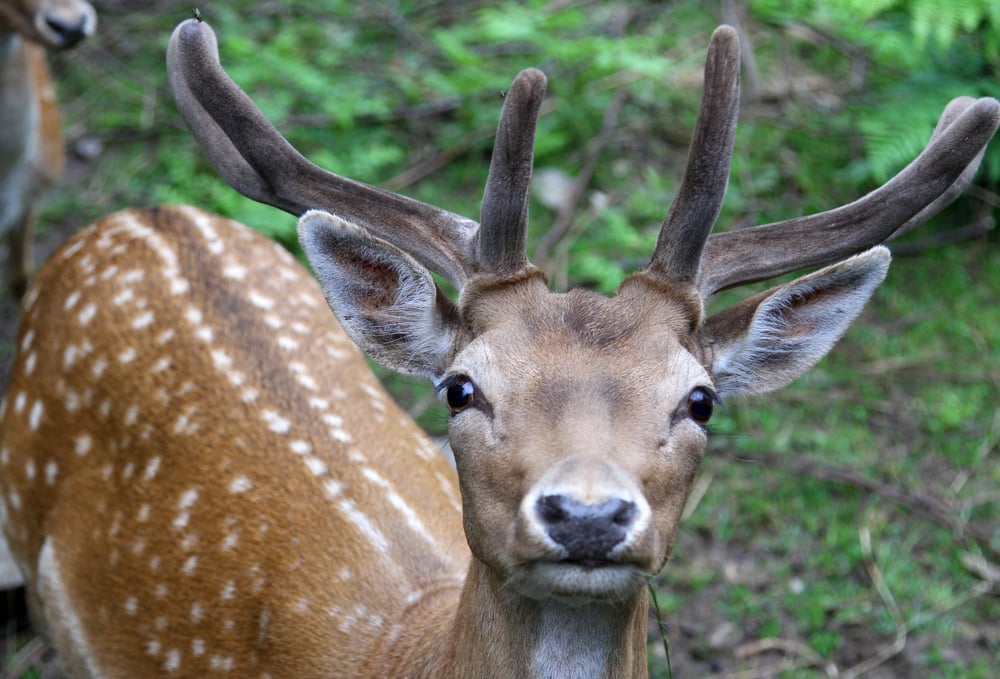
The animal kingdom’s greatest lesson might be that survival often comes disguised in the most unexpected packages. These creatures prove that evolution doesn’t always choose between being adorable and being dangerous—sometimes it chooses both.
Next time you encounter an unfamiliar animal that looks harmless enough to pet, remember that nature’s most effective defense mechanisms often come wrapped in the most innocent appearances. The line between ‘aww’ and ‘ouch’ in the wild is often thinner than we think.
More from Go2Tutors!

- The Romanov Crown Jewels and Their Tragic Fate
- 13 Historical Mysteries That Science Still Can’t Solve
- Famous Hoaxes That Fooled the World for Years
- 15 Child Stars with Tragic Adult Lives
- 16 Famous Jewelry Pieces in History
Like Go2Tutors’s content? Follow us on MSN.